
News
Two days of HOA in Turks and Caicos



The Caribbean tourism deal first reported as a possibility on Tuesday is now a signed agreement. Royal Caribbean Group plans to pay approximately US$3 billion for a 50% stake in Sandals and Beaches Resorts, putting the value of the business at about US$6 billion. The purchase is expected to close in early 2027, subject to approvals.
Founded in Jamaica by the late Gordon “Butch” Stewart in 1981, the resort business has a presence across nine Caribbean destinations, including Jamaica, The Bahamas and Turks and Caicos. Sandals has described its workforce as nearly 20,000 people, most of them Caribbean nationals.
“My father, Gordon ‘Butch’ Stewart, founded Sandals Resorts with the belief that a company built in the Caribbean could stand on the world stage alongside the most respected names in hospitality,” said Adam Stewart in the announcement carried by PR Newswire. He will remain executive chairman, while the Stewart family retains a stake. The companies say existing reservations and resort operations will continue as usual.
News
Indian Association of Turks and Caicos Islands Empowers Local Students Through Back-to-School Backpack & Supplies Drive
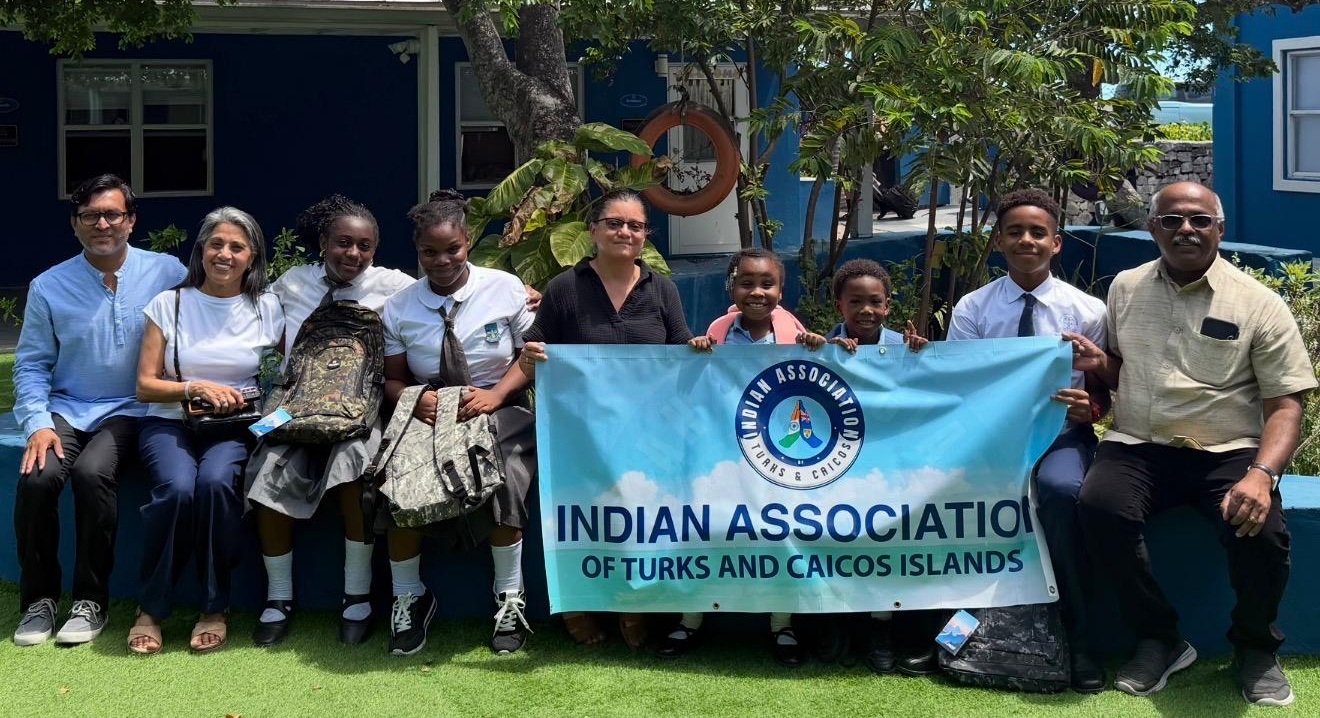
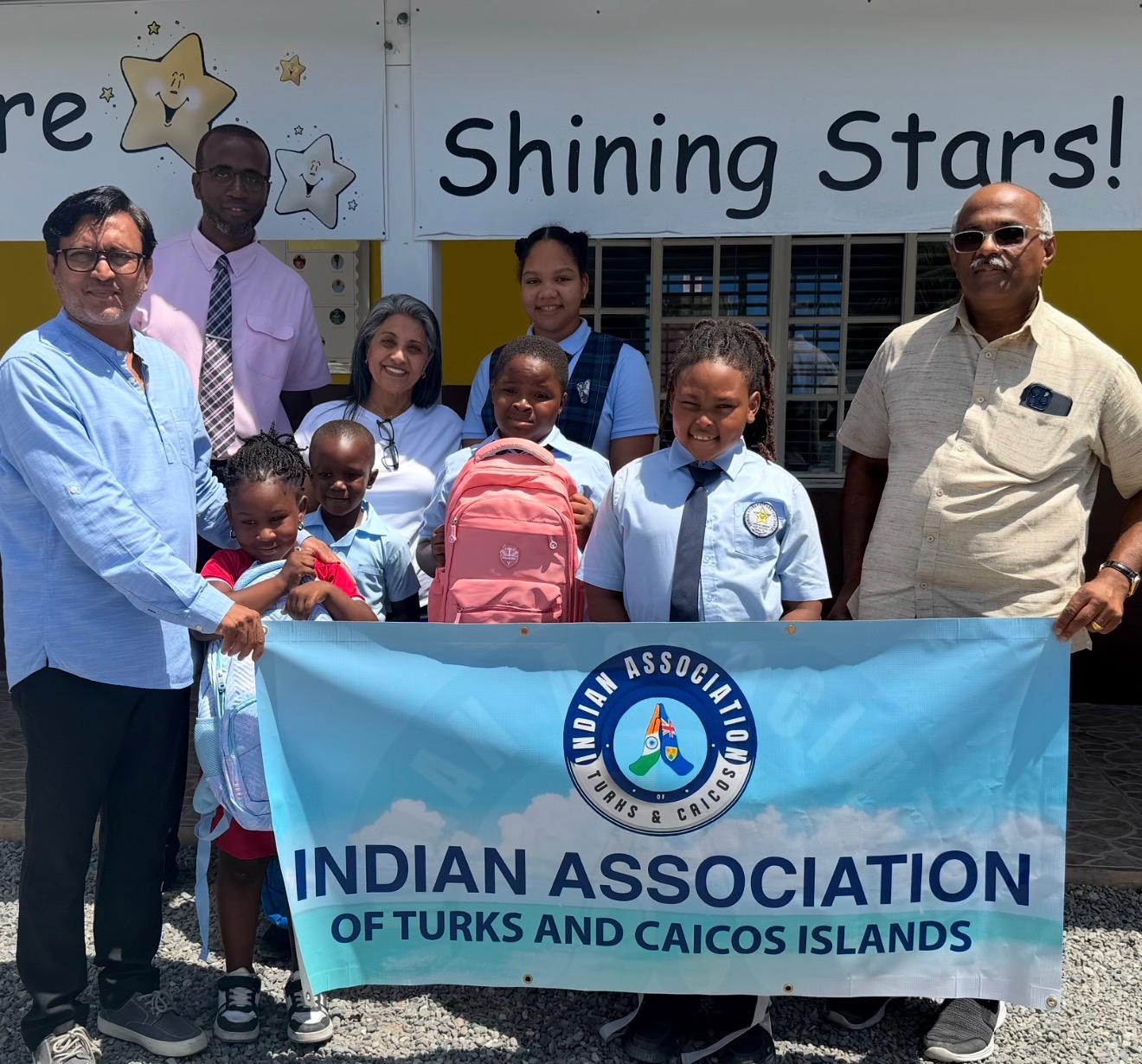
PROVIDENCIALE, TURKS AND CAICOS ISLANDS — The Indian Association of Turks and Caicos Islands (IATCI) is proud to announce the successful completion of its 2026 Back-to-School Supplies Initiative, distributing essential backpacks and educational materials to local students and families across the community.
With the new academic year underway, this annual drive was designed to alleviate the financial burden on families while equipping local youth with the necessary tools for academic success.
Education is an investment in a better generation and a brighter future. We are grateful to all our generous donors and supporters whose contributions helped make this initiative possible.
The initiative’s success was made possible through the collaboration and contributions of local corporate partners and community members. IATCI extends its sincere appreciation to the following sponsors for their support and commitment:
• Mayaa Ltd, Ayavue Enterprises, Provo Café, Sunny Foods, Gold Smith, Charlie’s, Kishco / Kostco, Citrusbuy Ltd.
Through partnerships like these, IATCI continues its commitment to fostering community growth, supporting educational development, and making a lasting positive impact across the Turks and Caicos Islands.
About the Indian Association of Turks and Caicos Islands (IATCI)
The Indian Association of Turks and Caicos Islands is a non-profit community organization dedicated to cultural enrichment, community service, and supporting educational and social initiatives throughout the islands.
Indian Association of Turks and Caicos Islands (IATCI)
“Empowering Pharmacists for Healthier Futures”
Providenciales, Turks and Caicos Islands — September 23, 2026; TCI Hospital joined healthcare organisations around the world in celebrating World Pharmacy Day from September 21-25, 2026, recognising the vital contribution pharmacists and pharmacy technicians make to patient safety, quality care and stronger healthcare systems.
Under the theme “Empowering Pharmacists for Healthier Futures,” this year’s observance highlighted the importance of enabling pharmacy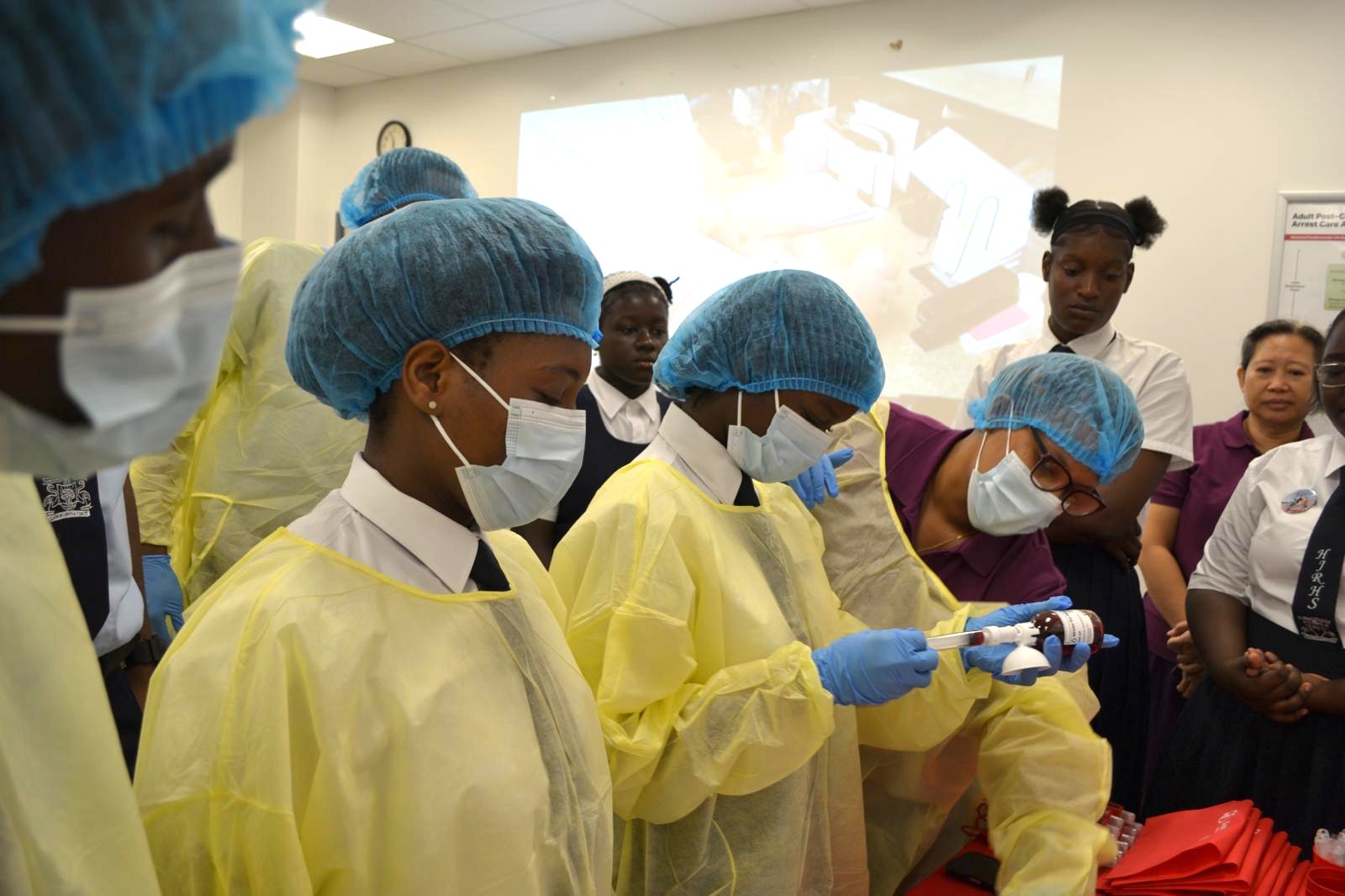 professionals to use their knowledge, skills and expertise to their fullest potential in improving health outcomes and supporting patients throughout their healthcare journey.
As part of World Pharmacy Week, September 19–25, TCI Hospital celebrated its Pharmacists and Pharmacy Technicians while engaging patients, students and the wider community in activities focused on medication safety, pharmacy careers and the expanding role of pharmacy professionals in healthcare.
More Than Preparing Medications
Pharmacists and pharmacy technicians are integral members of the multidisciplinary healthcare team at TCI Hospital. While pharmacy is often associated with dispensing and preparing medicines, the work of pharmacy professionals extends far beyond the pharmacy counter.
The hospital’s pharmacy team works collaboratively with physicians, nurses and other healthcare professionals to support the safe and appropriate use of medications throughout the patient journey. Their work includes medication preparation and management, medication reconciliation and review, patient education, and processes designed to identify and reduce medication-related risks.
Their specialised knowledge is particularly important in clinical areas such as the Neonatal Unit, Oncology and Dialysis services, where medication management requires precision, careful calculation, specialised preparation and close attention to individual patient needs.
For TCI Hospital, World Pharmacy Day therefore provides an opportunity not only to celebrate pharmacy professionals, but also to increase public understanding of their important contribution to safe, effective and patient-centred care.
Inspiring the Next Generation
An important part of TCI Hospital’s 2026 observance was engaging young people and introducing them to the diverse opportunities available within the pharmacy profession.
Students from Maranatha Academy in Providenciales and HJ Robinson High School in Grand Turk, participated in an exposition designed to provide insight into the work of pharmacists and pharmacy technicians and their contribution to patient care and medication safety.
Students explored how medications moved through the healthcare system, the safeguards used to help prevent medication errors, and the importance of medication reconciliation in identifying and resolving potential medication-related concerns.
The sessions also featured practical demonstrations of selected tools and processes used by pharmacy professionals, giving students an opportunity to experience aspects of the profession beyond the traditional image of dispensing medicines.
Through this engagement, TCI Hospital hoped to encourage more young people in the Turks and Caicos Islands to consider careers in pharmacy and the wider healthcare sector.
Taking Pharmacy Education into The Community
TCI Hospital extended the conversation beyond the hospital through a special TCI Hospital House Call Talk Show episode featuring pharmacy professionals and a patient.
The programme explored the role of pharmacists from both the healthcare professional and patient perspectives, including how pharmacy professionals contributed to safe medication use and how patients could become active partners in their own medication safety.
The discussion encouraged patients to know the medications they were taking, provide healthcare professionals with accurate and up-to-date information about their medicines, follow medication instructions carefully, and ask questions whenever they were uncertain about their treatment.
The programme also highlighted pharmacy as a rewarding healthcare career and encouraged young people to explore educational and professional opportunities in the field.
Medication Safety is a Shared Responsibility
World Pharmacy Day also provides an important reminder that medication safety is a shared responsibility involving healthcare organisations, healthcare professionals, patients and families.
Patients can contribute to safer care by maintaining an accurate list of their medications, including prescription and non-prescription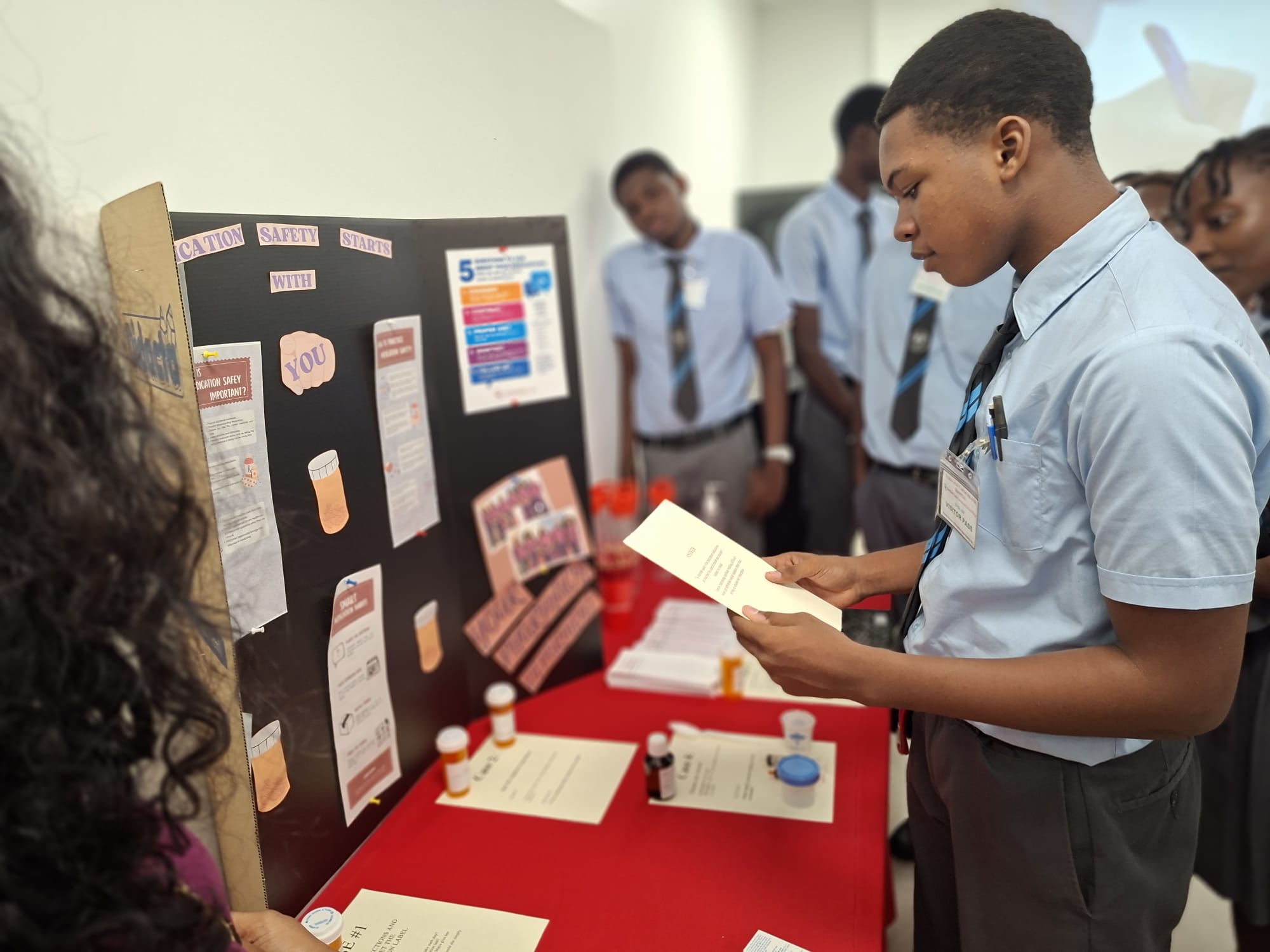 medicines; informing healthcare professionals about medications they are taking; following instructions for safe medication use; and asking questions when they do not understand why or how a medicine should be taken.
Healthcare organisations and professionals, in turn, have a responsibility to maintain systems that support safe medication practices and enable pharmacists and pharmacy technicians to contribute their expertise across the continuum of care.
TCI Hospital remains committed to strengthening medication safety, supporting its pharmacy workforce, educating patients and promoting effective collaboration across the multidisciplinary healthcare team.
Celebrating the People Behind Safe Medication Use
Chief Executive Officer of TCI Hospital, Dr Denise Braithwaite-Tennant, said World Pharmacy Day is an important opportunity to recognise the expertise and dedication of the hospital’s pharmacy professionals.
| “Our pharmacists and pharmacy technicians are essential members of the multidisciplinary team and make an invaluable contribution to safe, high-quality patient care every day. Their role extends far beyond preparing and dispensing medications. They bring specialised knowledge, precision and clinical expertise to medication management and work alongside our healthcare teams to reduce risks and support the best possible outcomes for our patients.
This year’s theme also reminds us that empowering pharmacists means creating opportunities for them to contribute their expertise across the patient journey. We are proud of our pharmacy team and sincerely thank them for their professionalism, dedication and commitment to helping build healthier futures for the people of the Turks and Caicos Islands.” Dr Denise Braithwaite-Tennant |
Chief of Allied Services, Eleanor Hall, highlighted the importance of recognising pharmacy as an integral clinical service and supporting the continued professional development of the pharmacy workforce.
| “Pharmacy is an essential component of safe and effective healthcare delivery. Our pharmacy professionals work collaboratively across disciplines and services, bringing expertise that supports clinical decision-making, medication safety and patient education. Their contribution is especially important as healthcare becomes increasingly complex and patients require more individualised approaches to medication management.
Empowering our pharmacy workforce also means investing in professional development, encouraging innovation and ensuring that pharmacists and pharmacy technicians have opportunities to contribute their knowledge throughout the healthcare system. I am extremely pleased that this year’s activities also extend into our schools and community, helping people better understand the profession while inspiring the next generation of healthcare professionals.” Eleanor Hall |
Pharmacy Manager Kennita Myers said the theme reflects both the responsibility carried by pharmacy professionals and the opportunities available to further strengthen their contribution to patient care.
| “Every medication we prepare, review or manage represents a patient who is depending on us to get it right. Whether we are supporting neonatal care, oncology, dialysis or other hospital services, accuracy, vigilance and patient safety remain at the centre of everything we do.
Our pharmacists and pharmacy technicians are also educators and advocates for safe medication use. We want our patients to understand their medicines and feel confident asking questions about their treatment. We are equally passionate about introducing young people to pharmacy and showing them the many ways, they can build meaningful careers while contributing to the health of their community. World Pharmacists Day gives us an opportunity to celebrate our profession, share our knowledge and inspire the next generation.” Kennita Myers |
Thank You to Our Pharmacy Professionals
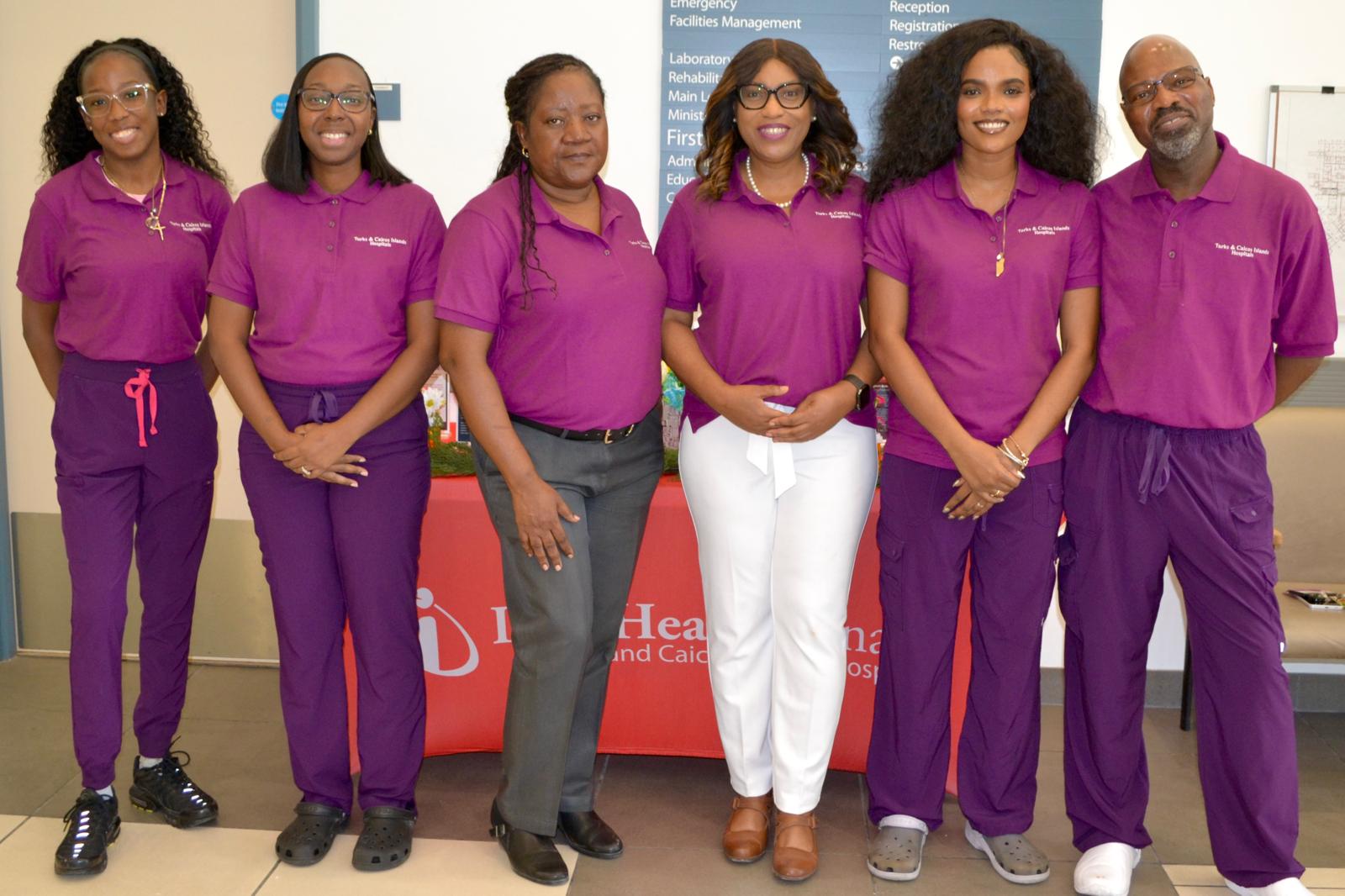
Turks and Caicos Islands Hospital extends its sincere appreciation to its pharmacists and pharmacy technicians for their professionalism, expertise and commitment to patient safety.
Whether preparing specialised medications, supporting clinical teams, educating patients, reviewing medication therapy or strengthening medication-safety processes, pharmacy professionals play an important role at every stage of the patient journey.
Their work embodies the message of World Pharmacy Day 2026: “Empowering Pharmacists for Healthier Futures.”
To all of our Pharmacists and Pharmacy Technicians, thank you for helping to keep our patients safe, supporting our healthcare teams and contributing every day to healthier futures for the people of the Turks and Caicos Islands.





-
 Independent writer1 week ago
Fifty Years of Ministerial Government: Honouring Our Past, Embracing Our Present and Preparing for Our Destiny
-
 Health1 week ago
Know the Possible Warning Signs of Prostate Cancer
-

 Independent writer3 days ago
Letter to The Editor
-
 Bahamas News1 day ago
CIBC Caribbean Celebrates 2026 Unsung Heroes Finalists
-
 Education6 days ago
TCI Schools Invited to Participate in 2026 National Student Council Election
-

 News6 days ago
Liberty Business launches in Turks and Caicos Islands
-
 Bahamas News2 days ago
Romer Receives Regional Leadership Award
-
 Bahamas News2 days ago
Public Hospitals Authority Foundation Donates Dialysis Machines to Princess Margaret Hospital (PMH)