
News
DDME Hosts Successful Safe School Training to Strengthen National School Safety and Preparedness

Providenciales, Turks and Caicos Islands: The Department of Disaster Management and Emergencies (DDME), recently coordinated a four-day ‘Safe School’ training programme in Providenciales, bringing together key stakeholders in the education and law enforcement sectors.
The training was facilitated by Mr. Bernez Khodra, Resilience Specialist, currently serving as Lead Consultant of KHODRA’s Advisory Group. Mr. Khodra is also the former senior programme officer for Safe Schools at the Caribbean Disaster Emergency Management Agency (CDEMA) under the United Nations Children’s Fund (UNICEF) project; and School Safety Officer for the Ministry of Education in Saint Lucia.
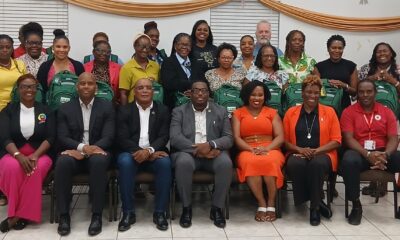
A total of twenty-two (22) participants successfully completed the programme. The cohort represented the Department of Special Educational Needs Services, the Royal Turks and Caicos Islands Police Force and public and private schools in the Turks and Caicos Islands. The training provided a focused opportunity to examine current school safety practices, challenge existing approaches and refresh participants understanding of core disaster risk and emergency management principles to keep schools safe.
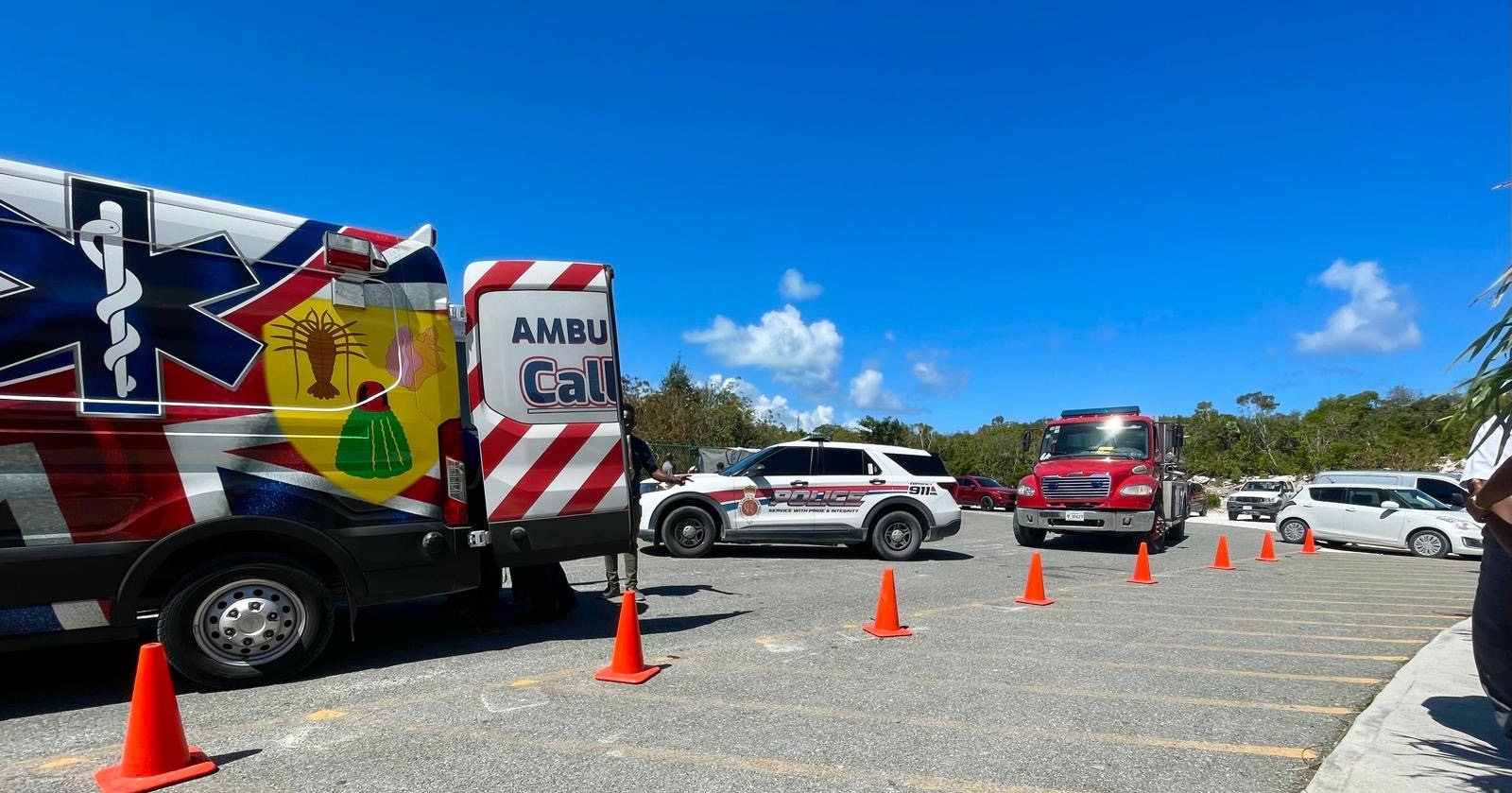
The final day of the training culminated in a full-scale simulation exercise based on an earthquake scenario that triggered a fire emergency at ‘The A. Louise Garland Thomas High School’. Designed to mirror real-life conditions as closely as possible, the drill engaged students, faculty members and programme participants in a coordinated emergency response. This exercise reinforced the practical application of strategies covered throughout the training, as well as knowledge and guidance that DDME delivered to the students over the course of the school year. Students were also assessed on their understanding and execution of procedures presented during these sessions, demonstrating their ability to respond effectively and follow safety protocols in an emergency.
Full-scale exercises of this nature are critical to strengthening school safety systems, as they move beyond theory to test readiness in real time. The simulation assessed key areas including communication protocols, evacuation procedures, incident command coordination, decision-making under pressure and the safe movement and accountability of students and staff.
The exercise incorporated a multi-agency response from the Royal Turks and Caicos Islands Police Force, Emergency Medical Services (EMS), the Fire Department, and DDME; allowing for the evaluation of response times and the effectiveness of joint operations in a high-pressure environment.
Mr. Bernez Khodra, training facilitator praised the programme, stating that “Participants showed exemplary dedication throughout the four‑day programme. Their enthusiasm and collaborative spirit demonstrated that we are on the right path toward strengthening school safety and emergency preparedness nationwide.”
Speaking on the significance of the training programme, Ms. Tamara Hylton, Training and Education Manager for DDME stated, “This training underscores DDME’s commitment to helping to bring quality education and training programmes to build safety and resiliency across the Turks and Caicos Islands. The high level of engagement demonstrated by participants in this exercise also reflects a shared recognition that school safety is everyone’s responsibility.”
The 2026 ‘Safe School’ training in Providenciales will significantly enhance disaster preparedness within the Turks and Caicos Islands national school system. DDME remains committed to supporting safer learning environments and equipping stakeholders with the skills needed to protect students, staff, and communities.












Bahamas News
Bahama Brass Band Invitation Sparks Heritage Debate Ahead of TCI Constitutional Holiday

Turks and Caicos, August 20, 2026 – The planned participation of the Bahama Brass Band in the Turks and Caicos Islands’ inaugural Constitutional Holiday celebrations on August 30 has sparked public debate over culture, heritage and the historical contributions of Turks and Caicos Islanders abroad.
Organizers defended the invitation, saying the band’s inclusion is intended to highlight the deep historical ties between the two countries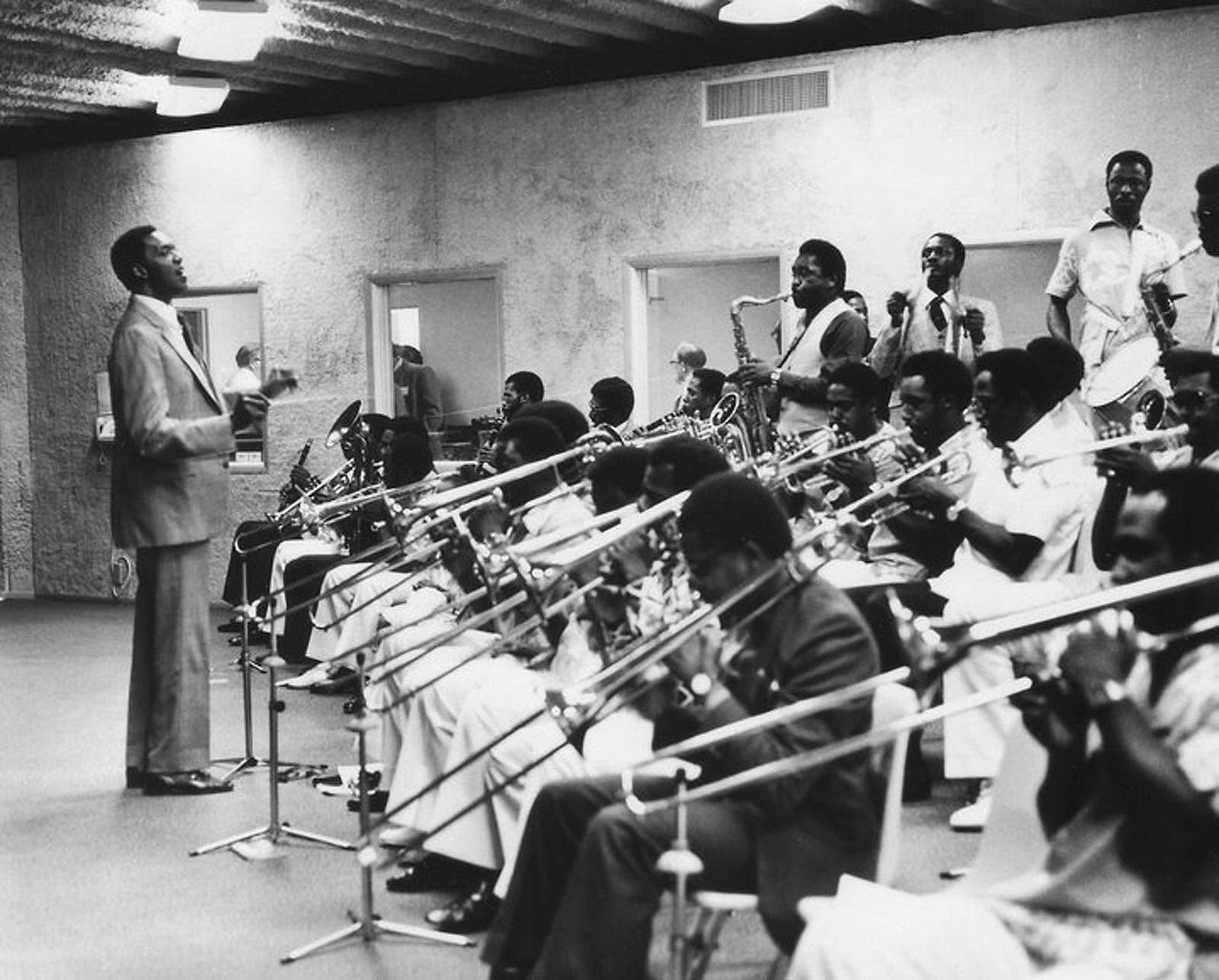 and honor Turks and Caicos men who helped establish and develop the institution in Grand Bahama.
According to the organizers, the Bahama Brass Band began in 1955 in Pine Ridge, Freeport, with Turks and Caicos Islanders, including the late Deacon Reuben Hall Sr. of Middle Caicos and Jenkins Williams and Mervin Hendfield of North Caicos, among those who helped build its foundation. The band eventually grew to more than 50 men.
The organizers also pointed to the participation of Turks and Caicos men in The Bahamas’ Independence celebrations on July 10, 1973, arguing that their contributions became part of Bahamian history while maintaining strong connections to their homeland.
Supporters say bringing the band home represents an opportunity to honor those pioneers, showcase their regional influence and expose younger generations to an important part of Turks and Caicos history.
However, concerns raised publicly described the invitation as potentially disrespectful to local culture and heritage. Organizers acknowledged those concerns, apologizing to anyone who felt overlooked or offended, while maintaining that no disrespect was intended.
The committee said the event should ultimately unite rather than divide, presenting the band’s history as evidence of the reach and resilience of Turks and Caicos heritage.
PHOTO CREDIT: Bahamas Brass Band
News
BermudAir Launches New York Area’s First Nonstop Service to South Caicos, Now Just a 3.5 Hour Flight from Newark

Twice-Weekly Nonstop Flights Begin December 20 with Fares from $347 One Way, Creating Direct Access to Salterra Resort & Spa
– New Route Expands BermudAir’s Winter Turks & Caicos Network –
[New York, NY – August 20, 2026] – BermudAir, the leading premium leisure carrier to Bermuda and the Caribbean, today announced it will introduce nonstop flights to South Caicos from Newark this winter. The route places one of the Caribbean’s most secluded island destinations just 3.5 hours from the New York area for the first time.
The new service starts on December 20, 2026, operating on Sundays and Thursdays, and will be the only nonstop service to the destination from the New York area. This seasonal service will operate through April 25, 2027. Fares start at $347 one way ($773 roundtrip) and go on sale today.
The new South Caicos route creates gives travelers two distinct luxury resort options, with direct access to Salterra, A Luxury Collection Resort & Spa, recently named the No. 1 resort in Turks and Caicos by Condé Nast Traveler.
Set across 85 beachfront acres with a 3,000-foot private white-sand beach, Salterra brings a full luxury resort experience to an island still defined by its historic salinas, pristine waters, bonefishing flats and uninhabited cays. Upon landing at South Caicos International Airport (XSC), guests are approximately 10 minutes from the resort.
While flights go on sale today, the airline’s BermudAir Holidays vacation-packaging division will offer curated travel to South Caicos from next month, featuring flights, hotels and authentic island experiences, with bundled discounts and value-added perks, making it even easier to explore the destination.
Previously BermudAir announced seven new routes to Providenciales in Turks and Caicos, from Newark (EWR), Boston (BOS), Baltimore-Washington (BWI), Raleigh-Durham (RDU), Fort Lauderdale (FLL), St Petersburg/Tampa (PIE) and Toronto (YYZ) which will all start in December except for Fort Lauderdale which begins October 26.
Expanded Winter Season
- To South Caicos:
- Twice-weekly nonstop from Newark (Sundays and Thursdays) from December 20 through April 25, 2027.
- To Turks and Caicos:
- Weekly nonstop from Newark (Saturdays) and one weekly direct service (Thursdays) from December 19 through April 29, 2027;
- Weekly nonstop service from Boston (Saturdays), from December 19 through May 1, 2027;
- Weekly nonstop service from Baltimore-Washington (Thursdays), from December 24 through April 29, 2027;
- Twice-weekly nonstop service from Raleigh-Durham (Thursdays and Sundays), from December 20 through May 2, 2027;
- Thrice-weekly service from Fort Lauderdale (Mondays, Wednesdays and Fridays), from October 26 through May 3, 2027;
- Twice-weekly nonstop service from St Petersburg/Tampa (Mondays and Thursdays), from December 21 through May 3, 2027; and
- Weekly nonstop service from Toronto (Saturdays), from December 19 through May 1, 2027.
“We’re thrilled to continue expanding our Caribbean network as the premium leisure carrier from North America,” said Adam Scott, Founder and CEO of BermudAir. “Now New Yorkers can fly nonstop to two distinct sides of the Turks and Caicos Islands — Providenciales and the secluded island of South Caicos, home to the exquisite Salterra and Sailrock South Caicos resorts.”
The airline consistently earns Net Promoter Scores of 70+, one of the highest ratings in the airline industry. All flights will be operated on comfortable Embraer E190 aircraft, offering passengers the airline’s signature warm service and authentic island hospitality.
“South Caicos has always felt worlds away, and that is part of its magic,” said Michael Tibbetts, Founder and CEO of Salterra. “Beginning this winter, guests can fly nonstop from Newark in 3.5 hours, land at one of the newest international airports in the region and be at Salterra minutes later. This route makes a long weekend escape and an extended stay to one of the Caribbean’s most unspoiled islands remarkably easy, without changing the sense of discovery that makes South Caicos so special.”
For more information or to book flights, visit www.flybermudair.com. Salterra will offer dedicated stay packages timed to BermudAir’s Thursday and Sunday nonstop service. To book a stay at Salterra, A Luxury Collection Resort & Spa, visit www.salterra.com
NASSAU, Bahamas — Caribbean Bottling Company (CBC), local producers of Dasani products, proudly sponsored the fifth annual, Caribbean Hoopfest.
The tournament brings together Bahamian high school basketball teams and visiting teams from the United States for a competitive showcase at the Kendal G. L. Isaacs Gymnasium. Following its inaugural year at the Kendal G. L. Isaacs gym and last year’s event at Loyola Hall, the tournament returned to the Kendal G. L. Isaacs gym this year.
During the weekend tournament, CBC kept athletes well hydrated with in-kind donations of Dasani Water, Powerade and Minute Maid Juices.
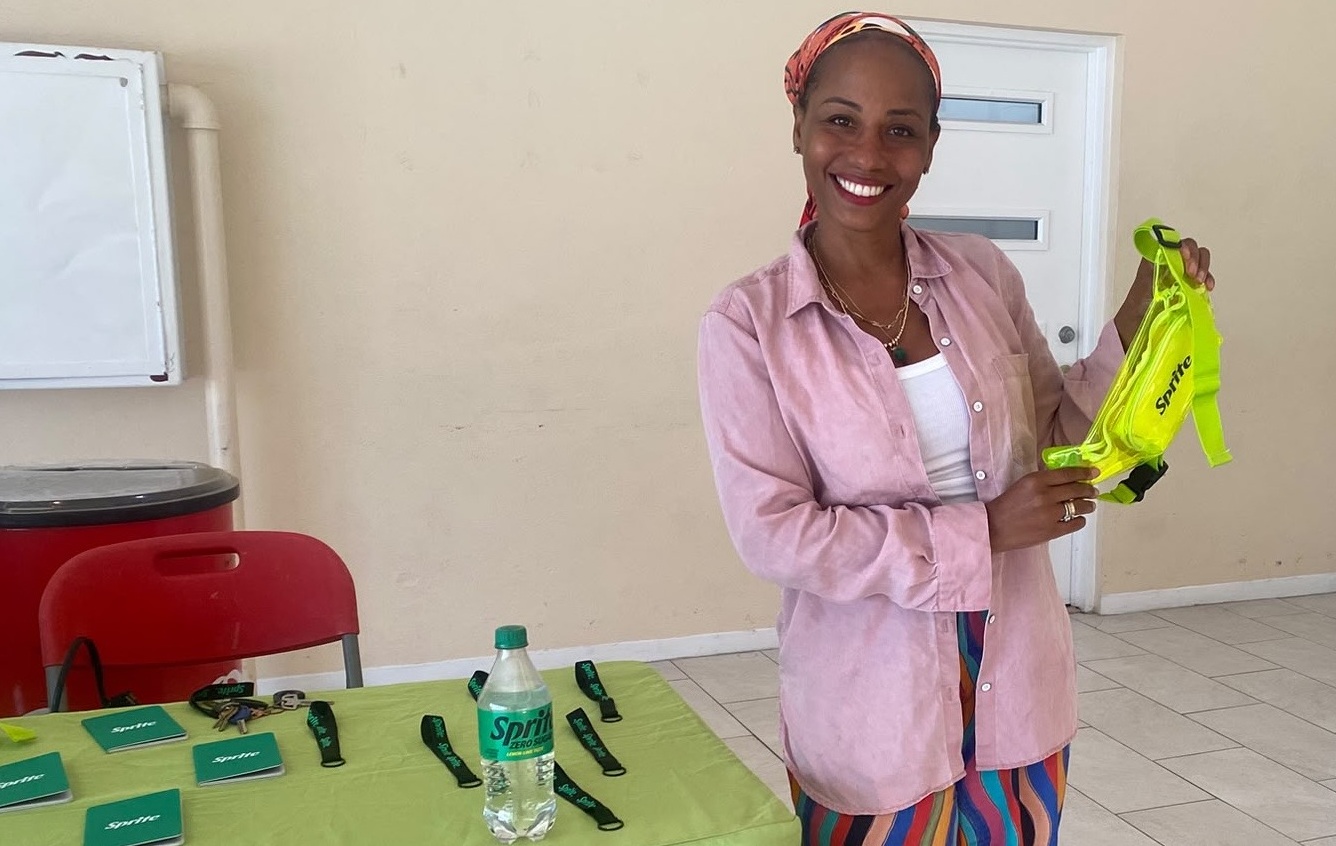
During the tournament’s final day, CBC provided additional support by offering Sprite No Sugar samples and inviting attendees to participate in its Spin the Wheel for a chance to win exciting prizes.
CBC was proud to support this incredible event, which provides young Bahamian athletes with valuable exposure to U.S. basketball scouts and coaches. This opportunity gives them the chance to earn scholarships, continue their education, and pursue their basketball careers in the United States.
Event organizer, Donald Francois shared his appreciation for CBC’s support.
“I want to express our sincere appreciation for Caribbean Bottling Company, who has been a tremendous supporter and an important part of the success of our program. Without CBC’s support, Caribbean Hoop Fest would not be able to function at the level it does today. And without Caribbean Hoop Fest, we would not have been able to provide the opportunities that have helped young Bahamian athletes gain exposure and pursue educational opportunities in the United States,” he expressed.
Since the program’s inception, several Bahamian student-athletes have been selected for scholarship opportunities, highlighting the tournament’s growing impact on the development and advancement of young basketball talent in The Bahamas.
They are: Kelvin McDowells – Guard, Wodson Antoine – Power Forward, Justin Lafleur – Guard and Sean John – Guard.
After another successful edition of the tournament, Francois shared what he hopes he and Caribbean Bottling Company can achieve in the future.
“Our vision is bigger than basketball. We want to use the platform of Caribbean Hoop Fest to educate, develop, and create opportunities for young people and their families throughout the Bahamas. With individuals and organizations committed to our mission, we believe we can continue to grow the program and make an even greater impact,” Francois said.
For more details on community support, events and new products visit Caribbean Bottling Company at www.cbcbahamas.com today.





-

 News5 days ago
BermudAir Launches New York Area’s First Nonstop Service to South Caicos, Now Just a 3.5 Hour Flight from Newark
-

 News1 week ago
Salt Cay Water Shortage Unresolved as Residents Question Promised Relief
-

 Bahamas News5 days ago
CBC Supports Opportunities for Young Bahamian Basketball Players
-

 Bahamas News5 days ago
Bahama Brass Band Invitation Sparks Heritage Debate Ahead of TCI Constitutional Holiday
-
 Health1 week ago
Turks and Caicos Islands Hospital Celebrates Successful Completion of 2026 Summer READY Programme