Bahamas News
Prime Minister Davis: Cannabis Reform Compendium 2024 ‘a long time coming’


NASSAU, The Bahamas – Prime Minister and Minister of Finance the Hon. Philip Davis said on July 15, 2024, that he spoke in support of the compendium of Bills to legalise the use of cannabis for medical and religious purposes, to decriminalise the possession of small amounts of cannabis, and to “regulate the cultivation, sale and use of cannabis and related products within our borders and to promote the health and safety of our people.”
“This has been a long time coming,” Prime Minister Davis said, during his Contribution to the Cannabis Reform Compendium 2024 Debate in the House of Assembly.
“For years, Bahamians have called for an administration to have the courage to step up and take this issue on in a decisive and responsible manner,” he added. “While many other countries, including nations within our region like Jamaica, Trinidad & Tobago, Antigua & Barbuda and Barbados, have taken steps toward decriminalisation and legalisation for medical use, Bahamians were left wondering when it would be our turn to modernise our local approach to cannabis.”
Prime Minister Davis noted that the national dialogue had been ongoing for the better part of a decade.
“Many people thought change was imminent when the Marijuana Commission began its work in October 2018, under the previous administration,” he said. “These efforts culminated in a preliminary report delivered in January 2020 and a final report delivered in August 2021.”
He added: “The Commission cited a wide range of in-person discussions and public opinion research, noting that there appeared to be widespread public support for the legalisation of cannabis for medical purposes. There was also healthy support for decriminalisation and an appetite for a strong regulatory and enforcement framework to ensure high standards for this new industry.”
Prime Minister Davis pointed out that the recommendations of the Commission called for legalisation for medical use, decriminalisation for small amounts, legalisation for use as a religious sacrament for members of the Rastafarian community, as well as strict regulations to ensure the quality and safety of the local cannabis product.
“In the PLP’s Blueprint for Change, we committed to developing a comprehensive regulatory framework for growing, harvesting, and exporting cannabis to create opportunities for Bahamians,” he said.
“The approach we developed to legislating and regulating Cannabis was informed by widespread research and consultation,” Prime Minister Davis added. “It was partially based on the CARICOM Regional Commission on Marijuana’s research and findings, as well as the approaches of other jurisdictions like Jamaica, Barbados, and Canada, where Cannabis has been legalised and regulated.”
He said that his Government’s goal was to ensure that it developed the most fair, balanced, and effective legislative and regulatory mechanisms, which would allow The Bahamas to reap economic and health benefits while promoting law and order and keeping its people safe through the introduction of stringent standards.
Prime Minister Davis added: “Once we felt that we had an adequate draft, we released the draft bills publicly, and we held a number of stakeholder consultation sessions, led by the Attorney General’s Office, in which we sat down with major stakeholder groups like healthcare providers, leaders of our church community, advocates for legalisation, leaders of the Rastafarian community – some of whom I see here today, as well as those who had concerns about the impact of legalisation and decriminalisation on the proliferation of usage. These varied opinions were taken into account and adjustments were made to achieve the most practical and effective approach that would work best for the Bahamian people.”
He pointed out that his Government also paid close attention to ongoing research on the issue – the most recent of which, he noted, was a survey conducted nationally by Public Domain in 2023, which indicated that 61% of the population supported the legalisation of cannabis for medical usage.
“It was clear that the times had changed, and it was time for our laws to change as well,” Prime Minister Davis stated.
He continued: “We’ve been hard at work since 2021. We knew this was not a process we could rush. There was a recognised need for carefulness and due diligence, but there was also a need to ensure that this new legislative and regulatory regime could be introduced and implemented within this term. We could not simply kick the can down the road for our next term the way other administrations did. No, we could not delay these changes – not when so many people had waited for years for real action to be taken.
“Today, the wait is over.”
Prime Minister Davis noted that his Government was taking action on behalf of all of the people who simply wanted the ability to legally consume medical cannabis to help them with their medical conditions.
“There are people with children suffering from epilepsy who have been praying for this moment,” he said. “There are people with glaucoma who want the opportunity to potentially alleviate their condition with a cost-effective and natural treatment.”
Prime Minister Davis added that there were people living with auto-immune conditions, chronic pain, anxiety, depression, and other ailments who were “waiting not-so-patiently for this day.”
“We are taking action for the many men and women living with criminal records for carrying small amounts of cannabis, and the many others who will be spared criminal records as a result of decriminalization,” he said.
Prime Minister Davis stated that, as a society, his Government realised that the old approach taken against Cannabis in the War on Drugs in the 1980s and 90s did not necessarily reflect the current reality.
“Too many livelihoods have been lost because of a joint,” he said. “Too many lives have been handicapped and potentials lost.”
He added that when he was saying that, it was not his intent to excuse those who choose to break the law.
“After all, the law is the law; it must be respected and upheld,” Prime Minister Davis stated. “But we also recognise that the law is not static, it is dynamic. And the interpretation of the law and how it serves the greater good of society can change over time. I am confident that many lives will be changed for the better as a result of the criminal records that will be expunged.”
“Through these reforms, we are upholding the rule of law, making it clear that if you are seeking to supply others with cannabis illegally or engage in other unlicenced and illegal activities, you will be held accountable,” he added. “Everyone is welcome to participate within the legal and regulatory framework and only within that framework.
“Of course, as a part of this reform process, we are also taking action to recognise the rights and freedoms of Rastafarians to use Cannabis as a sacrament because it should not be against the law for our brothers and sisters of the Rastafarian faith to practice their religion.”
PHOTO CAPTION
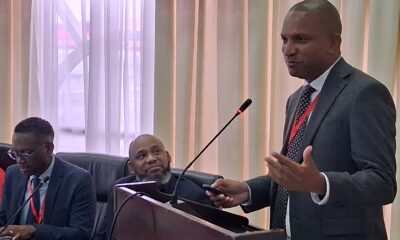
Prime Minister and Minister of Finance the Hon. Philip Davis speaks, on July 15, 2024, during his Contribution to the Cannabis Reform Compendium 2024 Debate in the House of Assembly. (BIS Photos/Ulric Woodside)
Release: BIS


The Bahamas, August 27, 2026 – The Royal Bahamas Police Force wishes to inform members of the public that several individuals are scheduled to appear before the Magistrate’s Court on Thursday, 27th August 2026, at 12:00 noon.
The individuals and charges are as follows:
An 18-year-old female is scheduled to be arraigned on the following charges:
Three (3) counts of Murder
Three (3) counts of Attempted Murder
Three (3) counts of Possession of a Firearm with Intent to Endanger Life
Three (3) counts of Possession of an Unlicensed Firearm
Two (2) counts of Possession of Ammunition
Armed Robbery
Abetment to Armed Robbery
Stealing
Receiving
The charges stem from three separate shooting incidents and an armed robbery that occurred on Friday, 21st August 2026, and Saturday, 22nd August 2026.
The first shooting occurred in the area of Soldier Road and Baillou Hill Road, resulting in the death of a 51-year-old male.
The second shooting occurred in the area of Joe Farrington Road, resulting in the death of a 52-year-old male.
The third shooting occurred in the area of Gladstone Road, resulting in the death of a 36-year-old male.
The armed robbery occurred at a business establishment in the area of Carmichael Road and Baillou Hill Road.
A 21-year-old male is scheduled to be arraigned on one charge of:
- Murder
The charge stems from a shooting incident that occurred on Tuesday, 21st July 2026, in the area of Samson Street, Nassau Village, which resulted in the death of a 28-year-old male.
A 32-year-old male is scheduled to be arraigned on the following charges:
- Murder
- Attempted Murder
These charges stem from a shooting incident that occurred on Wednesday, 24th December 2025, in the area of Graham Drive, Yellow Elder, which resulted in the death of a 25-year-old male.
RBPF, PACD
Bahamas News
Bahama Brass Band Invitation Sparks Heritage Debate Ahead of TCI Constitutional Holiday
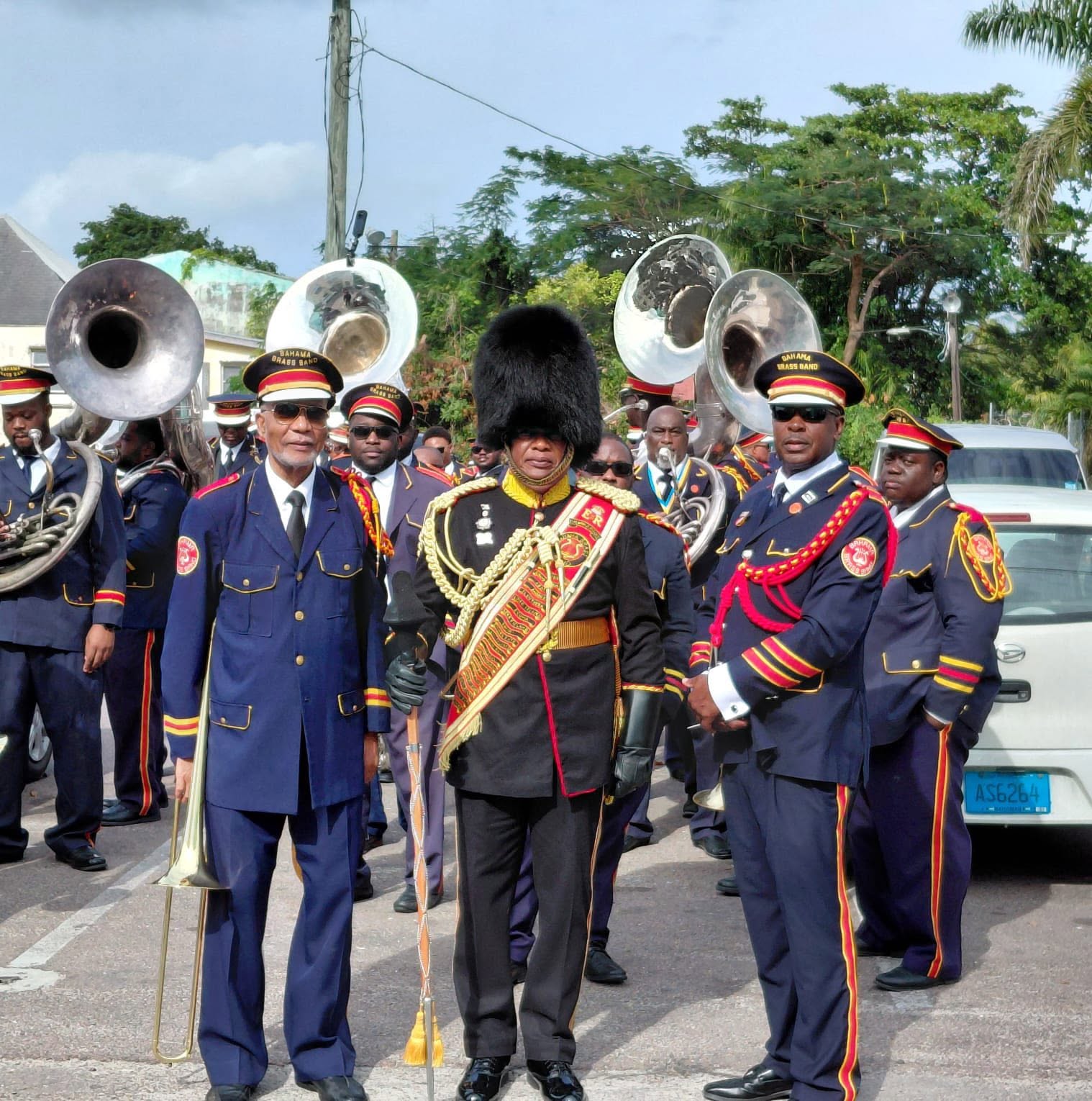
Turks and Caicos, August 20, 2026 – The planned participation of the Bahama Brass Band in the Turks and Caicos Islands’ inaugural Constitutional Holiday celebrations on August 30 has sparked public debate over culture, heritage and the historical contributions of Turks and Caicos Islanders abroad.
Organizers defended the invitation, saying the band’s inclusion is intended to highlight the deep historical ties between the two countries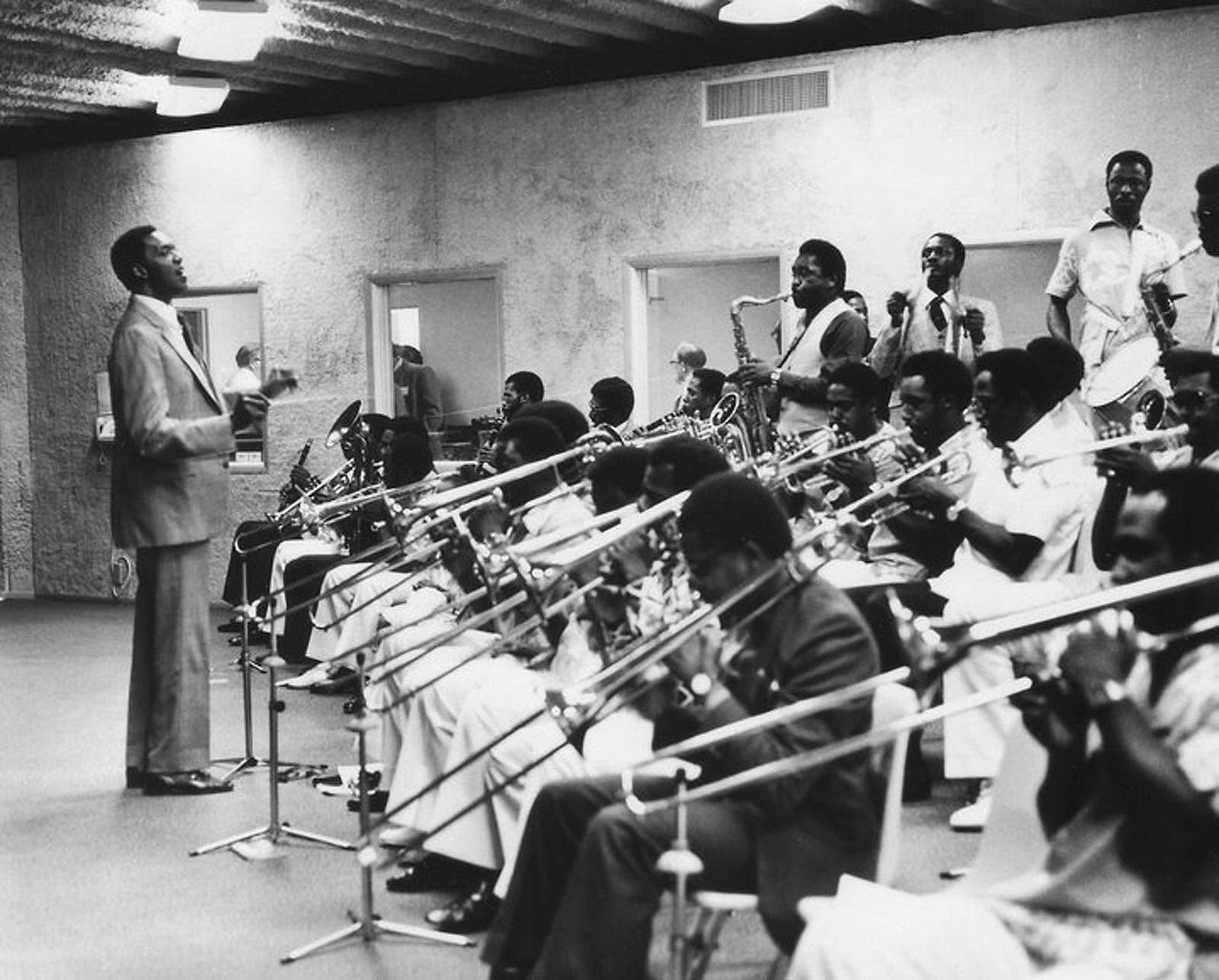 and honor Turks and Caicos men who helped establish and develop the institution in Grand Bahama.
According to the organizers, the Bahama Brass Band began in 1955 in Pine Ridge, Freeport, with Turks and Caicos Islanders, including the late Deacon Reuben Hall Sr. of Middle Caicos and Jenkins Williams and Mervin Hendfield of North Caicos, among those who helped build its foundation. The band eventually grew to more than 50 men.
The organizers also pointed to the participation of Turks and Caicos men in The Bahamas’ Independence celebrations on July 10, 1973, arguing that their contributions became part of Bahamian history while maintaining strong connections to their homeland.
Supporters say bringing the band home represents an opportunity to honor those pioneers, showcase their regional influence and expose younger generations to an important part of Turks and Caicos history.
However, concerns raised publicly described the invitation as potentially disrespectful to local culture and heritage. Organizers acknowledged those concerns, apologizing to anyone who felt overlooked or offended, while maintaining that no disrespect was intended.
The committee said the event should ultimately unite rather than divide, presenting the band’s history as evidence of the reach and resilience of Turks and Caicos heritage.
PHOTO CREDIT: Bahamas Brass Band
NASSAU, Bahamas — Caribbean Bottling Company (CBC), local producers of Dasani products, proudly sponsored the fifth annual, Caribbean Hoopfest.
The tournament brings together Bahamian high school basketball teams and visiting teams from the United States for a competitive showcase at the Kendal G. L. Isaacs Gymnasium. Following its inaugural year at the Kendal G. L. Isaacs gym and last year’s event at Loyola Hall, the tournament returned to the Kendal G. L. Isaacs gym this year.
During the weekend tournament, CBC kept athletes well hydrated with in-kind donations of Dasani Water, Powerade and Minute Maid Juices.
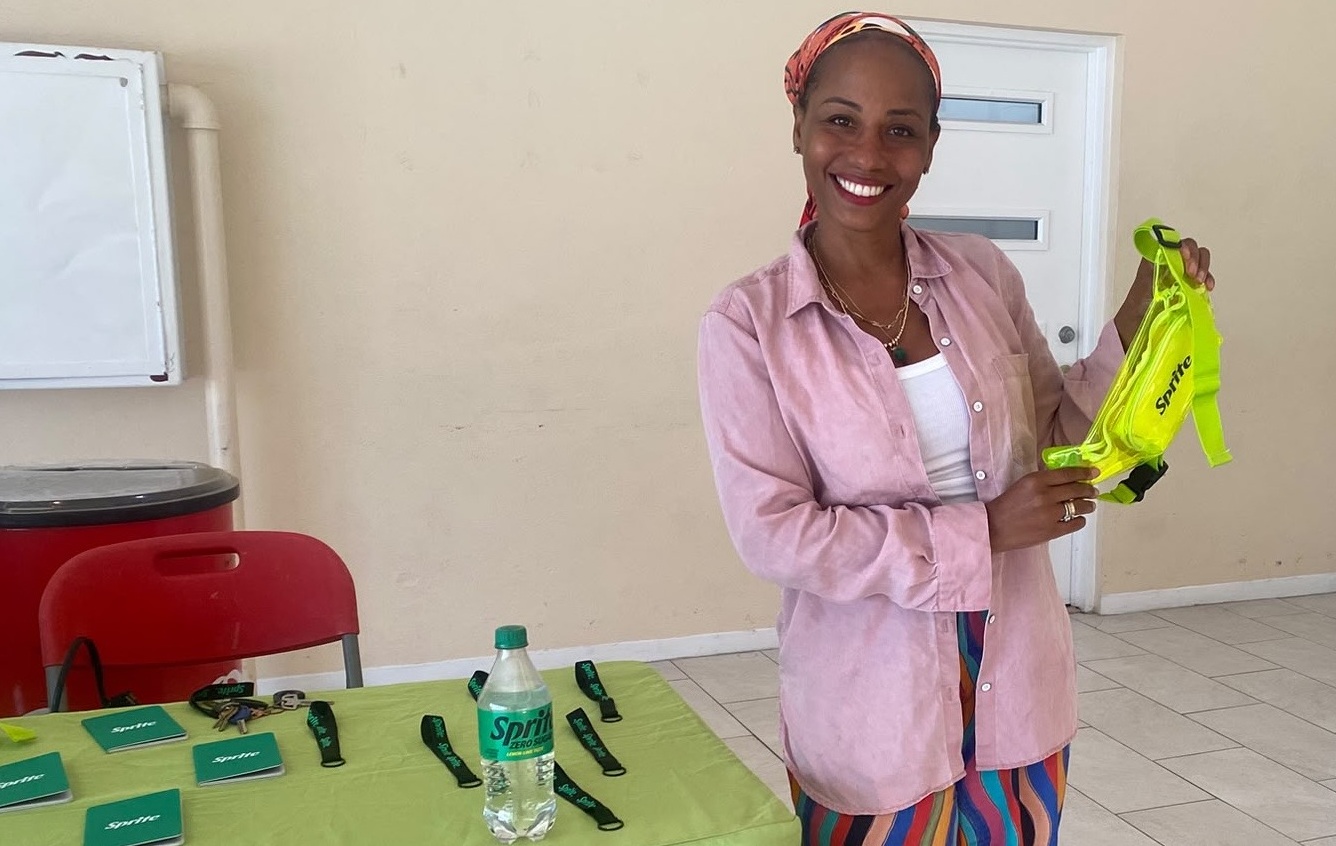
During the tournament’s final day, CBC provided additional support by offering Sprite No Sugar samples and inviting attendees to participate in its Spin the Wheel for a chance to win exciting prizes.
CBC was proud to support this incredible event, which provides young Bahamian athletes with valuable exposure to U.S. basketball scouts and coaches. This opportunity gives them the chance to earn scholarships, continue their education, and pursue their basketball careers in the United States.
Event organizer, Donald Francois shared his appreciation for CBC’s support.
“I want to express our sincere appreciation for Caribbean Bottling Company, who has been a tremendous supporter and an important part of the success of our program. Without CBC’s support, Caribbean Hoop Fest would not be able to function at the level it does today. And without Caribbean Hoop Fest, we would not have been able to provide the opportunities that have helped young Bahamian athletes gain exposure and pursue educational opportunities in the United States,” he expressed.
Since the program’s inception, several Bahamian student-athletes have been selected for scholarship opportunities, highlighting the tournament’s growing impact on the development and advancement of young basketball talent in The Bahamas.
They are: Kelvin McDowells – Guard, Wodson Antoine – Power Forward, Justin Lafleur – Guard and Sean John – Guard.
After another successful edition of the tournament, Francois shared what he hopes he and Caribbean Bottling Company can achieve in the future.
“Our vision is bigger than basketball. We want to use the platform of Caribbean Hoop Fest to educate, develop, and create opportunities for young people and their families throughout the Bahamas. With individuals and organizations committed to our mission, we believe we can continue to grow the program and make an even greater impact,” Francois said.
For more details on community support, events and new products visit Caribbean Bottling Company at www.cbcbahamas.com today.