
Bahamas News
Disney Cruise Line expands @ to supporting food security across The Bahamas


ADO Bahamas partners with cruise line to build school gardens and inspire students to explore farming
Eleuthera, THE BAHAMAS (Oct. 25, 2023) – Students across The Bahamas now have the opportunity to learn first-hand how to grow their own fruits and vegetables. The Agricultural Development Organization Bahamas (ADO) and Disney Cruise Line (DCL) are teaming up together in a multi-year project to build gardens across schools in Abaco and Eleuthera.
“Disney is proud to invest in youth programs in our port communities that provide students with tools and hands-on experiences to learn new skills,” said Joey Gaskins, Public Affairs Director for The Bahamas and Caribbean, Disney Cruise Line. “Supporting this initiative is an extension of our longstanding conservation work in The Bahamas and helps us educate students about building sustainable communities and inspire them to explore careers in farming.”
Earlier this week, ADO, DCL VoluntEARS and dozens of students came together at Preston Albury High School in Eleuthera to kick off the program, planting a variety of seedlings and building irrigation systems to start their new garden.
In addition to Preston Albury, ADO and DCL will partner to plant gardens at Central Eleuthera High, North Eleuthera High and Harbour Island All-Age School, all in Eleuthera, and Patrick J. Bethel High School in Abaco. Throughout the school year, students will maintain their gardens with help from their assigned ADO field officer, who will visit the students regularly to provide guidance and mentorship. ADO provides each school with planting exercises, supplies, soil, irrigation materials and a shade house.
“When we began providing backyard farming kits and as we expanded to school farms, we knew that it was one thing to give a person supplies and wish them luck, but another thing to help them succeed,” said Philip Smith, Executive Chairman, ADO. “That is why with each garden kit we provide comes the assignment of a field officer who will be present for the soil preparation and initial planting and visit every property with a monthly follow-up.”
The ADO’s Micro Gardens and School Farming Project provides schools with tools to teach students how to grow sustainable, healthy foods and manage their own garden. As part of its commitment to inspire the next generation while creating lasting, positive impact in The Bahamas, DCL contributed nearly $100,000 in support of the program, which will help provide tools and equipment to build new gardens at each school.
Principal of Preston Albury High School Kenneth Roberts said he was “elated beyond words” to have DCL and ADO partner with the school in its agricultural program.
“Once upon a time, Eleutherans used to export agricultural goods to the United States and Europe. We’d like to see agriculture restored on the island to allow our students to see they can have a viable, financially stable future in various fields in agriculture,” he noted.
The school’s Agriculture Science teacher, Perez Armaly, who has spent the last three years developing the farming program at Preston Albury High, said ADO and DCL’s help would go a long way.
“For the past three years, our agriculture program has been progressing slowly. With financial contributions from Disney Cruise Line and the Agricultural Development Organization, we’ve been able to purchase equipment, soil, seedlings, etc., and will now introduce elements of vertical hydroponic farming,” said Armaly. “Now students will plant sweet peppers, onions, lettuce, beets, cabbages, coconuts, and mango trees, and once harvested, they will develop business skills on how to trade their goods in the local market. They will learn that discipline and hard work pay off while helping The Bahamas achieve its goal of food security.”
Earlier this year, ADO worked with DCL VoluntEARS to build a backyard garden at the Ranfurly Homes for Children in Nassau, a local non-profit foster care organization. Since the Micro Gardens and School Farming Project’s launch in January 2022, the ADO has distributed more than 2,500 backyard farming kits in New Providence, Grand Bahama, Abaco and Eleuthera and has supplied 21 schools with starter farms.
“The school initiative is so important because we have the chance to impact the minds and hearts of young people, watching as they discover the joy and satisfaction of growing what they eat and eating what they grow,” said ADO’s Smith. “If we continue to grow and harvest in this way, we will reap a healthier and more food secure Bahamas.”
Photo Caption:
Header: Joey Gaskins, Disney’s Public Affairs Director, along with Philip Smith, Executive Chairman of ADO, Disney VoluntEARS, and representatives from CTI.One Eleuthera and Cape Eleuthera, celebrate the official launch of Preston Albury High School’s community garden. Pictured L-R: Perez Armaly, Agriculture Science teacher (4th from left), Joey Gaskins (5th from left), Philip Smith, Kenneth Roberts, Principal (center), students and VoluntEARS.
Insert: Walt Disney Imagineer volunteers, Angela Wu and Jack Bodien, get their hands dirty planting seedlings at the launch of Preston Albury High School’s Community Garden, Eleuthera.

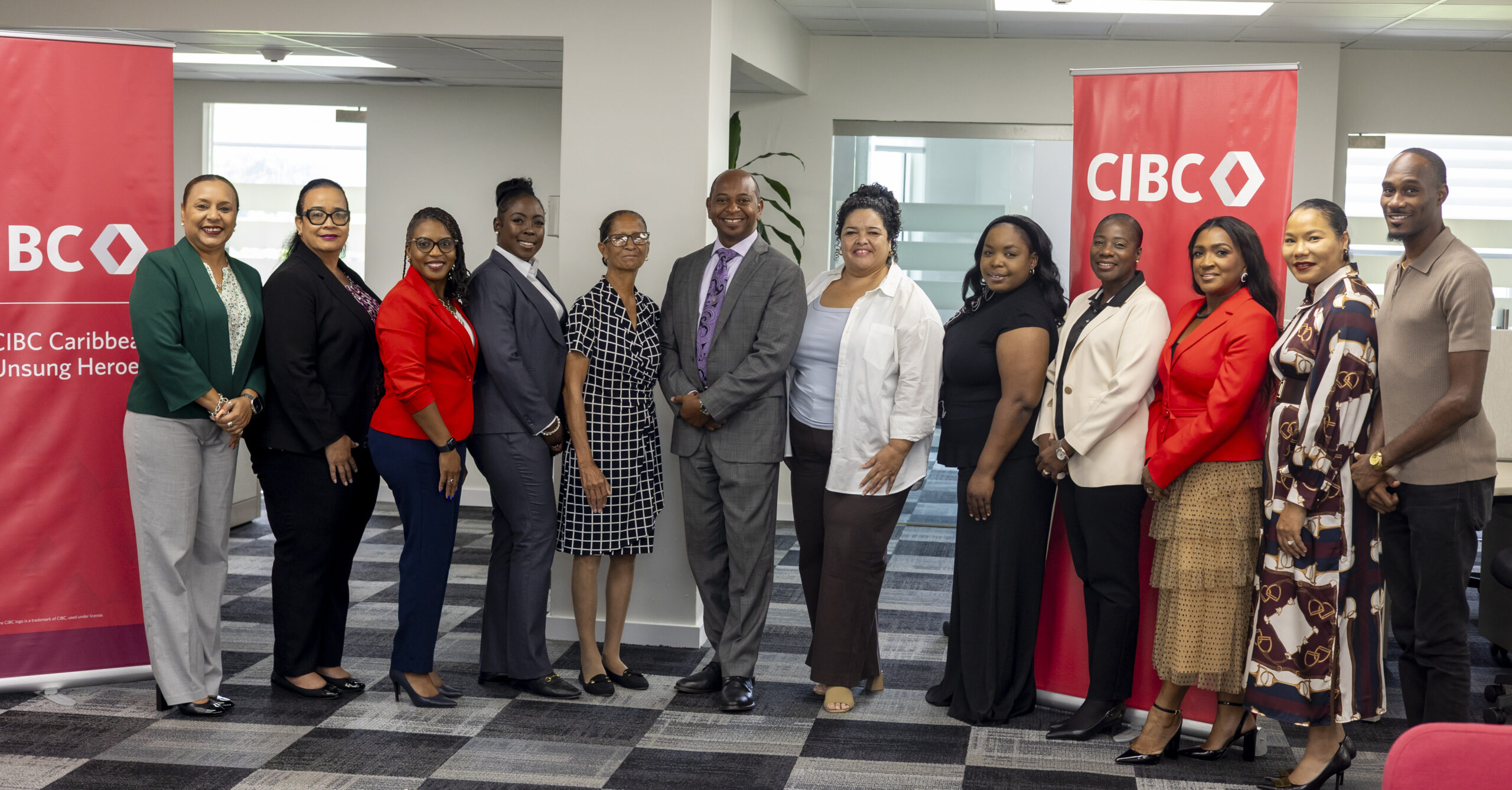
Nassau, Bahamas, 22 September 2026 – Six Bahamians whose service is making a difference in communities across the country were recently celebrated by CIBC Caribbean as the bank brought together its top 2026 Unsung Heroes finalists for a special recognition event.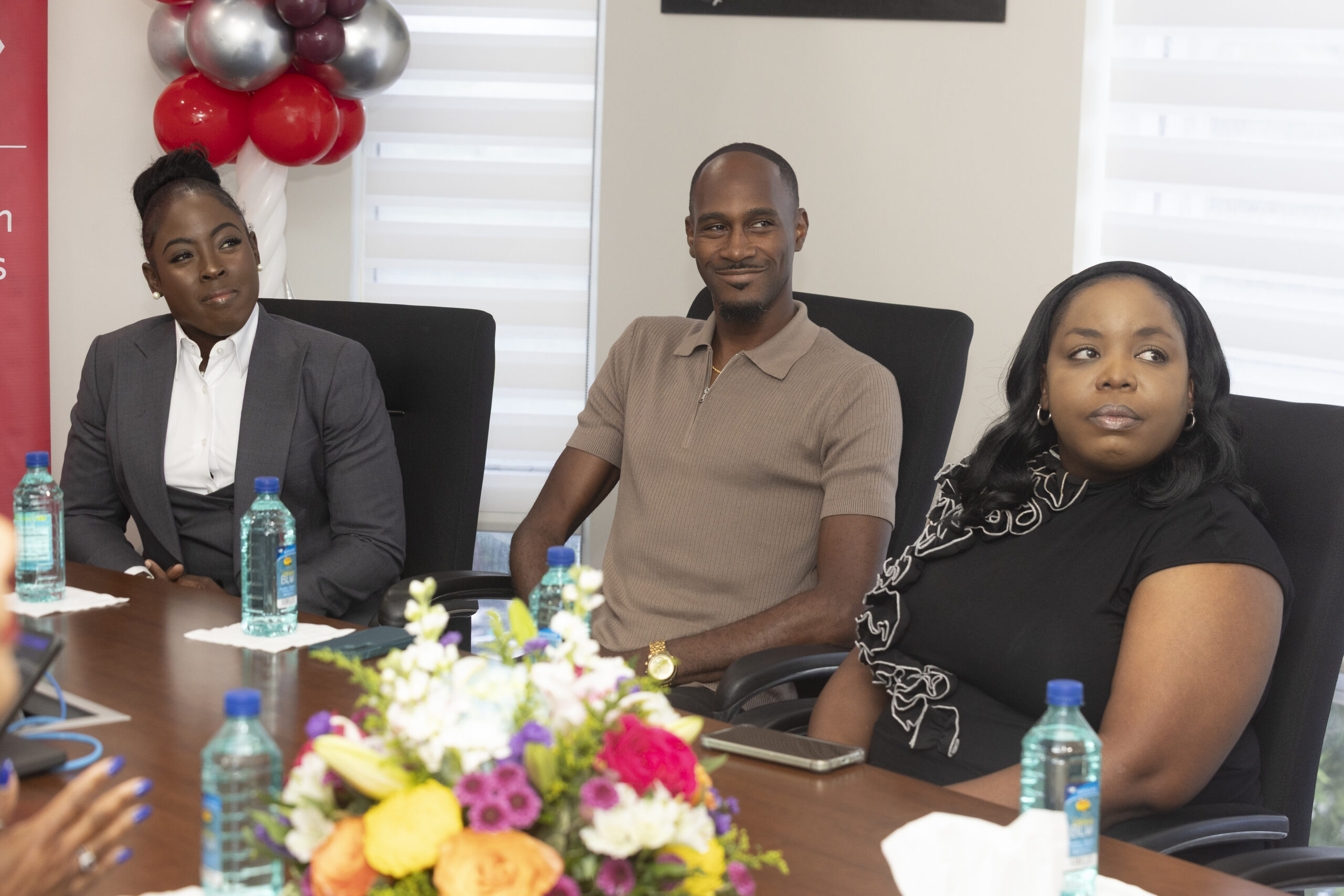
The 2026 finalists were Kristin Butler-Beneby, Dinola Williamson, Amanda Knowles, Tamara Clarke, Ruth Fawkes, and Jaquay Adderley.
During the event, CIBC Caribbean also announced Dinola Williamson as the first runner-up in this year’s program. Williamson is an educator and community activist who has spent more than two decades in education and leads the Family Better Together Kabbalistic Kids Club. Her community work has reached children in Englerston, Fox Hill, Acklins, Crooked Island, and Grand Bahama through mentorship and activities designed to support their holistic development.
CIBC Caribbean Head of Country Terrance Gibson said the gathering was intentionally focused on celebrating the collective impact of the finalists.
“Unsung Heroes is about recognizing the people who may not always receive the spotlight, but whose commitment is felt every day in the lives of the people and communities they serve,” he said.
“While Kristin emerged as our 2026 Unsung Hero, and Dinola as our runner-up, each nominee represents the spirit of this program. They saw needs in their communities and made the decision to act, to serve, and to keep showing up. CIBC Caribbean is proud to recognize them and to help bring greater attention to the work they are doing.”
The recognition event also brought together members of the judging panel who reviewed this year’s nominations and selected the program’s honorees. The panel comprised Olympic gold medalist Tonique Williams, Bahamas Red Cross President Edison Sumner, Guardian Lifestyles Editor Shavaughn Moss, and Organization for Responsible Governance Executive Director Matt Aubry.
During the event, each finalist spoke about the community work that led to their nomination. The judges were also recognized for lending their time and expertise to the selection process.
Gibson added, “Recognition is important, but we also hope that sharing these stories encourages others to look around their own communities, see where they can make a difference, and act.
“Our Unsung Heroes remind us that meaningful change often begins with an individual who simply decides to help.”
Bahamas News
Public Hospitals Authority Foundation Donates Dialysis Machines to Princess Margaret Hospital (PMH)
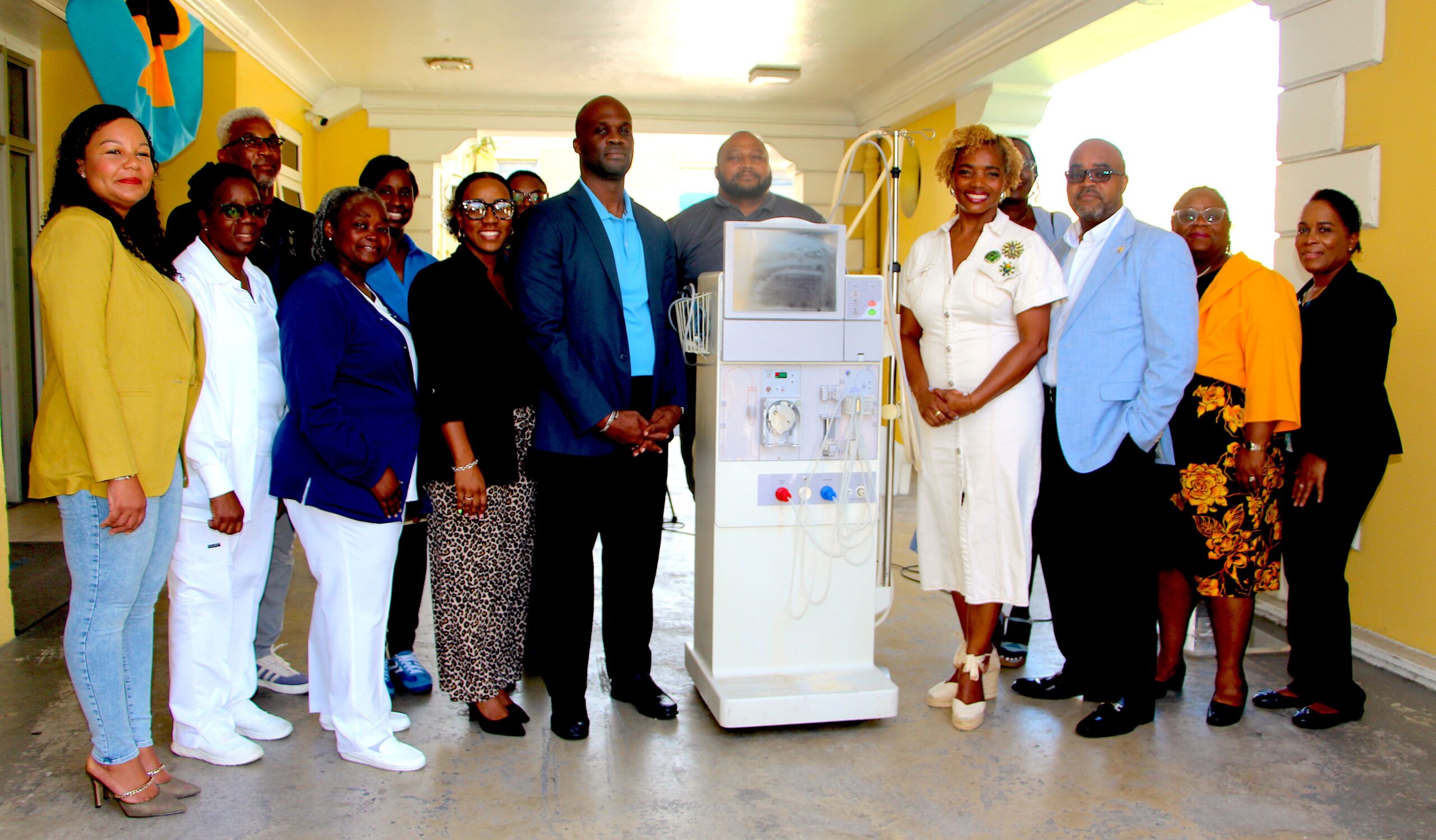
The Bahamas, September 21, 2026 – The Public Hospitals Authority (PHA) Foundation, a philanthropic organization launched in January 2024 to support public hospitals and healthcare clinics, donated eight additional dialysis machines for the PMH Renal Services unit.
Director of Foundations, Corporate and Community Relations for the Public Hospitals Authority and Executive Director of the foundation, Alana Major, said this initiative is a part of the foundation’s “Sun, Sea and Second Chances” campaign. PHA Foundation aims to secure 30 machines for Princess Margaret Hospital.
“As of today, with this donation, we are now up to 15 machines, so we are very excited about that,” Ms. Major said.
Other members of the foundation were present, including PHA Foundation Chairman Mr. Selvin Basden, who said the foundation is committed to doing its part in fulfilling the mandate of the Government of the Bahamas.
“One of the tenets of the Government is to ensure that access to healthcare is a human right. We are committed to ensuring that, at least from our part, we can deliver on that principle,” Mr. Basden said.
The PMH Renal Services Unit dialyzes about 150 to 170 patients annually. The unit provides care for patients who have been diagnosed with end-stage kidney disease and now need renal support. Patients who receive dialysis typically come to the unit three times a week, either on a Monday-Wednesday-Friday schedule or a Tuesday-Thursday-Saturday schedule.
Head of Department for Renal Services, Dr. Thurston Carroll, said she and the unit are excited to receive the donation, as it will replace machines that are not operating optimally.
“We are particularly excited about today’s donation because, although we have 20 stations within the dialysis unit, we have an aging fleet. These new machines and new water-treatment equipment will allow us to replace some of our aging equipment so that we can continue providing services to our patients.”
Foundation representatives noted that one or two organizations are already considering making bulk donations and if it happens, the foundation may be able to secure another 10 machines or another five machines in the very near future.
PMH Deputy Hospital Administrator Angelica Lockhart-Bastian and Hospital Administrator Mr. Tevard Bastian thanked the PHA Foundation for its donation to Princess Margaret Hospital.
Also in attendance were PHA Foundation Deputy Chairman Dr. Erecia Hepburn; Foundation guest Dr. Maria Oriakhi; Chief Biomedical Engineer Mr. Theodore Nottage; Administrative Officer Ms. Appapisa Neely; and Senior Assistant Hospital Administrator Mr. Valdez Bowe.
By Christina Williams
Bahamas Information Services
BIS Photos/Mark Ford
PHOTO CAPTION:
Group Photo, from left:
– Dr. Rhea Thurston Carroll, Director, Renal Services, PMH
– Nurse Kim Harris, Dialysis Nurse, Dialysis Unit, PMH
– Sister Darnell Roker, Nurse Manager, Dialysis Unit, PMH
– Mrs. Angelica Lockhart-Bastian, Deputy Hospital Administrator PMH
– Mr. Tevard Bastian, Hospital Administrator PMH
– Mrs. Alana Major, Director, Foundations, Community and Corporate Relations, PHA
– Mr. Selvin Basden, Chairman, PHA Foundation
– Dr. Erecia Hepburn, PHA Foundation Board
– Ms. Donette Danvers, Executive Assistant, Foundations, Community and Corporate Relations, PHA
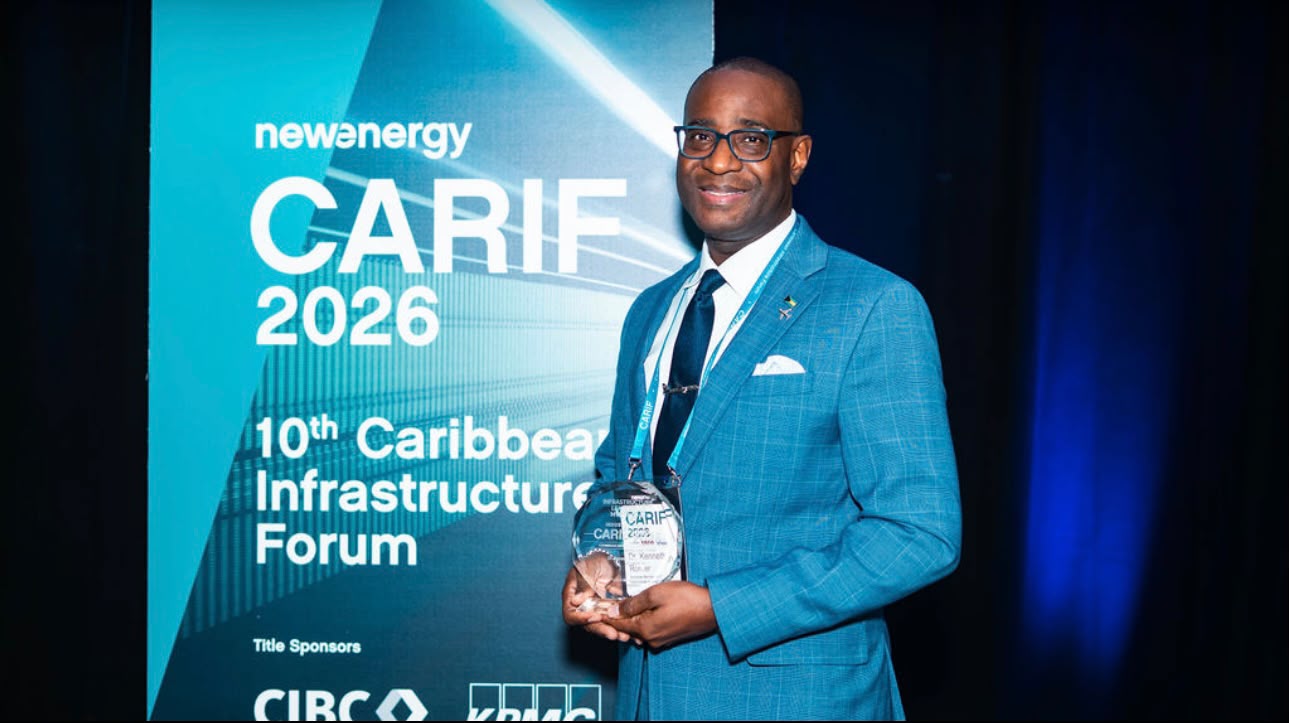
Miami, Florida – Director of Aviation and Deputy Director General of Tourism, Dr. Kenneth Romer was presented with The 2025-2026 Infrastructure Leadership MVP Award, during the 10th Annual Caribbean Infrastructure Forum (CARIF) held in Miami September 15-16, 2026.
According to event organizers, New Energy Events, the MVP Leadership Award is the highest individual honor in the industry and is presented to an individual who has demonstrated exceptional, strategic and visionary leadership in advancing infrastructure in the Caribbean. Chosen by an independent jury of regional industry leaders, “The recipient is recognized for their sustained impact, influence across sectors, and dedication to driving meaningful progress in policy, investment, or project delivery”, said Event Organizers.
Romer becomes only the third person from the Region, and the first from The Bahamas to receive the Leadership MVP Award, joining last year’s winner The Honourable Mia Mottley, Prime Minister of Barbados.
Represented among the Conference Speakers and present at the Award Ceremony was Minister of Energy, Utilities and Aviation, The Honourable JoBeth Coleby-Davis, who said that, “This award amplifies The Bahamas Government’s commitment to executing a vision that sets the benchmark for infrastructural investments opportunities across our archipelago while supporting exemplary Bahamian leaders like Dr. Romer, who are steering the Caribbean toward more resilient, investable, and innovative infrastructure”.
“While this award is deemed an individual honor, it is a recognition of the Bahamas’ position as a respected regional leader and more so, a reflection of the incredible talent that resides within our small, but indomitable nation that continues to punch above its weight class as the world marks the manner of our bearing”, said Dr. Romer.
Dr. Romer has been instrumental in driving post-pandemic tourism recovery alongside the transformation of airports across the Family Islands through the Government’s landmark Family Islands Renaissance initiative. Under his leadership as Director of Aviation and Deputy Director General of Tourism, the sector has embraced a strategic, forward-looking approach focused on modernizing over 19 runways and terminals, strengthening safety and resilience, expanding international and regional connectivity, and leveraging public-private partnerships to deliver world-class facilities.
Dr. Romer’s work has helped translate the National Aviation Strategic Plan into tangible infrastructure projects that are creating new opportunities for tourism, investment, entrepreneurship and economic growth across the archipelago.
In 2025, he became the first person from the Caribbean and LATAM Region to be appointed to the Board of the International Association of Airports Executives.





-
 News6 days ago
Indian Association of Turks and Caicos Islands Empowers Local Students Through Back-to-School Backpack & Supplies Drive
-
 Caribbean News5 days ago
Royal Caribbean Group and Sandals Resorts Announce Landmark Partnership to Accelerate Their Leading Vacation Experiences
-

 Independent writer1 week ago
Letter to The Editor
-
 Bahamas News7 days ago
CIBC Caribbean Celebrates 2026 Unsung Heroes Finalists
-
 Health6 days ago
TCI Hospital Celebrates World Pharmacy Day 2026
-
 Bahamas News1 week ago
Romer Receives Regional Leadership Award
-

 Caribbean News6 days ago
Royal Caribbean Signs US$3-Billion Deal for Half of Sandals and Beaches
-

 Health1 week ago
Urgent Care vs. the ER: How To Choose Where To Go