
Government
TCI Energy Forum Highlights Opportunities and Challenges in the Energy Transition


Providenciales, Turks and Caicos Islands (Thursday, June 8, 2023) – The second Turks and Caicos Energy Forum held at the Ritz-Carlton Resort on Friday, June 2, 2023, provided key insights and engendered riveting discussions on a range of considerations facing the country’s energy sector in its transition to alternative energy sources.
The full-day event encompassed a diverse and cross-sectoral array of experts, panel sessions, and presentations on topics including access to financing, regulatory reform, labor market trends, affordability and more. This year’s conference theme was ‘Changing the Energy Landscape: People. Power. Partnerships.’
Remarks were delivered by Acting Governor, Her Excellency Anya Williams, Hon. Josephine Connolly, Acting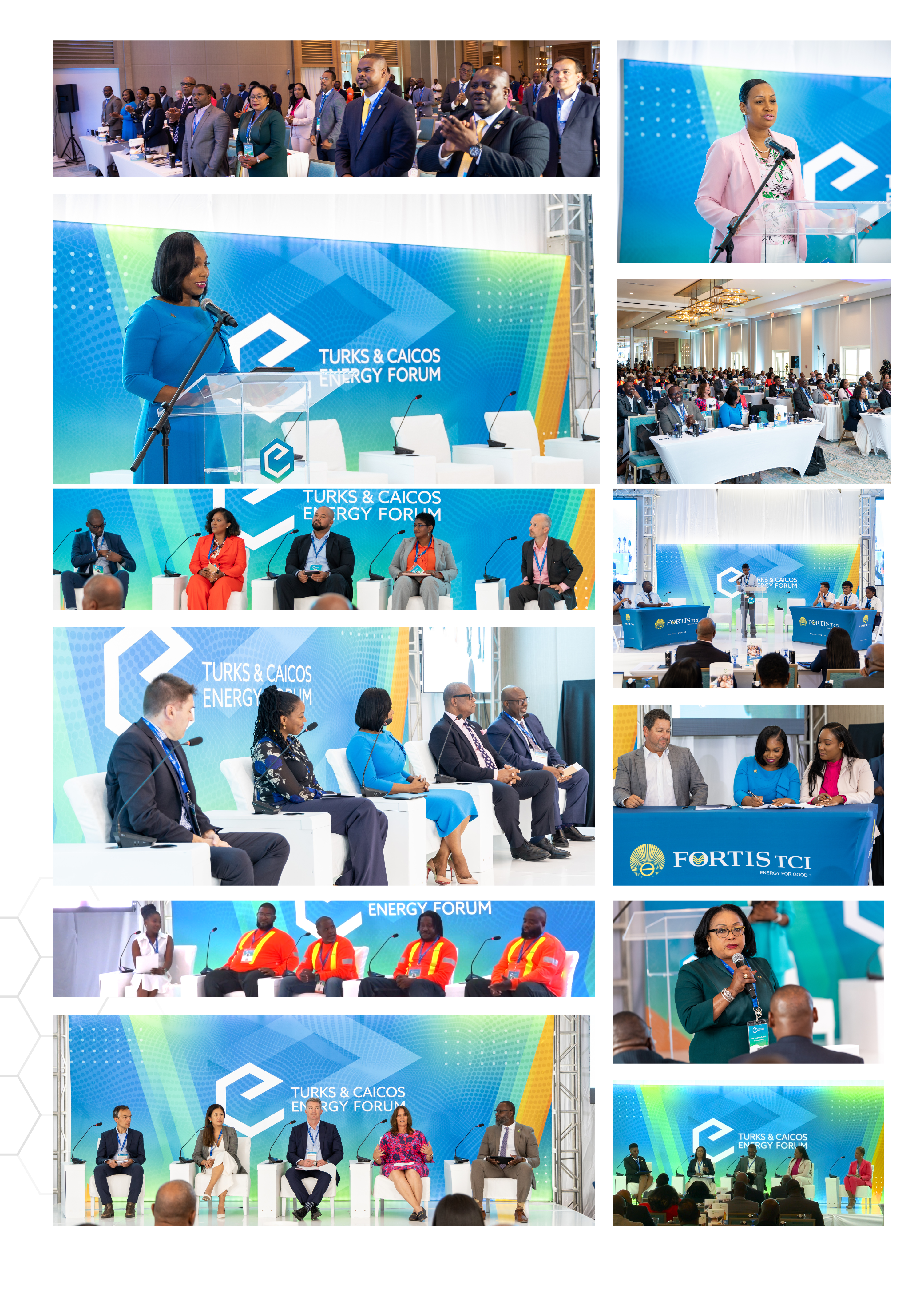 Minister of Public Utilities, and FortisTCI President and CEO Ruth Forbes. Forbes reinforced the energy company’s plan to construct TCI’s first solar plus battery microgrid on the Twin Islands of North and Middle Caicos starting this year, with Salt Cay next in line for a similar project in 2024. Both microgrids represent an investment of approximately $8 million dollars. The contract for the Twin Islands solar installation was signed at the forum with the successful bidder, Compass Solar.
Farayi Chipungu, an Attorney, Lecturer at the Harvard Kennedy School and Government, and Change Management Expert, delivered a keynote presentation on Adaptive Leadership: Driving Fundamental Change. The energy transition is a multi-year mega shift from the traditional utility model, and her presentation highlighted research, real-world examples, and core principles to help navigate the energy transition conversation.
A leadership dialogue on the perils, promise, and partnerships for the energy sector then followed with panelists Premier Hon. Charles Washington Misick, FortisTCI President and CEO Ruth Forbes, Dr. Carlos Batlle-Lopez, Advisor, and Visiting Scholar at Massachusetts Institute of Technology’s (MIT) Energy Initiative, Keynote Speaker Farayi Chipungu, moderated by Kenrick Walters, General Manager of Bordier Bank TCI Ltd. Hon. Misick also reinforced the government’s commitment to partnership in the energy transition. In her contributions, Mrs. Forbes described the trilemma facing energy providers as balancing reliability, affordability, and sustainability.
Dr. Carlos Batlle-Lopez delivered a spotlight presentation on how changes to energy sector regulations can create an enabling environment and the importance of maintaining an “equilibrium” in the electricity sector to prevent inefficient and adverse outcomes. He stressed that a regulatory path has to be designed urgently, and the changes should be gradually introduced to avoid big shocks.
The transition to cleaner energy sources requires millions of dollars in investment. Access to funding to support the transition was examined by another esteemed panel of experts moderated by Christopher Burgess, Projects Director at Rocky Mountain Institute. The discussion featured Gillian Charles-Gollop, Executive Director of Corporate Banking and Sustainable Finance at CIBC First Caribbean International Bank, Dr. David M. Bynoe, National Coordinator of the Global Environmental Facility-Small Grants Programme (GEF-SGP) at the United Nations Development Programme, Alvin Hegner, Board Chairman at Invest Turks and Caicos, and Shernelle Capron, Director of Financial Services and Supply Chain Management at FortisTCI. The panel reinforced the utility’s need for locally tailored, customized financing solutions and the banks’ need for updated energy sector regulations as an important prerequisite to secure green financing. Around 50% of FortisTCI’s capital budget this year is committed to clean and transitional energy projects. At the same time, a significant amount has been spent over the past five years to maintain existing assets on the energy grid. It was stressed that financing the clean energy transition requires a coalition of partners, including governments, instead of being solely utility-led. References were made to successful green funding scenarios in the Caribbean.
The focus then shifted to a panel on Sustainable Solutions: The Realities and Rewards, moderated by Devon Cox, Senior Vice President of Operations at FortisTCI, with panelists Susan Gray, President, and CEO at Tucson Electric Power/UNS Energy Corporation, Nils Janson, Managing Director, Policy and Regulation at K&M Advisors, Staffan Wiens, Founder of Mint Lab and Wind Technology Expert, along with Rachell Roullet, Vice President of Innovation, Technology and Strategic Planning at FortisTCI. The panel shed light on the wide range of variables and tradeoffs that must be considered in the energy transition, such as the environmental impact of the vast amount of land needed to construct utility-scale solar farms, the studies required to make data-based decisions with robust analysis and a coordinated approach, selecting the right technology and offsetting the intermittent nature of wind and solar energy to maintain a reliable electricity service. Various energy sources, battery storage, and the growing adoption of natural gas in the Caribbean to lower carbon emissions and price volatility were cited, but the experts emphasized the need to remain agile.
The next group of experts on the agenda focused on changes in the labor force and the impact of post-pandemic trends such as the great resignation, hybrid work, tech sector lay-offs, and inflationary pressures on reshaping the global labor market and how to counteract these headwinds. Dr Candice Williams, President and CEO of TCI Community College, served as moderator, alongside panelists Richard Solomon, Managing Director & Principal Consultant at Development Consulting Center Ltd, Hon. Rachel Taylor, Minister of Education, Youth, Sports, and Social Services, Turks and Caicos Islands, Aisha Laporte, Vice President of Finance, Corporate Services and CFO at FortisTCI, and Bridgette Thomas, Executive Leadership Coach, President and Founder of Strongbridge Solutions. Richard Solomon stressed that work is no longer a place, and there is a demand for favorable conditions, meaningful work, and flexibility as people reevaluate their lives.
Dervon McKellop, President, Chief Consultant and UAS Pilot at DRIFT Enterprise Services, delivered a spotlight presentation on the use of drone technology, artificial intelligence (AI), and machine learning in the energy sector. Drones are impacting the energy sector in major ways – improving efficiency, replacing some manual tasks, and enhancing inspections around the health of power grids by detecting damages, preventing failures, and enabling proactive repairs.
Long-standing employees from the Operations Division at FortisTCI took center stage to culminate the program in a panel session. They eloquently shared their stories as some of the people behind the power. The discussion was moderated by Wisland Toussaint, Senior Human Resources Officer at FortisTCI, and featured panelists Kerwin Arthur, Plant Control Shift Supervisor, Tavardo Smith, Electrical Technician III, Durell Landy, Manager of North and Middle Caicos Operations, and Kelorian Forbes, Line Foreman. The team received a standing ovation as they expressed pride in working for such an essential service and gave an inside view of the trials and triumphs of responding to mass outage scenarios.
Youth voices were also represented at the forum as top debaters from Maranatha Academy and Holy Family Catholic School recanted their winning speeches on the moot: “Without national or global enforcement, achieving greenhouse gas emission targets is unrealistic.”
Turks and Caicos Energy Forum brings together local, regional, and international energy experts, public and private sector decision-makers, and a wide cross-section of stakeholders to discuss ideas and trends affecting the future of energy. The forum is hosted by FortisTCI, the public energy provider in the Turks and Caicos Islands.

NASSAU, The Bahamas — The Government is moving to protect the rights, privacy, independence, and dignity of older persons throughout the Commonwealth of The Bahamas.
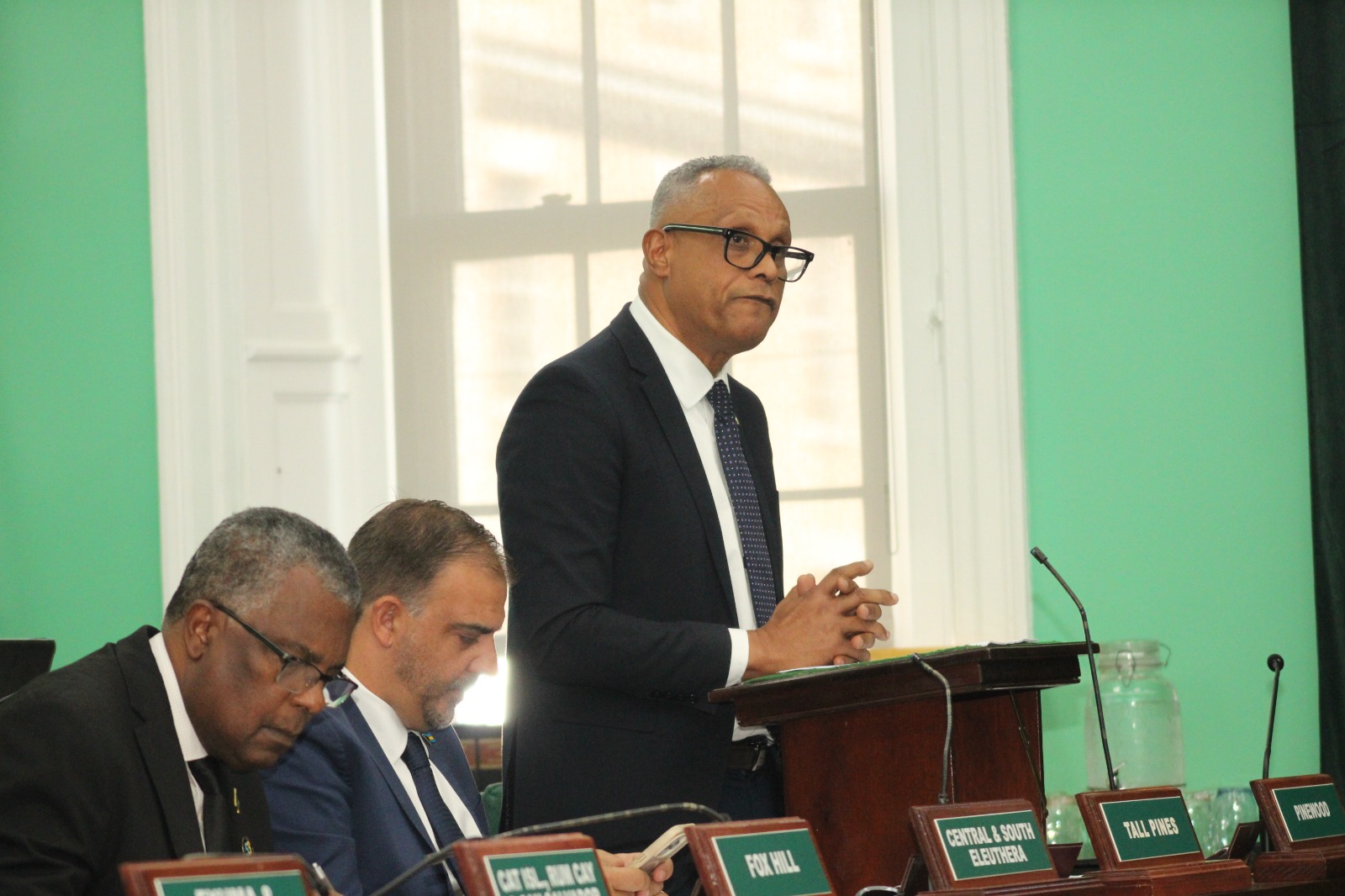
The Hon. Dr. Michael Darville, Minister of Health and Wellness tabled The Older Persons Rights, Protections, Care and Support Bill (2026), in the House of Assembly on Wednesday, September 16, 2026.
“This is legislation whose time has come. It is rooted in a very simple thought that growing older must never mean becoming less valued, less visible, less protected or less entitled to dignity.
“Ageing is not somebody else’s issue. It is one of the few public policy matters that, if we are blessed with longevity, will eventually touch every one of us,” Dr. Darville said.
He noted that The Bahamas, like the world, is experiencing a clear demographic shift. According to the 2022 Census, the number of persons aged 65 years and older rose by 28.2 percent since 2010.
In The Government’s Blueprint for Progress, it made a commitment to strengthening protections for older persons. And, this Bill gives practical expression to that commitment. But there is also a wider context.
Furthermore, in 2025, the United Nations Human Rights Council established an Intergovernmental Working Group charged with developing a legally binding international instrument on the human rights of older persons. Its first substantive negotiating session was held in Geneva in July of this year.
In this vein, Dr. Darville said that The Bahamas brings this Bill at an important moment.
“While the international community is negotiating what a future global legal instrument should contain, The Bahamas is moving now with legislation that goes beyond a declaration of principles,” he said.
“This Bill recognizes older persons as rights-holders. But it also recognizes that rights written on paper mean little if there is no machinery to make them real.”
Provisions under the Bill establish in law the rights of older persons, including dignity, equality, privacy, autonomy, participation, financial self-management and access to healthcare and public services.
Secondly, it confronts abuse and abandonment, physical abuse, sexual abuse, psychological and emotional abuse, neglect and abandonment.
“These are expressly prohibited. For far too long older persons have been abandoned at hospitals with no recourse. This ends today,” Dr. Darville stated.
The Bill also permits anonymous reporting of suspected abuse and protects persons who make reports in good faith. Certain healthcare, social service, law enforcement and other professionals will have a statutory duty to report where
they reasonably suspect that an older person requires care and protection.
And thirdly, this Bill confronts an abuse that can sometimes remain hidden behind family relationships — financial exploitation, Dr. Darville said.
He added, “Taking an older person’s pension. Misusing their bankcard. Coercing them to transfer property. Manipulating a will. Using their National Insurance benefit for purposes other than their welfare. Preventing them from accessing their own money. These matters are specifically addressed in this legislation, with financial exploitation attracting serious penalties.”
The Bill is about support, by providing for the development of a National Older Persons Policy within 12 months, with priority given to a National Dementia Strategy.
“It promotes community nursing, home-based care and older persons’ day-care services, because where it is safe and appropriate, we should help our older persons remain independent, connected to their communities and supported in familiar surroundings,” Dr. Darville said.
The Bill further recognizes the tremendous responsibility carried by caregivers and provides for caregiver training and support, among other things. “It incorporates the needs of older persons into disaster preparedness, response, relief and recovery. And importantly, it rejects the idea that retirement means irrelevance,” Dr. Darville said.
By Lindsay Thompson
Bahamas Information Services
(BIS Photo/Ulric Woodside)
By Magnetic Media Newsroom
PROVIDENCIALES, Turks and Caicos Islands — The Turks and Caicos Islands Government says the breakdown of its relationship with InterHealth Canada presents an opportunity to reshape healthcare delivery, with plans to expand local medical services, strengthen primary care and reduce dependence on overseas treatment.
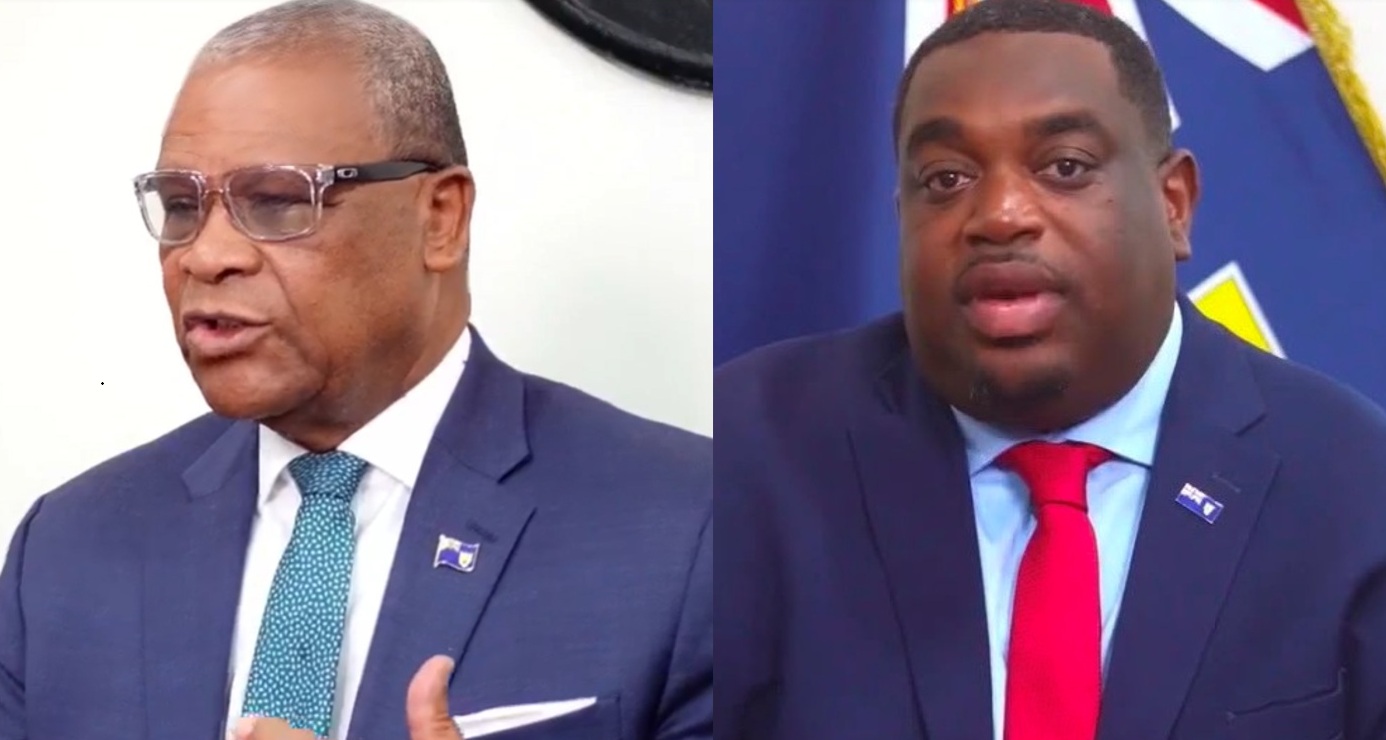
During a national briefing following InterHealth Canada’s notice terminating its hospital contract, Premier Charles Washington Misick acknowledged publicly for the first time that Government and InterHealth had been negotiating an exit from the arrangement for more than a year after what he described as an “irretrievably broken down” relationship.
Despite the contractual dispute, Misick and Health Minister Kyle Knowles stressed that healthcare services will continue uninterrupted during the transition.
“Allow us to do our job,” Knowles appealed, assuring residents that Government is actively managing the transition and safeguarding patient care.
The Premier outlined what amounts to a broader healthcare transformation built around four connected levels of care: strengthened community-based primary healthcare; expanded polyclinic services; enhanced hospital-based secondary care with greater specialist capacity; and overseas tertiary treatment only for cases that cannot be managed locally.
Among the proposals are the long-discussed establishment of intensive care units, expanded use of currently unfinished hospital space, recruitment of more resident specialist physicians and stronger contract management to oversee future healthcare agreements.
Knowles said the new polyclinic model will broaden services available outside the hospitals, including dentistry, ophthalmology, laboratory services, diagnostic imaging, gynaecology and preventative screening, helping to reduce pressure on emergency departments while improving early intervention.
Misick also acknowledged that while the hospital system significantly improved healthcare access after opening in 2010, Government believes further reform is necessary to improve affordability, sustainability and the range of services available within the Turks and Caicos Islands.
The briefing marked the Government’s most comprehensive explanation to date of its plans beyond the InterHealth contract, signalling that officials now see the transition as an opportunity to redesign healthcare delivery rather than simply replace one operator with another.
Government
Parnell Urges Premier to Step Aside, Proposes Bipartisan Board to Guide Healthcare Transition
By Magnetic Media Newsroom
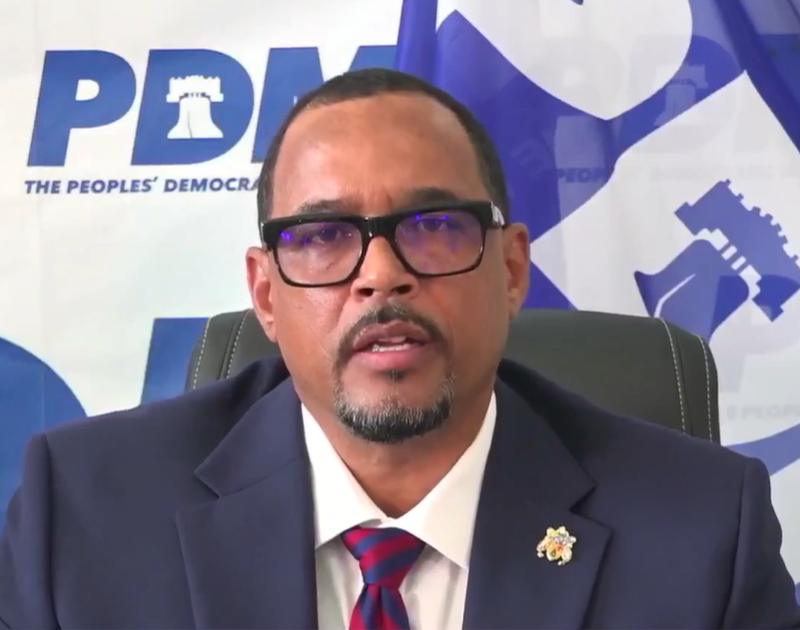
PROVIDENCIALES, Turks and Caicos Islands — Opposition Leader Douglas Parnell is calling on Premier Charles Washington Misick to step aside, arguing that the Government has failed to provide the leadership, transparency and public engagement needed as the Turks and Caicos Islands prepares for one of the most significant changes in its healthcare system.
Responding to Government statements following InterHealth Canada’s contract termination notice, Parnell said residents were only now learning officially that negotiations with the hospital operator had been underway for more than a year, despite several previous opportunities for Government to inform the public.
He questioned why no detailed explanation was provided during the State of the State Address, Budget Debate or recent healthcare announcements, including the opening of the new polyclinic.
Parnell argued that while the PDM supports reforming or replacing the existing hospital arrangement, the process must be transparent and centred on the public interest.
The Opposition Leader reminded residents that the PDM had challenged the InterHealth agreement while in government, pursuing arbitration and preparing further legal action over concerns about the contract before leaving office following the General Election.
To guide the next phase, Parnell proposed establishing a bipartisan Health Transition Board comprising Government and Opposition representatives to oversee the transition, monitor public accountability and manage the procurement process for any future healthcare provider.
He also outlined what the PDM believes should form the foundation of the next healthcare system, including guaranteed continuity of care, automatic employment protection for hospital workers, recruitment incentives for specialist physicians, expanded intensive care services, comprehensive mental health care, enhanced geriatric services and accelerated efforts to attract qualified Turks and Caicos Islanders in the medical profession back home.
Parnell also presented ten questions for Government covering outstanding payments, borrowing plans, legal implications, transition arrangements and the future structure of healthcare delivery.
He said the changes now unfolding require decisive leadership, openness and a carefully managed transition that places patients, healthcare workers and the long-term interests of the Turks and Caicos Islands first.





-

 News1 week ago
Beaches Turks & Caicos strengthens year-round commitment with local craft vendors and transport operators
-

 News6 days ago
Beaches Turks & Caicos gives Enid Capron Primary a pre-term facelift
-
 Independent writer3 days ago
Born Here, Raised Here, but Still Unable to Vote: Is this a Conundrum for TCI Electorate?
-
 News7 days ago
Stakeholders Strengthen Collaboration on Housing and Informal Settlements at World Habitat Day Roundtable
-

 Bahamas News1 week ago
Two Months On, The Bahamas Academy of Sciences Turns Fifty Years of Research into Action
-

 Bahamas News1 day ago
Monument Supports Hands for Hunger With Paradise Plates Debut
-

 Education7 days ago
TCICC Earns International Recognition at Ignition Community Conference 2026
-

 Bahamas News3 days ago
Schweppes ‘the Art of Mixology’ Dazzles at Paradise Plates with Nemiroff Vodka