
Health
Cleveland Clinic: First Patient to Receive Breast Cancer Vaccine Shares Health Journey


The vaccine targets a lactation protein called α-lactalbumin, which is no longer found after lactation in normal, aging tissues but is present in most triple-negative breast cancers. If breast cancer develops, the vaccine is designed to prompt the immune system to attack the tumor and keep it from growing. (Courtesy: Cleveland Clinic)
#USA, April 17, 2023 – During a typical day at work, Jennifer Davis received an unexpected call that changed her life. A nurse on the other end of the line delivered the news Jennifer had triple-negative breast cancer. The mother of three recalls feeling terrified. She didn’t know how she was going to tell her family. After receiving the diagnosis, Jennifer knew she wanted to take advantage of every treatment option available. Through her driven search for answers, she became the first person to participate in a novel study at Cleveland Clinic for a vaccine that aims to eventually prevent triple-negative breast cancer.
“When I found out I was the first person to receive the vaccine, I was excited. I was thrilled. The trial has given me a lot of hope,” says Jennifer, a registered nurse from Lisbon, Ohio.
Jennifer’s health journey started in February 2018 when she felt a lump in her breast. She went to a local hospital for follow-up, and her first biopsy showed no evidence of cancer. Months went by, and Jennifer says the lump grew. She listened to her body and continued to get it checked. Jennifer eventually received another biopsy after doctors detected abnormalities during an ultrasound. Her diagnosis was confirmed about one week later, and she sought a second opinion for her treatment.
“I knew I wanted to go to Cleveland Clinic, so I had my first appointment there shortly after. I met my entire care team within my first few appointments and had a complete treatment plan. I was very happy with my team and was anxious to get started,” says Jennifer.
As part of the plan, she underwent multiple rounds of chemotherapy and radiation. She also had a double mastectomy performed by breast surgeon Zahraa AlHilli, MD.
“After the double mastectomy, I was adamant while in recovery about wanting to know what they found and whether the cancer had spread. Dr. AlHilli was able to get clear margins, and there were no signs the cancer had spread anywhere else,” says Jennifer.
After undergoing treatment, it was during her follow-up appointments with breast medical oncologist Megan Kruse, MD, she learned about the breast cancer vaccine clinical trial.
The vaccine is based on pre-clinical research led by the late Vincent Tuohy, PhD, who was the Mort and Iris November Distinguished Chair in Innovative Breast Cancer Research at Cleveland Clinic’s Lerner Research Institute. The vaccine targets a lactation protein called α-lactalbumin, which is no longer found after lactation in normal, aging tissues but is present in most triple-negative breast cancers. If breast cancer develops, the vaccine is designed to prompt the immune system to attack the tumor and keep it from growing.

Research nurse coordinator Donna Lach administers the third dose of the breast cancer vaccine to Jennifer. (Courtesy: Cleveland Clinic)
“Triple-negative breast cancer is the form of the disease for which we have the least effective treatments,” said G. Thomas Budd, MD, breast medical oncologist and principal investigator for the breast cancer vaccine trial. “Long term, we are hoping this can be a true preventive vaccine that would be administered to cancer-free individuals to prevent them from developing this highly aggressive disease.”
Jennifer is involved in phase 1a of the study, which includes patients who completed treatment for early-stage, triple-negative breast cancer within the past three years and are currently tumor-free but at high risk for recurrence.
“There is no medication I take to make sure there’s not a recurrence,” says Jennifer. “With every ache and pain, your mind goes to the worst-case scenario. So, I was very excited when I heard about the vaccine.”
In October 2021, Jennifer became the first patient to enroll in the trial and receive the first dose of the vaccine. “I didn’t think twice about getting the vaccine and haven’t looked back since.”
Dr. Kruse says, “For a long time with triple-negative breast cancer, the overarching theme patients talked about is how they’re going through all this treatment but still feeling like they’re destined to have the cancer return. I think having the hope of this vaccine study where we can potentially turn that around and have some optimism as we approach the future for these patients is the best part.”
Over the course of the study, Jennifer and other participants received three doses of the vaccine. The vaccinations were each given two weeks apart, and the participants were closely monitored for side effects and immune response. She received her last dose in November 2021 and has not noted any major side effects.
“My husband went with me for the first vaccine. Then my mom went with me for the second and third,” says Jennifer. “I don’t know if I ever went to an appointment at Cleveland Clinic by myself, and that support has meant a lot to me.”

Jennifer is hopeful about the vaccine trial and encourages others to stay positive amid the ongoing research. (Courtesy: Cleveland Clinic)
In February 2023, Cleveland Clinic researchers launched the next step in their study of the vaccine. The phase 1b clinical trial, conducted in partnership with Anixa Biosciences, Inc., focuses on individuals who are cancer-free, at high risk for developing breast cancer and have decided to voluntarily undergo a prophylactic mastectomy to lower their risk.
Meanwhile, Jennifer, now 46 years old, continues to follow up with Dr. Kruse as she nears her fifth year of being in remission. Although it will take years to fully understand the vaccine’s effectiveness, she’s eager for what’s to come and hopes her story can help others diagnosed with breast cancer.
“Even though you’re going to have days where you’re not positive, where you feel terrible – keep moving forward. If the vaccine works the way they want, it could prevent triple-negative breast cancer one day,” says Jennifer.
Editor’s note: Dr. Tuohy was inventor of the technology, which Cleveland Clinic exclusively licensed to Anixa Biosciences. He was entitled to a portion of the commercialization revenues received by Cleveland Clinic and also held equity in the company.
Related Institutes: Lerner Research Institute, Cleveland Clinic Cancer Center


Hydrating and focusing on nutrient-rich foods are key for recovery
If you’re sick with the flu, sometimes the last thing you want to do is eat or drink. But what passes your lips can support your recovery and help you feel better as your body fights off the virus.
Of course, no specific food will cure the flu, but what you consume can help relieve symptoms and ease that general feeling of ickiness.
So, let’s set a menu for recovery with registered dietitian Beth Czerwony, RD, LD.
The importance of hydration and nutrition
When you have the flu, your body works overtime to fight the infection. That depletes available resources and energy reserves, which can leave you tired, sweaty, achy and feverish.
Two main factors come into play:
- Dehydration: Sweating out a fever can drain your internal fluid reservoirs. Ditto for vomiting or diarrhea. As those losses add up, your risk of dehydration rises.
- Reduced nutrient intake: The loss of appetite that often comes with the flu can make it harder to get the energy, protein, vitamins and minerals your body needs to function and recover.
That’s why replenishing your body is so important during this time.
“Your body needs hydration and nourishment when you’re sick,” emphasizes Czerwony. “Your immune system is your body’s defense network against invaders like the flu. So, it pays to feed it well.”
Best foods and drinks when sick with the flu
Here’s what should be on your recovery menu when you’re trying to bounce back from the flu.
Water
A simple glass of water is the OG of hydration. It’s easy to get, easy to sip on and generally well-tolerated — always a plus if your tummy feels a bit topsy-turvy because of influenza symptoms.
“Your body needs hydration more than any specific food when you’re fighting the flu, especially early on,” says Czerwony. “Drinking more water is a great place to start.”
Electrolyte drinks
Electrolytes are essential minerals that help keep your body running efficiently. If you’re losing fluids due to illness, your electrolyte levels can quickly get out of balance and leave you worse for wear.
Drinking electrolyte-rich beverages (like sports drinks) can keep you hydrated and boost your electrolytes to help you feel better.
Herbal tea
A steamy cup of herbal tea does more than hydrate. It also may help soothe a sore throat and temporarily ease a stuffy nose. (Plus, let’s be realistic: There’s just something comforting about a sip of tea.)
Peppermint tea is a good option because its menthol can create a cooling sensation that makes breathing feel easier, says Czerwony. Herbal teas with echinacea, hibiscus or elderberry are also popular when you’re under the weather.
Soup
A bowl of soup provides both fluids and nutrients one spoonful at a time. Plus, like tea, the warmth may temporarily relieve congestion and help you breathe a bit easier.
Chicken soup has long been regarded as a feel-good remedy when you’re sick — and not just because Mom makes it with love. A widely cited study found that chicken soup may offer an anti-inflammatory effect that can ease respiratory issues.
Other soups, or even simple broth, can bring similar benefits by:
- Boosting hydration
- Replacing lost electrolytes
- Easing congestion
- Providing vitamins and nutrients
“Soup is gentle on your throat and easy on your stomach while also getting you key nutrients,” says Czerwony. “And maybe best of all, it basically feels like a warm hug in a bowl.”
Vitamin C-rich foods
Vitamin C is well-known as an immune system booster — and some research suggests it may slightly reduce the severity and duration of illness. It won’t cure the flu, but it may help you feel better.
Consider nibbling on these vitamin C-rich fruits and veggies:
- Citrus fruit (like oranges)
- Broccoli
- Cauliflower
- Cantaloupe
- Kiwi
- Potatoes
- Red bell peppers
- Strawberries
- Tomatoes
Fruit or vegetable juice
Eating whole fruits and vegetables is best to maximize nutritional benefits — but when you’re sick, that may be more than you can stomach. In that case, a glass of juice can help you get some key nutrients and fluids.
But Czerwony recommends drinking 100% juice, to limit added sugars.
Smoothies
Another way to drink your nutrients is to go the smoothie route. Just toss a combination of fruit, veggies, ice, milk, yogurt or juice into a blender to get a refreshing glass of key vitamins and minerals.
“A smoothie’s icy coolness may also bring relief if your throat feels raw or sore,” Czerwony notes.
Easy-to-tolerate foods
Sometimes when you’re sick, getting any food in qualifies as a victory. Certain foods tend to be gentle on your stomach as you work to regain your appetite. Options that could help you start eating include:
- Toast
- Crackers
- Bananas
- Applesauce
- Oatmeal
- Rice
- Eggs
- Yogurt
Comfort foods
You need nourishment when you’re down and out with the flu. So, if eating a certain comfort food usually makes you feel better … well, eat it. Don’t feel like you’re bound by certain “only-eat-this” rules.
“Choosing foods that just make you feel better can go a long way,” says Czerwony.
What to avoid when you have the flu
While it’s important to eat and drink when you have the flu, certain choices may be less helpful than others for recovery. The list includes:
- Alcohol: Can a shot of whiskey help cure the flu? No. The same goes for beer, wine or other liquor. “Alcohol won’t help you recover and may make it harder to rest, stay hydrated and feel your best,” advises Czerwony.
- Caffeinated products: If you’re sick, you need sleep — and caffeine can work against rest. It may also worsen nausea and stomach upset in some people. Consider limiting drinks like coffee, black tea, soda and energy drinks.
- Sugary foods: You may not feel like eating as much when you’re sick. Given that, try to limit sugary foods that fill your belly without offering much nutritional value to support recovery.
- Spicy foods: Turning up the heat with a spicy dish might irritate a sore throat or cause GI issues. It might be best to keep Scoville heat units to a minimum when your belly is feeling sensitive.
“If any food upsets your stomach or makes you feel worse, skip it until you’re feeling better,” advises Czerwony.
Final thoughts
Flu symptoms can last anywhere from a few days to two weeks. While eating and drinking won’t dramatically change that timeline, fueling up can help you feel a little better as you work back to 100%.
If your flu symptoms get worse, you have signs of dehydration or your appetite doesn’t return within a week, contact a healthcare provider for guidance.
“You can’t eat your way out of the flu, but you can give your body the support it needs to recover,” encourages Czerwony. “Odds are, you’ll feel better one sip, one spoonful and one small bite at a time.”
“Empowering Pharmacists for Healthier Futures”
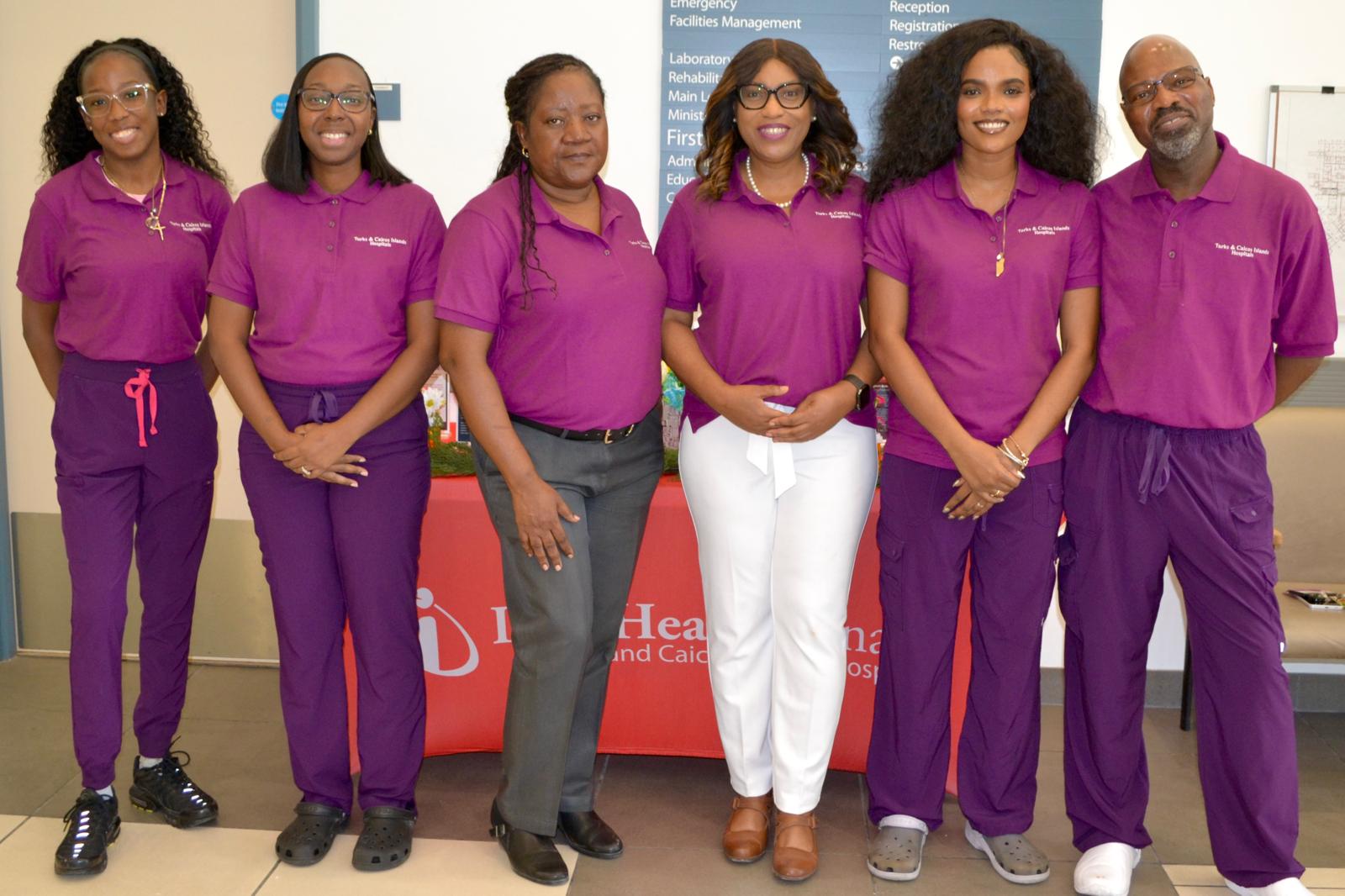
Providenciales, Turks and Caicos Islands — September 23, 2026; TCI Hospital joined healthcare organisations around the world in celebrating World Pharmacy Day from September 21-25, 2026, recognising the vital contribution pharmacists and pharmacy technicians make to patient safety, quality care and stronger healthcare systems.
Under the theme “Empowering Pharmacists for Healthier Futures,” this year’s observance highlighted the importance of enabling pharmacy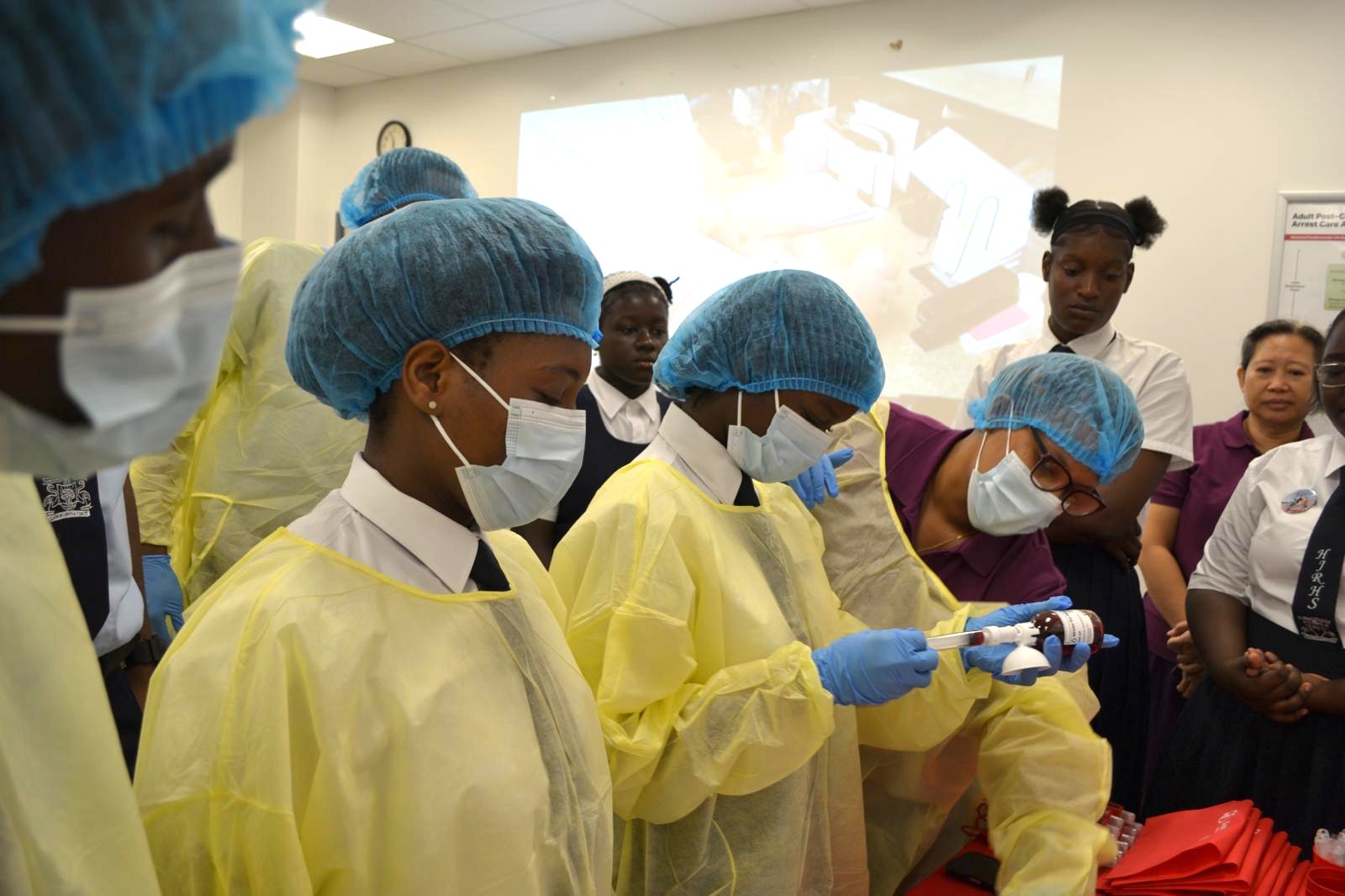 professionals to use their knowledge, skills and expertise to their fullest potential in improving health outcomes and supporting patients throughout their healthcare journey.
As part of World Pharmacy Week, September 19–25, TCI Hospital celebrated its Pharmacists and Pharmacy Technicians while engaging patients, students and the wider community in activities focused on medication safety, pharmacy careers and the expanding role of pharmacy professionals in healthcare.
More Than Preparing Medications
Pharmacists and pharmacy technicians are integral members of the multidisciplinary healthcare team at TCI Hospital. While pharmacy is often associated with dispensing and preparing medicines, the work of pharmacy professionals extends far beyond the pharmacy counter.
The hospital’s pharmacy team works collaboratively with physicians, nurses and other healthcare professionals to support the safe and appropriate use of medications throughout the patient journey. Their work includes medication preparation and management, medication reconciliation and review, patient education, and processes designed to identify and reduce medication-related risks.
Their specialised knowledge is particularly important in clinical areas such as the Neonatal Unit, Oncology and Dialysis services, where medication management requires precision, careful calculation, specialised preparation and close attention to individual patient needs.
For TCI Hospital, World Pharmacy Day therefore provides an opportunity not only to celebrate pharmacy professionals, but also to increase public understanding of their important contribution to safe, effective and patient-centred care.
Inspiring the Next Generation
An important part of TCI Hospital’s 2026 observance was engaging young people and introducing them to the diverse opportunities available within the pharmacy profession.
Students from Maranatha Academy in Providenciales and HJ Robinson High School in Grand Turk, participated in an exposition designed to provide insight into the work of pharmacists and pharmacy technicians and their contribution to patient care and medication safety.
Students explored how medications moved through the healthcare system, the safeguards used to help prevent medication errors, and the importance of medication reconciliation in identifying and resolving potential medication-related concerns.
The sessions also featured practical demonstrations of selected tools and processes used by pharmacy professionals, giving students an opportunity to experience aspects of the profession beyond the traditional image of dispensing medicines.
Through this engagement, TCI Hospital hoped to encourage more young people in the Turks and Caicos Islands to consider careers in pharmacy and the wider healthcare sector.
Taking Pharmacy Education into The Community
TCI Hospital extended the conversation beyond the hospital through a special TCI Hospital House Call Talk Show episode featuring pharmacy professionals and a patient.
The programme explored the role of pharmacists from both the healthcare professional and patient perspectives, including how pharmacy professionals contributed to safe medication use and how patients could become active partners in their own medication safety.
The discussion encouraged patients to know the medications they were taking, provide healthcare professionals with accurate and up-to-date information about their medicines, follow medication instructions carefully, and ask questions whenever they were uncertain about their treatment.
The programme also highlighted pharmacy as a rewarding healthcare career and encouraged young people to explore educational and professional opportunities in the field.
Medication Safety is a Shared Responsibility
World Pharmacy Day also provides an important reminder that medication safety is a shared responsibility involving healthcare organisations, healthcare professionals, patients and families.
Patients can contribute to safer care by maintaining an accurate list of their medications, including prescription and non-prescription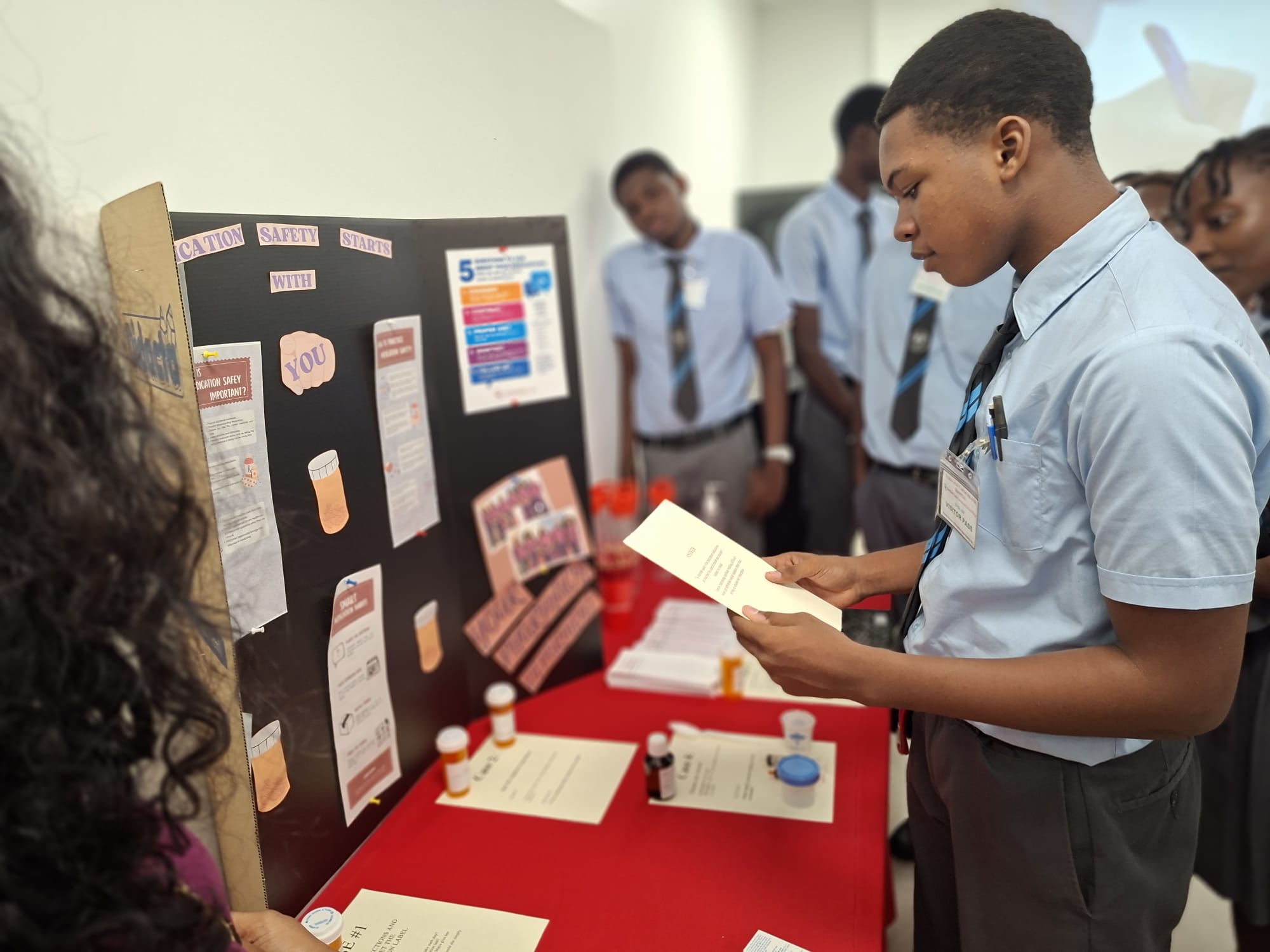 medicines; informing healthcare professionals about medications they are taking; following instructions for safe medication use; and asking questions when they do not understand why or how a medicine should be taken.
Healthcare organisations and professionals, in turn, have a responsibility to maintain systems that support safe medication practices and enable pharmacists and pharmacy technicians to contribute their expertise across the continuum of care.
TCI Hospital remains committed to strengthening medication safety, supporting its pharmacy workforce, educating patients and promoting effective collaboration across the multidisciplinary healthcare team.
Celebrating the People Behind Safe Medication Use
Chief Executive Officer of TCI Hospital, Dr Denise Braithwaite-Tennant, said World Pharmacy Day is an important opportunity to recognise the expertise and dedication of the hospital’s pharmacy professionals.
| “Our pharmacists and pharmacy technicians are essential members of the multidisciplinary team and make an invaluable contribution to safe, high-quality patient care every day. Their role extends far beyond preparing and dispensing medications. They bring specialised knowledge, precision and clinical expertise to medication management and work alongside our healthcare teams to reduce risks and support the best possible outcomes for our patients.
This year’s theme also reminds us that empowering pharmacists means creating opportunities for them to contribute their expertise across the patient journey. We are proud of our pharmacy team and sincerely thank them for their professionalism, dedication and commitment to helping build healthier futures for the people of the Turks and Caicos Islands.” Dr Denise Braithwaite-Tennant |
Chief of Allied Services, Eleanor Hall, highlighted the importance of recognising pharmacy as an integral clinical service and supporting the continued professional development of the pharmacy workforce.
| “Pharmacy is an essential component of safe and effective healthcare delivery. Our pharmacy professionals work collaboratively across disciplines and services, bringing expertise that supports clinical decision-making, medication safety and patient education. Their contribution is especially important as healthcare becomes increasingly complex and patients require more individualised approaches to medication management.
Empowering our pharmacy workforce also means investing in professional development, encouraging innovation and ensuring that pharmacists and pharmacy technicians have opportunities to contribute their knowledge throughout the healthcare system. I am extremely pleased that this year’s activities also extend into our schools and community, helping people better understand the profession while inspiring the next generation of healthcare professionals.” Eleanor Hall |
Pharmacy Manager Kennita Myers said the theme reflects both the responsibility carried by pharmacy professionals and the opportunities available to further strengthen their contribution to patient care.
| “Every medication we prepare, review or manage represents a patient who is depending on us to get it right. Whether we are supporting neonatal care, oncology, dialysis or other hospital services, accuracy, vigilance and patient safety remain at the centre of everything we do.
Our pharmacists and pharmacy technicians are also educators and advocates for safe medication use. We want our patients to understand their medicines and feel confident asking questions about their treatment. We are equally passionate about introducing young people to pharmacy and showing them the many ways, they can build meaningful careers while contributing to the health of their community. World Pharmacists Day gives us an opportunity to celebrate our profession, share our knowledge and inspire the next generation.” Kennita Myers |
Thank You to Our Pharmacy Professionals
Turks and Caicos Islands Hospital extends its sincere appreciation to its pharmacists and pharmacy technicians for their professionalism, expertise and commitment to patient safety.
Whether preparing specialised medications, supporting clinical teams, educating patients, reviewing medication therapy or strengthening medication-safety processes, pharmacy professionals play an important role at every stage of the patient journey.
Their work embodies the message of World Pharmacy Day 2026: “Empowering Pharmacists for Healthier Futures.”
To all of our Pharmacists and Pharmacy Technicians, thank you for helping to keep our patients safe, supporting our healthcare teams and contributing every day to healthier futures for the people of the Turks and Caicos Islands.
Bahamas News
Public Hospitals Authority Foundation Donates Dialysis Machines to Princess Margaret Hospital (PMH)
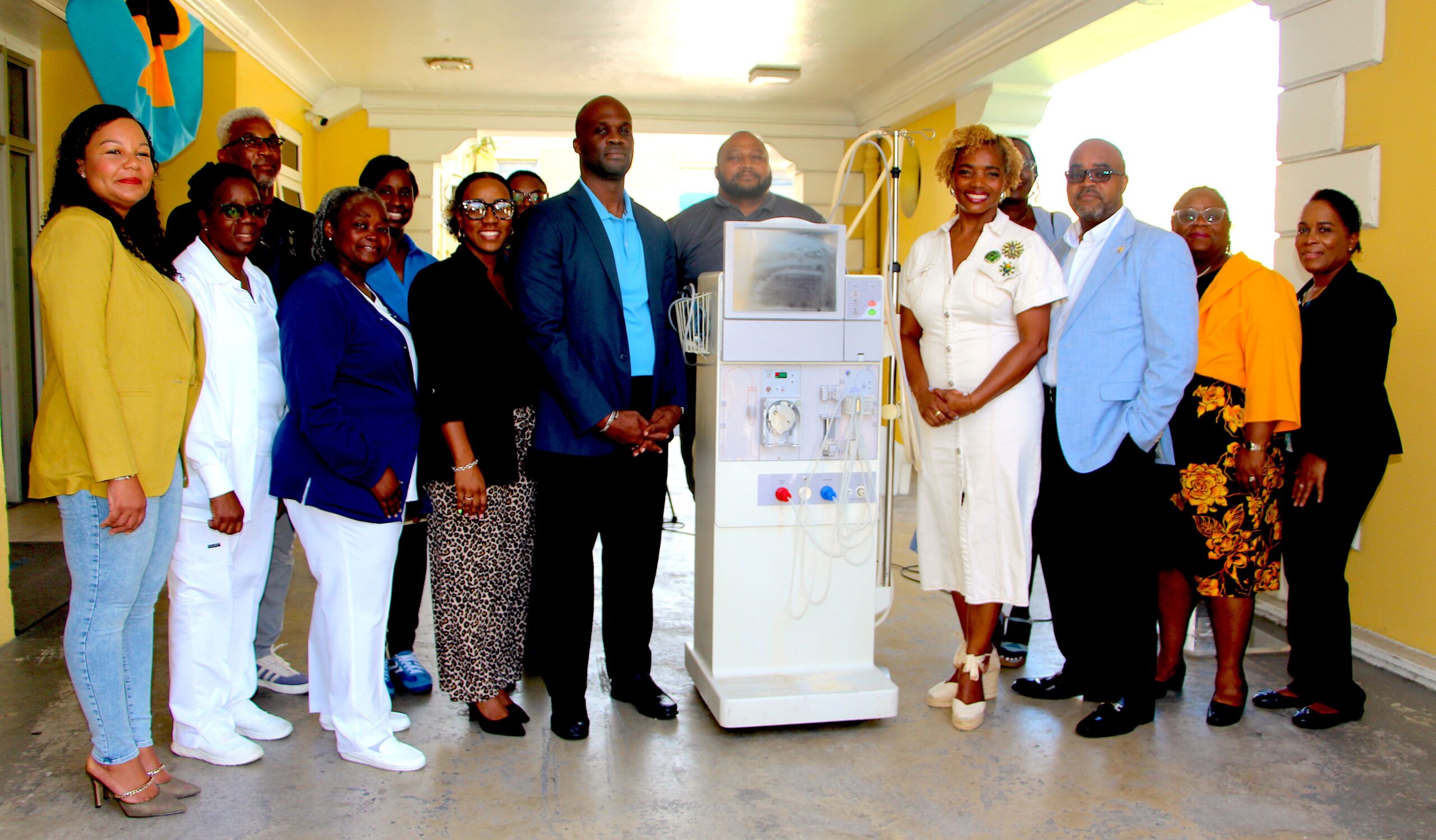
The Bahamas, September 21, 2026 – The Public Hospitals Authority (PHA) Foundation, a philanthropic organization launched in January 2024 to support public hospitals and healthcare clinics, donated eight additional dialysis machines for the PMH Renal Services unit.
Director of Foundations, Corporate and Community Relations for the Public Hospitals Authority and Executive Director of the foundation, Alana Major, said this initiative is a part of the foundation’s “Sun, Sea and Second Chances” campaign. PHA Foundation aims to secure 30 machines for Princess Margaret Hospital.
“As of today, with this donation, we are now up to 15 machines, so we are very excited about that,” Ms. Major said.
Other members of the foundation were present, including PHA Foundation Chairman Mr. Selvin Basden, who said the foundation is committed to doing its part in fulfilling the mandate of the Government of the Bahamas.
“One of the tenets of the Government is to ensure that access to healthcare is a human right. We are committed to ensuring that, at least from our part, we can deliver on that principle,” Mr. Basden said.
The PMH Renal Services Unit dialyzes about 150 to 170 patients annually. The unit provides care for patients who have been diagnosed with end-stage kidney disease and now need renal support. Patients who receive dialysis typically come to the unit three times a week, either on a Monday-Wednesday-Friday schedule or a Tuesday-Thursday-Saturday schedule.
Head of Department for Renal Services, Dr. Thurston Carroll, said she and the unit are excited to receive the donation, as it will replace machines that are not operating optimally.
“We are particularly excited about today’s donation because, although we have 20 stations within the dialysis unit, we have an aging fleet. These new machines and new water-treatment equipment will allow us to replace some of our aging equipment so that we can continue providing services to our patients.”
Foundation representatives noted that one or two organizations are already considering making bulk donations and if it happens, the foundation may be able to secure another 10 machines or another five machines in the very near future.
PMH Deputy Hospital Administrator Angelica Lockhart-Bastian and Hospital Administrator Mr. Tevard Bastian thanked the PHA Foundation for its donation to Princess Margaret Hospital.
Also in attendance were PHA Foundation Deputy Chairman Dr. Erecia Hepburn; Foundation guest Dr. Maria Oriakhi; Chief Biomedical Engineer Mr. Theodore Nottage; Administrative Officer Ms. Appapisa Neely; and Senior Assistant Hospital Administrator Mr. Valdez Bowe.
By Christina Williams
Bahamas Information Services
BIS Photos/Mark Ford
PHOTO CAPTION:
Group Photo, from left:
– Dr. Rhea Thurston Carroll, Director, Renal Services, PMH
– Nurse Kim Harris, Dialysis Nurse, Dialysis Unit, PMH
– Sister Darnell Roker, Nurse Manager, Dialysis Unit, PMH
– Mrs. Angelica Lockhart-Bastian, Deputy Hospital Administrator PMH
– Mr. Tevard Bastian, Hospital Administrator PMH
– Mrs. Alana Major, Director, Foundations, Community and Corporate Relations, PHA
– Mr. Selvin Basden, Chairman, PHA Foundation
– Dr. Erecia Hepburn, PHA Foundation Board
– Ms. Donette Danvers, Executive Assistant, Foundations, Community and Corporate Relations, PHA





-

 News6 days ago
Indian Association of Turks and Caicos Islands Empowers Local Students Through Back-to-School Backpack & Supplies Drive
-

 Caribbean News5 days ago
Royal Caribbean Group and Sandals Resorts Announce Landmark Partnership to Accelerate Their Leading Vacation Experiences
-

 Independent writer1 week ago
Letter to The Editor
-
 Bahamas News1 week ago
CIBC Caribbean Celebrates 2026 Unsung Heroes Finalists
-
 Health6 days ago
TCI Hospital Celebrates World Pharmacy Day 2026
-

 Bahamas News1 week ago
Romer Receives Regional Leadership Award
-

 Caribbean News6 days ago
Royal Caribbean Signs US$3-Billion Deal for Half of Sandals and Beaches
-

 Health1 week ago
Urgent Care vs. the ER: How To Choose Where To Go