Bahamas News
Home-Court Advantage: Rick Fox Backs Carbon-Negative “Super Reef” for The Bahamas

NASSAU, Bahamas, December 18, 2025 – Marine scientists at the Perry Institute for Marine Science have partnered with NBA champion Rick Fox and his climate-tech company, Partanna, to build a 100-square-meter demonstration “super reef” in Bahamian waters.
The Holiday Reef campaign uses Partanna’s carbon-negative concrete, which absorbs CO₂ as it cures and strengthens in seawater, unlike traditional cement that contributes to reef loss.
Designed as an underwater biodiversity hub, the reef will be built using Autonomous Reef Monitoring Structures seeded on healthy reefs, then planted with heat-resilient “super corals” bred to survive warming oceans. The project responds to severe Caribbean coral losses following recent mass bleaching events.
The Holiday Reef project follows a rigorous five-point scientific restoration plan developed by the Perry Institute for Marine Science to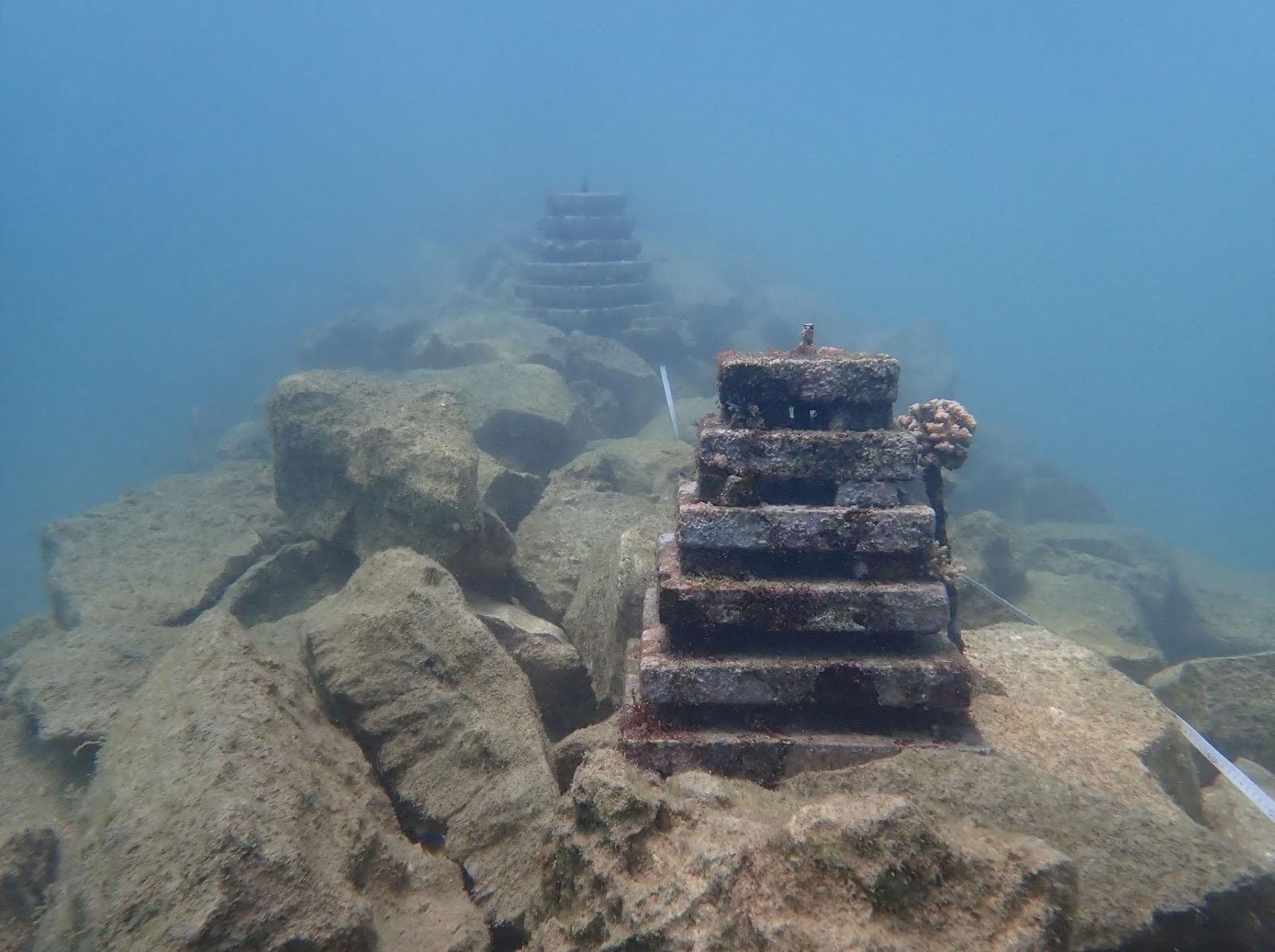
- Foundation: Scientists will deploy carbon-negative Autonomous Reef Monitoring Structures (ARMS) made from Partanna’s cement-free material. These structures act as the physical base of the reef while avoiding the environmental harm associated with traditional concrete.
- Seeding: The ARMS are first placed on healthy natural reefs, where they are left to “season.” During this phase, sponges, crabs, microbes, and other cryptic marine organisms naturally colonize the structures, forming the biological building blocks of a functioning reef.
- Assembly: Once seeded, the ARMS are relocated to the Holiday Reef site—an area currently without living reef—and assembled into a complex three-dimensional structure that mimics the architecture of a natural coral reef.
- Coral Planting: PIMS’ Reef Rescue Network then introduces thermally tolerant coral genotypes, often called “super corals,” selected for their ability to withstand rising ocean temperatures.
- Monitoring: Scientists track reef growth and health using drones and underwater photogrammetry, creating high-resolution 3D maps to measure coral survival, growth, and biodiversity over time.
To accelerate deployment, Partanna is offering a $25,000 dollar-for-dollar public donation match. Organizers say the reef will protect food security, tourism, and coastal resilience for generations.