
TCI News
From Removal to Redevelopment: ISU Announces 27 Concepts

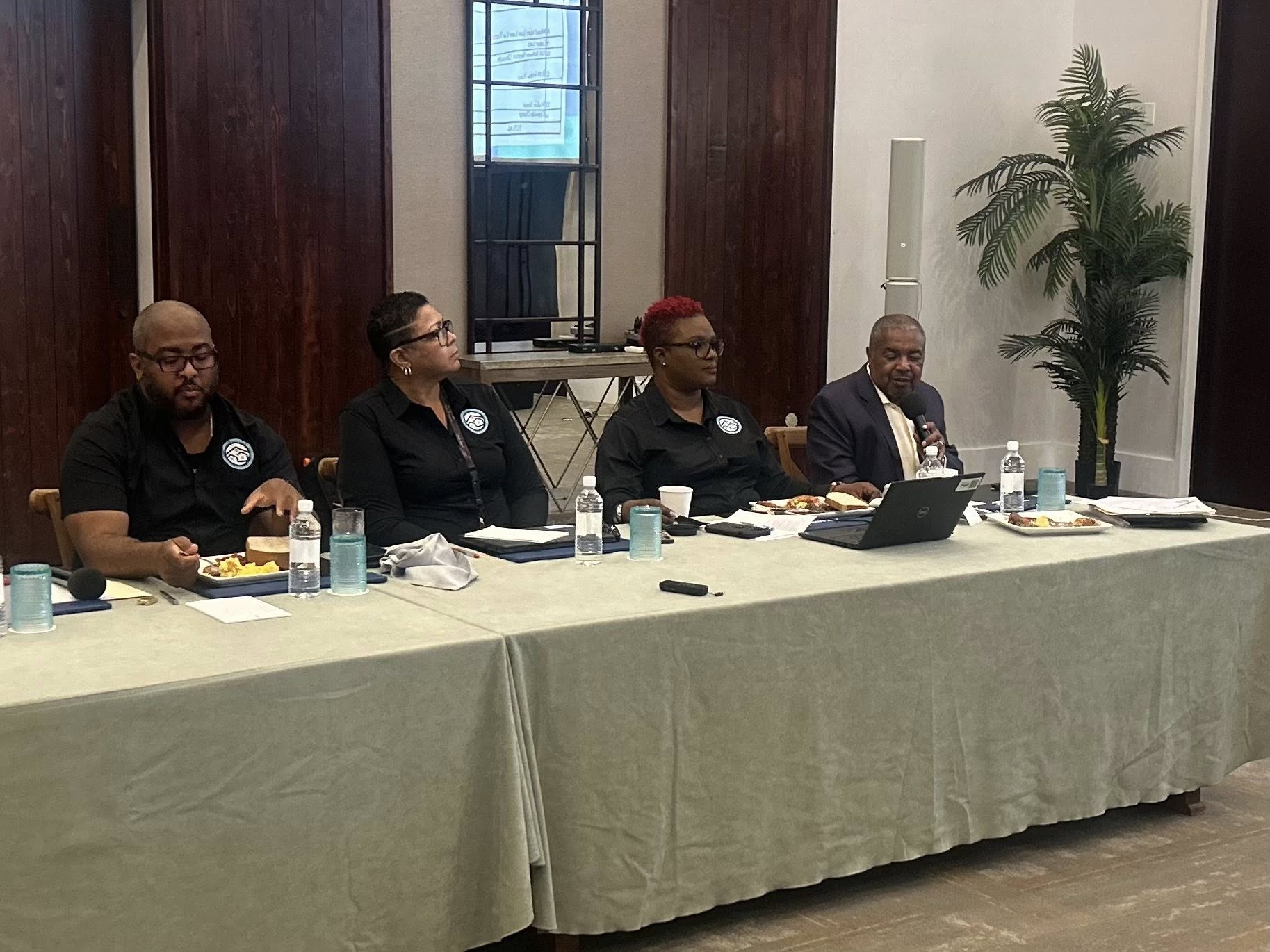
Turks and Caicos, December 12, 2025 – For the Turks and Caicos Islands, the shift from removal to redevelopment marks a profound national pivot — one that redefines how the country confronts a problem that has quietly reshaped its landscape for more than a decade.
At a media briefing held Tuesday, December 11, the Informal Settlements Unit (ISU) confirmed that it has now reviewed 35 informal settlement sites for full redevelopment and is advancing 27 conceptual redevelopment designs, signalling a move beyond enforcement toward long-term planning and land re-imagination.
The announcement comes after nearly three years of intensive work under the leadership of Carlos Simons KC, a former justice of the Supreme Court and one of the country’s most respected legal minds. For Simons, who is himself a Turks and Caicos Islander, the mandate has never been cosmetic. Informal settlements, he has repeatedly stressed, are not simply unsightly — they pose public safety risks, strain infrastructure, undermine land ownership regimes, and create environments vulnerable to criminal activity.
Turks and Caicos remains the only British Overseas Territory grappling with informal settlements at this scale.
From Clearance to Control of Land
Since its inception, the ISU has focused first on reclaiming land that had fallen outside the bounds of planning and regulation. According to data presented, more than 800 informal structures have been addressed across Crown land, private land, and other properties, with the bulk of activity concentrated in Providenciales, and additional operations carried out in Grand Turk and North Caicos.
Providenciales accounts for the largest share of reclaimed acreage and enforcement actions, reflecting both population density and the concentration of informal developments. In Grand Turk, ISU interventions have been more targeted, often tied to flood-prone or environmentally sensitive areas. North Caicos, while hosting fewer informal settlements, has now been formally incorporated into the Unit’s monitoring and redevelopment framework.
To date, the ISU reports approximately 35 acres of land reclaimed, creating, for the first time, a realistic platform for planned redevelopment rather than ad-hoc clearance.
Redevelopment, Not Replacement
What distinguishes this phase of the ISU’s work is not simply the scale of removal, but the clarity of what comes next.
Officials confirmed that 27 redevelopment concepts are now in progress, supported by land already under government control. These are housing-led but not housing-only designs, incorporating infrastructure layouts, access routes, drainage, and green space — a deliberate break from the sprawl and density that defined informal settlements.
One example shared, illustrated the potential of vertical, modular development: a 2.5-acre site, previously crowded with informal structures, re-imagined to accommodate 105 formal housing units, alongside communal space and planned utilities. The intent, ISU officials said, is to replace disorder with density done right — preserving land while increasing livability.
The Survey Behind the Strategy
Central to the ISU’s evolving approach is a comprehensive Social Needs Assessment Survey, designed not merely to count structures, but to understand the people who lived within them.
The survey spanned multiple islands and dozens of informal settlement sites, collecting data on household size, age distribution, employment status, length of residence, access to utilities, sanitation conditions, flood exposure, and vulnerability factors. It captured information across genders and age groups, with particular attention to working-age adults, children, and households headed by single earners.
Officials described the survey as essential to avoiding a blunt enforcement model. Instead, the data is being used to inform redevelopment planning, guide social interventions, and identify patterns — including how long informal settlements persist, how residents integrate into the labour force, and where the greatest risks to health and safety lie.
The findings reinforced what authorities had long suspected: informal settlements are not transient. Many households had occupied land for years, often without basic services, and in conditions that posed escalating risks during heavy rains or storms. The survey now forms a baseline against which future redevelopment and resettlement outcomes will be measured.
Targeting the Next Generation
Recognising that enforcement alone cannot dismantle a culture of informal construction, the ISU launched youth-focused initiatives over the past year, aimed squarely at prevention.
Through school engagement, creative challenges, and public education campaigns, the Unit has begun addressing the mindset that normalises shanty-style building. Officials described the youth programmes as an investment in long-term cultural change, encouraging young people to see planning, legality, and design as non-negotiable elements of national development.
The initiatives also seek to foster pride in place — reframing orderly development not as exclusionary, but as essential to safety, dignity, and opportunity.
A National Turning Point
The ISU’s presentation makes clear that Turks and Caicos has entered a new phase in confronting informal settlements — one grounded in data, planning, and land control, rather than reaction.
Whether the country can sustain the political will, funding discipline, and cross-agency coordination required to move concepts into construction remains to be seen. But for the first time, the national conversation has shifted.
This is no longer only about what must be removed.
It is about what can — and should — be built in its place.
Angle by Deandrea Hamilton. Built with ChatGPT (AI). Magnetic Media — CAPTURING LIFE.








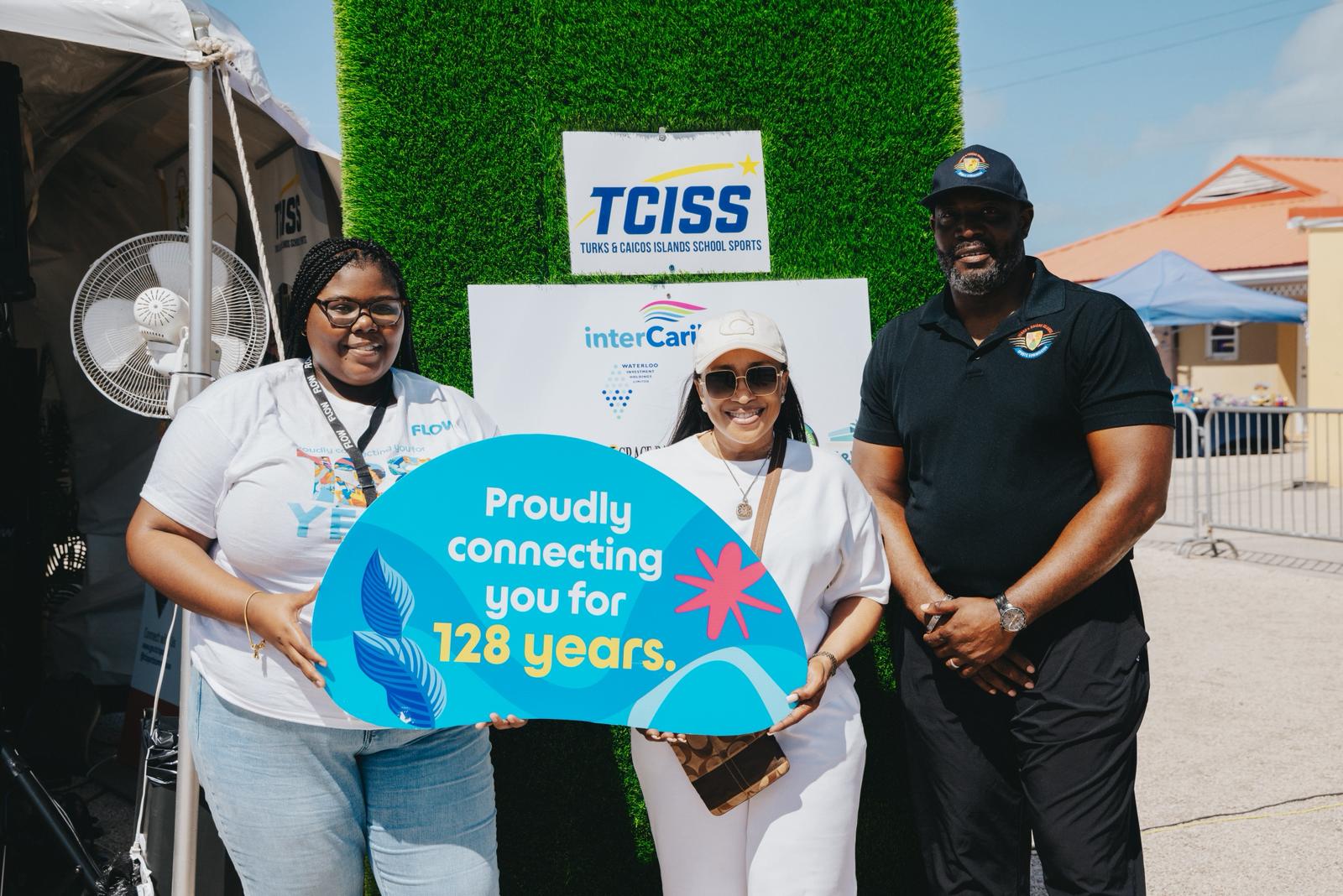
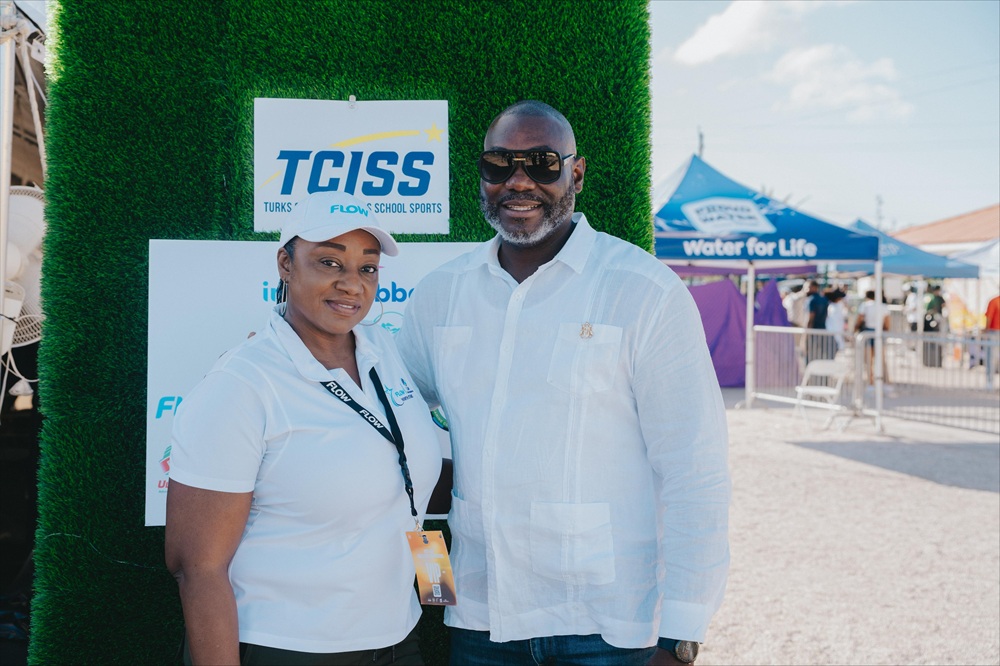
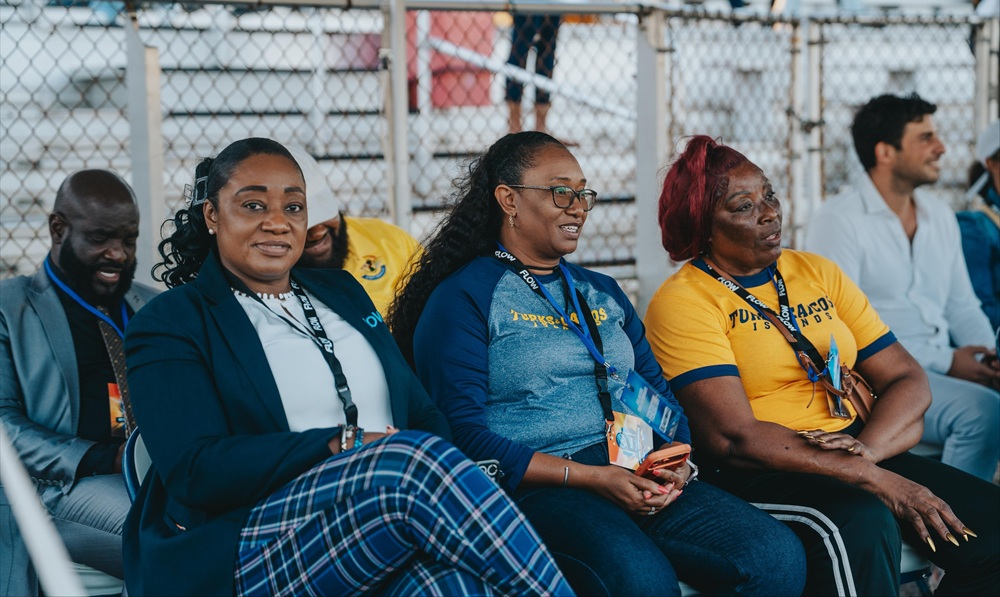
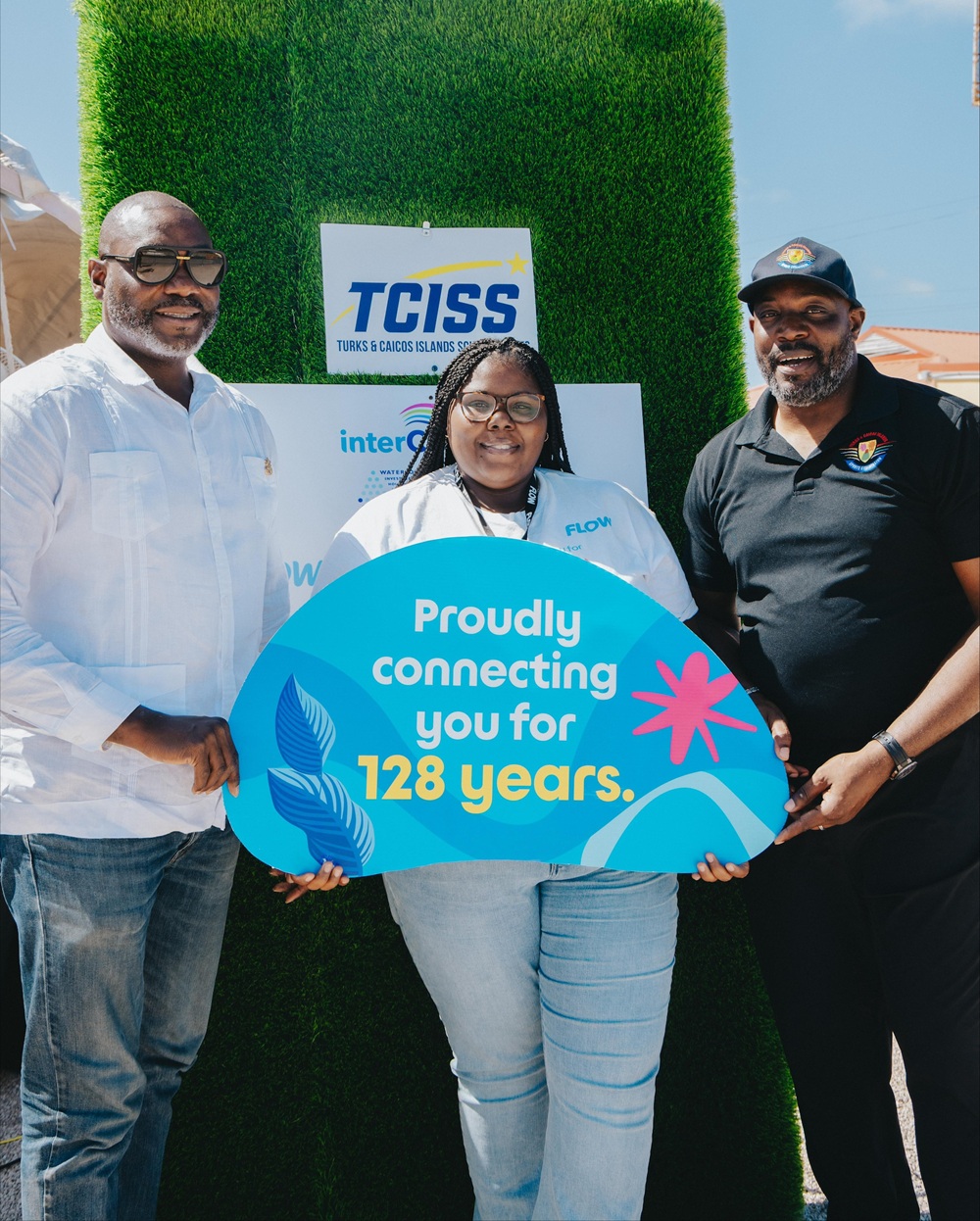
Providenciales, Turks and Caicos Islands (March 5, 2026) – As the Turks and Caicos sporting community celebrates the spirit of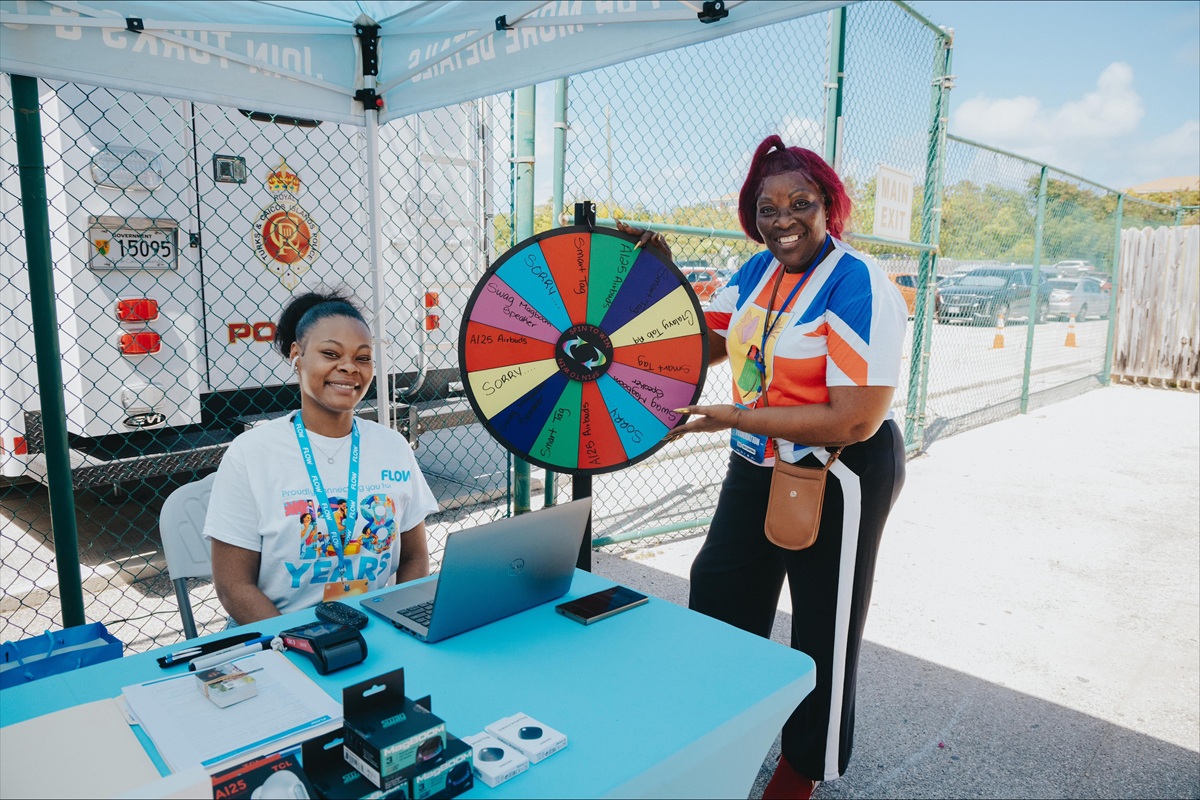 youth athleticism, leading telecoms provider, Flow is highlighting the transformative power of connectivity following the successful conclusion of the 2026 Inter-High Track and Field Championships held at the Turks and Caicos Islands National Stadium from February 26 to 28.
As the Official Media Sponsor for the event, Flow provided livestreaming services that premiered across social media and on Flow TV’s Channel 111. This ensured that families and fans throughout the Turks and Caicos Islands could witness every record-breaking moment. To keep the event running at top speed, Flow also provided broadband services throughout the venue, maintaining seamless connectivity throughout the games.
“Our long-standing partnership with the Turks and Caicos Islands Sports Commission is a shared promise to invest in the next generation. Over the years we have worked together to create opportunities for young people to train, compete and grow,” said Joanne Missick, Country Manager, Flow Turks and Caicos Islands.
“We make this investment because sport develops more than athletes. It’s a long-term investment for us in our people, pride and possibility, and it’s a partnership we hold close because advancing our youth advances the entire nation.”
The commitment to the Games extended directly to the track, where Flow served as the headline sponsor for the 200-meter category. Spanning seven races, the partnership culminated during the official medal ceremony with the company presenting winners with Flow merchandise bags.
Off the track, Flow mobilised engagement through the interactive sales booth. The site became a hub for activity, featuring Spin the Wheel promotions and gift certificate giveaways during Q&A intermissions, ensuring the energy of the crowd remained high.
Looking ahead, Flow is preparing to carry this momentum into the upcoming Inter-Primary Track and Field Championships, continuing its investment in the next generation of sporting talent in the Turks and Caicos Islands.

Providenciales, Turks and Caicos Islands – Commissioner of Police Fitz Bailey has been recognised for his contribution to national security and the tourism industry, receiving the Distinguished Civic Service Award at the Turks and Caicos Hotel and Tourism Association’s Star Awards held on February 19, 2026 at Beaches Turks and Caicos.
The annual awards ceremony is the premier recognition event for the territory’s hospitality sector, bringing together industry leaders, executives and frontline professionals to celebrate excellence and the individuals whose work strengthens the destination’s global reputation.
Commissioner Bailey was honoured for his strategic leadership in the fight against crime and the measurable reductions in major offences, efforts widely credited with improving public confidence and reinforcing the Turks and Caicos Islands’ standing as a safe and competitive tourism jurisdiction.
In accepting the award, the Commissioner dedicated the recognition to the officers and staff of the Royal Turks and Caicos Islands Police Force, praising their commitment and professionalism in what he described as a collective national effort to make the islands more secure.
The TCHTA Star Awards spotlight the link between public safety and tourism performance, acknowledging that a stable and safe environment is essential to visitor confidence, investment and the continued growth of the sector.
This year’s ceremony featured high-energy hosting by Super P the Entertainer, with Omega serving as awards announcer, as the industry gathered to honour the people and partnerships that continue to elevate the Turks and Caicos brand.
(Providenciales – Monday, March 2, 2026) TCI Hospital proudly announces the successful achievement of its Heart Strong TCI initiative, a comprehensive Heart Month campaign focused on raising awareness and strengthening cardiovascular disease prevention efforts across the Turks and Caicos Islands.
Heart disease remains the leading cause of death in the Turks and Caicos Islands, highlighting the critical need for sustained public education, risk-factor reduction, and early intervention. The Heart Strong TCI initiative was designed to actively engage the community through education, outreach, and physical activity.
Key Activities Included:
Educational Training Sessions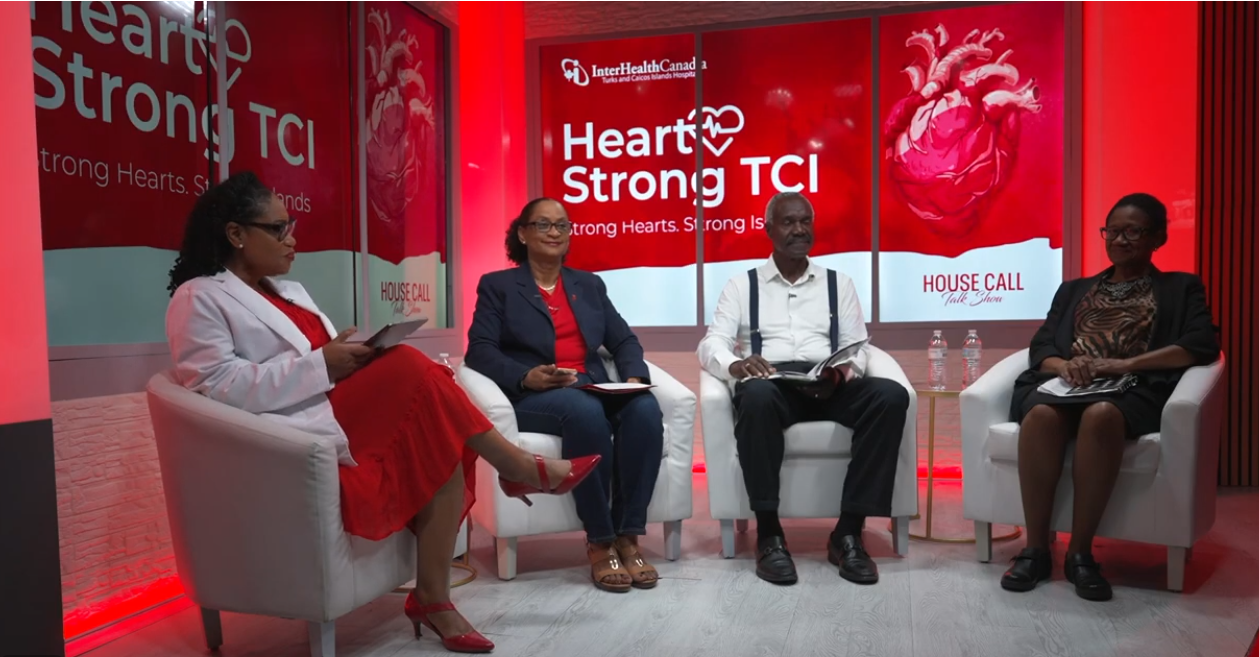
Healthcare professionals conducted structured sessions addressing hypertension, diabetes, cholesterol management, nutrition, exercise, smoking cessation, and the early warning signs of heart disease.
House Call Talk Show Feature
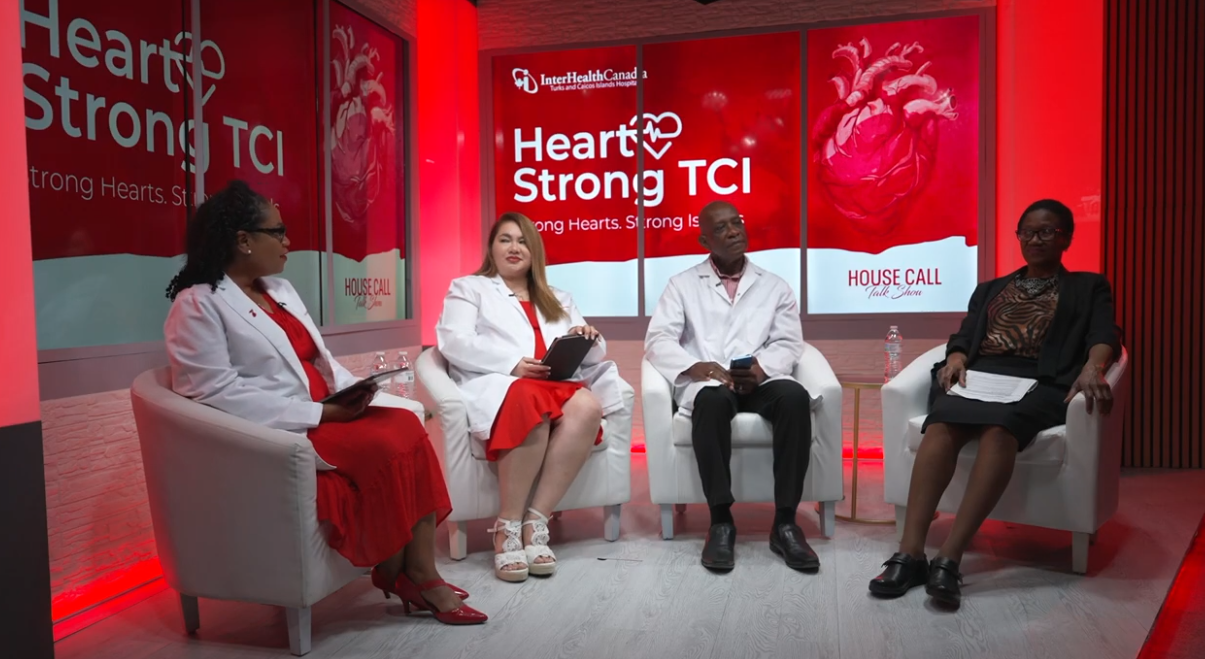
A dedicated Heart Month episode of the hospital’s House Call program provided expert discussion on cardiovascular risk factors and prevention strategies, empowering viewers with practical, evidence-based guidance.
Red Fridays Awareness Campaign
Throughout the month, staff wore red every Friday to increase visibility around heart disease awareness and reinforce the campaign’s message within the community.
Heart Strong 5K Walk/Run
In collaboration with the Rotary Club, TCI Hospital hosted a community-wide 5K walk/run to promote physical activity as a cornerstone of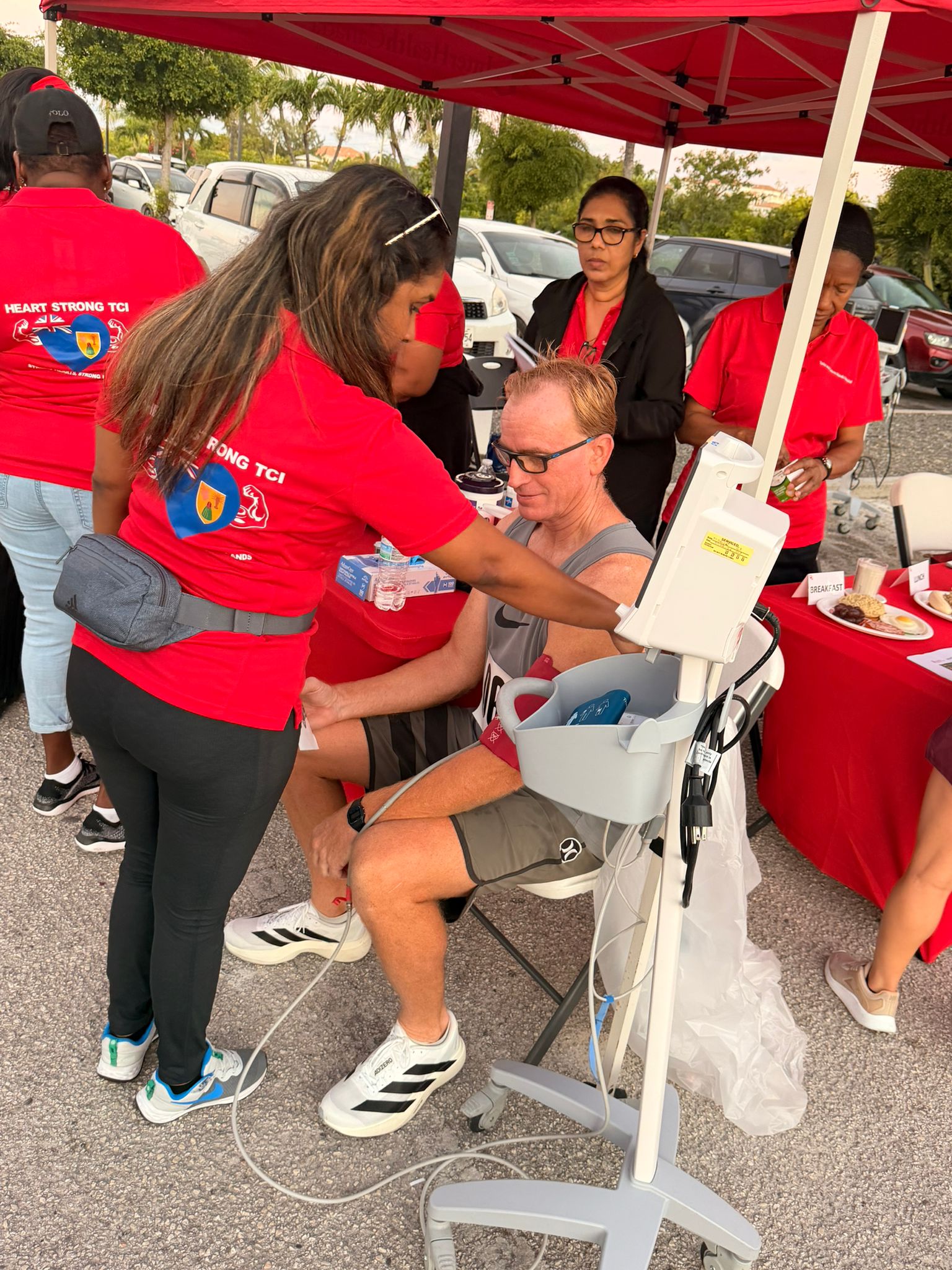 heart health. The walk/run also provided an opportunity for community screening.
Digital Health Education Campaign
To expand its reach, TCI Hospital also shared ongoing heart health education tips and prevention messages across its social media platforms, including Facebook, LinkedIn, and Instagram. These posts provided actionable guidance on diet, exercise, blood pressure control, and lifestyle modification, and encouraging community members to learn CPR.
Heart Strong TCI: A Continuous Commitment
While Heart Month has officially ended, Heart Strong TCI represents an ongoing institutional commitment to cardiovascular disease prevention and awareness. TCI Hospital will continue to prioritize:
- Community-based education initiatives
- Preventative screening and early detection programs
- Lifestyle and wellness promotion
- Strategic partnerships that advance public health outcomes
“Heart Strong TCI is not limited to a single month,” CEO, Dr. Denise Braithwaite-Tennant. “Cardiovascular disease prevention requires sustained effort. We remain committed to promoting healthy hearts across the Turks and Caicos Islands year-round.”
For more information about cardiovascular health services or upcoming screening initiatives, please contact TCI Hospital at 649-941-2800 in Providenciales, 649-941-2900 in Grand Turk or email us at info@interhealthcanada.tc
About TCI Hospital
TCI Hospital is dedicated to delivering high-quality healthcare services to the people of the Turks and Caicos Islands, with a strong emphasis on prevention, education, and community wellness.





-
 News1 week ago
DDME Staff Strengthen Disaster Management Capacity Through Professional Development Workshop
-
 News1 week ago
The Turks and Caicos Islands Set Positive Start to 2026 with Increase in January Stayover Arrivals
-

 News1 week ago
New Chartered Accountant Member Appointed to The Integrity Commission
-

 News1 week ago
Multi-Agency Planning Enforcement Action Conducted in Five Cays
-

 News3 days ago
Police Commissioner Honoured with Distinguished Civic Service Award at TCHTA Star Awards
-

 Health5 days ago
TCI Hospital Celebrates Successful “Heart Strong TCI” Initiative During Heart Month
-
 News2 days ago
Flow TCI powers Inter-High Track and Field Championships