
Government
PDM Leader responds to National Debate question on Healthcare


Deandrea Hamilton
Editor
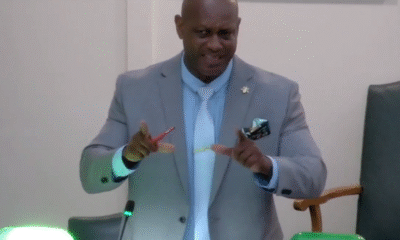
Turks and Caicos, February 3, 2025 – The PDM, if elected government, will create a treatment policy which focuses on getting residents the best possible care and ensure proper funding for treatment abroad travel, said Edwin Astwood during the live-streamed National Debate on Thursday January 30.
“On day one, I will bring a treatment abroad policy to Cabinet, to reverse what is there now. We will ensure wherever you can get the top treatment you will be sent to. Whether it is the USA, whether it is Canada, we will not say that you can only go into the Caribbean region. We want the best for our people, we will put the money there in the treatment abroad policy that we can send you to places where we believe and where the data shows you can get the best treatment possible for you to fully recover and fully be healed, that is what the PDM is about.”
Astwood, who has led the PDM since 2021 and is a former Minister of Health for the TCI said medical centers will not be selected based on a limited budget and a common complaint will be no more.
“We will not send people abroad without having money in their pocket. We will not send people abroad to be put out of hotels. We will not send people abroad to be put out of hospitals. We will ensure that whatever allowance you need, you will get that before you go.”
In July 2022, a National Insurance Board Appeals Tribunal was established to field concerns and respond directly to contributor’s complaints, however, in the years following its set up little has been said about the effectiveness or impact of that body.
Additionally, Astwood addressed the quality of healthcare generally in the islands.
“Our people were healthier 15 years ago. The records can show that; if you look at the birth rate compared to the death rate you will see that that ratio is higher now in ‘23-’24 than what it was in 2017, in 2015 and before. On day one, I myself is going to push through the Cabinet a bill to ensure that primary health care is rejuvenated in all of our communities.
We know that in order to keep our people healthy, we have to look at prevention. Prevention is always better than cure, the honourable premier’s style is always to put the bandaid on the bleed. But we (PDM) always want to go in there and stop the bleeding so that you don’t need the bandaid. So that is what we are going to do, we are going address healthcare at its root cause and put the primary health care clinics back in every community.
He said the goal is for there to be early detection through early screenings. Astwood said the country’s profits in recent years meant it could afford to set up an Intensive Care Unit.
“They also messed up the entire NHIP system. Now our people cannot even get an air ambulance to come to the Turks and Caicos islands because they bankrupted the NHIP. They made it where people are at a critical state.”
The PDM leaders shared that during a recent House of Assembly sitting, members approved $10 million dollars to pay outstanding medical bills.
Also on the PDM agenda is attention to oncology and all aspects of neonatal care due to a raised standard at the Cheshire Hall and Cockburn Town Medical Centers.
“We will get those health professionals in the hospitals. No more will you see persons googling, to find out what your diagnosis is, we will get the proper machines for scanning. No longer will you have those misdiagnosis and wrong diagnosis like under the honourable premier and no more will you be sent to places without money.”
He said the PDM has all of the plans to fix healthcare in the Turks and Caicos.





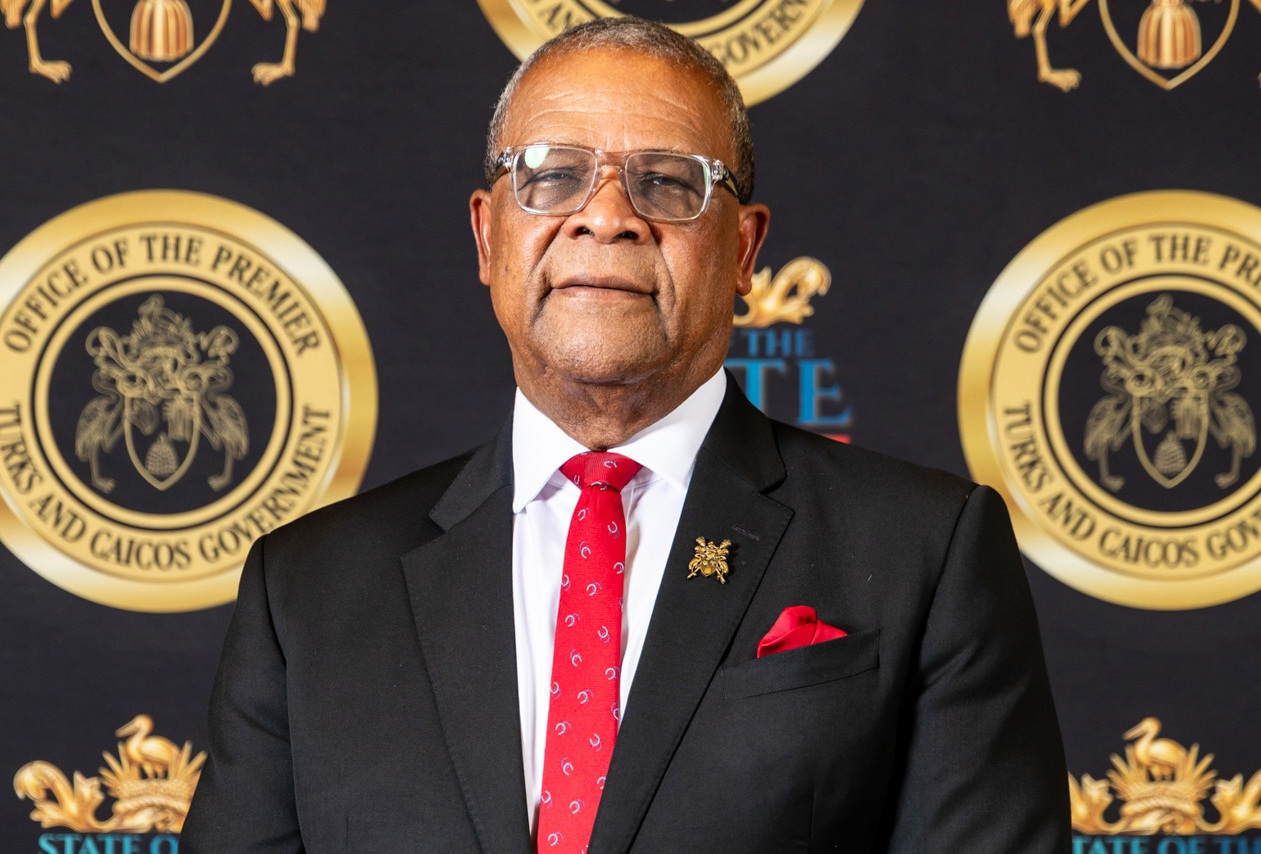
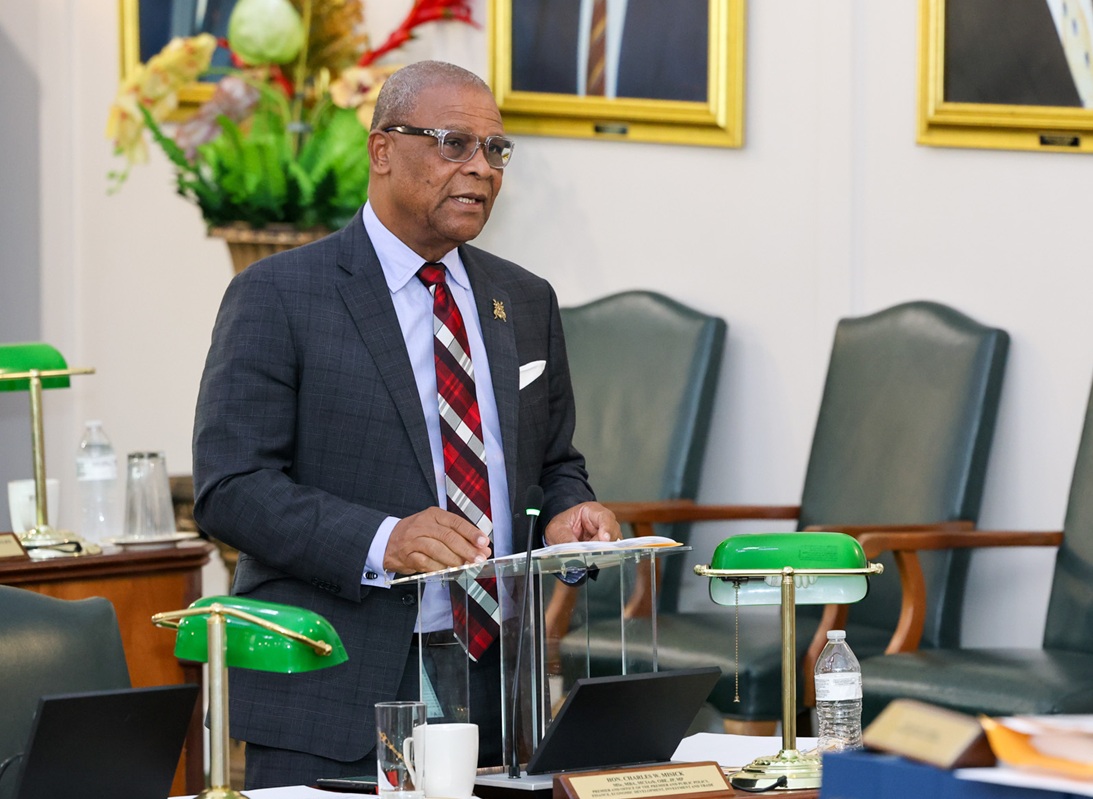
Turks and Caicos, March 18, 2026 – Despite securing significant constitutional reforms within the past year — including new powers that allow for a national referendum — Premier Charles Washington Misick made no mention of independence or any vote on the country’s political future during his 2026 State of the State Address, signalling what appears to be a continued strategy of building institutional strength before raising the question with the electorate.
The absence of any reference to a referendum stood out, particularly after the Turks and Caicos Islands successfully negotiated constitutional changes with the United Kingdom that expanded the authority of elected leaders and modernised the structure of Government.
Those reforms, which took effect last year, increased the size of Parliament, allowed for more Cabinet ministers, extended the life of a government from four to five years, and strengthened the role of elected officials in domestic affairs. The amendments also included provisions allowing for a referendum to be held on matters of national importance, a change widely viewed as giving the territory greater flexibility in determining its future political direction.
In his address, the Premier spoke of the reforms as moving the country toward “fuller self-government,” noting that the changes deliver a fully elected Parliament, widen delegated responsibility in external affairs and give elected leadership clearer authority and accountability to the people.
However, while the speech emphasised sovereignty, national security and stronger local institutions, it stopped short of any suggestion that the Government intends to call a referendum on independence or any other change in constitutional status.
Instead, the tone of the address suggested a focus on strengthening systems at home before considering further political steps.
The Premier outlined plans to expand the Police Force, strengthen the Border Force, increase the role of the Turks and Caicos Islands Regiment, modernise government through digital transformation, and improve immigration control through biometric border technology — all measures he said are necessary to secure the country’s future.
He also pointed to economic stability, infrastructure development and expanded investment as priorities, repeatedly framing the Government’s approach as one of building a stronger and more secure nation before taking on larger challenges.
The 2024 constitutional amendments, agreed between the Turks and Caicos Islands Government and the United Kingdom, formally expanded the number of elected members in the House of Assembly, increased the number of Ministers who may serve in Cabinet, extended the Parliamentary term to five years, strengthened Cabinet authority in domestic matters, and introduced provisions allowing for a referendum to be held on issues of national importance. The changes also widened delegated responsibility to local leaders in key areas of governance, marking one of the most significant steps toward greater self-government in recent decades.
The constitutional reforms achieved last year were seen by many observers as laying the groundwork for greater autonomy, and potentially future debate on independence, but the latest State of the State suggests the Government is moving cautiously.
For now, the message from the Premier appears clear: before any question of political status is put to the people, the country must first strengthen its institutions, its economy and its capacity to govern itself.
Angle by Deandrea Hamilton. Built with ChatGPT (AI). Magnetic Media — CAPTURING LIFE.
Government
$6M Digital Transformation Drive to expand E-Government, National ID and Biometric Borders
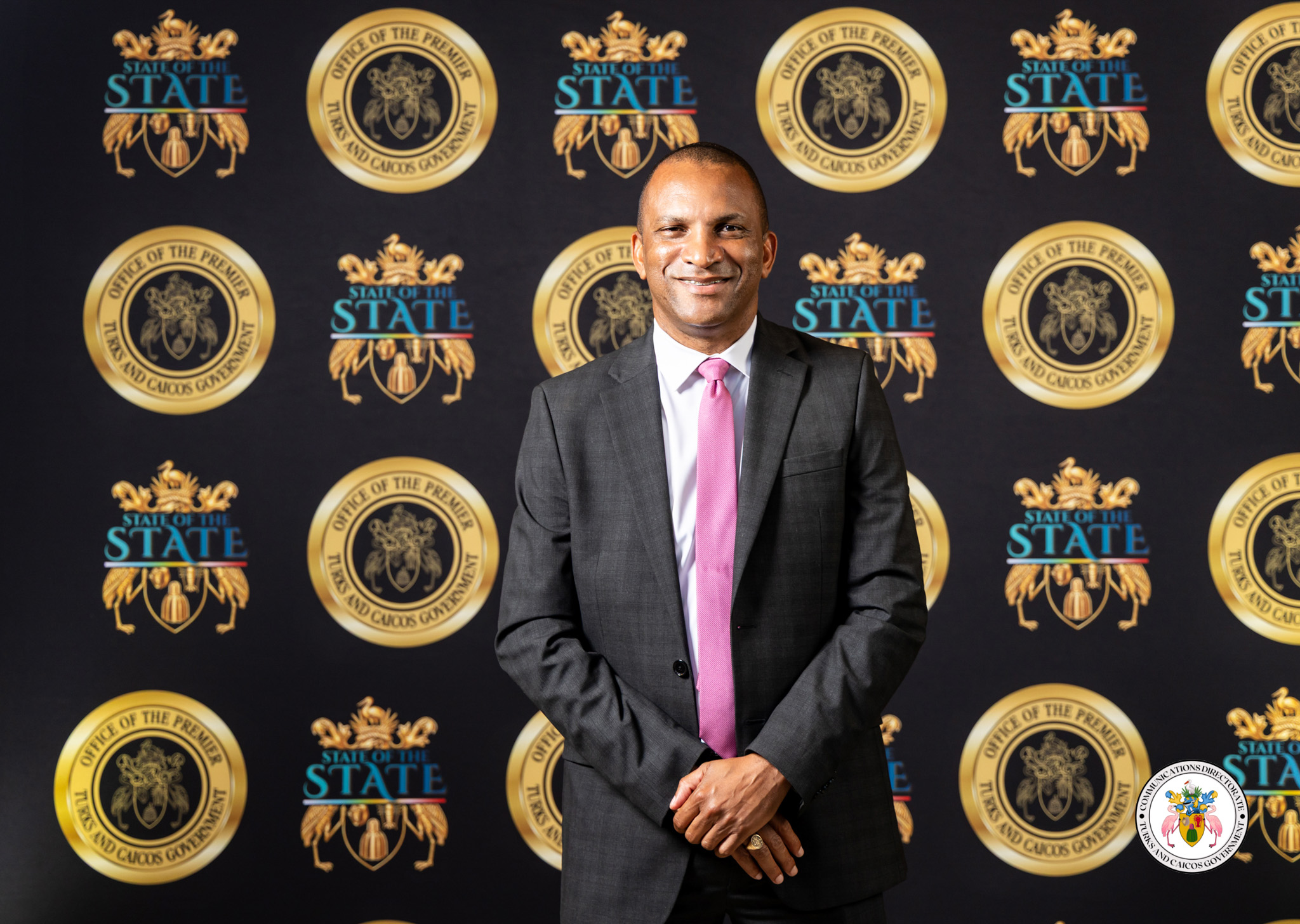
Turks and Caicos – A $6 million digital transformation programme launched after the 2024 government cyber breach is now driving a major push toward e-government in the Turks and Caicos Islands, with new systems planned for online payments, national digital identification and biometric border controls.
In his 2026 State of the State Address, Premier Charles Washington Misick said weaknesses exposed by the cyber-attack made it clear that government technology systems must be modernised to improve security, efficiency and public service delivery.
The Premier said the three-year digital agenda includes stronger network security, a redesigned government data system, new identity management tools and the creation of a National Security Operations Centre to monitor threats.
He told the country that modernising government services through digital transformation and e-governance is no longer optional but necessary for transparency, accountability and national progress.
One of the centrepieces of the plan is the National Digital ID Programme, which the Government says will modernise civil registration, establish a national population register and make it easier for residents to access public services while strengthening national security and election integrity.
The Premier also pointed to early success with the new E-Pay system, reporting that more than $1 million in government payments had already been made online within days of its launch in February, reducing long lines, paperwork and processing delays while improving transparency in public transactions.
Digital transformation is also extending to the country’s borders.
The Government confirmed that a multi-million-dollar Digital Borders Programme will introduce biometric screening and automated E-Gate technology at ports of entry, allowing citizens and low-risk travellers to move more quickly through immigration while giving authorities real-time access to identity and status information.
The move aligns with wider security standards being implemented across British Overseas Territories, where upgraded border technology is being introduced to strengthen immigration control and improve passenger processing.
Officials say the changes are part of a broader effort to create a more modern, secure and efficient public service, with additional digital systems planned across government departments over the next several years.
Angle by Deandrea Hamilton. Built with ChatGPT (AI). Magnetic Media — CAPTURING LIFE.





-

 News6 days ago
GOLD & SILVER – Hall & Guerrier Fly High for Turks and Caicos at CARIFTA 2026
-

 News7 days ago
CALL 649-338-4008 OR 649-338-2684 IF A CHILD IS AT RISK: TCI Confronts Alarming Reality During Child Abuse Prevention Month
-

 Independent writer5 days ago
The Rise of Right-Wing Populism and What It Could Mean for the Turks and Caicos Islands
-

 News1 week ago
Beaches Turks & Caicos, FIU train next generation of hospitality leaders in Providenciales
-

 Bahamas News7 days ago
FNM’S $200 CHILD SUPPORT PLAN SPARKS DEBATE AS PLP QUESTIONS FUNDING AND SCOPE
-

 Bahamas News6 days ago
Fuel Pain at The Pump: Global Tensions Drive Prices Up as Bahamians Feel the Squeeze
-

 News7 days ago
Birthright Citizenship Unchanged as U.S. Supreme Court Weighs Case, Majority of Americans Oppose Ending Policy
-

 News6 days ago
DECLARATIONS DUE: INTEGRITY COMMISSION CALLS PUBLIC OFFICIALS TO ACCOUNT