
News
Man charged with illegal importation; 14 vials of liquid marijuana shipped in from Canada


Wilkie Arthur
Freelance Court Correspondent
#TurksandCaicos, May 11, 2024 – A former FedEx employee and now fireman, TRISTON NEWBOLD is on trial for allegedly illegally attempting to import 14 vials of “liquid marijuana vapes” into the Turks and Caicos from Canada.
It is alleged that on Wednesday January 8, 2024 at Cairsea Services transit shed on Providenciales, he did improperly import a quantity of suspected THC vapes cartridges, packages in a manner appearing as intended to deceive Customs officials.
The trial is underway part-heard before his honor, the Chief Magistrate Mr. Jolyon Hatmin.
It commenced in the Magistrate’s court on Tuesday April16th.
Senior Customs officer of 18 years, Alton Scott was the first witness called by the public prosecutor, Ms. Alima Alexis, for the Crown.  Scott testified that he was called to Cairsea Services concerning a package that arrived from Toronto, Canada bearing the accused’s name.
The Senior Customs officer said when he arrived, around 11:35 a.m. and sent for the accused man he returned. Newbold was reportedly asked if that was his name on the package, at which time he acknowledged that it was. He was then asked, if the package was his, again he said yes it was his.
Senior defense counsel, Mrs. Lara Maroof-Misick challenged that testimony, however officer Scott did not alter his account of the events of that day; adamant that the accused man ‘told me the package was his.’
Other items besides the suspected cannabis vapes oils were in the package, including two small stuffed animals, two small toy balls and other unsuspicious items.
The senior customs official told the court that they tried to rectify this within their powers under the Customs Ordinances by charging TRISTON NEWBOLD a fine of $1,500.00, and that would be the end of the matter, and they had also given him some time to pay the fine, however, the accused refused to pay within the time frame offered and was subsequently arrested and charged to appear before the court.
Mrs. Lara Maroof Misick questioned the senior officer about interviewing or recording statements from her client whilst the investigation interviews were ongoing, after which the trial was adjourned.
The trial continues on May 30th 2024.













GLOBAL — Laws promising equality for women and girls exist in many countries around the world, yet millions still struggle to access justice when their rights are violated.
That stark reality is highlighted in a United Nations report titled “Ensuring and Strengthening Access to Justice for All Women and Girls,” released ahead of International Women’s Day and the 70th session of the Commission on the Status of Women, which begins March 9 in New York.
The report points to what experts call an “implementation gap” — the disconnect between laws that guarantee equality and the real-world ability of women and girls to enforce those rights.
While legal frameworks promoting gender equality have expanded globally, the report warns that many women continue to face significant barriers when seeking justice.
Among the most common obstacles are high legal costs, long distances to courts and services, language barriers, and low levels of legal literacy. Many women also face what researchers describe as “time poverty,” balancing work and caregiving responsibilities that make pursuing legal action difficult.
Bias and stigma within justice systems themselves can also discourage women from reporting abuse or seeking legal remedies.
The report notes that girls often face distinct and overlooked barriers. In many cases, justice systems lack child-centred procedures, making it difficult for girls to safely report harm or access legal protection. Issues such as child marriage and early pregnancy can further complicate their ability to assert their rights, particularly when they remain legally dependent on family members who may also be the source of harm.
Older women also face unique challenges, often shaped by lifelong patterns of discrimination and economic disadvantage. Gendered ageism can undermine their credibility, with complaints involving violence, neglect, health rights, pensions or property disputes sometimes dismissed or ignored.
The United Nations report also highlights structural weaknesses within justice systems, including limited budgets, shortages of trained personnel and poor coordination between institutions responsible for delivering justice services.
Another factor contributing to the enforcement gap is the continued male dominance within justice sector leadership, which researchers say can discourage women from engaging with institutions meant to protect them.
The findings come as the United Nations marks International Women’s Day under the theme “Rights. Justice. Action. For ALL Women and Girls,” a call for governments to move beyond commitments on paper and ensure that laws protecting women are fully enforced.
Global leaders say closing the gap between legislation and real-world outcomes remains one of the most urgent challenges in achieving gender equality and ensuring that women and girls everywhere can live safe, healthy and purposeful lives.
Developed by Deandrea Hamilton • with ChatGPT (AI) • edited by Magnetic Media.

CARIBBEAN — Jamaica has become the 13th CARICOM member state to accede to the African Export-Import Bank Establishment Agreement, further strengthening economic ties between Africa and the Caribbean.
The development was confirmed during the 50th CARICOM Heads of Government Meeting, where an Afreximbank delegation led by George Elombi and Kanayo Awani met with Jamaica’s Prime Minister Andrew Holness to advance cooperation.
Prime Minister Holness thanked the bank for its support following Jamaica’s recent hurricane, noting that Afreximbank financing helped restore critical infrastructure including water, electricity, sewage systems and roads, while also assisting reconstruction efforts aimed at building stronger resilience to future disasters.
The meeting also focused on broader development opportunities tied to Jamaica’s membership in the agreement. Discussions included rebuilding and modernising infrastructure such as railways, hospitals and other public facilities, while strengthening regional transportation and trade networks to improve the movement of people and goods across the Caribbean.
Afreximbank has been expanding its presence in the Caribbean as part of its strategy to connect Africa with the region often referred to as “Global Africa.” The bank has already committed billions of dollars in financing and trade support to Caribbean economies in recent years, including funding for infrastructure, trade facilitation and private sector investment.
By joining the agreement, Jamaica gains expanded access to Afreximbank’s financial instruments, technical support and trade networks designed to promote commerce between Africa and CARICOM states.
Regional leaders say the growing partnership could unlock new opportunities in areas such as trade, logistics, tourism, manufacturing and cultural exchange, strengthening economic cooperation between the two regions with deep historical and diaspora ties.
Angle by Deandrea Hamilton. Built with ChatGPT (AI). Magnetic Media — CAPTURING LIFE.
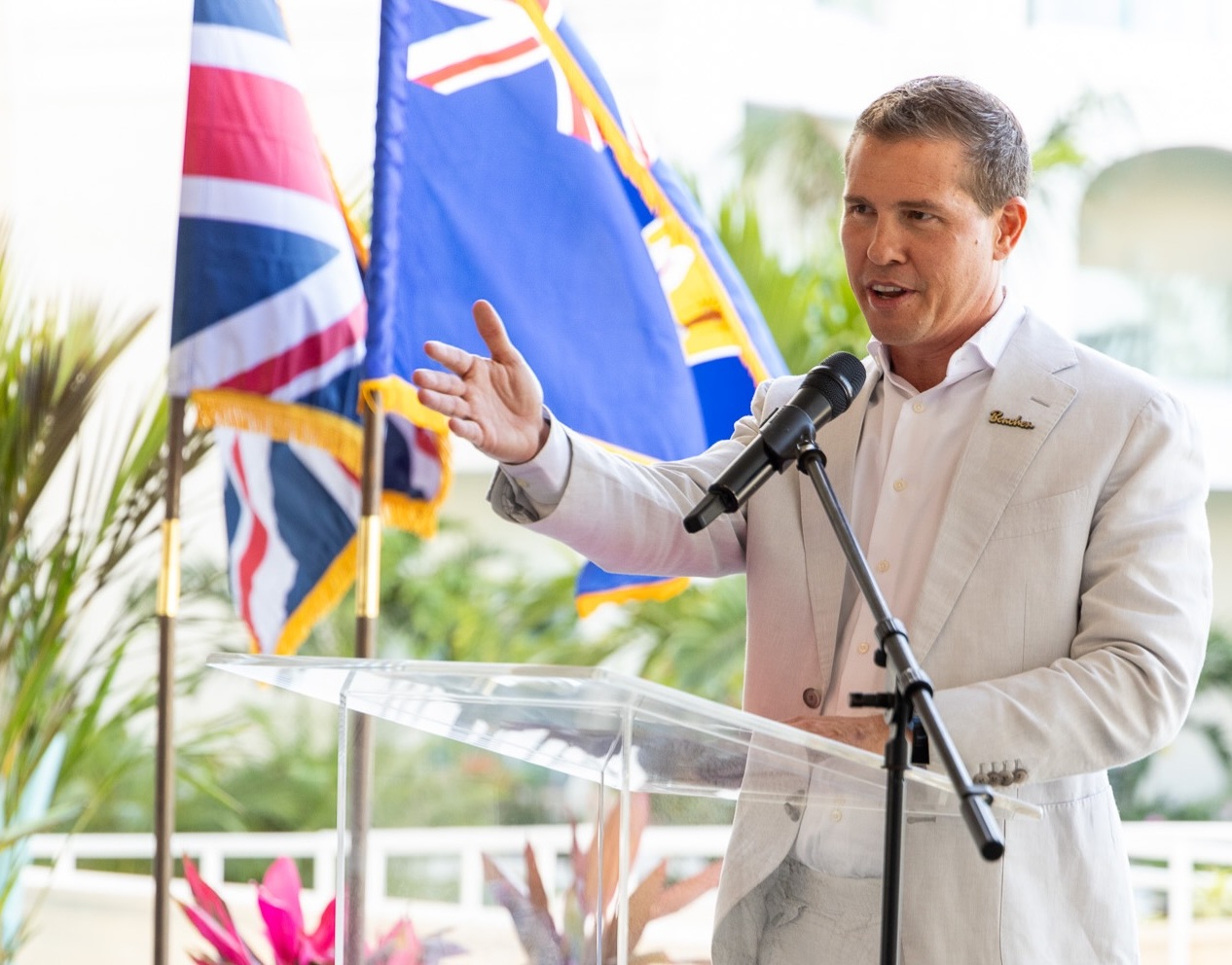
PROVIDENCIALES, Turks and Caicos Islands — A major new chapter in Caribbean tourism has begun in the Turks and Caicos Islands with the opening of Treasure Beach Village at Beaches Turks and Caicos, a $150 million expansion expected to drive increased bookings, air arrivals and tourism earnings for the country.
The new oceanfront development, officially opened on February 28, adds 101 luxury multi-bedroom suites to the resort and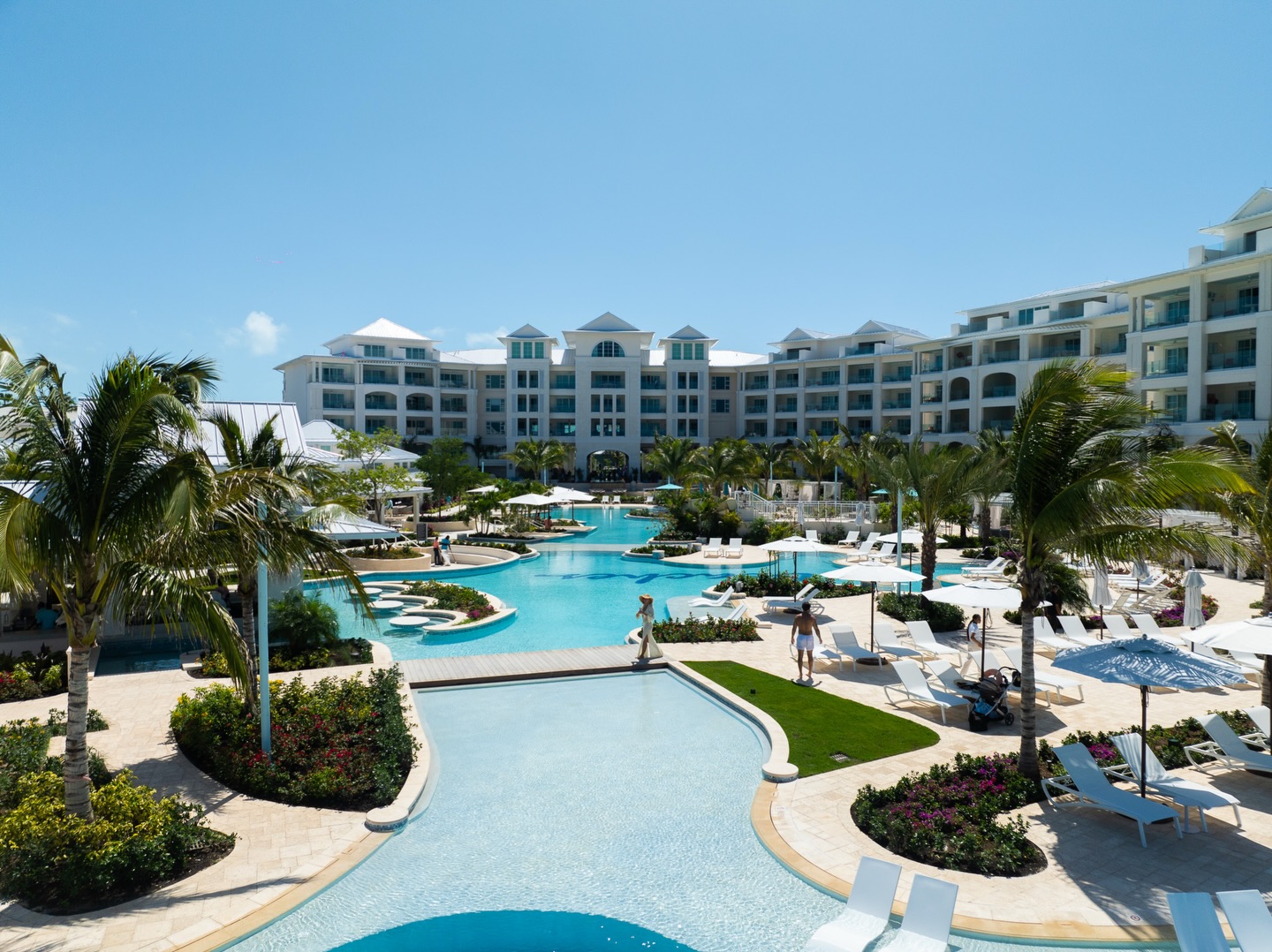 introduces new dining, entertainment and family experiences designed to strengthen the destination’s position in the global luxury family vacation market.
Tourism officials and resort executives say the expansion is expected to generate greater demand for the destination, which in turn translates to more flights, more visitor spending and increased government revenue from hotel and tourism taxes.
The development is part of an ongoing investment strategy by Sandals Resorts International, which continues to expand the Beaches brand across the Caribbean.
Executive Chairman Adam Stewart described the opening as a powerful signal of confidence in the Turks and Caicos tourism product.
“This moment reflects a partnership between Sandals and the Turks and Caicos Islands that has been built over decades,” Stewart said during the opening celebrations. The new village, he added, builds on the brand’s reputation for creating multi-generational travel experiences where families reconnect and spend meaningful time together.
The resort expansion reinforces Beaches’ reputation as the world’s leading luxury all-inclusive resort brand for families, and Beaches Turks and Caicos continues to stand as one of the Caribbean’s most prestigious properties.
Government officials attending the ribbon-cutting ceremony, including Tourism Minister Zhavargo Jolly, said the investment strengthens the destination’s international standing and highlights continued confidence in the Turks and Caicos Islands as a premier tourism market.
The new village significantly expands the resort’s accommodation offerings with spacious ocean-view suites and high-end villas designed to host larger families and groups. The property now includes luxury options such as the CrystalSky four-bedroom beachfront villas and a multi-level Chairman’s Penthouse suite capable of accommodating up to ten guests.
Treasure Beach Village also introduces six new dining concepts, including the Pinta Food Hall with multiple global cuisine stations and Butch’s Island Chop House, a signature steakhouse previously exclusive to the Sandals brand.
Additional amenities include a 15,000-square-foot lagoon pool, waterslides and splash zones for children, a swim-up bar, and the brand’s first Starfish Cinema, a theatre designed for family movie nights.
Guests staying in the new village will also have access to the full Beaches Turks and Caicos experience, including 28 restaurants, the 45,000-square-foot Pirates Island Water Park, unlimited water sports and supervised children’s programmes.
Industry observers say the investment not only enhances the visitor experience but also strengthens Turks and Caicos’ reputation as one of the Caribbean’s most sought-after luxury destinations.
Angle by Deandrea Hamilton. Built with ChatGPT (AI). Magnetic Media — CAPTURING LIFE.





-
 Health1 week ago
Chile becomes the first country in the Americas to be verified by WHO for the elimination of leprosy
-

 News7 days ago
Police Commissioner Honoured with Distinguished Civic Service Award at TCHTA Star Awards
-

 Caribbean News2 days ago
Jamaica Joins Afreximbank Agreement, Strengthening Africa–Caribbean Partnership
-
 Bahamas News6 days ago
Dredging Is Not Just About Size — It Is About What Is Being Destroyed, Warns Save Exuma Alliance Regarding Yntegra’s Proposed Rosewood Resort
-
 News6 days ago
Flow TCI powers Inter-High Track and Field Championships
-

 Health1 week ago
TCI Hospital Celebrates Successful “Heart Strong TCI” Initiative During Heart Month
-

 Education5 days ago
Message from Hon. Rachel M. Taylor, Minister of Education, Youth, Sports & Culture
-

 News1 day ago
Rights Without Justice: How Weak Enforcement Fails Women and Girls