
TCI News
Fear that Horrible Airport Reviews damaging TCI Tourism






Health
Turks and Caicos Islands Hospital Celebrates Patient Safety Awareness Month: “Team Up for Patient Safety”

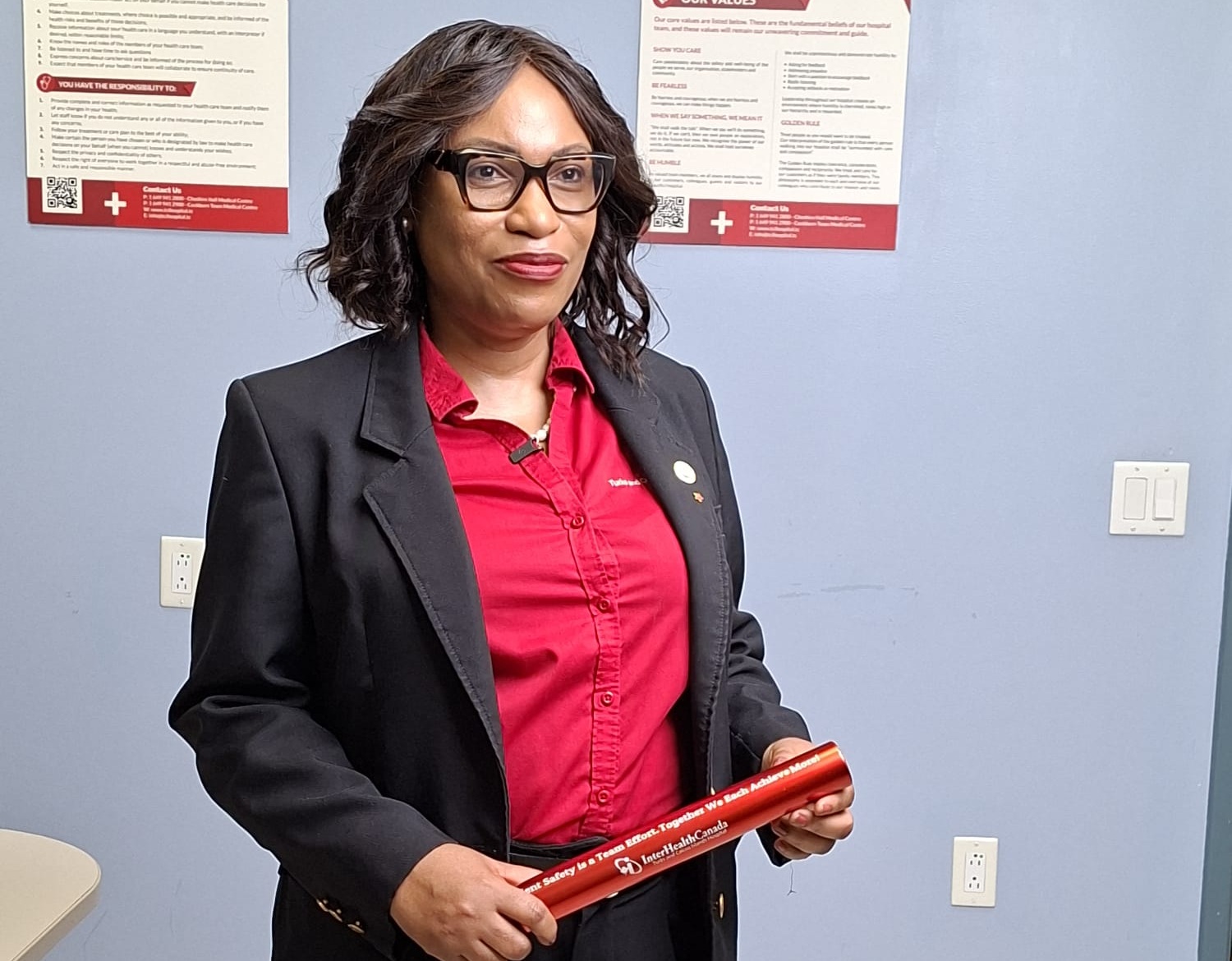
Turks and Caicos Islands – March 23, 2026 – In recognition of Patient Safety Awareness Week, observed March 8–14, 2026, the Turks and Caicos Islands Hospital, operated by InterHealth Canada Ltd., proudly joined healthcare partners worldwide in advancing this year’s theme, “Team Up for Patient Safety.” The 2026 campaign emphasized the critical role of teamwork and reinforced the importance of collaboration among patients, families, care teams, and leadership in creating safer healthcare environments.
While globally observed as a week-long initiative, the Turks and Caicos Islands Hospital extended its activities throughout the entire month of March, underscoring that patient safety requires sustained commitment, continuous learning, and shared accountability.
A Month of Learning, Engagement, and Collaboration
Throughout March, the hospital hosted a series of Continuing Professional Education (CPE) sessions aimed at strengthening competencies and reinforcing a culture of safety across all levels of care. These included:
- Patient Safety – Your Role, empowering individuals to recognize and act on their impact on safety outcomes
- Effective Communication Strategies, focusing on delivering safe care through structured, reliable communication
- TeamSTEPPS – Reinforcement and Expansion, strengthening the use of evidence based teamwork tools to enhance care delivery
Grand Rounds sessions further supported clinical excellence and knowledge translation, featuring:
- Rescue Ready 2025: Translating AHA PALS Updates into Practice
- Colorectal Cancer Screening: A Roadmap for Caribbean Countries
- Beyond the Algorithm: Applying the latest American heart Association BLS & ACLS Guidance in Emergency Practice
To promote engagement and learning in an interactive format, a Patient Safety Trivia Event was also hosted. The event featured five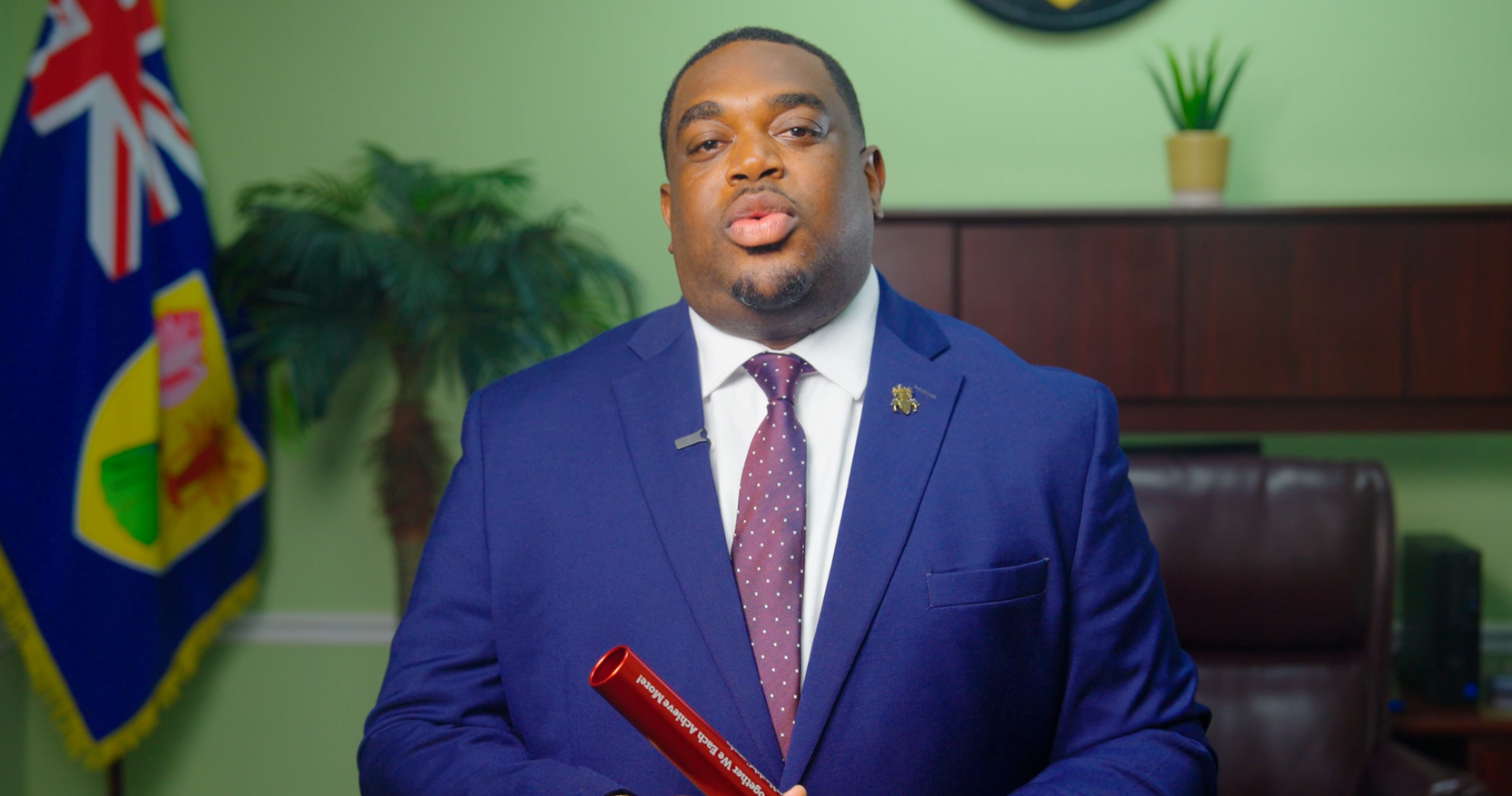 dynamic rounds covering patient safety principles, general knowledge, and a TCI knowledge lightning round, with prizes awarded to the top five participants. In addition, we welcomed Grade 4 students to our Hospital Teddy Bear Clinic, which served as an innovative extension of our patient safety efforts. This initiative allowed children to role-play as caregivers by bringing their teddy bears for “treatment,” helping them understand basic healthcare processes such as first aid, hand hygiene, communication, and safe care practices. By introducing these concepts early, the clinic not only reduces fear associated with healthcare settings but also promotes awareness of patient safety behaviours in a simple, memorable way.
Reaffirming a Shared Commitment
A defining moment of the month was the symbolic passing of the Patient Safety Baton, reinforcing the collective responsibility for safe care:
“Patient safety is not one person’s responsibility. It is a commitment we share across teams, departments, organizations, and nations; and it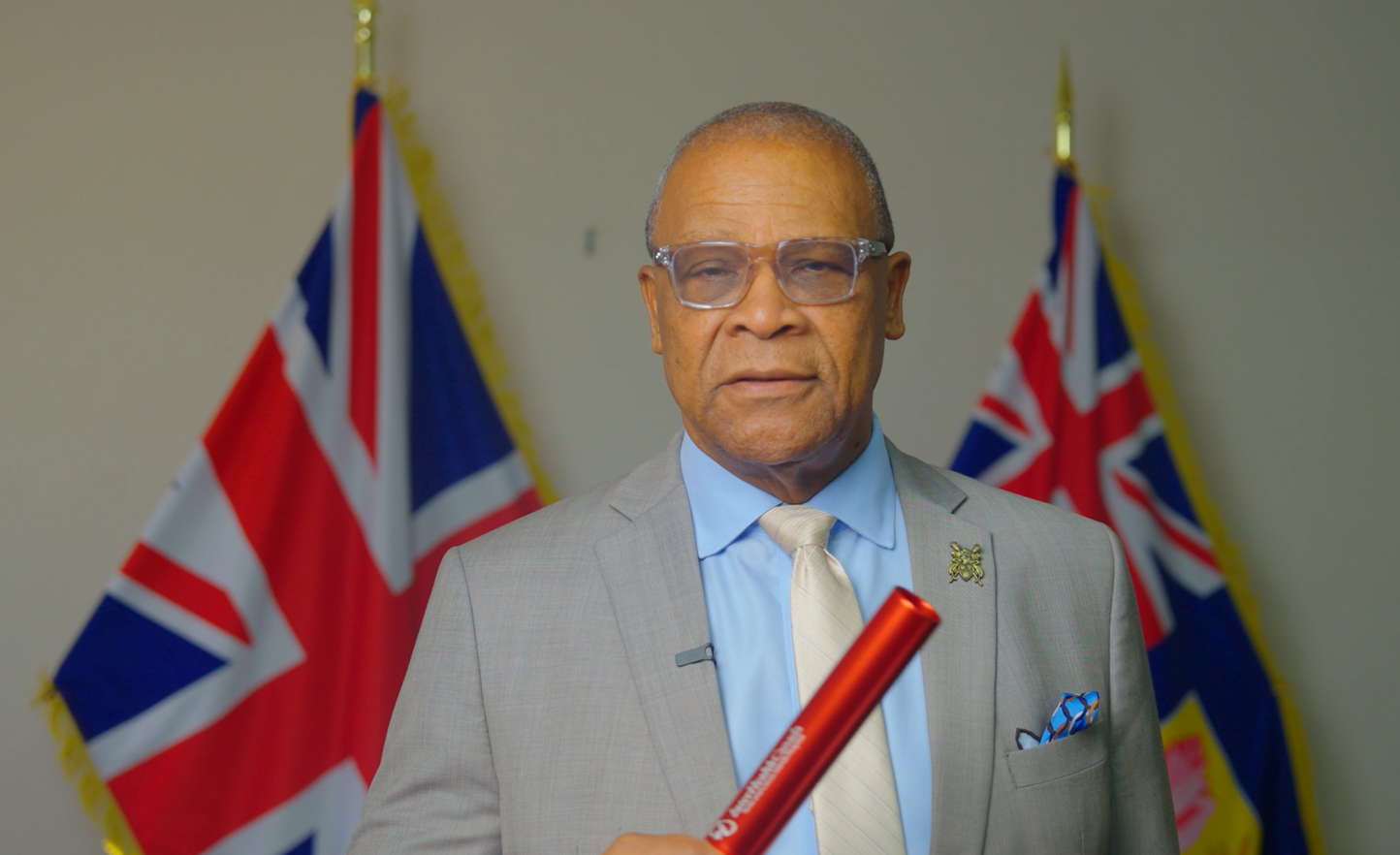 is upheld in partnership with every patient and family we serve.”
Advancing the 2026 Patient Safety Objectives
Aligned with the global theme, the hospital’s initiatives focused on four strategic priorities:
- Promote Collaboration: Encouraging active participation from all members of the care team, including patients and families
- Enhance Communication: Strengthening open dialogue to improve understanding of care plans and safety protocols
- Recognize Achievements: Celebrating progress while identifying opportunities for continuous improvement
- Engage Communities: Inspiring broader discussions on patient safety, equity, and quality in healthcare delivery
Acknowledgements
The Board of Directors and Executive Leadership of the Turks and Caicos Islands Hospital extend sincere appreciation to all who participated in the month’s activities and contributed to the success and sustainability of this important initiative.
Special thanks are extended to our dedicated healthcare teams for their unwavering commitment to delivering safe, high-quality care; our video and production team for effectively amplifying key messages; our valued healthcare partners for their collaboration and support; and the leadership of the Turks and Caicos Islands, including Her Excellency the Governor, Dileeni Daniel-Selvaratnam, the Honourable Premier, Charles Washington Misick and the Honourable Minister of Health, Kyle Knowles for their continued guidance and commitment to advancing patient safety nationally.
Building a Culture That Lasts
“Patient safety is not a solo effort, it is a collective commitment that defines the integrity of our healthcare system,” said Isha Honoré, Quality, Risk, Patient Safety and Management Lead at the Turks and Caicos Islands Hospital. “Our responsibility is to design and sustain environments where teams are supported, patients are heard, and risks are proactively managed. Through sustained engagement beyond this month, we are advancing a culture of high reliability, where safety is consistently delivered, measured, and continuously improved.”
Dr. Denise Braithwaite-Tennant, Chief Executive Officer of the Turks and Caicos Islands Hospital, reaffirmed the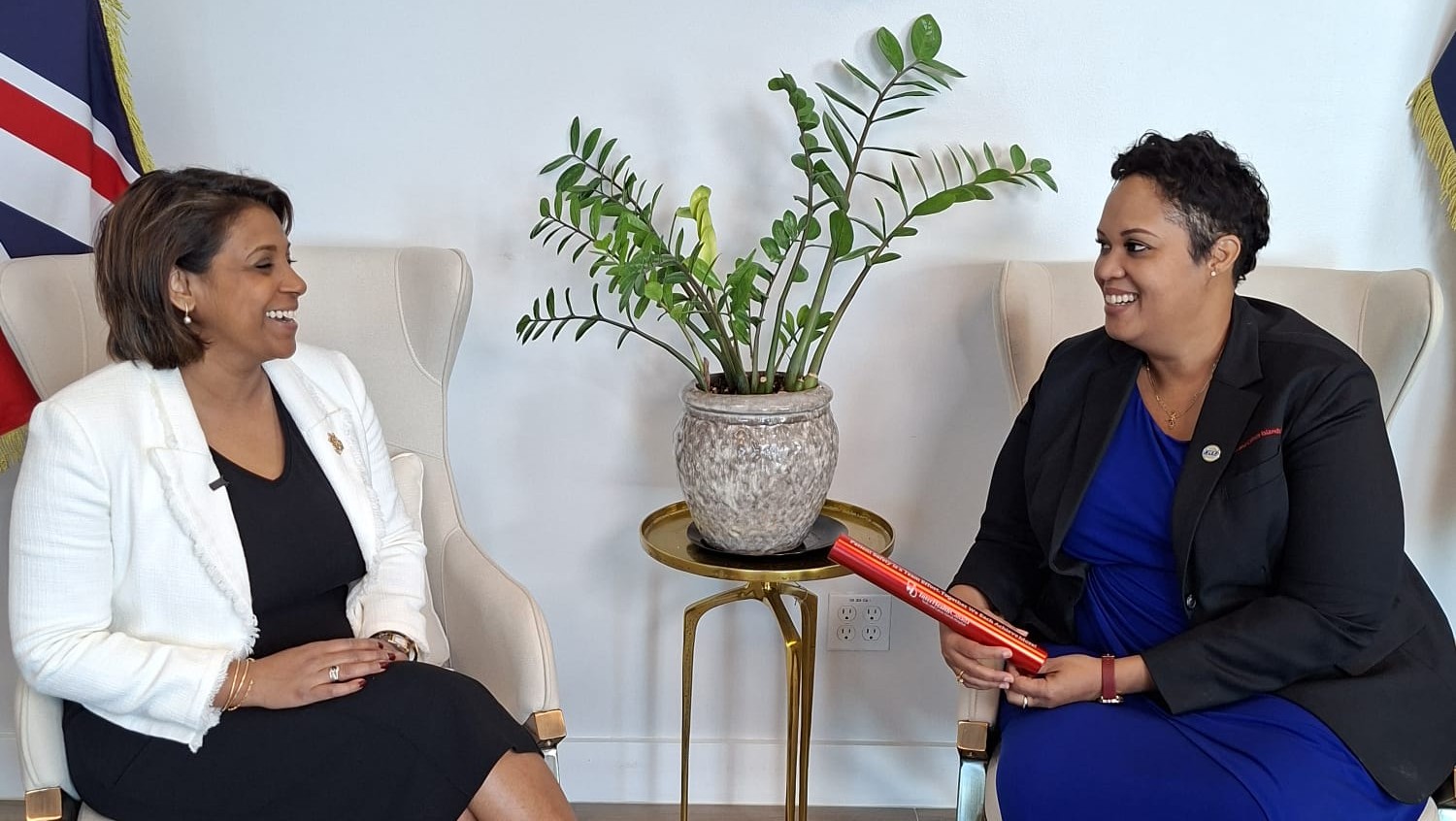 organization’s commitment, noting that patient safety remains central to the hospital’s mission and strategic direction. “Patient safety is at the heart of everything we do. This year’s theme, ‘Team Up for Patient Safety,’ reinforces a simple but powerful truth, safe care is achieved when we work together. At the Turks and Caicos Islands Hospital, we are committed to fostering a culture where collaboration, communication, and accountability guide every interaction. I am proud of our teams for their dedication throughout this month and beyond, as we continue to strengthen systems, empower our staff and patients, and deliver care that is consistently safe, reliable, and of high quality.”
The Turks and Caicos Islands Hospital remains dedicated to fostering a culture where safety is prioritized, communication is strengthened, and every voice, staff, patient, and family, is valued.
Healthcare professionals, community partners, patients, and families are encouraged to continue supporting patient safety by speaking up, staying informed, and working collaboratively to improve care outcomes.
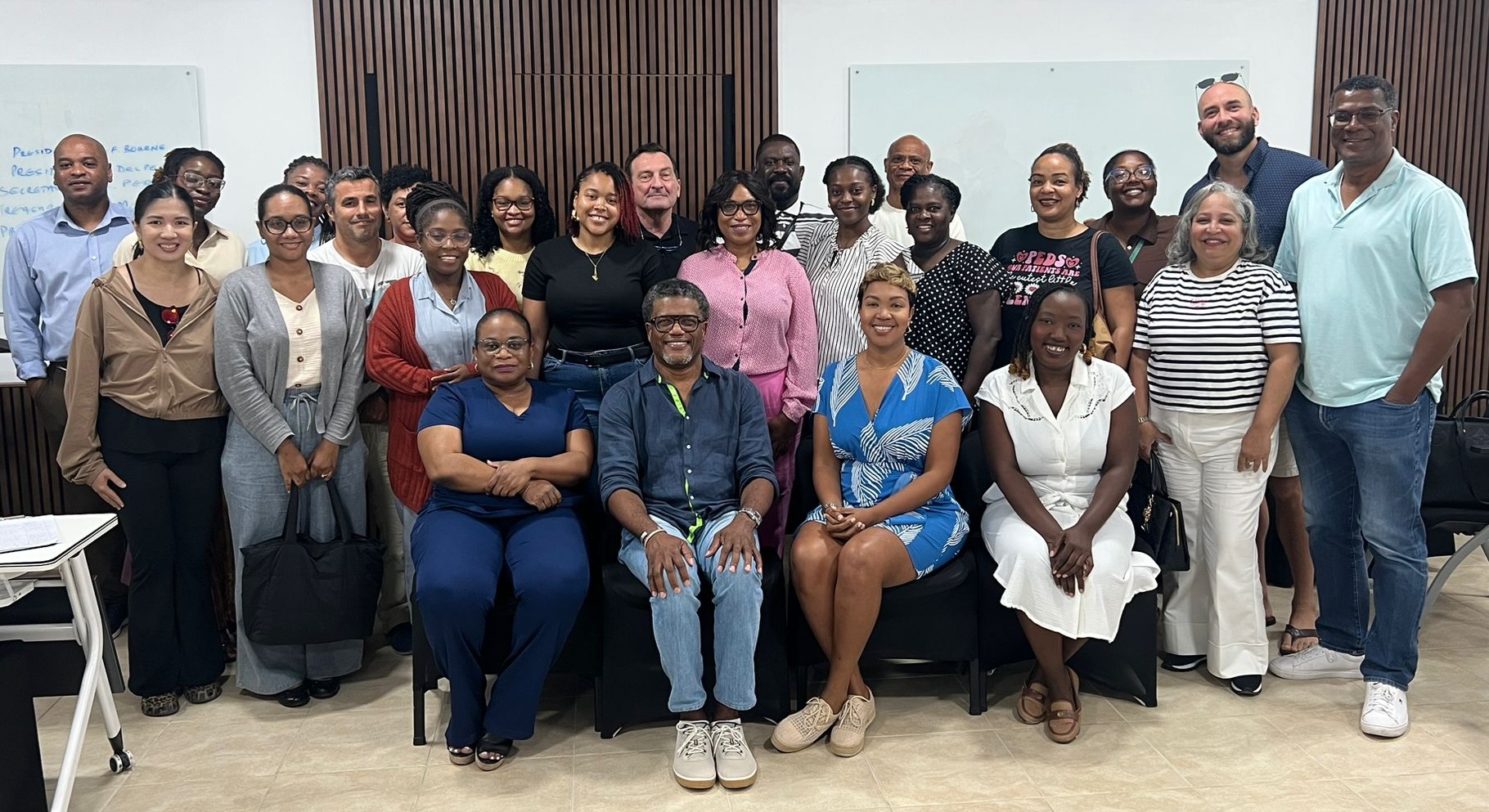
Turks and Caicos, March 23, 2026 – The Turks and Caicos Islands Medical Association (TCIMA) held its 2026 General Meeting and Elections on Saturday March 21st 2026 at the Hamilton Education Foundation Conference Center in Grace Bay, Providenciales.
Outgoing Acting President Dr. Jameiko Harvey, welcomed physician and dental attendees present both in person and virtually from across the Turks and Caicos Islands to the gathering. Following introductions of the outgoing executives: Dr. Dawn Perry-Ewing(Secretary), Dr. Marcella Malcolm (Treasurer), Dr. Denise Braithwaite Tennant (Public Relations and Training Officer); Dr. Darren Hall (Immediate Past President) was invited to address the gathering and spoke of the significant role the organization played in the development of healthcare in the Turks and Caicos Islands over the years. In his delivery, Dr. Hall recognized the contributions of Dr. Ken Peterson, TCIMA’s first President and founding member, who held the office for several years. Hon. Dr. Rufus Ewing, also a founding member of the Association, addressed the group, sharing the history of the organization and issued the charge for members to actively participate in the organization to the betterment, not only of its membership, but also to the greater good of the community.
The Turks And Caicos Islands Medical Association (TCIMA), is registered as a Non-Profit Organization company under the Turks and Caicos Islands Companies Ordinance with membership consisting of Physicians and Dentists permanently resident and registered in the Turks and Caicos Islands. Included amongst the objects of the Association are:
- The promotion of the health sciences and the better health of individuals and the communities in which they live.
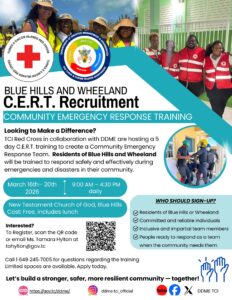
- The promotion of the interests of the medical profession and especially to secure the conditions which will make it possible for them to render to their society the best professional services possible.
- To obtain for the medical profession the opportunity to participate actively at all levels in the formulation of national medical health policies in The Turks and Caicos Islands.
Following the election, the members of the Association welcomed the new executive team consisting of: Dr. Francois Bourne as President, Dr. Susan Delpeche as Vice President, Dr. Dawn Perry-Ewing as Secretary, Dr. Marcela Malcolm as Treasurer, Dr. Karlansia Mills as Public Relations Officer and Dr. Joanna Bowden as Education Officer, who will serve in these positions for a period of two years.
Incoming President Dr. Francois Bourne addressed the gathering outlining plans to engage with the membership across all islands, establish transparent processes and urged members to build an organization that they are proud of and that represents them. Medical practitioners ordinarily resident in The Turks and Caicos Islands and registered and licensed under the Turks and Caicos Islands Health Professions Ordinance 2016 are eligible to become a Member of the Association. Applications are accepted via the Association’s website – https://www.tcimedicalassociation.org/membership
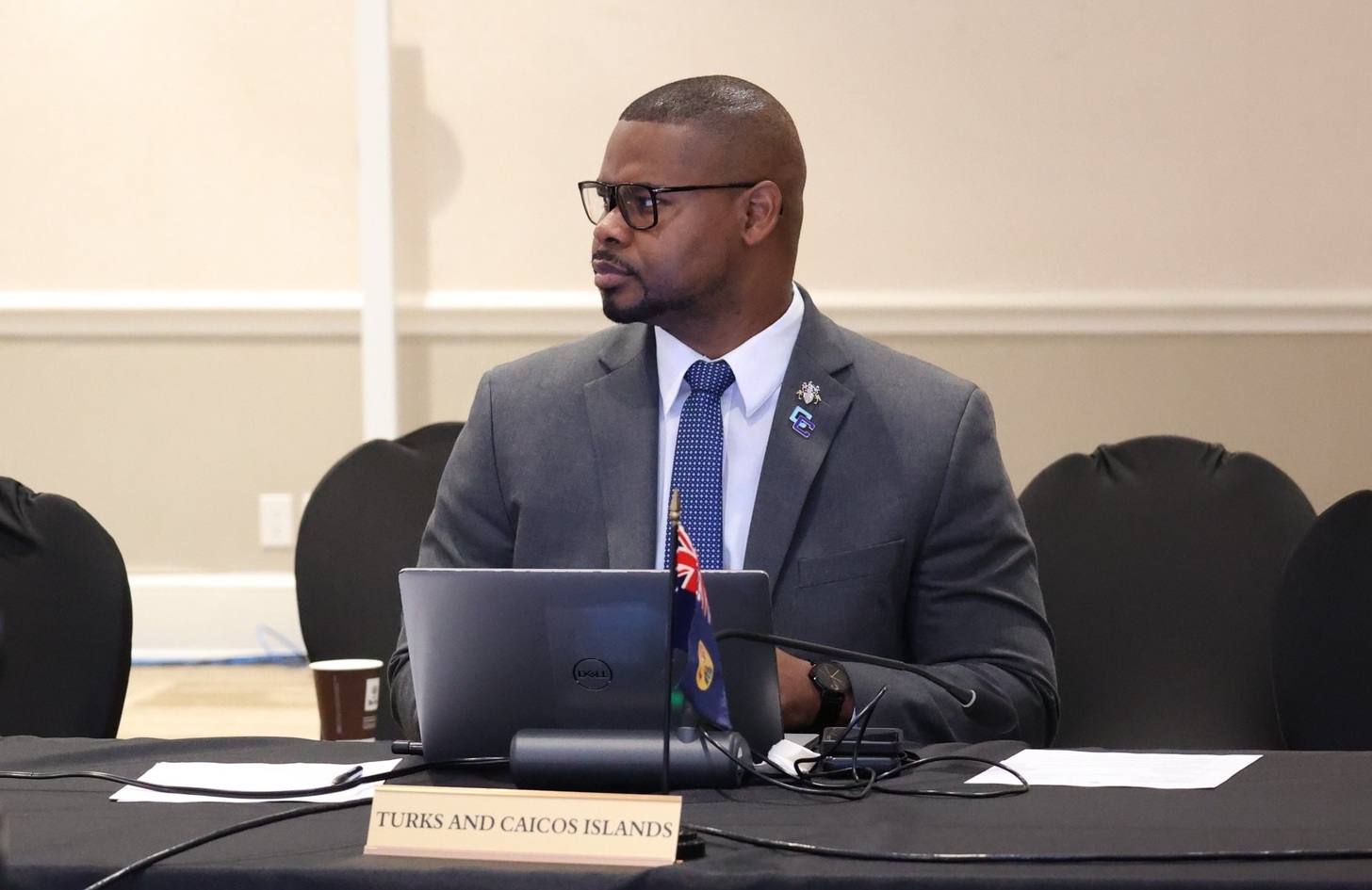
Turks and Caicos, March 18, 2026 – Public reaction across the Turks and Caicos Islands was immediate and, in some cases, heated after the Government confirmed in the House of Assembly on Friday, March 13, that it is exploring a move from Associate Member to full member of the Caribbean Community (CARICOM).
The announcement, delivered by Acting Premier and Minister of Immigration and Border Services Jamell Robinson, sparked strong concern among residents, particularly over fears that full membership could require the territory to accept free movement of labour or weaken its immigration controls.
Social media commentary over the weekend questioned why there had been no public consultation and whether the move signaled a shift in the country’s political direction.
However, a review of the official statement and follow-up remarks made by Robinson this week shows the proposal is not sudden, is not final, and would require approval from all fifteen CARICOM member states before the Turks and Caicos Islands could become a full member.
NOT A NEW IDEA
In his ministerial statement to Parliament, Robinson confirmed that discussions about full membership have been taking place within regional forums for some time.
“As an Associate Member of CARICOM, the Turks and Caicos Islands also participated in caucus meetings and discussions among Overseas Territories and Associate Members regarding regional cooperation and the continued advancement toward full membership within the CARICOM Community,” he told the House.
He added that full membership would allow the territory to engage more directly in decisions affecting the region.
“Full membership in CARICOM would present meaningful opportunities for the Turks and Caicos Islands. It would strengthen our ability to engage more fully in regional decision-making… and ensure that the Turks and Caicos Islands is better positioned to benefit from collective advocacy and coordinated action on issues of common concern.”
The idea of deeper integration is not new. Since the return of elected government in 2012, successive administrations have promoted stronger ties with CARICOM.
Former Premier Dr. Rufus Ewing regularly attended Heads of Government meetings and spoke openly about the importance of regional cooperation, even suggesting that long-term political development for the territory would likely place it closer to the Caribbean than to Britain.
Premier Sharlene Cartwright-Robinson also maintained active participation in CARICOM during her term, focusing on security cooperation, economic recovery, and regional partnerships, though her administration did not pursue full membership.
Under the current administration, Premier Charles Washington Misick has repeatedly said stronger regional integration is necessary for economic stability, security cooperation, and food supply resilience.
FREE MOVEMENT FEARS ADDRESSED
Much of the public backlash centered on the belief that full membership would force the Turks and Caicos Islands to accept the CARICOM free movement of labour provisions.
Speaking Monday to Cheryl Forman, host of First Edition on Radio Turks and Caicos, Robinson said that is not the position being taken by the Government.
“We’re looking for full membership, and just to be clear right off the bat, the Turks and Caicos is not looking to sign on to the free movement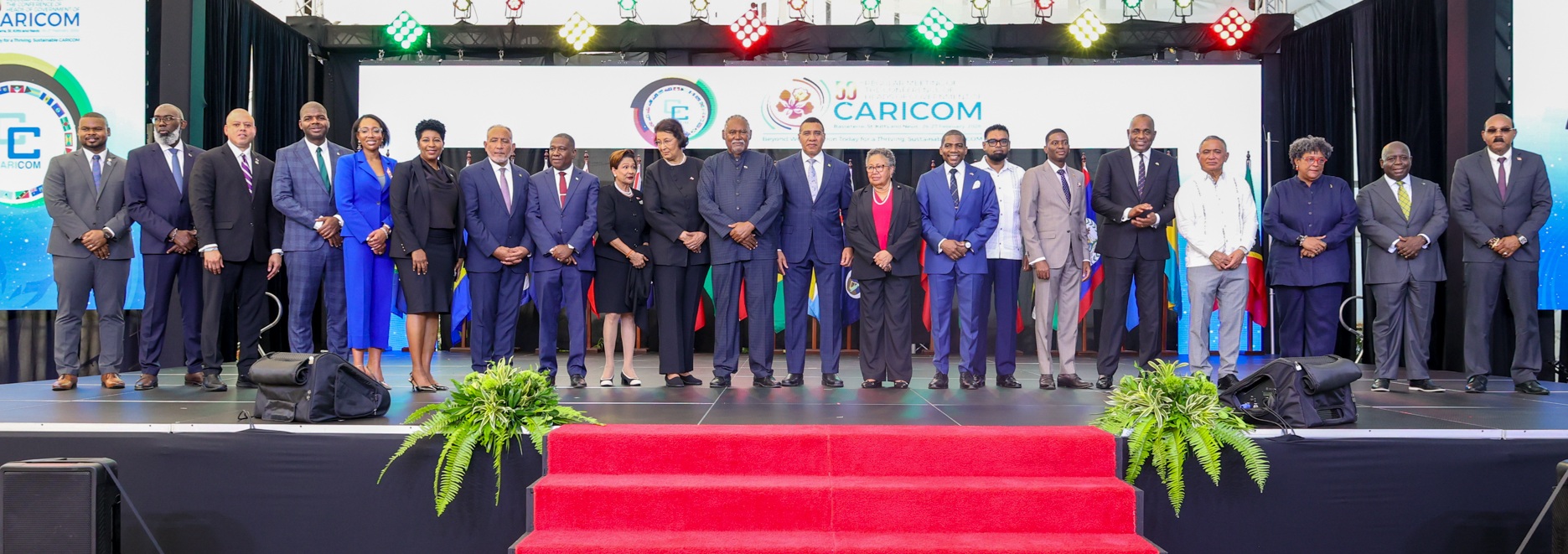 of labour portion of the Revised Treaty of Chaguaramas,” he said.
He noted that other British Overseas Territories and even some CARICOM members have negotiated exemptions.
“Just like Bermuda, just like the BVI… The Bahamas did not sign off on that portion. Free movement across the region does not even exist in the way people think. It applies only to certain skills and professions.”
Robinson stressed that any agreement would be negotiated and would not remove the territory’s ability to control immigration.
“The full membership process isn’t going to be a case where we lose our ability to determine our immigration and labour policies. Those are things that will form part of our negotiated position.”
WHY GOVERNMENT WANTS FULL MEMBERSHIP
Robinson outlined several reasons the administration believes deeper integration could benefit the territory.
One argument is that Associate Members can participate in discussions but do not have voting power.
“You can think of it as being part of a club. As an associate member, you don’t get all the benefits. You can sit in the room, but you don’t always have a final say in decisions that may impact you.”
He also said regional partnerships have already proven critical in national security.
“If it were not for the ability of our Premier to pick up the phone and speak to Prime Minister Davis in The Bahamas and Prime Minister Holness in Jamaica, our crime situation would be completely different,” Robinson said, referring to the deployment of tactical officers from both countries to assist local police operations.
He added that closer ties could also help reduce the cost of living through regional trade.
“In some cases, the very same products we import from the United States originate in the Caribbean, go to the US to be repackaged, and then come back to us. If we can trade more directly within the region, that could help bring down prices.”
Robinson also pointed to discussions within CARICOM about improving regional shipping, food production, and transportation links, including plans for Guyana to become a major agricultural supplier for the region.
NOT A GUARANTEE
Despite the public debate, Robinson emphasized that full membership is not automatic.
Any application must be negotiated and approved by all CARICOM member states, meaning the Turks and Caicos Islands cannot simply decide to join on its own terms.
That reality, he said, is why the Government is still developing its negotiating position, including work on population policy, immigration strategy, and labour planning before any final step is taken.
The debate now unfolding across the territory reflects more than a policy proposal.
It highlights a deeper question that has existed for more than a decade — whether the future of the Turks and Caicos Islands lies primarily with the United Kingdom, or increasingly with the Caribbean region to which it is geographically, economically, and culturally connected.
For now, full CARICOM membership remains only a possibility — but one that has clearly stirred strong emotions in a country still deciding how far regional integration should go.
Angle by Deandrea Hamilton. Built with ChatGPT (AI). Magnetic Media — CAPTURING LIFE.





-

 News4 days ago
CARICOM – A Regional Club With Benefits; Turks & Caicos Wants In
-
 Government1 week ago
$6M Digital Transformation Drive to expand E-Government, National ID and Biometric Borders
-
 Uncategorized1 week ago
WHERE ARE THE LOCAL ARTISTS?
-

 Bahamas News1 week ago
Bahamas Warns Travellers as UN says Middle East Conflict May No Longer Be Contained
-
 News1 week ago
NATIONAL SECURITY SHIFT: PREMIER CONFIRMS REGIMENT EXPANSION
-

 Health7 days ago
Gut Health Linked to Lower Colorectal Cancer Risk According to Cleveland Clinic Dietitian
-
 News1 week ago
Statistics Authority Highlights Trade Data as Turks & Caicos Records $227M in Imports for Q4 2025
-
 News1 week ago
South Dock Expansion Milestone as UK Audit Highlights Importance of TCI Port Security