
Bahamas News
Reef Rescue Network: Donor Event Charts the Course for Coral Restoration and Sustainable Tourism in The Bahamas

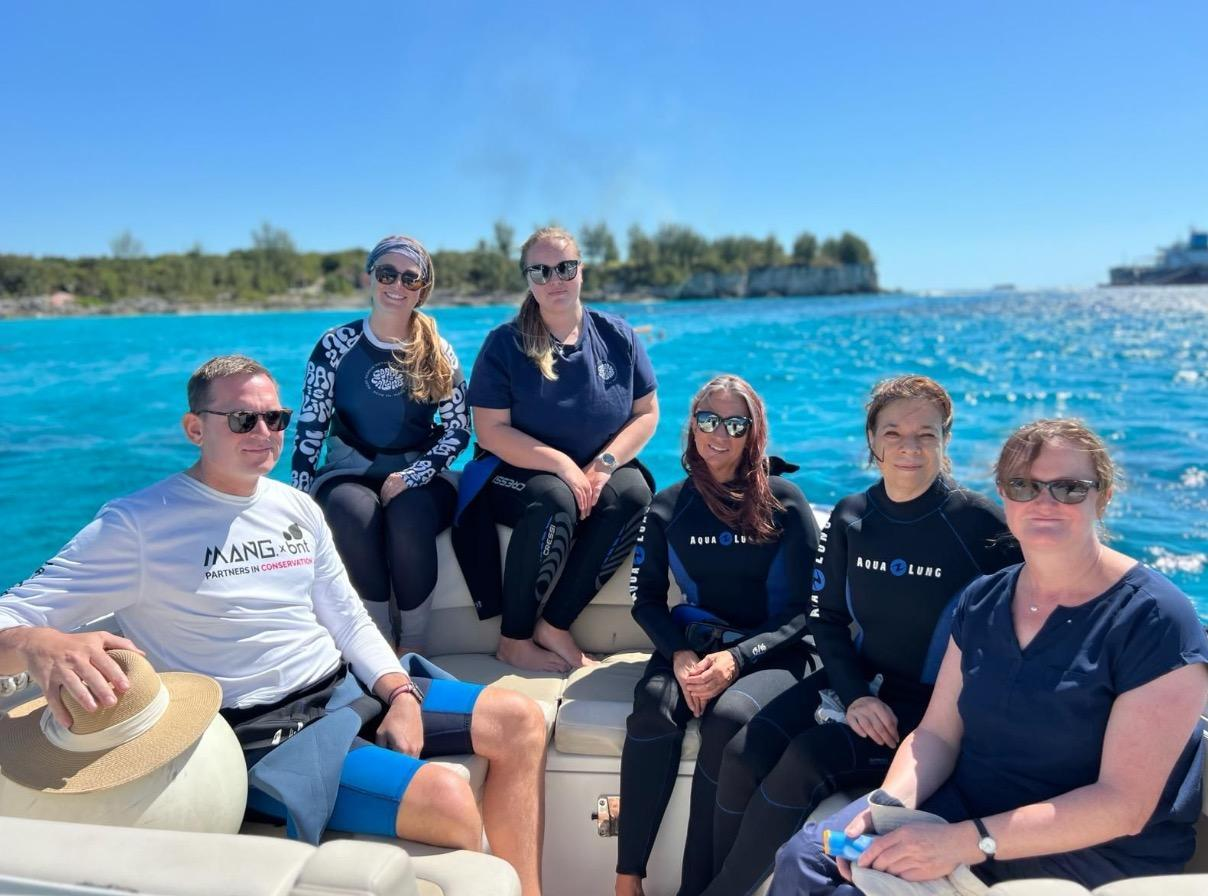
#TheBahamas, March 26, 2024 – As the world grapples with the urgency of marine conservation, The Bahamas has emerged as a beacon of hope with its latest initiative led by the Reef Rescue Network (RRN). An alliance of dive operators, NGOs and businesses invested in coral restoration, the RRN recently hosted an immersive event for the British High Commissioner and representatives from the Inter-American Development Bank (IDB), to provide a firsthand look—and dive—into the thriving heart of coral nurseries. The gathering served as a vivid testament to the progress achieved by the RRN and its partners in coral restoration efforts over the past two years, thanks to support from the Compete Caribbean Partnership Facility.
Fueled by its vision of harmonizing economic vitality with environmental sustainability, the RRN has strategically harnessed the support of the Compete Caribbean Partnership Facility grant, backed by the IDB, the United Kingdom’s Foreign and Commonwealth Development Office (UK FCDO), the Caribbean Development Bank (CDB), and the Government of Canada. This collaborative effort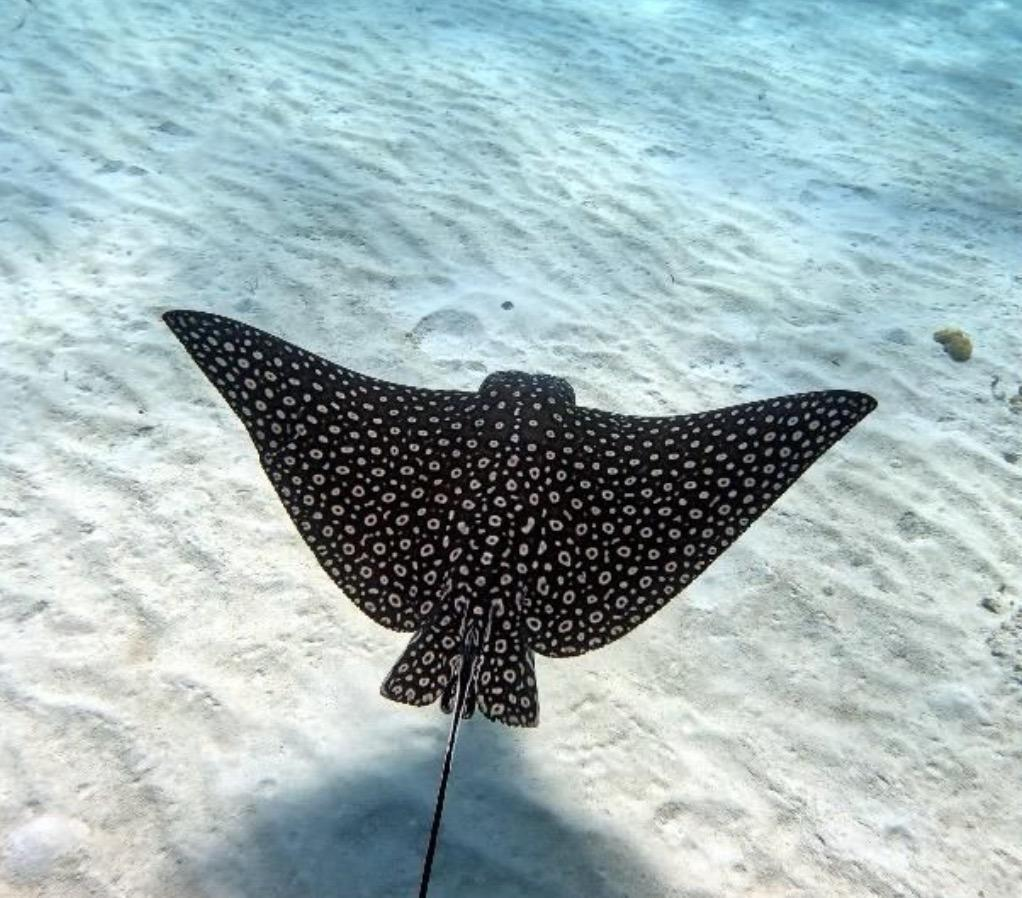 aims to amplify The Bahamas’ blue economy by integrating eco-tourism with a series of coral restoration projects, poised to transform the archipelago into a magnet for eco-conscious tourists and bolster the local economy with a sustainable model.
As a vanguard of coral conservation and education, the RRN’s expansive network spans over 50 nursery locations across The Bahamas, Aruba, and St. Lucia. Beyond mere conservation, the network offers tourists an array of Reef Rescue Experiences, designed to kindle a profound connection with the marine world. From specialized diving courses to snorkeling and shark conservation education, these programs do more than highlight the ecological significance of coral reefs—they empower participants to actively engage in safeguarding these vital underwater ecosystems, ensuring their preservation for generations to come.
The event, held earlier this month, was graced by the presence of distinguished participants including Thomas Hartley, British High Commissioner to the Commonwealth of The Bahamas, Claire Nichols, Deputy British High Commissioner, Daniela Carrera-Marquis, Country Representative for the Inter-American Development Bank (IDB) in The Bahamas, and Claudia Stevenson, IDB specialist and team leader of the project. The day commenced with an insightful presentation on the RRN’s milestones, buoyed by the vital funding from Compete Caribbean and other donors, followed by a hands-on experience at one of the network’s coral nurseries located off the Southwest coast of New Providence.
Daniela Carrera-Marquis, an enthusiastic advocate for coral restoration, expressed her excitement about the innovative concept of coral restoration tourism. She said: “I am looking forward to completing my PADI Reef Rescue Diver certification and diving more to assist with coral restoration efforts in The Bahamas,” echoing the sentiment of engagement and direct action that the RRN aims to foster among its partners and the community. At the event, Daniela participated in scuba diving and performed maintenance on an underwater coral nursery while the others snorkeled and viewed the nursery from above.
The event not only served as a platform for appreciation but also as an eye-opener to the real-world challenges reefs face, as highlighted by Thomas Hartley’s reflections on witnessing the impacts of climate change firsthand. He said: “It was devastating to see the effects of coral bleaching on the reefs.” Coral bleaching is the process where stressed corals expel their colorful and life-sustaining algae, turning them white and leading to starvation, increased susceptibility to disease, and potentially death if the stress continues.
Over the past two years, with the support from Compete Caribbean and other donors, the RRN has made commendable progress in expanding and developing coral nurseries, enhancing the capacity of its human resources, and promoting coral restoration standards throughout the Bahamian archipelago. This includes the installation of 14 new coral nurseries, expansion of 4 existing ones, and the addition of 3,450 coral fragments to nursery units, significantly increasing the ecological benefits to local reefs.
Moreover, the RRN has successfully developed shallow water experiences for non-divers, introducing 35 “coral domes” across 10 dive sites, populated with 943 coral fragments. The living coral domes not only diversify the experience for RRN partners but also educates a broader audience on coral reef conservation.
The network’s efforts have also extended to education and community engagement over the last two years, with 81 Bahamian high school children educated on coral reefs and restoration activities. This engagement aims to instill stewardship behaviors among the youth, ensuring the longevity of marine conservation efforts.
Despite the setbacks faced due to the 2023 summer bleaching crisis, which hampered outplanting activities, the RRN remains steadfast in its mission. Coral reefs form the bedrock of The Bahamas’ tourism sector, contributing significantly to the nation’s $2.6 billion annual tourism revenue. With over two million tourists engaging in snorkeling activities annually, coral reefs serve not only as a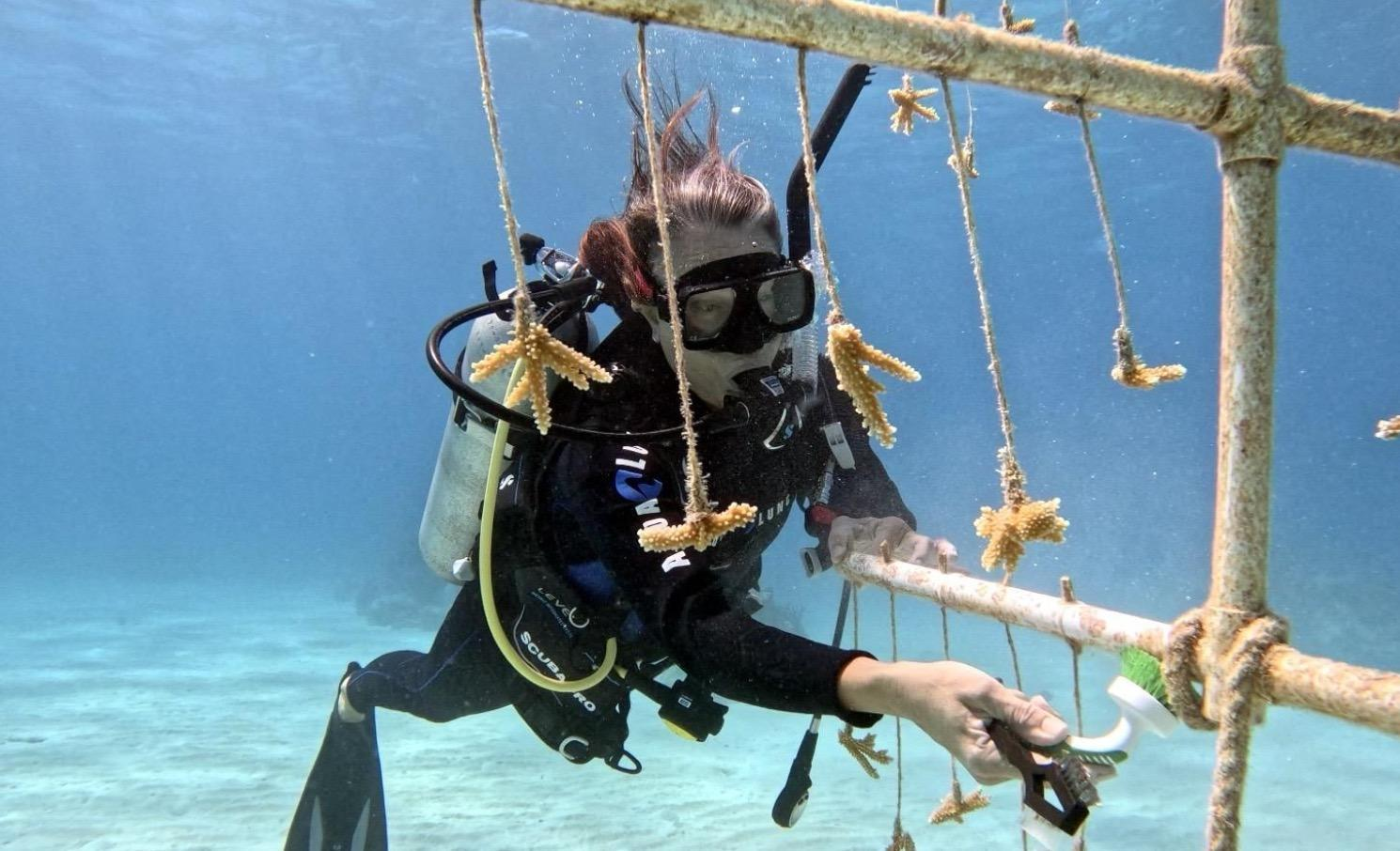 magnet for visitors but as a sanctuary for diverse marine life, supporting over 25% of ocean species. The vitality of these ecosystems is also underscored by the lucrative shark diving sector, which generates $113.8 million each year.
However, these invaluable ecosystems are under severe threat from coral bleaching, primarily driven by climate change-induced ocean heatwaves. Significant coral loss was reported throughout The Bahamas in 2023, marking a distressing trend that could foresee the demise of coral reefs by mid-century without decisive and innovative conservation strategies. Hayley-Jo Carr, director of the Reef Rescue Network, said: “By harnessing resilient coral species and employing advanced restoration techniques, the RRN, along with its partners and the global scientific community, is at the forefront of a critical battle to preserve these natural treasures for future generations.”
As the RRN continues to navigate the challenges and opportunities in coral conservation, the support and involvement of its partners, donors, and the community remain crucial. The recent donor event not only celebrated the achievements but also reinforced the collective resolve to restore and protect the vibrant coral ecosystems that are vital to the marine life and communities of The Bahamas.
The Reef Rescue Network’s development and outputs over the last two years have been made possible thanks to the support of The Compete Caribbean Partnership Facility (CCPF) which is a private sector development programme that delivers innovative and practical solutions that stimulate economic growth, increase productivity, and foster innovation and competitiveness. The CCPF works across 13 countries and is a partnership between the Inter-American Development Bank (IDB), the United Kingdom’s Foreign and Commonwealth Development Office (FCDO), the Caribbean Development Bank (CDB), and the Government of Canada. Further support has been provided by Disney Conservation Fund, Moore Bahamas Foundation, The Nature Conservancy and the Global Funds for Coral Reefs (GFCR), the latter of which is a blended finance instrument to mobilise action and resources to protect and restore coral reef ecosystems.
For more information on the Reef Rescue Network and how to get involved, visit https://www.PerryInstitute.org/.
Photo Captions:
Header: Leaders in conservation and international delegates, including representatives from the IDB and the British High Commission, unite aboard with the Reef Rescue Network team, embodying a powerful coalition for coral restoration and sustainable development in The Bahamas.
1st insert: A highlight of the event, guests were treated to the rare sight of a spotted eagle ray, a reminder of the precious marine life the Reef Rescue Network strives to protect in The Bahamas’ pristine waters.
2nd insert: Daniela Carrera-Marquis, InterAmerican Development Bank Representative, meticulously tends to a coral nursery as part of the Reef Rescue Network’s hands-on approach to coral conservation, illustrating the powerful synergy between human effort and marine restoration in The Bahamas.


The Bahamas, August 27, 2026 – The Royal Bahamas Police Force wishes to inform members of the public that several individuals are scheduled to appear before the Magistrate’s Court on Thursday, 27th August 2026, at 12:00 noon.
The individuals and charges are as follows:
An 18-year-old female is scheduled to be arraigned on the following charges:
Three (3) counts of Murder
Three (3) counts of Attempted Murder
Three (3) counts of Possession of a Firearm with Intent to Endanger Life
Three (3) counts of Possession of an Unlicensed Firearm
Two (2) counts of Possession of Ammunition
Armed Robbery
Abetment to Armed Robbery
Stealing
Receiving
The charges stem from three separate shooting incidents and an armed robbery that occurred on Friday, 21st August 2026, and Saturday, 22nd August 2026.
The first shooting occurred in the area of Soldier Road and Baillou Hill Road, resulting in the death of a 51-year-old male.
The second shooting occurred in the area of Joe Farrington Road, resulting in the death of a 52-year-old male.
The third shooting occurred in the area of Gladstone Road, resulting in the death of a 36-year-old male.
The armed robbery occurred at a business establishment in the area of Carmichael Road and Baillou Hill Road.
A 21-year-old male is scheduled to be arraigned on one charge of:
- Murder
The charge stems from a shooting incident that occurred on Tuesday, 21st July 2026, in the area of Samson Street, Nassau Village, which resulted in the death of a 28-year-old male.
A 32-year-old male is scheduled to be arraigned on the following charges:
- Murder
- Attempted Murder
These charges stem from a shooting incident that occurred on Wednesday, 24th December 2025, in the area of Graham Drive, Yellow Elder, which resulted in the death of a 25-year-old male.
RBPF, PACD
Bahamas News
Bahama Brass Band Invitation Sparks Heritage Debate Ahead of TCI Constitutional Holiday

Turks and Caicos, August 20, 2026 – The planned participation of the Bahama Brass Band in the Turks and Caicos Islands’ inaugural Constitutional Holiday celebrations on August 30 has sparked public debate over culture, heritage and the historical contributions of Turks and Caicos Islanders abroad.
Organizers defended the invitation, saying the band’s inclusion is intended to highlight the deep historical ties between the two countries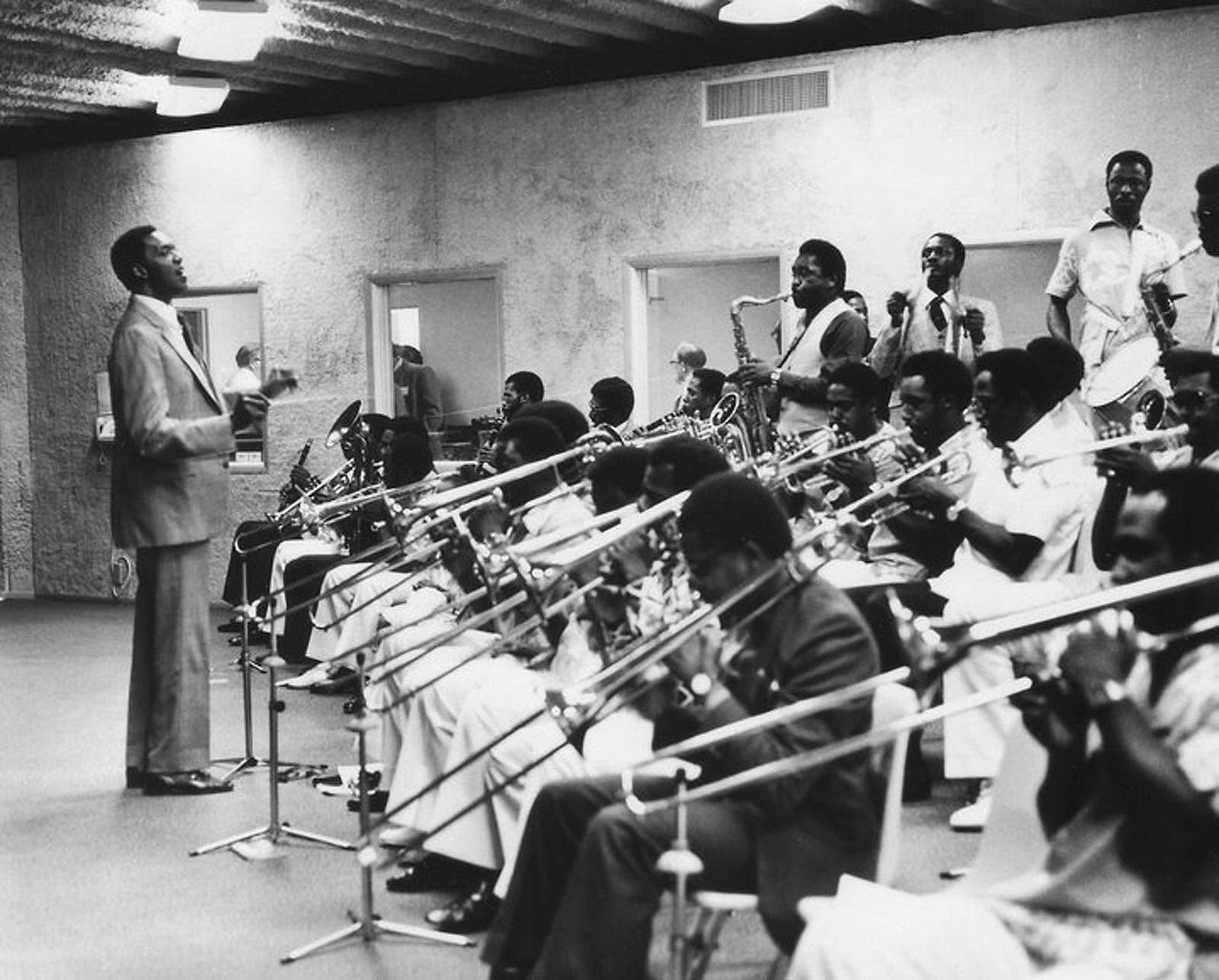 and honor Turks and Caicos men who helped establish and develop the institution in Grand Bahama.
According to the organizers, the Bahama Brass Band began in 1955 in Pine Ridge, Freeport, with Turks and Caicos Islanders, including the late Deacon Reuben Hall Sr. of Middle Caicos and Jenkins Williams and Mervin Hendfield of North Caicos, among those who helped build its foundation. The band eventually grew to more than 50 men.
The organizers also pointed to the participation of Turks and Caicos men in The Bahamas’ Independence celebrations on July 10, 1973, arguing that their contributions became part of Bahamian history while maintaining strong connections to their homeland.
Supporters say bringing the band home represents an opportunity to honor those pioneers, showcase their regional influence and expose younger generations to an important part of Turks and Caicos history.
However, concerns raised publicly described the invitation as potentially disrespectful to local culture and heritage. Organizers acknowledged those concerns, apologizing to anyone who felt overlooked or offended, while maintaining that no disrespect was intended.
The committee said the event should ultimately unite rather than divide, presenting the band’s history as evidence of the reach and resilience of Turks and Caicos heritage.
PHOTO CREDIT: Bahamas Brass Band
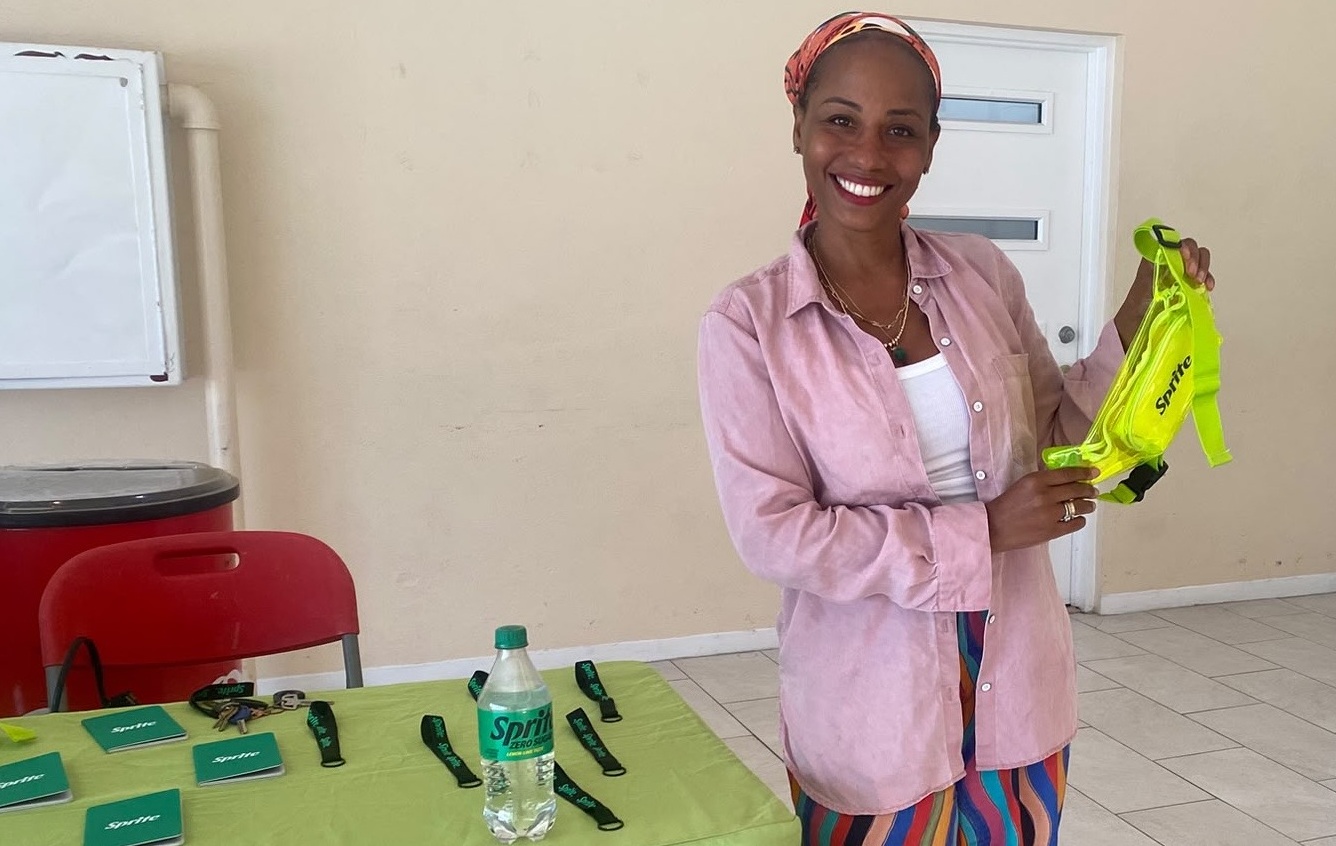
NASSAU, Bahamas — Caribbean Bottling Company (CBC), local producers of Dasani products, proudly sponsored the fifth annual, Caribbean Hoopfest.
The tournament brings together Bahamian high school basketball teams and visiting teams from the United States for a competitive showcase at the Kendal G. L. Isaacs Gymnasium. Following its inaugural year at the Kendal G. L. Isaacs gym and last year’s event at Loyola Hall, the tournament returned to the Kendal G. L. Isaacs gym this year.
During the weekend tournament, CBC kept athletes well hydrated with in-kind donations of Dasani Water, Powerade and Minute Maid Juices.
During the tournament’s final day, CBC provided additional support by offering Sprite No Sugar samples and inviting attendees to participate in its Spin the Wheel for a chance to win exciting prizes.
CBC was proud to support this incredible event, which provides young Bahamian athletes with valuable exposure to U.S. basketball scouts and coaches. This opportunity gives them the chance to earn scholarships, continue their education, and pursue their basketball careers in the United States.
Event organizer, Donald Francois shared his appreciation for CBC’s support.
“I want to express our sincere appreciation for Caribbean Bottling Company, who has been a tremendous supporter and an important part of the success of our program. Without CBC’s support, Caribbean Hoop Fest would not be able to function at the level it does today. And without Caribbean Hoop Fest, we would not have been able to provide the opportunities that have helped young Bahamian athletes gain exposure and pursue educational opportunities in the United States,” he expressed.
Since the program’s inception, several Bahamian student-athletes have been selected for scholarship opportunities, highlighting the tournament’s growing impact on the development and advancement of young basketball talent in The Bahamas.
They are: Kelvin McDowells – Guard, Wodson Antoine – Power Forward, Justin Lafleur – Guard and Sean John – Guard.
After another successful edition of the tournament, Francois shared what he hopes he and Caribbean Bottling Company can achieve in the future.
“Our vision is bigger than basketball. We want to use the platform of Caribbean Hoop Fest to educate, develop, and create opportunities for young people and their families throughout the Bahamas. With individuals and organizations committed to our mission, we believe we can continue to grow the program and make an even greater impact,” Francois said.
For more details on community support, events and new products visit Caribbean Bottling Company at www.cbcbahamas.com today.





-

 Education1 week ago
Department of Education Concludes Four-Day TCI National Standards Secondary School Curriculum Implementation Training
-

 Independent writer6 days ago
Fifty Years of Ministerial Government: Honouring Our Past, Embracing Our Present and Preparing for Our Destiny
-
 News1 week ago
UNDER 40 DAYS: COMMITTEE FORMED—BUT WHO IS ON IT?
-

 Health4 days ago
Know the Possible Warning Signs of Prostate Cancer
-

 News1 week ago
Invest TCI Brings Entrepreneurs and Bankers to the Table
-

 News2 days ago
Liberty Business launches in Turks and Caicos Islands
-
 Education3 days ago
TCI Schools Invited to Participate in 2026 National Student Council Election