
Bahamas News
Bahamas Feeding Network Cruises into the Holidays with 25,000 Pounds of Turkey Donation

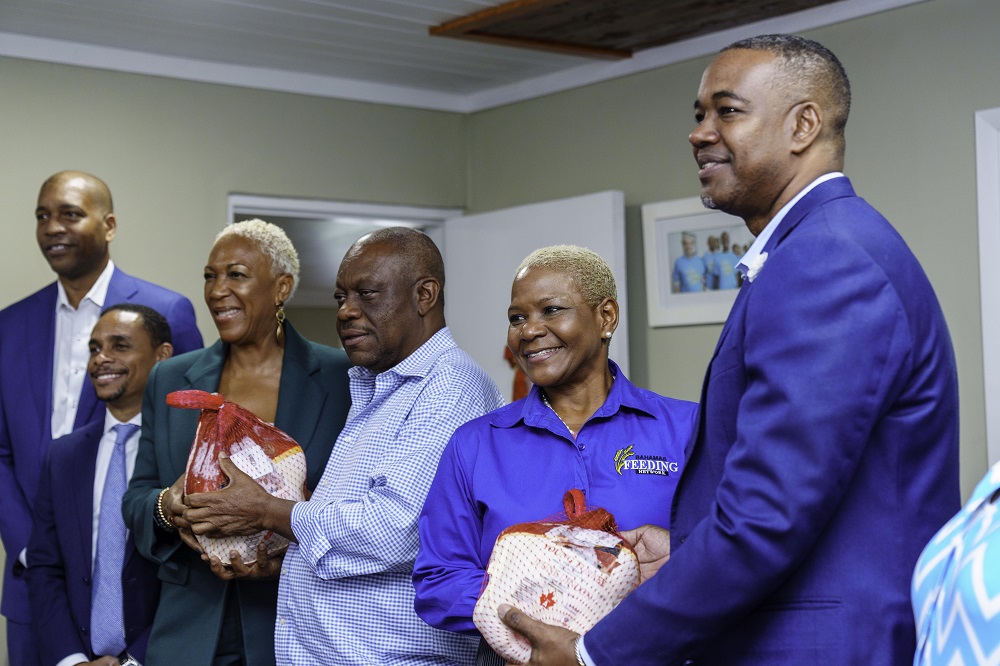
#TheBahamas, December 20, 2023 – The Bahamas Feeding Network (BFN) received a donation of 25,000 pounds of turkey from Royal Caribbean International, ensuring that thousands of Bahamian homes enjoy a holiday meal this year. The cruise line’s commitment to BFN began in 2019, with an initial donation of $25,000. To date,
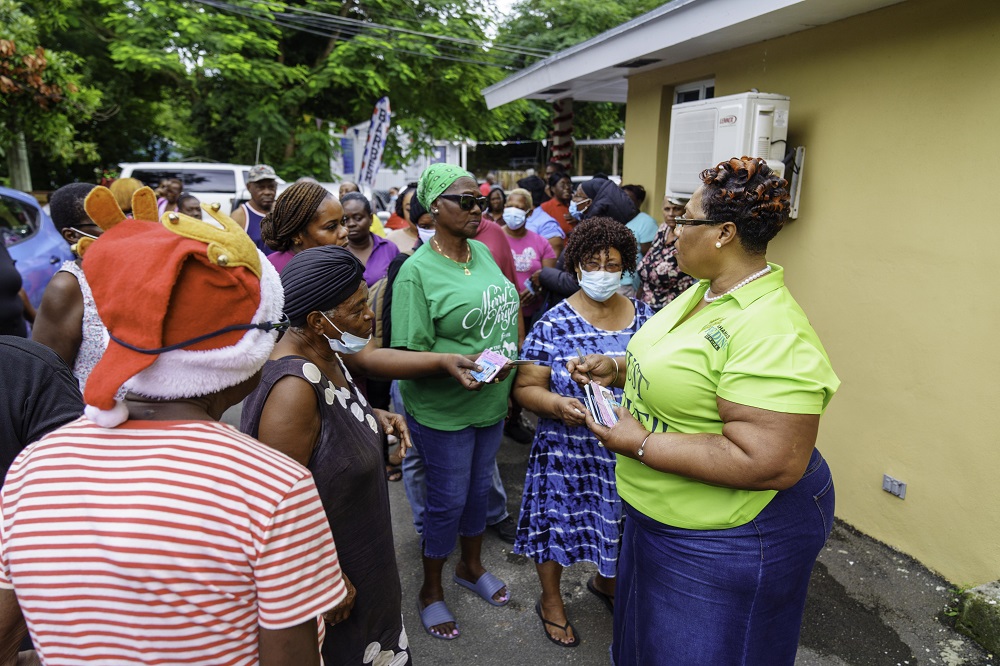
Royal Caribbean donates 25,000 pounds of turkey to Bahamas Feeding Network to distribute to the community for the holiday season
with its overall contribution of more than $500,000 in donations, Royal Caribbean International has remained the feeding network’s largest corporate donor.
On its fourth consecutive year of providing significant food donations, the company is supporting the food supply for hundreds of ministries and feeding centres.
Turkeys will be distributed to more than 120 ministries and feeding centres ranging from small entities with a dozen members to large ones like Great Commission Ministries.
“We cannot thank Royal Caribbean International enough for its ongoing commitment to feeding the hungry and helping the Bahamas Feeding Network win the battle against hunger that plagues far too many in The Bahamas,” said Bahamas Feeding Network
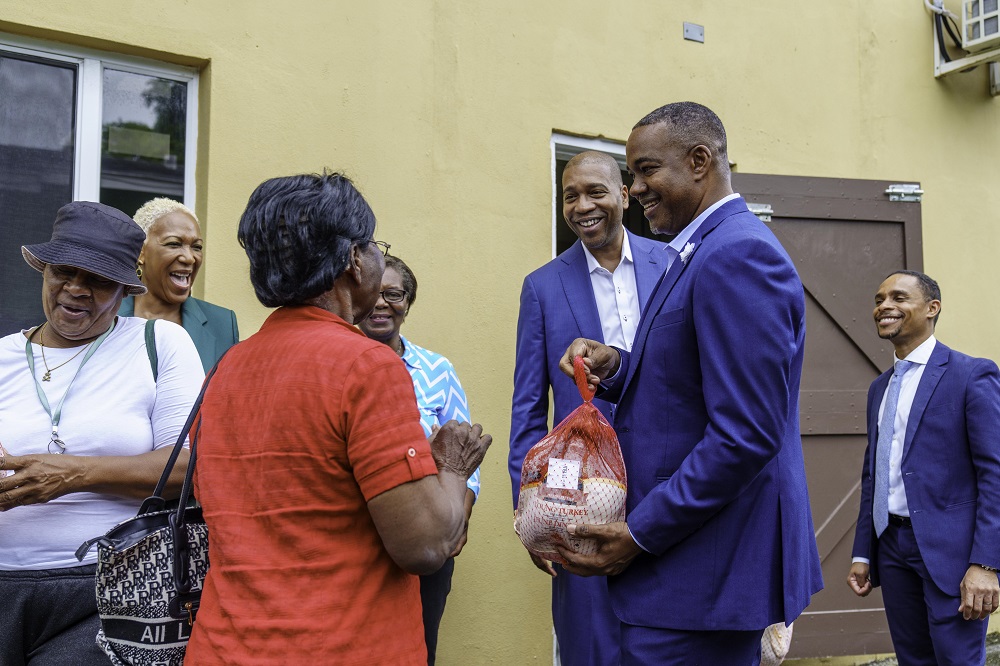
Royal Caribbean donates 25,000 pounds of turkey to Bahamas Feeding Network to distribute to the community for the holiday season
Chairman, Felix Stubbs. “Hunger is a terrible thing to see any time of year, but especially sad around the holidays when everything around the one who is suffering is festive and all they can think of is how am I going to put food on the table? Thank you, again, Royal Caribbean International, for helping us answer that question.”
Today, Russell Benford, VP Government Relations, the Americas, Royal Caribbean Group, who serves on the board of BFN, was in Nassau for the distribution.
Ambassador at large Nicholas Symonette brought remarks from the Minister of Foreign Affairs Fred Mitchell. Ambassador Chorale entertained with Christmas carols. Also participating were Bahamas Feeding Network directors, Wendy McDonald, AVP, Government Relations, Caribbean, Royal Caribbean Group and Philip Simon, President, Royal Beach Club and General Manager, Royal Caribbean International Bahamas.
Header: Bahamas Feeding Network Receiveing Turkey Donation from RCI Execs.


PHOTO BY SIXERS NATION
Bahamian pride is already on full display in South Florida, with fans arriving in strong numbers ahead of tonight’s highly anticipated NBA matchup featuring VJ Edgecombe and the Philadelphia 76ers.
Helping to power that movement was Bahamasair, which rolled out a strategic promotion to facilitate travel, turning the game into a full-scale national showing.
And the celebration started early.
A “Bahamas Invades Florida” pre-party over the weekend set the tone, with Bahamian fans, DJs and supporters converging in Fort Lauderdale to build momentum ahead of the game. The event, marketed as a major cultural gathering, has spilled into Miami, where a strong Bahamian presence is expected inside the arena tonight.
This is no ordinary road game.
The Sixers enter the matchup healthy and are favoured to win, adding to the anticipation surrounding what many expect to be a standout performance by the Biminite guard.
Edgecombe, the third overall pick in the 2025 NBA Draft, has been electric in his rookie season — delivering high-scoring performances and quickly establishing himself as one of the league’s most exciting young talents.
But beyond the stats, it’s the moment that matters.
With South Florida just a short flight away, Bahamians have seized the opportunity to show up in force — flags, energy and all — transforming the game into something far bigger than basketball.
A national turnout.
A rising star.
And a night where the Bahamas is expected to be felt — from tip-off to final buzzer.
Angle by Deandrea Hamilton. Built with ChatGPT (AI). Magnetic Media — CAPTURING LIFE.
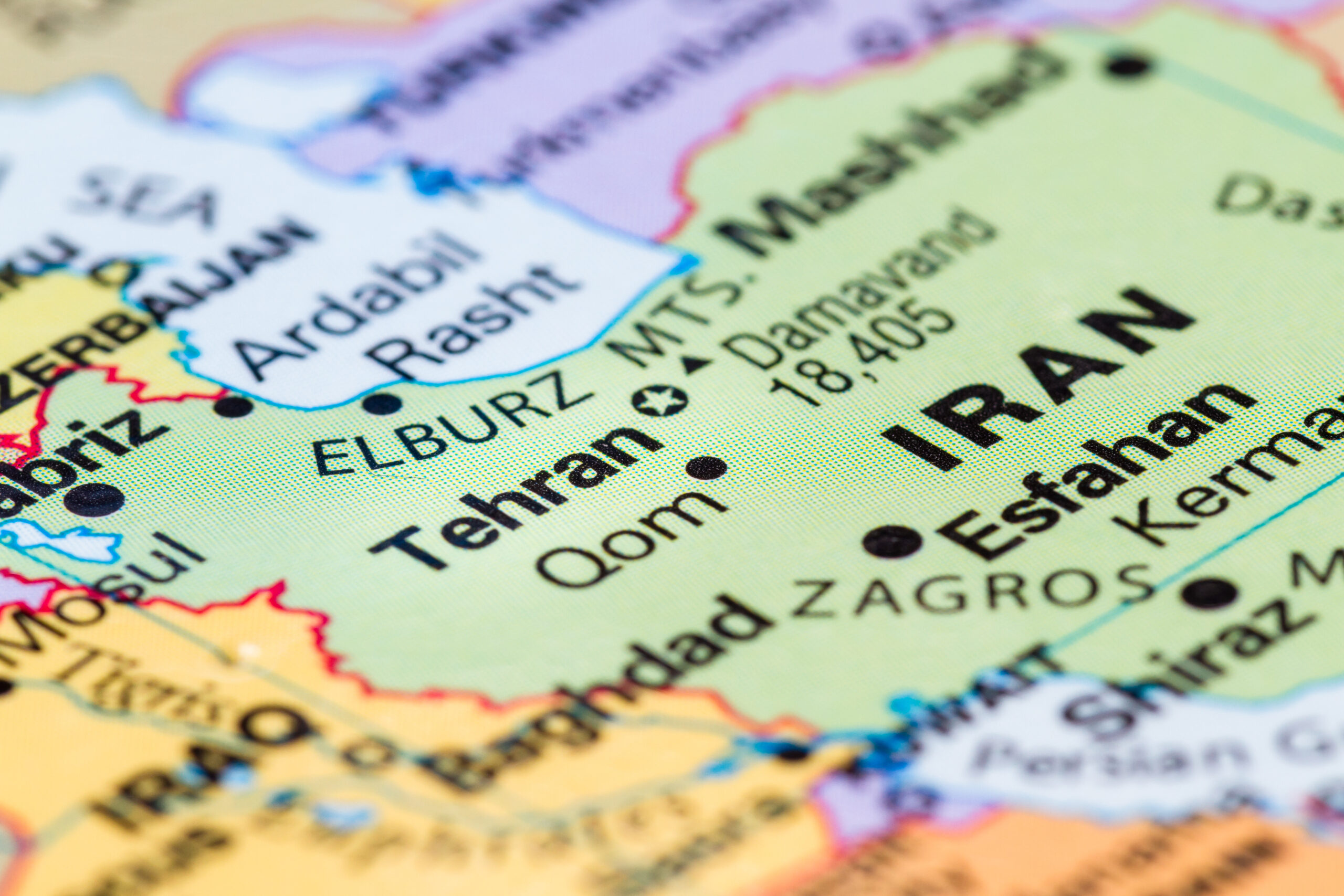
The Bahamas, March 18, 2026 – Twenty days into the latest Middle East escalation, the United Nations is warning the conflict is spreading beyond its original battlefield, as the death toll rises and governments around the world issue urgent travel advisories — including The Bahamas.
In a March 17 statement, the UN Secretary-General’s office said the war must stop and called for all Security Council resolutions to be respected, noting with concern that countries in the Gulf continue to be targeted, raising fears of a wider regional confrontation.
The current round of fighting began February 28 with strikes involving the United States, Israel and Iranian-linked forces, followed by missile and drone attacks across Iraq, Lebanon and parts of the Gulf.
International monitors report more than 1,300 people killed in Iran alone, with additional casualties reported in Lebanon, Israel and Gulf states. U.S. officials confirm at least 13 American service members have died since the escalation began, while reports indicate additional senior Iranian military leaders were killed in recent strikes.
Despite the growing violence, several NATO countries including the United Kingdom, France and Germany have not joined offensive operations, instead calling for diplomacy to prevent the conflict from widening.
The Bahamas Ministry of Foreign Affairs has also issued a travel advisory, warning Bahamian nationals to avoid travel to Israel, Palestine, Iran and Lebanon and to reconsider travel across much of the Gulf region due to the risk of sudden escalation, flight disruptions and security threats.
Officials say Bahamians already in the region should remain vigilant and be prepared for rapidly changing conditions.
Angle by Deandrea Hamilton. Built with ChatGPT (AI). Magnetic Media — CAPTURING LIFE.
Bahamas News
The Bahamas Celebrates Andrew Young at 94 – A Legend Honoured with Love at Baha Mar Gala
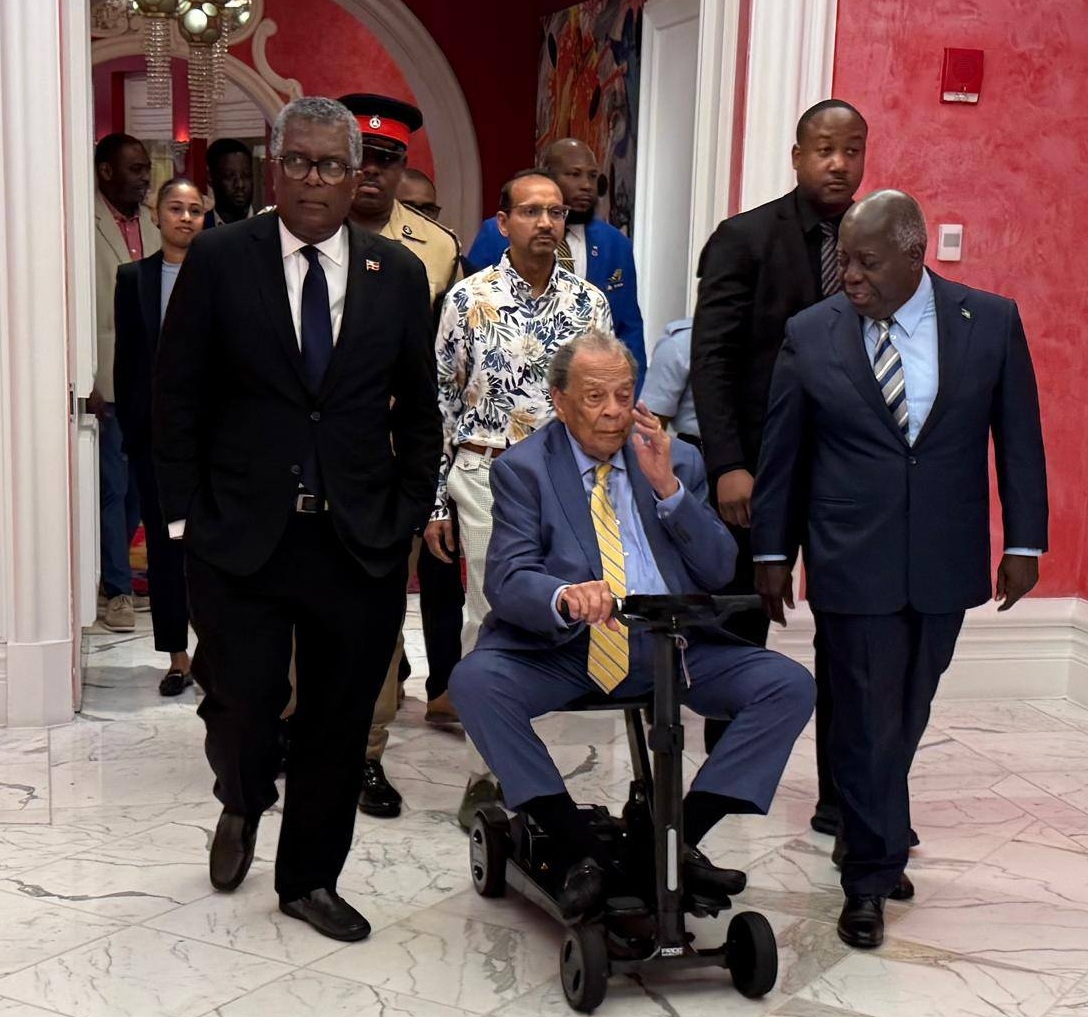
The Bahamas, March 18, 2026 – The Bahamas showed its deep affection for one of the world’s most respected civil rights leaders as Ambassador Andrew Jackson Young Jr. celebrated his 94th birthday in grand style at a gala held at the Eccho Art Gallery, Grand Hyatt Baha Mar on March 12, 2026.
The evening was filled with tributes, laughter and cultural pride, reflecting what many guests described as a genuine bond between Young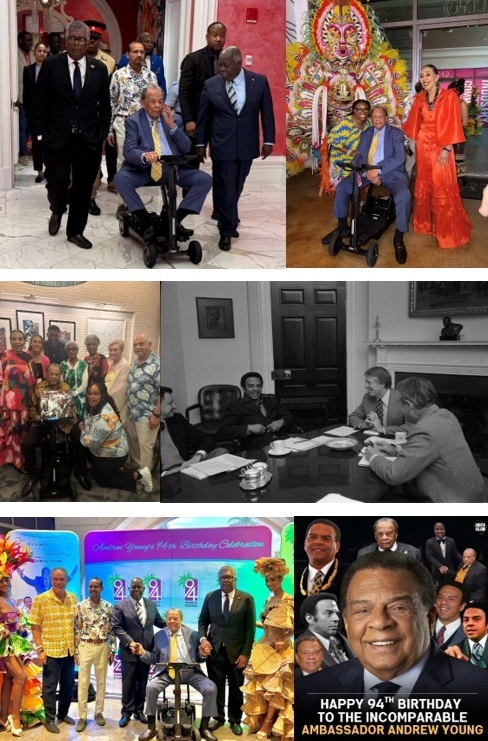 and The Bahamas — a country he has long admired and visited often. Those in attendance said the celebration felt less like a formal event and more like a heartfelt tribute to a man whose life has helped shape modern history.
Prime Minister Philip Davis, Foreign Affairs Minister Fred Mitchell, Bahamas Ambassador to the United States Wendall Jones, and U.S. Ambassador to The Bahamas Herschel Walker were among the dignitaries offering remarks, along with Andrew Young Foundation President Gaurav Kumar and other international guests.
The event was co-hosted by veteran broadcaster Karyn Greer of WSB-TV Channel 2 Action News and Bahamian journalist Dr. Deborah Bartlett, who both reflected on Young’s lifelong commitment to justice, diplomacy and public service.
Born in 1932, Andrew Young is widely regarded as one of the most influential figures of the American civil rights movement. He worked closely with Dr. Martin Luther King Jr., served as a key leader in the Southern Christian Leadership Conference, and later became a U.S. Congressman, U.S. Ambassador to the United Nations under President Jimmy Carter, and Mayor of Atlanta.
Over the decades, Young has been honoured by multiple U.S. presidents, including receiving the Presidential Medal of Freedom, the nation’s highest civilian award, from President Bill Clinton. His diplomatic work, civil rights leadership and global humanitarian efforts have earned him recognition across the world.
Guests noted that even at 94, Young remains active, engaged and passionate about international cooperation and human rights, continuing to inspire new generations.
His wife, Carolyn McClain Young, delivered the vote of thanks, expressing gratitude for what she called the warmth and love shown by the Bahamian people.
The celebration ended in true island fashion with a Junkanoo rush-out, bringing guests to their feet in a joyful close to an evening that blended history, culture and admiration.
For many in attendance, the message of the night was simple — Andrew Young loves The Bahamas, and The Bahamas loves him right back.
Developed by Deandrea Hamilton • with ChatGPT (AI) • edited by Magnetic Media.





-

 News1 week ago
CARICOM – A Regional Club With Benefits; Turks & Caicos Wants In
-

 News1 day ago
Password to Paradise Radio Remotes at Beaches Turks & Caicos continue to highlight the TCI as the preferred Caribbean destination
-

 Health1 week ago
Turks and Caicos Islands Hospital Celebrates Patient Safety Awareness Month: “Team Up for Patient Safety”
-

 News2 days ago
Beaches Turks & Caicos adds four new PADI Dive Instructors to the cadre of professionals in the watersports department
-
 Health1 week ago
Turks and Caicos Islands Medical Association (TCIMA) Elects New Executive
-
 News2 days ago
Beaches Turks & Caicos shares fine dining experiences to high school students in Providenciales
-

 News5 days ago
Flow TCI supports ‘Stars of Tomorrow’ at Inter-Primary Track and Field Championships
-
 News6 days ago
ISU Community Caravan Delivers Essential Services to Granny Hill North