
News
“Search and Rescue and Marine Pollution Response” Workshop Enhances Operations for Marine Stakeholders

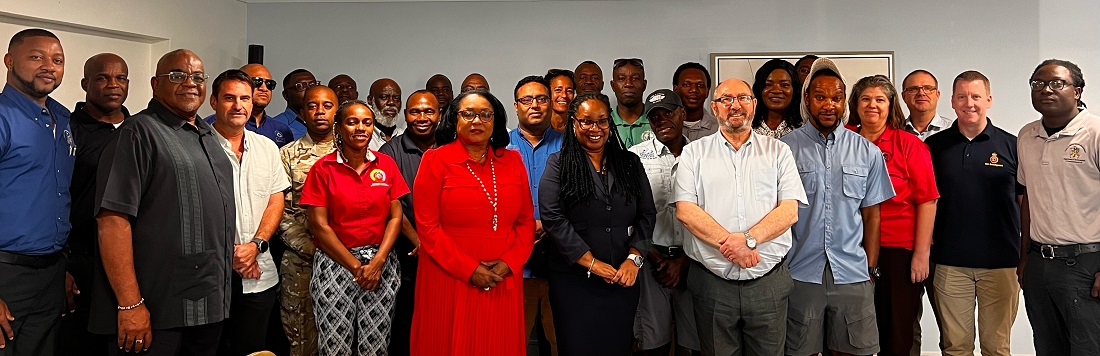
PROVIDENCIALES, TURKS AND CAICOS ISLANDS (November 28th, 2023) – In an effort to ensure our maritime stakeholders are equipped to manage marine pollution from oil and improve search and rescue procedures for marine operators, the Department of Fisheries and Marine Resource Management (FMRM), the Ministry of Tourism and the UK Maritime and Coastguard Agency is hosting a three-day workshop, “Search and Rescue and Marine Pollution Response” at the Opus Conference Room, November 28th to 30th, 2023.
The primary aims of the workshop are to enhance the country’s disaster preparedness and response capabilities, improve the effectiveness of search and rescue operations, particularly given the importance of marine activities to the tourism industry, and reduce the impact of pollution on public health and the environment. The exercise involves a range of activities, including search and rescue and pollution response simulations for emergency responders.
Delivering remarks at the opening of the Workshop on Tuesday, November 28th, 2023, Minister of Tourism, the Honourable Josephine Connolly said the workshop will prepare attendees to tackle challenges that are unique to the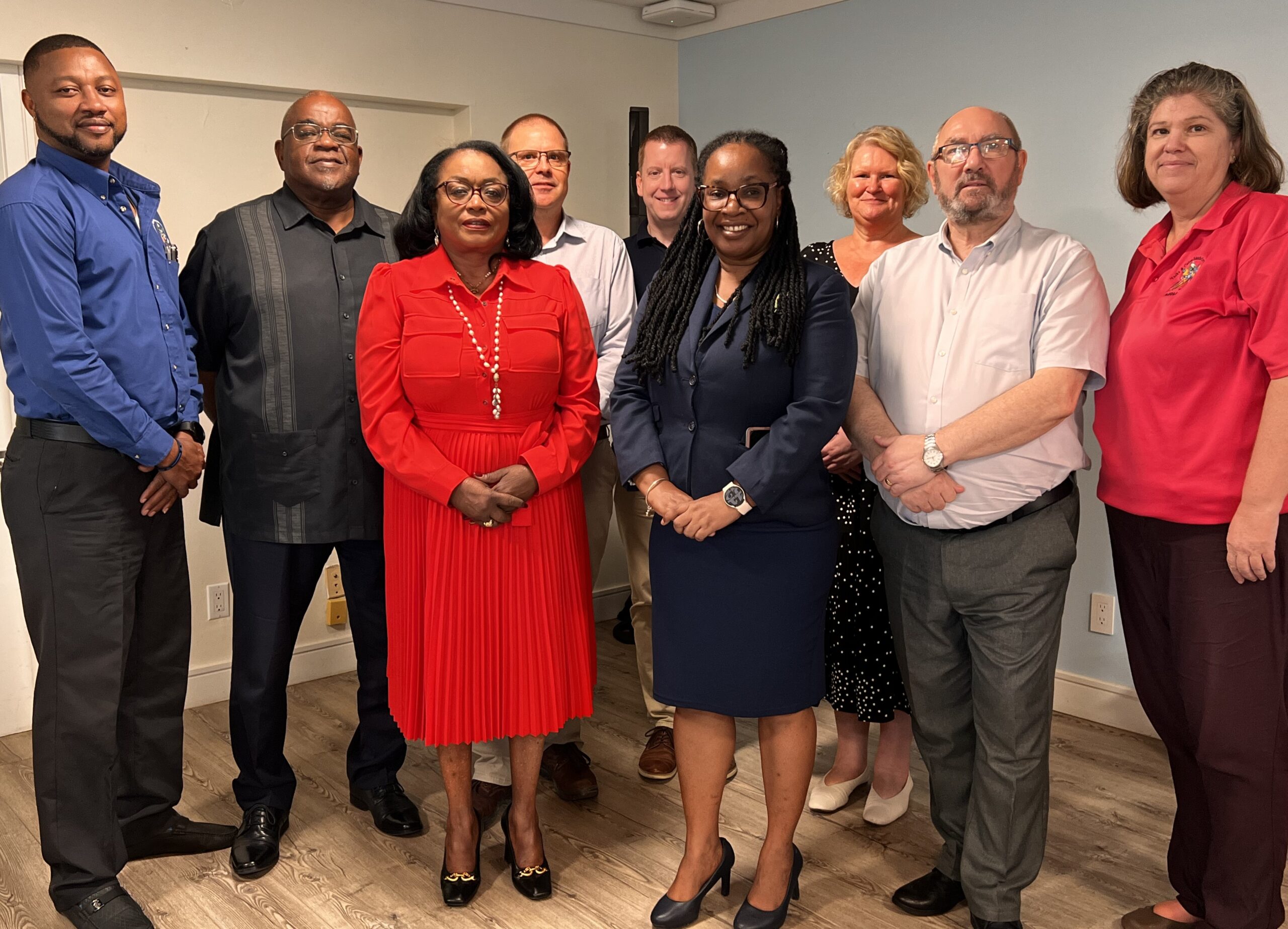 marine industry.
“It is our collective responsibility to enhance our capabilities in responding to distress calls, conducting effective search operations, and executing timely rescue missions. Through this workshop, we aim to foster a deeper understanding of best practices, technological advancements, and international protocols that can optimise search and rescue operations in the Turks and Caicos waters,” she said.
Participants include local emergency responders, the Royal Caicos Police Force Marine Coastal Division, the TCI regiment, representatives of the Grand Turk Cruise Port, Core Resources, the Port Authority, TCI Civil Aviation Authority, South Bank Marina, Turtle Cove Marina, Customs, Immigration, the Fisheries and Marine Resource Management, and the Department of Environment and Coastal Resources.
In her remarks, Thecla Joseph, Director of Fisheries and Marine Resource Management, said the benefits of the workshop cannot be overstated.
“Search and Rescue operations are vital for ensuring the safety and security of maritime activities. The unique geographical location of the Turks and Caicos Islands makes it essential to enhance our capabilities in search and rescue to effectively respond to emergencies at sea. Furthermore, with the increasing concerns about maritime pollution, it is imperative that we come together to explore innovative solutions and best practices for preventing, mitigating and responding to pollution incidents in out waters,” she said.
During the interactive opening sessions, participants learned about the composition of crude oil, the behaviour and environmental effects of chemicals, the impact of accidents with container ships, and the laws governing marine incidents.
The highlight of the first day was a tabletop challenge in which participants were tasked with conceptualizing a Search and Rescue strategy for an incident in which two ships collided, and injured crew members.
Press Release
Header: Minister of Tourism, the Hon Josephine Connolly with participants of the Search and Rescue and Pollution Response Workshop
Insert: Minister of Tourism, the Hon Josephine Connolly with Ms. Thecla Joseph, Director of Fisheries and Marine Resource Management and from left, Mr. Levard Missick, Assistant Director of Enforcement, Department of Fisheries and Marine Resource Management, Mr. Arthur Been, Deputy Permanent Secretary, Ministry of Tourism, Mr. Neil Chapman, Environmental Science Lead, Mr. Phil Bostock, Operational Lead, Overseas Territories Search and Rescue Capability Project, Ms. Alison Leighton, Overseas Strategic Policy Manager, Mr. Stan Woznicki, Head of Counter Pollution and Salvage and Ms. Kathy Lockhart, Director of Fisheries.

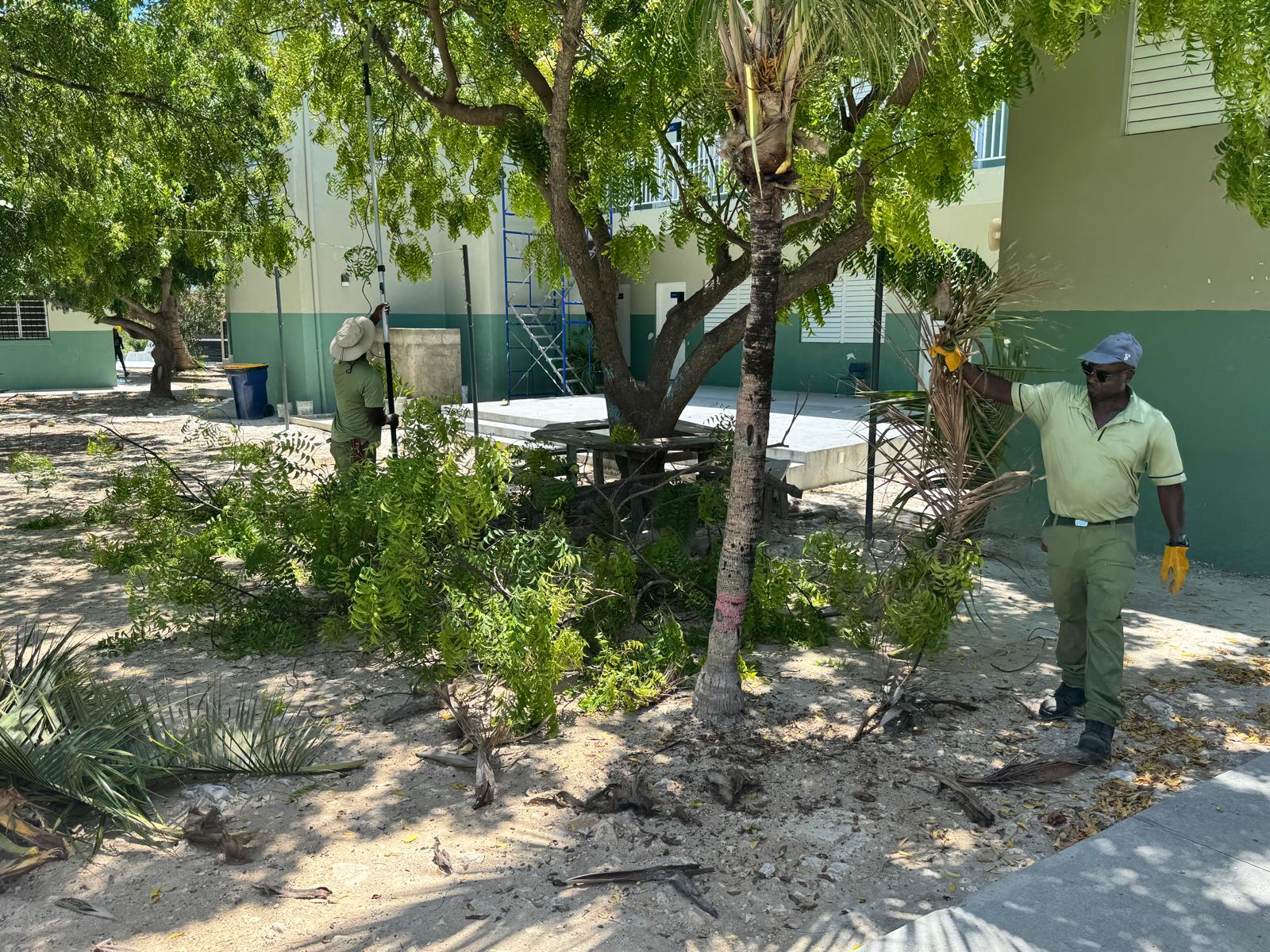
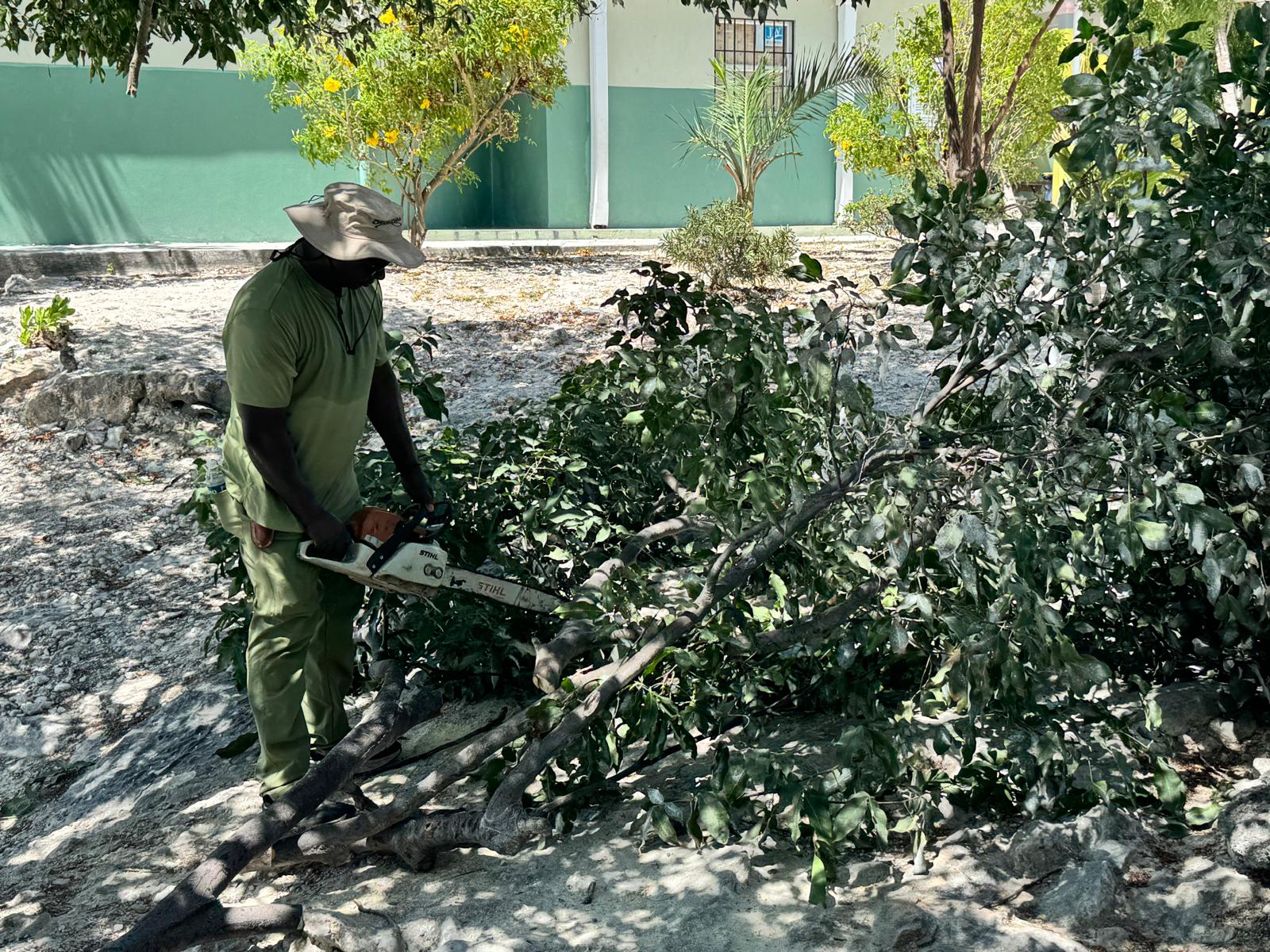
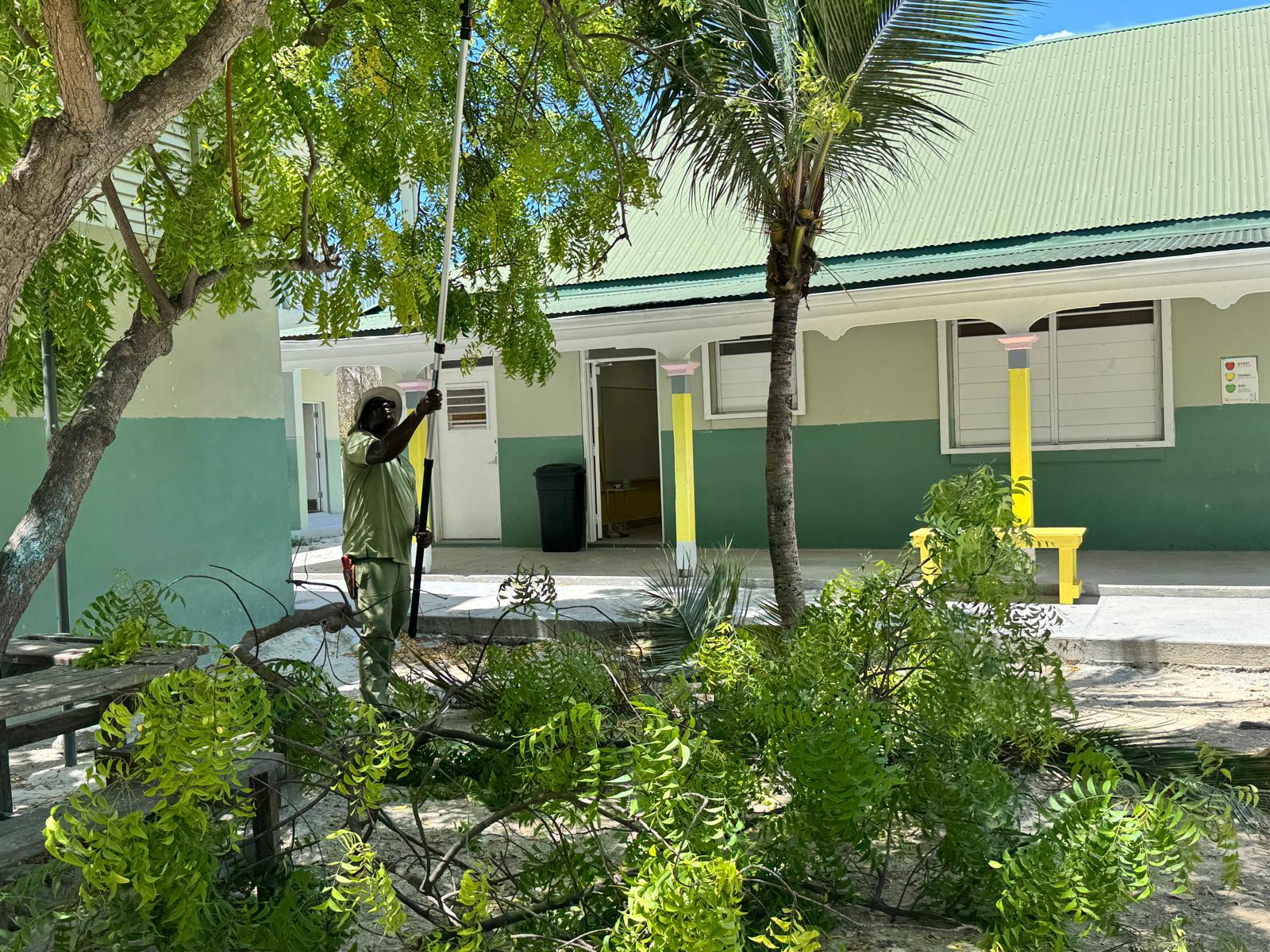
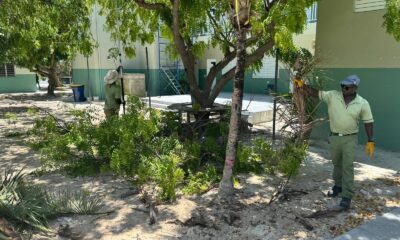
PROVIDENCIALES, Turks & Caicos Islands: — Beaches Turks and Caicos has refreshed the grounds of Enid Capron Primary School in Five Cays, Providenciales, ahead of the new school year, with a landscaping team from the resort, pruning and cutting back overgrown branches to give the campus a cleaner, safer look.
The project focused on the school’s exterior plantings, where tangled growth had begun to encroach on walkways and outdoor learning areas. The team spent time trimming hedges, thinning dense shrubs and removing deadwood to improve sightlines and airflow around the buildings.
Assistant Landscaping Manager, Kemar Jones said the work at Enid Capron is a regular priority for the department, which views community giving as a core part of its mandate. He noted that supporting local schools, particularly through hands-on environmental work, has long been a focus area for his team.
Jones, said the effort reflects the group’s wider commitment to the islands. “As a team, our goal is to give back to our communities and especially providing support for the environment and education,” Jones noted. “The team is always ready to share our skills with making the school environment more comfortable for our students and teachers.”
General Manager Deryk Meany framed the project as part of Beaches’ broader approach to working alongside the community beyond the resort gates. “At Beaches Turks and Caicos, we operate as a team not only within the confines of the resort but also with our communities,” Meany added. “Being able to share our varied skills is always our main focus. Providing a comfortable learning environment allows for a greater relationship with our educational collaborators.”
He added that the resort seeks opportunities to support range of school-based initiatives, from environmental and leadership clubs to creative programmes.
Minister of Education, Youth, Sports and Culture Hon. Rachel Taylor described the landscaping mission as a continuation of a long-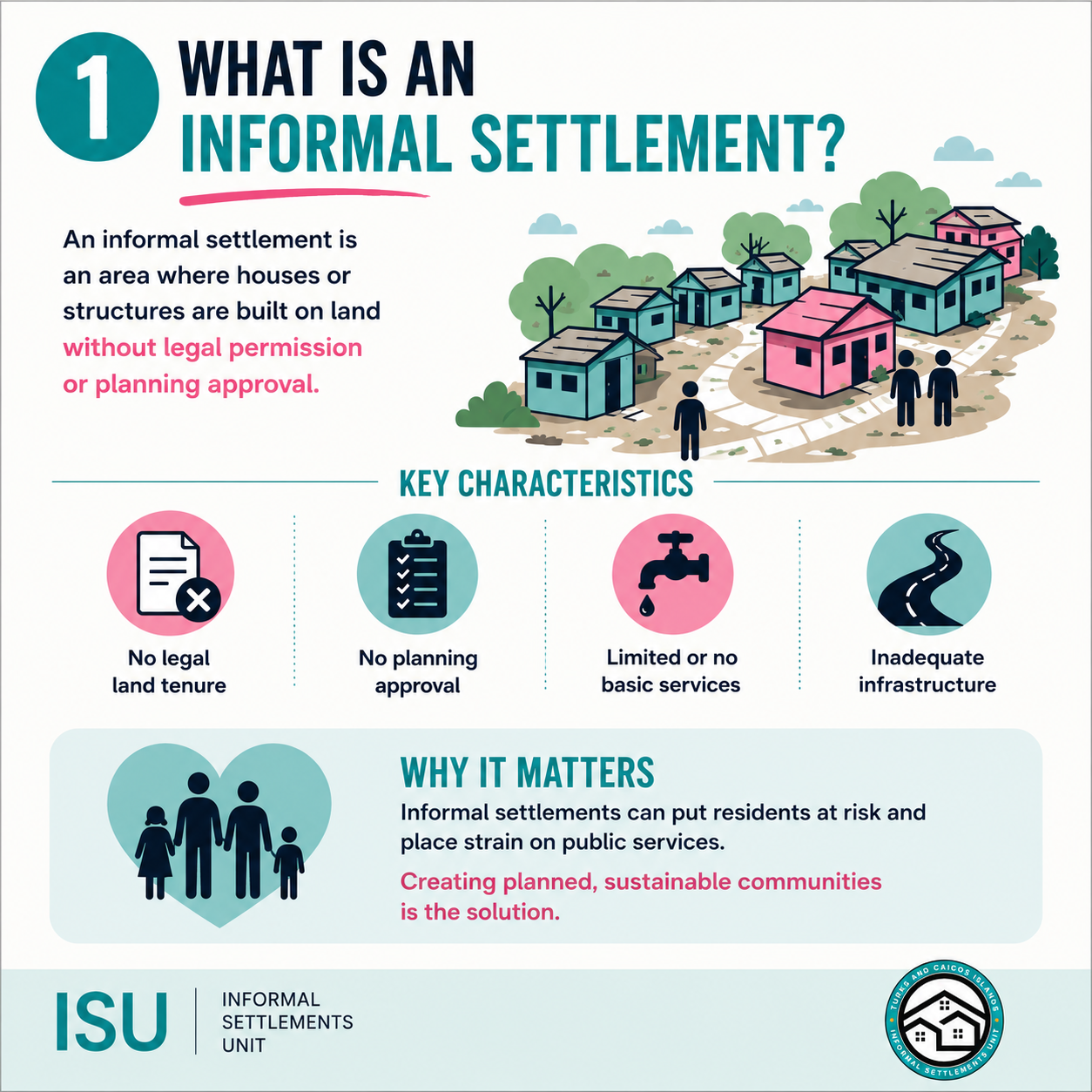 standing relationship between the Ministry and Beaches Turks and Caicos. “This mission from our major private sector supporter, Beaches Turks and Caicos is a long standing activity,” Taylor said. “At Enid Capron Primary School, we are treated as family. Once we reach out to the resort, they have always responded in a positive way.”
Hon. Taylor said the support is particularly valuable in the areas of education and community development, where consistent private-sector engagement can amplify government efforts.
Nelene Swann, vice principal at Enid Capron Primary welcomed the refreshed grounds as a boost to morale before classes resume. “This is what true collaboration looks like,” she noted. “This is more than a facelift for the school. The team from Beaches Turks and Caicos has shown true commitment in adding to this learning environment for our students and teachers.”
She said the improved landscaping contributes to a more comfortable and inviting campus for all stakeholders. “This is a good way to start the new school year. This facelift will certainly make the facilities here at the school more appealing to our students, teachers and parents.
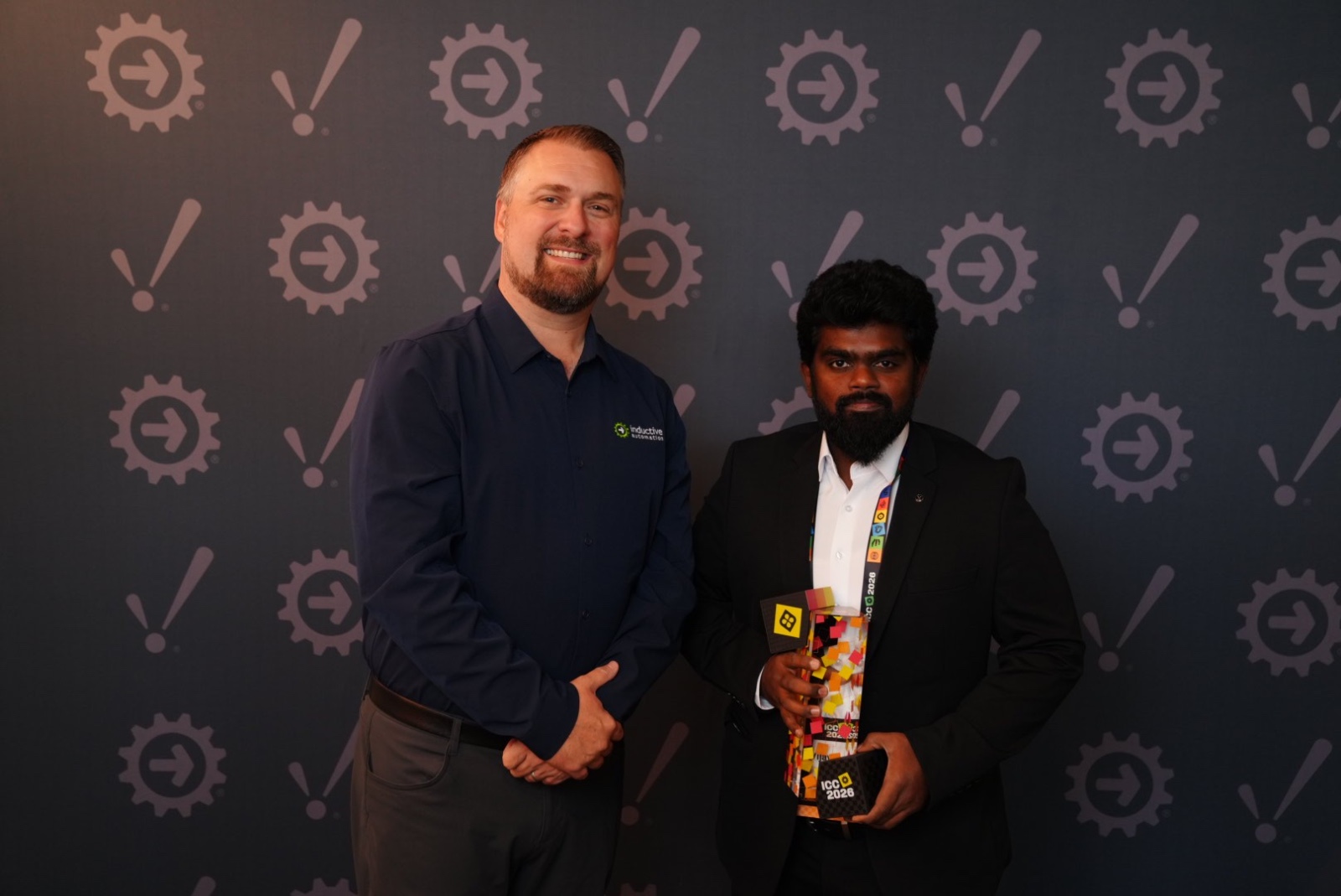
Providenciales, Turks and Caicos Islands – Friday, 9 October 2026: The Turks and Caicos Islands Community College (TCICC) has earned international recognition after receiving the 2026 Educational Engagement Firebrand Award at the Ignition Community Conference (ICC) 2026.
The College was represented by Dr. P. Vijay Daniel, Lecturer in the Faculty of Computing, Engineering and Mathematics, who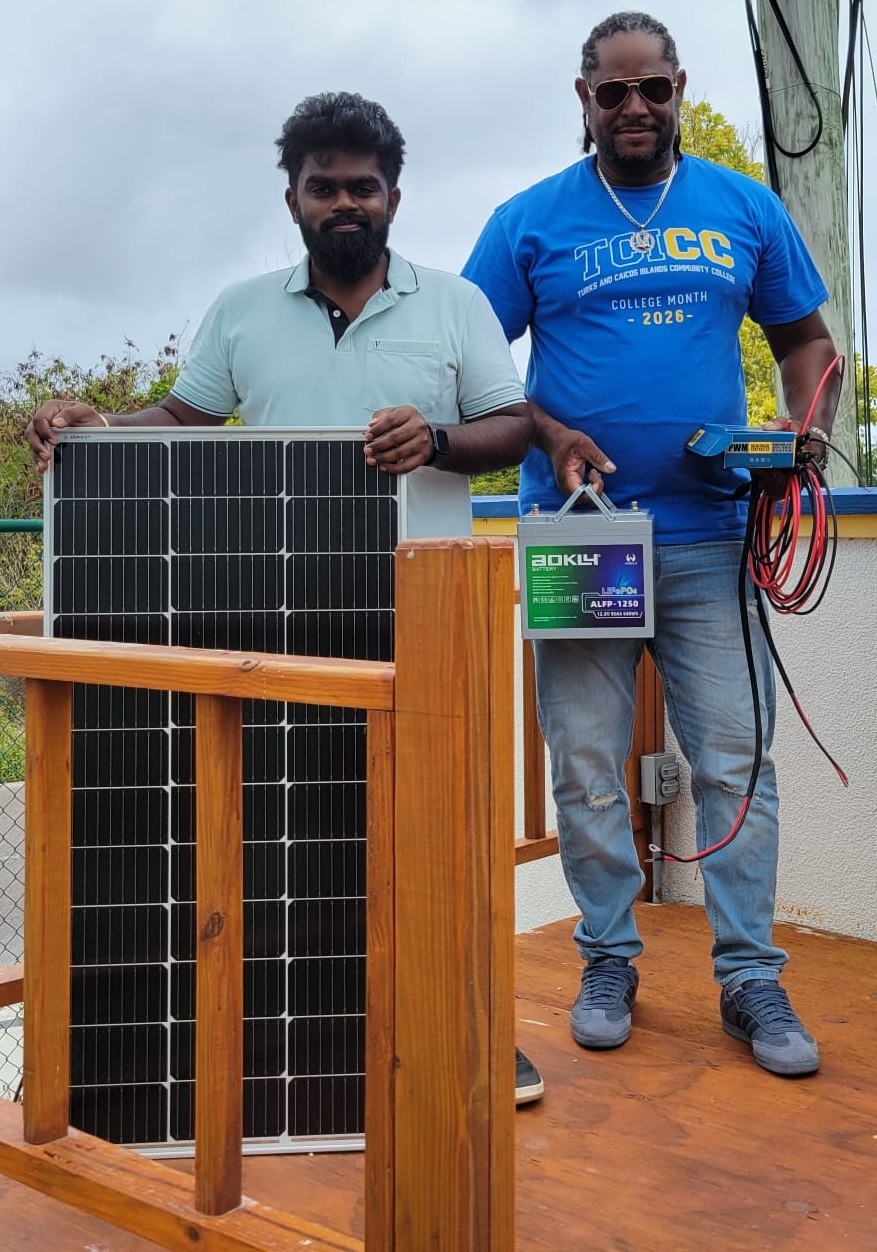 presented TCICC’s Island Smart Utility Platform project before an international audience of industry professionals, system integrators, educators, researchers and technology experts.
Organised by Inductive Automation, ICC is an international conference focused on industrial automation, technology, system integration and innovative applications developed using the Ignition platform.
TCICC’s award-winning project integrates Ignition with affordable ESP32 microcontrollers to support sustainable agriculture while providing students with hands-on experience in Internet of Things (IoT), Supervisory Control and Data Acquisition (SCADA) and automation.
The project was also featured in the conference’s Discover Gallery, providing TCICC with an opportunity to showcase its work to approximately 1,900 attendees from across the international industrial automation and technology sectors.
Speaking to the significance of the achievement for education and innovation in the Turks and Caicos Islands, the Honourable Rachel Marshall Taylor, Minister of Education, Youth, Sports and Culture, remarked:
“I congratulate Dr. P. Vijay Daniel and the Turks and Caicos Islands Community College on this outstanding achievement. Recognition on an international platform demonstrates the talent, innovation and potential that exist within our education system. Initiatives such as the Island Smart Utility Platform show how education, technology and practical learning can work together to prepare our students for the opportunities of the future.”
The recognition also reflects TCICC’s continued commitment to strengthening applied, innovative and technology-driven education while preparing students for an increasingly digital workforce.
Reflecting on what the achievement represents for the College and its students, Dr. Candice Williams, President/CEO of the Turks and Caicos Islands Community College, stated:
“This recognition is a significant achievement for TCICC and reflects our commitment to providing students with meaningful opportunities to apply what they learn in the classroom. We are extremely proud of Dr. Daniel and the work being undertaken within the Faculty of Computing, Engineering and Mathematics. This award demonstrates that innovation taking place at TCICC can achieve international recognition and contribute to the continued development of the Turks and Caicos Islands.”
For Dr. Daniel, the conference provided an important opportunity to share TCICC’s work internationally while engaging with professionals and experts from around the world.
Sharing his experience of representing the College on the international stage, Dr. Daniel said:
“Representing the Turks and Caicos Islands Community College at ICC 2026 was a proud and meaningful experience. Presenting our project in the Discover Gallery and receiving the Firebrand Award for Educational Engagement was especially rewarding because it recognised the work we have been doing with our students.
To see TCICC and the Turks and Caicos Islands represented on such a major international platform was truly special.”
Dr. Daniel also expressed appreciation to the Management of TCICC for its continued support and for providing him with the opportunity to represent the College internationally.
PHOTO CAPTION:
Insert: Dr. P. Vijay Daniel and Mr. Menelik Astwood (Chair of Faculty for Computing, Engineering and Mathematics).
News
Stakeholders Strengthen Collaboration on Housing and Informal Settlements at World Habitat Day Roundtable
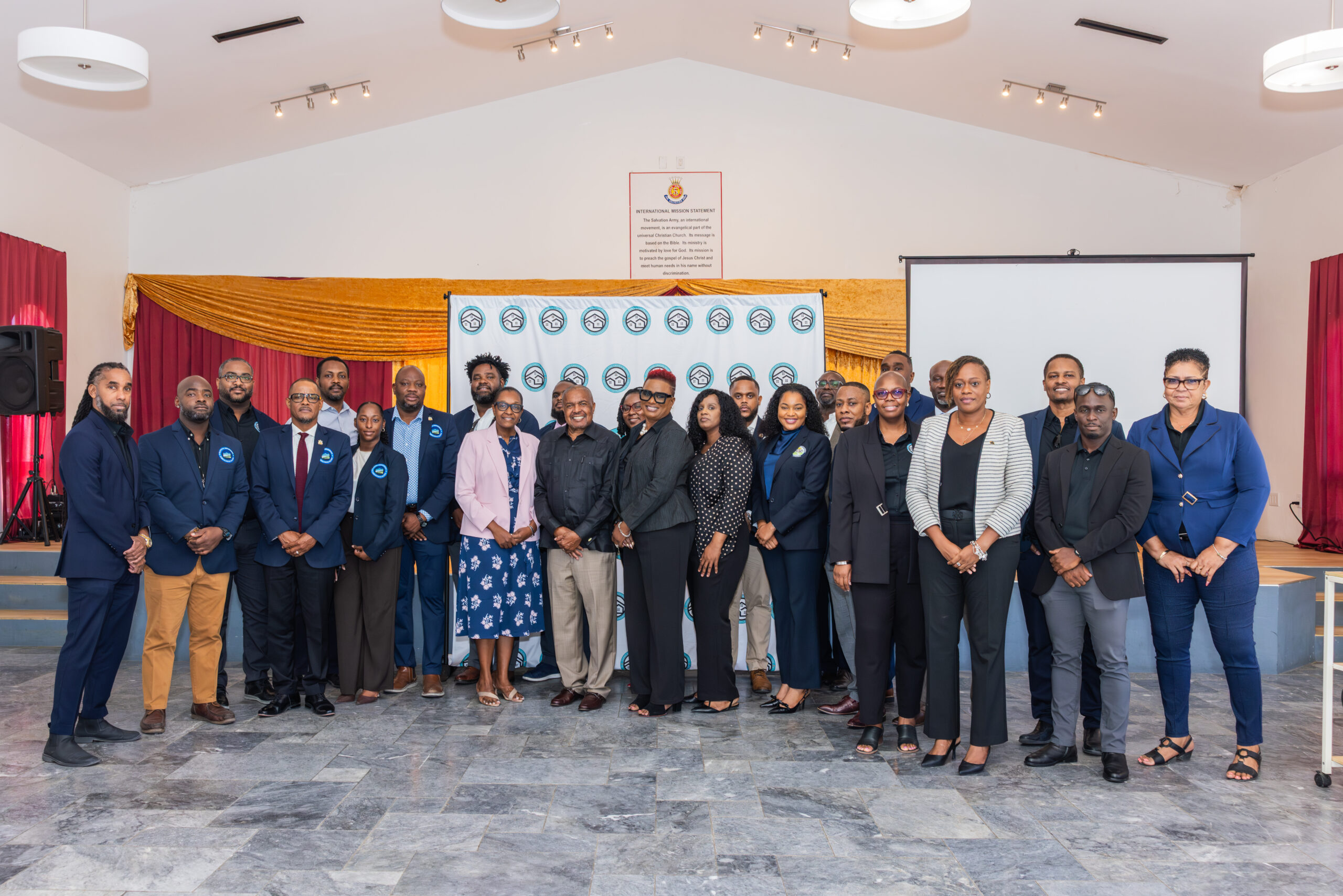
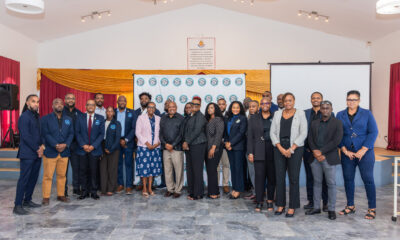
Providenciales, Turks and Caicos Islands – Friday, 9 October 2026: Representatives from across Government and key stakeholder organisations came together on Monday, 5 October, for a World Habitat Day Stakeholder Roundtable focused on housing, informal settlements and opportunities for stronger inter-agency collaboration in the Turks and Caicos Islands.
Held at the Salvation Army Brighter Futures Centre under the theme “Adequate Housing for All,” the roundtable was hosted by the Informal Settlements Unit (ISU) and the Department of Housing and Community Renewal, in collaboration with the Planning Department.
The event brought together representatives from agencies whose respective mandates intersect with housing, land use, infrastructure, environmental management, social development and informal settlements. Discussions focused on the challenges affecting access to adequate housing in the Turks and Caicos Islands and the need for coordinated approaches to both existing informal settlements and future housing development.
Opening remarks were delivered by Justice Carlos W. Simons KC, Strategic Lead of the Informal Settlements Unit; Premier of the Turks and Caicos Islands, Hon. Charles Washington Misick; and Her Excellency Dileeni Daniel-Selvaratnam, Governor of the Turks and Caicos Islands.
In his remarks, Premier Misick acknowledged the housing crisis facing the Turks and Caicos Islands, including the gap between the cost of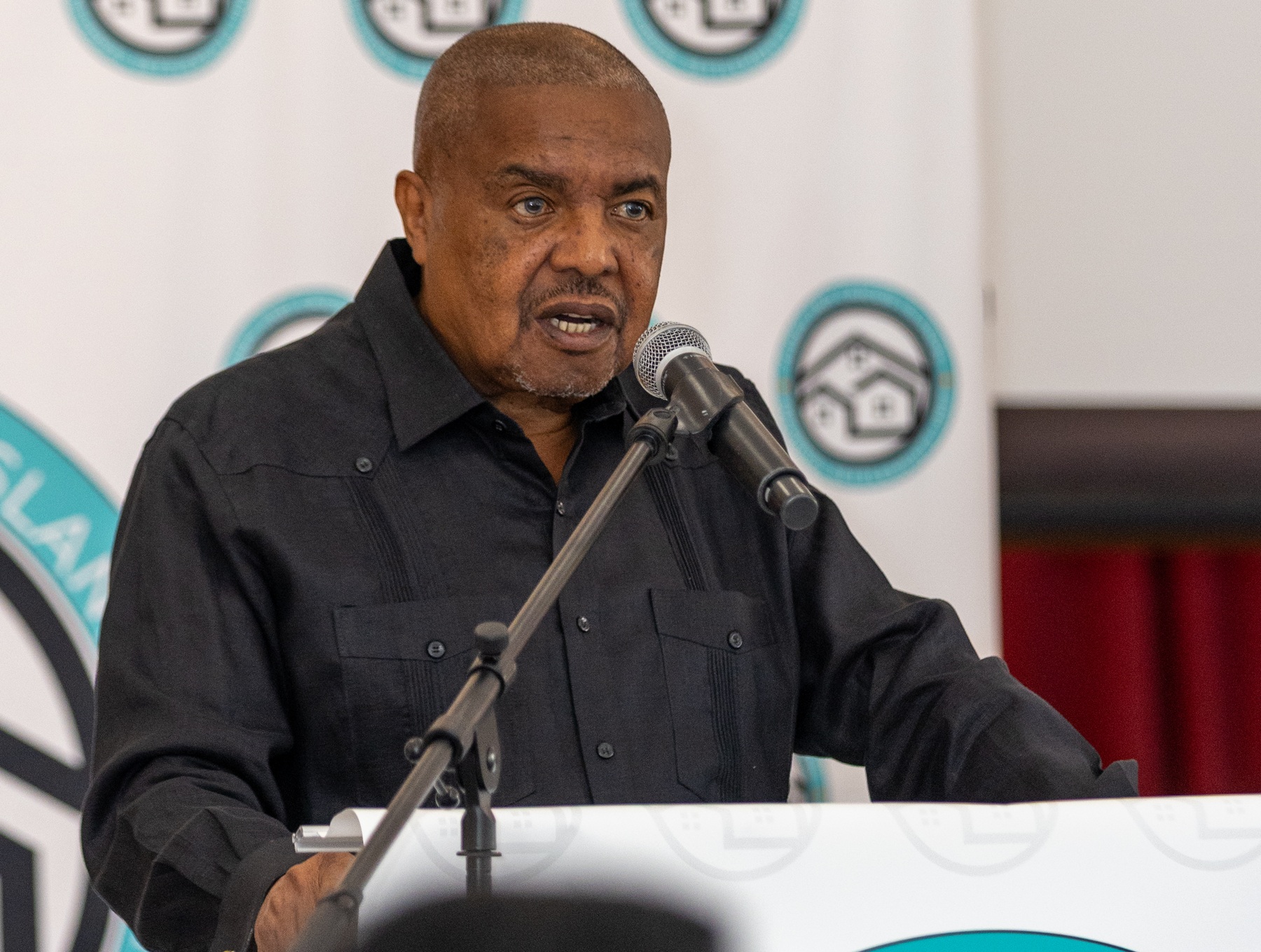 housing and what many residents can afford. He emphasised the need to move beyond discussions and planning towards practical action to address the challenges. “I’m calling on all of us…to get from behind the desk, from focusing on producing paperwork and nice presentations and let’s focus on actually delivering what we have been tasked to deliver” the Premier urged.
Governor Daniel-Selvaratnam also addressed the pressures on housing availability and affordability arising from the Islands’ rapid economic growth, noting their connection to the proliferation of informal settlements. While recognising the difficult circumstances faced by individuals seeking shelter, she stressed the need for responses that balance humanitarian considerations with the enforcement of laws governing land use, planning, immigration and public safety.
“This is therefore not a choice between humanity and enforcement. A mature response must be capable of holding several truths at once- that some people are genuinely vulnerable…that the state has responsibilities towards those at risk, and that equally, laws governing land, planning, immigration and public safety must retain meaning,” the Governor stated.
The Department of Housing and Community Renewal, Planning Department and Informal Settlements Unit subsequently delivered presentations examining the issue from their respective areas of responsibility.
The Housing Department outlined current housing challenges and initiatives being pursued to expand access to appropriate and affordable housing. The Planning Department examined the relationship between housing, land use, infrastructure, safety and resilient community development, while the ISU presented findings from its GIS mapping and Social Needs Assessment Survey and outlined possible pathways for addressing informal settlements through regularisation, redevelopment and alternative housing solutions.
The presentations were followed by a guided stakeholder discussion examining issues including housing affordability, infrastructure, land availability, informal settlement regularisation, environmental and social considerations, and the roles different agencies can play in developing sustainable responses.
A key outcome of the discussion was an agreement to establish a stakeholder liaison network, with each participating organisation committing to designate a representative to serve as its principal point of contact. The network will provide a mechanism for continued communication and information-sharing among participating agencies, while helping to identify opportunities for closer collaboration on matters where their respective mandates intersect.





-

 News6 days ago
Beaches Turks & Caicos strengthens year-round commitment with local craft vendors and transport operators
-

 Health1 week ago
Cleveland Clinic First in Ohio to Perform Robotic Nipple-Sparing Mastectomy
-
 News4 days ago
Beaches Turks & Caicos gives Enid Capron Primary a pre-term facelift
-

 Independent writer17 hours ago
Born Here, Raised Here, but Still Unable to Vote: Is this a Conundrum for TCI Electorate?
-
 Bahamas News7 days ago
Two Months On, The Bahamas Academy of Sciences Turns Fifty Years of Research into Action
-
 News5 days ago
Stakeholders Strengthen Collaboration on Housing and Informal Settlements at World Habitat Day Roundtable
-

 Education4 days ago
TCICC Earns International Recognition at Ignition Community Conference 2026