
News
Invest TCI Participates in USA-Caribbean Investment Forum 2023, Fostering Partnerships for Sustainable Development


#TurksandCaicos, September 24, 2023 – Invest Turks and Caicos proudly announces its participation in the USA-Caribbean Investment Forum, held on September 15-16, 2023, at the New York Marriott Marquis in New York City. This prestigious event, hosted by The Caribbean Association of Investment Promotion Agencies (CAIPA), brought together a diverse array of investors, entrepreneurs, and stakeholders united by a common goal: to explore and capitalize on the wealth of opportunities available within the Caribbean region.
Representing Invest Turks and Caicos at the event were CEO Angela Musgrove and Legal & Compliance Officer, Judith Campbell. Their presence exemplified Invest Turks and Caicos’ commitment to facilitating investment and promoting the growth of the Turks & Caicos Islands.
A pivotal moment during the forum was the enlightening address delivered by the Hon. E. Jay Saunders, Deputy Premier and Minister of Finance, Investment & Trade of the Turks & Caicos Islands. Hon. Saunders passionately discussed the imperative need for the diaspora to invest and engage in business within their countries of origin, underlining the numerous benefits and potential that come with investing in the Caribbean. His insightful remarks were met with great enthusiasm and appreciation from the attendees.
Commenting on their participation, CEO Angela Musgrove stated, “The USA-Caribbean Investment Forum has been an exceptional platform for Invest Turks and Caicos to showcase the exciting investment opportunities that our islands offer. It also provided an opportunity to discuss how we may increase partnerships and opportunities for the attraction of diaspora investments. We are committed to forging meaningful partnerships that drive sustainable development in the Caribbean region, and this event has been instrumental in advancing our mission.”
Invest Turks and Caicos remains dedicated to promoting investment, economic development, and partnerships within the Turks & Caicos Islands. The participation in the USA-Caribbean Investment Forum 2023 marks another step towards achieving these goals and contributing to the sustained development of the Caribbean region.
For more information about Invest Turks and Caicos, please visit www.investturksandcaicos.tc


GLOBAL — Laws promising equality for women and girls exist in many countries around the world, yet millions still struggle to access justice when their rights are violated.
That stark reality is highlighted in a United Nations report titled “Ensuring and Strengthening Access to Justice for All Women and Girls,” released ahead of International Women’s Day and the 70th session of the Commission on the Status of Women, which begins March 9 in New York.
The report points to what experts call an “implementation gap” — the disconnect between laws that guarantee equality and the real-world ability of women and girls to enforce those rights.
While legal frameworks promoting gender equality have expanded globally, the report warns that many women continue to face significant barriers when seeking justice.
Among the most common obstacles are high legal costs, long distances to courts and services, language barriers, and low levels of legal literacy. Many women also face what researchers describe as “time poverty,” balancing work and caregiving responsibilities that make pursuing legal action difficult.
Bias and stigma within justice systems themselves can also discourage women from reporting abuse or seeking legal remedies.
The report notes that girls often face distinct and overlooked barriers. In many cases, justice systems lack child-centred procedures, making it difficult for girls to safely report harm or access legal protection. Issues such as child marriage and early pregnancy can further complicate their ability to assert their rights, particularly when they remain legally dependent on family members who may also be the source of harm.
Older women also face unique challenges, often shaped by lifelong patterns of discrimination and economic disadvantage. Gendered ageism can undermine their credibility, with complaints involving violence, neglect, health rights, pensions or property disputes sometimes dismissed or ignored.
The United Nations report also highlights structural weaknesses within justice systems, including limited budgets, shortages of trained personnel and poor coordination between institutions responsible for delivering justice services.
Another factor contributing to the enforcement gap is the continued male dominance within justice sector leadership, which researchers say can discourage women from engaging with institutions meant to protect them.
The findings come as the United Nations marks International Women’s Day under the theme “Rights. Justice. Action. For ALL Women and Girls,” a call for governments to move beyond commitments on paper and ensure that laws protecting women are fully enforced.
Global leaders say closing the gap between legislation and real-world outcomes remains one of the most urgent challenges in achieving gender equality and ensuring that women and girls everywhere can live safe, healthy and purposeful lives.
Developed by Deandrea Hamilton • with ChatGPT (AI) • edited by Magnetic Media.
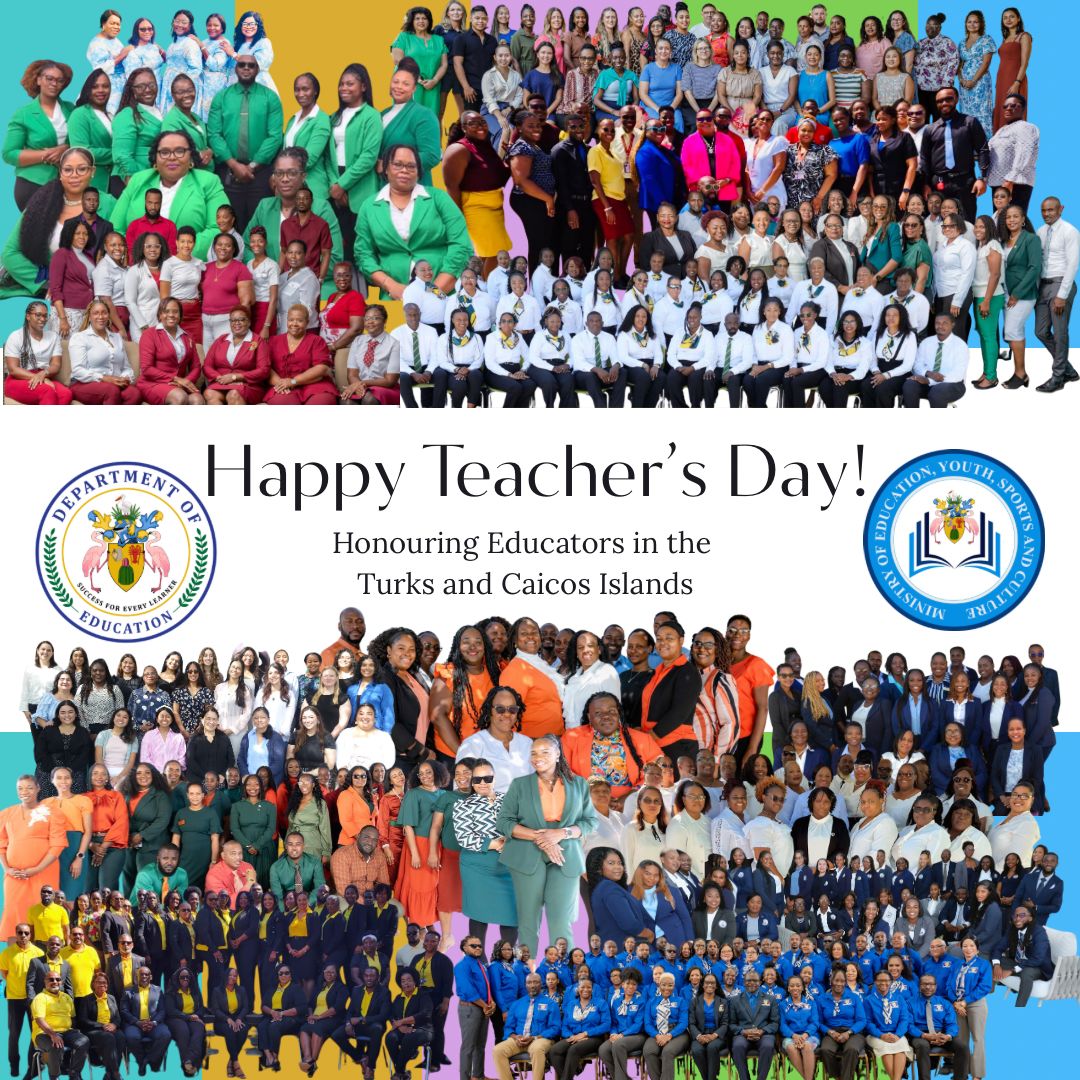
Providenciales, Turks and Caicos Islands – Friday, 6 March 2026: Education is the most powerful weapon which you can use to change the world.” Today, as we observe National Teachers’ Day, we pause to recognize and celebrate the remarkable contributions of our teachers and the dedicated leaders of our schools. Your commitment to shaping young minds, guiding character, and nurturing potential is a calling that reaches far beyond the classroom. Proverbs 22:6 reminds us, “Train up a child in the way he should go, and when he is old he will not depart from it.” Your daily efforts reflect the truth and wisdom of these words.
We also extend sincere appreciation to the leaders of our schools whose vision, guidance, and steady leadership create environments where both teachers and students can flourish. Your role in supporting educators and maintaining strong, positive learning communities is invaluable to the continued progress of our education system.
Teaching is not without its challenges. Yet, even in moments of stress and difficulty, our teachers continue to demonstrate genuine love, patience, and concern for their students. For this, we are deeply grateful. Your compassion, encouragement, and dedication help our children feel seen, valued, and inspired to reach their full potential. Truly, to teach is indeed to touch lives forever.
Education is strongest when it is supported by partnership. We must also recognize the important role of parents and families in the success of our children. When schools and homes work together, the results are powerful. As we often say, when parents lead, children succeed. This shared commitment creates a strong foundation for learning and growth.
As a Department and Ministry of Education, we reaffirm our commitment to supporting our teachers and school leaders. We will continue to invest in meaningful professional development, provide the resources necessary for effective teaching and learning, and strengthen the systems that empower educators to thrive in their profession. Your work matters deeply, and we remain dedicated to ensuring you have the support needed to continue making a lasting difference.
On behalf of the Ministry of Education, I thank you. Thank you for your dedication, your resilience, your leadership, and for the love and care you show to our children each and every day. Today we celebrate you and the incredible impact you have on our nation’s future.
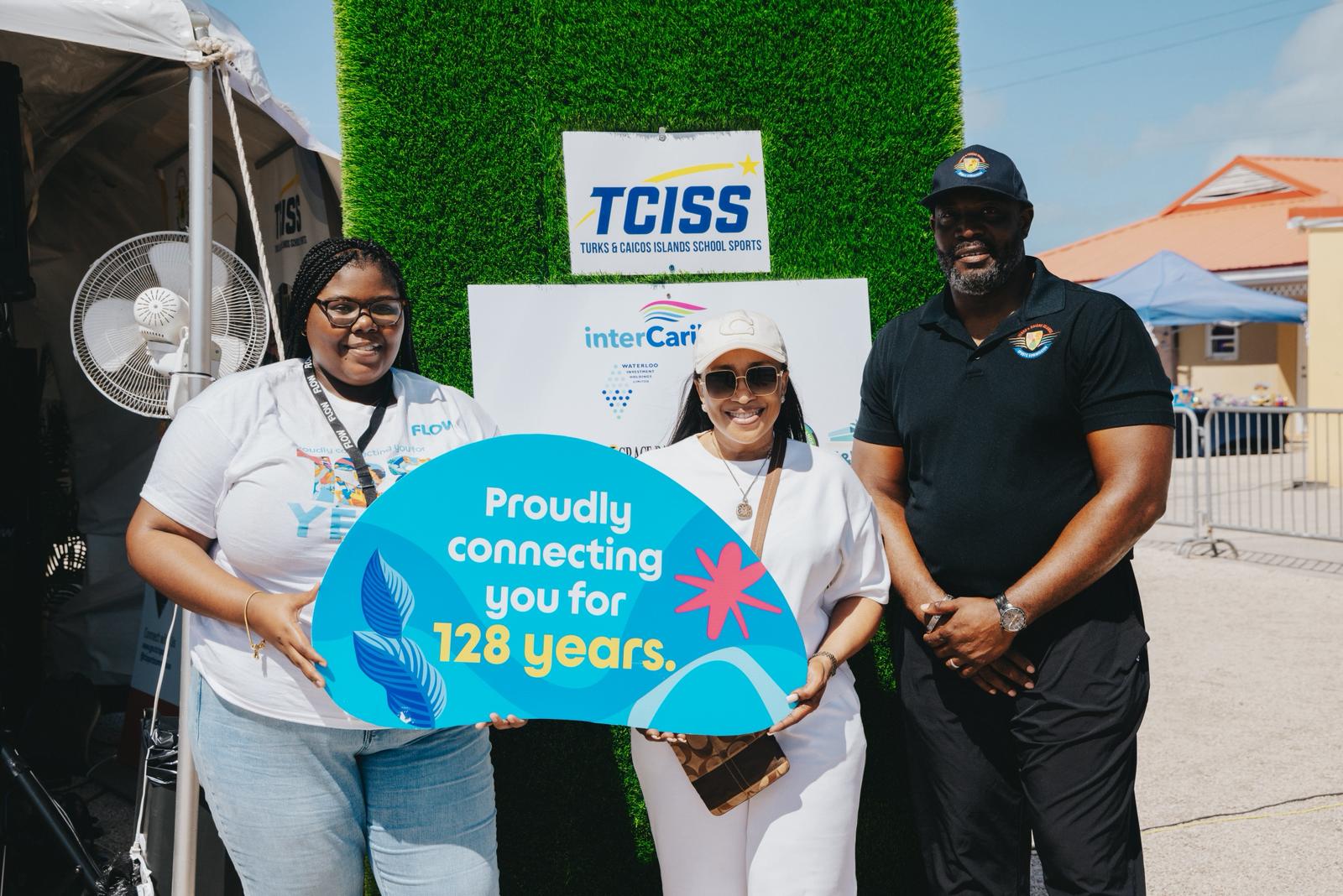
Providenciales, Turks and Caicos Islands (March 5, 2026) – As the Turks and Caicos sporting community celebrates the spirit of youth athleticism, leading telecoms provider, Flow is highlighting the transformative power of connectivity following the successful conclusion of the 2026 Inter-High Track and Field Championships held at the Turks and Caicos Islands National Stadium from February 26 to 28.
As the Official Media Sponsor for the event, Flow provided livestreaming services that premiered across social media and on Flow TV’s Channel 111. This ensured that families and fans throughout the Turks and Caicos Islands could witness every record-breaking moment. To keep the event running at top speed, Flow also provided broadband services throughout the venue, maintaining seamless connectivity throughout the games.
“Our long-standing partnership with the Turks and Caicos Islands Sports Commission is a shared promise to invest in the next generation. Over the years we have worked together to create opportunities for young people to train, compete and grow,” said Joanne Missick, Country Manager, Flow Turks and Caicos Islands.
“We make this investment because sport develops more than athletes. It’s a long-term investment for us in our people, pride and possibility, and it’s a partnership we hold close because advancing our youth advances the entire nation.”
The commitment to the Games extended directly to the track, where Flow served as the headline sponsor for the 200-meter category. Spanning seven races, the partnership culminated during the official medal ceremony with the company presenting winners with Flow merchandise bags.
Off the track, Flow mobilised engagement through the interactive sales booth. The site became a hub for activity, featuring Spin the Wheel promotions and gift certificate giveaways during Q&A intermissions, ensuring the energy of the crowd remained high.
Looking ahead, Flow is preparing to carry this momentum into the upcoming Inter-Primary Track and Field Championships, continuing its investment in the next generation of sporting talent in the Turks and Caicos Islands.





-

 News6 days ago
Police Commissioner Honoured with Distinguished Civic Service Award at TCHTA Star Awards
-
 News5 days ago
Flow TCI powers Inter-High Track and Field Championships
-

 Health1 week ago
TCI Hospital Celebrates Successful “Heart Strong TCI” Initiative During Heart Month
-
 Health6 days ago
Chile becomes the first country in the Americas to be verified by WHO for the elimination of leprosy
-

 News10 hours ago
Rights Without Justice: How Weak Enforcement Fails Women and Girls
-

 Bahamas News6 days ago
Dredging Is Not Just About Size — It Is About What Is Being Destroyed, Warns Save Exuma Alliance Regarding Yntegra’s Proposed Rosewood Resort
-

 Education4 days ago
Message from Hon. Rachel M. Taylor, Minister of Education, Youth, Sports & Culture