News
Eight countries in the Americas ban electronic cigarettes


Washington, DC, August 29, 2023 (PAHO) – With the recent ban on the use and marketing of electronic cigarettes in Venezuela, more countries in the Americas are adopting measures in line with the World Health Organization’s (WHO) Framework Convention on Tobacco Control (FCTC) to protect the health of their populations from novel tobacco products.
“The resolution that regulates new and emerging nicotine and tobacco products in Venezuela is an important step forward for the country and for the region,” said Dr. Anselm Hennis, Director of Non-Communicable Diseases Mental Health at the Pan American Health Organization (PAHO/WHO). “We hope that this measure motivates other countries to take action on these products, which are addictive, harmful and aggressively advertised towards the youngest,” he added.
Currently, 21 countries in the Americas regulate electronic nicotine delivery systems (ENDS), such as e-cigarettes and vapes, in some way. Eight of them (Argentina, Brazil, Mexico, Nicaragua, Panama, Suriname, Uruguay and Venezuela) prohibit their sale altogether, and the other 13 have partially or totally adopted one or more regulatory measures. Meanwhile, 14 countries lack any regulation of these products.
Last June, a previous resolution of the Venezuelan Ministry of Popular Power for Health banned the sale of vapes to minors. Now, the August 1 resolution prohibits “the manufacture, storage, distribution, circulation, commercialization, importation, exportation, use, consumption, advertising, promotion and sponsorship of ENDS and electronic non-nicotine delivery systems (ENNDS)”, as well as their “consumables”, “accessories”, and “heated tobacco products”.
E-cigarettes are the most common form of electronic nicotine delivery systems. When used, they heat a liquid to create aerosols that are inhaled by the user. These “e-liquids” contain nicotine, a highly addictive substance found in tobacco, and other additives, flavorings and chemicals, some of which are toxic to the health of both the user and those exposed to them.
PAHO/WHO recommends that governments implement regulations in line with the provisions of the FCTC and its decisions, such as prohibiting the marketing of ENDS, including their importation, distribution or sale, as well as regulations on their use in public places, prohibiting their advertising and promotion, taxing them, and other regulations similar to those applied to tobacco products.
Tobacco kills one million people in the Region of the Americas per year. While measures taken since the FCTC came into force in 2005 have reduced the percentage of smokers from 28 percent of the total population in 2000 to 16.3 percent in 2020, these achievements are threatened by novel tobacco and nicotine products.
Currently, 11.3 percent of adolescents between 13 and 15 years of age in the region use tobacco, compared to the world average of 10.3 percent.

Caribbean News
Liberty Caribbean Supports Regional Forum on AI, Cyber Resilience and Digital Inclusion

Port of Spain, TRINIDAD & TOBAGO (February 24, 2026) — Liberty Caribbean, the operators of Flow, Liberty Business and BTC, recently served as Gold-Level Partner of the two-day Trinidad and Tobago Internet Governance Forum (TTIGF), themed “The Innovation Paradox – Balancing Progress with Responsibility and Resilience”.
The Digital Divide is of particular interest to Liberty Caribbean and is being addressed through its Charitable Foundation across the region. Low broadband penetration in the Caribbean contributes to diminished opportunities for individuals, communities, and local economies, but with the support of funding partners, this gap can be addressed through a comprehensive programme – JUMP – that focuses on providing access, devices, and digital skills.
“Liberty Caribbean was proud to serve as Gold-Level Partner of the TTIGF because the conversations taking place here shape key digital policies for multiple stakeholders,” said Simone Martin-Sulgan, Vice President and General Manager, Flow Trinidad.
“As technology accelerates at an unprecedented pace, we must ensure that innovation strengthens our societies rather than fragments them. The theme, ‘The Innovation Paradox – Balancing Progress with Responsibility and Resilience,’ speaks directly to the work we do every day: building networks that are not only fast and reliable, but secure, inclusive and future-ready.”
Across the Caribbean, the digital divide remains one of the most pressing barriers to equitable growth. Low broadband penetration limits access to education, entrepreneurship and essential services, and that is why we are deeply committed to closing this gap.
Through the Liberty Caribbean Charitable Foundation and initiatives like the JUMP Programme, the company is expanding access to technology, affordable connectivity and digital skills training so that individuals and communities are empowered to participate fully in the digital economy.
Martin-Sulgan further stated “at Liberty Caribbean, we believe progress and responsibility must move in lock step. By investing in resilient networks, inclusive programmes and trusted partnerships, we are helping to build a Caribbean that is innovative, secure and prepared for the opportunities ahead.”
Topics covered during the Forum, with over 140 participants, included “Securing Critical Infrastructure”, Integrating AI into Digital Transformation”, “The Digital Divide”, The Human Cost of Innovation – Mental Health and Well-being in the Digital Age’, and AI, Cyber Resilience and Regional Innovation”.
Focused on the underlying mandate of the Conference theme thought leaders, innovators, policymakers, technologists, researchers, and community stakeholders were invited to explore how countries can evolve boldly without compromising values or long-term stability.
Photo Caption:
TTIGF – l-r Darren Campo, Regulatory & Compliance Officer; Yolande Agard-Simmons, Senior Manager Communications; and Kevon Swift, Senior Manager Government and Regulatory Affairs of Flow Trinidad in attendance at the Post Event Mixer at Caribbean Telecommunications Union’s Head Office in St Clair, Port of Spain
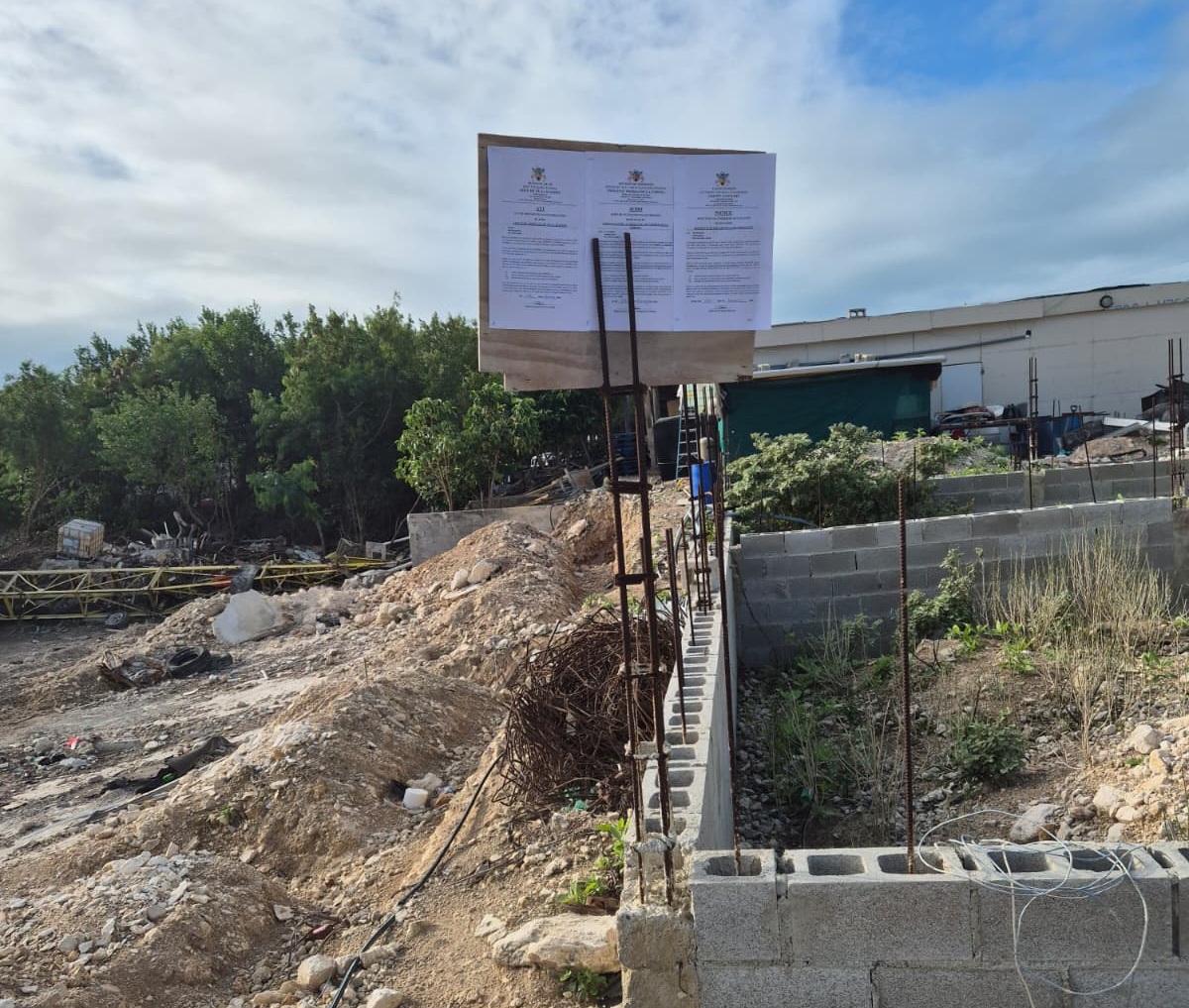
Providenciales, Turks and Caicos Islands, 20 February 2026 — The Informal Settlements Unit (ISU), in collaboration with key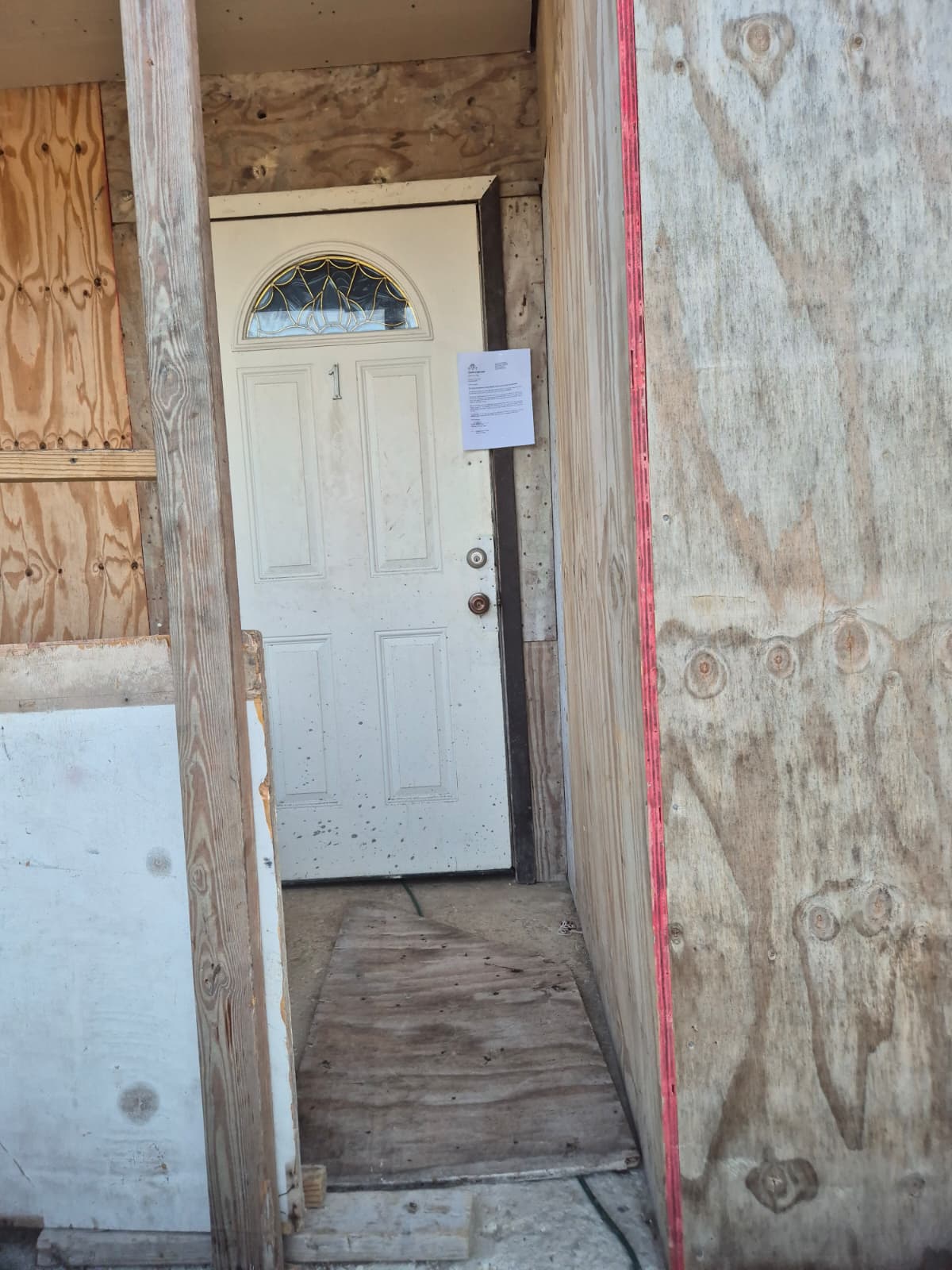 government agencies, coordinated a multi-agency enforcement exercise on Thursday, February 5, 2026, at Block and Parcel 60609/33 in the Five Cays area.
The exercise was led by the Crown Land Unit, pursuant to its statutory mandate under the Crown Land Ordinance to prevent squatting and encroachment on Crown land. The ISU coordinated the operation, with support provided by the Planning Department and the Turks and Caicos Islands Border Force, while the Royal Turks and Caicos Islands Police Force ensured security throughout the activity.
The enforcement action followed a series of inspections conducted by the Crown Land Unit throughout Five Cays, which identified several illegally constructed buildings made of concrete and timber on sections of the subject parcel. In keeping with the provisions of the Crown Land Ordinance, occupied structures were served Letters of Illegal Occupation, delivered by hand to occupants and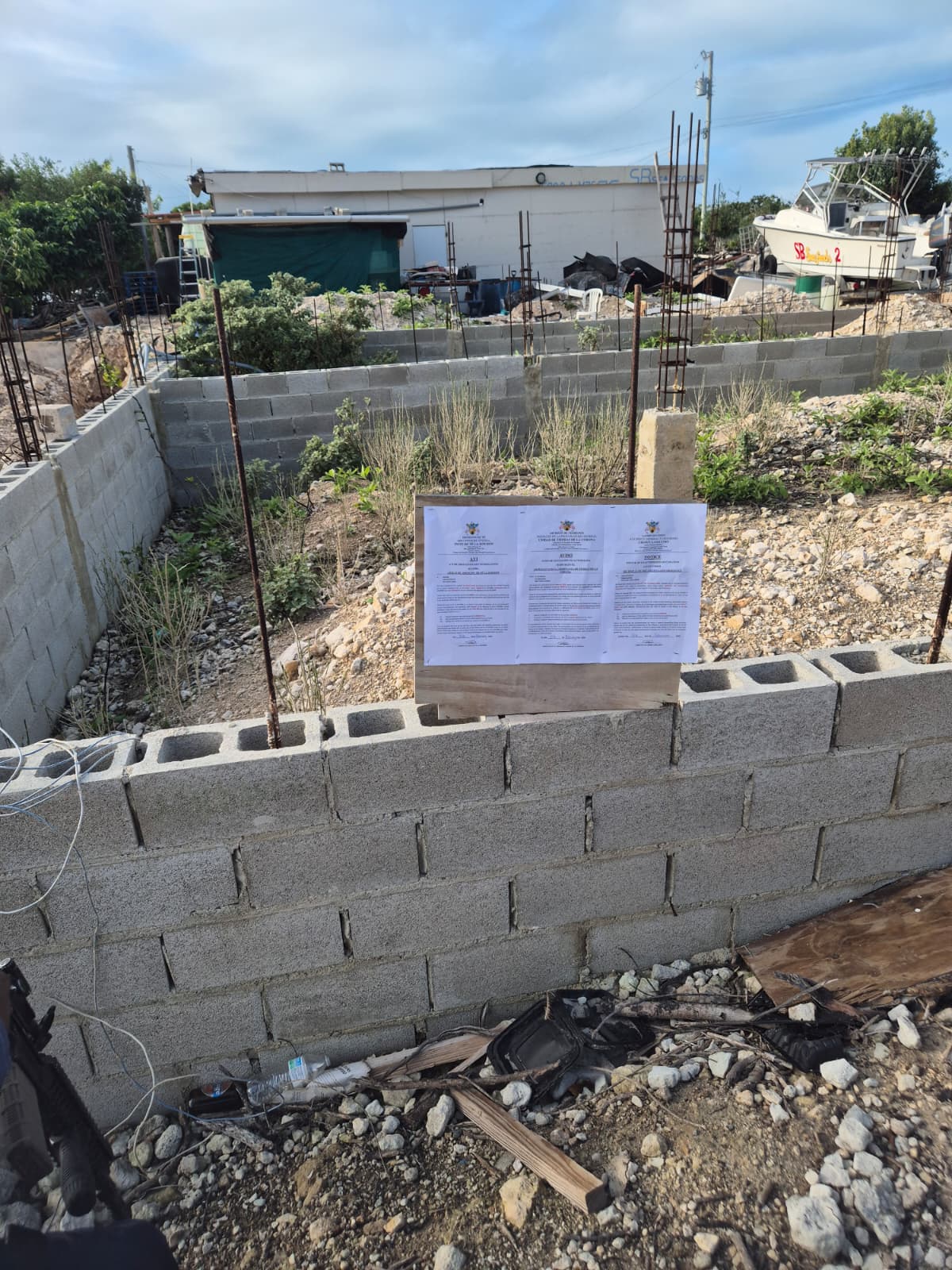 posted on structures where individuals were absent. Incomplete and unoccupied structures were served Notices of Unauthorized Occupation pursuant to section 22 of the Ordinance. A total of ten (10) Letters of Illegal Occupation and three (3) Notices of Unauthorized Occupation were issued during the exercise.
The Informal Settlements Unit reiterates that these coordinated enforcement exercises form part of the Government’s ongoing efforts to uphold the law, protect Crown land, and manage informal settlements in a structured and lawful manner. Members of the public are reminded that unauthorised occupation and development on Crown land is unlawful and subject to enforcement action.

February is National Self- Check Month and family medicine physician at Cleveland Clinic, OH, John Hanicak, MD, highlights why at home self-checks are extremely important when it comes to not just early cancer detection but identifying other illnesses too and offers tips on what to look out for.
“Sometimes I look at them as sort of like your check engine light on the car, just like there would be a red flashing light that tells you that there’s something wrong with a car and prompts you to bring that in and get serviced. Your body does the same thing. It gives you warning signs to look into that symptom a little bit further,” said Hanicak.
Dr. Hanicak said self-checks are going to be a little different for everyone.
However, in general, he recommends looking for anything that may seem abnormal, such as unexplained weight loss, blood in your urine, bumps and bruises that won’t heal, and changes in bowel habits.
For example, if you suddenly start going to the bathroom a lot more than you used to, that could be a sign of something more serious.
He also suggests doing regular skin checks and documenting any moles or spots that start to look different.
“Realize that you are your own person. There’s nobody else in the world exactly like you. You’ve got your own set of ideas, your own family history and your own genetics. Know what is normal for you, and when that changes, that’s the kind of thing that we would be interested in talking about,” said Dr. Hanicak.
Dr. Hanicak notes that self-checks are not meant to replace cancer screenings, as those are just as important to keep up with.
Press Release: Cleveland Clinic