
News
InterCaribbean Airways travelers fuming over poor treatment


Dana Malcolm
Staff Writer
#TurksandCaicos, July 31, 2023 – Travellers in the Turks and Caicos believe the time is now come to mirror US efforts to better protect the rights of passengers when airlines fail to deliver on their services, which includes extreme delays.
InterCaribbean Airways had to put out major fires of dissatisfaction when people booked on a couple of their flights into the Dominican Republic spent days trying to get to their destination.
Magnetic Media was told a group of customers who were supposed to fly to Santiago via InterCaribbean Airways on Saturday July 15, were deferred twice after over eight hours of waiting each time. Included in that number is a young special needs woman with a heart condition.
Major grievances were conveyed to us by residents, including issues with poor communication and poor treatment.
Vikiana Belliard spoke to our news team around 11 am on Monday (July 17) and by that time, she said her family should have been at a cardiologist appointment in the Dominican Republic. It’s the reason why they had booked the Saturday afternoon flight in the first place.
However, they ended up stranded in the TCI with barely any communication from the airline.
“The flight was supposed to be on Saturday at 3 o’clock so my family got to the airport at 12pm two hours ahead of time.”
They were checked in without difficulty but their experience went downhill after that.
“Someone came and let them know that the flight would be delayed until 5 pm. When 5 o’clock came someone said the flight would be delayed again to 8 at night. They waited until eight and then someone came in and told them ‘you all have to leave, the flight has been canceled,” she explained to us.
Following this experience, these customers went home frustrated but still hopeful that they would make the appointment. On Sunday they were told the flight was still on and the airline would contact them when it was time to come in.
At around 12 p.m, they received a call to present themselves for another 3 p.m. flight. Belliard says they dropped everything and rushed to the airport, but it was in vain as they would be subject to the same treatment as the day prior. After waiting for hours once more they left at 11 p.m.
Video footage of the long and arduous process showed the family trying to speak to an employee which developed into an argument before the employee picked up her book and left the counter, walking away from the angry customers.
Finally on Monday, they visited two interCaribbean Airways’ offices. At the first location no one could help, they were told they would have to speak to management. T hey moved onto a second location near Kishco.
“When we got here, they were telling us to calm down and be quiet, the plane was broken and needed maintenance.“
Nonchalant is how Belliard describes the attitude of the staff she spoke to after traveling between the two different locations in an attempt to get answers.
Despite being aware that their flight mishap would’ve caused the family to miss a doctor’s appointment, Belliard says there was no acknowledgement or offer of compensation for that inconvenience or for their time.
When we spoke to her, the most the airline had offered to do was get them on a flight on the coming Saturday. Within an hour, however, they had updated that to a Monday afternoon flight.
The family did finally get into Santiago on Monday, but unabashedly expressed their displeasure at how they were treated. Belliard expressed her anger and confusion at the treatment meted out to them as paying customers.
At the time of our initial news reporting, interCaribbean did not provide any formal or reassuring comments on the troubling situation.
On the evening of Wednesday July 19, the company issued a detailed explanation of what went wrong and what they were doing to address the issues of shortages and supply chain issues.
“Due to unforeseen temporary staffing issues, it will likely take a few additional days for schedules to return to normal. Conscious that punctuality is a key component in air travel, we are making every effort to mitigate future disruptions. We regret that communication lapses exacerbated the negative experience for our valued passengers,” it said.



News
The Turks and Caicos Islands Set Positive Start to 2026 with Increase in January Stayover Arrivals
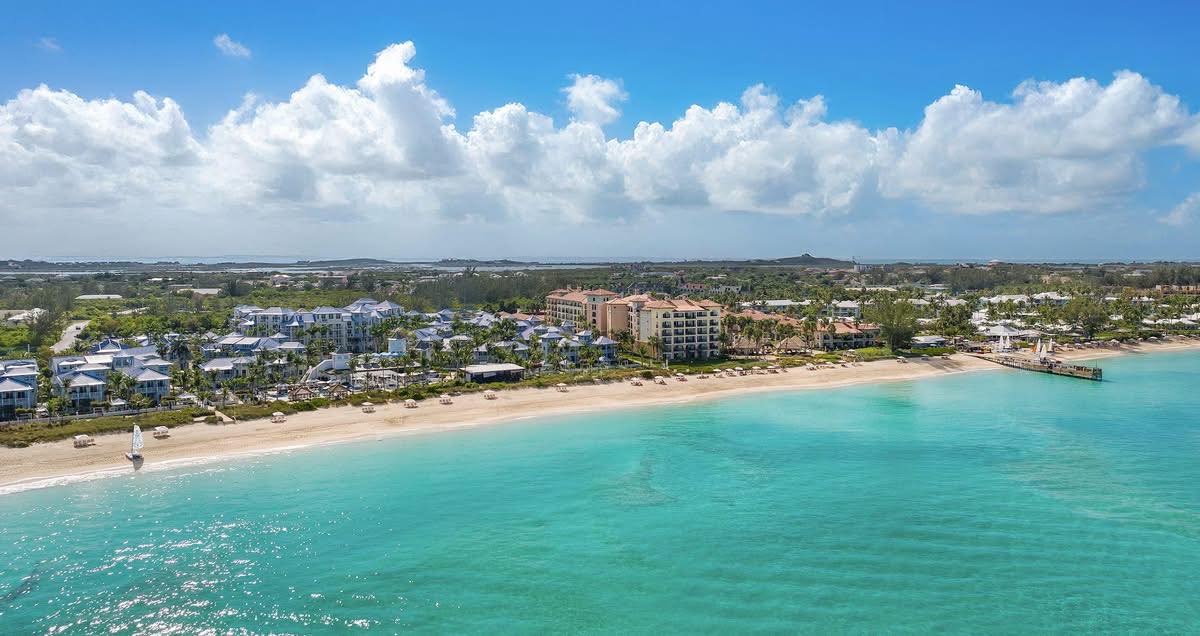
PROVIDENCIALES, TURKS AND CAICOS ISLANDS – (February 25th, 2026) – The Turks and Caicos Islands began 2026 on a positive note, with stayover arrivals in January surpassing the same period in 2025.
Preliminary figures indicate that 56,830 stayover visitors arrived in January 2026, representing a two percent increase year-on-year. The steady growth continues the positive momentum experienced at the close of 2025.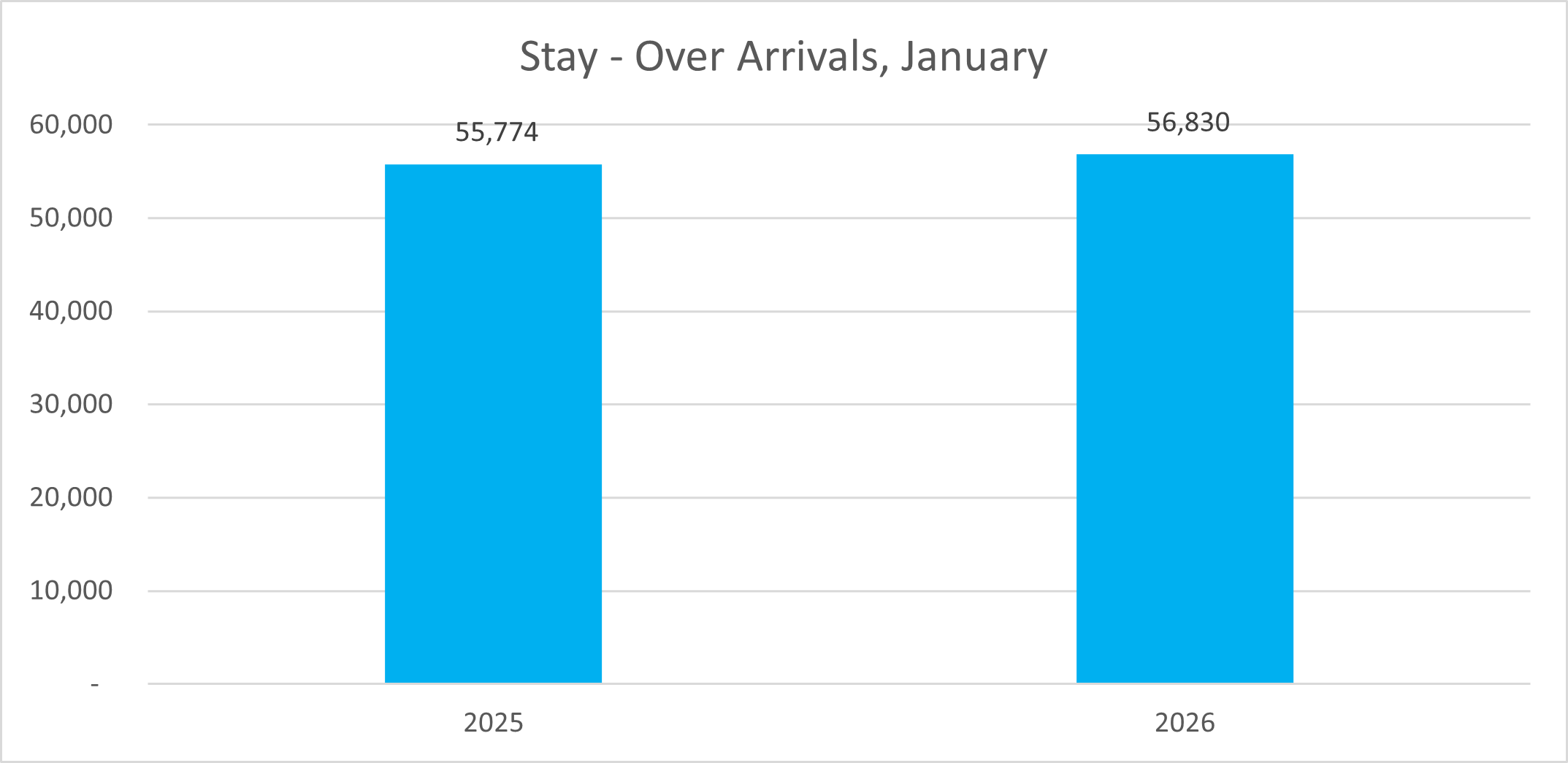
Mr. Paul Pennicook, Interim CEO Consultant, attributed the encouraging performance to new collaboration with tour operator partners as well as increased airlift from key source markets.
“We anticipated a strong January performance following the growth recorded in November and December. The winter season has traditionally been a robust period for the Turks and Caicos Islands, and this year that strength has been further supported by enhanced collaboration with partners and expanded airlift from Canada and the United States We are cautiously optimistic about maintaining this upward trajectory in the weeks and months ahead.
Cruise Sector
In cruise, preliminary figures show 122,935 cruise passenger arrivals in January, reflecting a 15 percent decrease compared to January 2025.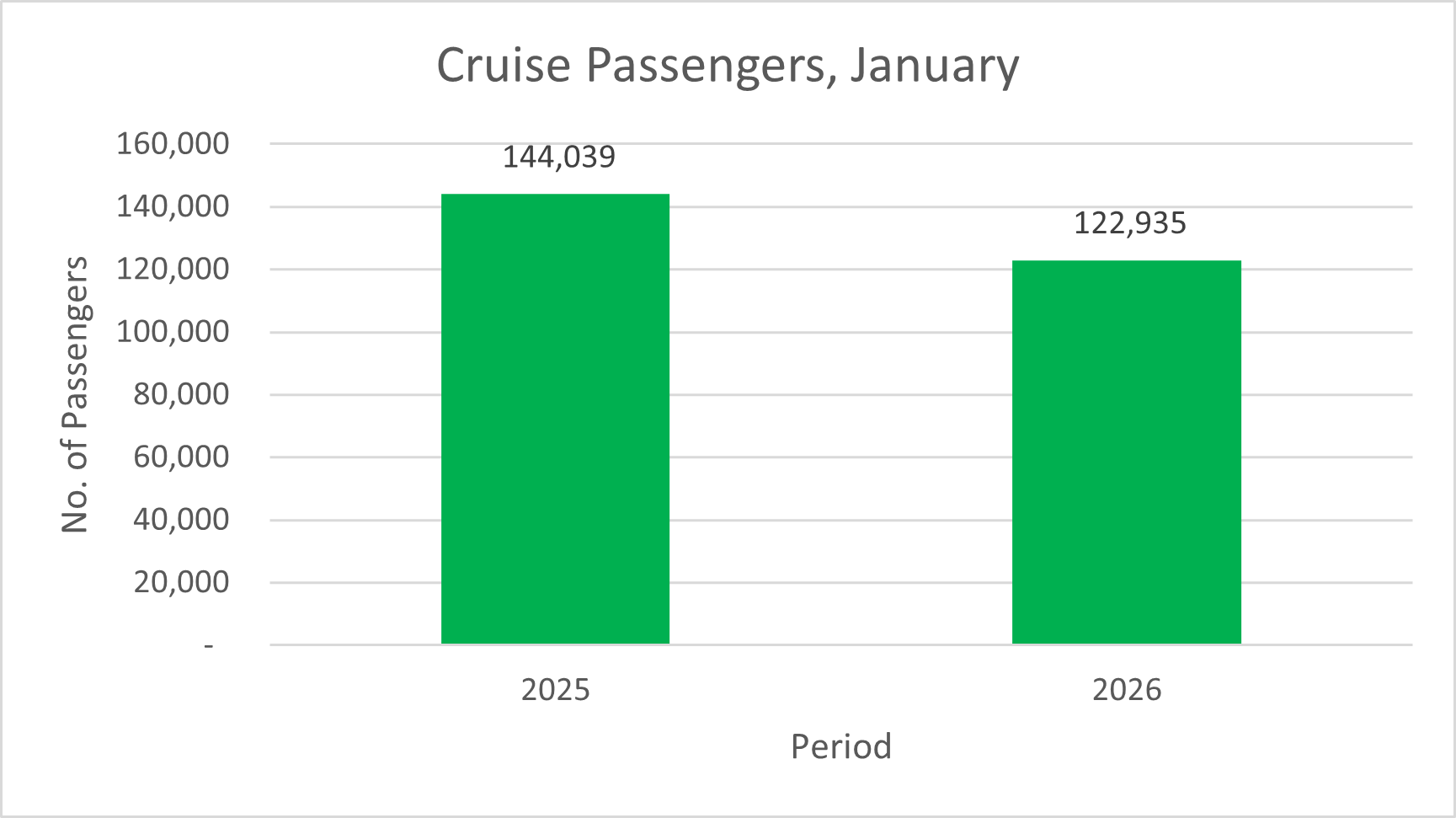 The decline is attributed to a reduction in cruise calls during the month. A total of 33 vessels called on Grand Turk in January, seven fewer than during the corresponding period last year.
Marketing Shows
As part of its ongoing efforts to position the Turks and Caicos Islands as a premier luxury destination, Experience Turks and Caicos has been actively participating in the Travel & Adventure Shows across several major cities in the United States.
The destination has already been showcased in Washington, D.C., New York, and Chicago, with Fort Lauderdale and Denver scheduled in the coming weeks.
Public Relations Manager Laura Dowrich represented the Turks and Caicos Islands alongside the destination’s U.S. marketing agency, ABA Global.
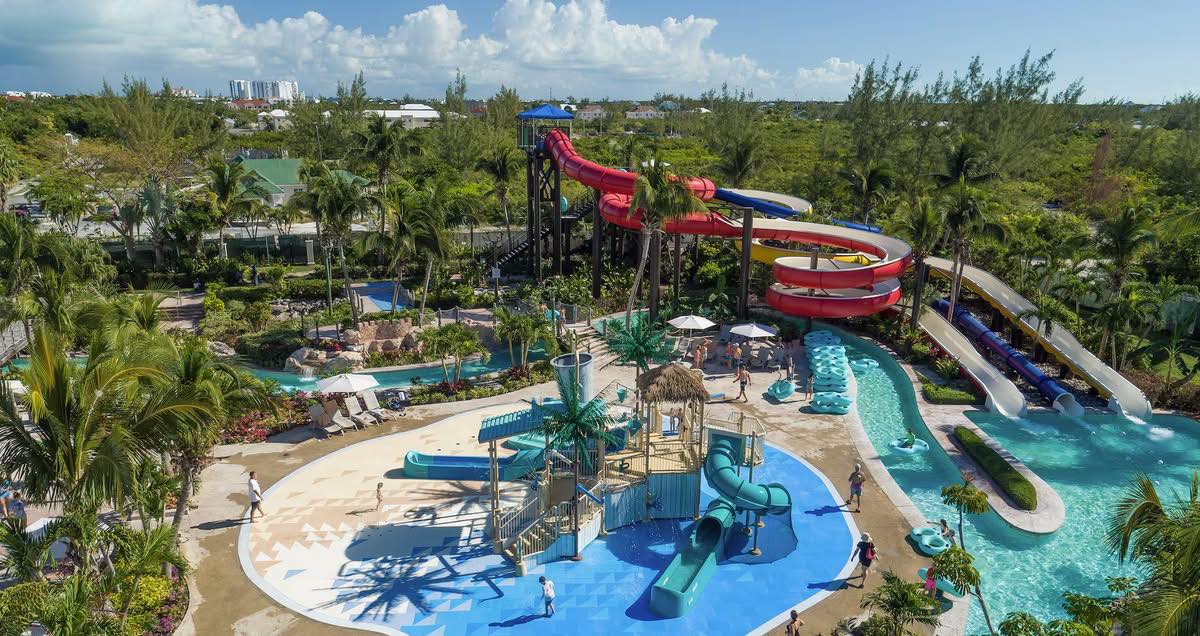
Beaches Turks & Caicos – Stone Creek Travels
“One of the most encouraging takeaways from these shows is that the Turks and Caicos Islands is indeed on travellers’ radar. We met many visitors who shared fond memories of their time here, others who already have trips booked and were seeking recommendations on activities and dining, and many more who aspire to visit. It was a pleasure highlighting our multi-island destination and sharing the many experiences that make the Turks and Caicos Islands truly special,” said Ms. Dowrich.
Awards & Recognition
Building on a stellar year of accolades in 2025, the Turks and Caicos Islands has begun 2026 with additional international recognition.
The destination earned a Gold Badge in the U.S. News & World Report rankings, placing #5 in Best Family Vacations in the Caribbean and #5 in Best Beaches in the World. In the USA Today 10Best Readers’ Choice Awards, Grand Turk was ranked #10 among the Best Caribbean Islands to Visit.
About Experience Turks and Caicos
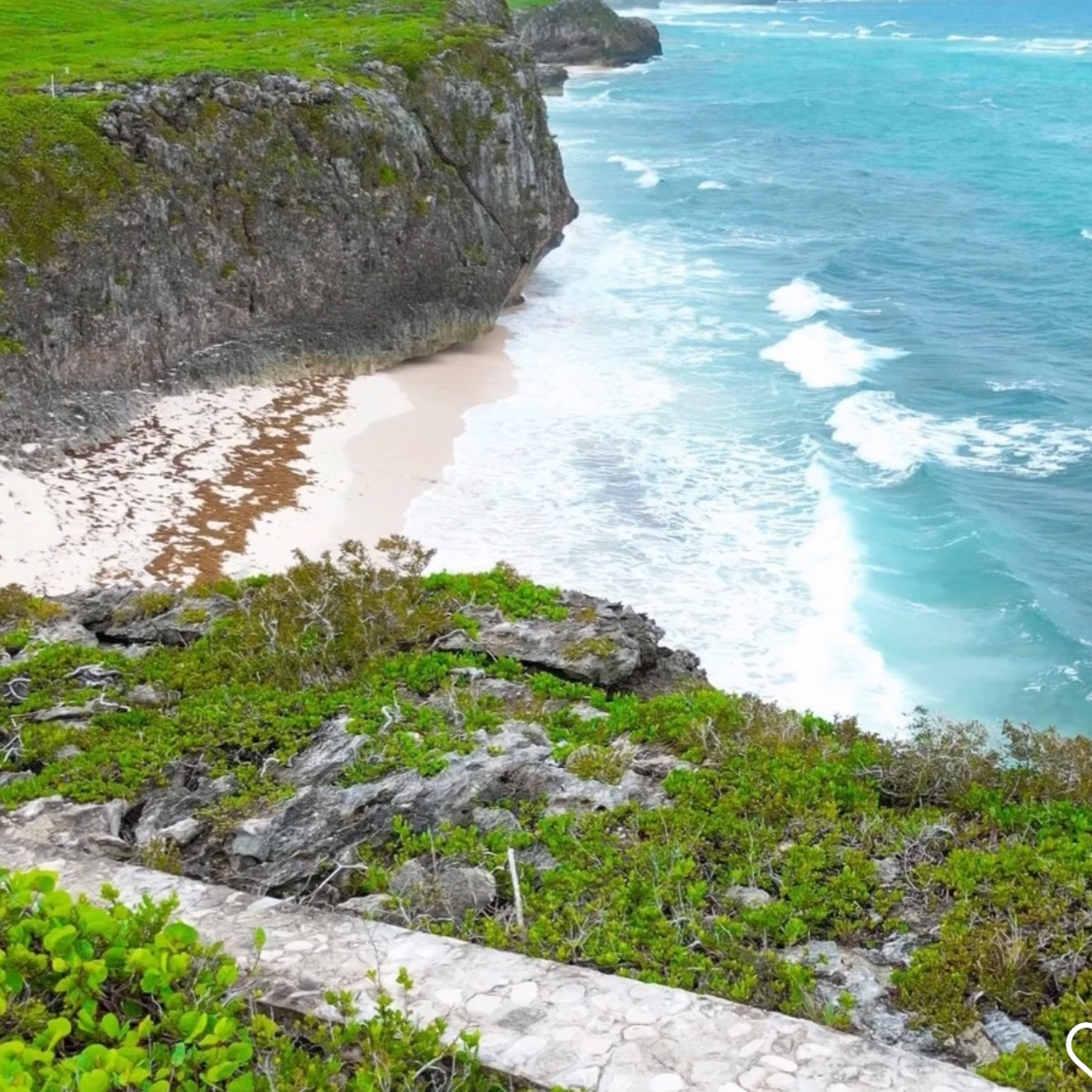
Middle Caicos Dragon Cay Resort
Experience Turks and Caicos is the official destination marketing and management organisation (DMMO) for the Turks and Caicos Islands. The organisation is committed to positioning the destination as a premier, sustainable luxury tourism hub. By leveraging smart tools, data-driven strategies, and stakeholder collaboration, Experience Turks and Caicos focuses on enhancing the visitor experience and fostering long-term industry success.
About the Turks and Caicos Islands
The Turks and Caicos Islands consist of two island groups in the Lucayan Archipelago—the larger Caicos Islands and the smaller Turks Islands. Home to some of the world’s most pristine beaches, including the award-winning Grace Bay Beach, the destination is renowned for its crystal-clear turquoise waters, luxury accommodations, and rich cultural heritage. Each island and cay offer a unique experience:
- Providenciales boasts world-class resorts, fine dining, and high-end tourism offerings.
- Grand Turk serves as the vibrant hub for cruise tourism and historical exploration.
- The sister islands provide a gateway to nature, adventure, and authentic local culture.
Recognised as the world’s best-kept secret, the Turks and Caicos Islands offer effortless luxury, with seamless connectivity via direct flights from major cities in the United States, Canada, and the United Kingdom.
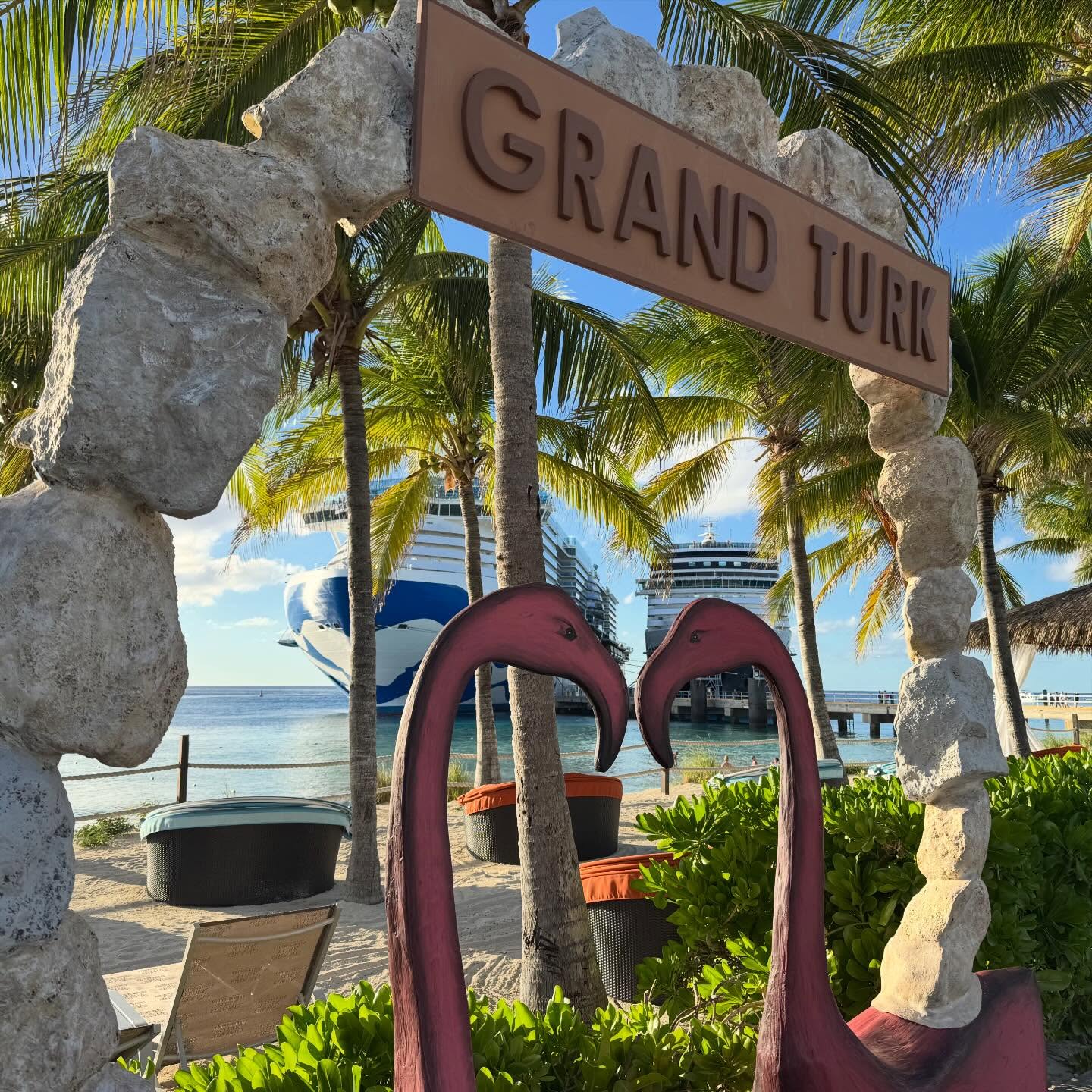
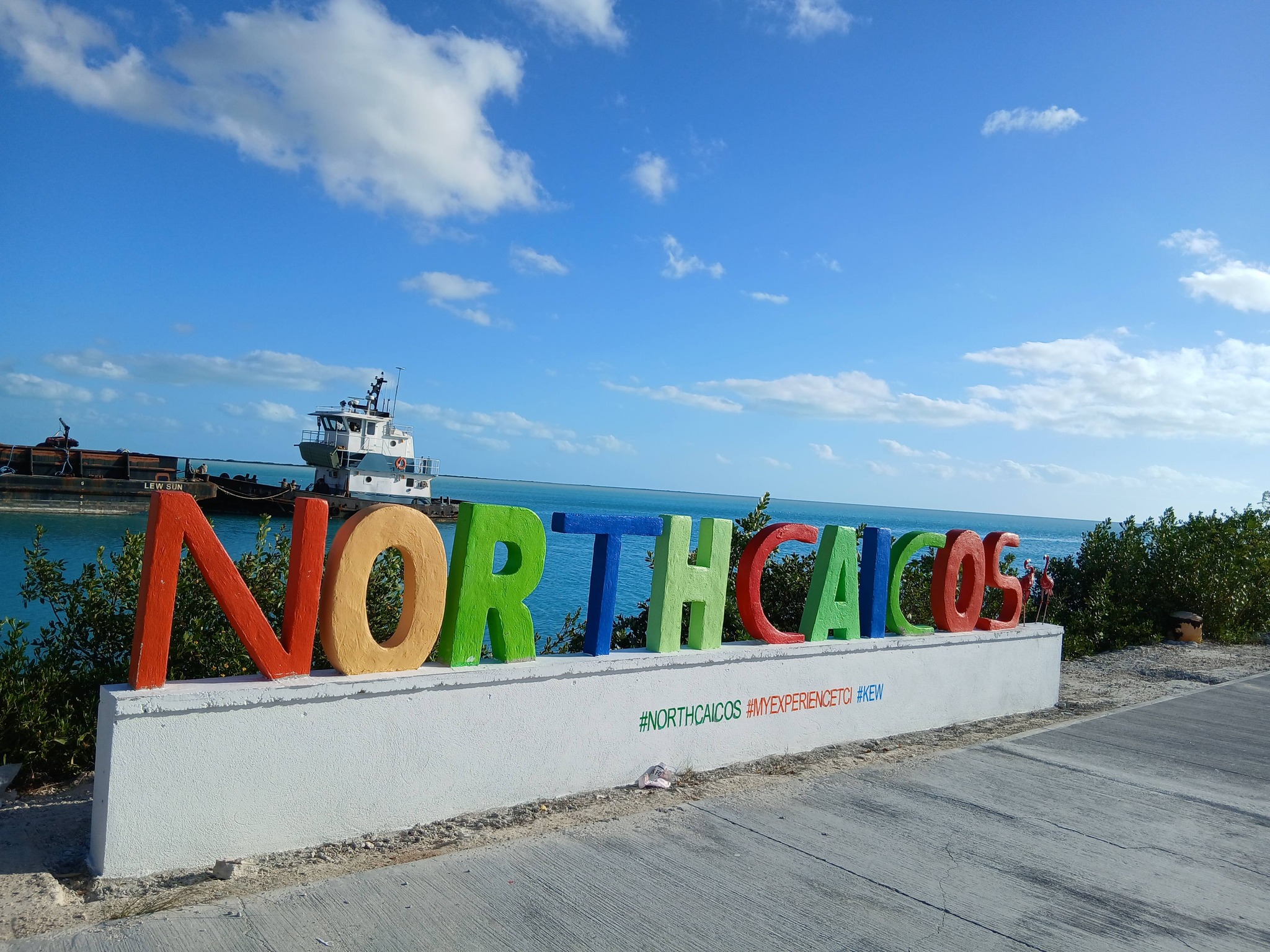

Photo Captions:
Grand Turk – slow travel with us
North Caicos – Correy Forbes
South Caicos Sail Rock
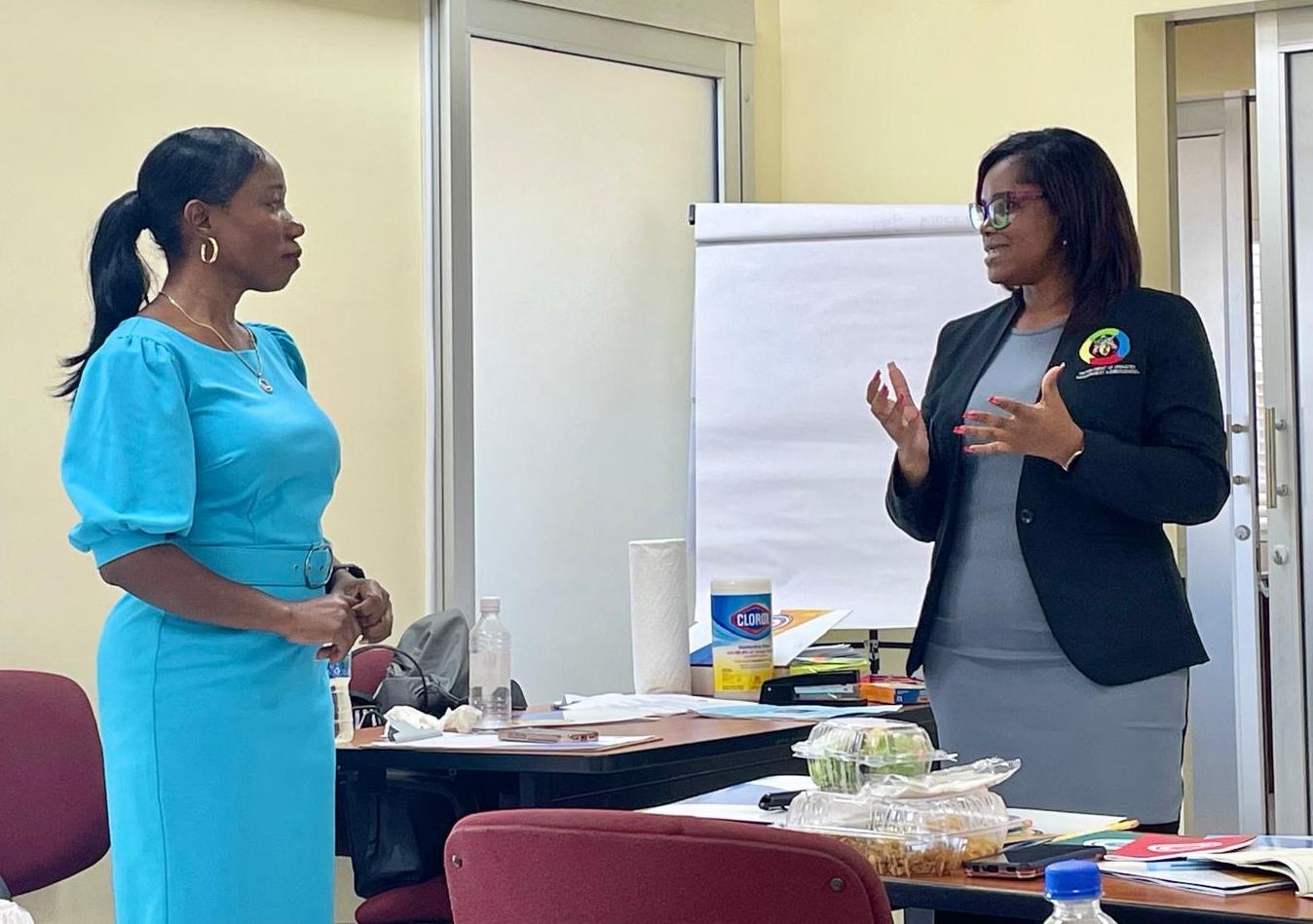
Providenciales, Turks and Caicos Islands – Wednesday, 25 February 2026: Staff of the Department of Disaster Management and Emergencies (DDME) participated in a one‑day Professional Staff Development Workshop on Thursday, 19th February 2026. The session was facilitated by former DDME Director (2011–2021) and current Permanent Secretary of the Governor’s Office, Dr. Virginia Clerveaux.
The in-house workshop was organised by the DDME Training Unit, to focus on the National Disaster Management Framework, strengthening staff understanding of their roles and responsibilities within disaster management. The session also aimed to enhance the effectiveness of the National Emergency Operations Centre (NEOC) and reinforce inter‑agency coordination.
Drawing on her extensive experience in disaster management in the Turks and Caicos Islands, as well as several deployments to CDEMA member states including Haiti, The Bahamas, and Jamaica, Dr. Clerveaux provided practical insights that reinforced key concepts and clarified operational expectations. Staff members actively participated in discussions and shared recommendations to improve sub‑committee performance and overall departmental efficiency.
To support learning retention, the workshop incorporated pre‑ and post‑assessments, enabling participants to evaluate their understanding and track improvements.
Acting Director of DDME, Mr. Kevaun Lucas stated: “Investing in the continued development of our team is essential to strengthening national resilience. This and future planned workshops will help to reinforce our commitment to building a highly skilled, well‑coordinated workforce capable of leading and supporting disaster management efforts across the Turks and Caicos Islands. I am proud of the team’s engagement and encouraged by the meaningful contributions they made throughout the session.”
This Professional Staff Development Workshop forms part of DDME’s ongoing commitment to enhancing internal capacity, strengthening operational coordination and improving overall departmental synergy as the agency continues to advance national preparedness and response capabilities.
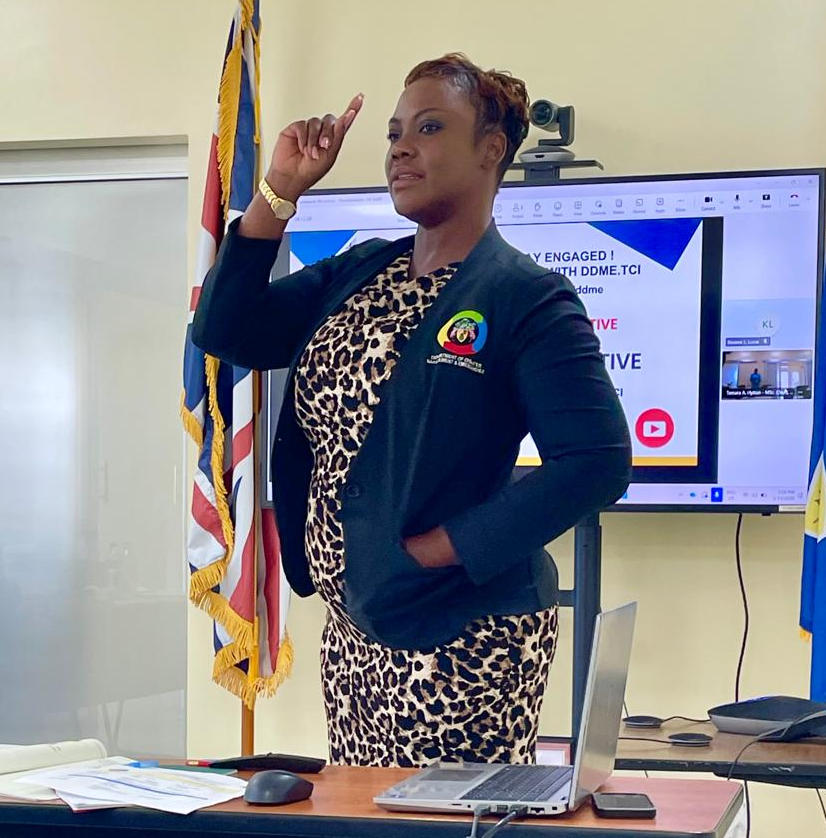
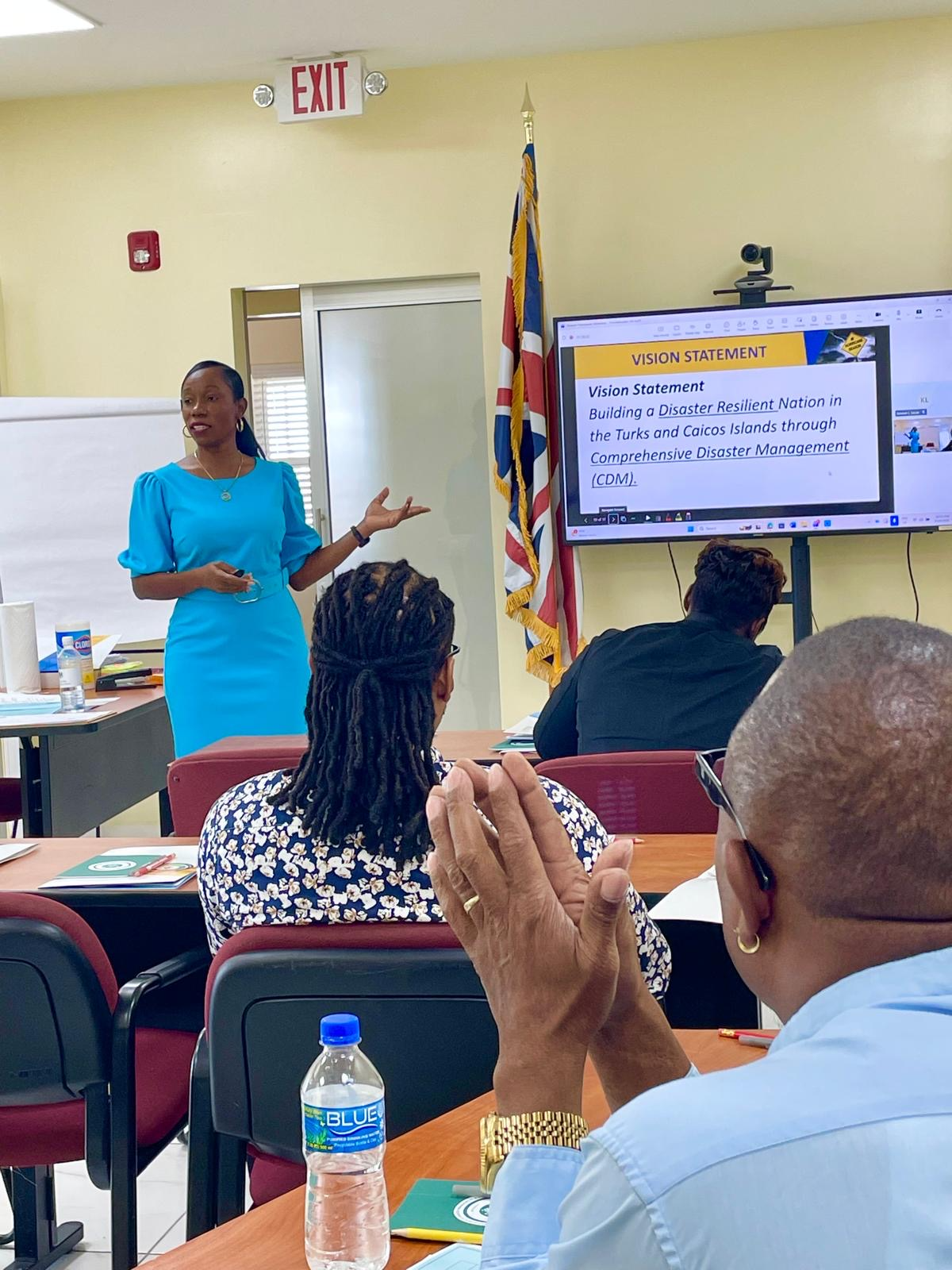
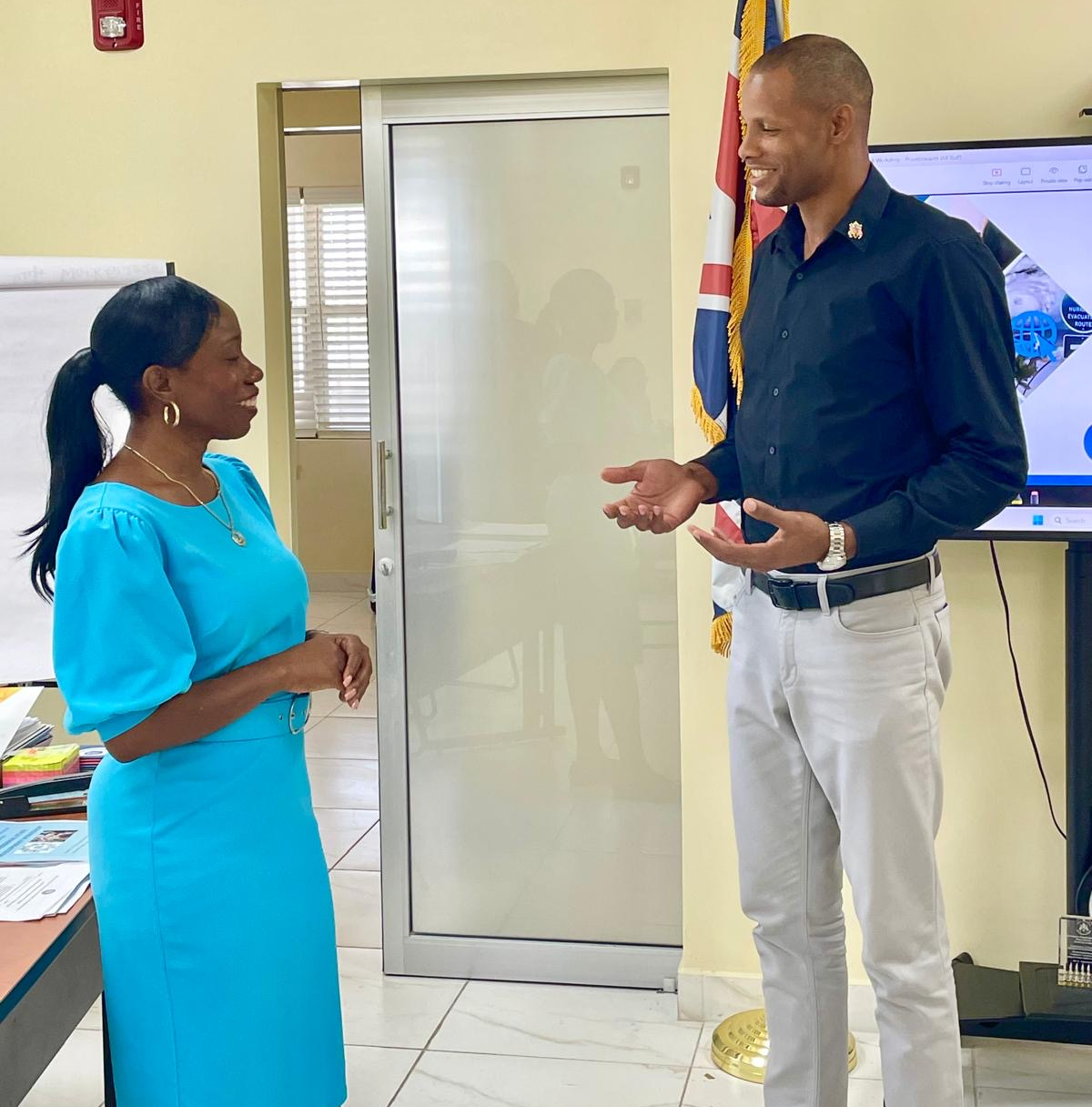
Photo Captions:
Caribbean News
Liberty Caribbean Supports Regional Forum on AI, Cyber Resilience and Digital Inclusion

Port of Spain, TRINIDAD & TOBAGO (February 24, 2026) — Liberty Caribbean, the operators of Flow, Liberty Business and BTC, recently served as Gold-Level Partner of the two-day Trinidad and Tobago Internet Governance Forum (TTIGF), themed “The Innovation Paradox – Balancing Progress with Responsibility and Resilience”.
The Digital Divide is of particular interest to Liberty Caribbean and is being addressed through its Charitable Foundation across the region. Low broadband penetration in the Caribbean contributes to diminished opportunities for individuals, communities, and local economies, but with the support of funding partners, this gap can be addressed through a comprehensive programme – JUMP – that focuses on providing access, devices, and digital skills.
“Liberty Caribbean was proud to serve as Gold-Level Partner of the TTIGF because the conversations taking place here shape key digital policies for multiple stakeholders,” said Simone Martin-Sulgan, Vice President and General Manager, Flow Trinidad.
“As technology accelerates at an unprecedented pace, we must ensure that innovation strengthens our societies rather than fragments them. The theme, ‘The Innovation Paradox – Balancing Progress with Responsibility and Resilience,’ speaks directly to the work we do every day: building networks that are not only fast and reliable, but secure, inclusive and future-ready.”
Across the Caribbean, the digital divide remains one of the most pressing barriers to equitable growth. Low broadband penetration limits access to education, entrepreneurship and essential services, and that is why we are deeply committed to closing this gap.
Through the Liberty Caribbean Charitable Foundation and initiatives like the JUMP Programme, the company is expanding access to technology, affordable connectivity and digital skills training so that individuals and communities are empowered to participate fully in the digital economy.
Martin-Sulgan further stated “at Liberty Caribbean, we believe progress and responsibility must move in lock step. By investing in resilient networks, inclusive programmes and trusted partnerships, we are helping to build a Caribbean that is innovative, secure and prepared for the opportunities ahead.”
Topics covered during the Forum, with over 140 participants, included “Securing Critical Infrastructure”, Integrating AI into Digital Transformation”, “The Digital Divide”, The Human Cost of Innovation – Mental Health and Well-being in the Digital Age’, and AI, Cyber Resilience and Regional Innovation”.
Focused on the underlying mandate of the Conference theme thought leaders, innovators, policymakers, technologists, researchers, and community stakeholders were invited to explore how countries can evolve boldly without compromising values or long-term stability.
Photo Caption:
TTIGF – l-r Darren Campo, Regulatory & Compliance Officer; Yolande Agard-Simmons, Senior Manager Communications; and Kevon Swift, Senior Manager Government and Regulatory Affairs of Flow Trinidad in attendance at the Post Event Mixer at Caribbean Telecommunications Union’s Head Office in St Clair, Port of Spain





-

 News4 days ago
DDME Staff Strengthen Disaster Management Capacity Through Professional Development Workshop
-
 News1 week ago
Multi-Agency Enforcement Action Conducted in Five Cays
-

 Caribbean News5 days ago
Liberty Caribbean Supports Regional Forum on AI, Cyber Resilience and Digital Inclusion
-
 News4 days ago
The Turks and Caicos Islands Set Positive Start to 2026 with Increase in January Stayover Arrivals