
Government
Four Years of Governor Nigel Dakin, Highlights of the Tenure


By Dana Malcolm with Deandrea Hamilton
Editorial Staff
#TurksandCaicos, March 31, 2023 – Former Governor Nigel Dakin bid the Turks and Caicos goodbye on Wednesday March 29th in a service at St Monica’s Anglican Church. The ceremony, lavished with the befitting pomp and pageantry of a British send off, saw parts of Leeward Highway closed for a few hours to accommodate a Royal Turks and Caicos Islands Police Force march pass and salutes to the outgoing and incoming governor.
The Governor is the equivalent of the British Monarch within the territory; a very prestigious post and the transition is always adorned with ceremonial fanfare which attracts residents from all walks of life, including government dignitaries.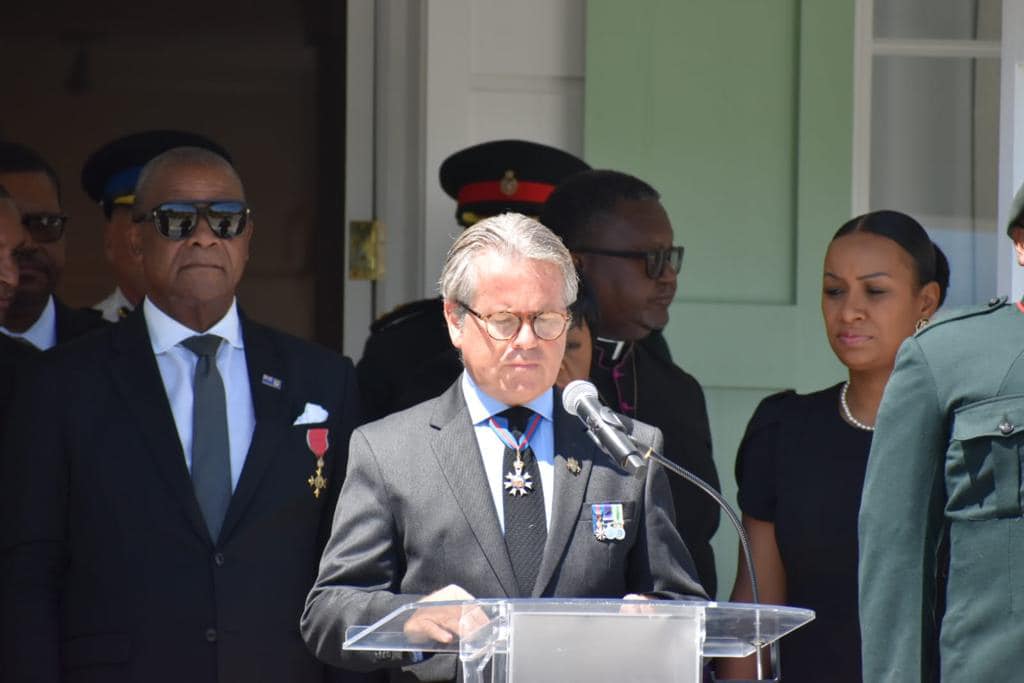
Nigel Dakin and his wife Mandy, waved a final good-bye to the Turks and Caicos Islands after a noteworthy four-year tenure, which leaves the country with significant, beneficial changes.
Dakin arrived in the country in July 2019 to stand partner with the then Sharlene Robinson led PDM Administration. Robinson was the first woman to serve at Premier and when Dakin arrived, the Turks and Caicos was still restoring public infrastructure damaged in Hurricane’s Irma and Maria and fighting an unrelenting crime wave.
Mere months after his arrival, there would come the once in a lifetime event, the tragic Coronavirus Pandemic.
Dakin, alongside the elected government and the residents of the islands would have to contend with unprecedented lockdowns and the most brazenly violent season in Turks and Caicos history.
The Governor was sworn in in the presence of his family and welcomed by Premier Robinson and her team on July 15, 2019; three months after being announced as the successor to Dr. John Freeman.
History records Nigel Dakin as the 15th Governor of the Turks and Caicos Islands.
By February 2020, any honeymoon – real or imagined – was over. Globally, governments had to do what none had ever done before, there was no blueprint and no playbook to follow. It took quick thinking, guts and extreme consultations to galvanize against the deadly and debilitating Covid-19 virus which had now devastated the people of the planet; deaths and illness were in the millions, an unprecedented predicament precipitated by a previously unheard of virus.
Dakin is credited with his role in getting vaccines to The Turks and Caicos by early 2021 (much more quickly than most other Caribbean nations) via lobbying in the UK. The British had determined its overseas territories cumulatively numbering around a quarter of a million citizens would be shared in; Great Britain was the first country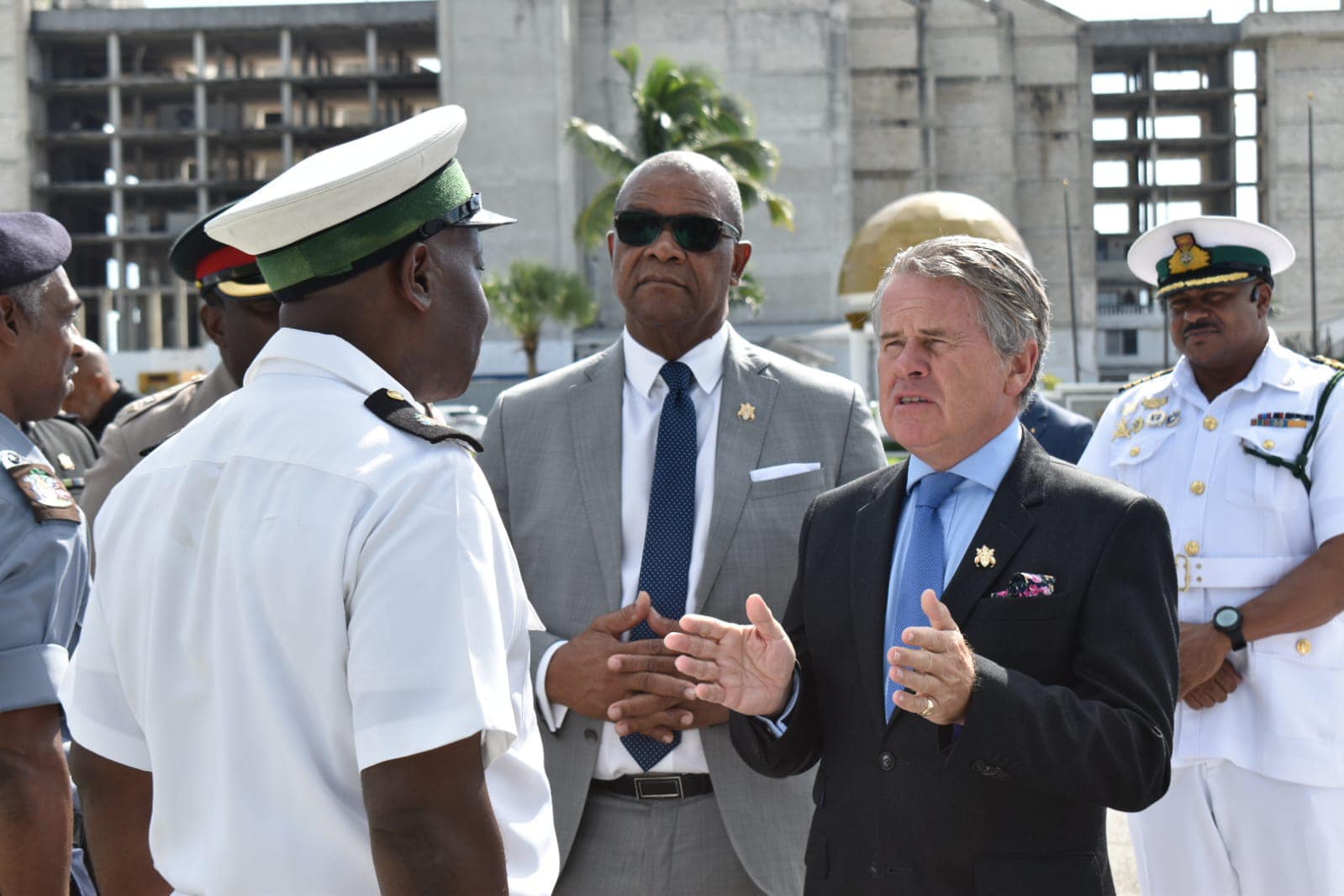 to consent to authorized use of the vaccines as a desperate life-saving measure.
In this harrowing season, Turks and Caicos saw both hospitals outfitted with oxygen generators and the establishment of the National Public Health Laboratory; permitting COVID testing to take place on home soil.
Also transformed with the help of Dakin’s influence, The Department of Corrections, formerly known as HMP; located in Grand Turk. Unruly inmates were re-situated to other countries in order to restore and maintain calm at HMP which suffered frightening unrest, forcing Police to commandeer the facility and over time discouraging many who had signed on to lead at the institution. Reports of assault on guards, prisoners and superintendents were frequent.
In a project supported by his wife, Amanda Dakin, the Governor partnered with the Government and TCI citizens for projects, like the prison farm and uniquely, the inmates’ work in textiles which debuted at London Fashion Week in 2022. The group helped to create original handbags and the like with a local designer.
Amanda Dakin, in a feat of what can only be described as absolute brute strength, became the first woman to circumnavigate the Turks and Caicos on sole manpower, as she headlined the footsteps4good charity event two years in a row; 2021 and 2022. The money raised, surged and was donated wholly to charity organizations across the country.
Recognizing the illegal migration crises and well-versed in matters of national security as a former marine himself, Dakin began to fast track many security plans that had been dormant prior to his arrival. That included the creation of the country’s first military arm in 2022, the Turks and Caicos Islands Regiment. Starting with a handful of soldiers and volunteers, today the Regiment is nearly 50 strong.
In addition to the Regiment and the historic training of islanders to staff and help lead the troupe, Dakin helped engineer a 2021 Border Security agreement with the US and The Bahamas as an aside to the Operation Bahamas Turks and Caicos (OPBAT) plan which galvanized the long talked about Ship Rider Agreement, and simultaneously a comprehensive plan based on intelligence sharing between the three countries.
The radar unit was incorporated into the Marine Police and Immigration Minister capabilities expanded significantly to lay the groundwork for a National Coast Guard.
In 2022, murders increased exponentially and Dakin, who as the Governor, heads National Security faced calls from former politicians and current ones to step down. He refused unequivocally and along with Premier Washington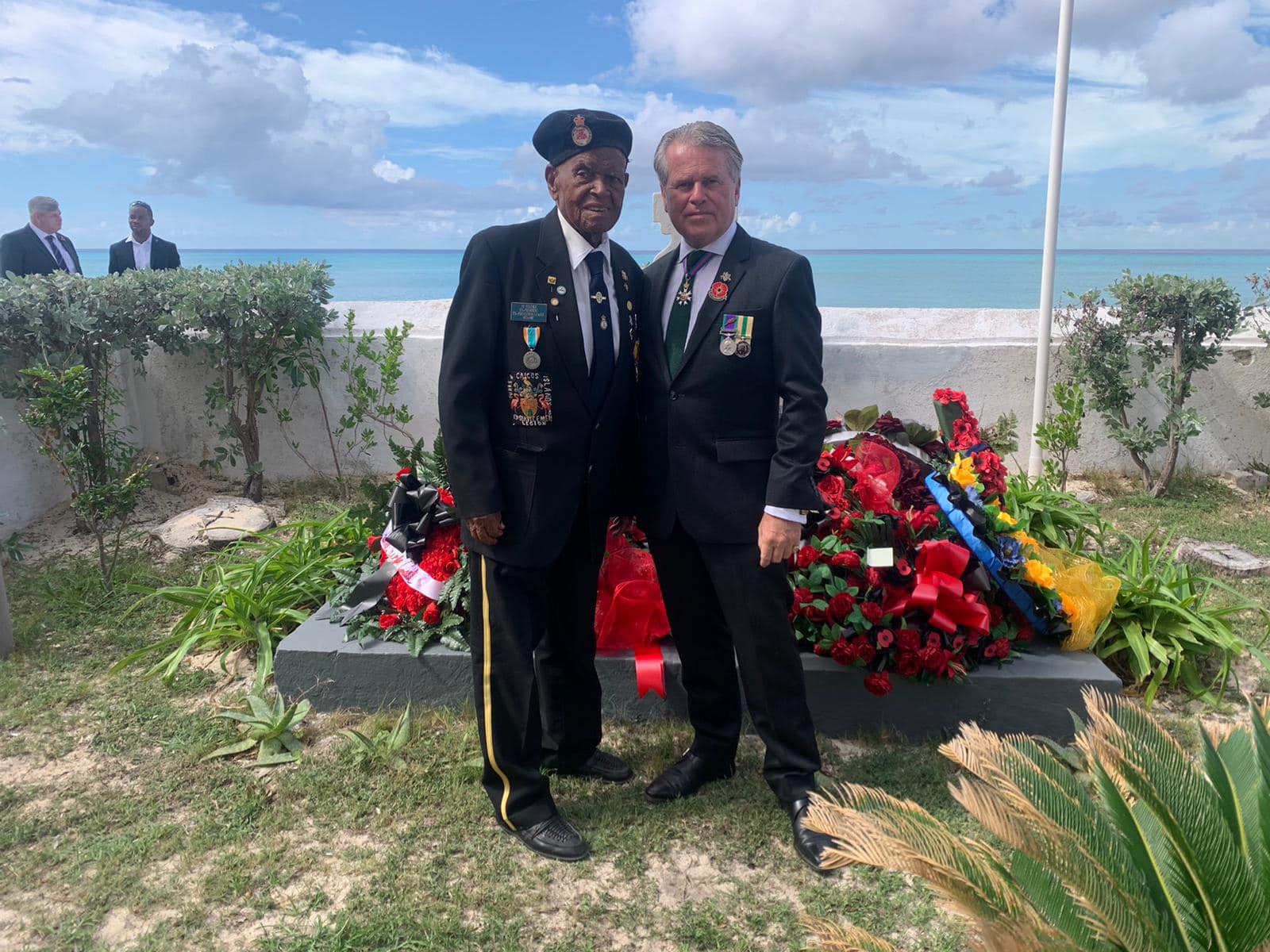 Misick, called in backup from The Bahamas, Jamaica, US, and UK to crush the violence that tore at the country, with mixed success.
There are some islanders who criticize the Governor’s perceived close working relationship with both the elected governments and his stance on legal migration which he openly believes should be a fair and open process.
Dakin has never been one to turn tail at the sound of his detractors and has proved to be very engaged with the local community speaking with those who disagree with his methods and those who support him alike.
Premier Washington Misick, Former Premier Sharlene Robinson, Deputy Governor Anya Williams all had only glowing thanks for the Governor.
What is less debatable, is the Turks and Caicos is now in a stronger position in terms of security, with the establishment of a National Security office, staffed with local professionals and the establishment of the TCI Regiment, all coming during the tenure of Nigel Dakin.
Dakin steered talk to action, for true tangibles of which these islands can be proud.


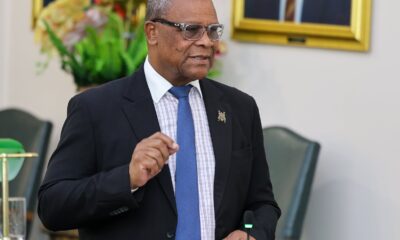

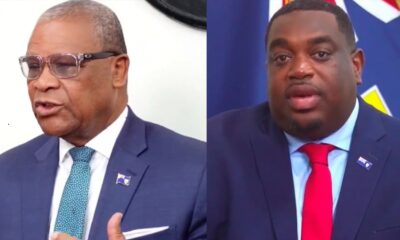

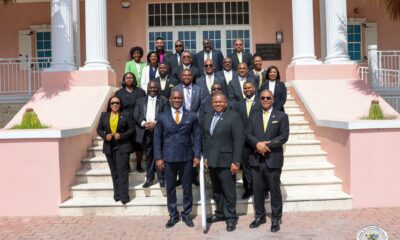

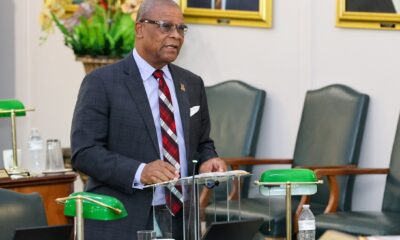

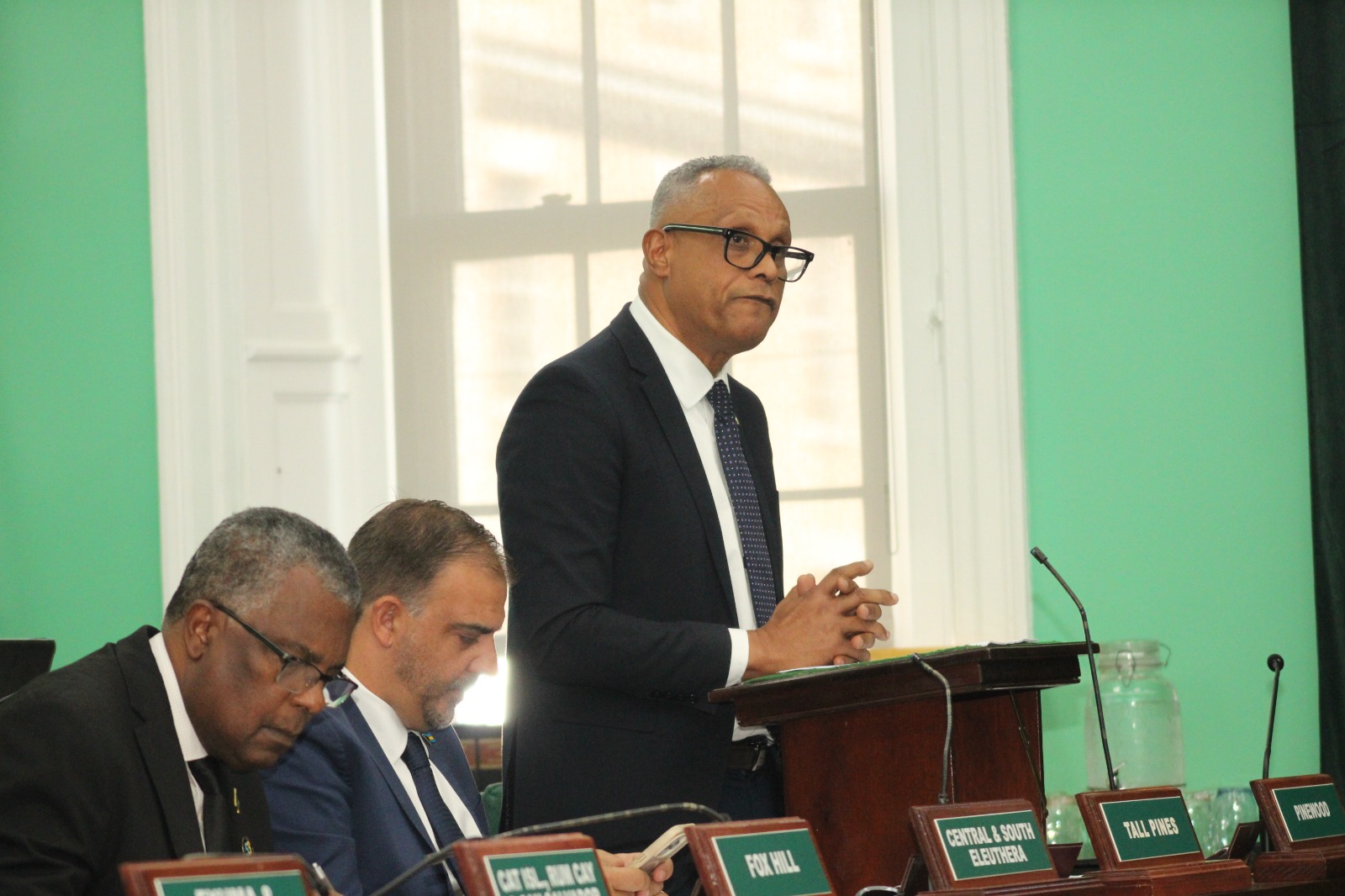
NASSAU, The Bahamas — The Government is moving to protect the rights, privacy, independence, and dignity of older persons throughout the Commonwealth of The Bahamas.
The Hon. Dr. Michael Darville, Minister of Health and Wellness tabled The Older Persons Rights, Protections, Care and Support Bill (2026), in the House of Assembly on Wednesday, September 16, 2026.
“This is legislation whose time has come. It is rooted in a very simple thought that growing older must never mean becoming less valued, less visible, less protected or less entitled to dignity.
“Ageing is not somebody else’s issue. It is one of the few public policy matters that, if we are blessed with longevity, will eventually touch every one of us,” Dr. Darville said.
He noted that The Bahamas, like the world, is experiencing a clear demographic shift. According to the 2022 Census, the number of persons aged 65 years and older rose by 28.2 percent since 2010.
In The Government’s Blueprint for Progress, it made a commitment to strengthening protections for older persons. And, this Bill gives practical expression to that commitment. But there is also a wider context.
Furthermore, in 2025, the United Nations Human Rights Council established an Intergovernmental Working Group charged with developing a legally binding international instrument on the human rights of older persons. Its first substantive negotiating session was held in Geneva in July of this year.
In this vein, Dr. Darville said that The Bahamas brings this Bill at an important moment.
“While the international community is negotiating what a future global legal instrument should contain, The Bahamas is moving now with legislation that goes beyond a declaration of principles,” he said.
“This Bill recognizes older persons as rights-holders. But it also recognizes that rights written on paper mean little if there is no machinery to make them real.”
Provisions under the Bill establish in law the rights of older persons, including dignity, equality, privacy, autonomy, participation, financial self-management and access to healthcare and public services.
Secondly, it confronts abuse and abandonment, physical abuse, sexual abuse, psychological and emotional abuse, neglect and abandonment.
“These are expressly prohibited. For far too long older persons have been abandoned at hospitals with no recourse. This ends today,” Dr. Darville stated.
The Bill also permits anonymous reporting of suspected abuse and protects persons who make reports in good faith. Certain healthcare, social service, law enforcement and other professionals will have a statutory duty to report where
they reasonably suspect that an older person requires care and protection.
And thirdly, this Bill confronts an abuse that can sometimes remain hidden behind family relationships — financial exploitation, Dr. Darville said.
He added, “Taking an older person’s pension. Misusing their bankcard. Coercing them to transfer property. Manipulating a will. Using their National Insurance benefit for purposes other than their welfare. Preventing them from accessing their own money. These matters are specifically addressed in this legislation, with financial exploitation attracting serious penalties.”
The Bill is about support, by providing for the development of a National Older Persons Policy within 12 months, with priority given to a National Dementia Strategy.
“It promotes community nursing, home-based care and older persons’ day-care services, because where it is safe and appropriate, we should help our older persons remain independent, connected to their communities and supported in familiar surroundings,” Dr. Darville said.
The Bill further recognizes the tremendous responsibility carried by caregivers and provides for caregiver training and support, among other things. “It incorporates the needs of older persons into disaster preparedness, response, relief and recovery. And importantly, it rejects the idea that retirement means irrelevance,” Dr. Darville said.
By Lindsay Thompson
Bahamas Information Services
(BIS Photo/Ulric Woodside)
By Magnetic Media Newsroom
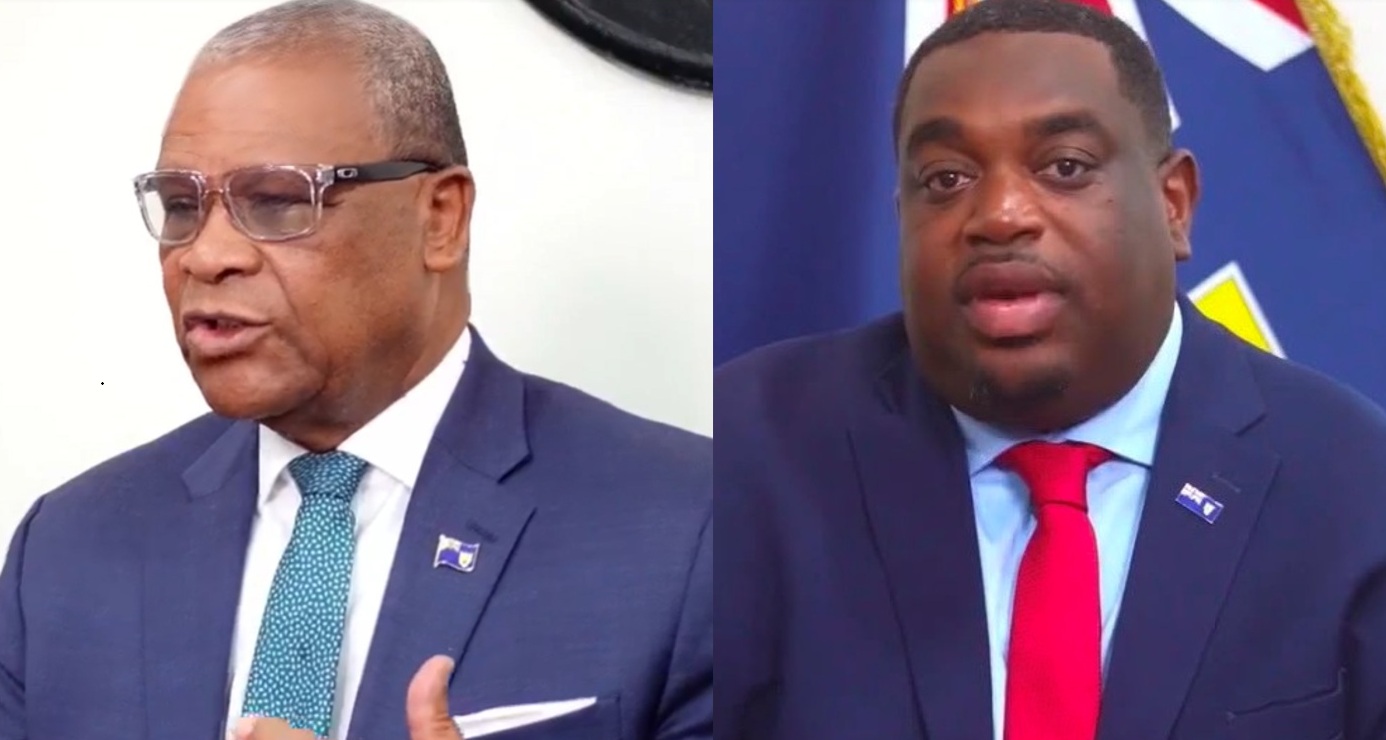
PROVIDENCIALES, Turks and Caicos Islands — The Turks and Caicos Islands Government says the breakdown of its relationship with InterHealth Canada presents an opportunity to reshape healthcare delivery, with plans to expand local medical services, strengthen primary care and reduce dependence on overseas treatment.
During a national briefing following InterHealth Canada’s notice terminating its hospital contract, Premier Charles Washington Misick acknowledged publicly for the first time that Government and InterHealth had been negotiating an exit from the arrangement for more than a year after what he described as an “irretrievably broken down” relationship.
Despite the contractual dispute, Misick and Health Minister Kyle Knowles stressed that healthcare services will continue uninterrupted during the transition.
“Allow us to do our job,” Knowles appealed, assuring residents that Government is actively managing the transition and safeguarding patient care.
The Premier outlined what amounts to a broader healthcare transformation built around four connected levels of care: strengthened community-based primary healthcare; expanded polyclinic services; enhanced hospital-based secondary care with greater specialist capacity; and overseas tertiary treatment only for cases that cannot be managed locally.
Among the proposals are the long-discussed establishment of intensive care units, expanded use of currently unfinished hospital space, recruitment of more resident specialist physicians and stronger contract management to oversee future healthcare agreements.
Knowles said the new polyclinic model will broaden services available outside the hospitals, including dentistry, ophthalmology, laboratory services, diagnostic imaging, gynaecology and preventative screening, helping to reduce pressure on emergency departments while improving early intervention.
Misick also acknowledged that while the hospital system significantly improved healthcare access after opening in 2010, Government believes further reform is necessary to improve affordability, sustainability and the range of services available within the Turks and Caicos Islands.
The briefing marked the Government’s most comprehensive explanation to date of its plans beyond the InterHealth contract, signalling that officials now see the transition as an opportunity to redesign healthcare delivery rather than simply replace one operator with another.
Government
Parnell Urges Premier to Step Aside, Proposes Bipartisan Board to Guide Healthcare Transition
By Magnetic Media Newsroom
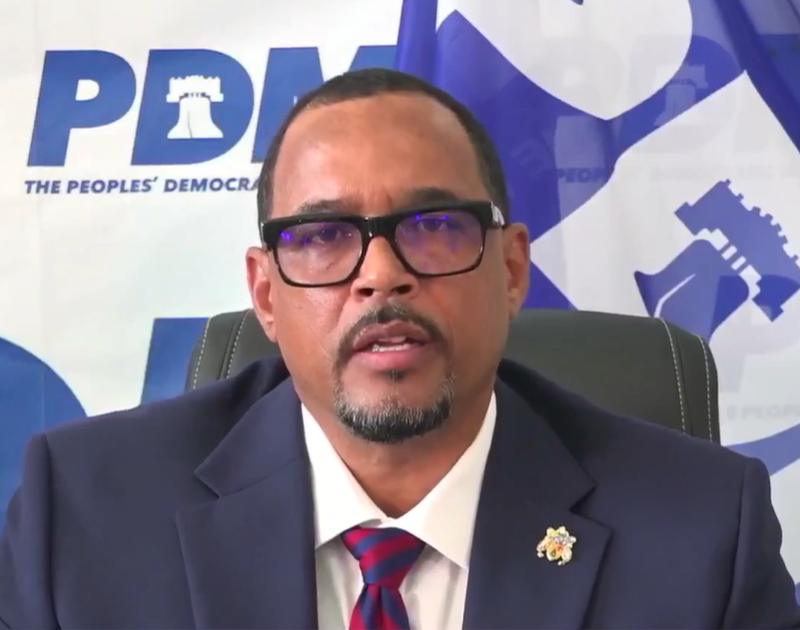
PROVIDENCIALES, Turks and Caicos Islands — Opposition Leader Douglas Parnell is calling on Premier Charles Washington Misick to step aside, arguing that the Government has failed to provide the leadership, transparency and public engagement needed as the Turks and Caicos Islands prepares for one of the most significant changes in its healthcare system.
Responding to Government statements following InterHealth Canada’s contract termination notice, Parnell said residents were only now learning officially that negotiations with the hospital operator had been underway for more than a year, despite several previous opportunities for Government to inform the public.
He questioned why no detailed explanation was provided during the State of the State Address, Budget Debate or recent healthcare announcements, including the opening of the new polyclinic.
Parnell argued that while the PDM supports reforming or replacing the existing hospital arrangement, the process must be transparent and centred on the public interest.
The Opposition Leader reminded residents that the PDM had challenged the InterHealth agreement while in government, pursuing arbitration and preparing further legal action over concerns about the contract before leaving office following the General Election.
To guide the next phase, Parnell proposed establishing a bipartisan Health Transition Board comprising Government and Opposition representatives to oversee the transition, monitor public accountability and manage the procurement process for any future healthcare provider.
He also outlined what the PDM believes should form the foundation of the next healthcare system, including guaranteed continuity of care, automatic employment protection for hospital workers, recruitment incentives for specialist physicians, expanded intensive care services, comprehensive mental health care, enhanced geriatric services and accelerated efforts to attract qualified Turks and Caicos Islanders in the medical profession back home.
Parnell also presented ten questions for Government covering outstanding payments, borrowing plans, legal implications, transition arrangements and the future structure of healthcare delivery.
He said the changes now unfolding require decisive leadership, openness and a carefully managed transition that places patients, healthcare workers and the long-term interests of the Turks and Caicos Islands first.





-
 Bahamas News1 week ago
The Bahamas Reaffirms Support for Ukraine at International Conference in Toronto
-

 Bahamas News1 week ago
Walk for the Cure Every Saturday This October
-

 News1 week ago
Invest Turks and Caicos Officially Opened Caya Hico Collective, Grand Turk MSME Storefront
-

 Health1 week ago
TCI Hospital Marks Breast Cancer Awareness Month 2026 with “Know. Check. Act. Support.” Campaign
-
 Health4 days ago
Cleveland Clinic First in Ohio to Perform Robotic Nipple-Sparing Mastectomy