
Health
Cleveland Clinic: WHERE DOES BREAST CANCER SPREAD?

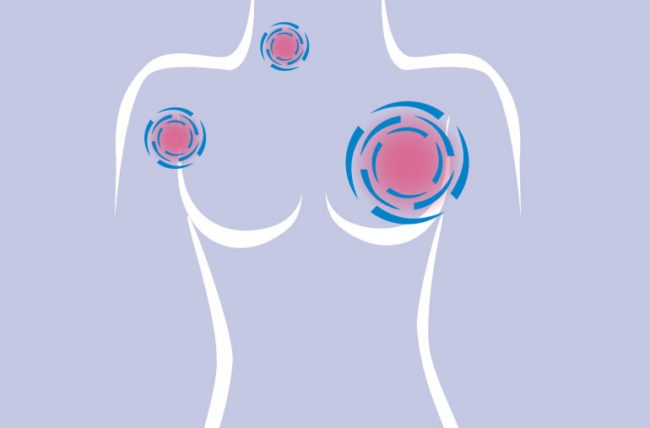
Metastatic breast cancer can spread anywhere in your body
October 18, 2022 – If your doctor has told you that your breast cancer has spread, they may have used the word “metastasis.” When someone is diagnosed with metastatic breast cancer, it means that the cancer has moved to other areas of the body beyond their breast.
But what exactly does that mean and where can breast cancer cells go? Oncologist Erin Roesch, MD, an Associate Staff Breast Medical Oncologist at Cleveland Clinic Taussig Cancer Institute, discusses where breast cancer is most likely to spread and how the type of breast cancer you have plays a role.
Unfortunately, breast cancer spreads silently, so you won’t know if it’s started spreading until you show signs or symptoms in the affected part of your body where it’s traveled.
For example, if your cancer has traveled to your lungs, you may experience consistent coughing, wheezing, shortness of breath or pain in your affected lung. If it’s spread to your bones, you may experience discomfort similar to arthritis in your hip or back. You may also experience an increase in bone fractures resulting from minor falls, or a sudden loss of appetite or weight.
If you’re experiencing symptoms of metastasis or you’re worried your breast cancer has spread to other areas of your body, you should notify your healthcare provider who can determine whether or not your cancer has spread and the most effective treatment available.
In theory, breast cancer can spread to any part of your body, but it most commonly spreads to your lymph nodes, lungs, liver, bones and, sometimes, your brain. Keep in mind, though, that even if your breast cancer spreads to other areas of your body, it’s still considered breast cancer. For example, if breast cancer spreads to your lungs, it doesn’t mean that you now have lung cancer, too.
Dr. Roesch explains how metastatic breast cancer can affect different parts of your body:
The lymph nodes under your arm are the first place breast cancer is most likely to spread. It might also travel into the tissue surrounding your breast, like in your chest, or it might travel up to your collarbone or lower neck. Breast cancer is only considered metastatic if it spreads beyond these glands and into other parts of your body. If your breast cancer has spread to this area, you might experience pain, swollen lymph nodes or a lump under your armpit.
Breast cancer that has spread to your lungs can cause shortness of breath, chest pain, a persistent cough or it might cause you to cough up blood. The cancer can also grow to fill the space between your lungs and chest wall, causing fluid to back up into your lungs.
If your cancer has spread to your liver, you might experience stomach pain, bloating, have a swollen belly or feel full, even if you haven’t recently eaten. You might also experience a loss of appetite, nausea, vomiting or jaundice, which is a yellowing of your skin.
Breast cancer that spreads to your brain can cause a variety of neurological symptoms, including headaches, vision changes, dizziness, lightheadedness and mental confusion or brain fog.
Breast cancer can spread into your bones and make them weak. You might experience bone aches, pain or tiredness. You might also be more prone to bone breaks or fractures because of cancer cells being embedded in your bones or spinal cord.
Even if your breast cancer has spread to other parts of your body, it doesn’t necessarily mean it’s not treatable. If the cancer can’t be removed, the goal of treatment is to improve symptoms, improve your quality of life and extend your survival.
“Some people live with breast cancer for several years as they learn to adjust and accept that they’ll be on treatment for an indefinite period of time,” notes Dr. Roesch. “Your cancer team will help you learn and cope with what you can expect on this journey.”
Release: Cleveland Clinic

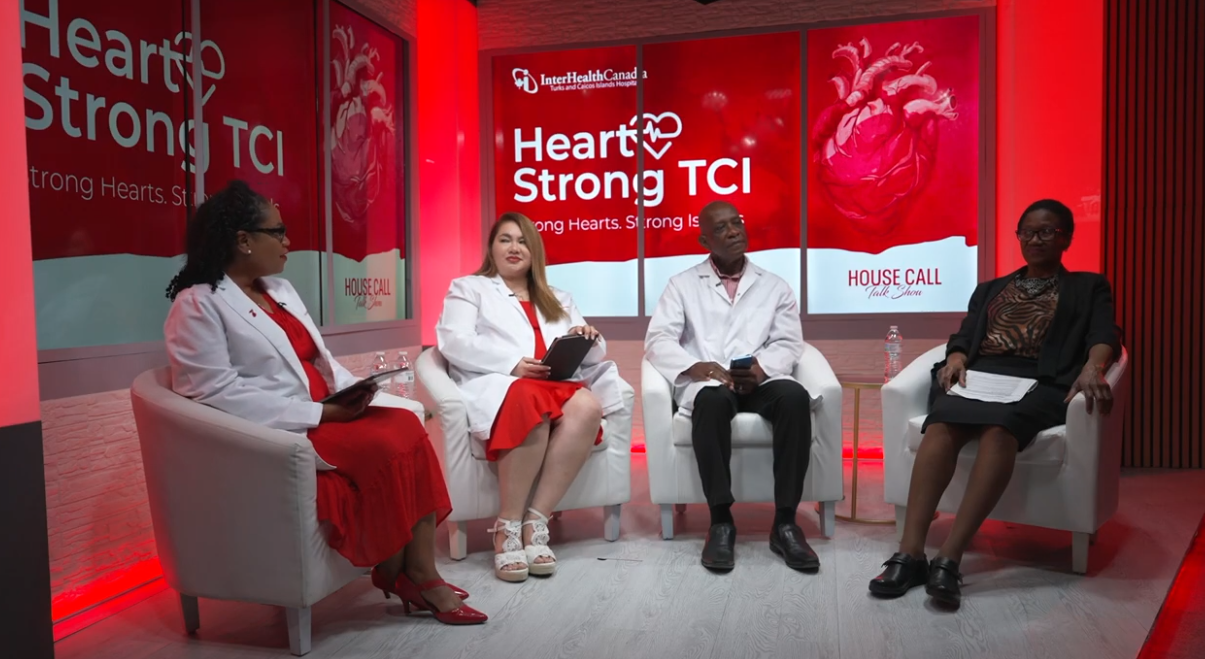
(Providenciales – Monday, March 2, 2026) TCI Hospital proudly announces the successful achievement of its Heart Strong TCI initiative, a comprehensive Heart Month campaign focused on raising awareness and strengthening cardiovascular disease prevention efforts across the Turks and Caicos Islands.
Heart disease remains the leading cause of death in the Turks and Caicos Islands, highlighting the critical need for sustained public education, risk-factor reduction, and early intervention. The Heart Strong TCI initiative was designed to actively engage the community through education, outreach, and physical activity.
Key Activities Included:
Educational Training Sessions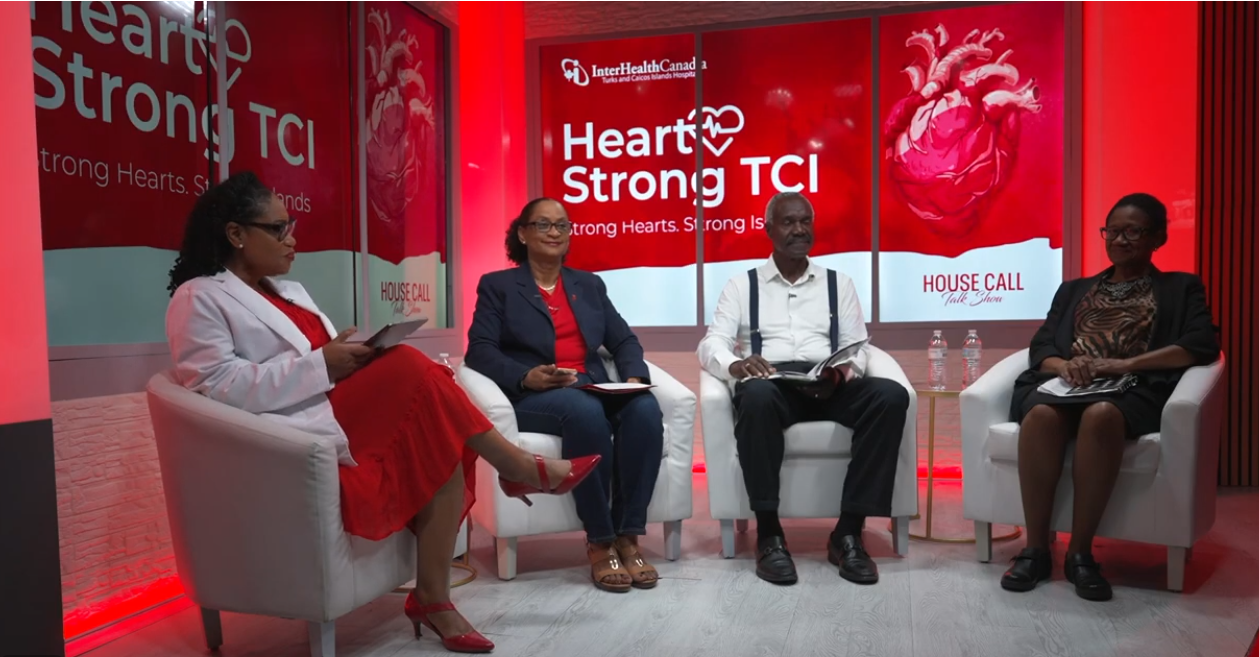
Healthcare professionals conducted structured sessions addressing hypertension, diabetes, cholesterol management, nutrition, exercise, smoking cessation, and the early warning signs of heart disease.
House Call Talk Show Feature
A dedicated Heart Month episode of the hospital’s House Call program provided expert discussion on cardiovascular risk factors and prevention strategies, empowering viewers with practical, evidence-based guidance.
Red Fridays Awareness Campaign
Throughout the month, staff wore red every Friday to increase visibility around heart disease awareness and reinforce the campaign’s message within the community.
Heart Strong 5K Walk/Run
In collaboration with the Rotary Club, TCI Hospital hosted a community-wide 5K walk/run to promote physical activity as a cornerstone of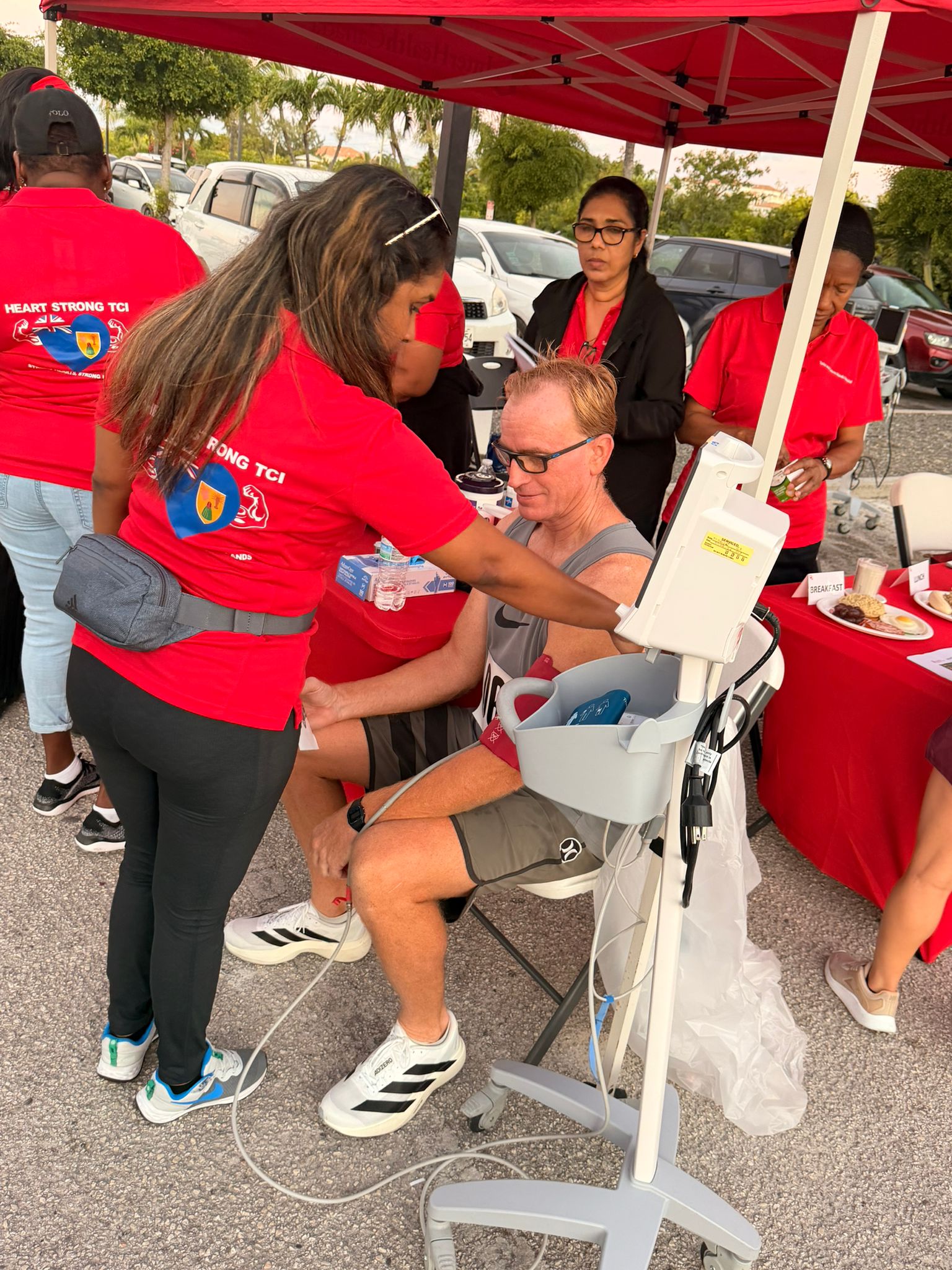 heart health. The walk/run also provided an opportunity for community screening.
Digital Health Education Campaign
To expand its reach, TCI Hospital also shared ongoing heart health education tips and prevention messages across its social media platforms, including Facebook, LinkedIn, and Instagram. These posts provided actionable guidance on diet, exercise, blood pressure control, and lifestyle modification, and encouraging community members to learn CPR.
Heart Strong TCI: A Continuous Commitment
While Heart Month has officially ended, Heart Strong TCI represents an ongoing institutional commitment to cardiovascular disease prevention and awareness. TCI Hospital will continue to prioritize:
- Community-based education initiatives
- Preventative screening and early detection programs
- Lifestyle and wellness promotion
- Strategic partnerships that advance public health outcomes
“Heart Strong TCI is not limited to a single month,” CEO, Dr. Denise Braithwaite-Tennant. “Cardiovascular disease prevention requires sustained effort. We remain committed to promoting healthy hearts across the Turks and Caicos Islands year-round.”
For more information about cardiovascular health services or upcoming screening initiatives, please contact TCI Hospital at 649-941-2800 in Providenciales, 649-941-2900 in Grand Turk or email us at info@interhealthcanada.tc
About TCI Hospital
TCI Hospital is dedicated to delivering high-quality healthcare services to the people of the Turks and Caicos Islands, with a strong emphasis on prevention, education, and community wellness.

February is National Self- Check Month and family medicine physician at Cleveland Clinic, OH, John Hanicak, MD, highlights why at home self-checks are extremely important when it comes to not just early cancer detection but identifying other illnesses too and offers tips on what to look out for.
“Sometimes I look at them as sort of like your check engine light on the car, just like there would be a red flashing light that tells you that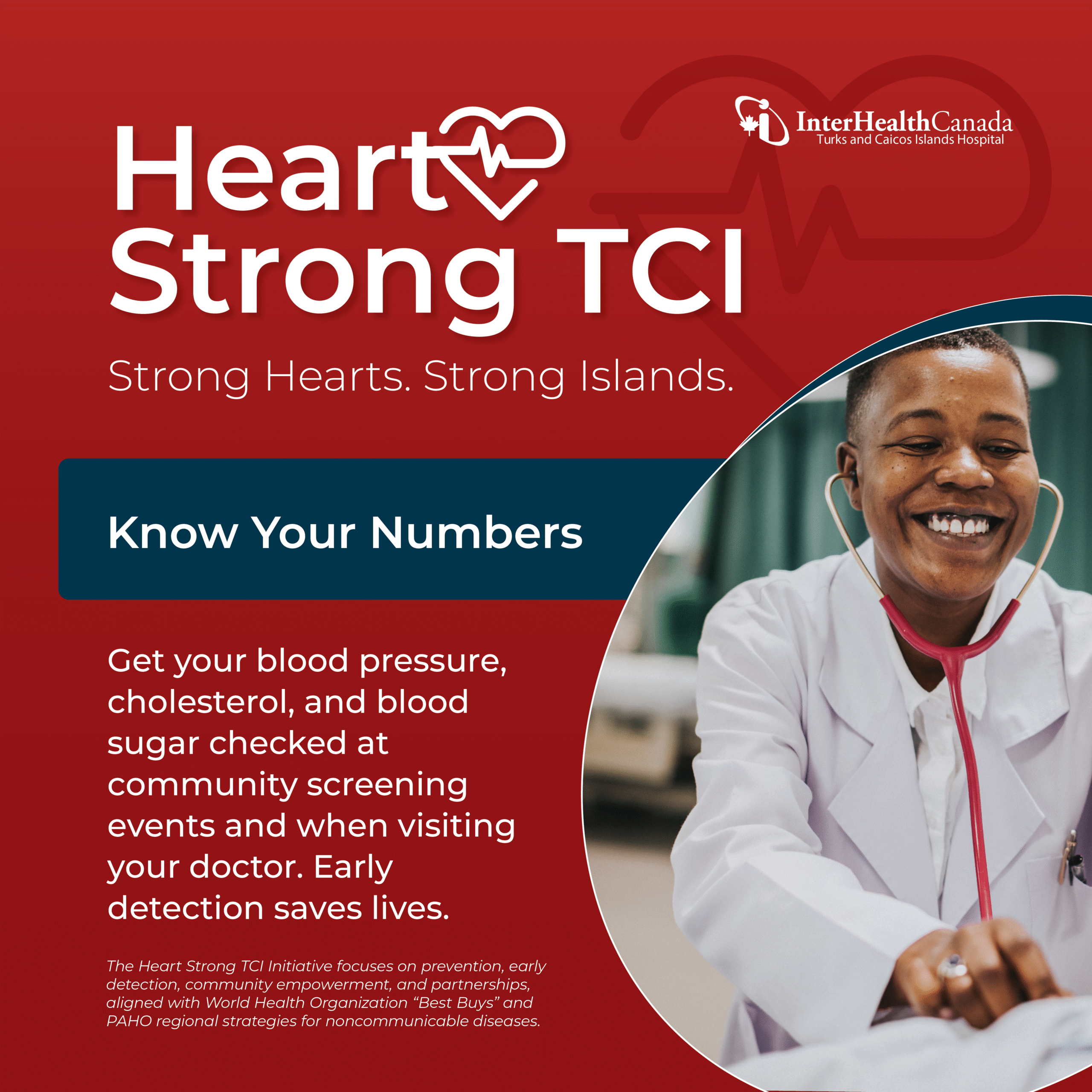 there’s something wrong with a car and prompts you to bring that in and get serviced. Your body does the same thing. It gives you warning signs to look into that symptom a little bit further,” said Hanicak.
Dr. Hanicak said self-checks are going to be a little different for everyone.
However, in general, he recommends looking for anything that may seem abnormal, such as unexplained weight loss, blood in your urine, bumps and bruises that won’t heal, and changes in bowel habits.
For example, if you suddenly start going to the bathroom a lot more than you used to, that could be a sign of something more serious.
He also suggests doing regular skin checks and documenting any moles or spots that start to look different.
“Realize that you are your own person. There’s nobody else in the world exactly like you. You’ve got your own set of ideas, your own family history and your own genetics. Know what is normal for you, and when that changes, that’s the kind of thing that we would be interested in talking about,” said Dr. Hanicak.
Dr. Hanicak notes that self-checks are not meant to replace cancer screenings, as those are just as important to keep up with.
Press Release: Cleveland Clinic

December 4, 2025 – Hollywood legend Bruce Willis – arguably the most famous former home owner in Turks and Caicos Islands – is facing the most difficult role of his life and turning it into one last act of service.
Willis, 70, retired from acting in 2022 after his family revealed he had been diagnosed with aphasia. The following year, specialists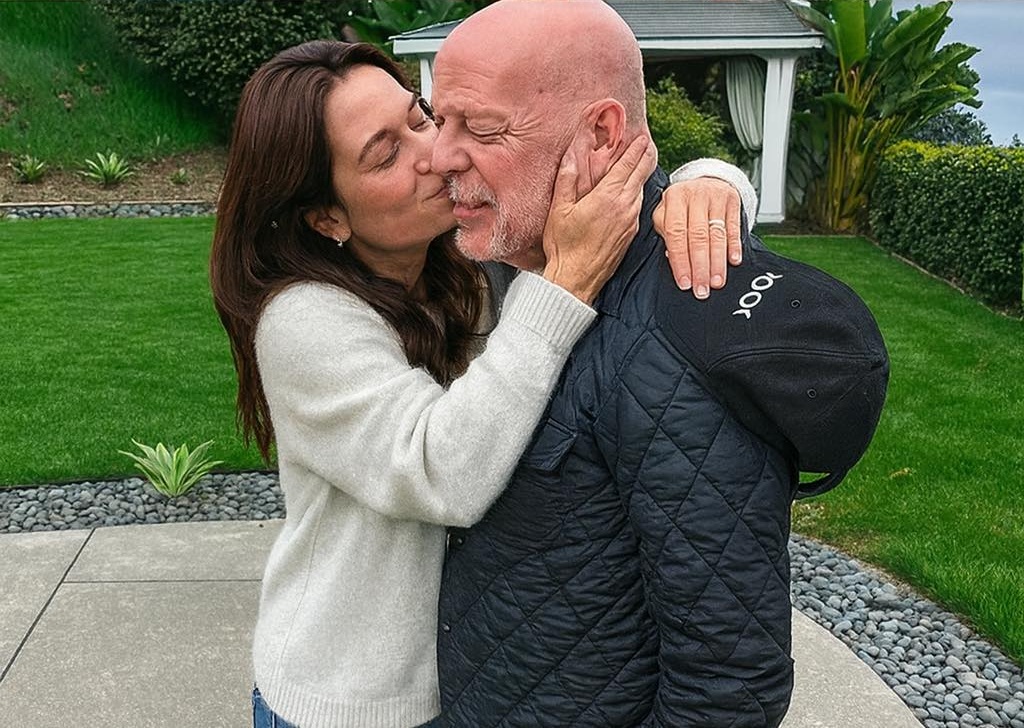 confirmed he is living with frontotemporal dementia (FTD), a degenerative brain disease that attacks language, behaviour and personality.
In recent interviews and appearances, his wife Emma Heming Willis has said Bruce is “surrounded by love and care” and that the family is learning to find joy in new ways, even as the disease progresses.
Now, Heming Willis has gone further. In her 2025 memoir The Unexpected Journey, she writes that the family has decided Bruce’s brain will be donated to science after his death to advance research into FTD. That decision has been highlighted in recent coverage by futurist and science outlets, which describe it as a carefully considered step after months of watching a still-physically-strong man steadily lose speech, reading and independence.
Neurologists have long stressed how rare donated brain tissue is for FTD, and how essential it is to understanding which proteins, mutations and mechanisms are actually driving the disease. The Willis family’s choice means the brain that powered some of cinema’s most iconic characters could one day help researchers diagnose the condition earlier and design better treatments – even if it cannot help Bruce himself.
For Turks and Caicos, the story lands close to home. For nearly two decades Willis owned “The Residence” on exclusive Parrot Cay – a 7.3-acre, Asian-inspired beachfront compound with a five-bedroom main house, two guest villas and a yoga pavilion. He and Emma listed the estate in March 2019 for US$33 million; it sold a few months later for about US$27 million, one of the biggest residential deals in TCI history.
So, while Bruce Willis no longer has a physical address in Turks and Caicos, his connection to these islands remains part of his global story – a story now shifting from blockbuster fame to medical legacy, as his family turns private heartbreak into a public contribution that could change what we know about dementia.
Developed by Deandrea Hamilton • with ChatGPT (AI) • edited by Magnetic Media.





-

 News1 week ago
The Turks and Caicos Islands Set Positive Start to 2026 with Increase in January Stayover Arrivals
-

 News1 week ago
New Chartered Accountant Member Appointed to The Integrity Commission
-

 News1 week ago
Multi-Agency Planning Enforcement Action Conducted in Five Cays
-

 News3 days ago
Police Commissioner Honoured with Distinguished Civic Service Award at TCHTA Star Awards
-
 Health5 days ago
TCI Hospital Celebrates Successful “Heart Strong TCI” Initiative During Heart Month
-

 News2 days ago
Flow TCI powers Inter-High Track and Field Championships