
News
Attorney General Outlines Government’s Legislative Agenda in the Senate

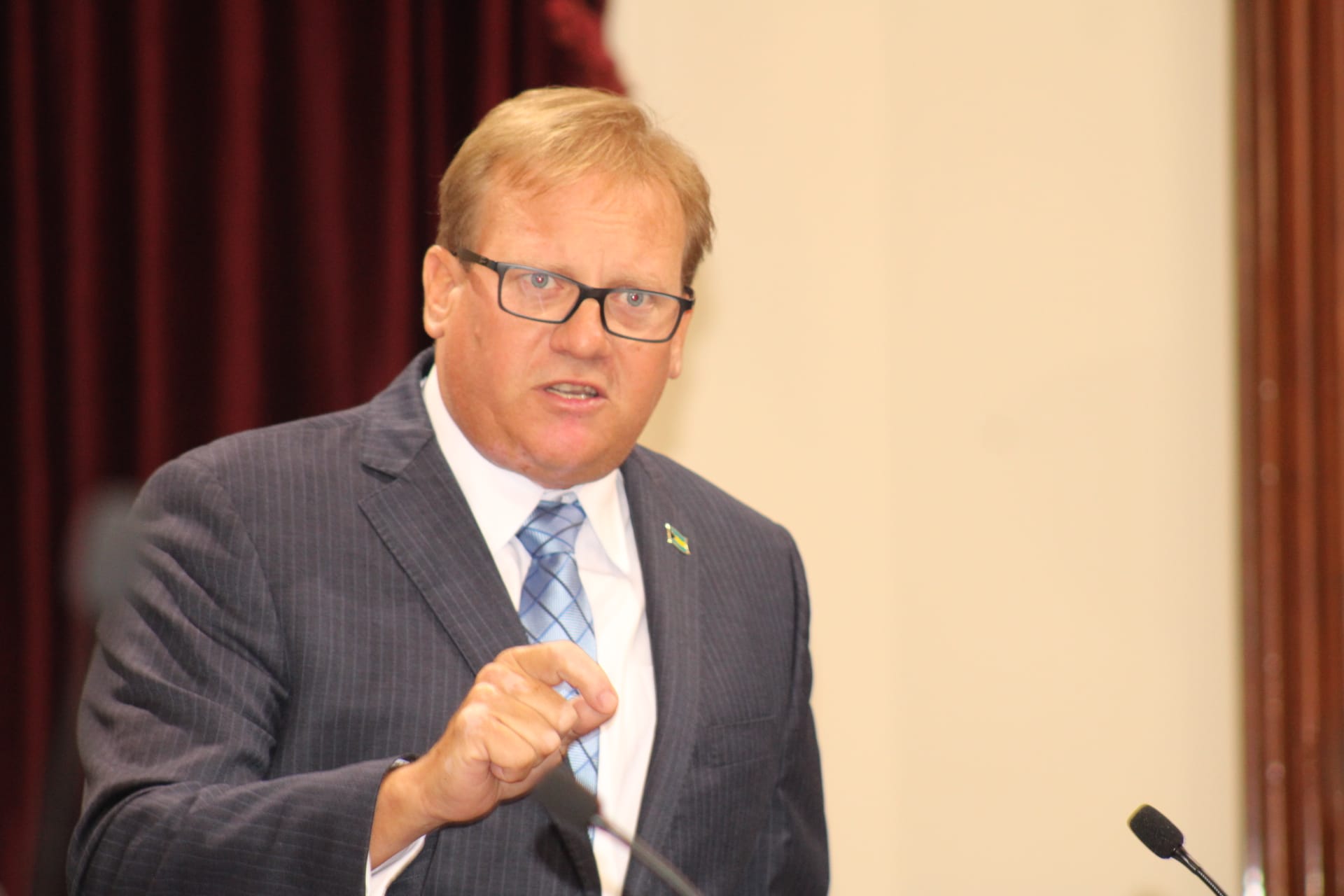
By: Betty Vedrine
Bahamas Information Services
#TheBahamas, June 23, 2022 – As part of his contribution to the 2022/2023 national Budget Debate, Attorney General and Minister of Legal Affairs, Senator, the Hon. L. Ryan Pinder outlined legislative actions by the government to meet some of its objectives.
He started off by firstly thanking the Law Reform and Revision Commission for working ‘tirelessly’ to ensure the government can proceed with its aggressive legislative agenda from day one. He then went on to highlight parts of the legislative agenda under consideration during the first half of this upcoming fiscal year.
“The ‘Evidence Amendment (2022)’ – this is fulfillment of a promise in our Blueprint for Change – to address needs of disaster victims to return to normalcy. We hope to debate, before we break for the summer, this amendment which will shorten the number of years for those that have gone missing in events of peril. This is fundamentally important to bring finality to scores of families across The Bahamas as a result of missing family members from Hurricane Dorian and allow normalcy to return to day-to-day life,” he said.
He also discussed the ‘Rehabilitation of Offenders (Amendment) Bill 2022’, which he said is ‘consistent’ with the government’s mandate.
“We will shortly table an amendment to the Rehabilitation of Offenders Act to expunge records of minor offenses due to violations of emergency orders.”
As it relates to the ‘Healthcare Suite of Legislation,’ he said that in addition to the recently tabled Nurses and Midwives Bill 2022, an amendment will be tabled shortly to the National Health Insurance Bill, and introduction of a modern and comprehensive Mental Health Bill 2022.
This, he said, would be the most comprehensive health care compendium of legislation advanced in recent memory to provide a comprehensive framework for the health care, both physical and mental health care, for Bahamians.
There is also legislation foreshadowing the introduction of a Cannabis industry in the country.
“We will advance a comprehensive suite of legislation on the regulation of Cannabis, creating a new agri-business industry in The Bahamas. This legislation is internationally benchmarked against the countries around the world in the industry. The framework will be for the regulation of the medical Cannabis industry from the farm to the border, and will also provide a separate regulatory framework for industrial hemp, for wellness products and for pure industrial uses such as clothing, rope and building materials made from hemp. We will also provide a framework for the de-criminalization of possession of small amounts of Cannabis products,” he said.
The ‘Carbon Exchange Bill 2022’ will advance the monetization of carbon credits. “We will be bringing to Parliament specially drafted legislation to establish a carbon credit exchange in The Bahamas,” said Senator Pinder.
“The desire is to create a regulated framework that will establish The Bahamas as the regional, and hopefully the global center for the trade in carbon credits. We will participate in the vertically integrated carbon credit marketplace, The Bahamas — a leader in the world on this issue.”
Referring to the ‘Mining Authority Bill 2022’ as a “long overdue piece of regulatory reform”, he said it would address the mining of natural resources in The Bahamas. “The approach now is an industry-led approach without a modern regulatory envelope to ensure best international standards are being followed in natural resources mining. We are a country where there is foreign direct investment in real estate development projects, many of these require mining. We also have commercial aggregate mining.”
The ‘Nationality Bill 2022’ is being put in place to advance appropriate legislation to bring equality to Bahamian men and women in the transmission of citizenship to their children. He said this would end the issue of inequality. He said that an initial draft has been prepared and commented on internally with a view to presenting it to cabinet and ultimately tabling in Parliament.
In order to clear up any issues with the bill, the Senator said that the Constitution in Article 13 provides that Parliament may make provision for the acquisition of citizenship of The Bahamas by persons who do not become citizens of The Bahamas by virtue of the provisions of this Chapter. Advancing equality, he expanded, when it comes to transmission of citizenship, is ‘explicitly’ permitted through the legislative mechanisms of Parliament.
There are also plans for The ‘Bahamas Strategic Investment Fund Legislation’, a pledge that the government made to support community projects and initiatives.
In Our Blueprint for Change we pledge:
1)For infrastructure projects, develop PPPs to support community development initiatives
2) Strengthen legislation for a Sovereign Wealth Fund
3)A new sovereign investment fund to hold private sector investment interests (such as APD, BTC Cable Bahamas, etc.).
He said that consistent with this pledge, the government would advance comprehensive, international best practices legislation that would incorporate the flexibility for the government to undertake promises in this area ensuring the highest standards of governance.
The initial draft of the bill, he said, has been prepared and is being reviewed and refined.
Mr. Pinder also discussed Amendments to the Antiquities, Monuments and Museums Act & Regulations. He said the government is seeking to update The Bahamas’ legislation relative to underwater cultural heritage by amending the Antiquities, Monuments and Museums Act, along with its amendments and regulations. “The proposed amendments specifically relate to licensing requirements, costs, timeframes, geographical areas, and the current government/licensee revenue-split with respect to salvage licensees.”
In a bid to improve the current law pertaining the registration of companies, insolvency and bankruptcy, he said that there will be ‘Company Legislative Reform.’ This, he believes, would be conducive to the rapidly evolving domestic and international economic and financial services environments.
“There is a clear need to improve the current law pertaining to the registration of companies, insolvency, and bankruptcy in The Bahamas. In this vein, the Government of the Commonwealth of The Bahamas led by the Office of the Attorney General has set a goal to revise the relevant law.
He said that Terms of Reference have been finalized and the government is now prepared to appoint a project team made up of public and private sector individuals formed to overhaul the Bahamas’ registered companies, insolvency, and bankruptcy legislative regimes.
“The goal now, is to ensure that these relevant new proposed laws remain current, modern, competitive and reflect international best practices generally. These reforms have the ability to materially change the Bahamas’ commercial offering internationally and provide another boost to our financial services and commercial structuring markets. We look to become the near shore Delaware for corporate structuring and reorganization.”
He said that the government is now armed with a distinct legislative agenda that is focused on deliverables to the Bahamian people. (BIS Photo/Ulric Woodside)

News
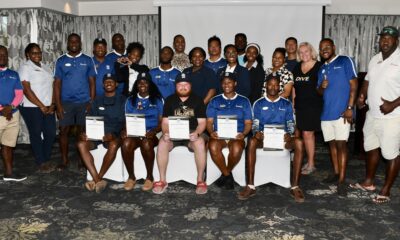
Beaches Turks & Caicos adds four new PADI Dive Instructors to the cadre of professionals in the watersports department
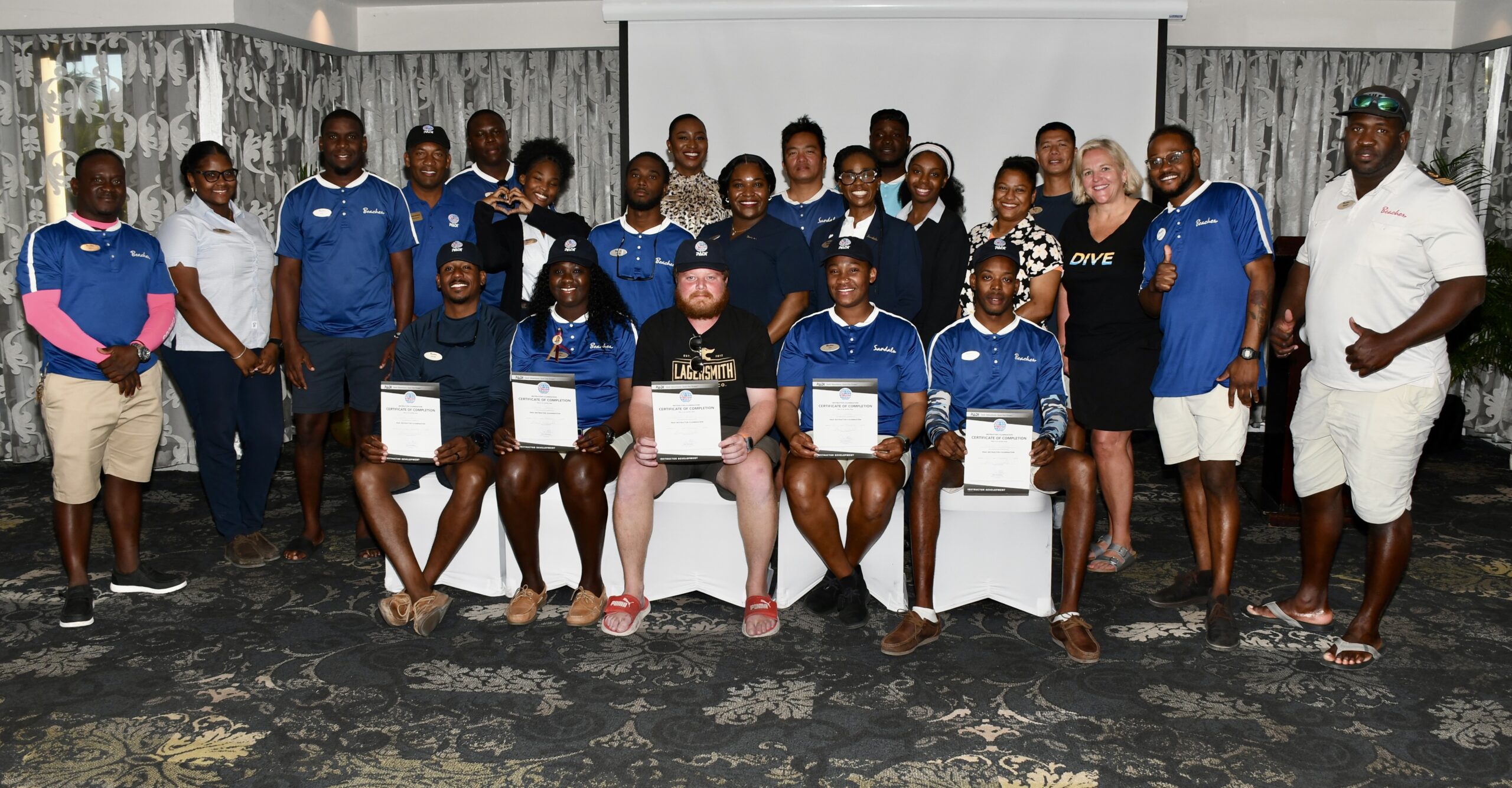
PROVIDENCIALES, Turks & Caicos Islands: — Beaches Turks & Caicos, a PADI-certified dive resort in Providenciales, continues to invest in its watersports team by training and certifying four team members to become qualified dive instructors to its operation. The resort operates one of the most comprehensive resort diving programmes in the region, offering on-site PADI courses and daily dives for guests of varying experience levels.
These latest certifications were conducted under the supervision of PADI Course Director and Dive Shop Manager Leonard Suckrajh, who is among an elite group of PADI professionals in the Caribbean. His role as course director allows the resort to deliver instructor-level training on property, further elevating the standard of safety, education and guest experience at the resort’s dive centre.
Suckrajh expressed his satisfaction with the commitment and professionalism demonstrated by the four new instructors, Almina Browne, Cicely Clarke, Andrew Dunkley and Boat Captain Tryston Sang throughout their training and assessment. “I am extremely proud of them,” he said. “They have invested significant time and effort in developing their technical competence and instructional skills and their achievement reflects a deep commitment to delivering safe, high-quality dive experiences for our guests.”
He noted that their performance reflects a strong culture of excellence within the watersports department and aligns with the resort’s long-standing emphasis on safety and training. “At Beaches Turks and Caicos, our objective is not only to train divers, but to develop highly responsible professionals who understand that every dive is grounded in safety, teamwork and respect for the marine environment,” he added. Suckrajh, whose own progression to course director spans more than two decades in watersports and diving within the Sandals and Beaches brands, said the new instructors represent “the next generation of leaders within our dive operation.”
General Manager, Deryk Meany, commended the level of collaboration required to guide four new instructors through the rigorous PADI process. “Attaining PADI instructor status is a demanding accomplishment that cannot be realized in isolation,” Meany said. “It requires the coordinated support of the dive shop, the wider watersports team, and the broader resort operation to ensure candidates have the necessary resources, time and mentorship to succeed.”
He emphasized that strengthening the cadre of certified instructors supports the resort’s commitment to excellence in guest service. “Each additional instructor enhances our capacity to offer guests a greater range of options, a higher degree of personal attention and consistently high safety standards,” Meany continued. “This milestone reinforces our position as a leading provider of family-friendly diving experiences in the Caribbean.”
Beaches Turks and Caicos is recognized for providing a wide spectrum of PADI courses on site, from Discover Scuba Diving and Open Water certification to advanced and specialty programmes. Previous training initiatives at the resort have resulted in many team members achieving PADI instructor status, significantly increasing both certification capacity and in-water safety oversight.
News
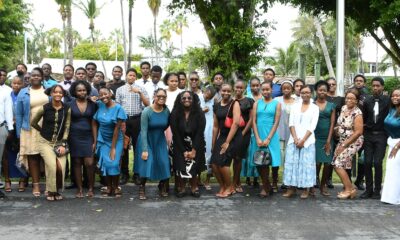
Beaches Turks & Caicos shares fine dining experiences to high school students in Providenciales
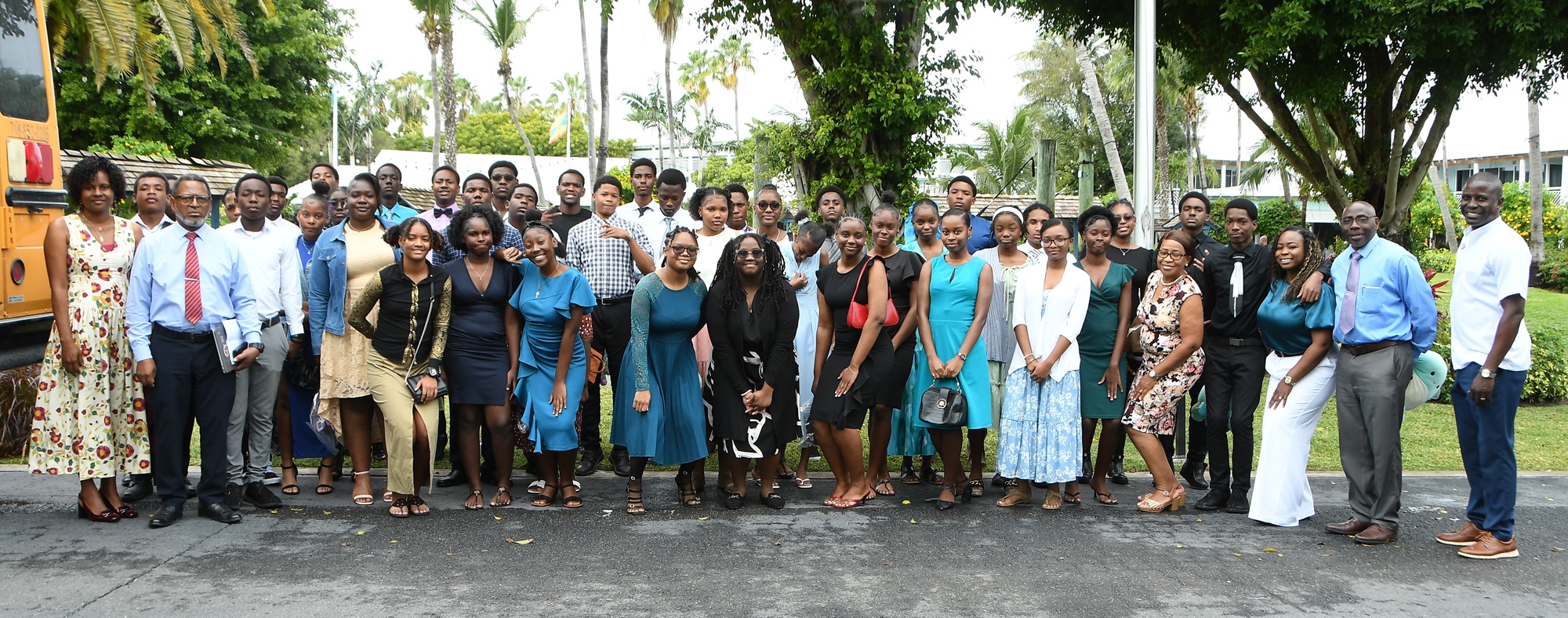
PROVIDENCIALES, Turks & Caicos Islands: — Students from the Clement Howell High School were recently welcomed to Beaches Turks and Caicos for an immersive fine dining and etiquette session at one of the resort’s signature à la carte restaurants. For the second consecutive year, the resort’s learning and development, public relations and food and beverage teams designed and delivered practical training that exposed students to the standards and expectations of a world‑class hospitality environment.
General Manager of Beaches Turks and Caicos, Deryk Meany, said the resort is committed to making the experience a fixture on the school calendar. “We are honoured to once again open our doors to the students of Clement Howell High School,” Meany added. “As one of the largest employers and training grounds in the Turks and Caicos Islands, we see it as our responsibility to help prepare the next generation with the skills, confidence and professional support they need to succeed in hospitality and beyond.”
He added that the partnership aligns with the values of both Beaches Resorts and the Sandals Foundation. “This programme is about more than a single day at the resort,” Meany continued. “It is about creating a consistent pathway for young people to see themselves in this industry, to understand the standards we uphold, and to recognise that there is a place for them at every level of the tourism sector.”
During the session, the resort’s learning and development and food and beverage professionals guided students through the full fine‑dining experience—from greeting and seating, to understanding multi‑course menus, cutlery placement, napkin etiquette and appropriate table conversation. Students also learned about body language, professional dress, and how to conduct themselves confidently in formal and semi‑formal settings such as interviews, scholarship dinners and official functions.
Learning and Development Manager Phildreka Mayham explained that the training was deliberately structured to blend technical knowledge with life skills. “Our goal is to demystify the fine dining environment for these students,” Mayham noted. “We want them not only to know which fork to use, but to understand that etiquette is really about respect for others, respect for themselves, and the ability to move comfortably in any social or professional space.”
She added that the programme is also a platform to introduce students to career possibilities. “Through this engagement, they get to interact directly with our team members, ask questions about different roles, and see first‑hand that hospitality offers diverse pathways—from culinary arts and service to training, management, and leadership,” Mayham shared.
For Clement Howell High School, the partnership with Beaches Turks and Caicos and the Sandals Foundation has become an important extension of the Health and Family Life Education (HFLE) curriculum. Guidance Counsellor Tanisha Graham said the experience supports the school’s broader focus on personal development and career readiness. “Our students are learning about self‑presentation, communication, and social responsibility in the classroom,” Graham noted. “Being able to step into a professional fine dining setting and put those lessons into practice is incredibly powerful for them.”
Graham emphasised the impact on students’ self‑confidence. “Many of our students are experiencing this kind of setting for the very first time,” she explained. “To see them sit up a little straighter, engage in conversation, and realise that they belong in these spaces—that is transformational. It reinforces the message that their potential is limitless.
Public Relations Manager, Orville Morgan added, “this initiative forms part of the resort’s ongoing investment in education and skills development across the Turks and Caicos Islands, complementing previous support to Clement Howell High, including enhancements to hospitality‑related clubs and programmes. The fine dining and etiquette training is expected to continue as an annual feature, with plans to refine and expand the experience based on feedback from students and teachers.”
As the second cohort of HFLE students completed their training, teachers expressed optimism that the collaboration will continue to grow and inspire even more young people to consider careers in hospitality. For Beaches Turks and Caicos, the hope is that today’s students will return in the years ahead as interns, team members, and leaders—bringing with them the confidence, poise and professionalism first nurtured at a carefully set table in one of the resort’s restaurants.
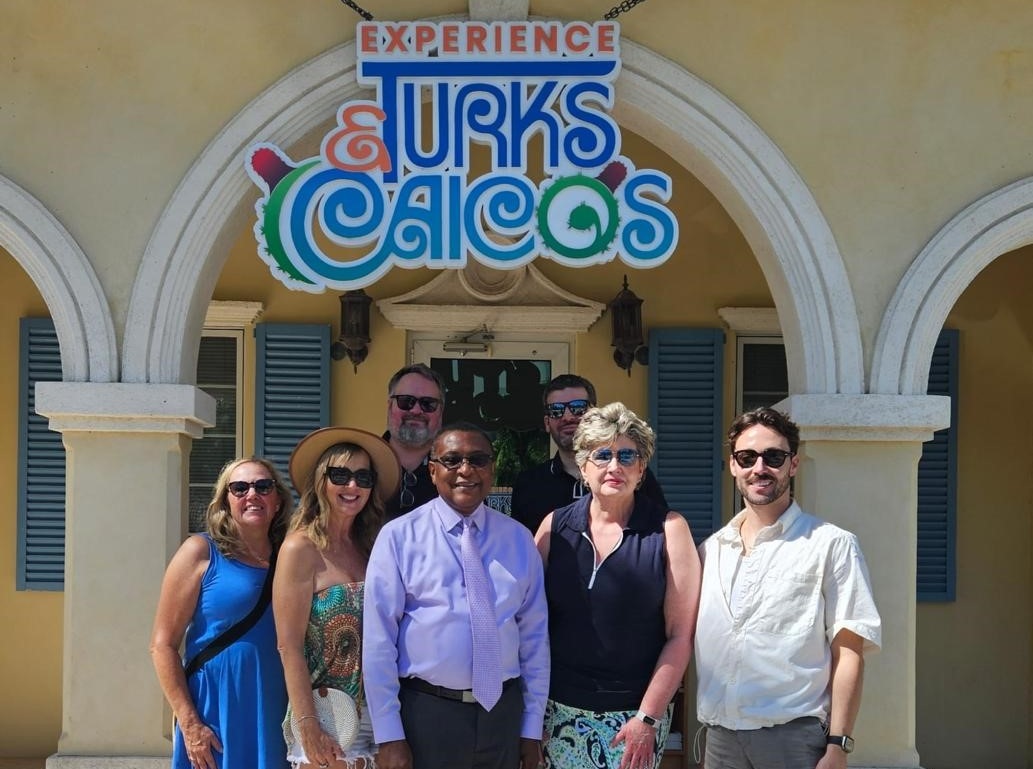
PROVIDENCIALES, TURKS AND CAICOS ISLANDS – (March 25th, 2026) The Turks and Caicos Islands has been enjoying increased visibility across Canadian media, as Experience Turks and Caicos continues to strengthen the destination’s presence in that key market.
In recent months, Experience Turks and Caicos hosted several Canadian travel writers who have since been highlighting the beauty and diversity of the destination across a range of key publications.
“Inviting and hosting writers from both travel trade and consumer publications is a key part of our public relations strategy to boost the visibility of the Turks and Caicos Islands,” said Interim CEO Consultant, Mr. Paul Pennicook. “As a result of this exposure, combined with our efforts to train travel advisors and increased airlift out of Canada, we have seen an uptick in arrivals from what is one of our top source markets. I would like to thank those journalists who continue to showcase the beauty of our multi-island destination.”
Among the most recent coverage are articles by Patricia Lee and Jennifer Bain, who visited the islands in early March. Bain journeyed to Little Water Cay alongside Jasmine Thomas, Executive Director of the Turks and Caicos National Trust, and Senior Visitor Experience Officer Luis Serpas. Her feature, published in National Parks Traveller, explores the Trust’s work to protect the endangered rock iguana in an article titled “Protecting Endangered Rock Iguanas in the Turks and Caicos Islands”.
Both writers also visited South Caicos, with Bain highlighting the destination’s charm in her piece “South Caicos: Away from the Crowds in Turks and Caicos”, published in A Taste for Travel, where she outlined eleven experiences in what is affectionately known as the Big South.
Lee, who also explored North Caicos and Middle Caicos, captured the essence of the country’s lesser-visited islands in her Vancouver Sun feature, “Beyond the Beach: Discover the slower, gentler beauty and charm of Turks and Caicos’ less-visited islands”.
Last November, Experience Turks and Caicos hosted a group of five Canadian travel writers on a familiarization trip. The group visited Providenciales and South Caicos, and experienced the luxury of Ambergris Cay Private Island Resort.
That visit resulted in a four-page spread in the March issue of Châtelaine Magazine, a leading French-Canadian women’s publication popular in Quebec. In the feature, “L’archipel du lâcher-prise (The Archipelago of Letting Go)”, writer Philippe Lépine explores the beauty, luxury, and spirit of the islands. From indulgent dining experiences to the discovery of a candle at Island Organics that transforms into massage oil, the article paints a vivid picture of relaxation and discovery. Reflecting on the Island Fish Fry, Lépine writes, “People eat, talk loudly, dance, and leave satisfied, with light hearts and, no doubt, a lovely creation found at one of the kiosks run by a local artisan.”
Writer Tim Johnson, also part of that group, chronicled his experience in South Caicos in the Toronto Star, Canada’s largest-circulation daily. In his article title “A Sleepy Caribbean Dream”, he highlighted the flourishing wildlife, excellent diving and pristine waters.





-

 News1 week ago
CARICOM – A Regional Club With Benefits; Turks & Caicos Wants In
-

 Health1 week ago
Gut Health Linked to Lower Colorectal Cancer Risk According to Cleveland Clinic Dietitian
-

 Caribbean News1 week ago
Fighting the fungus foe of the beloved banana
-
 Health6 days ago
Turks and Caicos Islands Hospital Celebrates Patient Safety Awareness Month: “Team Up for Patient Safety”
-
 Health6 days ago
Turks and Caicos Islands Medical Association (TCIMA) Elects New Executive
-
 News17 hours ago
Beaches Turks & Caicos adds four new PADI Dive Instructors to the cadre of professionals in the watersports department
-
 News17 hours ago
Beaches Turks & Caicos shares fine dining experiences to high school students in Providenciales
-

 News4 days ago
Flow TCI supports ‘Stars of Tomorrow’ at Inter-Primary Track and Field Championships