Connect with us

News

Government Officials Met with Carnival Cruise Port Managers following Fire Incident

Published

on

#TurksandCaicos, May 27, 2022 – On the morning of Thursday, May 26, 2022, the Department of Disaster Management and Emergencies (DDME) was notified of an incident at the Carnival Cruise Centre on the island of Grand Turk, where there was a fire on the vessel Carnival Freedom Cruise Line.

A quick response by both the Carnival Freedom Cruise Response Team and TCI Domestic Fire team quickly extinguished the blaze and brought the incident under control.

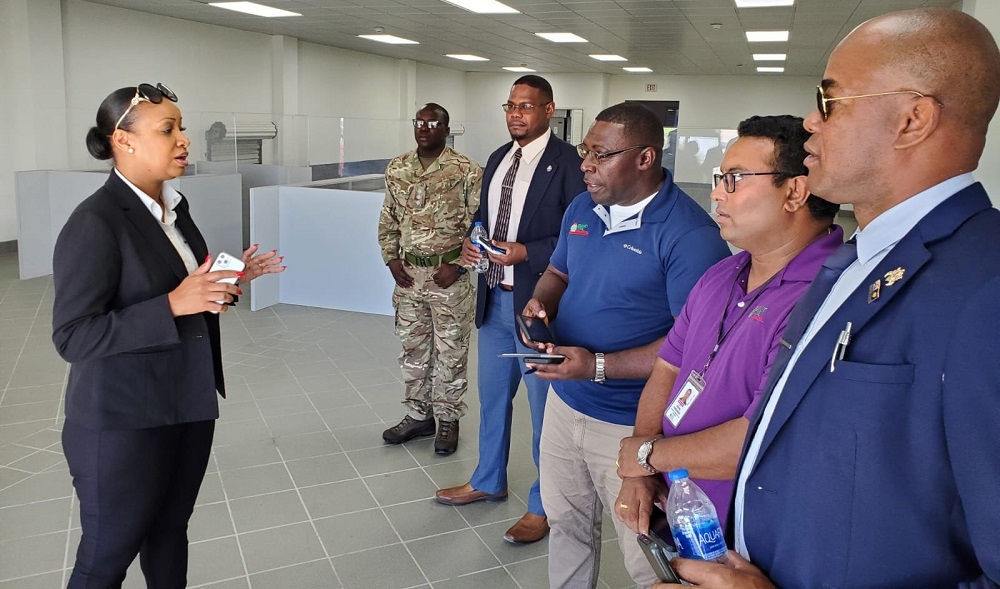
The Deputy Governor, along with the Acting Director of DDME and TCI Regiment, visited Grand Turk to assess the situation. A meeting was convened with the Carnival Terminal Management Team and was co-chaired by Deputy Governor and Hon. Otis Morris, Minister of Home Affairs, Transportation and Communication. The purpose of the meeting was to identify resources needed and coordinate and support response between Carnival Terminal Management team and the TCI Government.

Also present at this meeting to provide support were representatives from the following agencies: Port Authority, Department of Environment and Coastal Resources (DECR), Domestic Fire Department, TCI Airport Authority, Department of Maritime and Fisheries and the Ministry of Tourism.

Carnival Terminal Managers reported that no one sustained injuries and the ship is operating on full power, however access to the upper deck is currently restricted. An assessment Team (Carnival) was requested and is expected to arrive later today (Thursday, May 26, 2022) to assess the ability of the ship to sail.

Subsequent to the meeting at Carnival Cruise Centre, a preliminary assessment was conducted at JAGS McCartney International Airport to explore the possibility of charter flights landing on Grand Turk for passengers who may not wish to return on the Cruise Line Vessel.

The situation is under control and commendation is expressed to all agencies for their support in bringing the incident under control.

Continue Reading

News

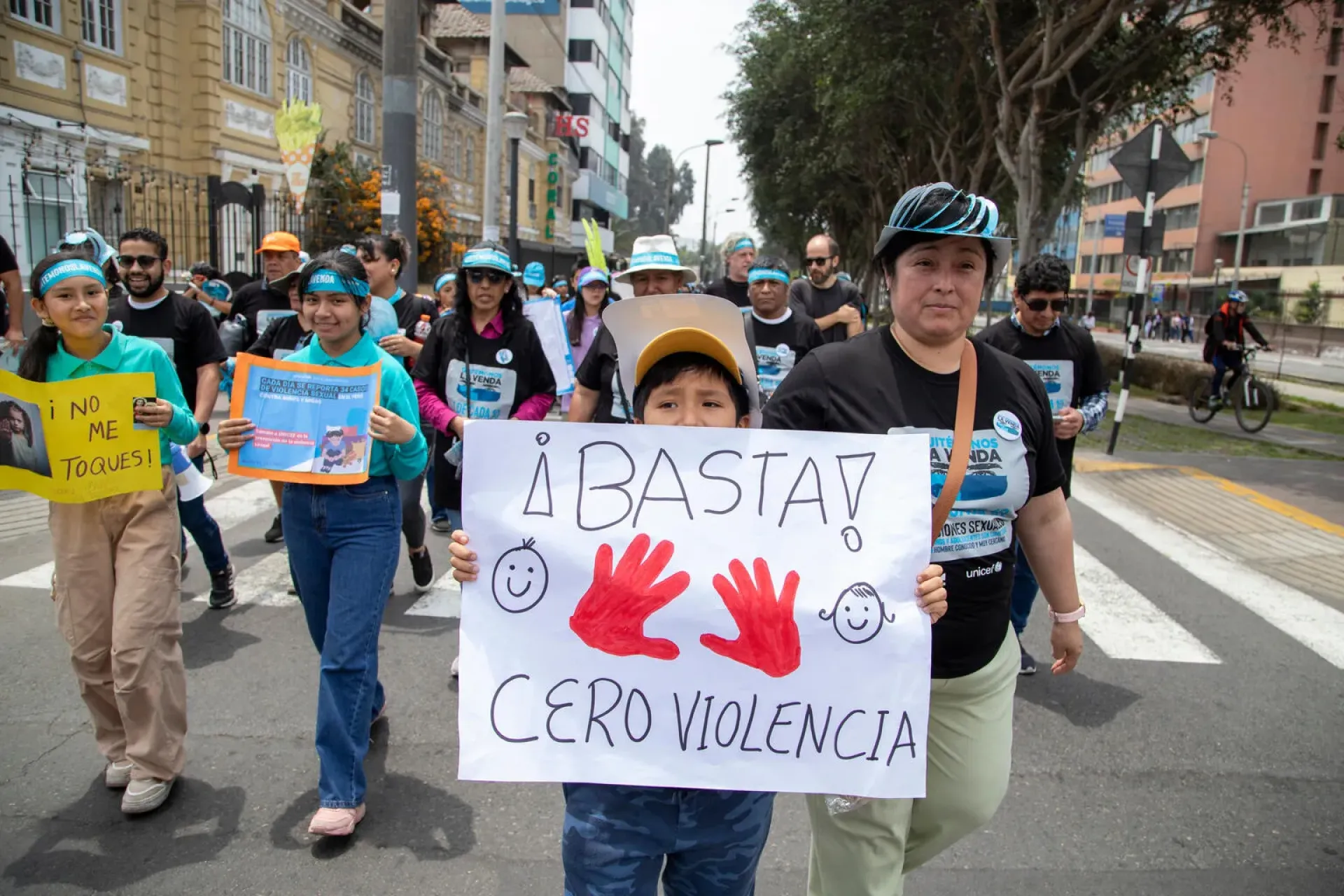
Violence against children persists in Latin America and the Caribbean  

Published

on

A new report by PAHO and UNICEF warns of the impact of violence from an early age and calls for strengthening prevention, protection and response from health, education and social protection systems to break the cycle of violence and ensure safe environments.


PANAMA CITY / WASHINGTON, D.C., 26 January 2026 – In Latin America and the Caribbean, violence continues to be a serious threat to the lives, health and well-being of millions of children, adolescents and young people, warn the Pan American Health Organization (PAHO) and UNICEF in a new joint publication, Violence against children and adolescents in Latin America and the Caribbean: New data and solutions.

The most serious consequence of violence is the death of thousands of children, adolescents and young people. Between 2015 and 2022, 53,318 children and adolescents were victims of homicide in the region.

The most recent available data, focusing on adolescents aged 15 to 17 years, show contrasting trends by sex. Between 2021 and 2022, the homicide rate among adolescent boys decreased from 17.63 to 10.68 deaths per 100,000 in Latin America and the Caribbean, although it remains high. During the same period, the rate among female adolescents doubled, from 2.13 to 5.1 deaths per 100,000.

Homicides occur in a context of rising armed violence in some areas of the region, associated with organized crime, easy access to firearms, social inequalities and harmful gender norms, which increasingly expose adolescents to situations of lethal violence.

Different forms of violence are interconnected andin many cases, intensify over time. The report highlights how violence is present from a very early age. In the region, 6 out of 10 children and adolescents under 14 years of age are subject to some type of violent discipline at home, while one in four adolescents aged 13 to 17 experiences bullying at schoolNearly one in five women in Latin America and the Caribbean report having experienced sexual violence before the age of 18. Increasingly, violence manifests itself in digital environments, although available data remains limited.

“Every day, millions of children in Latin America and the Caribbean are exposed to violence – at home, at school and in communities with a gang presence. Multiple places and situations in the region present real risks and dangers for children,” said Roberto Benes, UNICEF Regional Director for Latin America and the Caribbean. “We know how to end the violence. In Latin America and the Caribbean, strong and sustained public policies are required to prevent and respond to violence in all its forms so that every child can grow up in a safe environment.”

“Violence has a profound and lasting impact on the physical and mental health of children and adolescents and violates their right to grow up in safe environments, at home, school and in the community,” said Dr. Jarbas Barbosa, Director of PAHO. “Health services play a key role in prevention and response: when health workers identify people and groups at risk early and provide timely, quality support, they can make a real difference for survivors, their families and communities.”

In addition to describing the scale of the problem, the report highlights evidence-based solutions that can prevent violence and mitigate its costs.

To advance this agenda and end violence in all its forms, PAHO and UNICEF urge governments in the region to strengthen and enforce child protection laws, ensure effective control of firearms, train police officers, teachers, and health and social workers, support parents and caregivers in respectful parenting practices, invest in safe learning environments, and scale up responsive services to ensure that all children and adolescents grow up protected, have access to justice, and live healthy, violence-free lives.

The report was validated during a regional ministerial consultation held on 23-24 October 2025, which brought together more than 300 participants from across the region, including ministers and senior officials from the health, education, justice and child protection sectors, as well as civil society representatives, youth leaders and international partners, with the aim of agreeing on concrete actions to build safer environments for children and adolescents.

Continue Reading

News

Commonsense, Not Confrontation: Why Kamla Persad-Bissessar Is Right

Published

on

This debate did not start with Donald Trump, and it did not start this month.

For more than a decade, this reporter has had a front-row seat to repeated, urgent calls from across the Caribbean for stronger intervention by the United States in response to gun- and narcotics-fuelled violence that has hollowed out our communities. Long before today’s headlines, leaders warned that transnational gangs were outgunning police, draining public resources and stealing our youngest people.

Much of the public messaging leaned toward calls for fewer guns flowing from the United States, but the practical response from Washington evolved into something else: tactical undergirding of the Caribbean. Training, intelligence sharing, maritime surveillance and joint operations expanded under successive U.S. administrations — Republican and Democrat alike.

Then came Venezuela.

President Nicolás Maduro proved himself an unhinged and destabilising force, openly threatening Guyana’s oil-rich territory and pushing the region to the brink of a conflict no Caribbean state could afford. The United States showed up. The threat of war was blunted. That mattered.

But while geopolitical flames were contained, the narcotics trade exploded.

CARICOM convened emergency meetings on transnational gang violence. Crime became so pervasive that it was formally classified as a public health threat. Entire communities were terrorised. Courts clogged. Police forces stretched beyond capacity.

And now — quietly but noticeably — the tempo has shifted.

While no single forensic study can capture the full picture, it is easily verifiable on the ground that major narcotics busts and trafficking activity have slowed in recent months. Something has changed. Pressure works.

This is the reality Prime Minister Kamla Persad-Bissessar is responding to.

Her critics accuse her of breaking ranks. What she is actually doing is refusing to indulge in strategic hypocrisy — demanding international help to confront narco-terrorism while appearing to defend or excuse the very networks and actors we have spent years condemning.

Sovereignty is not an insult. The Caribbean invokes it constantly. To deny it to the United States — especially when the policies in question were telegraphed months in advance and remain adjustable — is not diplomacy. It is posturing.

What is most troubling is the region’s selective memory. CARICOM has directed months of rhetorical fire at Trump-era policies, yet when disaster struck — from security crises to Hurricane Melissa — the United States remained one of the region’s most reliable supporters. Outcomes matter more than allegiance theatre.

Kamla Persad-Bissessar is not suffering from Trump Derangement Syndrome. She is applying commonsense statecraft. She understands that small states do not gain leverage by moral outrage alone, and that credibility is lost when we appear aligned with individuals, regimes or activities we ourselves have deemed a threat.

Her warning to CARICOM is simple and necessary: do not undermine your own cause.

The Caribbean’s fight against narco-violence, corruption and instability has been long, costly and painful. If pressure is finally producing results, we should be wise enough to recognise it — and brave enough to say so.

Angle by Deandrea Hamilton. Built with ChatGPT (AI). Magnetic Media — CAPTURING LIFE.

Continue Reading

News

Beaches Turks and Caicos Showcases and Supports Local Creativity

Published

on

September 12, 2025                                                                                


PROVIDENCIALES, Turks & Caicos Islands – The Turks and Caicos Islands are home to a wealth of creativity, from artisans and craft vendors to musicians and performers. Beaches Turks and Caicos, the Caribbean’s leading all-inclusive family resort, has pledged its continued support for these individuals by providing meaningful platforms for them to share their skills and stories with guests from around the world.

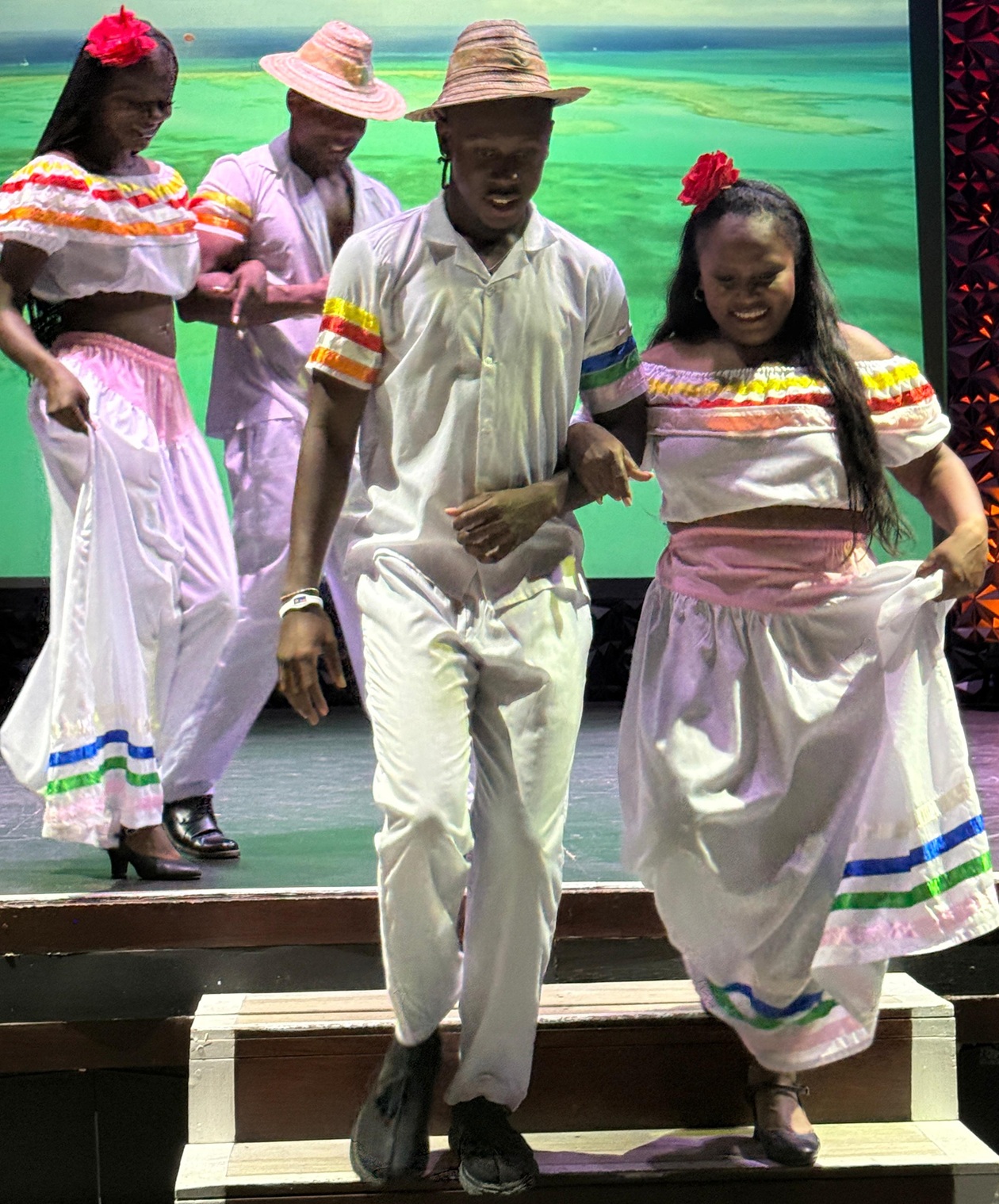
The resort’s commitment is most evident in its weekly Cultural Night showcase, where visitors are immersed in the vibrant traditions of the islands. Guests enjoy live performances which feature local music genres such as ripsaw, while artisans display and sell handmade creations. This event not only enriches the guest experience but also strengthens economic opportunities for local entrepreneurs.

Entertainment Division Manager Garett Bailey emphasized the significance of Cultural Night, “we want to showcase everything the Turks and Caicos Islands culture has to offer. Our goal is for guests to leave with a deeper appreciation of the island’s art, music and traditions, while giving local talent the opportunity to share their creativity with visitors from across the globe.”

Beyond Cultural Night, Beaches Turks and Caicos also welcomes local craft vendors onto the resort every Wednesday and Friday where they are offered a direct space to market their goods. Guests have easy access to the Turks and Caicos Cultural Marketplace, where they can purchase authentic local arts and crafts.
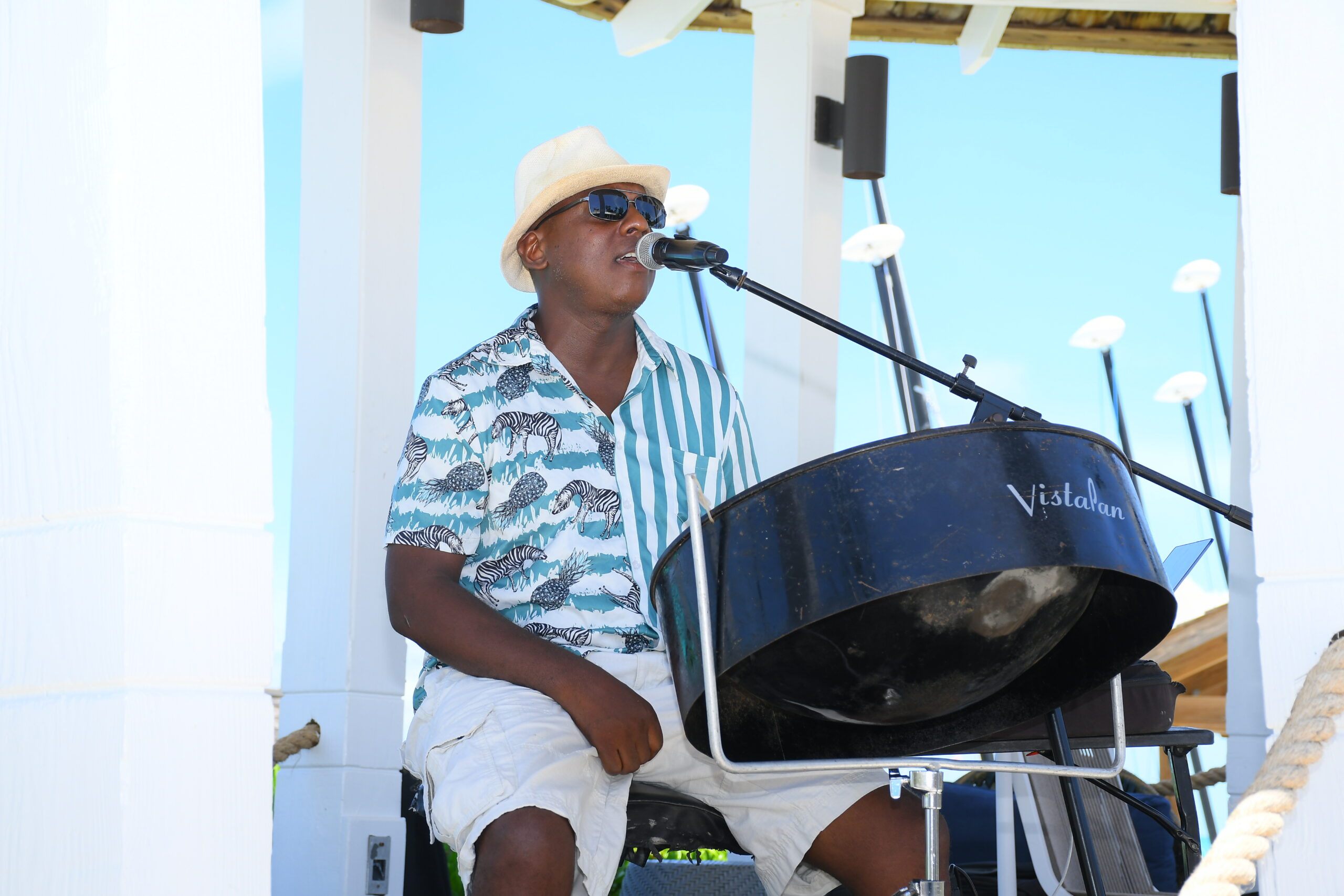
Managing Director, James McAnally, highlighted how these initiatives reflect the resort’s broader mission, “we are committed to celebrating and sharing the vibrant culture of these islands with our guests. By showcasing local artistry and music, we not only provide entertainment but also help sustain and grow the creative industries of the Turks and Caicos Islands. From our cultural showcases to nightly live music, we are proud to create authentic connections between our guests and the people of these islands.”

Local musician Keon Hall, who frequently performs at the resort, expressed gratitude for the ongoing partnership, “being able to share my music with Beaches’ guests has created lasting relationships. Some visitors return year after year and request songs from previous performances. This partnership continues to celebrate what we do and strengthens the bond between local artists and the resort.”

The resort’s support of local artisans and entertainers extends beyond business opportunity; it is about preserving heritage and sharing stories. Guests take home more than souvenirs; they leave with experiences that deepen their understanding of Turks and Caicos’ culture and history.

Public Relations Manager, Orville Morgan, noted the importance of this commitment, “for many visitors, these interactions represent their first genuine connection to the Turks and Caicos Islands. From artisans and musicians to farmers and transport operators, our local talent helps shape every guest experience. At Beaches, we are proud to give them the stage to share their stories and their heritage.”

Beaches Turks & Caicos remains dedicated to developing cultural connections and supporting the artisans, musicians and entrepreneurs whose creativity makes the Turks and Caicos Islands unique. Each guest experience is an opportunity to celebrate and sustain the spirit of the islands.


Continue Reading

FIND US ON FACEBOOK

TRENDING