
News
Anti-fronting legislation and its importance in the Turks and Caicos Islands


#TurksandCaicos, April 4, 2022 – The question all concerned citizens should be asking our government is, are they willing to work feverishly to push through anti-fronting legislation as hard as they did to push through the Beach and Coastal Vending Ordinance?
This article in part, is a reverberation of a previous one I wrote, addressing this said issue. To my knowledge, as of this date, nothing has been done to tighten the loopholes.
Whilst I’m not totally against the Beach and Coastal Vending Ordinance and its entirety, there are a few line items in the bill that needs to be repealed and amended.
The expediency in which the bill was passed without proper consultation from the general public and relevant stakeholders, it appeared to be for the appeasement of a select few.
Similarly, “fronting” is not in the best interest of our people, which prompted me to bring to light the issue again.
Currently, in TCI fronting is technically not a crime, but in some cases it is certainly a corrupt practice. Over the years, I have discovered that the easiest way for foreign investors to open a business of any kind, is by “fronting”.
For those who are not familiar with the use of this word, fronting usually refers to a term used to describe the practice of interposing a third party in a transaction or a misrepresentation of facts so as to circumvent the illusory of compliance with the laws of a country.
It’s usually a twofold benefit, it gives the locals an opportunity to become a business partner without having to come up with any sizable out of pocket funds or minimal amounts at best, depending on the scale of the business.
On the other hand, it enables the foreign investors to acquire lucrative business opportunities without having to go through the normal red tape, and eventually making it easier for them to acquire legal immigration status in the long term.
In addition, a foreign partnership company would be in a better position to expand rapidly due to greater access to capital, which could put them at an advantage because of the accessibility to unmatched resources they may have.
At the end of the day, it only superficially benefits historically disadvantaged individuals.
Fronting practices are an all-too-common occurrence in TCI, and usually rely on the misrepresentation of facts regarding the extent of a company’s compliance with its economic empowerment obligations.
In some cases, the local is only involved with the Holding company, but has nothing to do with the day to day operational or financial side of the business. This allows a shady investor to manipulate the books to their advantage.
Fronting can take many forms. For example:
- A company may appoint a local to a prestigious position but prevent them from participating in the management or core activities of the company.
- In some cases, they are paid considerably less than their counterparts.
- They may also sign up as fictitious shareholders in essentially Expats owned and managed companies.
Such practices create the impression that the company has complied with the government’s obligations, but in essence it’s not. 
This also allows the company to take advantage of incentives such as tax breaks or other fringe benefits that come along with being compliant.
We welcome foreign investors’ partnerships, however, if the business practices do not result in real transformation of the company or the flow of benefits to the locals, the appearance of compliance is illusory.
Fronting therefore undermines the purpose of the investment opportunity policies and prevents benefits from reaching those locals it is meant to reach.
It also perpetuates the systemic exclusion of local owned businesses from economic empowerment.
Imperfect though it may be, it would be beneficial for the FSC to draft legislation to introduce a comprehensive definition of “fronting” into our laws. In addition, they should create a new oversight body to investigate allegations of unscrupulous business deals.
The reality is, we know due to the privacy laws and the fear of reprisals, it’s a slippery slope when it comes to the public’s right to know about what is perceived to be shady deals and our duty to report it.
Nevertheless, if it was required by the FSC for these foreign companies with local joint venture partnerships to divulge financial records showing the bank transactions of the 51/49 split or who have the controlling shares, it would be a game changer.
As a people, we must also be brave enough to speak up when we see corruption or things that undermine
the basic principles of our core values.
Until legislation is enacted to address the social and economic imbalances in this country, this sort of shady practices will continue to prevail, leaving underrepresented local business partners with the short end of the stick.
Ed Forbes,
Concerned citizen of Grand Turk






Turks and Caicos, April 25, 2026 – A major shift in how healthcare is delivered in the Turks and Caicos Islands is at the center of the Government’s latest budget, with a focus on reducing reliance on overseas treatment and strengthening services at home.
Presenting his contribution to the national debate, Kyle Knowles outlined a strategy aimed at building a more sustainable healthcare system —one that allows more residents to access quality care within the country.
The health sector has been allocated $94.1 million, making it one of the largest areas of public spending in the $550.8 million Budget passed on April 23.
Central to the Minister’s approach is a restructuring of the Treatment Abroad Programme (TAP), which has grown significantly in recent years as more patients are sent overseas for specialized care.
The Government now aims to reverse that trend.
“We are reforming healthcare to ensure long-term sustainability,” Knowles indicated, pointing to efforts to strengthen local services and reduce the need for travel.
The strategy includes improving healthcare infrastructure, expanding services available within the islands and increasing efficiency through the digitization of medical records.
Digitization is expected to support better coordination of care, reduce delays and allow for more accurate tracking of patient needs—part of a broader effort to modernize public services.
The Minister emphasized that the goal is not only cost control, but improved access.
“No family should have to leave home to get quality care,” he said, underscoring the Government’s intention to refocus healthcare delivery on local capacity.
The shift comes as rising healthcare costs continue to place pressure on public finances, with overseas treatment representing one of the most expensive components of the system.
By investing more heavily in domestic services, the Government is seeking to reduce that burden while improving outcomes for residents.
While the direction is clear, details on timelines and the pace of expansion for local services were not fully outlined in the presentation.
Still, the emphasis on sustainability, access and modernization signals a strategic pivot in how healthcare is expected to evolve in the Turks and Caicos Islands.
Angle by Deandrea Hamilton. Built with ChatGPT (AI). Magnetic Media — CAPTURING LIFE.

Turks and Caicos, April 25, 2026 – Premier Charles Washington Misick has pushed back against criticism of the Government’s newly passed budget, defending both its direction and execution as deliberate and necessary for national development.
Wrapping up debate on the $550.8 million Budget, passed on April 23, the Premier dismissed concerns raised by the Opposition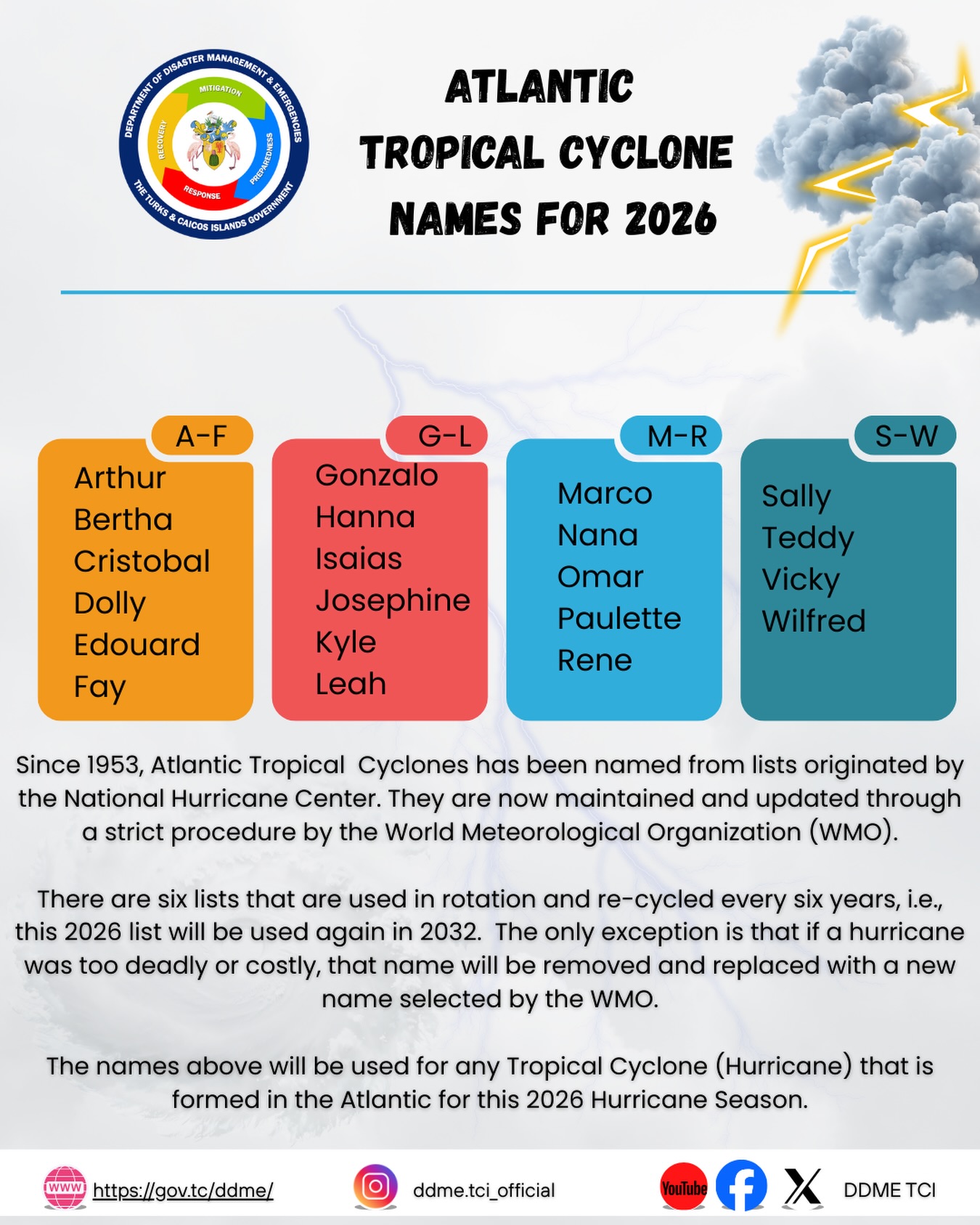 about inefficiency, rising costs and gaps in delivery, insisting the Government’s approach is measured and focused on long-term growth.
“This budget is about delivering for our people,” Misick said, as he reinforced the administration’s commitment to infrastructure, healthcare expansion and broader economic development.
Opposition Leader Edwin Astwood had earlier challenged the Government’s performance, pointing to unfilled posts, delayed projects and what he described as weak execution despite increasing allocations.
In response, the Premier rejected the notion that the Government is failing to deliver, instead arguing that building national capacity takes time and sustained investment.
He maintained that staffing challenges are being addressed and that improvements across ministries are ongoing, even as demand for public services grows.
The Premier also defended the scale of spending, framing it as a necessary step to support development across the islands, rather than unchecked expansion.
“We are investing in the future of this country,” he said, pointing to continued funding for infrastructure, community development and public services.
On the question of equitable growth, Misick reiterated his administration’s focus on balanced development, including ongoing investments in the Family Islands.
He argued that progress is being made, even if transformation is not occurring as rapidly as some would like.
Throughout his closing remarks, the Premier leaned on the country’s economic fundamentals—highlighting strong cash reserves, stable growth projections and international confidence in the Turks and Caicos Islands’ fiscal management.
While the rebuttal addressed criticism head-on, it did not significantly alter the structure of the budget or introduce major new measures in response to concerns raised during the debate.
Instead, the Government’s position remained consistent: the plan is in place, the investments are targeted, and delivery will continue.
The exchange underscores a clear divide—between an Opposition pressing for faster, more measurable results, and a Government maintaining that its strategy is already on course.
Angle by Deandrea Hamilton. Built with ChatGPT (AI). Magnetic Media — CAPTURING LIFE.
PHOTO COURTESY OF THE OFFICE OF THE PREMIER
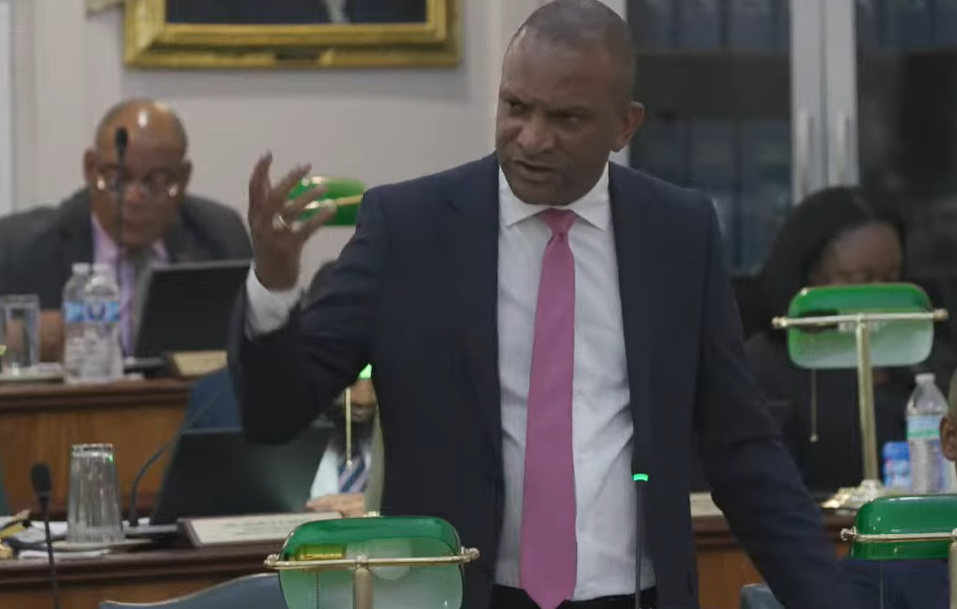
Turks and Caicos, April 25, 2026 – There was no mistaking the enthusiasm of the Minister of Finance, Investment and Trade, E. Jay Saunders, as he laid out his vision for a more digitally driven Turks and Caicos Islands—one where services are faster, systems are connected, and doing business is easier.
But within that forward-looking presentation, what remained notably absent were clear timelines and defined measures to ensure data security and system reliability.
“We are moving toward a fully integrated digital government,” Saunders told the House, as he outlined a future where public services are delivered seamlessly through technology.
With responsibility for the country’s economic and digital transformation, Saunders pointed to several areas expected to be reshaped by the rollout of e-government systems, including revenue collection, business licensing, customs processing and access to public services—all designed to reduce delays, improve compliance and streamline transactions.
The vision is one of convenience and efficiency: fewer lines, faster approvals, and systems that communicate across departments rather than operate in silos.
Within the framework of the Government’s $550.8 million Budget, passed on April 23, the digital push is positioned as a key driver of modernization and improved service delivery.
However, for many users, the experience of government systems today remains inconsistent.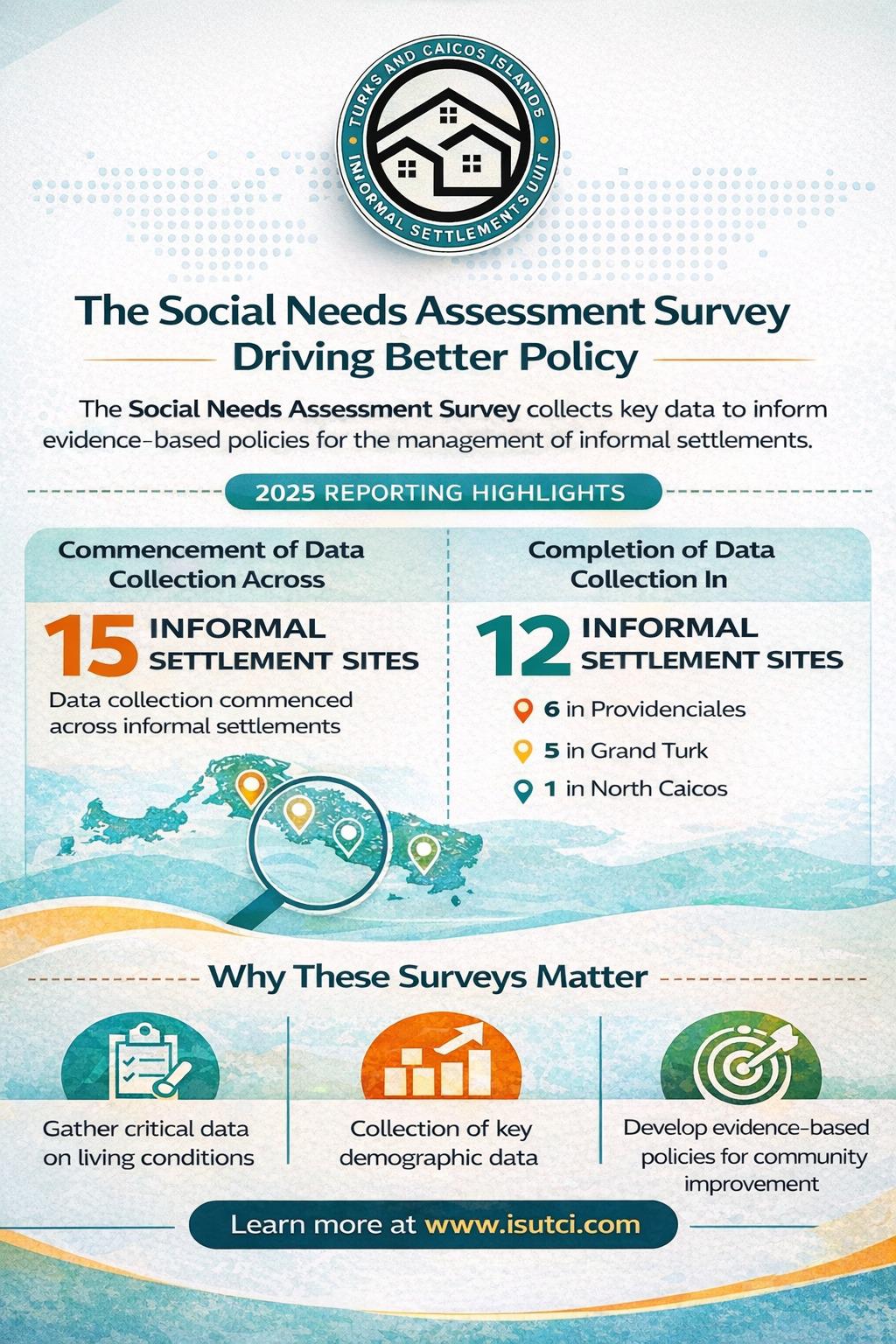
Periodic outages, payment disruptions and service downtime continue to affect daily transactions, raising practical concerns about how quickly the country can transition to a fully digital model.
Despite the scale of the ambition, the Minister’s presentation did not directly address how system reliability will be strengthened or how data will be protected as more services move online.
Those elements—uptime, security and resilience—are critical to public confidence, particularly as businesses and residents become increasingly dependent on digital platforms to access government services.
The direction is clear, and the potential impact is significant.
But as the country moves closer to greater digital dependence, the success of that transformation will ultimately rest not just on what is promised—but on whether the systems can be relied upon when they are needed most.
Angle by Deandrea Hamilton. Built with ChatGPT (AI). Magnetic Media — CAPTURING LIFE.





-

 News1 week ago
Police Honour Retired Officers and Reach Out to Community in Grand Turk
-

 News1 week ago
NEW DESTINATION GUIDE BOOK ANNOUNCED FOR TURKS & CAICOS ISLANDS
-

 News7 days ago
TCI Real Estate Enters Buyer’s Market Phase as Luxury Demand Softens
-

 Independent writer1 week ago
Questions & Concerns About Integrity at TCI Immigration Department and the Department of Labour / Employment Services
-
 Government6 days ago
$94.1Mfor Health; Knowles Pushes to Keep Care at Home
-

 News1 week ago
Experience Turks and Caicos Launches Strategic Travel Advisor Education Program in Partnership with Travelview International
-
 Government6 days ago
Digital Government Push Advances, but Reliability and Security Details Remain Unclear
-

 News6 days ago
Key Projects and Community Investments Feature in Citizen’s Budget Guide