Health
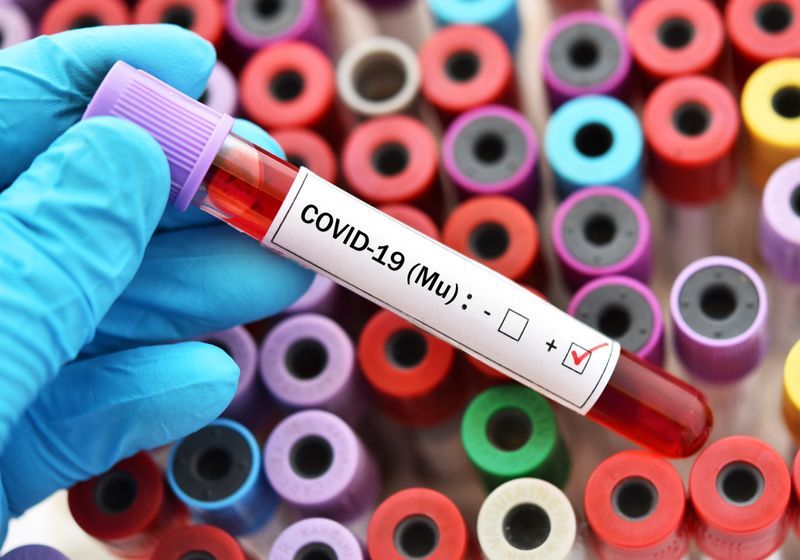
Ministry of Health confirms a single case of Mu COVID-19 variant

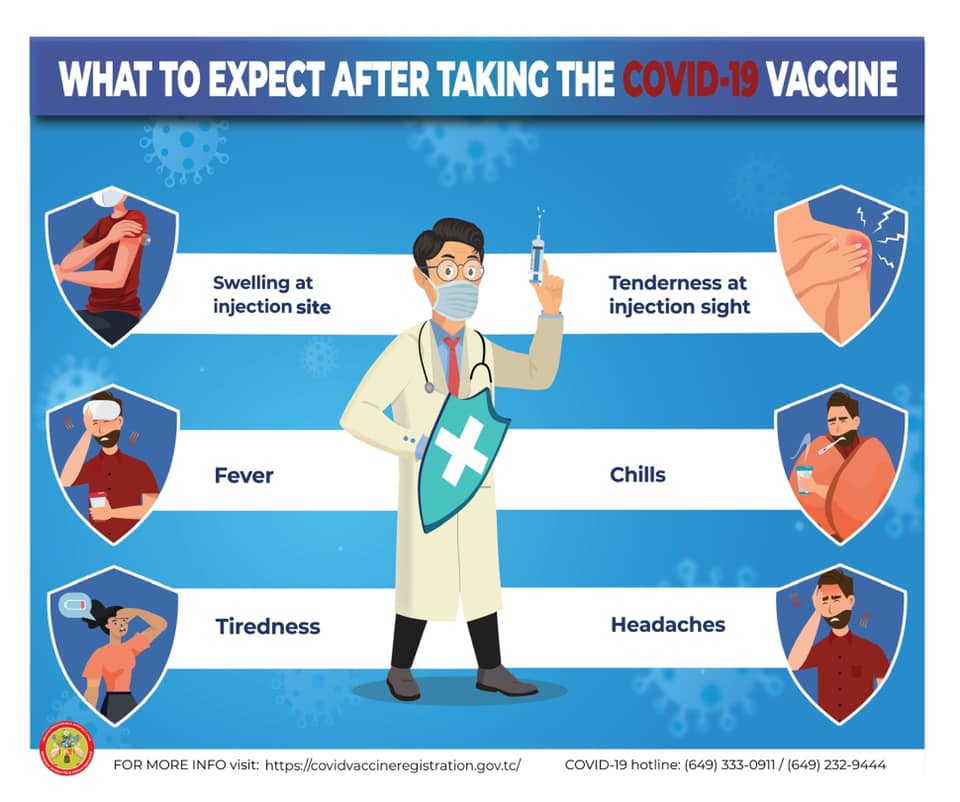
- Wash your hands frequently with soap and water for at least 20 seconds
- Use alcohol-based hand sanitizer if soap and water are not available
- Maintain physical distancing of 6 feet between persons
- Wear face coverings in public settings (covering nose and mouth)
- Avoid mass gatherings or crowds
- Cover your coughs and sneezes with your elbow or use disposable tissues
- Comply with public health measures
- Stay home where possible, especially if you are a member of the vulnerable group
- If you have symptoms of COVID-19 which include; cough, sore throat, runny nose, shortness of breath, fever, diarrhea, loss of sense of taste or smell-please stay home and contact the Health Hotlines on 232 9444 or 333 0911
- Do not visit health care facilities if you have symptoms or signs of COVID-19, call the Health Hotlines for guidance unless your symptoms are severe
- If you are under quarantine by the Public Health Team, please remain at home and comply with the guidance provided to you.
- If you are contacted by the Public Health Team as a part of contact tracing activities, please provide all of the information requested to assist them in their investigations
- Get tested-visit your community testing sites for free testing offered by the Ministry of Health
- Stay informed with the latest information from the Ministry of Health by visiting our website on https://www.gov.tc/moh/coronavirus/











February is National Self- Check Month and family medicine physician at Cleveland Clinic, OH, John Hanicak, MD, highlights why at home self-checks are extremely important when it comes to not just early cancer detection but identifying other illnesses too and offers tips on what to look out for.
“Sometimes I look at them as sort of like your check engine light on the car, just like there would be a red flashing light that tells you that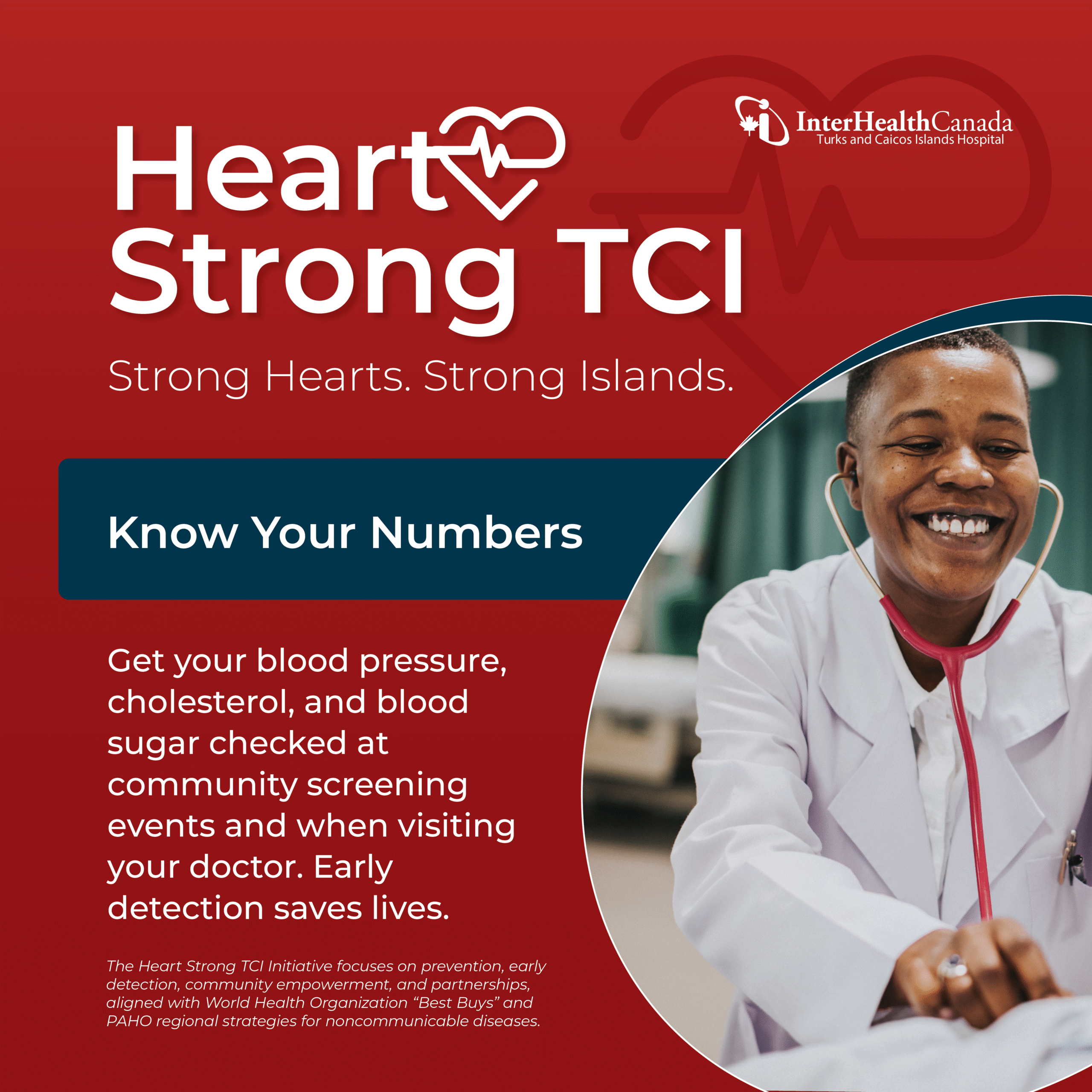 there’s something wrong with a car and prompts you to bring that in and get serviced. Your body does the same thing. It gives you warning signs to look into that symptom a little bit further,” said Hanicak.
Dr. Hanicak said self-checks are going to be a little different for everyone.
However, in general, he recommends looking for anything that may seem abnormal, such as unexplained weight loss, blood in your urine, bumps and bruises that won’t heal, and changes in bowel habits.
For example, if you suddenly start going to the bathroom a lot more than you used to, that could be a sign of something more serious.
He also suggests doing regular skin checks and documenting any moles or spots that start to look different.
“Realize that you are your own person. There’s nobody else in the world exactly like you. You’ve got your own set of ideas, your own family history and your own genetics. Know what is normal for you, and when that changes, that’s the kind of thing that we would be interested in talking about,” said Dr. Hanicak.
Dr. Hanicak notes that self-checks are not meant to replace cancer screenings, as those are just as important to keep up with.
Press Release: Cleveland Clinic
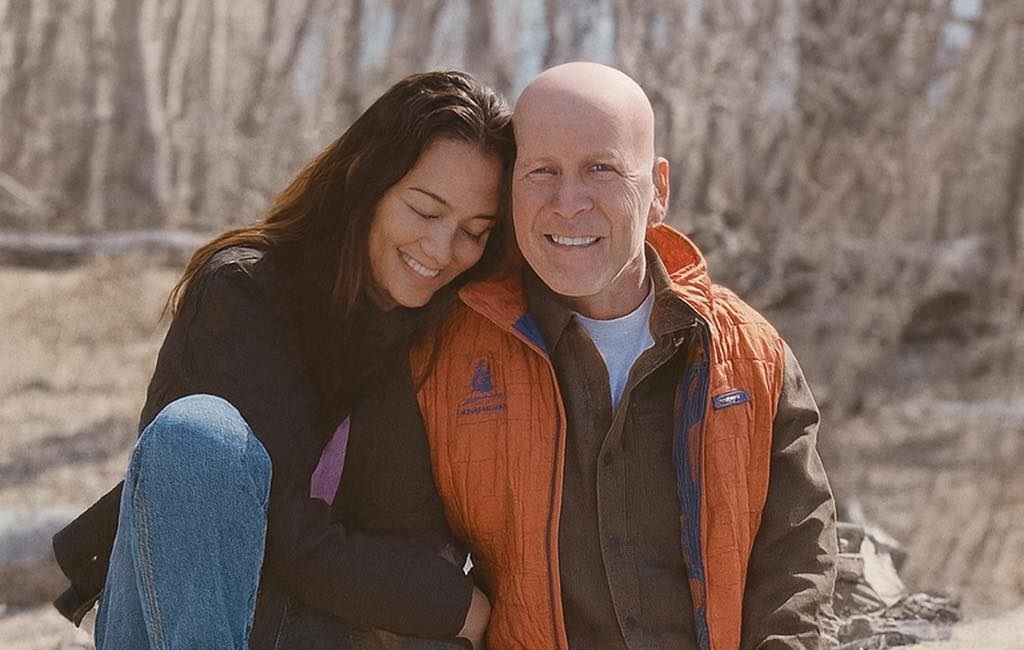
December 4, 2025 – Hollywood legend Bruce Willis – arguably the most famous former home owner in Turks and Caicos Islands – is facing the most difficult role of his life and turning it into one last act of service.
Willis, 70, retired from acting in 2022 after his family revealed he had been diagnosed with aphasia. The following year, specialists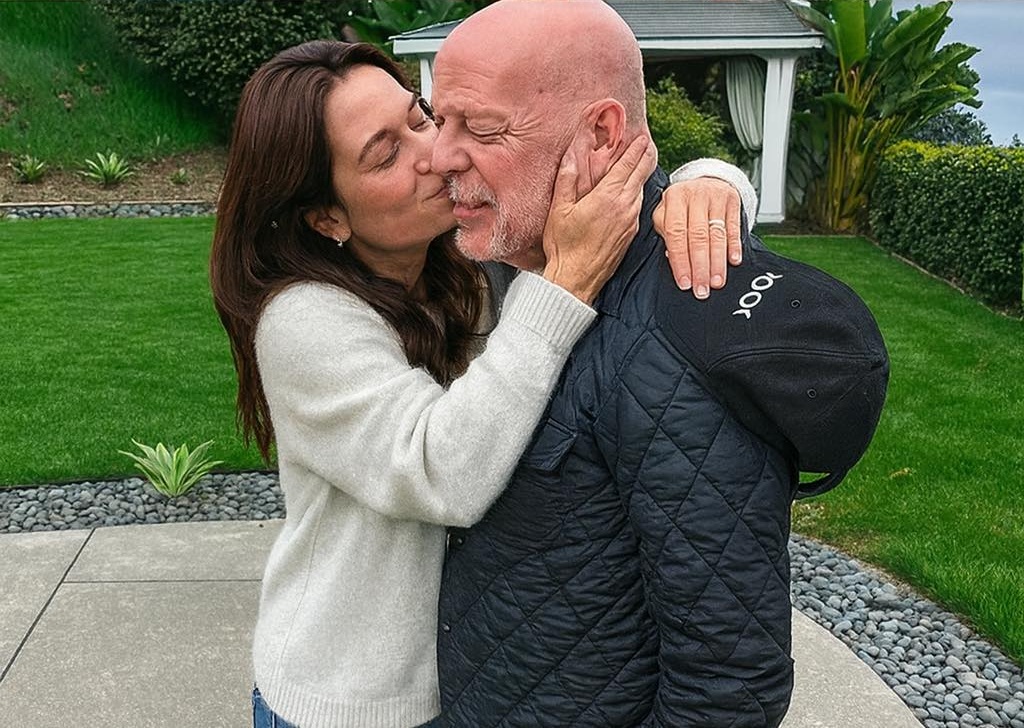 confirmed he is living with frontotemporal dementia (FTD), a degenerative brain disease that attacks language, behaviour and personality.
In recent interviews and appearances, his wife Emma Heming Willis has said Bruce is “surrounded by love and care” and that the family is learning to find joy in new ways, even as the disease progresses.
Now, Heming Willis has gone further. In her 2025 memoir The Unexpected Journey, she writes that the family has decided Bruce’s brain will be donated to science after his death to advance research into FTD. That decision has been highlighted in recent coverage by futurist and science outlets, which describe it as a carefully considered step after months of watching a still-physically-strong man steadily lose speech, reading and independence.
Neurologists have long stressed how rare donated brain tissue is for FTD, and how essential it is to understanding which proteins, mutations and mechanisms are actually driving the disease. The Willis family’s choice means the brain that powered some of cinema’s most iconic characters could one day help researchers diagnose the condition earlier and design better treatments – even if it cannot help Bruce himself.
For Turks and Caicos, the story lands close to home. For nearly two decades Willis owned “The Residence” on exclusive Parrot Cay – a 7.3-acre, Asian-inspired beachfront compound with a five-bedroom main house, two guest villas and a yoga pavilion. He and Emma listed the estate in March 2019 for US$33 million; it sold a few months later for about US$27 million, one of the biggest residential deals in TCI history.
So, while Bruce Willis no longer has a physical address in Turks and Caicos, his connection to these islands remains part of his global story – a story now shifting from blockbuster fame to medical legacy, as his family turns private heartbreak into a public contribution that could change what we know about dementia.
Developed by Deandrea Hamilton • with ChatGPT (AI) • edited by Magnetic Media.
Deandrea Hamilton | Editor
Turks and Caicos, September 6, 2025 – COVID-19 fears in the Turks and Caicos Islands that once had residents on edge are now giving way to a sense of relief. The Ministry of Health and Human Services reports a dramatic reversal: from dozens of new cases in July to zero cases and zero hospitalizations today.
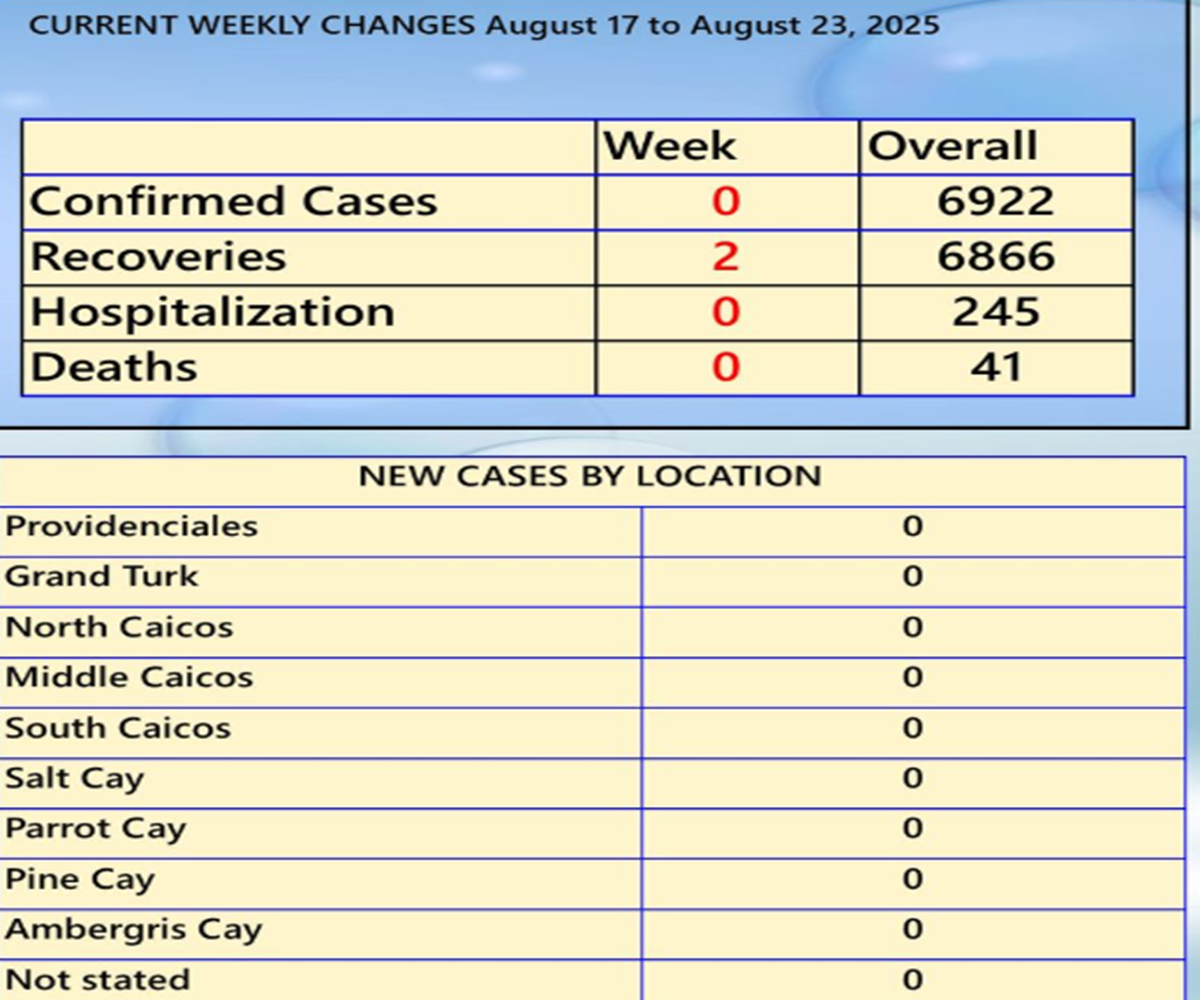
Between August 17 and 23, 2025, officials confirmed no new cases, no hospitalizations, and no new deaths. Just two recoveries were recorded, bringing the national recovery tally to 6,866. The total confirmed cases since 2020 stand at 6,922, with deaths unchanged at 41. Health officials say August has been relatively quiet overall, with 19 new cases and recoveries recorded for the month — a fraction of what the islands faced just weeks earlier.
The contrast could not be sharper. The most concerning bulletin came in mid-July, when the Ministry reported 54 new cases in a single week. Ten were fresh positives, while the other 44 came from a backlog of April samples. At that time, two new hospitalizations were recorded, and the islands mourned one additional COVID-related death, bringing the total to 41. It was a sobering reminder that the virus was still circulating, pushing recoveries to 6,845 and raising the cumulative case count to 6,910. The July spike stirred fear among residents and renewed calls for vigilance, as community spread and delayed lab results painted a worrying picture.
Fast forward to late August, and the numbers tell a very different story. Not only are new cases negligible, but the hospitals are reporting no COVID-19 patients at all. Officials say testing continues across a wide range of categories, and the Ministry urges the public to stay cautious: wash hands, wear masks in crowded spaces, protect the vulnerable, and get vaccinated. But the tone now is one of optimism.
Since the pandemic began in 2020, Turks and Caicos has recorded nearly 7,000 cases in total, with 6,866 recoveries and 41 deaths. The islands’ small population means every case has felt significant, and surges like July’s were especially unsettling. But today’s figures suggest the country has reached a new stage: COVID-19 is no longer the disruptive force it was. The Ministry credits continued public vigilance and the accessibility of free testing and vaccines at government clinics. While the numbers are cause for celebration, health leaders are careful not to declare the fight over. The Ministry’s latest bulletin reminds residents to maintain hygienic practices, follow self-isolation guidelines if infected, and ensure vaccinations are up to date.
The pandemic may not be entirely behind the Turks and Caicos, but compared to the frightening figures of July, the near-zero landscape of August offers a powerful sign of hope.
The Ministry released the bulletin on September 2, confirming that for the week of August 17–23, no new cases, hospitalizations, or deaths were recorded — a sharp contrast to the surge just weeks earlier.