
News
TCI: Remarks at TCI Regiment Passing Out Parade


#TurksandCaicos, August 4, 2021 – HIS EXCELLENCY NIGEL DAKIN, GOVERNOR OF THE TURKS AND CAICOS ISLANDS on 31 JULY 2021
” This is your moment.”
BEING A MARINE:
You have just joined a new profession, you have just started a new vocation. To be precise you are now Marines. You are not Royal Marines and you are not US Marines. You are the first Marines of the Turks and Caicos Islands Regiment!
The seas around these islands have dominated TCI’s economy and culture for centuries. We are the epitome of an Island race. Our supply lines, our self generated food sources, our trading relationships, our old industry of salt and our new industry of tourism are all born out of our remarkable maritime environment.
As an archipelago our waters divide us, and connect us, in equal measure. The threats we face come at us from the sea, be they be natural as warm Caribbean waters fuel hurricanes, or be they man made, as people, drug and gun smugglers profit from others misery.
Your ancestors, and those who come after you, because this Regiment will be standing in a 100 years, would and will be proud – that this Regiment is formed by those determined to soldier and support their people on land and on sea. Superlatives can often be overused but in this case, both on a personal level for you, and on a national level for us all, this is an extraordinary day and it is a historic moment.
At the personal level you will now always see yourself as part of a Regimental family and see yourself linked to the profession of soldiering. In years to come, long after you have left the Regiment, you will think like a Marine and bear yourself as a Marine and while you will have many memories, this moment – when you became a Marine, and a full member of your Regiment – will be one of the most memorable.
You share now in a culture, a way of thinking and a way of doing things that marks you out. This is something that will continue to grow and develop over time. This culture now links you to every other man or woman in military uniform down through the ages. Society expect those who soldier to do things that normal men and women are not expected to do and you will, I suspect today, rejoice in that expectation.
The reality is that you will find the expectations placed on you, by yourself and by society, will occasionally weigh heavily. You will move towards known or suspected danger when any normal human response would be to move away. You will be there, when others are not. You will be on time, when others are late. You will be working in the bush at night when others are asleep in their bed. You will stay when others have gone. When others are tired, or hungry or extremely cold, or unbearably hot, or about to give up because matters seem hopeless, you will manage to experience all those conditions and emotions but you will bring hope, and you will bring energy, and you will bring strength, and you will bring courage, and you will set the example for others to rally behind.
There will be times when you are frightened. For example the power of nature here in the Caribbean – in all its wrath – almost dwarfs human imagination. But you will know that courage is not the absence of fear but the ability to overcome fear, and you will quickly understand that moral courage that can be honed every day is just as prized and important as physical courage which will come to you, when needed, because it has been prepared for.
You will not do this because you are super-human. You are not. But you are now part of something bigger than yourself, you are doing something that is greater than yourself, and you will have skill and capability and – increasingly – experience, that others do not have. You will know the team is stronger than the individual not through words but practice, you know that if you train hard you will fight easy, you know that your fellow Marine is now the person you would never, ever let down so you will lean off each other and stand together and you will do all of this because – in the end – you know that when all else fails – if not ‘you’ – then who can the Territory and its people rely on.
The Regiment will give you all the opportunity to lead. Leadership is not about the rank that is worn permanently on your arm but the actions and behaviours that are on display, in the moment, and the reputation that builds as a result. The roles this Regiment have been entrusted with requires a small team ethos to develop; so Junior Commanders will carry much responsibility. Each and every Marine on parade will find themselves confronted by leadership challenges.
A REGIMENT DESIGNED TO DELIVER EFFECT
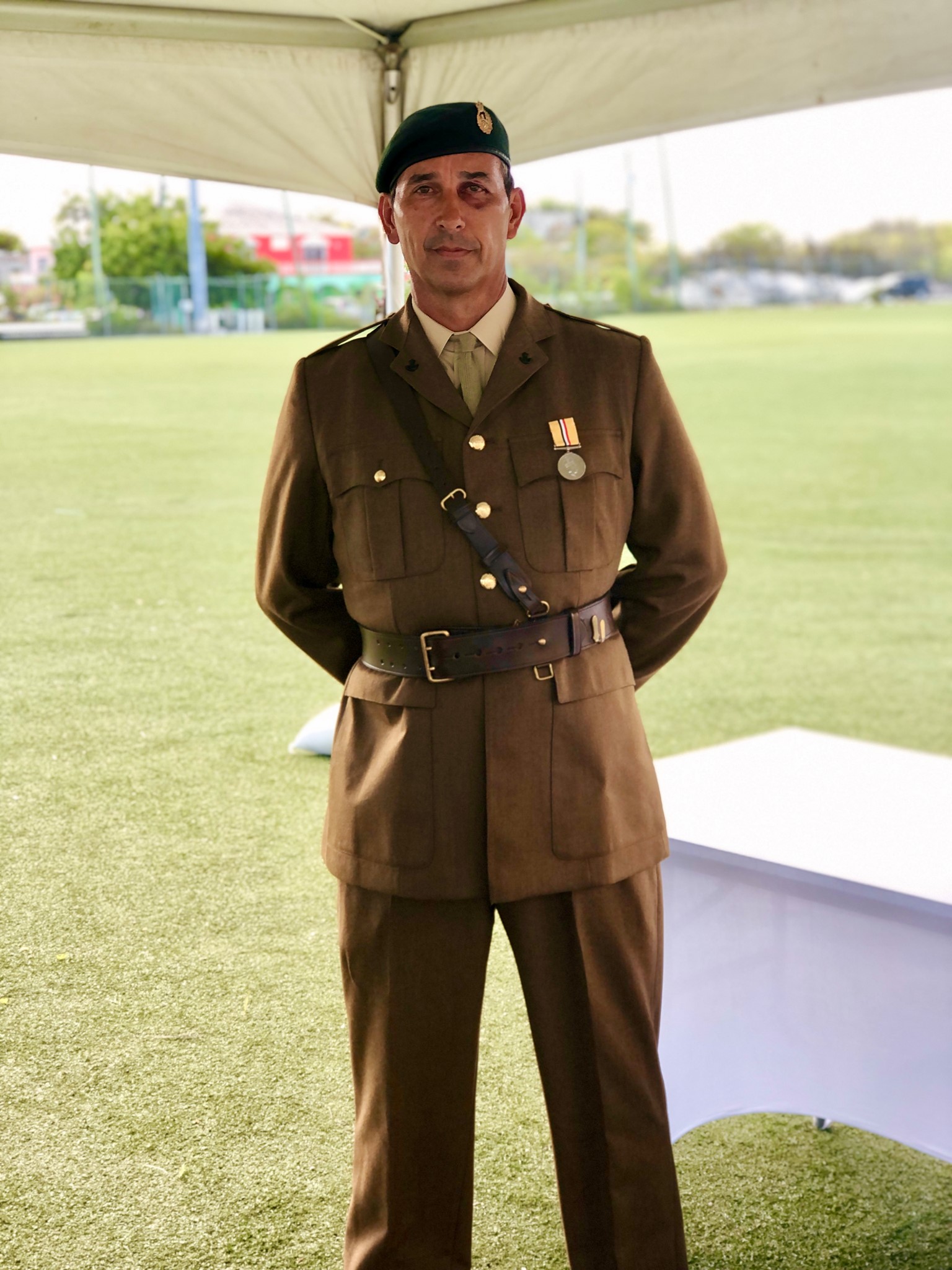
The national challenges are represented in your cap badge. Two symbols laid on top of one another. The Phoenix – a mythical bird that rises renewed and strengthened from the ashes of disaster, in TCI’s case natural disaster, an experience we know here too well. And the crossed Tridents representing the support you will provide to the protection of our maritime borders both on land and sea.
Therefore, from the outset, you are a Regiment focussed on ‘Mission’. You wear your promise, your covenant with the Territory in terms of your delivery, as the single most important accoutrement to your uniform, your cap badge. Your Regimental identity is your mission – and your mission is your Regimental identity.
If we wish to look for an example of that, we need only look to the fact that before your basic training was concluded, you’d been instrumental in detaining 15 who had landed illegally on our shores and who were bringing a considerable quantity of contraband with them that would do us, as a society, harm. You did that professionally, compassionately, intelligently and purposefully but the point is you did it. This Regiment looks good on parade – as it must – but it is in the bush, and on the water, and in the wreckage following a hurricane where the difference will be made.
Of course Regimental life is more than just mission. It is about bonds and brotherhood and sisterhood and camaraderie. We hope your time in the Regiment is ‘fun’. If it isn’t you won’t, in the long term, be effective as a Marine or as a Regiment.
A SYMBOL OF NATIONAL IDENTITY
Of course, to the people of this Territory, the Regiment is not just about what can be delivered, but also about the way we think of ourselves as a nation: our national identity, something I have spoken of before. This Regiment is I believe a strong signal of not just national identity but also national maturity.
As we mature as a nation our conversation as to what we mean by that word ‘nation’ also matures. We talk a great deal about both unity and diversity in TCI and I suggest before us is an example of how both can, indeed both must, sit comfortably together.
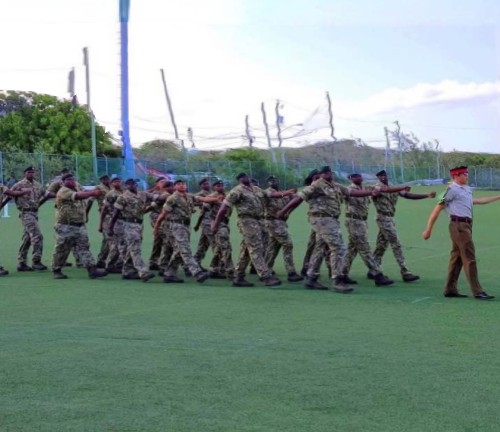
For example the Regiment speaks with one voice and within it, of course, engages in English but it can utilise Creole and Spanish and must have this language and cultural understanding to succeed in its tasks. It has a maritime infantry role, but both men and women serve in this Regiment alongside each other and go through the same training. On parade are those proud to call North Caicos and South Caicos, Providenciales and Grand Turk, their home island. There are many old TCI family names represented in the Regiment and there are also TCI/Bahamian’s, TCI/Haitians, TCI/Dominicans, TCI/Jamaicans and TCI/Guyanese serving in the ranks. Some in the ranks were born in the UK.
Diversity of ages brings differing strengths. The youngest on parade is 18, one is over 50. Half the Marines are in their twenties, fourteen of them are in their thirties. Three are in their forties The average age suggests a Regiment of mature experienced adults. There are some big physical men in this Regiment but I’ve also found someone my size!
Staying with diversity, and with an eye to the skills the Regiment inherits, before you is a doctor, there are boat captains, divers, life guards, electrical engineers, mechanical engineers, plumbers and carpenters, those that understand water sanitation and sewage, paramedics and firemen, managers and security guards, computer programmers and communicators, those that understand our main tourist industry, our large resorts and our airports.
In short this is a Regiment made up of volunteers that represent not only the totality of the Turks and Caicos Islands, but the very best of the Turks and Caicos Islands. There is both unity and diversity on parade, because unity and diversity are mission critical.
MANY TO THANK:
There are many to thank. The UK Minister for the Armed Forces, James Heappy MP, was here this week and he and a predecessor in that role, Lord Mark Lancaster – himself a UK reserve officer – have proved unrelenting in their support as has the UK’s Chief of Defence Staff, General Sir NickCarter.
The British Defence Attache, with us today, Lieutenant Colonel Simon Westlake, Royal Marines, has kept his eye on both the vision and on the detail, in equal measure and our Permanent Secretary for National Security – Tito Lightbourne – has provided critical policy and budgeting support including Chairing the Defence Board and my thanks to those who sit on that BOard giving freely of their time and experience.
The Royal Military Academy Sandhurst played an early and influential role training our officers, with more Sandhurst training to come, and having the Queens Personal Bodyguard here who are also a reconnaissance Regiment – the Household Cavalry – and the excellence of their soldiers, and the example of their ethos – has got us off to the best possible start. Our thanks to them under the command of Major James Heath. The enduring presence of Sergeant Major Dan Collins of the Rifles Regiment has helped anchor the new Regiment in daily professional practice and will continue to do so, so my thanks to General Sir Patrick Sanders, the Colonel Commandant of the Rifles, for releasing to us, one of his best.
A huge vote of thanks is due to the fantastic employers who are prepared to release some of their most valuable staff to serve in the Regiment, and therefore serve the Territory, and to the families who have stood resolutely in support. In terms of commitment a family joins a Regiment, not just an individual.
POLITICAL UNITY AND SUPPORT
A Defence Force that doesn’t have political support, or national support behind it, will surely fail as night follows day. This Regiment would not be before us had it not been for the complete commitment of two people, our previous Premier and our Present Premier. When Honourable Sharlene Cartwright-Robinson and Honourable Charles Washington Misick, as the then Leader of the Opposition, were asked if a UK Trained Regiment was something TCI wanted, as part of the delivery of our National Security Strategy, they were unequivocal in their support, both in initial word and subsequent deed.
Forming a Regiment from scratch, at time of Pandemic, with the economy at its most uncertain, when everything was harder than it normally would be, was not straightforward. There was a General Election and a change of Administration and a compressed budget cycle. If nothing else the formation of this Regiment was an act of focussed, cross-party, national political leadership, and national political unity, to deliver national security. That thanks must extend to include members of the previous Cabinet, and the present Cabinet, and to the past and to the present Legislature. The round of applause, from all sides of the House of Assembly, on Christmas Eve 2020, when the Defence Act passed, tells those on Parade that this Territory stands with them, as they stand for it.
THE WEIGHT OF COMMAND
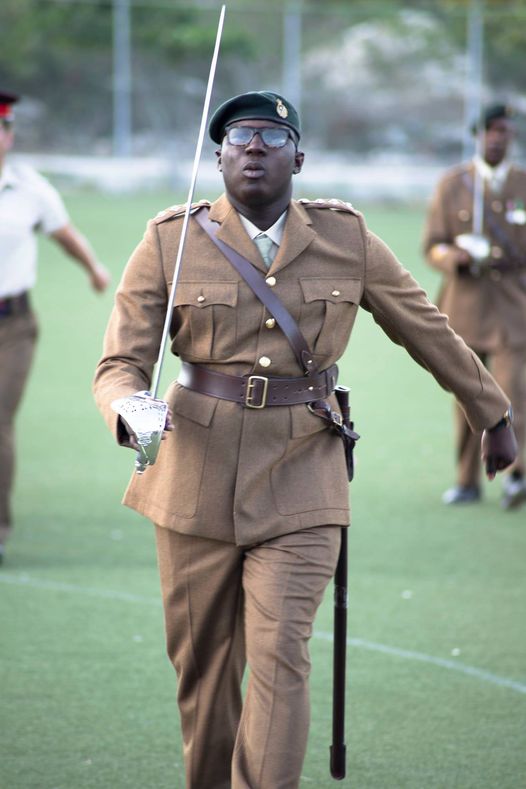
My final word of thanks and reflection goes to the man on parade on whom so much rested and on who so much now depends. The Commanding Officer, Lt Col Ennis Grant. He was the first man recruited to the Regiment. At one point we had a Regiment of one man. I asked him to place great trust in others, that they would deliver, and I had to put great personal faith in him, and he in himself, around his own personal delivery and drive. The Regiment that stands before us today was never inevitable. Colonel Grant placed his reputation and credibility on the line and then threw himself, meticulously, into planning and delivering, researching and recruiting, brainstorming and directing as well as program of inspiring personal development.
Colonel – a word to you – many people have been involved and have helped – some close and some distant – but in the end Command, I am told, is the loneliest of roles. Your Regiment, the Turks and Caicos Islands Regiment, now stands before you: trained to a basic standard. They are no longer recruits, they are Marines, and this is no longer an aspiration but a formed and disciplined Regiment.
We collectively said we would have this Regiment ready for this Hurricane Season and on 31st July 2021 it is here. It is youthful and its journey towards full professional development is only just beginning – there is a long road ahead – it cannot run before it can walk – but it is here and you are stood in front of it, in Command.
All of us here today entrust this Regiment to you – a trust easily given – because it has been earned by you. You will soon instruct the Regiment to march off the Parade Ground and into its future – a future for itself, certainly, but many here hope it is also a symbol of a new and better future for the way this Island both secures itself and thinks of itself. All of us at this parade salute you, thank you for carrying the burdens as well as the pleasures of Command and we salute ‘your’ Regiment, as you salute us. We thank you for your service.
And so many God bless the Turks and Caicos Islands, may God bless the Turks and Caicos Islands Regiment and most importantly, today, may God Bless our Marines who so willingly serve and of whom we are all so very very proud. “

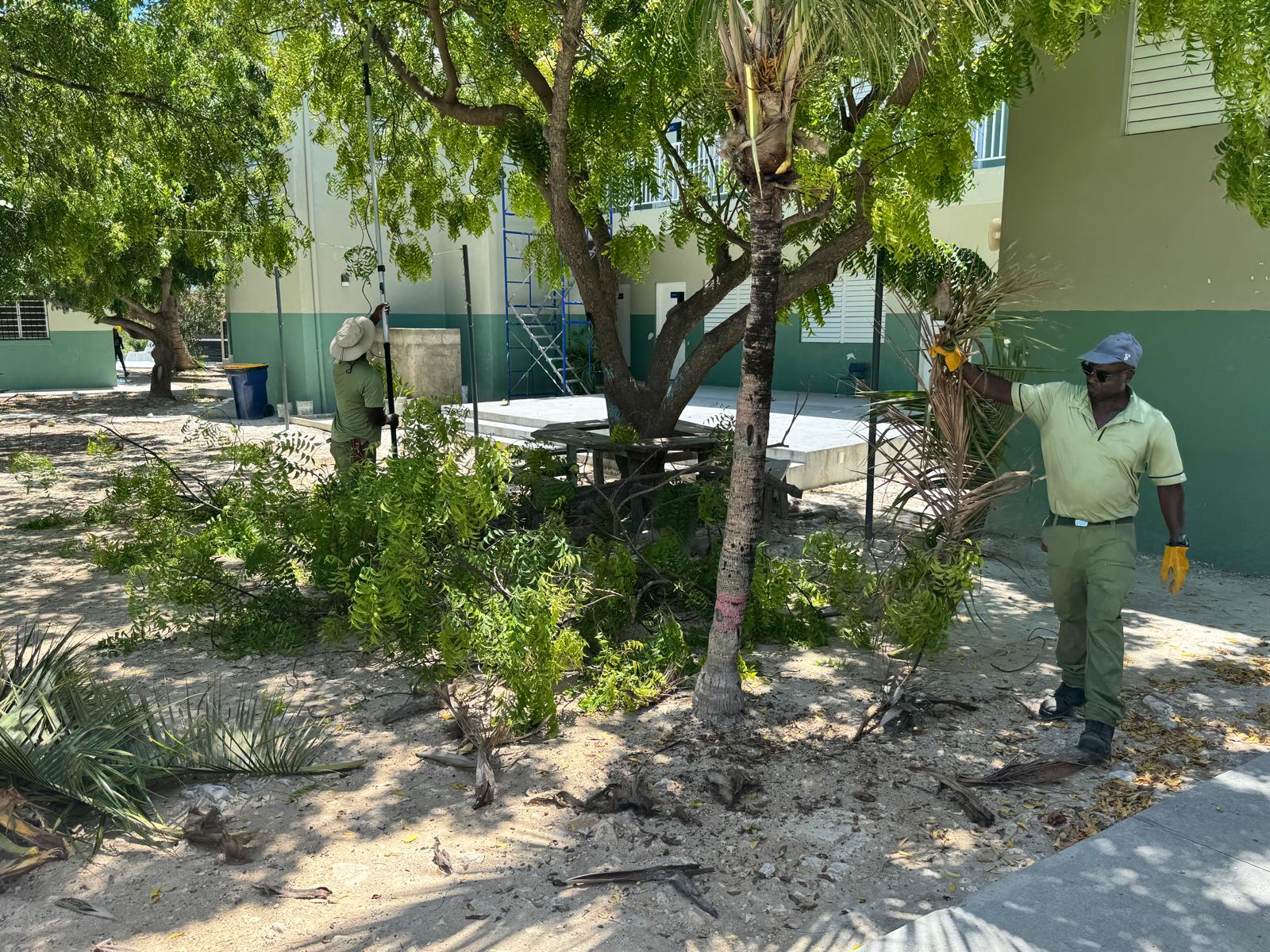
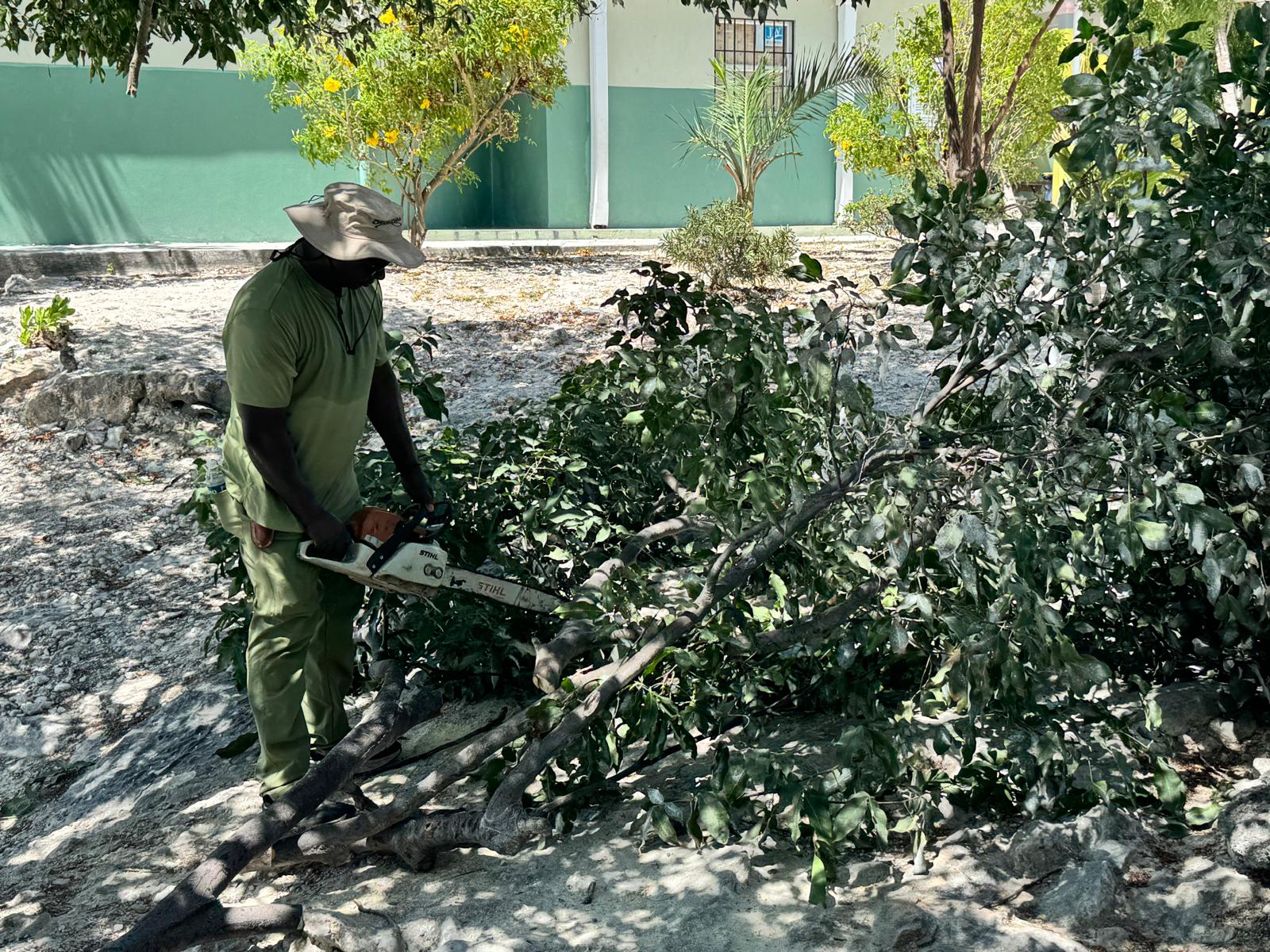
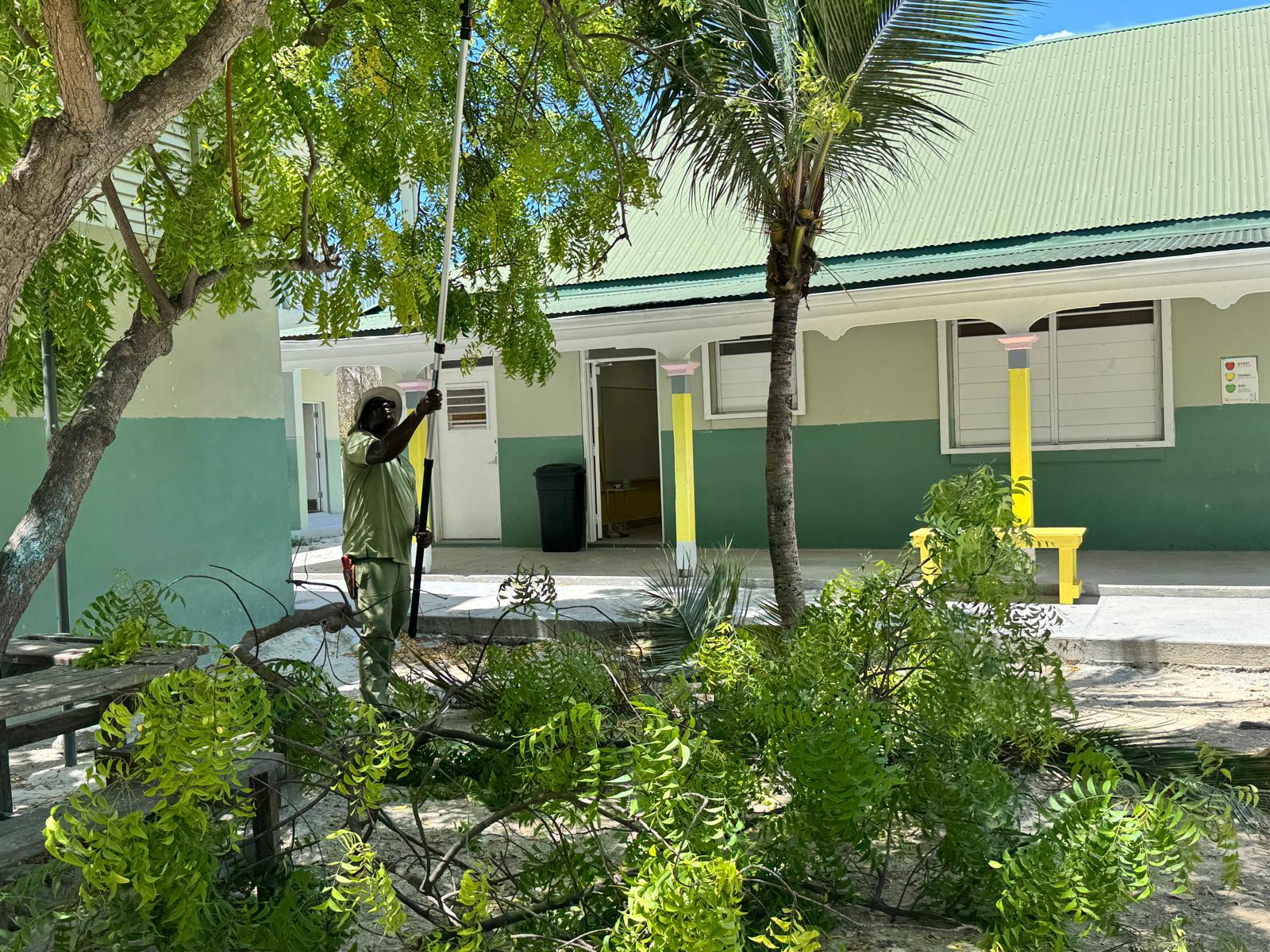
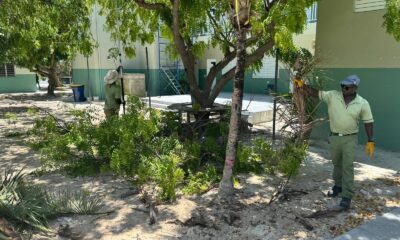
PROVIDENCIALES, Turks & Caicos Islands: — Beaches Turks and Caicos has refreshed the grounds of Enid Capron Primary School in Five Cays, Providenciales, ahead of the new school year, with a landscaping team from the resort, pruning and cutting back overgrown branches to give the campus a cleaner, safer look.
The project focused on the school’s exterior plantings, where tangled growth had begun to encroach on walkways and outdoor learning areas. The team spent time trimming hedges, thinning dense shrubs and removing deadwood to improve sightlines and airflow around the buildings.
Assistant Landscaping Manager, Kemar Jones said the work at Enid Capron is a regular priority for the department, which views community giving as a core part of its mandate. He noted that supporting local schools, particularly through hands-on environmental work, has long been a focus area for his team.
Jones, said the effort reflects the group’s wider commitment to the islands. “As a team, our goal is to give back to our communities and especially providing support for the environment and education,” Jones noted. “The team is always ready to share our skills with making the school environment more comfortable for our students and teachers.”
General Manager Deryk Meany framed the project as part of Beaches’ broader approach to working alongside the community beyond the resort gates. “At Beaches Turks and Caicos, we operate as a team not only within the confines of the resort but also with our communities,” Meany added. “Being able to share our varied skills is always our main focus. Providing a comfortable learning environment allows for a greater relationship with our educational collaborators.”
He added that the resort seeks opportunities to support range of school-based initiatives, from environmental and leadership clubs to creative programmes.
Minister of Education, Youth, Sports and Culture Hon. Rachel Taylor described the landscaping mission as a continuation of a long-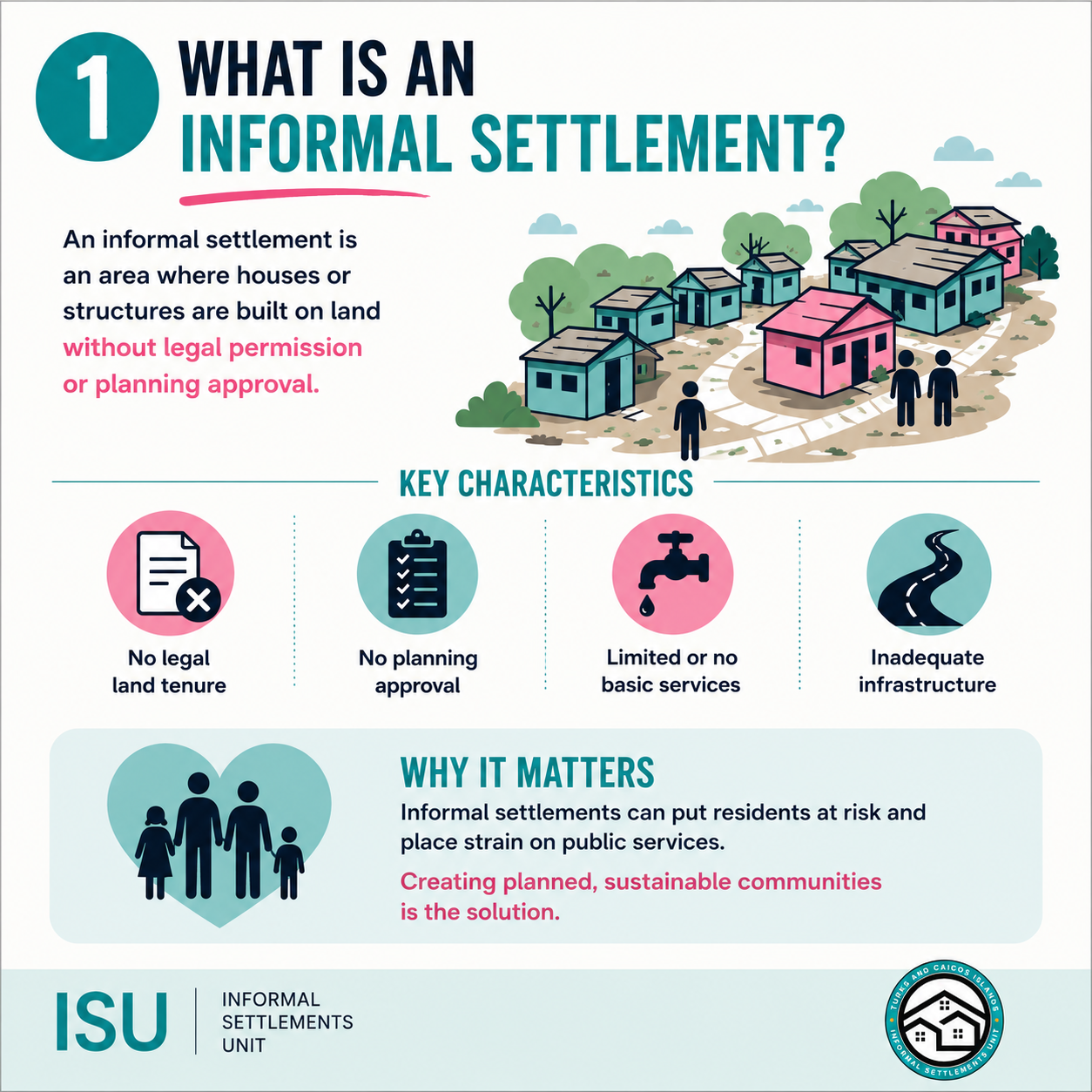 standing relationship between the Ministry and Beaches Turks and Caicos. “This mission from our major private sector supporter, Beaches Turks and Caicos is a long standing activity,” Taylor said. “At Enid Capron Primary School, we are treated as family. Once we reach out to the resort, they have always responded in a positive way.”
Hon. Taylor said the support is particularly valuable in the areas of education and community development, where consistent private-sector engagement can amplify government efforts.
Nelene Swann, vice principal at Enid Capron Primary welcomed the refreshed grounds as a boost to morale before classes resume. “This is what true collaboration looks like,” she noted. “This is more than a facelift for the school. The team from Beaches Turks and Caicos has shown true commitment in adding to this learning environment for our students and teachers.”
She said the improved landscaping contributes to a more comfortable and inviting campus for all stakeholders. “This is a good way to start the new school year. This facelift will certainly make the facilities here at the school more appealing to our students, teachers and parents.
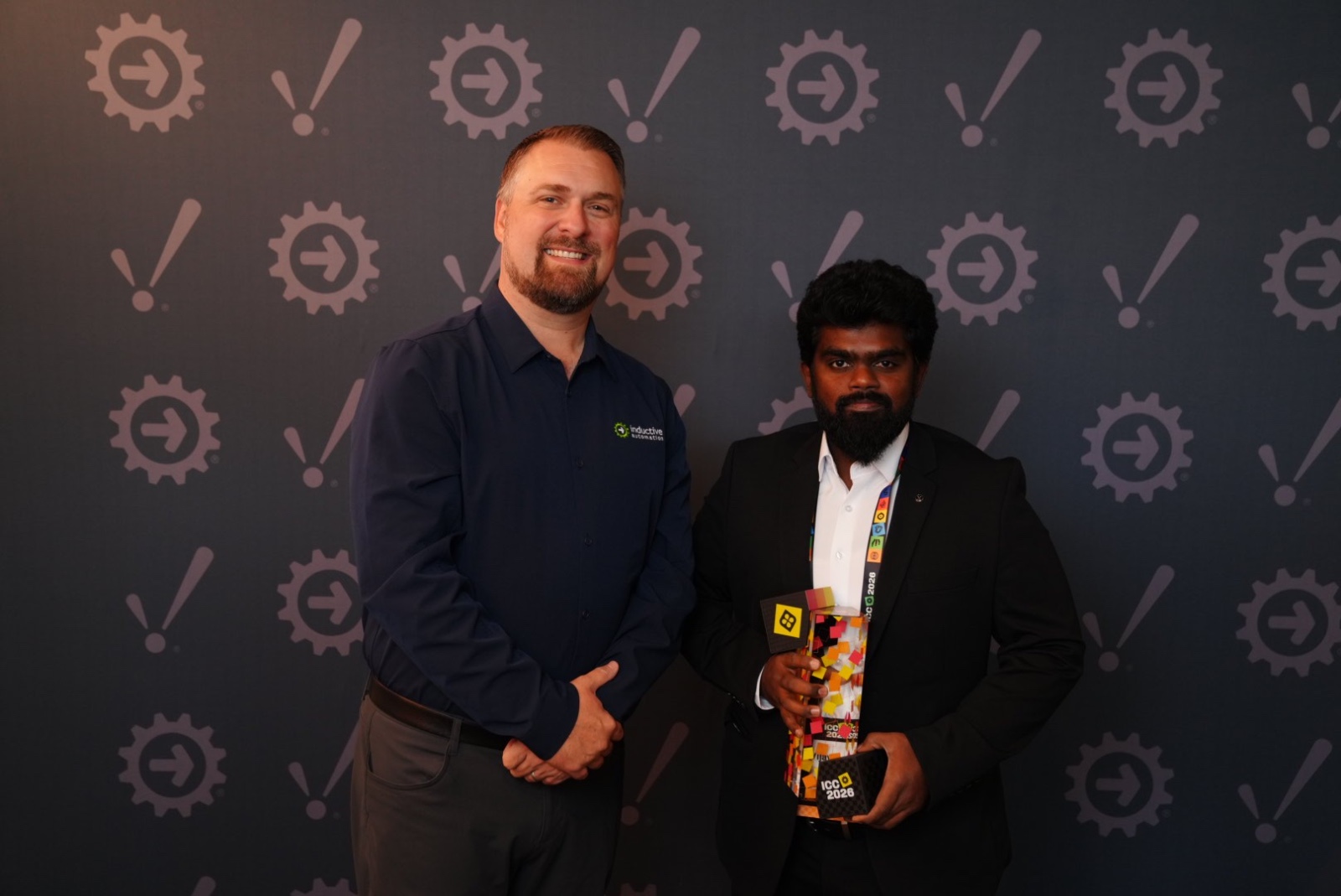
Providenciales, Turks and Caicos Islands – Friday, 9 October 2026: The Turks and Caicos Islands Community College (TCICC) has earned international recognition after receiving the 2026 Educational Engagement Firebrand Award at the Ignition Community Conference (ICC) 2026.
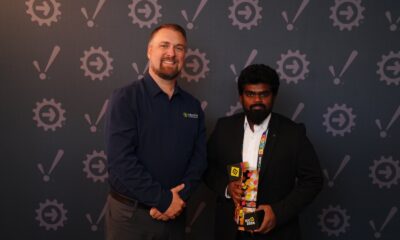
The College was represented by Dr. P. Vijay Daniel, Lecturer in the Faculty of Computing, Engineering and Mathematics, who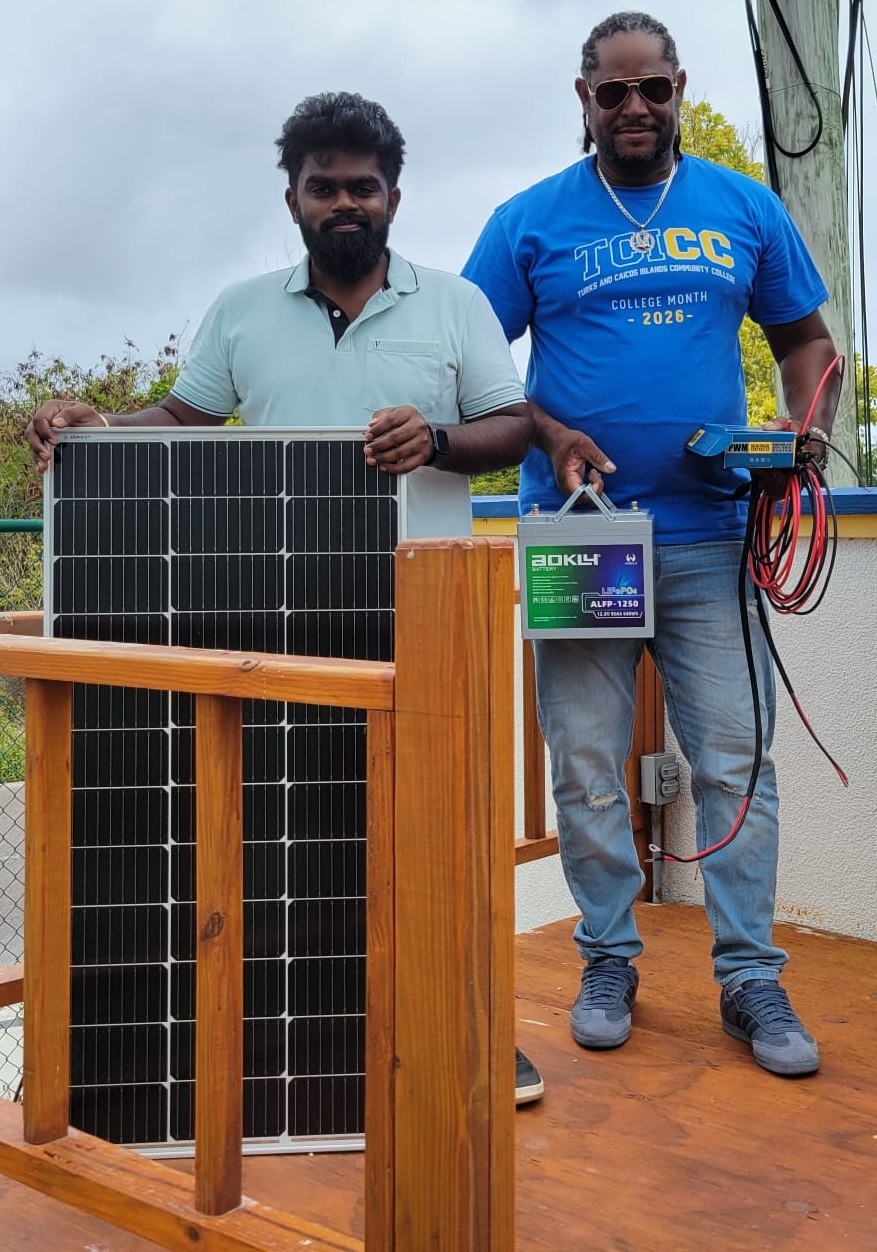 presented TCICC’s Island Smart Utility Platform project before an international audience of industry professionals, system integrators, educators, researchers and technology experts.
Organised by Inductive Automation, ICC is an international conference focused on industrial automation, technology, system integration and innovative applications developed using the Ignition platform.
TCICC’s award-winning project integrates Ignition with affordable ESP32 microcontrollers to support sustainable agriculture while providing students with hands-on experience in Internet of Things (IoT), Supervisory Control and Data Acquisition (SCADA) and automation.
The project was also featured in the conference’s Discover Gallery, providing TCICC with an opportunity to showcase its work to approximately 1,900 attendees from across the international industrial automation and technology sectors.
Speaking to the significance of the achievement for education and innovation in the Turks and Caicos Islands, the Honourable Rachel Marshall Taylor, Minister of Education, Youth, Sports and Culture, remarked:
“I congratulate Dr. P. Vijay Daniel and the Turks and Caicos Islands Community College on this outstanding achievement. Recognition on an international platform demonstrates the talent, innovation and potential that exist within our education system. Initiatives such as the Island Smart Utility Platform show how education, technology and practical learning can work together to prepare our students for the opportunities of the future.”
The recognition also reflects TCICC’s continued commitment to strengthening applied, innovative and technology-driven education while preparing students for an increasingly digital workforce.
Reflecting on what the achievement represents for the College and its students, Dr. Candice Williams, President/CEO of the Turks and Caicos Islands Community College, stated:
“This recognition is a significant achievement for TCICC and reflects our commitment to providing students with meaningful opportunities to apply what they learn in the classroom. We are extremely proud of Dr. Daniel and the work being undertaken within the Faculty of Computing, Engineering and Mathematics. This award demonstrates that innovation taking place at TCICC can achieve international recognition and contribute to the continued development of the Turks and Caicos Islands.”
For Dr. Daniel, the conference provided an important opportunity to share TCICC’s work internationally while engaging with professionals and experts from around the world.
Sharing his experience of representing the College on the international stage, Dr. Daniel said:
“Representing the Turks and Caicos Islands Community College at ICC 2026 was a proud and meaningful experience. Presenting our project in the Discover Gallery and receiving the Firebrand Award for Educational Engagement was especially rewarding because it recognised the work we have been doing with our students.
To see TCICC and the Turks and Caicos Islands represented on such a major international platform was truly special.”
Dr. Daniel also expressed appreciation to the Management of TCICC for its continued support and for providing him with the opportunity to represent the College internationally.
PHOTO CAPTION:
Insert: Dr. P. Vijay Daniel and Mr. Menelik Astwood (Chair of Faculty for Computing, Engineering and Mathematics).
News
Stakeholders Strengthen Collaboration on Housing and Informal Settlements at World Habitat Day Roundtable
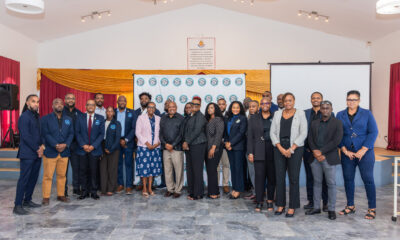
Providenciales, Turks and Caicos Islands – Friday, 9 October 2026: Representatives from across Government and key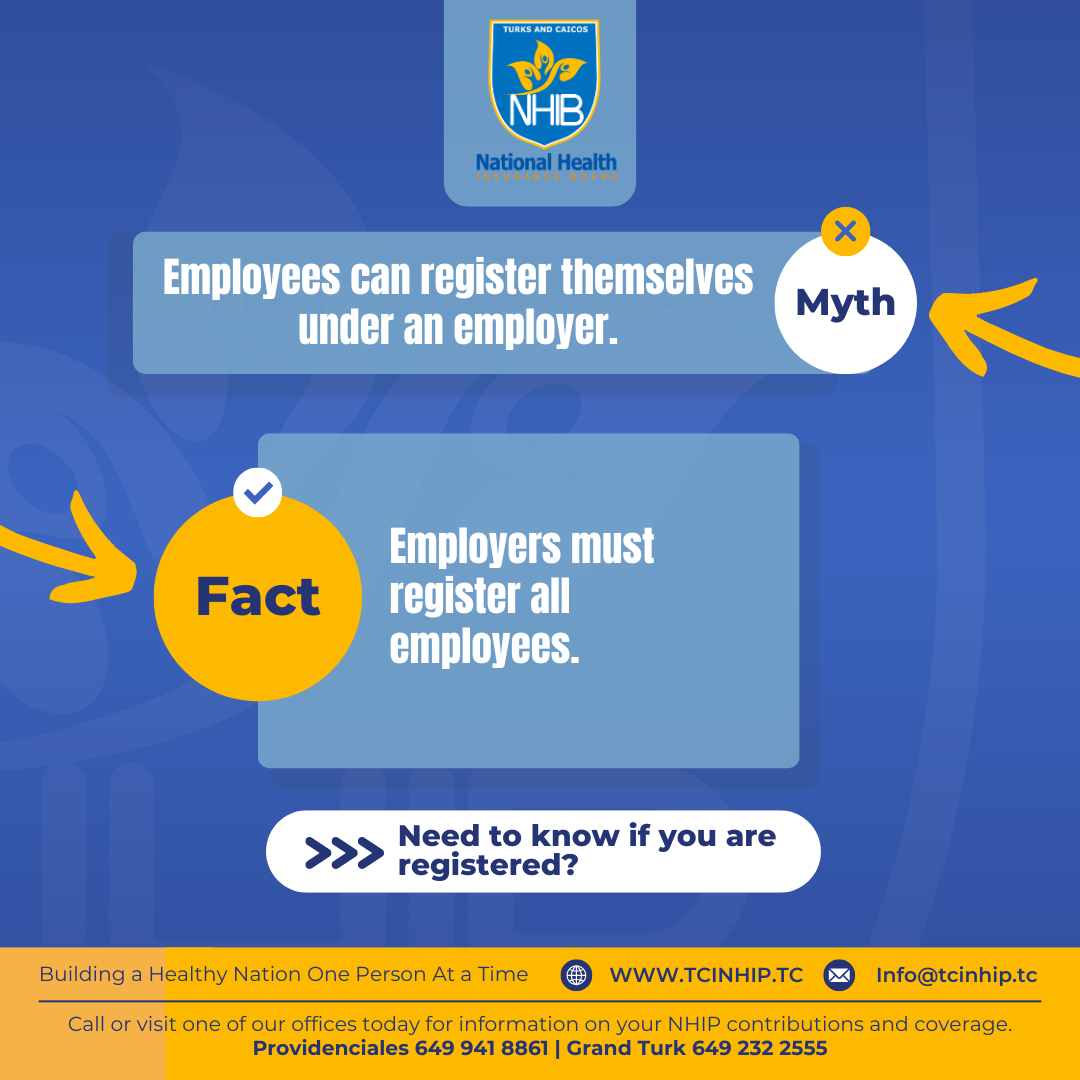 stakeholder organisations came together on Monday, 5 October, for a World Habitat Day Stakeholder Roundtable focused on housing, informal settlements and opportunities for stronger inter-agency collaboration in the Turks and Caicos Islands.
Held at the Salvation Army Brighter Futures Centre under the theme “Adequate Housing for All,” the roundtable was hosted by the Informal Settlements Unit (ISU) and the Department of Housing and Community Renewal, in collaboration with the Planning Department.
The event brought together representatives from agencies whose respective mandates intersect with housing, land use, infrastructure, environmental management, social development and informal settlements. Discussions focused on the challenges affecting access to adequate housing in the Turks and Caicos Islands and the need for coordinated approaches to both existing informal settlements and future housing development.
Opening remarks were delivered by Justice Carlos W. Simons KC, Strategic Lead of the Informal Settlements Unit; Premier of the Turks and Caicos Islands, Hon. Charles Washington Misick; and Her Excellency Dileeni Daniel-Selvaratnam, Governor of the Turks and Caicos Islands.
In his remarks, Premier Misick acknowledged the housing crisis facing the Turks and Caicos Islands, including the gap between the cost of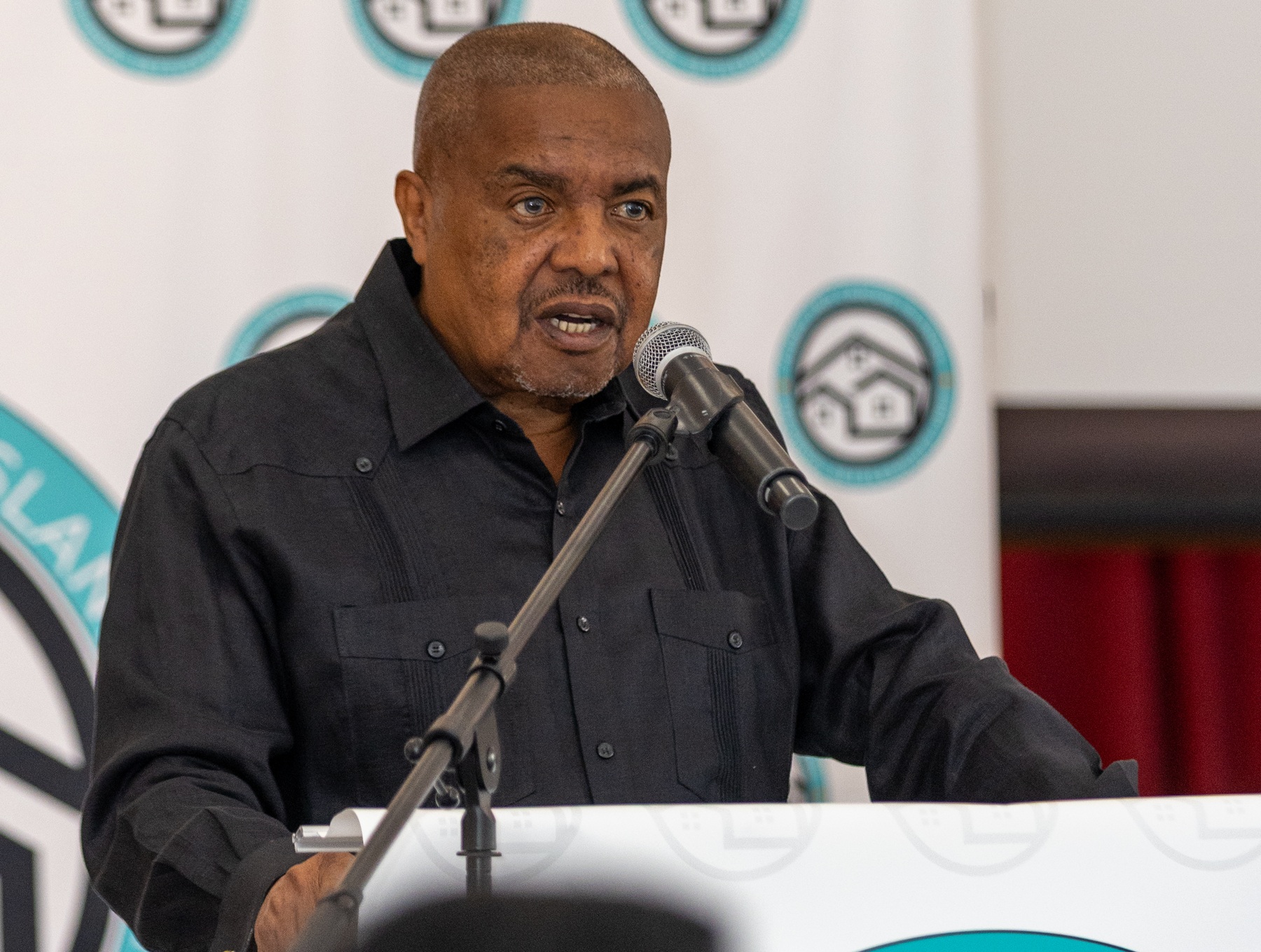 housing and what many residents can afford. He emphasised the need to move beyond discussions and planning towards practical action to address the challenges. “I’m calling on all of us…to get from behind the desk, from focusing on producing paperwork and nice presentations and let’s focus on actually delivering what we have been tasked to deliver” the Premier urged.
Governor Daniel-Selvaratnam also addressed the pressures on housing availability and affordability arising from the Islands’ rapid economic growth, noting their connection to the proliferation of informal settlements. While recognising the difficult circumstances faced by individuals seeking shelter, she stressed the need for responses that balance humanitarian considerations with the enforcement of laws governing land use, planning, immigration and public safety.
“This is therefore not a choice between humanity and enforcement. A mature response must be capable of holding several truths at once- that some people are genuinely vulnerable…that the state has responsibilities towards those at risk, and that equally, laws governing land, planning, immigration and public safety must retain meaning,” the Governor stated.
The Department of Housing and Community Renewal, Planning Department and Informal Settlements Unit subsequently delivered presentations examining the issue from their respective areas of responsibility.
The Housing Department outlined current housing challenges and initiatives being pursued to expand access to appropriate and affordable housing. The Planning Department examined the relationship between housing, land use, infrastructure, safety and resilient community development, while the ISU presented findings from its GIS mapping and Social Needs Assessment Survey and outlined possible pathways for addressing informal settlements through regularisation, redevelopment and alternative housing solutions.
The presentations were followed by a guided stakeholder discussion examining issues including housing affordability, infrastructure, land availability, informal settlement regularisation, environmental and social considerations, and the roles different agencies can play in developing sustainable responses.
A key outcome of the discussion was an agreement to establish a stakeholder liaison network, with each participating organisation committing to designate a representative to serve as its principal point of contact. The network will provide a mechanism for continued communication and information-sharing among participating agencies, while helping to identify opportunities for closer collaboration on matters where their respective mandates intersect.





-
 News6 days ago
Beaches Turks & Caicos strengthens year-round commitment with local craft vendors and transport operators
-
 Health1 week ago
Cleveland Clinic First in Ohio to Perform Robotic Nipple-Sparing Mastectomy
-
 News4 days ago
Beaches Turks & Caicos gives Enid Capron Primary a pre-term facelift
-
 Independent writer18 hours ago
Born Here, Raised Here, but Still Unable to Vote: Is this a Conundrum for TCI Electorate?
-
 Bahamas News7 days ago
Two Months On, The Bahamas Academy of Sciences Turns Fifty Years of Research into Action
-
 News5 days ago
Stakeholders Strengthen Collaboration on Housing and Informal Settlements at World Habitat Day Roundtable
-
 Education4 days ago
TCICC Earns International Recognition at Ignition Community Conference 2026