
Bahamas News
BAHAMAS: Prime Minister National Address

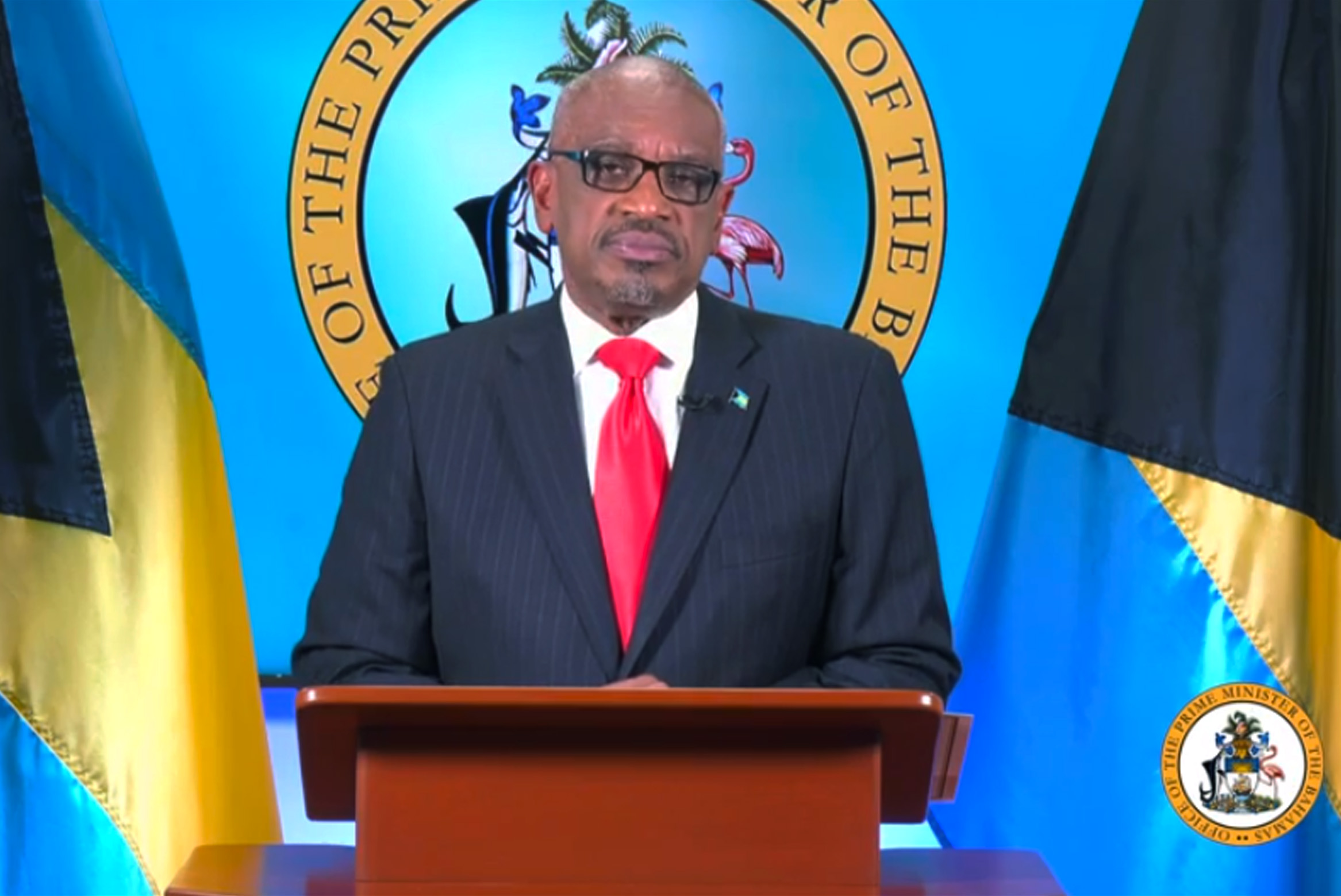
#TheBahamas, August 19, 2021 –
National Address
Most Hon. Dr. Hubert Minnis
Prime Minister and Minister of Finance
General Election
Thursday, 19 August 2021
My Fellow Bahamians:
Good morning.
We live in a vibrant parliamentary democracy, secured by our Founders for the promotion of the common good and the general welfare. Our rich democratic heritage includes free and fair elections through which the people choose their representatives.
Earlier today Parliament was dissolved.
It is time for you, the people, to choose who you will elect to form the next Government of the Commonwealth of The Bahamas.
For the past year and a half, we have battled the COVID-19 pandemic together. This is the worst public health crisis in our modern history. This deadly virus has killed millions of people around the world, and made hundreds of millions of others sick. Here at home many of our loved ones have died or fallen ill.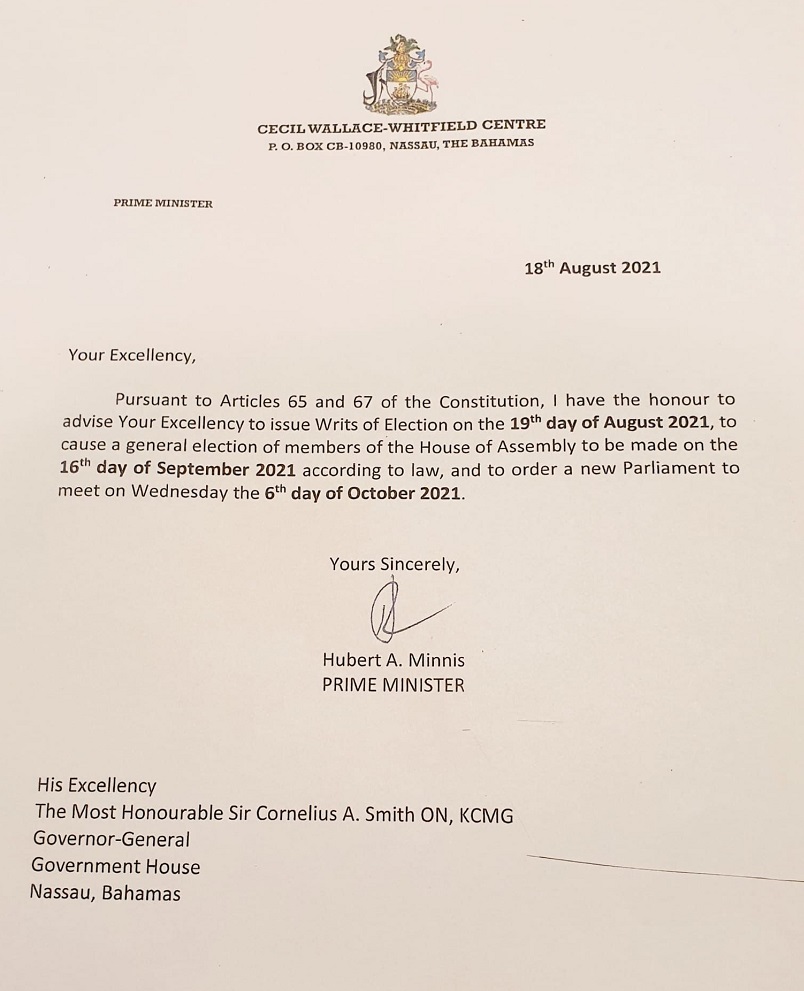
You have worked with my Government and the public health team, abiding by the rules and doing your best to help to protect lives and livelihoods. I thank you for partnering with us on this difficult journey.
Dear Fellow-Bahamians
On Wednesday August 11, I announced in the House of Assembly that the United States of America donated 397,000 doses of the Pfizer vaccine to The Bahamas. We received 128,000 of those doses the following day. The Bahamas received earlier today, 38,400 doses of the one-shot Johnson and Johnson vaccine. These doses are in addition to the AstraZeneca vaccines we received over the past few months.
In total, including doses received and those arriving in the coming weeks, The Bahamas was able to secure well in excess of 550,000 doses of the lifesaving vaccines. We can now vaccinate ourselves out of the emergency phase of the pandemic. This does not mean the pandemic will quickly go away.
Indeed, the pandemic will continue for some time around the world, with the risk of other variants.
We will, for a time, still have to abide by commonsense public health measures such as wearing masks.
My Government has provided for public consultation a draft of new legislation to replace the Emergency Orders.
The Emergency Orders will end on Saturday, November 13, 2021.
Although there has been progress in securing vaccines, we still face challenging times in the short term due to the current surge in cases. Much of the world is battling increased cases due to the delta variant.
My Government is spending more than seven million dollars on public health resources to help battle this wave. This includes creating more beds and spaces to treat those who are ill as well as bringing on more health care and medical personnel.
My sympathies and prayers go out to all who have lost loved ones to this terrible virus.
Let us all remember to keep abiding by the public health measures to definitively defeat this surge.
Dr. Merceline Dahl-Regis chairs our National Covid-19 Vaccine Consultative Committee. This past Sunday, August 15th, Dr. Dahl-Regis indicated that the country hoped to fully vaccinate 60,000 Bahamians over the next six weeks. I am encouraged by the high number of people coming forward to get vaccinated.
With our new supply and you doing your part taking the shots, we are beginning the process to end the emergency phase of the pandemic.
Our goal is for The Bahamas to be one of the most vaccinated small-island developing countries in the world.
Dear Fellow Bahamians
As a result of our country reaching the goal of securing the vaccines we need, it is now time for the Bahamian people to choose who they want to lead them as we move toward vaccinating every Bahamian who wishes to be vaccinated.
Your next Government will have key decisions to make in enacting post pandemic public health legislation.
Your next Government will have to make other key decisions to build on the robust economic growth started on our watch.
Your next Government will have to make important decisions on rebuilding and renewing a post-COVID-19 Bahamas.
A new mandate is needed to ensure that a Government is in place to do this difficult work over the long term as we are reaching a critical turning point in the pandemic.
I have advised the Governor General to issue the writs of election which will be held on Thursday the 16th September 2021. We have a long tradition of peaceful elections. Let us continue that proud tradition. We must discuss the issues rigorously and peacefully, contrasting our various visions for the country.
In our democratic tradition the people rule.
Your collective wisdom will decide our way forward.
Your collective wisdom will decide our shared future.
All political parties should conduct their campaigns in keeping with public health guidelines.
May God continue to bless and guide our Bahamas.
Thank you for listening.
Good morning.


The Bahamas, March 30, 2026 – The voice of a proud mother captured the spirit of a nation Monday night, as Bendra Rolle shared heartfelt reflections on the overwhelming Bahamian support for her son, VJ Edgecombe, during the Philadelphia 76ers matchup against the Miami Heat in Miami.
“The patriotic support and scenery at my son, VJ Edgecombe’s NBA game… was overwhelming,” Rolle said in a statement issued following the game. “The arena in Miami was lit. Bimini and the Bahamas showed up and showed out.”
Her words come amid what has already been widely described as a remarkable showing of national pride, with Bahamians traveling in large numbers to South Florida to witness the young guard’s continued rise. For Rolle, however, the moment extended far beyond basketball.
“Beyond VJ’s basketball talents, I’m so moved by his magnetic personality and personal journey to inspire and excite an entire nation—our beloved Bahamas,” she said. “I thank God for VJ’s humility and for his hunger for greatness. He never forgets how far God has brought us.”
While the Sixers did not secure the win on the night, Edgecombe delivered a solid individual performance, finishing with 13 points and five assists. He made an early impact on the game, showing confidence and poise before foul trouble disrupted his rhythm, but still managed to leave his mark in meaningful minutes.
The game itself evolved into a cultural showcase, with Bahamian flags waving throughout the arena and chants ringing out in support of Edgecombe. Much of that presence was bolstered by a coordinated travel push from Bahamasair, which helped facilitate fan travel and added to the electric atmosphere in Miami.
Rolle said the emotional weight of the moment was deeply felt by her family, as they witnessed firsthand the unity and pride of the Bahamian people.
“Thanks and love for the tears and overwhelming joy on Monday, Bahamas,” she expressed. “The Bahamian flags were love, loud, and proud. On my own behalf, VJ, and the entire family, I am ever grateful for the indescribable experience.”
Her closing words underscored what many have described as the true victory of the night—not the final score, but the powerful display of national pride and support surrounding one of The Bahamas’ rising stars.

PHOTO BY SIXERS NATION
Bahamian pride is already on full display in South Florida, with fans arriving in strong numbers ahead of tonight’s highly anticipated NBA matchup featuring VJ Edgecombe and the Philadelphia 76ers.
Helping to power that movement was Bahamasair, which rolled out a strategic promotion to facilitate travel, turning the game into a full-scale national showing.
And the celebration started early.
A “Bahamas Invades Florida” pre-party over the weekend set the tone, with Bahamian fans, DJs and supporters converging in Fort Lauderdale to build momentum ahead of the game. The event, marketed as a major cultural gathering, has spilled into Miami, where a strong Bahamian presence is expected inside the arena tonight.
This is no ordinary road game.
The Sixers enter the matchup healthy and are favoured to win, adding to the anticipation surrounding what many expect to be a standout performance by the Biminite guard.
Edgecombe, the third overall pick in the 2025 NBA Draft, has been electric in his rookie season — delivering high-scoring performances and quickly establishing himself as one of the league’s most exciting young talents.
But beyond the stats, it’s the moment that matters.
With South Florida just a short flight away, Bahamians have seized the opportunity to show up in force — flags, energy and all — transforming the game into something far bigger than basketball.
A national turnout.
A rising star.
And a night where the Bahamas is expected to be felt — from tip-off to final buzzer.
Angle by Deandrea Hamilton. Built with ChatGPT (AI). Magnetic Media — CAPTURING LIFE.
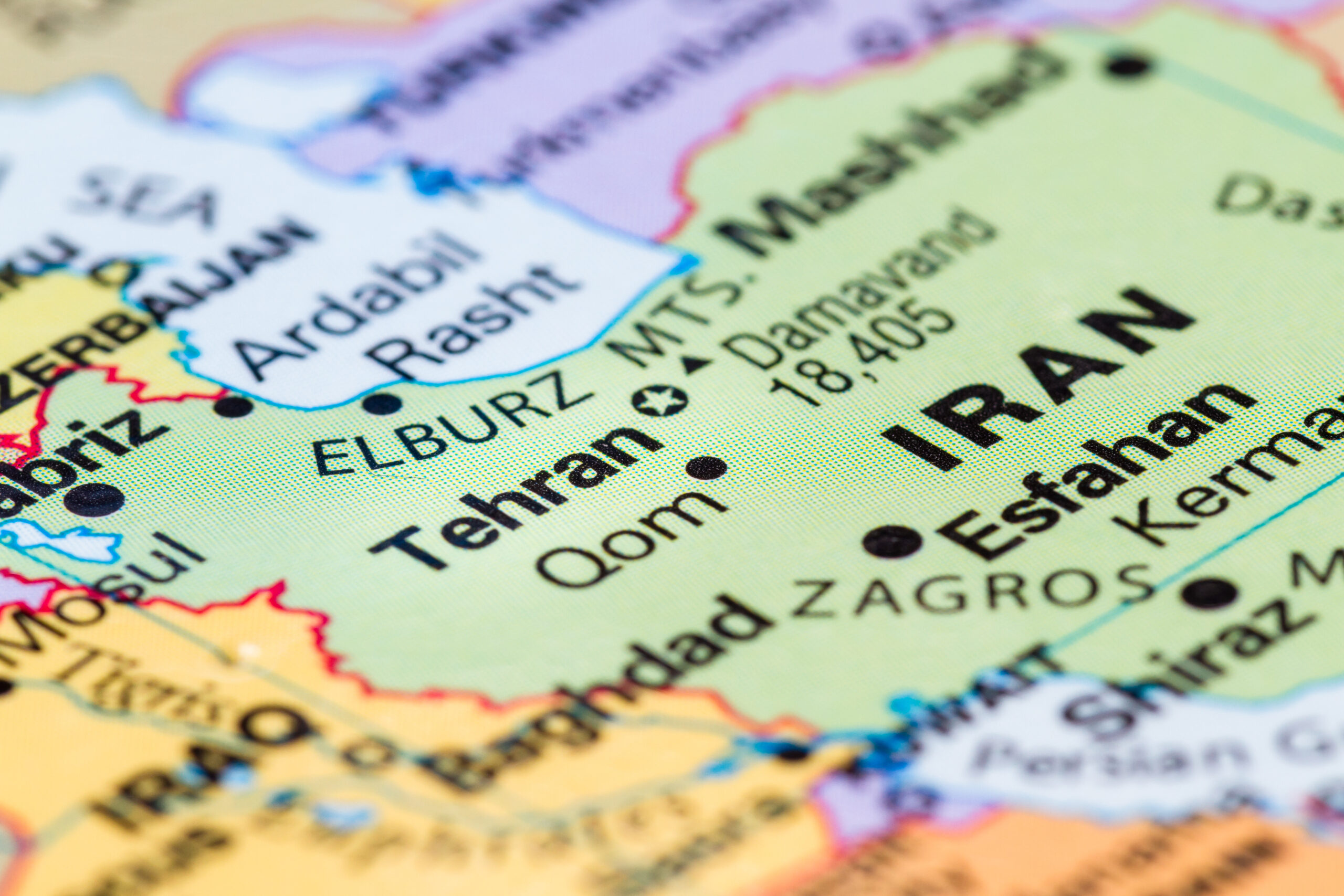
The Bahamas, March 18, 2026 – Twenty days into the latest Middle East escalation, the United Nations is warning the conflict is spreading beyond its original battlefield, as the death toll rises and governments around the world issue urgent travel advisories — including The Bahamas.
In a March 17 statement, the UN Secretary-General’s office said the war must stop and called for all Security Council resolutions to be respected, noting with concern that countries in the Gulf continue to be targeted, raising fears of a wider regional confrontation.
The current round of fighting began February 28 with strikes involving the United States, Israel and Iranian-linked forces, followed by missile and drone attacks across Iraq, Lebanon and parts of the Gulf.
International monitors report more than 1,300 people killed in Iran alone, with additional casualties reported in Lebanon, Israel and Gulf states. U.S. officials confirm at least 13 American service members have died since the escalation began, while reports indicate additional senior Iranian military leaders were killed in recent strikes.
Despite the growing violence, several NATO countries including the United Kingdom, France and Germany have not joined offensive operations, instead calling for diplomacy to prevent the conflict from widening.
The Bahamas Ministry of Foreign Affairs has also issued a travel advisory, warning Bahamian nationals to avoid travel to Israel, Palestine, Iran and Lebanon and to reconsider travel across much of the Gulf region due to the risk of sudden escalation, flight disruptions and security threats.
Officials say Bahamians already in the region should remain vigilant and be prepared for rapidly changing conditions.
Angle by Deandrea Hamilton. Built with ChatGPT (AI). Magnetic Media — CAPTURING LIFE.





-

 News3 days ago
Password to Paradise Radio Remotes at Beaches Turks & Caicos continue to highlight the TCI as the preferred Caribbean destination
-

 Health1 week ago
Turks and Caicos Islands Hospital Celebrates Patient Safety Awareness Month: “Team Up for Patient Safety”
-

 News4 days ago
Beaches Turks & Caicos adds four new PADI Dive Instructors to the cadre of professionals in the watersports department
-
 News4 days ago
Beaches Turks & Caicos shares fine dining experiences to high school students in Providenciales
-
 Health1 week ago
Turks and Caicos Islands Medical Association (TCIMA) Elects New Executive
-

 News7 days ago
Flow TCI supports ‘Stars of Tomorrow’ at Inter-Primary Track and Field Championships
-

 Bahamas News2 days ago
Bahamasair Backs Surge as Bahamians Flood South Florida for V.J. Edgecombe Showdown
-
 News7 days ago
ISU Community Caravan Delivers Essential Services to Granny Hill North