
News
TCI: Mrs. Rhoda Williams Appointed as Principal of the Ona Glinton Primary School


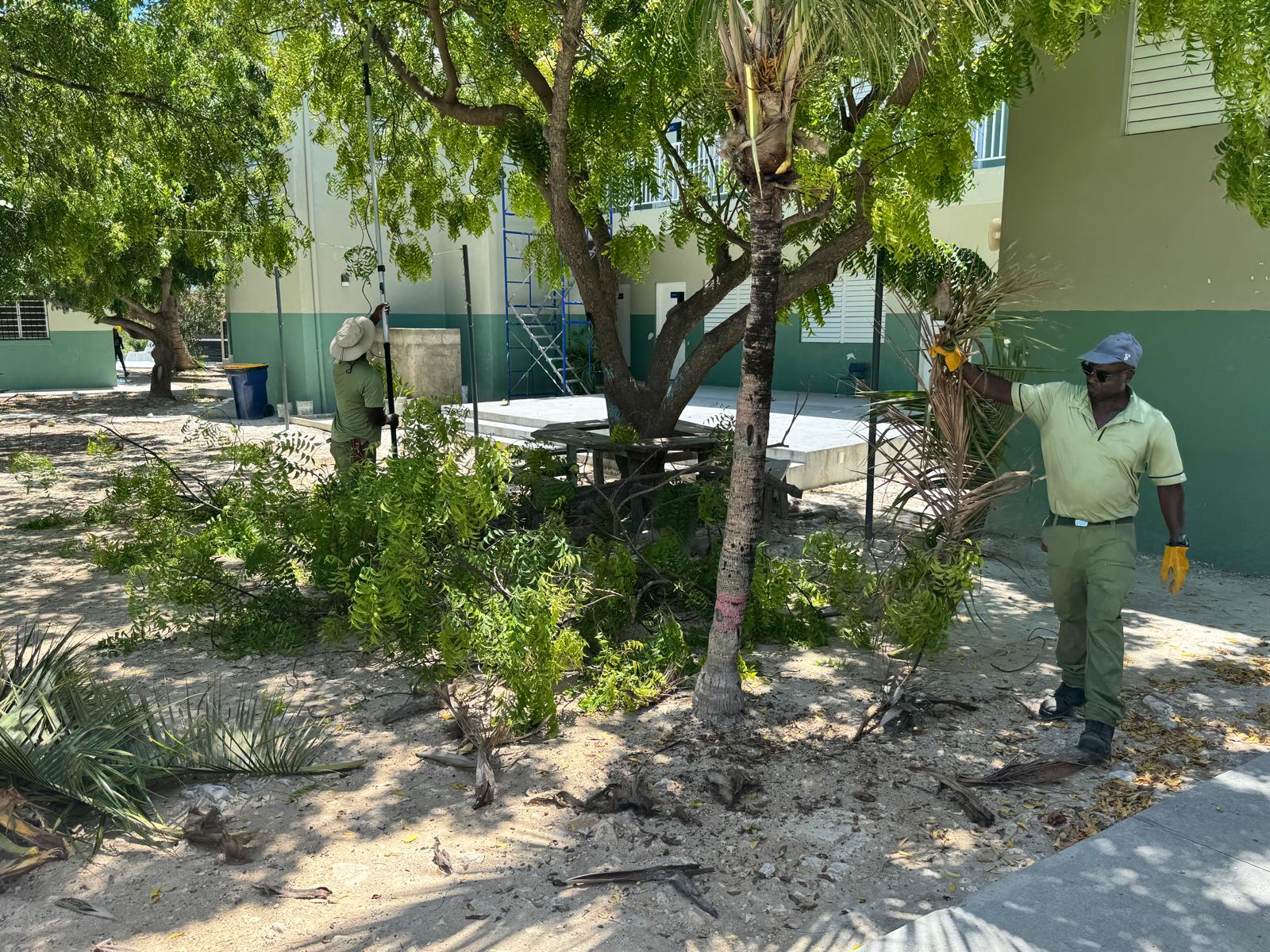
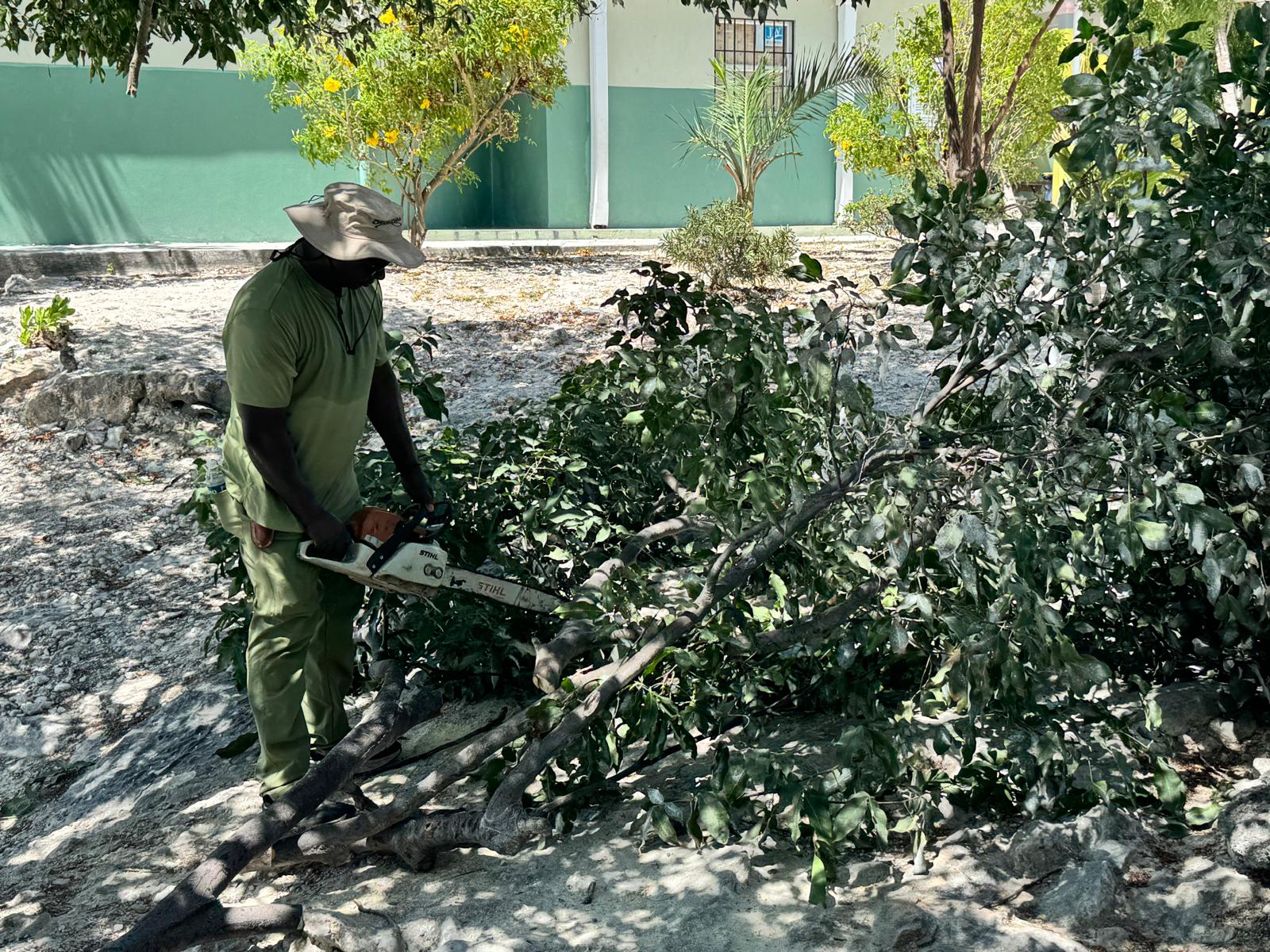
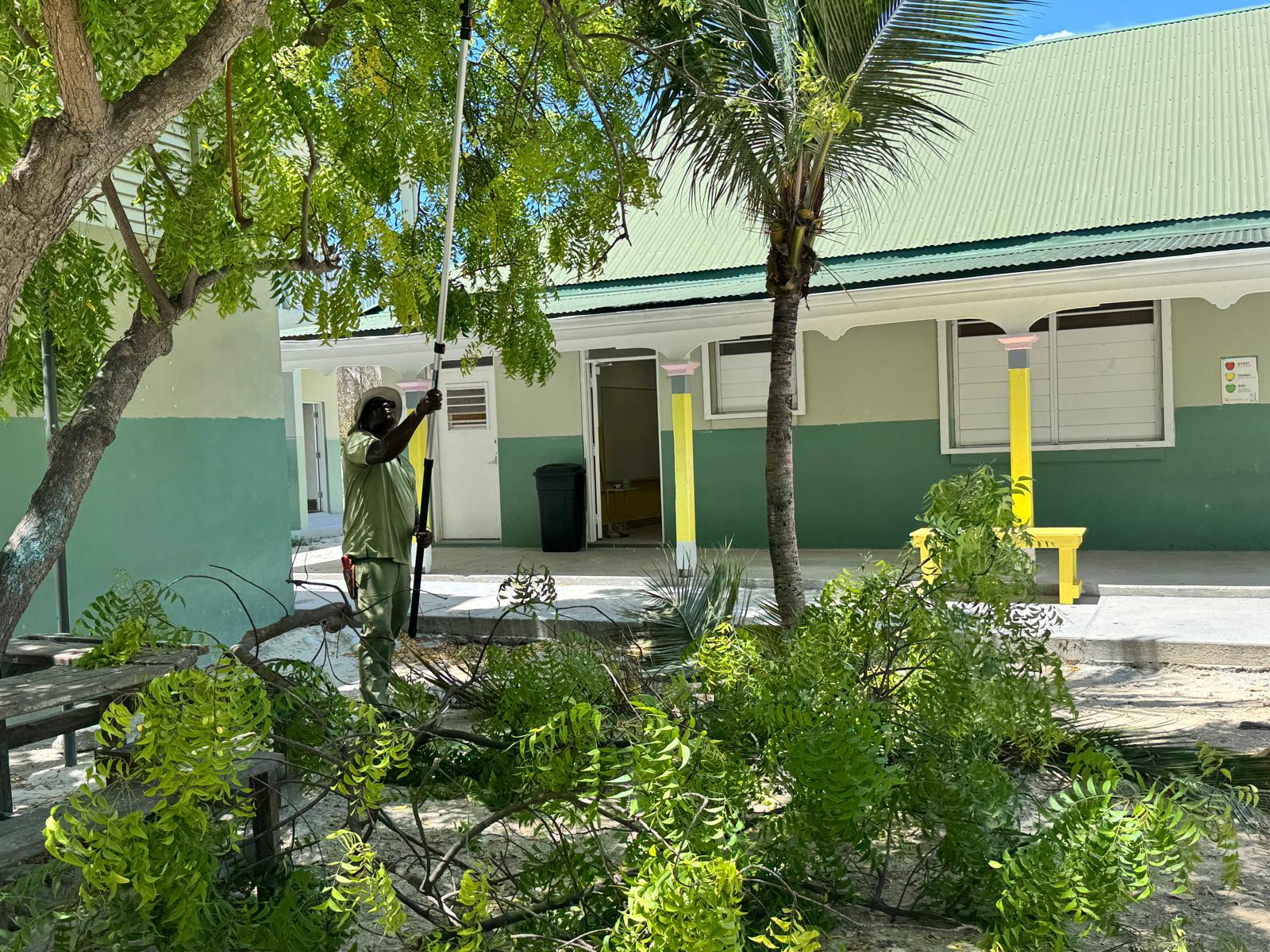
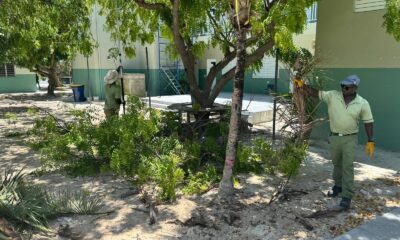
PROVIDENCIALES, Turks & Caicos Islands: — Beaches Turks and Caicos has refreshed the grounds of Enid Capron Primary School in Five Cays, Providenciales, ahead of the new school year, with a landscaping team from the resort, pruning and cutting back overgrown branches to give the campus a cleaner, safer look.
The project focused on the school’s exterior plantings, where tangled growth had begun to encroach on walkways and outdoor learning areas. The team spent time trimming hedges, thinning dense shrubs and removing deadwood to improve sightlines and airflow around the buildings.
Assistant Landscaping Manager, Kemar Jones said the work at Enid Capron is a regular priority for the department, which views community giving as a core part of its mandate. He noted that supporting local schools, particularly through hands-on environmental work, has long been a focus area for his team.
Jones, said the effort reflects the group’s wider commitment to the islands. “As a team, our goal is to give back to our communities and especially providing support for the environment and education,” Jones noted. “The team is always ready to share our skills with making the school environment more comfortable for our students and teachers.”
General Manager Deryk Meany framed the project as part of Beaches’ broader approach to working alongside the community beyond the resort gates. “At Beaches Turks and Caicos, we operate as a team not only within the confines of the resort but also with our communities,” Meany added. “Being able to share our varied skills is always our main focus. Providing a comfortable learning environment allows for a greater relationship with our educational collaborators.”
He added that the resort seeks opportunities to support range of school-based initiatives, from environmental and leadership clubs to creative programmes.
Minister of Education, Youth, Sports and Culture Hon. Rachel Taylor described the landscaping mission as a continuation of a long- standing relationship between the Ministry and Beaches Turks and Caicos. “This mission from our major private sector supporter, Beaches Turks and Caicos is a long standing activity,” Taylor said. “At Enid Capron Primary School, we are treated as family. Once we reach out to the resort, they have always responded in a positive way.”
Hon. Taylor said the support is particularly valuable in the areas of education and community development, where consistent private-sector engagement can amplify government efforts.
Nelene Swann, vice principal at Enid Capron Primary welcomed the refreshed grounds as a boost to morale before classes resume. “This is what true collaboration looks like,” she noted. “This is more than a facelift for the school. The team from Beaches Turks and Caicos has shown true commitment in adding to this learning environment for our students and teachers.”
She said the improved landscaping contributes to a more comfortable and inviting campus for all stakeholders. “This is a good way to start the new school year. This facelift will certainly make the facilities here at the school more appealing to our students, teachers and parents.
News
Beaches Turks & Caicos strengthens year-round commitment with local craft vendors and transport operators
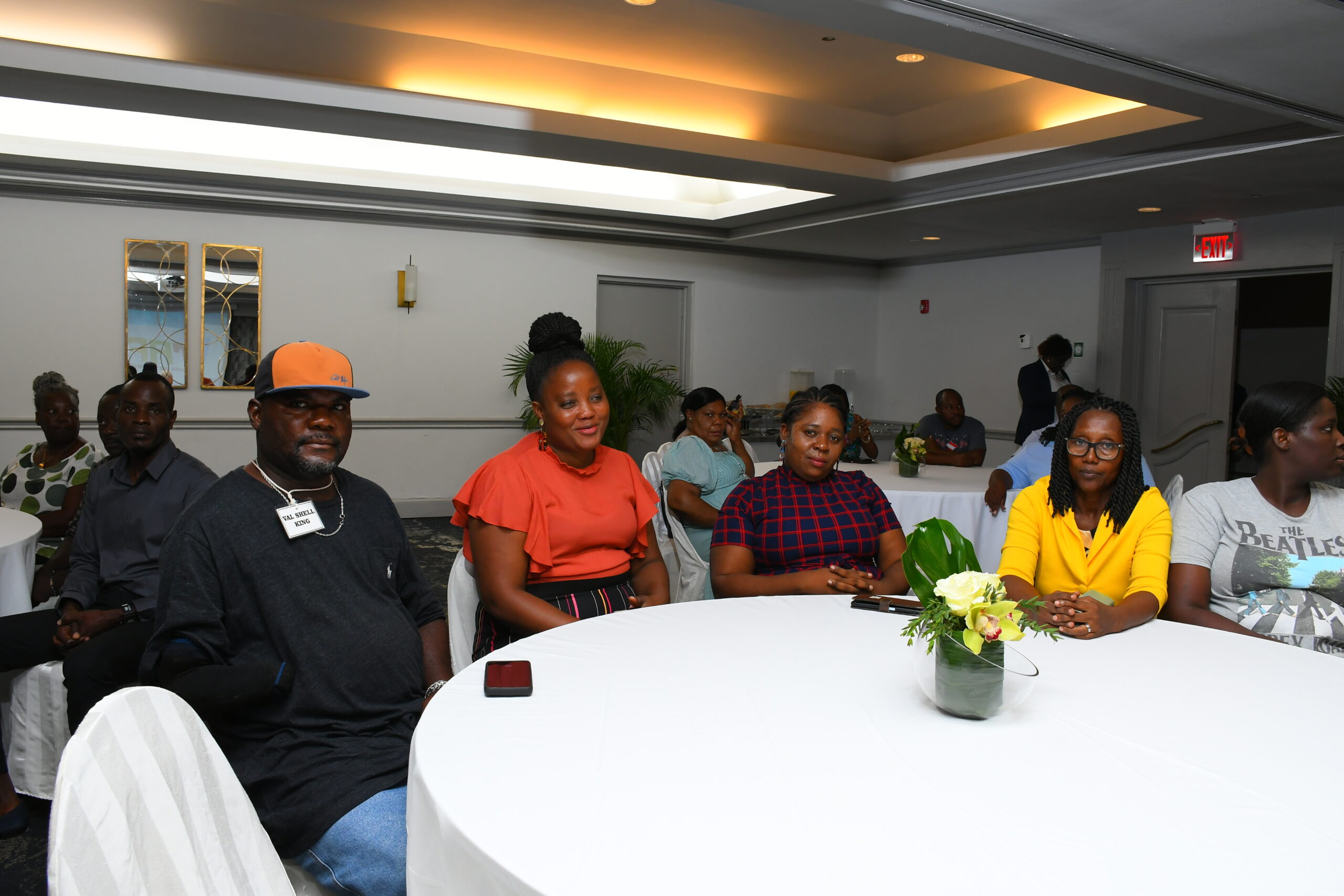
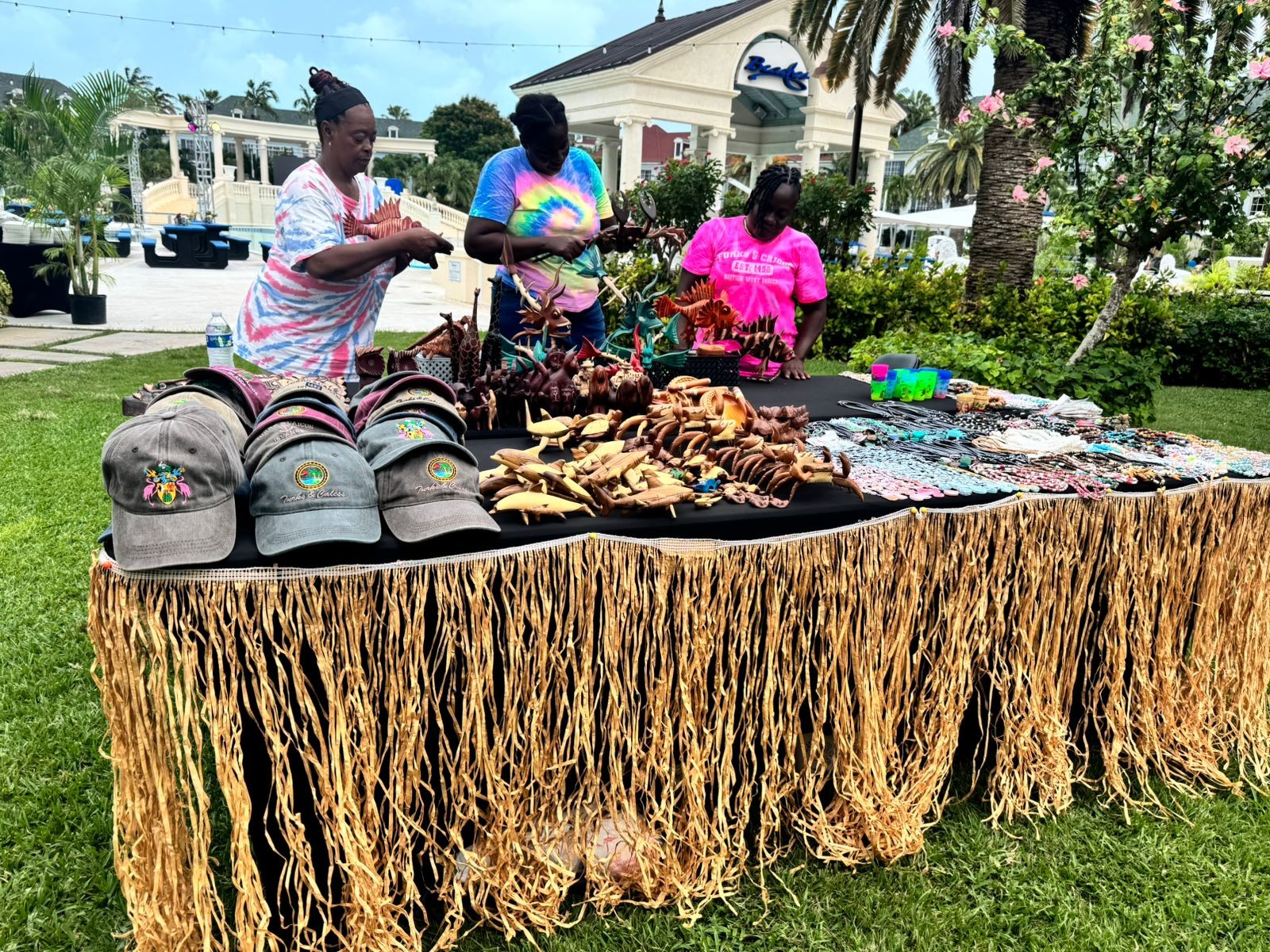
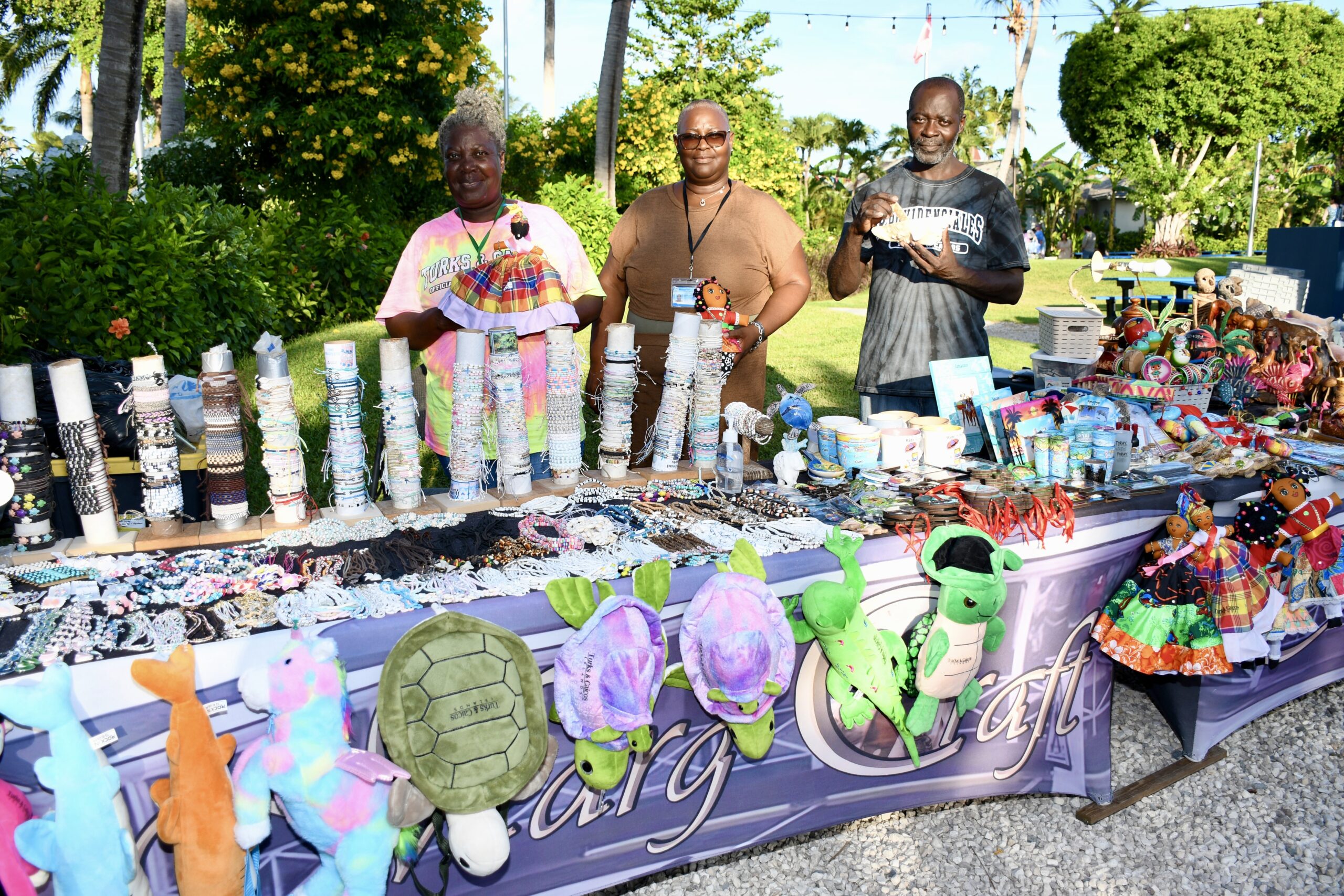
Turks and Caicos Islands, October 8, 2026 – Beaches Turks and Caicos Resort is deepening its long-standing collaboration with local craft vendors and transport operators, maintaining active support even during the off-peak season to sustain livelihoods and strengthen the islands’ tourism ecosystem.
Local entrepreneurs say the resort’s commitment is felt throughout the year, with particular emphasis on keeping businesses vibrant when visitor numbers dip. Veteran craft vendor Cassandra Gardiner highlighted the consistency that has become a hallmark of the association. “We are satisfied with the consistency shown by the resort and the local entrepreneurs,” Gardiner said. “During the slower season, they have taken the time to keep the entrepreneurial team active with customer service and marketing training workshops.”
The workshops, delivered in collaboration with the Sandals Foundation and the Sandals Corporate University, focus on practical skills such as product display, guest engagement and digital marketing-tools that help artisans convert resort traffic into steady sales even outside peak periods. The Cultural Marketplace, located adjacent to the property, continues to serve as a primary platform, while vendors are welcomed onto the resort grounds on scheduled days to reach a wider audience.
For local taxi associations, the resort’s backing translates into reliable business and sponsorship for community activities. Loftan Ellis, a veteran transport operator, described the support as “magical,” noting that Beaches is often the first to confirm sponsorship for association events and planned activities. “The consistency in business from Beaches Turks and Caicos Resort is one of the main reasons for us to maintain our livelihood while helping to build our primary industry, tourism,” Ellis added.
This alignment between resort operations and local transport providers helps stabilize income during quieter months, ensuring that drivers and small operators can remain active participants in the destination’s tourism value chain.
General Manager Deryk Meany framed this collaboration as central to the resort’s corporate social responsibility and philanthropic mission. “We remain committed to providing support to our environment and the communities that we serve,” Meany said.
He emphasised that growth at the property is intended to create shared opportunity. “As we grow, we will create greater opportunities for the people of the Turks and Caicos Islands to grow alongside us,” Meany said.
By maintaining training, market access and sponsorship across the calendar, the resort is helping to build resilience in a sector vulnerable to seasonality. For craft vendors and transport operators alike, this local support offers more than intermittent income; it provides a structured pathway to professionalise services, expand customer reach and contribute to a more diversified and sustainable local tourism economy.
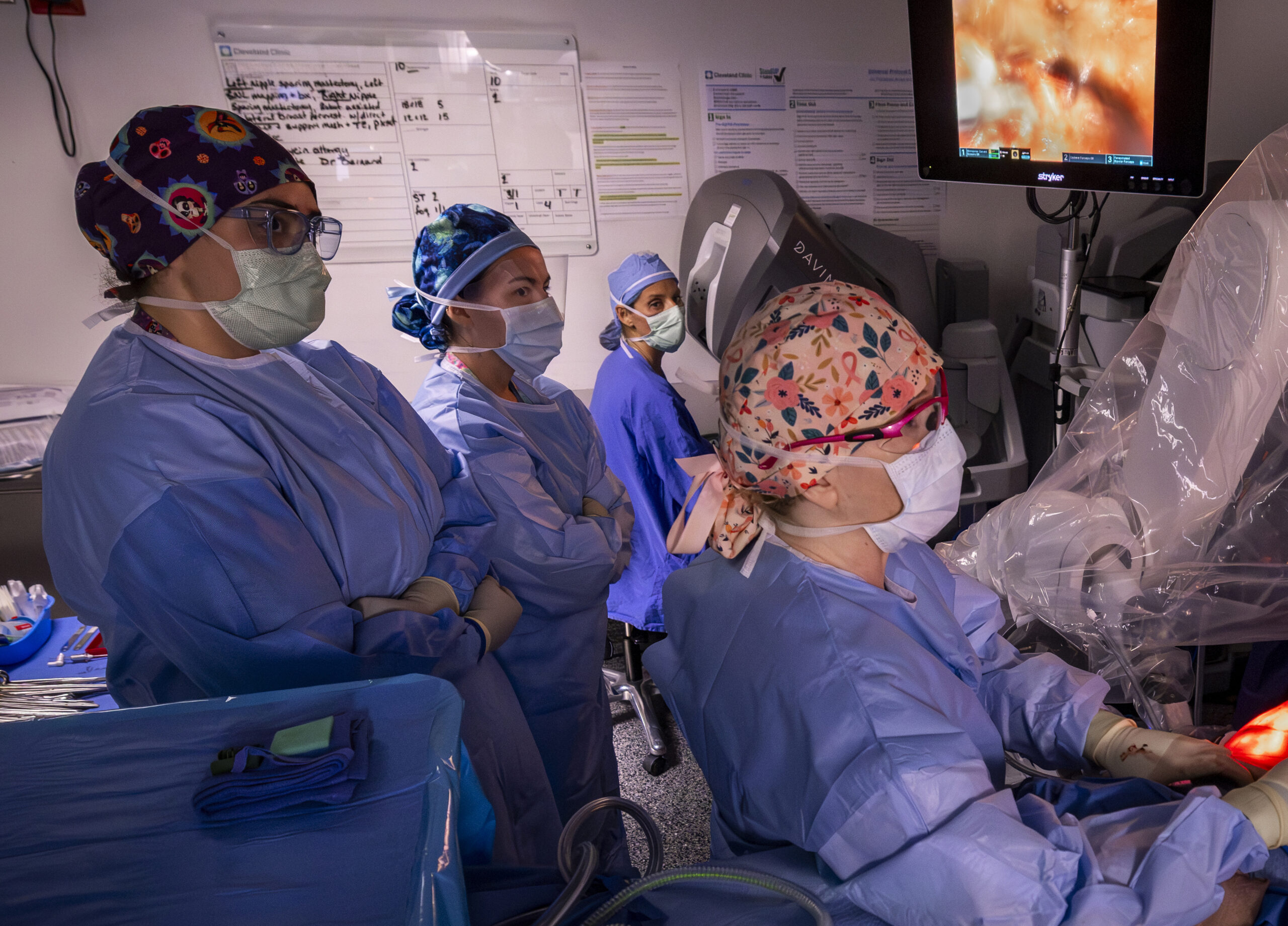
Health system is among only a handful in the U.S. to offer the minimally invasive robotic procedure Cleveland Clinic is among the first hospitals in the country – and the first in Ohio – to perform a robotic nipple-sparing mastectomy procedure, following recent clearance by the U.S. Food and Drug Administration.
Stephanie Valente, D.O., and a surgical team recently performed the first robotic nipple-sparing mastectomy with immediate breast cancer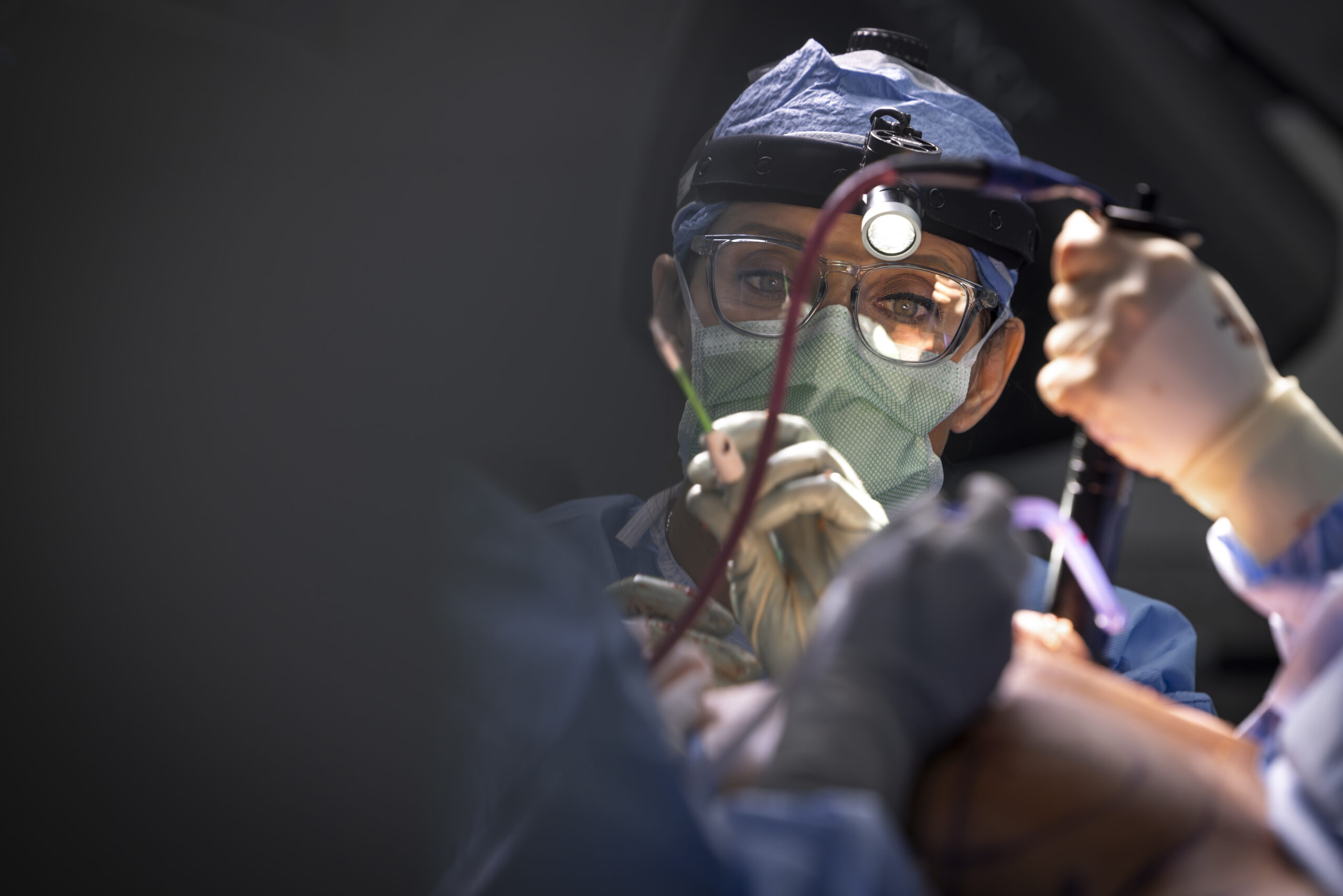 reconstruction at Cleveland Clinic Fairview Hospital. The procedure offers a new minimally invasive approach to breast cancer surgery and risk-reducing mastectomy for patients at elevated risk.
This milestone places Cleveland Clinic among a select group of centers nationwide offering the advanced technology and brings one of the newest innovations in breast cancer surgery to patients in Northeast Ohio.
“This robotic approach offers greater precision through a much smaller incision, which can mean less visible scarring and faster recovery,” said Dr. Valente, director of the Cleveland Clinic Breast Surgery Fellowship Program and director of the West Region Multidisciplinary Breast Program. “Compared with the traditional procedure, which requires a larger incision, this approach can improve cosmetic outcomes, preserve the skin and nipple, and support a more natural appearance after surgery.”
During the procedure, surgeons use a 3D camera and robotic instruments inserted through a small incision of one inch, typically hidden along the side of the breast rather than across the underside, to remove breast tissue while preserving the nipple, areola and skin. The robotic platform, the da Vinci SP Surgical System, provides enhanced visualization and precision while minimizing disruption to the overlying skin.
Robotic surgery gives the surgeon better visualization of the operative field in what is typically a technically challenging procedure. This enhanced view can improve nerve identification and preservation, reduce blood loss and allow surgeons to perform the same oncologic operation through a one-inch incision rather than the traditional five-inch open incision.
The robotic approach removes the same breast tissue as a conventional mastectomy, while changing how the surgeon accesses the breast. For some patients, breast reconstruction can be performed during the same operation.
This approach is designed to reduce scarring, enhance cosmetic outcomes, preserve the natural skin envelope and nipple, improve sensation and accelerate recovery. For some patients, the less visible incision may also support confidence and body image after surgery. The procedure further expands Cleveland Clinic’s minimally invasive breast surgery options, which include endoscopic nipple-sparing mastectomy.
“As a field, we haven’t had many new options for patients with breast surgery for a decade now, so we are pleased to now have these minimally invasive procedures available for our patients,” said Dr. Valente. “Innovations like this support a more patient-centered experience as they allow us to address both the physical and emotional realities of breast cancer.”





-
 Bahamas News1 week ago
Walk for the Cure Every Saturday This October
-
 News1 week ago
Invest Turks and Caicos Officially Opened Caya Hico Collective, Grand Turk MSME Storefront
-
 Health6 days ago
Cleveland Clinic First in Ohio to Perform Robotic Nipple-Sparing Mastectomy
-
 News1 day ago
Beaches Turks & Caicos gives Enid Capron Primary a pre-term facelift
-

 News3 days ago
Beaches Turks & Caicos strengthens year-round commitment with local craft vendors and transport operators