
News
TCHTA President Trevor Musgrove Recaps First 100 Days

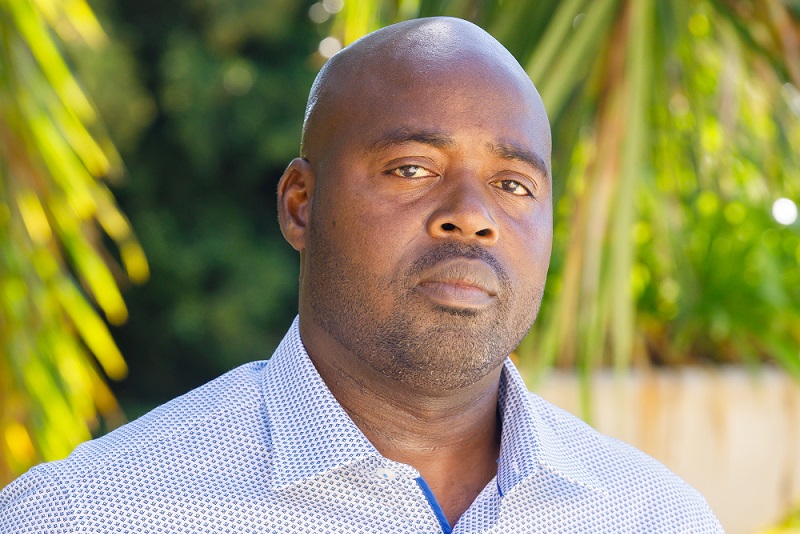
#TurksandCaicos, July 14, 2021 – Since 1992, the TCHTA has ardently represented its members providing support through government advocacy, community connectivity, and numerous value-added support programs and services. In 2017, Chairman and former President, Nikheel Advani, set a five-year strategic plan in motion which became the blueprint for progression in the Association’s efforts to represent its members and the wider hospitality community in the Turks & Caicos Islands.
The TCHTA’s 2021-2023 Board of Directors was elected to office in March of this year, with Mr. Trevor Musgrove of Discovery Tours & Adventures leading the body as President for the two-year term. The Board quickly re-established the association’s committees and set out to continue building on the work in progress and the fulfillment of the new President’s goal to provide enhanced support to small businesses connected to the hospitality industry in these islands.
COMMITTEES
In its first 100 days, the TCHTA’s committees have realigned their missions with new Chairpersons and volunteers from the membership. Advocacy, Education, Marketing, Sustainable Tourism, Villa, Crime & Security, Water Sports, and Allied (non-accommodation) Membership are the banners under which the collective will work to fulfill its commitment to members and to Turks & Caicos islanders affected directly or indirectly by this critical industry.
PRIVATE/PUBLIC PARTNERSHIP
President Musgrove and his team have held valuable meetings with stakeholders in the public sector: Premier, Hon. C. Washington Misick; Deputy Governor, Her Excellency Anya Williams; Minister of Health, Hon. Ejay Saunders; Minster of Tourism, Hon. Josephine Connolly; and Minister of Immigration, Hon. Arlington Musgrove.
These early meetings served to congratulate the dignitaries on their new roles, and to pledge a continued commitment to partnership in achieving advancement for the industry and the country at large.
ADVOCACY
As the country’s borders reopened and the COVID-19 vaccine became available, Turks & Caicos was fortunate to see a steady increase in arrivals to our shores which has now risen to pre-pandemic levels. This has brought with it incidences of overwhelm at our international port of entry which calls for immediate attention.
The TCHTA addressed this issue with the Minister of Immigration, pledging assistance with several ways its members could help offset the negative fallout from the overcrowding at the airport while the Ministry works towards its bigger plans to address the issue.

The Minister and his team are a group of highly motivated individuals, aware that the current infrastructure leaves little room for major change, but positive they can effect immediate relief through short-term changes currently being actioned which include physical enhancements and stronger staffing management.
The TCHTA was allowed to assist with sponsoring and distributing water at the open-air terminal to make travellers more comfortable during their wait and the association will continue to support the Ministry in any way possible in the interim.
The TCHTA extended congratulations to the Deputy Governor and her team at the Ministry of Health for their stellar achievements in navigating the nation’s health throughout the crisis and having the goal of a 70% fully vaccinated population in close reach.
In meeting with the Minister of Health, the CDC level was the main topic of discussion. TCHTA members were instrumental in providing information required to aid the MOH as they lobbied the CDC to lower the country’s risk level in alignment with our low rate of COVID cases per capita and our success with the vaccination of residents throughout the country.
The meeting with the Minister of Tourism was an opportunity to learn more about the management of the TCI Assured Portal. Concerns by travellers to TCI posted on public travel forums and shared with resort reservationists about delays in authorization and an inability to receive timely assistance during the process was addressed.
The Ministry assured the association that though authorizations are being granted closer to the time of travel due to a heavy volume of entry requests, all travellers have received their approvals prior to their travel times. The Ministry also shared that their top priority is resolving the backlog of communications and ensuring responses to emails and phone messages are delivered within 24 hours.
The issue of illegal beach vending was also discussed, as the number of these solicitors is growing at alarming levels in high traffic tourist areas. The TCHTA and Ministry have pledged to work together with relevant stakeholders and departments to properly regulate this sector and address the matter holistically.
Members of the TCHTA’s Human Resources committee met with Labour Commissioner, Mr. Edwin Taylor. Mr. Taylor educated the group on the expected increase in manpower and portfolio changes within his department that will aid in quicker turnaround times and added process efficiency.

Mr. Taylor welcomed feedback and suggestions from the group and shared that the department’s employment registration drive is ongoing. He thanked the HR group and TCHTA members for successfully placing the majority of the individuals who were once registered as unemployed within their properties and businesses.
MARKETING
Director of the Turks & Caicos Tourist Board, Pamela Ewing, gave remarks at the TCHTA’s Annual General Meeting in March. Since then, the TCHTA’s Marketing committee has met with Ms. Ewing and her team to align with the marketing plans for the destination. Several initiatives are on the calendar for the remainder of the year, and the TCHTA will be sharing those opportunities with members as they are fleshed out.
The association has received an overwhelming response to the decision to launch the 3rd edition of the Who’s Who in Business TCI magazine. As such, the Marketing committee announced the relaunch of its premier publication, Destination Turks & Caicos Islands magazine which was not released in 2021.
The magazine will reemerge in grand style, with its 16th edition (2022) formatted in digital and print versions. Guests will be able to access the magazine in seconds through a QR code visible on tent cards in all guest rooms throughout the country and at hospitality sector businesses. The publication will also be circulated in its usual oversized magazine print format and, for the first time, will be distributed on marketing trips and to subscribers worldwide on mobile-friendly flash drives. Magazines will be available at Turks & Caicos Tourist Board offices in Canada, New York, UK, and Turks & Caicos, and can be accessed and downloaded through the TCHTA’s website. The TCHTA will also be featuring more local writers for this edition of Destination Turks & Caicos.
MEMBERSHIP
The strength of the TCHTA lies in the continued support and engagement of its members. The association has retained its membership numbers throughout the pandemic and has seen considerable growth to date.
Since the onboarding of the new President and Board of Directors, the TCHTA’s membership numbers have grown by more than twenty with the majority being small local businesses instrumental in supplying services to the tourism sector.
TCHTA CEO, Stacy Cox, remarked “We could not ask for a more supportive membership and are truly thankful that we have been able to see such amazing growth throughout this tumultuous time. As new members come aboard, we become a more diverse group. Our aim at the association is ensuring we give continued support and service to all of our members and to the Turks and Caicos community.”
CONCLUSION
TCHTA President, Trevor Musgrove, is delighted with the early progress in these first 100 days. “At the beginning of the term, we looked at our five-year strategic plan and benchmarked where we stood to help us outline our goals and plan for the way forward. I am proud to say that we were fully on target. This was a direct result of the hard work of Past President Todd Foss and the previous Board who managed to keep the work of the association progressing despite the country being in the throes of a pandemic.”
He continued, “The TCHTA is a voice for the industry, but also for the people of these islands. I am committed to doing my best to lead this association and carry on the great work that has been started. I am privileged and excited to be working with this team of passionate individuals from all areas of the sector, and I am certain we will continue to represent our members, Turks & Caicos islanders, and brand TCI with excellence.”

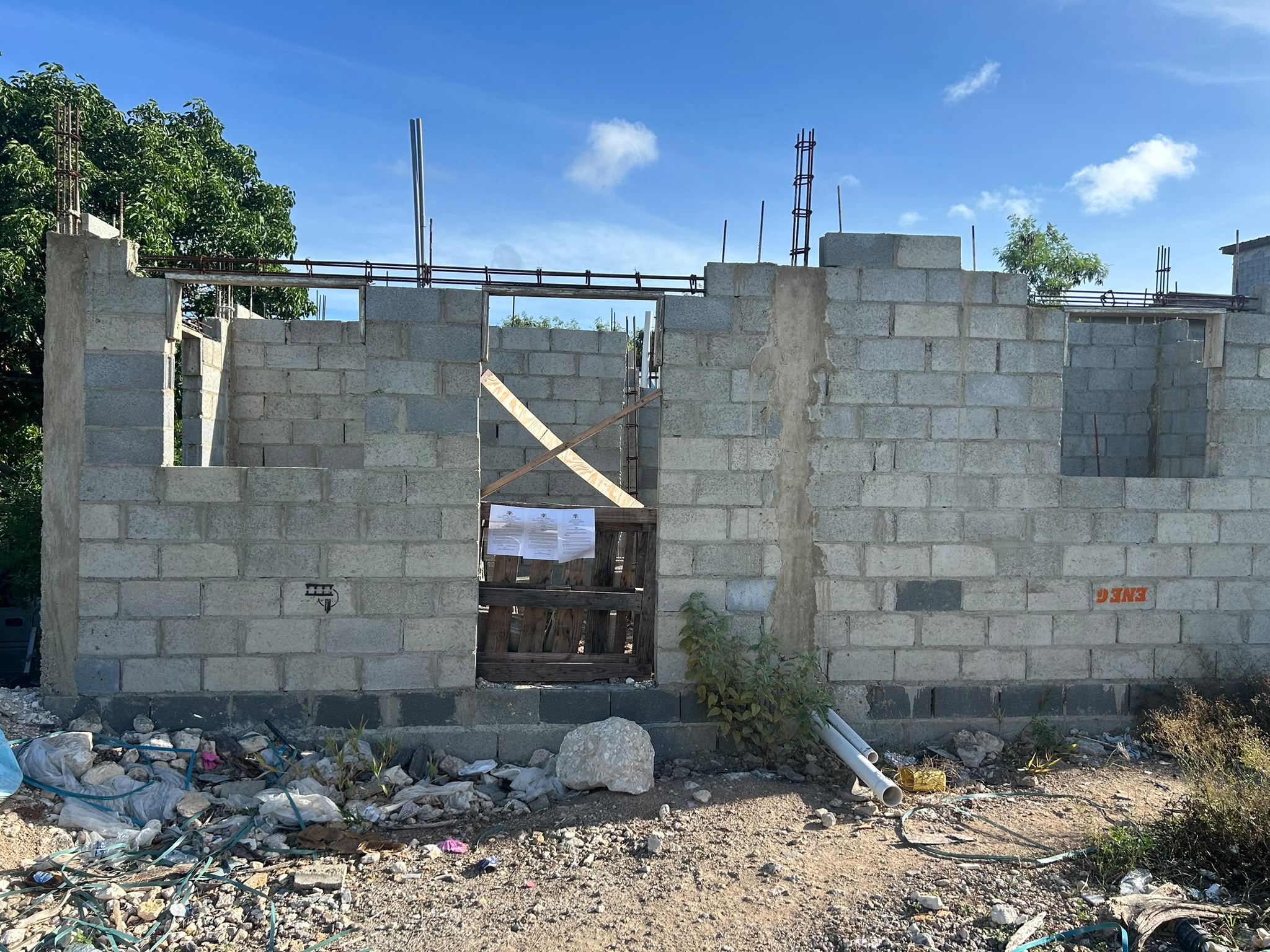
Providenciales, Turks and Caicos Islands – Wednesday, 21st October 2026: The Crown Land Unit, with coordination and support from the Informal Settlements Unit (ISU), conducted a multi-agency enforcement exercise in the Five Cays area of Providenciales on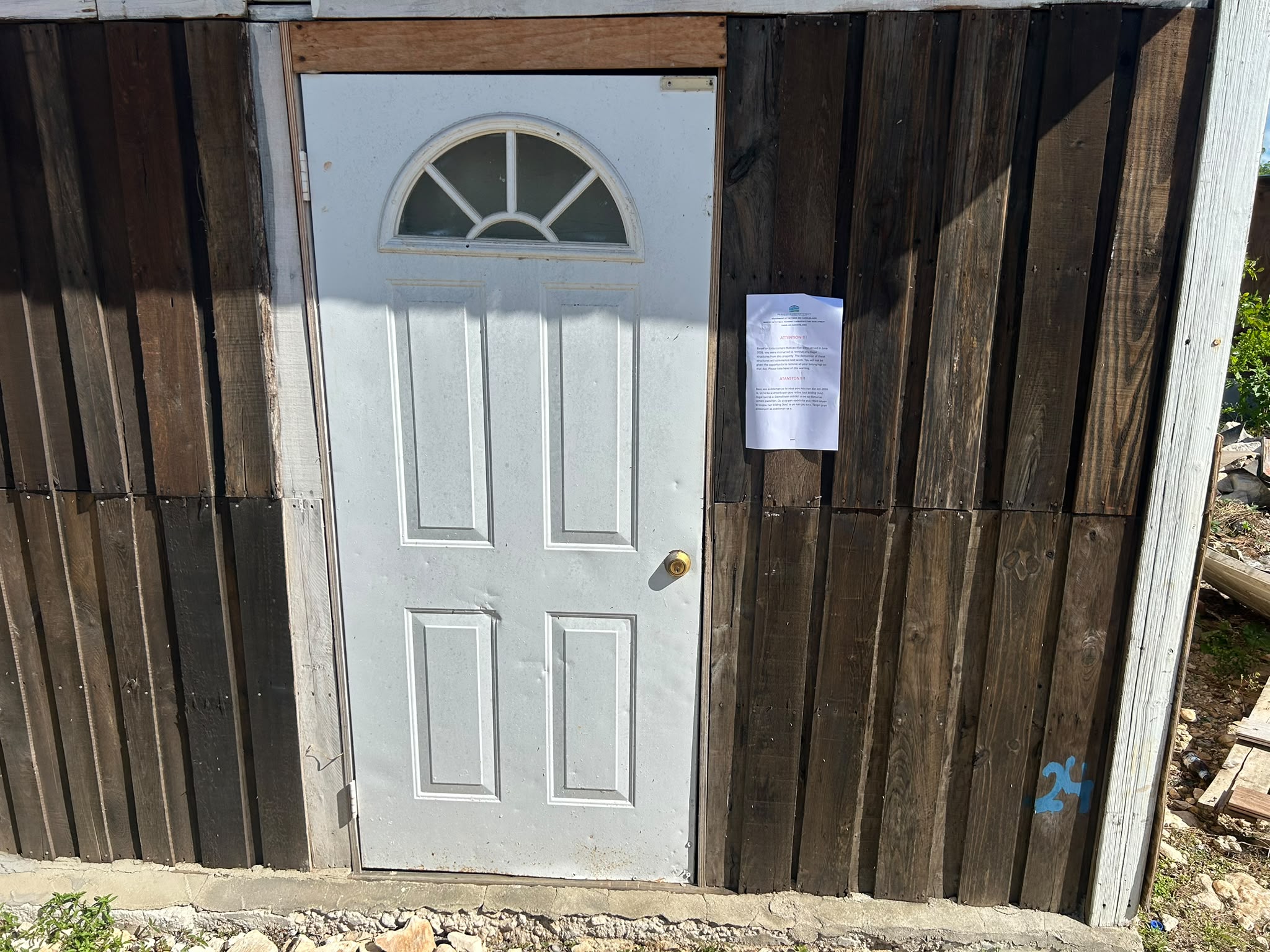 October 8, 2026, as part of the Government’s ongoing efforts to address the illegal occupation and unauthorized use of Crown land.
The exercise brought together representatives from the Crown Land Unit, ISU, TCI Border Force and Royal Turks and Caicos Islands Police Force. Inspections were conducted across several parcels of Crown land in Five Cays, where instances of illegal occupation and unauthorized use had been identified.
During the exercise, a total of seven (7) Section 22 Notices of Unauthorized Occupation were issued in accordance with the provisions of the Crown Land Ordinance. The notices related to the unauthorized placement of shipping containers and derelict vehicles, as well as the construction of an incomplete concrete structure on Crown land. Where occupants or other responsible persons were not present, notices were affixed to the relevant structures or items.
The exercise forms part of the Crown Land Unit’s continuing efforts to prevent squatting and encroachment on Crown land and to ensure that instances of unauthorized occupation are identified and appropriately addressed.
The Government of the Turks and Caicos Islands reminds the public that occupying, developing or otherwise using Crown land without lawful authority is an offence under the Crown Land Ordinance. These inspections and enforcement activities form part of a sustained program aimed at safeguarding public lands, discouraging unlawful development and ensuring that Crown land is managed in the best interests of the people of the Turks and Caicos Islands.
The Crown Land Unit will continue to work closely with the ISU and other partner agencies to identify and address instances of illegal occupation across the Islands. Persons occupying Crown land without authorization are encouraged to comply with all notices issued and to seek guidance from the relevant authorities where necessary.
News
Invest TCI Strengthens Regional Investment Connections at Caribbean Investment Forum 2026 in Barbados
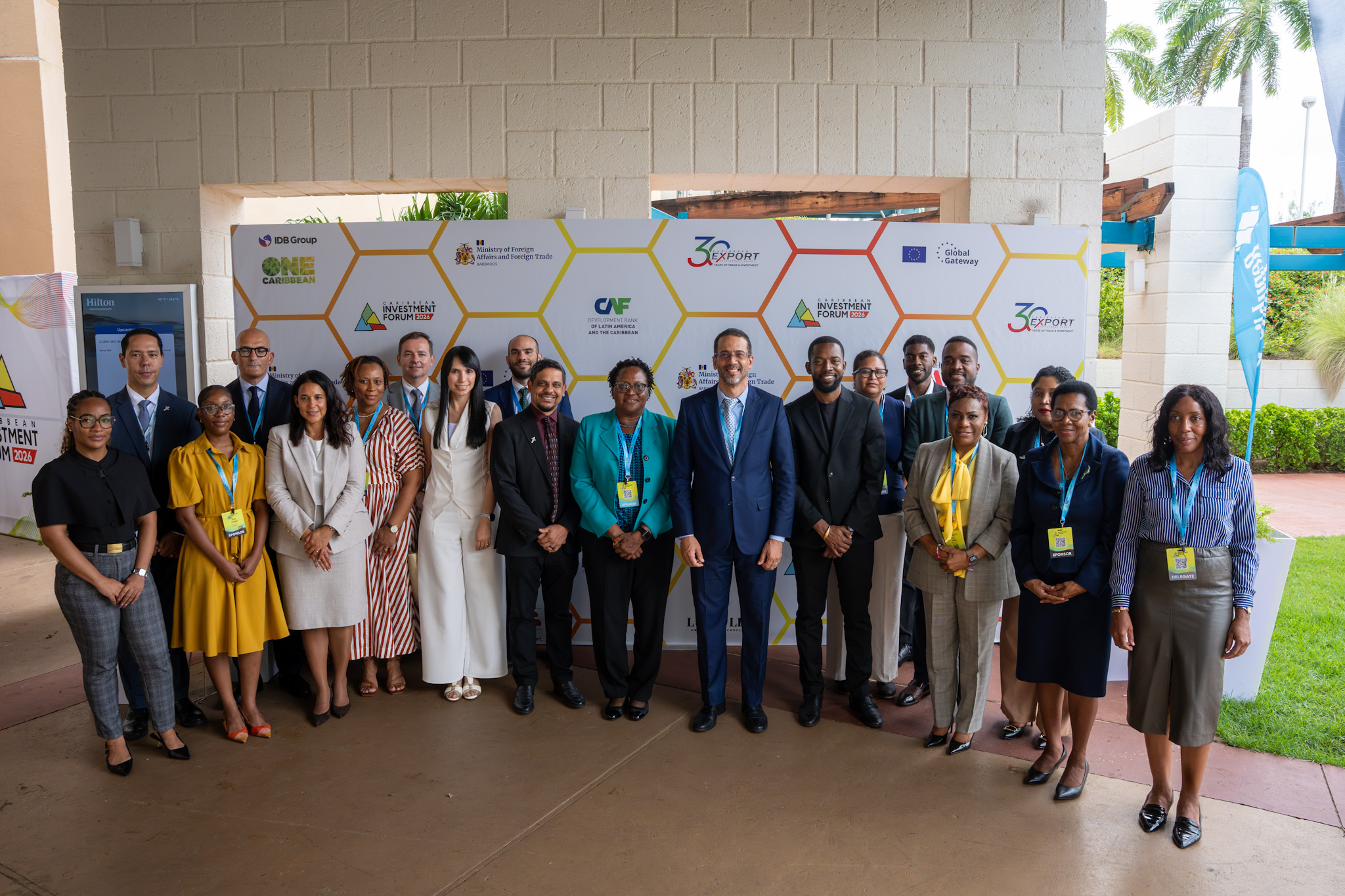
Providenciales, Turks and Caicos Islands – Monday, 19th October 2026: Invest Turks and Caicos Agency (Invest TCI) strengthened its regional presence at the Caribbean Investment Forum (CIF) 2026, held October 5 – 7, 2026, in Bridgetown, Barbados, participating as both a sponsor of the Forum and representative of the Turks and Caicos Islands’ investment landscape.
The Caribbean Investment Forum brought together regional and international investors, government representatives, business leaders,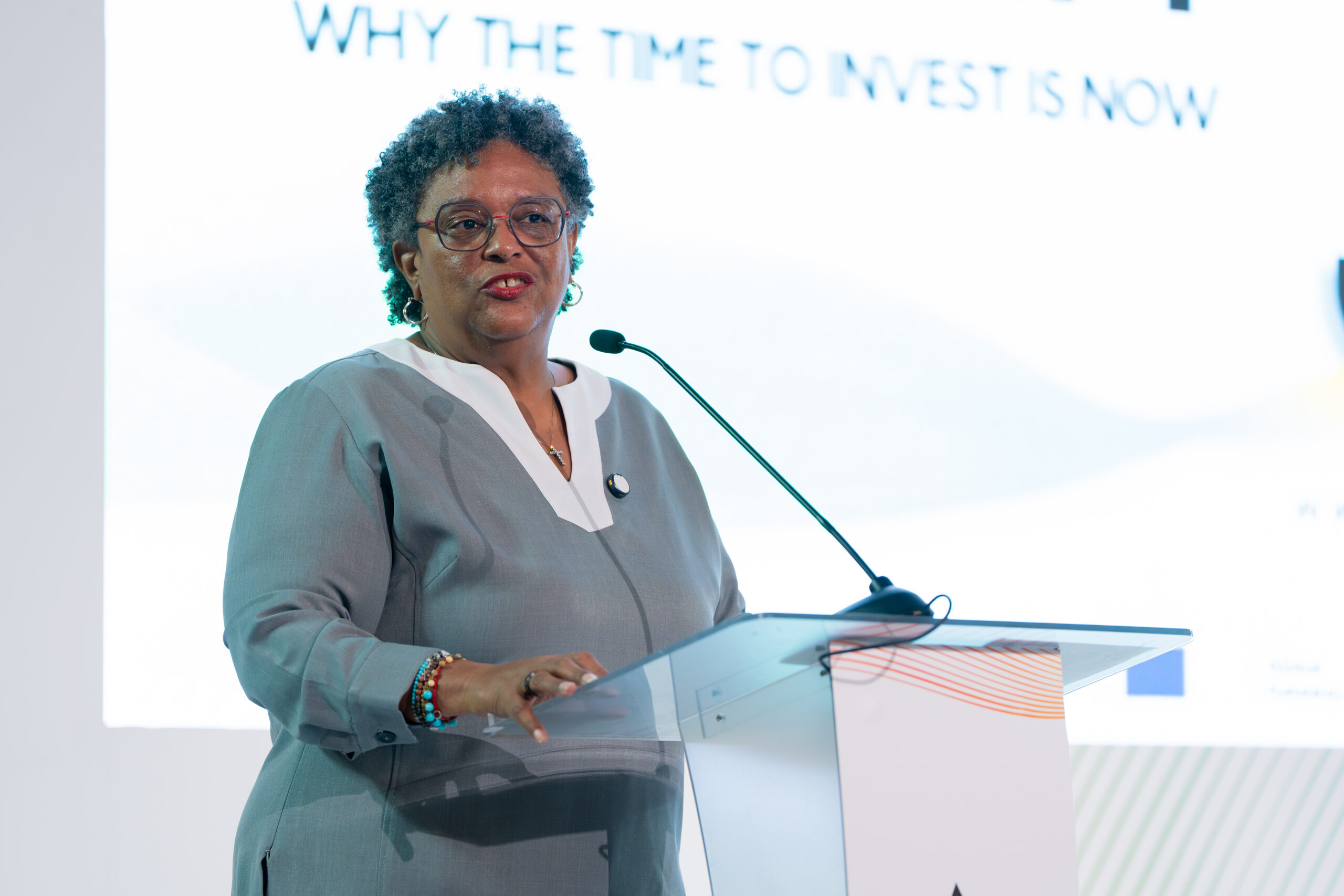 entrepreneurs, investment promotion agencies, and development partners to explore investment opportunities, strengthen partnerships, and advance sustainable economic development throughout the Caribbean.
The Agency’s sponsorship of CIF 2026 formed part of its continued commitment to strengthening the visibility of the Turks and Caicos Islands within the regional investment community and building relationships with investors, development partners, investment promotion agencies, and businesses across the Caribbean.
The opening of the Forum was attended by the Honourable Mia Amor Mottley, Prime Minister of Barbados, who emphasised the importance of scaling regional investment, strengthening economic cooperation, and transforming innovative ideas into commercially viable opportunities. Invest TCI was represented by Ms. Alexa Cooper, Domestic Investment Officer, and Mr. Hezron Henry, Marketing Support Officer. Throughout the Forum, the delegation engaged with stakeholders and promoted the Turks and Caicos Islands as a competitive investment destination while exploring opportunities for greater regional collaboration and knowledge exchange.
Speaking on her experience at the Forum, Ms. Alexa Cooper, Chief Domestic Investment Officer, said:
“CIF 2026 provided another valuable opportunity to engage with donor organisations, investors and Investment Promotion Agencies (IPAs) from across the Caribbean. A highlight for me was the introduction of an exclusive masterclass for fund managers, investors and support organisations, which offered practical insights into unlocking capital, strengthening investment ecosystems and supporting investment-ready businesses. I was equally impressed with the quality of projects pitched, which showcased the region’s innovation and investment potential. It was encouraging to see projects presented with a clearer understanding of investor expectations, reinforcing the importance of not simply developing projects, but ensuring they are well-structured, investment-ready and positioned to attract the right investment partners.”
Accompanying the Invest TCI delegation was Mr. Sean Penn, Chief Executive Officer of Sky Poultry Farm Ltd., the first commercial egg and poultry production facility in the Turks and Caicos Islands. Mr. Penn’s participation provided an opportunity to showcase the development of domestic enterprise within the Turks and Caicos Islands while highlighting the potential of agriculture and food production as part of the country’s broader economic diversification efforts.
Through his participation at CIF 2026, Mr. Penn had the opportunity to engage with regional stakeholders, gain exposure to developments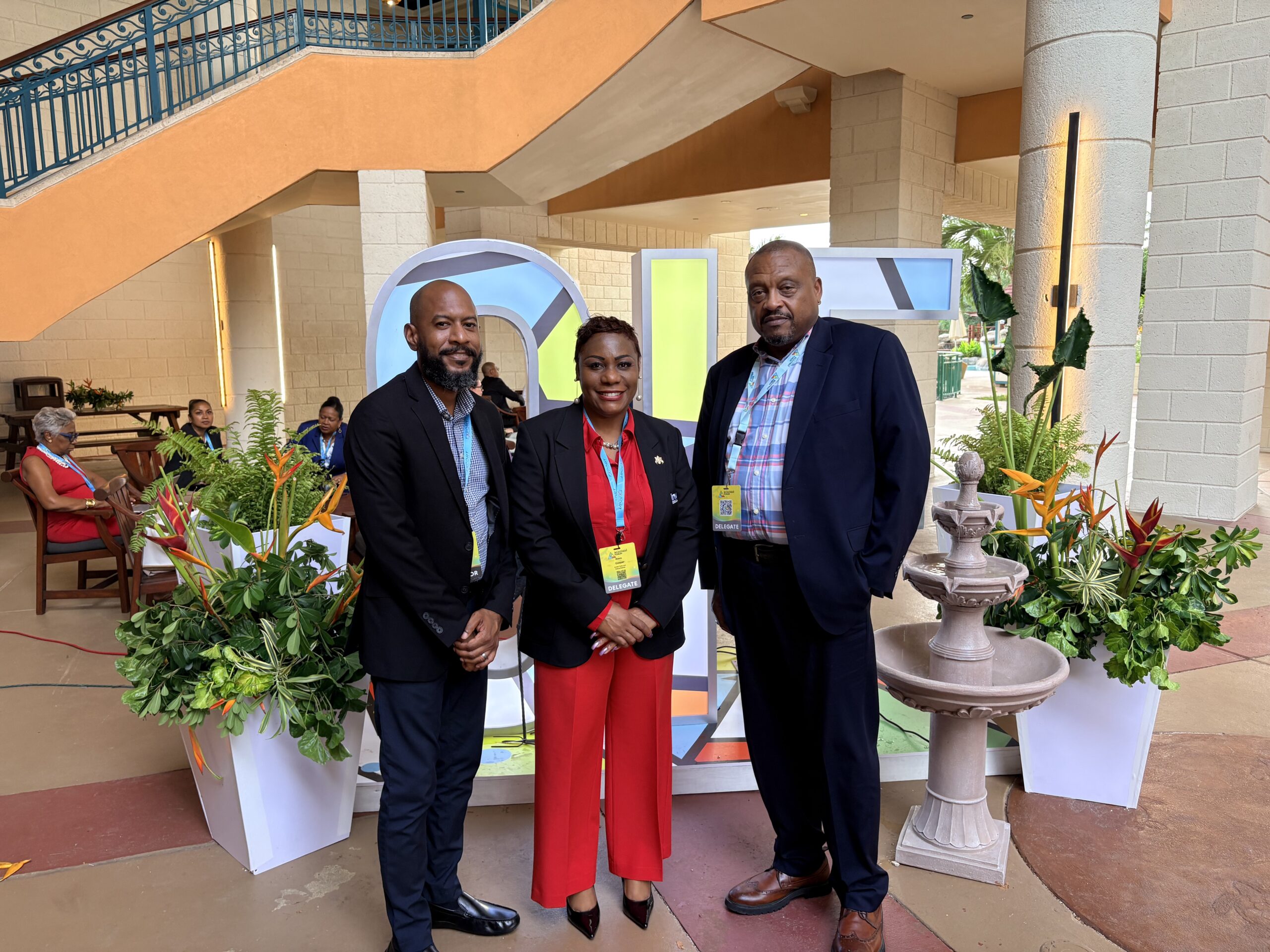 within the Caribbean agricultural sector, and explore potential partnerships and opportunities related to agricultural investment, innovation, and enterprise development.
For Invest TCI, the combination of sponsorship, investment promotion and local business representation provided a multifaceted platform to advance the Agency’s mandate. It allowed Invest TCI not only to promote the Turks and Caicos Islands to prospective investors but also to facilitate greater exposure for a local enterprise operating within an emerging sector of the economy. The Forum also provided opportunities for the Invest TCI delegation to exchange knowledge with regional counterparts, strengthen institutional relationships, and gain insight into investment trends and opportunities affecting Caribbean economies.
As the Caribbean Investment Forum continues to expand its regional reach, Santo Domingo, Dominican Republic, was announced as the destination for the next edition of the Forum, providing another opportunity to bring together investors, policymakers, investment promotion agencies and businesses from across the Caribbean and beyond.
Invest TCI looks forward to the continued growth of the Caribbean Investment Forum and the opportunities it creates to deepen regional partnerships, promote investment, and connect Caribbean businesses with new markets and sources of capital. The Agency remains committed to attracting sustainable investment, supporting domestic enterprise, encouraging economic diversification, and developing partnerships that contribute to the long-term economic development of the Turks and Caicos Islands.
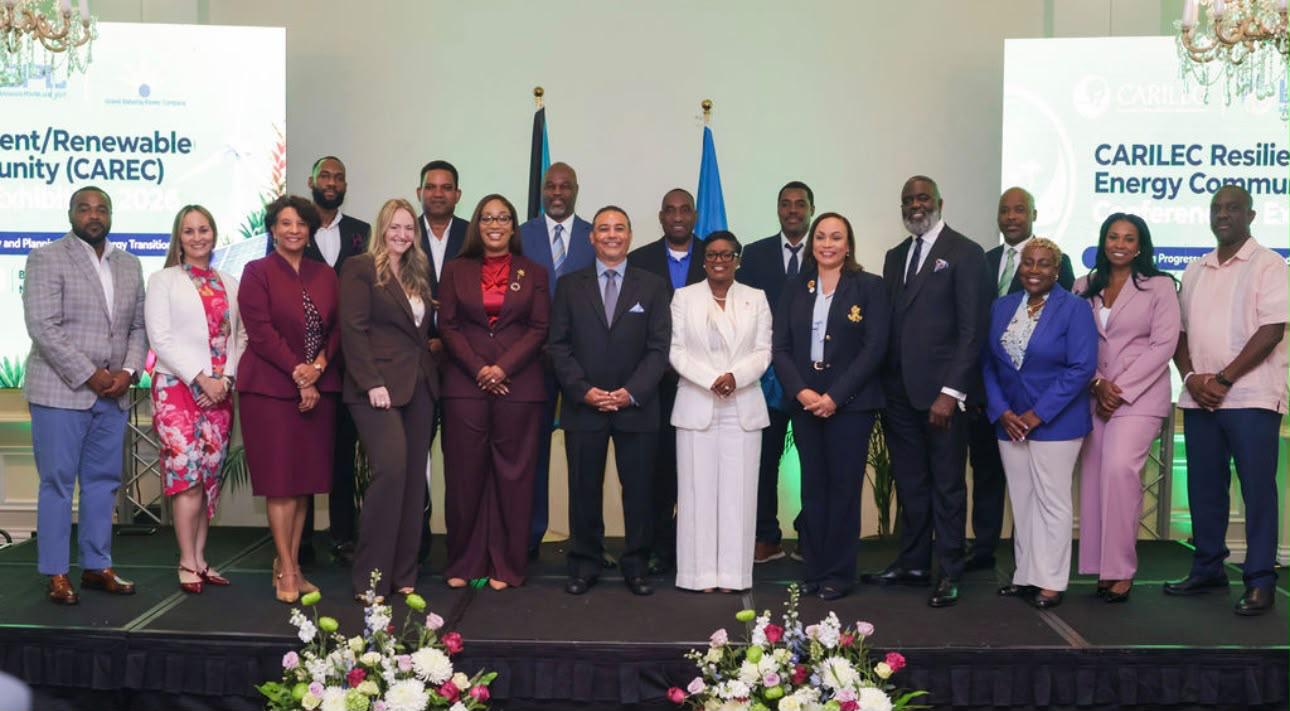
NASSAU, The Bahamas – The Bahamas’ Minister of Energy, Utilities and Aviation, The Honourable JoBeth Coleby-Davis, delivered an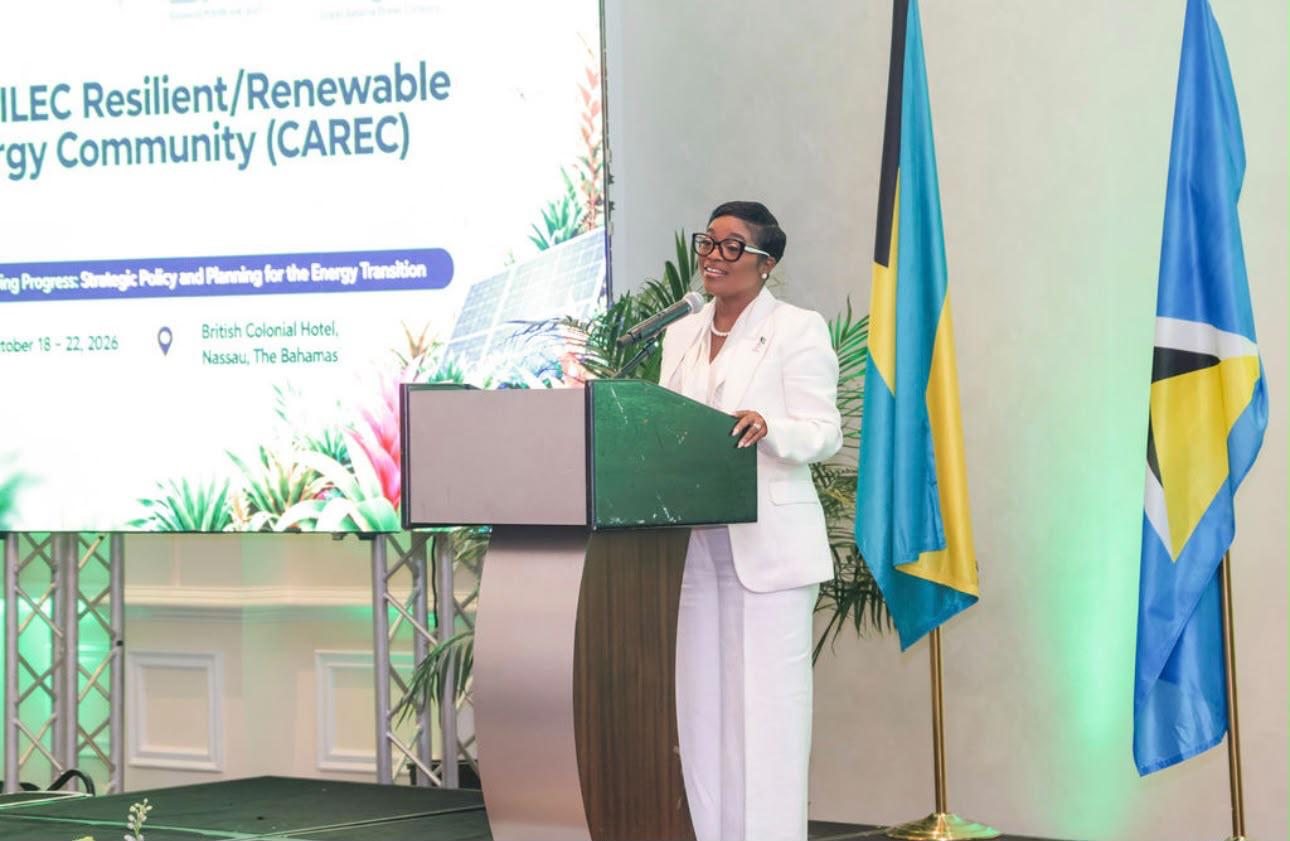 electrifying address during the opening ceremony of the 2026 CARILEC Resilient/Renewable Energy Community (CAREC) Conference and Exhibition, being held October 18–22, 2026, at the British Colonial Hotel in Nassau, The Bahamas.
Under the theme “Empowering Progress: Strategic Policy and Planning for the Energy Transition,” the event draws more than 200 industry leaders, policymakers, regulators, and energy professionals committed to advancing practical strategies for sustainable and reliable Caribbean power systems through renewable energy and emerging technologies.
During her address, titled “The New Energy Era: Transforming Policy into Progress,” Minister Coleby-Davis reminded attendees that The Bahamas’ national motto, “Forward, Upward, Onward, Together,” aptly describes what the region’s energy transition demands.
“Empowering Progress speaks directly to our national motto. Not waiting for progress, but creating the conditions that allow progress to happen. Meaningful progress, however, does not occur by accident. It requires vision, sound policy, strategic planning, strong institutions, and the determination to turn decisions into results,” said Minister Coleby-Davis.
Participants acknowledged that small island developing states share similar pressures, compounded by geographical challenges, small electricity markets, ageing infrastructure, geopolitical influences, and the growing threat of severe weather.
Tasked with ushering in a new energy era across the islands while addressing the challenges posed by The Bahamas’ unique archipelagic composition, Minister Coleby-Davis said, “Every island needs a different answer, but the same logic. As an archipelagic nation, we must provide electricity across many islands, each with its own demand and infrastructure needs. Our strategy, therefore, must be national in direction, but responsive to individual communities.”
Restating her Ministry’s three core messages—that energy is an economic and security priority, technology must be viewed as a tool to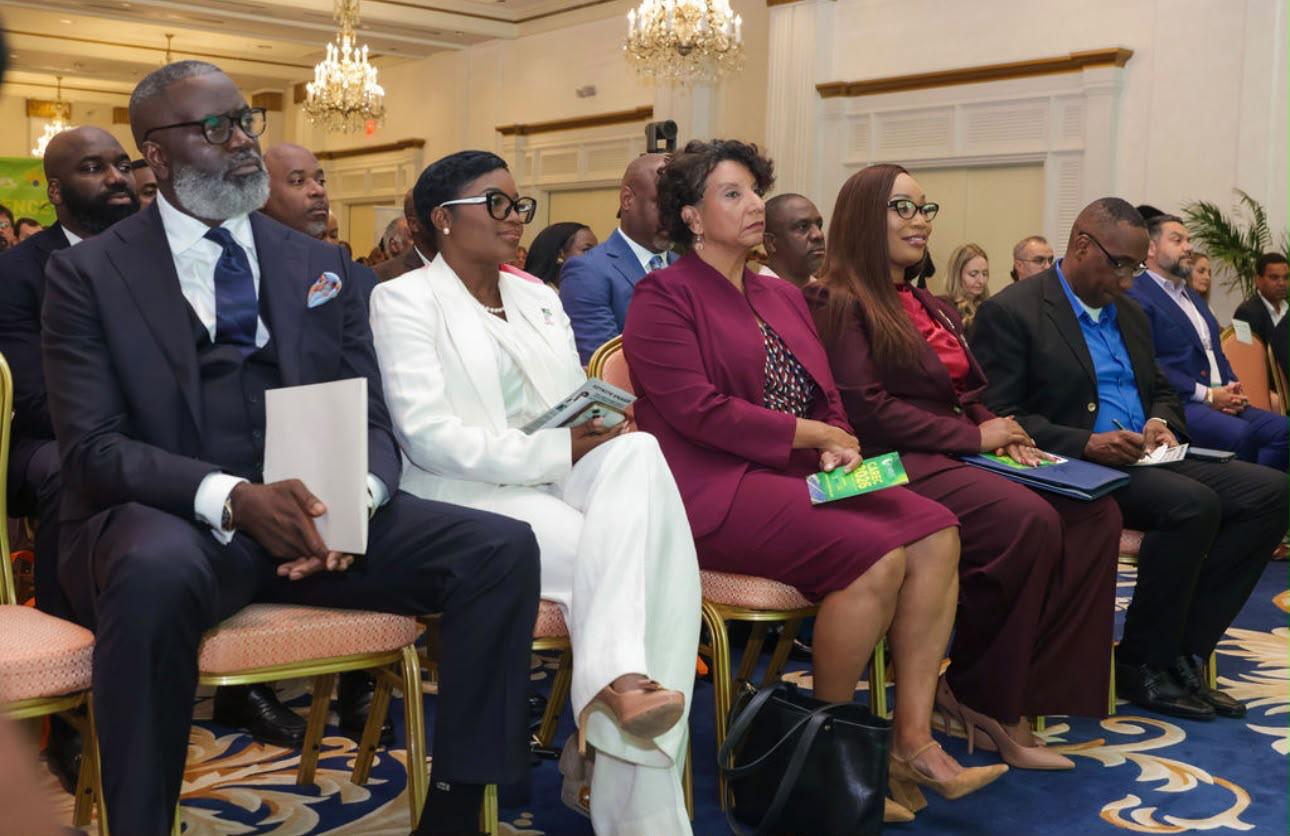 support strong institutional leadership, and natural gas should be considered a bridge, not a destination—Minister Coleby-Davis reiterated that “progress must now be reflected in functioning infrastructure, effective institutions, and better electricity services: from policy commitments to coordinated implementation, and from fragmented investment decisions to long-term planning.”
Organised by CARILEC and co-hosted by Bahamas Power and Light (BPL) and Grand Bahama Power Company (GBPC), the annual Conference and Exhibition brings together the Caribbean energy community to advance practical solutions to the region’s most pressing energy challenges and accelerate progress towards more resilient, reliable, and sustainable power systems.





-

 Independent writer1 week ago
Born Here, Raised Here, but Still Unable to Vote: Is this a Conundrum for TCI Electorate?
-

 Bahamas News4 days ago
Rosewood Exuma: A precedent-setting case for environmental law and future development in The Bahamas
-

 Bahamas News1 week ago
Monument Supports Hands for Hunger With Paradise Plates Debut
-

 Bahamas News1 week ago
Schweppes ‘the Art of Mixology’ Dazzles at Paradise Plates with Nemiroff Vodka
-
 News3 days ago
Invest TCI Strengthens Regional Investment Connections at Caribbean Investment Forum 2026 in Barbados
-
 Bahamas News3 days ago
Energy Minister Delivers Electrifying Keynote Opening Address at CAREC 2026
-
 News17 hours ago
Crown Land Unit Leads Multi-Agency Enforcement Exercise in Five Cays