
News
TCI: Collaborative Shorebird Monitoring for Grand Turk and Salt Cay


#TurksandCaicos, April 6, 2021 – The Turks and Caicos National Trust (TCNT) and the Department of Environment and Coastal Resources (DECR) are collaborating, on the weekend of 26 March 2021, for the Spring National Audubon Society Shorebird Surveys as part of a larger partnership with the Royal Society for the Protection of Birds.
Funding from the National Audubon Society will allow for an intensive weekend of shorebird surveys on the salinas and ponds of Grand Turk and Salt Cay. These vital habitats provide crucial resting and feeding points for wintering and traveling migratory shorebirds, many of which fly thousands of miles seasonally.
The DECR will be assisting on training TCNT staff on shorebird identification and techniques, following training given based on international partner BirdsCaribbean’s excellent bird identification training modules and trainings. The TCNT team will be logging data and getting up-close familiarity with the important natural, cultural, and historical wetlands and salinas of the Turks Islands. Shorebirds, including sandpipers and plovers, can be quite difficult to identify, especially in their winter plumage – so team members will be armed with binoculars, spotting scopes, and field guides as well as lots of field experience to log the numbers and species of shorebirds seen.
Shorebirds are considered important indicator species, especially for the long-term effects of climate change as both sea level rise and increased frequency and intensity of severe weather events affect their winter and summer habitats. Surveys will focus on historical salinas such as Town Pond, Red Salina, and Great Salina and natural ponds such as North and South Wells of Grand Turk, and the Balfour Town salinas of Salt Cay. Their shallow, muddy bottoms and both graded and steep entries provide diverse habitats that allow a wide variety of shorebirds to use them – from the tiny least sandpiper to the much larger willet.
The wintering shorebirds also vary from the very common, numerous sanderling, which can appear in flocks of hundreds, to the red knot, a much rarer bird. The bird counts will be logged using the free mobile app eBird, which uses citizen science technology to gather data on birds around the world. The data will be able to be used by scientists around the world, but in TCI will also contribute to the collaborative Darwin Plus funded project Restoring and Safeguarding Wetlands of the Caribbean UKOTs, also involving partners in Montserrat and Anguilla.
The project seeks to protect and restore wetlands in the Territories, while providing public education about the valuable ecosystem services they provide, such as flood control, carbon storage, and high-value ecotourism and birdwatching opportunities.
“The development of restoration and conservation actions that have identified environmentally significant wetland sites has provided the opportunity to engage our communities and promote the cultivation of eco-tourism. Furthermore, we are educating the public about the importance of safeguarding our natural treasures and appreciation of the diverse bird life in the TCI”, said Winema Sanders-Penn, Executive Director, TCNT.
DECR Director Lormeka Williams stated, “We are blessed in Turks and Caicos Islands to have this incredible free resource for birdwatching opportunities in the historic salinas and ponds of the Turks Islands. Once an economic powerhouse of salt production, they now offer a focal point for the lucrative birding guide industry. Through surveying migratory shorebirds, DECR and the National Trust gather data to demonstrate the natural importance of these sites as well as their income potential. “
The DECR and TCNT welcome interest in birdwatching and encourage anyone passionate about nature to use the eBird app to report observations.
Photo Credit: MyTurksandCaicosBlog


News
The Turks and Caicos Islands Set Positive Start to 2026 with Increase in January Stayover Arrivals
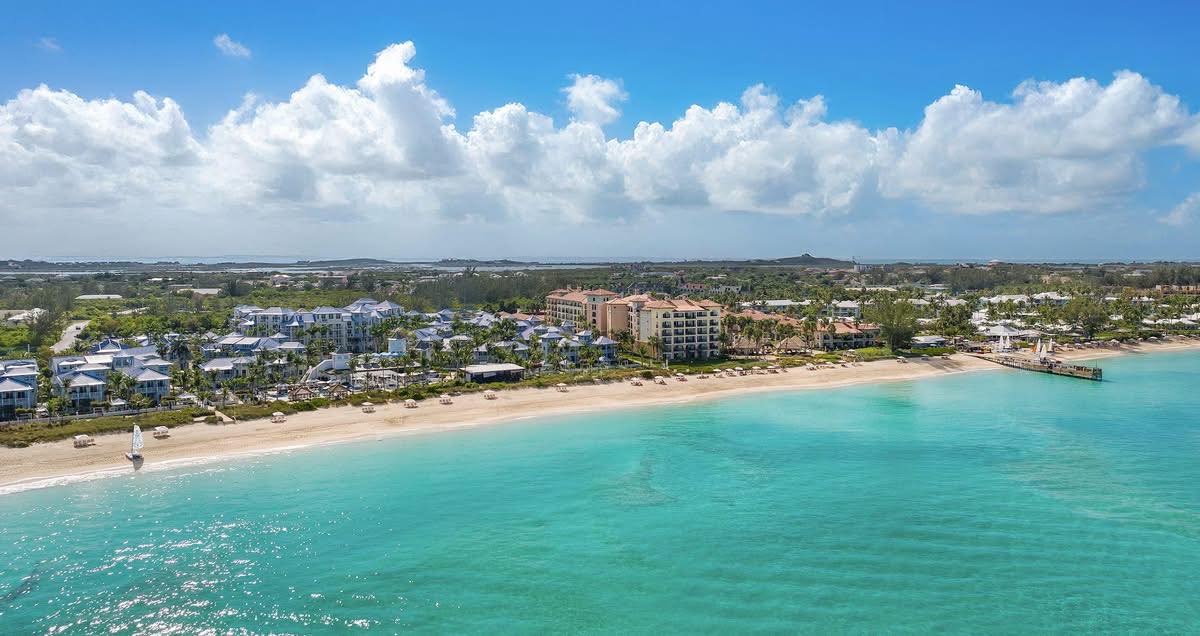
PROVIDENCIALES, TURKS AND CAICOS ISLANDS – (February 25th, 2026) – The Turks and Caicos Islands began 2026 on a positive note, with stayover arrivals in January surpassing the same period in 2025.
Preliminary figures indicate that 56,830 stayover visitors arrived in January 2026, representing a two percent increase year-on-year. The steady growth continues the positive momentum experienced at the close of 2025.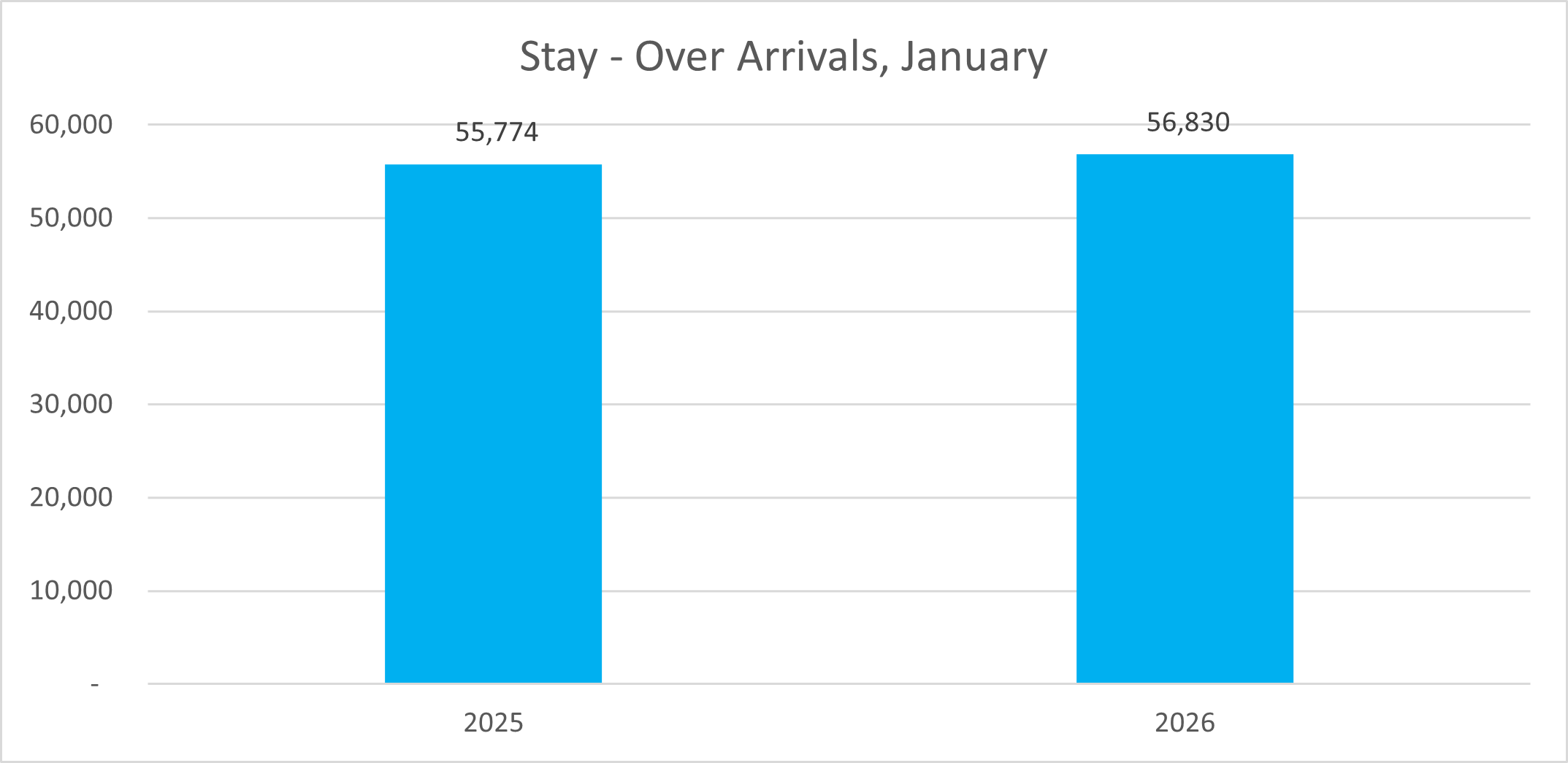
Mr. Paul Pennicook, Interim CEO Consultant, attributed the encouraging performance to new collaboration with tour operator partners as well as increased airlift from key source markets.
“We anticipated a strong January performance following the growth recorded in November and December. The winter season has traditionally been a robust period for the Turks and Caicos Islands, and this year that strength has been further supported by enhanced collaboration with partners and expanded airlift from Canada and the United States We are cautiously optimistic about maintaining this upward trajectory in the weeks and months ahead.
Cruise Sector
In cruise, preliminary figures show 122,935 cruise passenger arrivals in January, reflecting a 15 percent decrease compared to January 2025.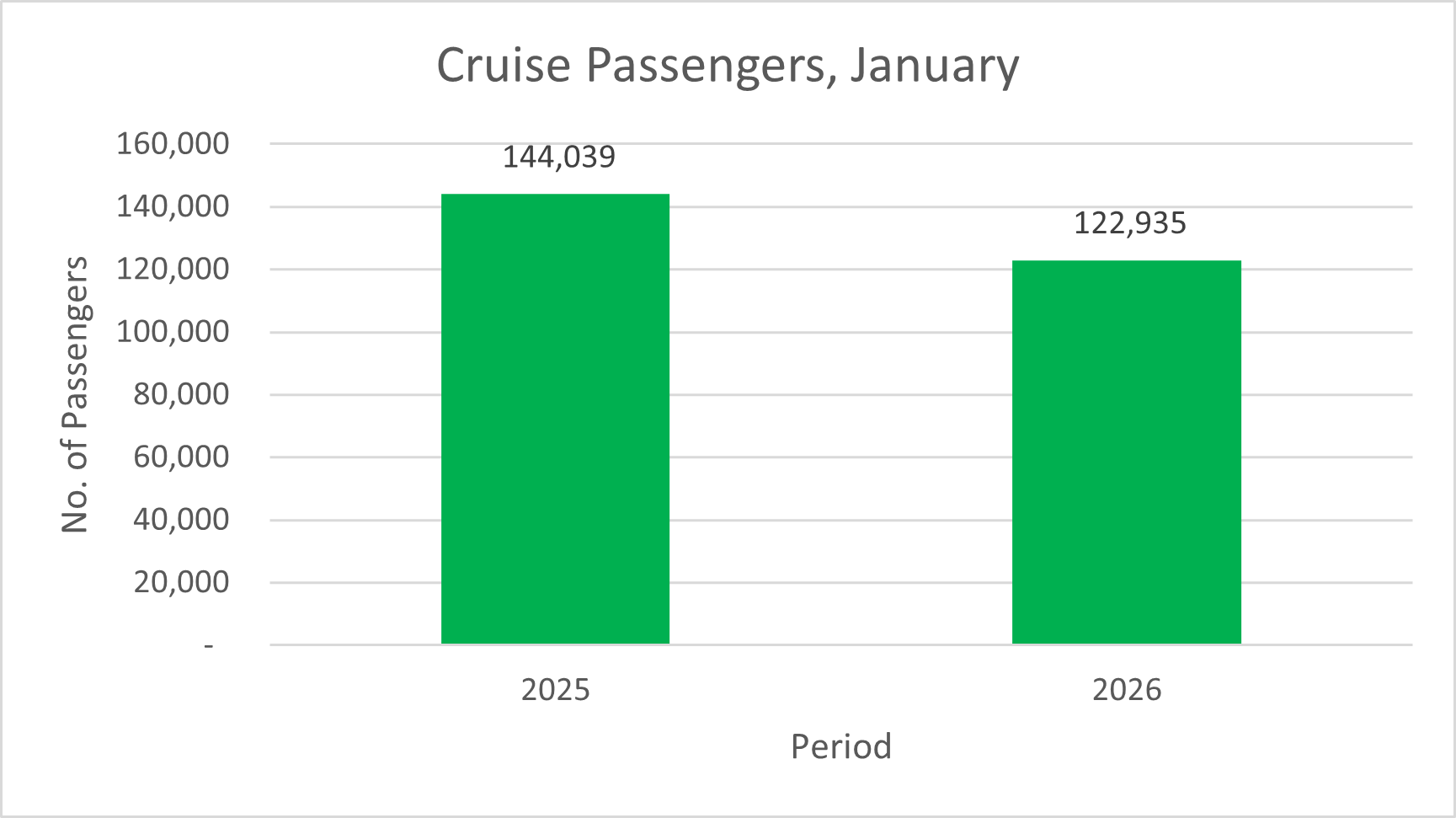 The decline is attributed to a reduction in cruise calls during the month. A total of 33 vessels called on Grand Turk in January, seven fewer than during the corresponding period last year.
Marketing Shows
As part of its ongoing efforts to position the Turks and Caicos Islands as a premier luxury destination, Experience Turks and Caicos has been actively participating in the Travel & Adventure Shows across several major cities in the United States.
The destination has already been showcased in Washington, D.C., New York, and Chicago, with Fort Lauderdale and Denver scheduled in the coming weeks.
Public Relations Manager Laura Dowrich represented the Turks and Caicos Islands alongside the destination’s U.S. marketing agency, ABA Global.
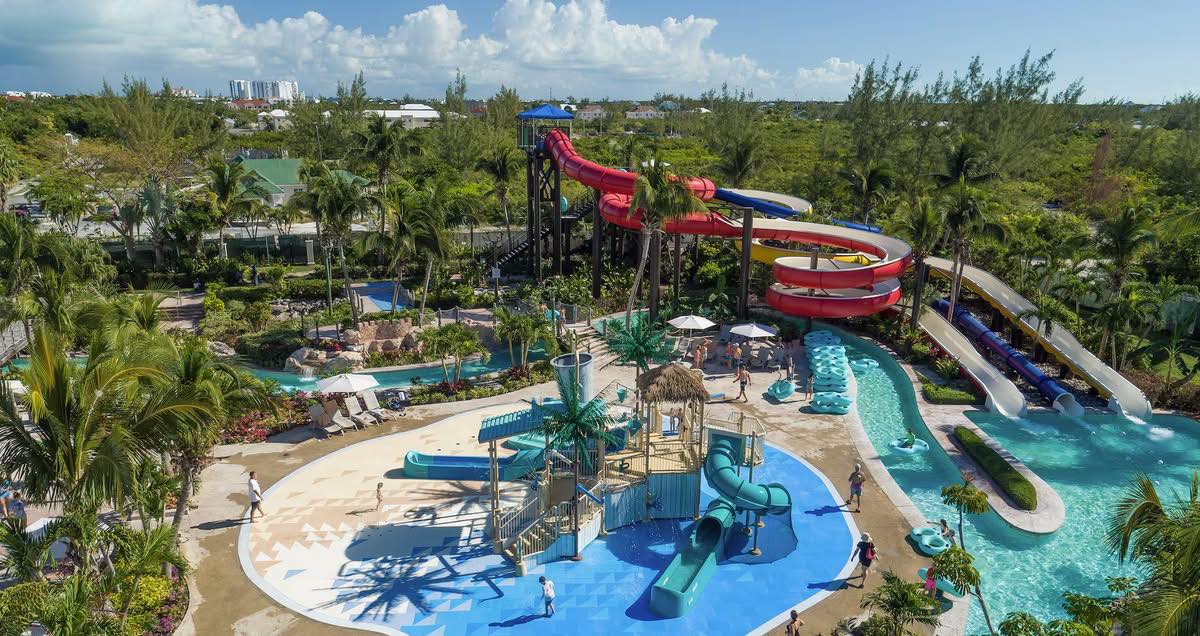
Beaches Turks & Caicos – Stone Creek Travels
“One of the most encouraging takeaways from these shows is that the Turks and Caicos Islands is indeed on travellers’ radar. We met many visitors who shared fond memories of their time here, others who already have trips booked and were seeking recommendations on activities and dining, and many more who aspire to visit. It was a pleasure highlighting our multi-island destination and sharing the many experiences that make the Turks and Caicos Islands truly special,” said Ms. Dowrich.
Awards & Recognition
Building on a stellar year of accolades in 2025, the Turks and Caicos Islands has begun 2026 with additional international recognition.
The destination earned a Gold Badge in the U.S. News & World Report rankings, placing #5 in Best Family Vacations in the Caribbean and #5 in Best Beaches in the World. In the USA Today 10Best Readers’ Choice Awards, Grand Turk was ranked #10 among the Best Caribbean Islands to Visit.
About Experience Turks and Caicos
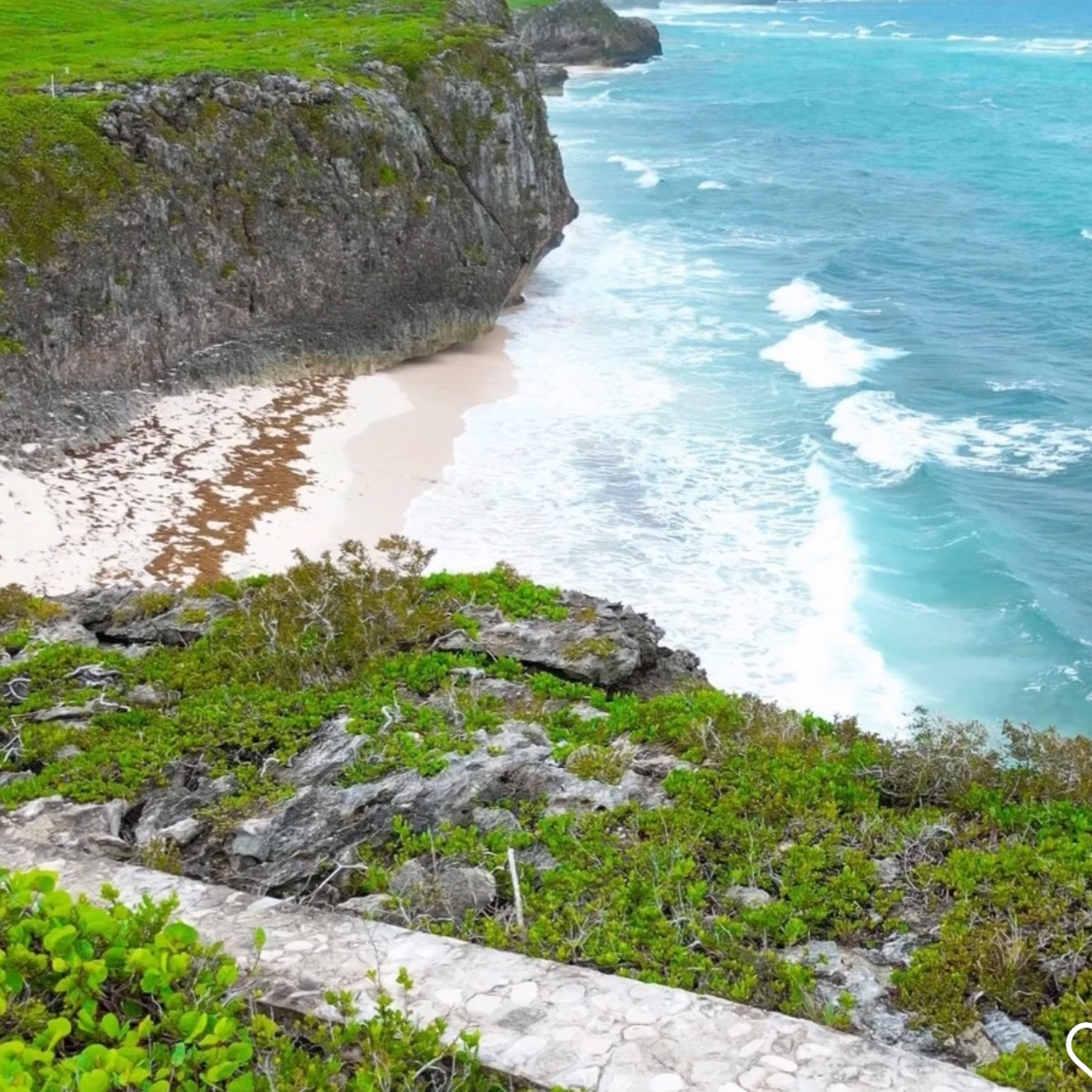
Middle Caicos Dragon Cay Resort
Experience Turks and Caicos is the official destination marketing and management organisation (DMMO) for the Turks and Caicos Islands. The organisation is committed to positioning the destination as a premier, sustainable luxury tourism hub. By leveraging smart tools, data-driven strategies, and stakeholder collaboration, Experience Turks and Caicos focuses on enhancing the visitor experience and fostering long-term industry success.
About the Turks and Caicos Islands
The Turks and Caicos Islands consist of two island groups in the Lucayan Archipelago—the larger Caicos Islands and the smaller Turks Islands. Home to some of the world’s most pristine beaches, including the award-winning Grace Bay Beach, the destination is renowned for its crystal-clear turquoise waters, luxury accommodations, and rich cultural heritage. Each island and cay offer a unique experience:
- Providenciales boasts world-class resorts, fine dining, and high-end tourism offerings.
- Grand Turk serves as the vibrant hub for cruise tourism and historical exploration.
- The sister islands provide a gateway to nature, adventure, and authentic local culture.
Recognised as the world’s best-kept secret, the Turks and Caicos Islands offer effortless luxury, with seamless connectivity via direct flights from major cities in the United States, Canada, and the United Kingdom.
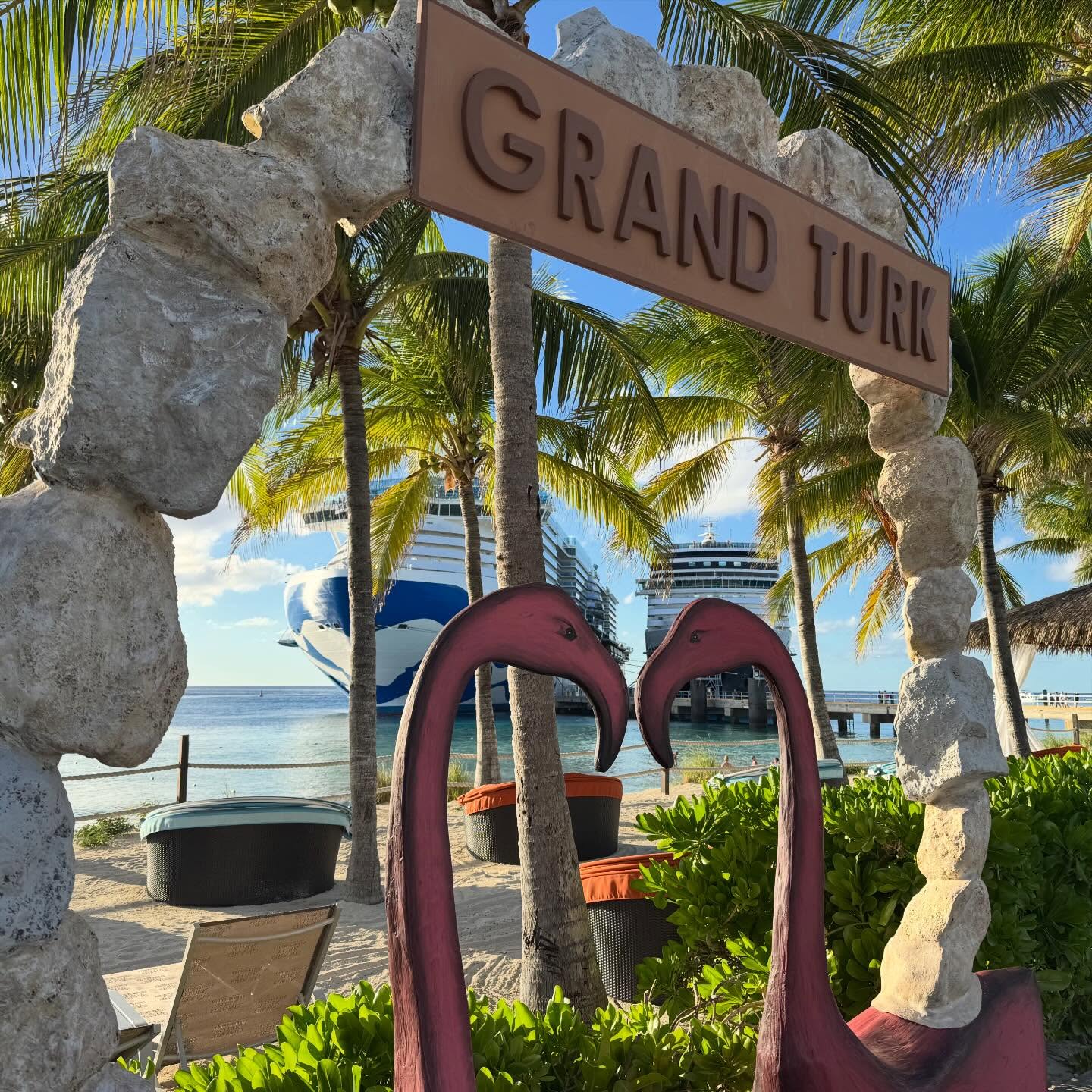
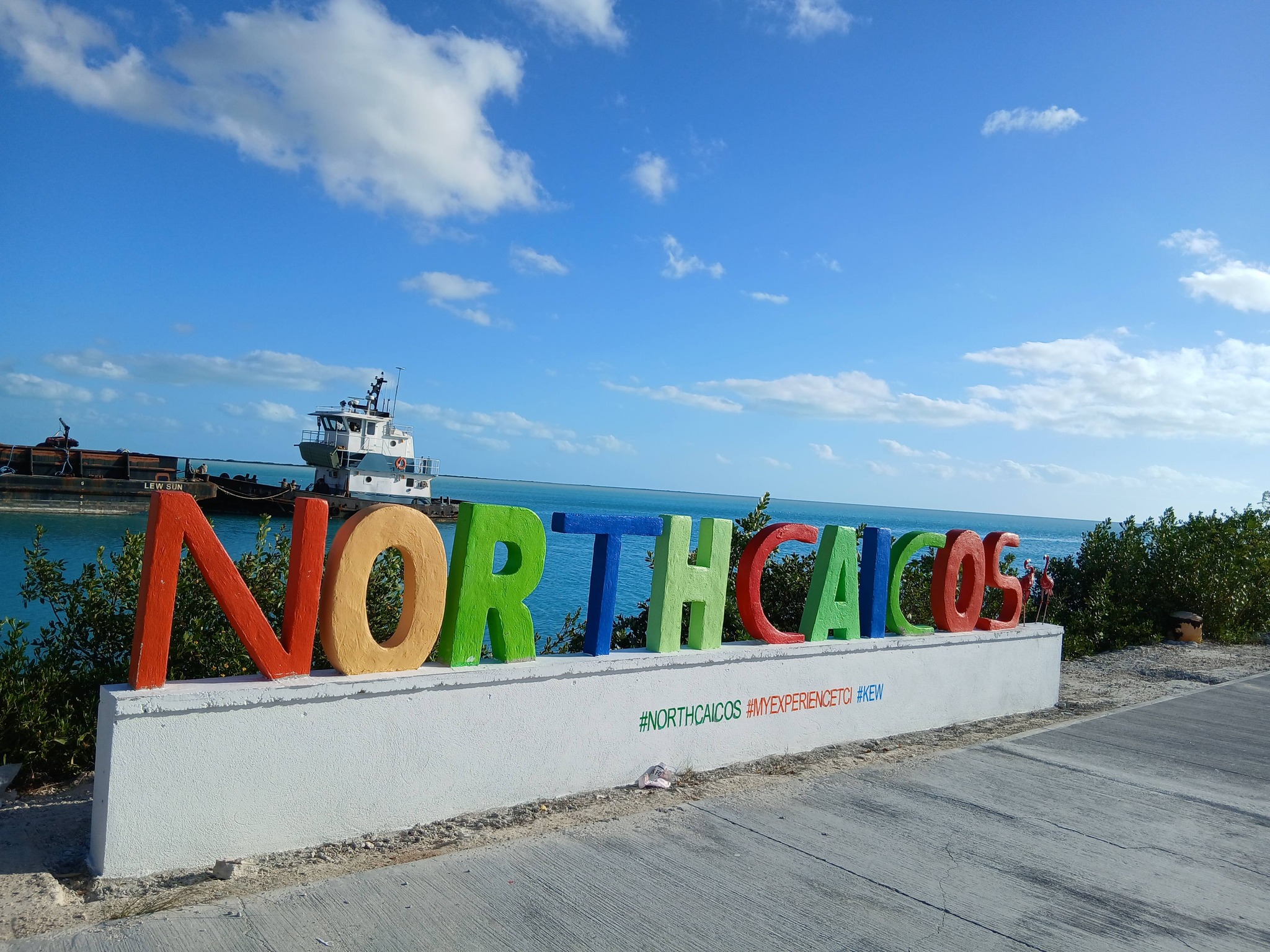
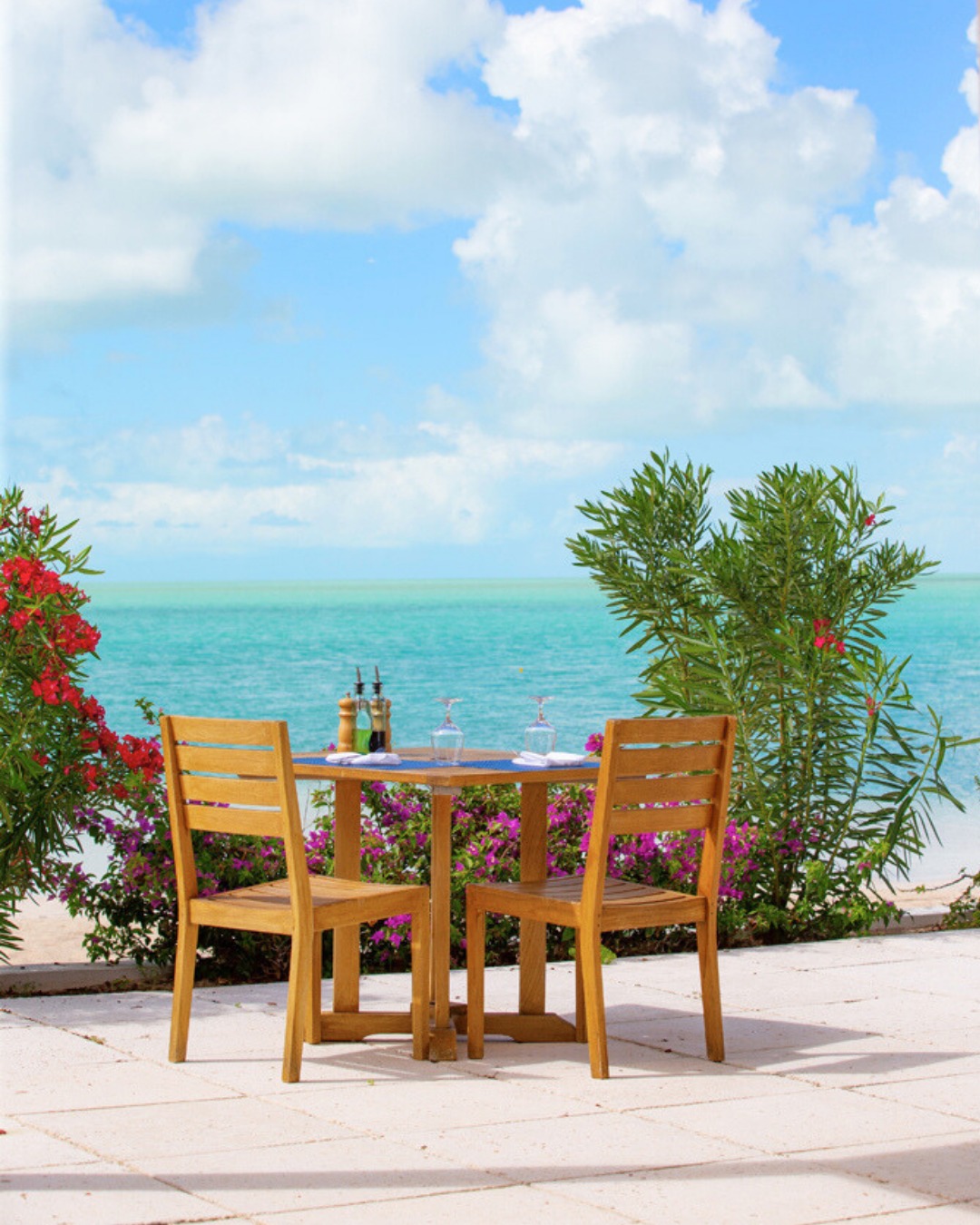
Photo Captions:
Grand Turk – slow travel with us
North Caicos – Correy Forbes
South Caicos Sail Rock
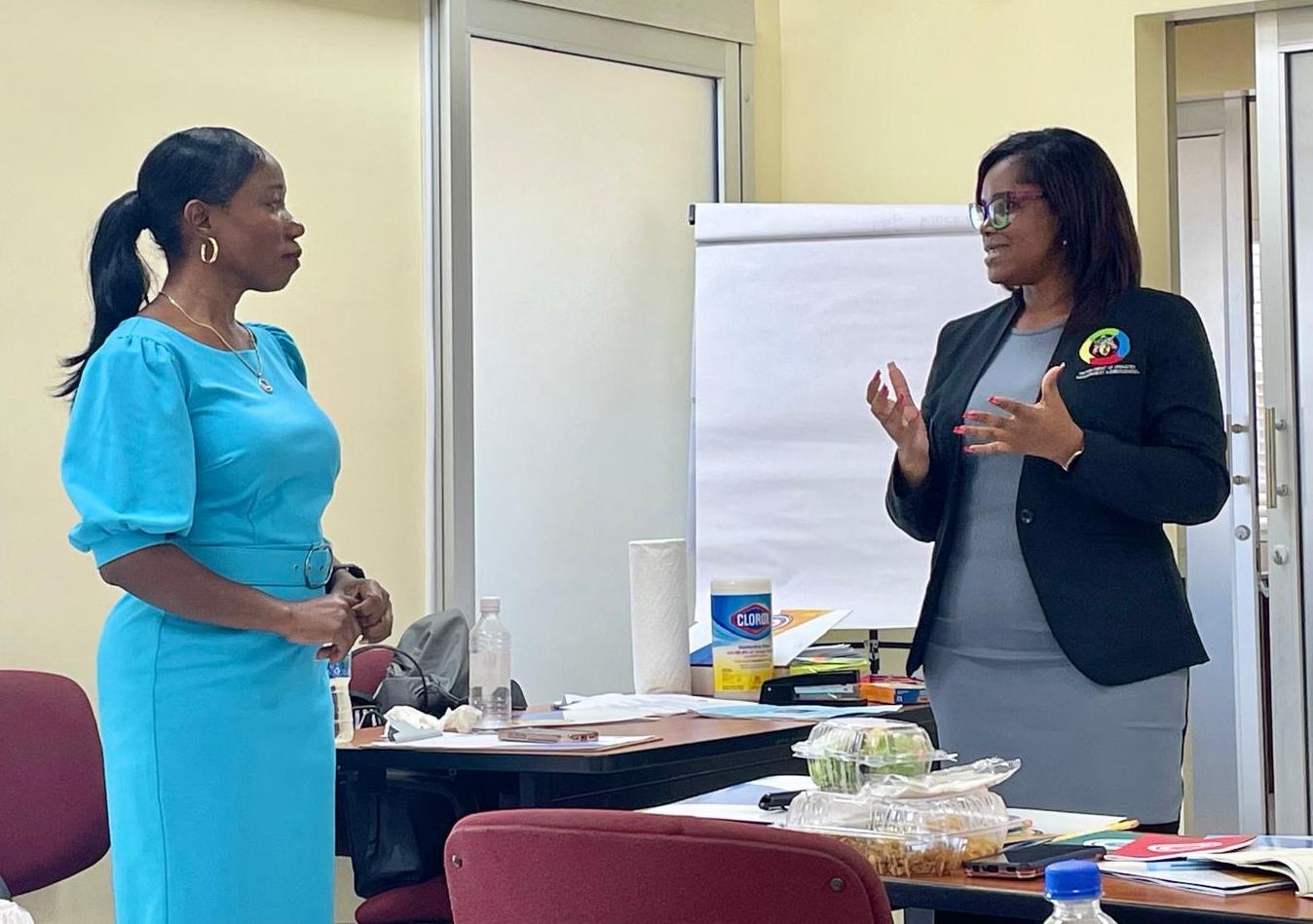
Providenciales, Turks and Caicos Islands – Wednesday, 25 February 2026: Staff of the Department of Disaster Management and Emergencies (DDME) participated in a one‑day Professional Staff Development Workshop on Thursday, 19th February 2026. The session was facilitated by former DDME Director (2011–2021) and current Permanent Secretary of the Governor’s Office, Dr. Virginia Clerveaux.
The in-house workshop was organised by the DDME Training Unit, to focus on the National Disaster Management Framework, strengthening staff understanding of their roles and responsibilities within disaster management. The session also aimed to enhance the effectiveness of the National Emergency Operations Centre (NEOC) and reinforce inter‑agency coordination.
Drawing on her extensive experience in disaster management in the Turks and Caicos Islands, as well as several deployments to CDEMA member states including Haiti, The Bahamas, and Jamaica, Dr. Clerveaux provided practical insights that reinforced key concepts and clarified operational expectations. Staff members actively participated in discussions and shared recommendations to improve sub‑committee performance and overall departmental efficiency.
To support learning retention, the workshop incorporated pre‑ and post‑assessments, enabling participants to evaluate their understanding and track improvements.
Acting Director of DDME, Mr. Kevaun Lucas stated: “Investing in the continued development of our team is essential to strengthening national resilience. This and future planned workshops will help to reinforce our commitment to building a highly skilled, well‑coordinated workforce capable of leading and supporting disaster management efforts across the Turks and Caicos Islands. I am proud of the team’s engagement and encouraged by the meaningful contributions they made throughout the session.”
This Professional Staff Development Workshop forms part of DDME’s ongoing commitment to enhancing internal capacity, strengthening operational coordination and improving overall departmental synergy as the agency continues to advance national preparedness and response capabilities.
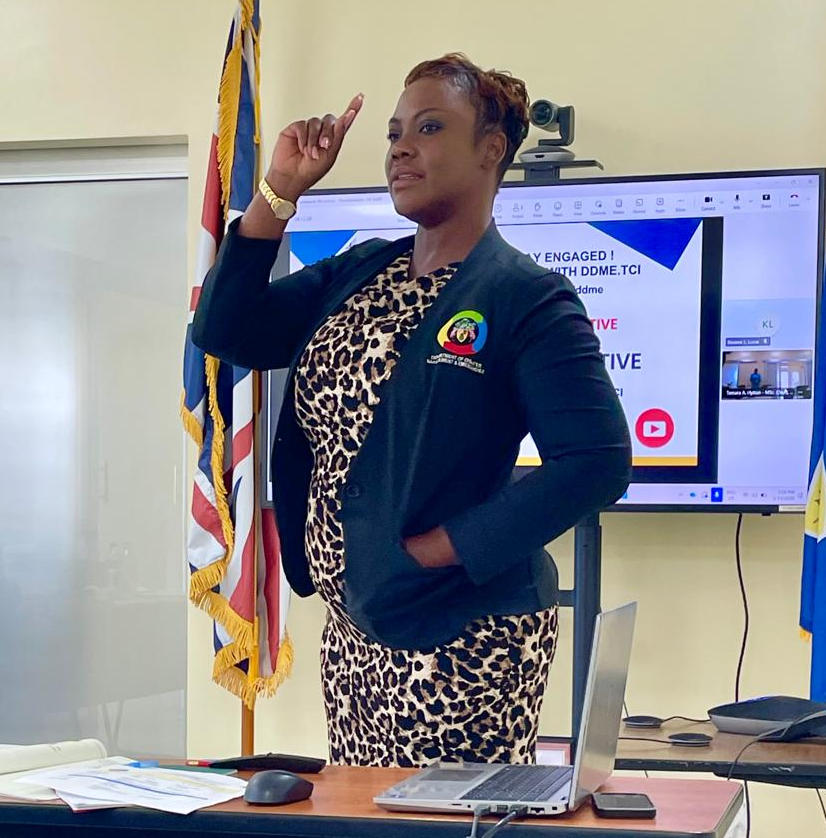
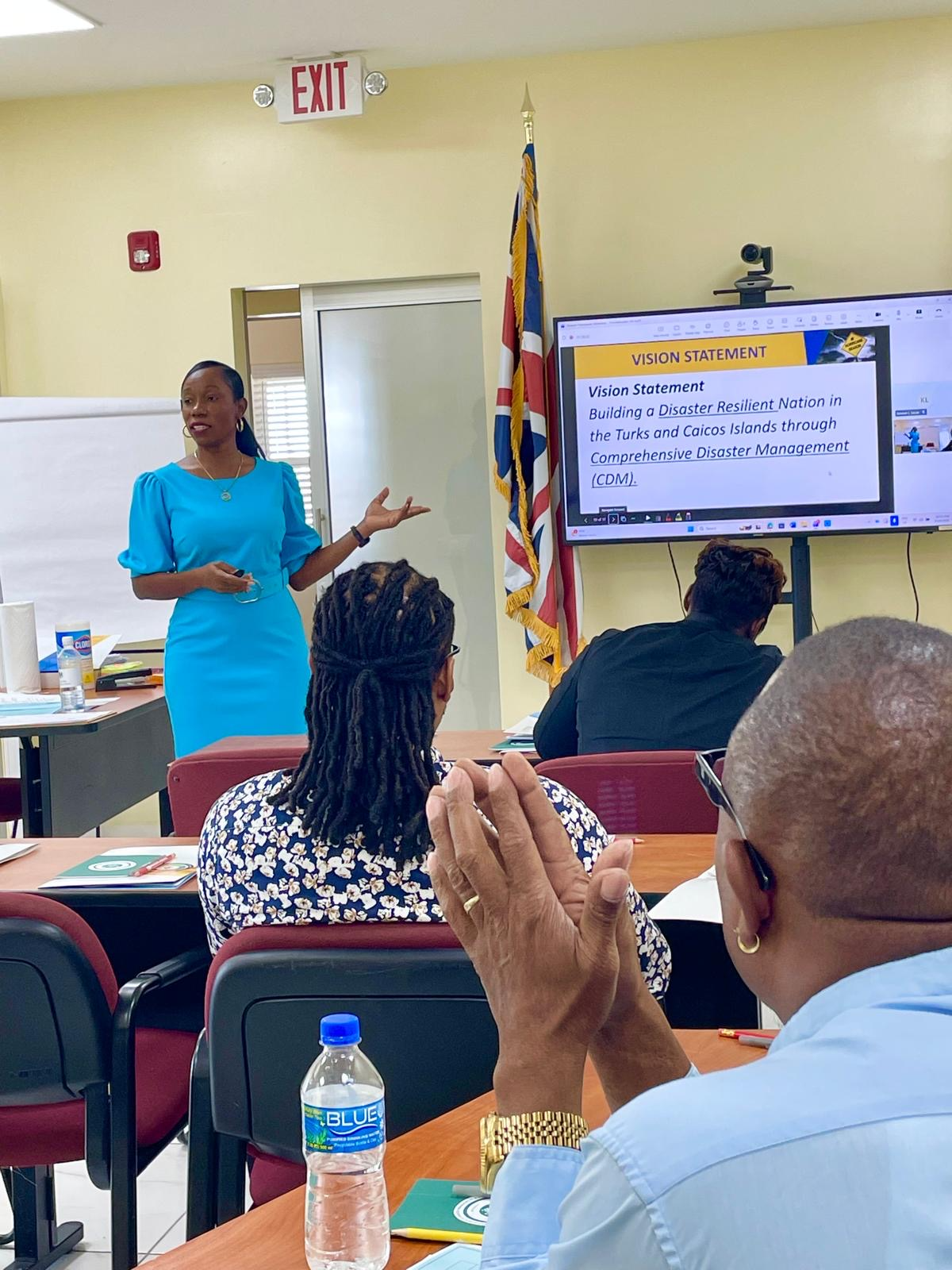
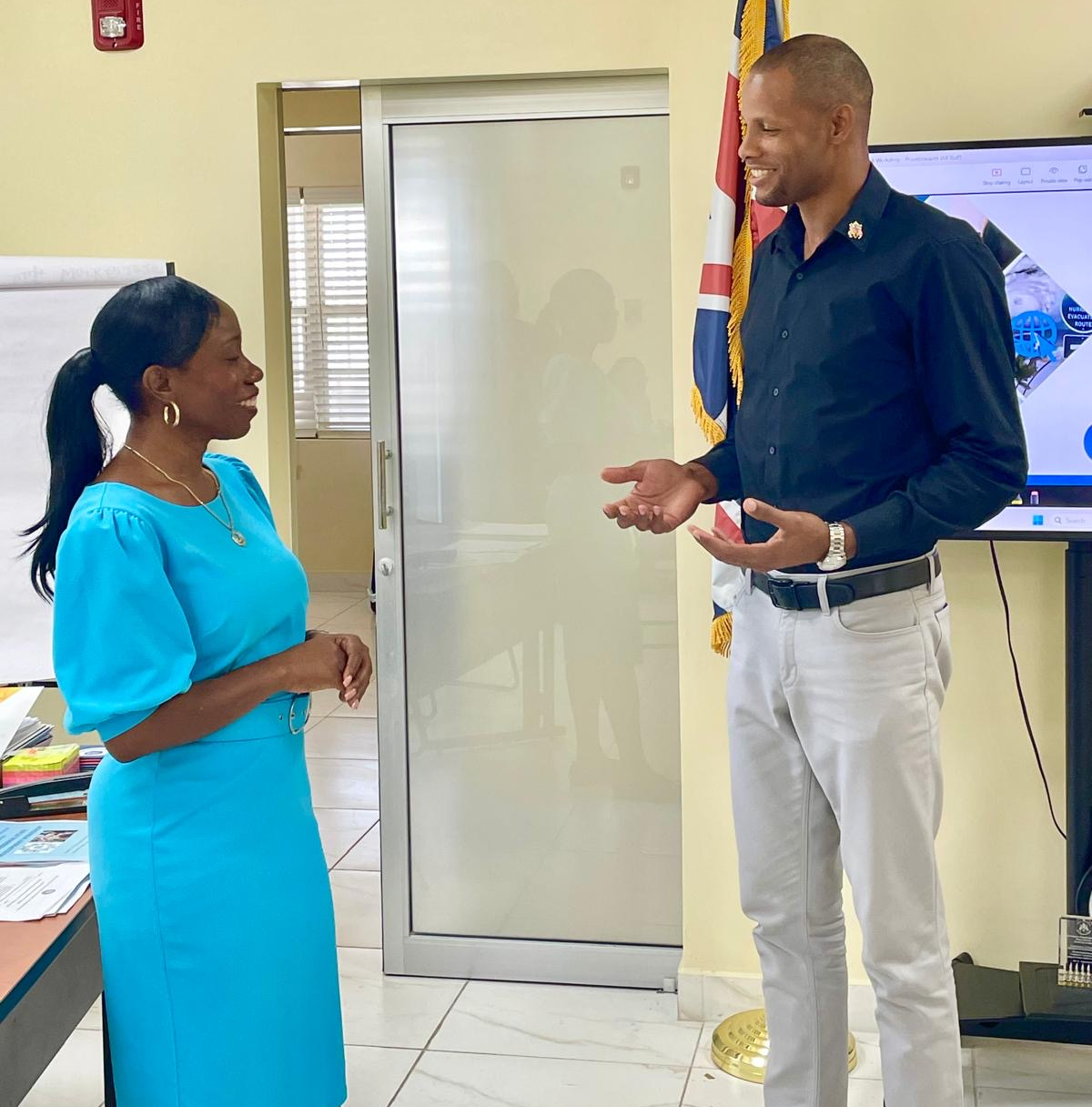
Photo Captions:
Caribbean News
Liberty Caribbean Supports Regional Forum on AI, Cyber Resilience and Digital Inclusion

Port of Spain, TRINIDAD & TOBAGO (February 24, 2026) — Liberty Caribbean, the operators of Flow, Liberty Business and BTC, recently served as Gold-Level Partner of the two-day Trinidad and Tobago Internet Governance Forum (TTIGF), themed “The Innovation Paradox – Balancing Progress with Responsibility and Resilience”.
The Digital Divide is of particular interest to Liberty Caribbean and is being addressed through its Charitable Foundation across the region. Low broadband penetration in the Caribbean contributes to diminished opportunities for individuals, communities, and local economies, but with the support of funding partners, this gap can be addressed through a comprehensive programme – JUMP – that focuses on providing access, devices, and digital skills.
“Liberty Caribbean was proud to serve as Gold-Level Partner of the TTIGF because the conversations taking place here shape key digital policies for multiple stakeholders,” said Simone Martin-Sulgan, Vice President and General Manager, Flow Trinidad.
“As technology accelerates at an unprecedented pace, we must ensure that innovation strengthens our societies rather than fragments them. The theme, ‘The Innovation Paradox – Balancing Progress with Responsibility and Resilience,’ speaks directly to the work we do every day: building networks that are not only fast and reliable, but secure, inclusive and future-ready.”
Across the Caribbean, the digital divide remains one of the most pressing barriers to equitable growth. Low broadband penetration limits access to education, entrepreneurship and essential services, and that is why we are deeply committed to closing this gap.
Through the Liberty Caribbean Charitable Foundation and initiatives like the JUMP Programme, the company is expanding access to technology, affordable connectivity and digital skills training so that individuals and communities are empowered to participate fully in the digital economy.
Martin-Sulgan further stated “at Liberty Caribbean, we believe progress and responsibility must move in lock step. By investing in resilient networks, inclusive programmes and trusted partnerships, we are helping to build a Caribbean that is innovative, secure and prepared for the opportunities ahead.”
Topics covered during the Forum, with over 140 participants, included “Securing Critical Infrastructure”, Integrating AI into Digital Transformation”, “The Digital Divide”, The Human Cost of Innovation – Mental Health and Well-being in the Digital Age’, and AI, Cyber Resilience and Regional Innovation”.
Focused on the underlying mandate of the Conference theme thought leaders, innovators, policymakers, technologists, researchers, and community stakeholders were invited to explore how countries can evolve boldly without compromising values or long-term stability.
Photo Caption:
TTIGF – l-r Darren Campo, Regulatory & Compliance Officer; Yolande Agard-Simmons, Senior Manager Communications; and Kevon Swift, Senior Manager Government and Regulatory Affairs of Flow Trinidad in attendance at the Post Event Mixer at Caribbean Telecommunications Union’s Head Office in St Clair, Port of Spain





-
 News4 days ago
DDME Staff Strengthen Disaster Management Capacity Through Professional Development Workshop
-
 News1 week ago
Multi-Agency Enforcement Action Conducted in Five Cays
-

 Caribbean News5 days ago
Liberty Caribbean Supports Regional Forum on AI, Cyber Resilience and Digital Inclusion
-
 News4 days ago
The Turks and Caicos Islands Set Positive Start to 2026 with Increase in January Stayover Arrivals