
TCI News
Illegal Vessel Intercepted on April 5, 2019 and Ongoing Repatriation

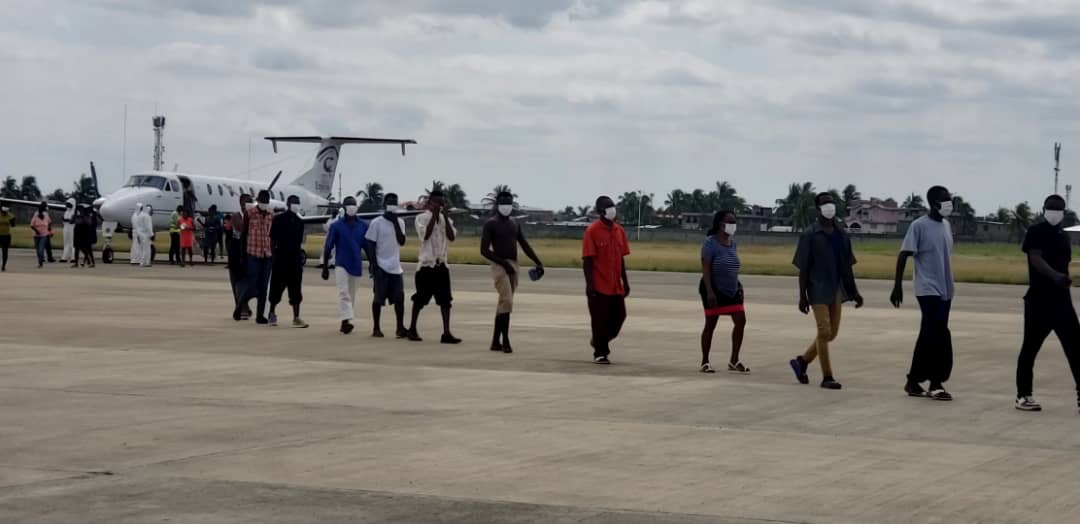
#Providenciales, Turks and Caicos Islands — The Ministry of Immigration, Citizenship, Labour and Employment Services wishes to update the public on matter related to illegal migrants.
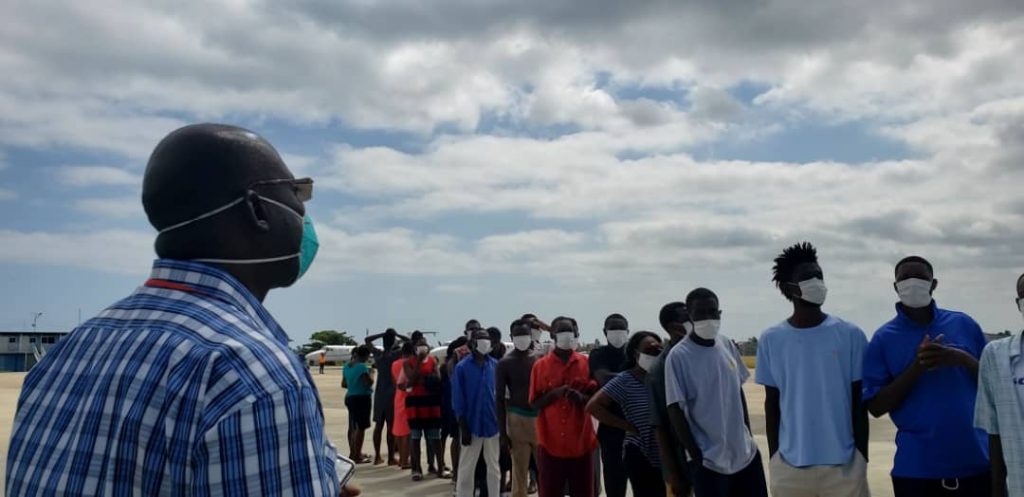
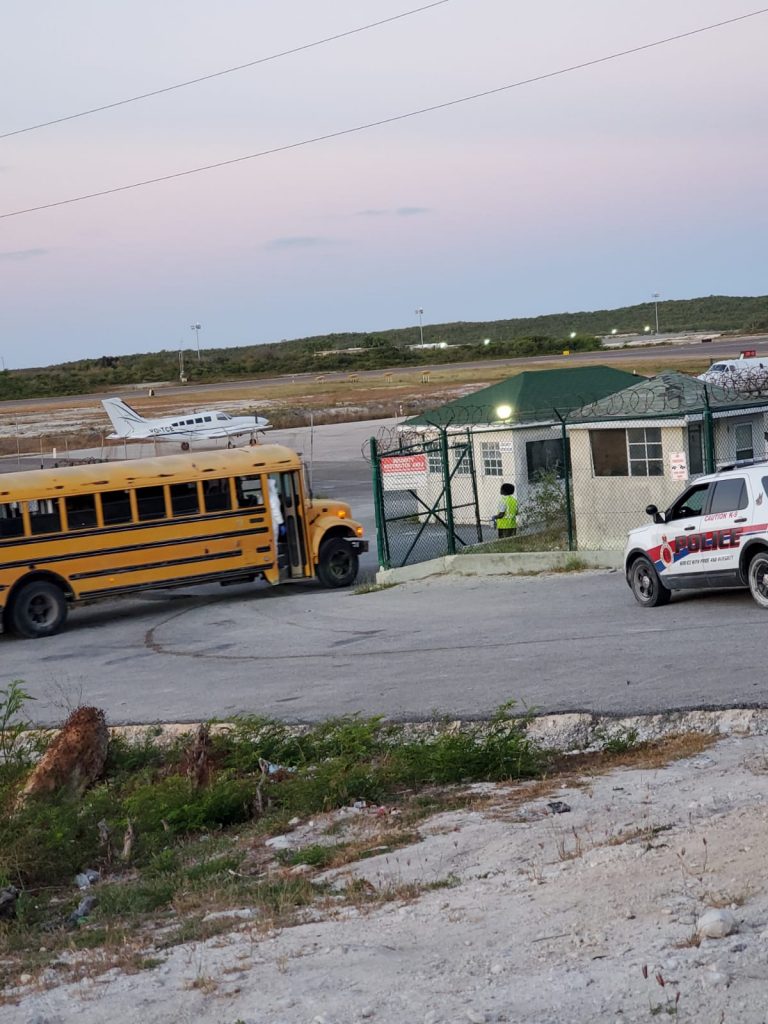
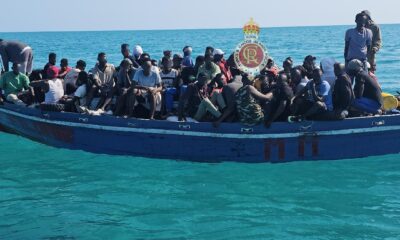
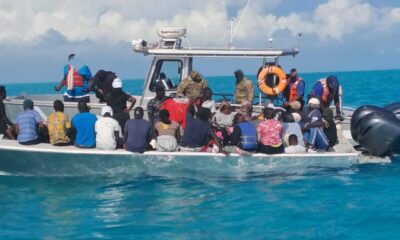
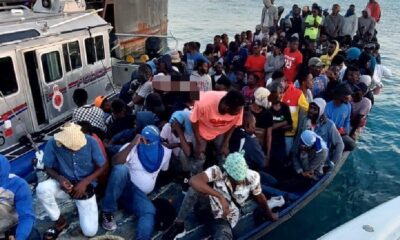
During the early morning of Sunday April 5, 2020, a vessel with forty-four (44) illegal migrants (thirty-eight (38) males and six (6) females) was intercepted by the Royal Turks and Caicos Islands Police Force through the detection of the Coastal Radar. They have been taken into detention and processed by Immigration and Medical personnel and declared fit to travel.
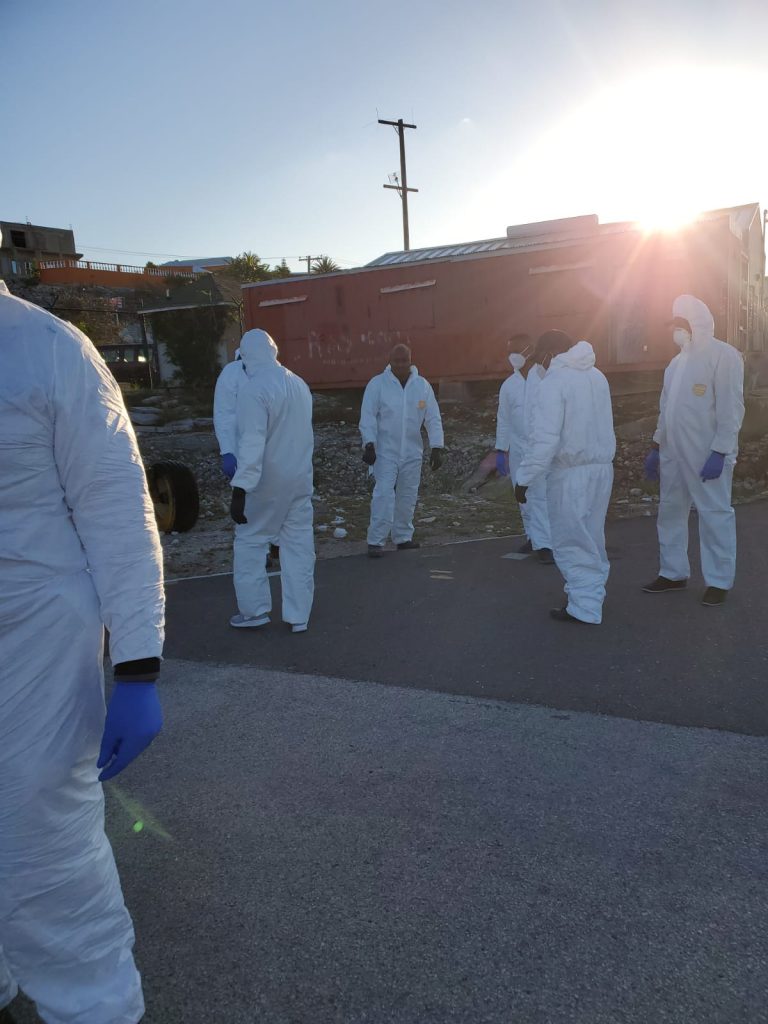
We are extremely pleased to inform the public that permission was sought and granted yesterday to repatriate all of our detainees of the various illegal vessels. Hence, those who were caught early this morning will join the one hundred and eighty-one (181) Haitian Nationals who were held at our Detention Centers due to interception by the Royal Turks and Caicos Islands Police Force Marine Branch and the Immigration Department Enforcement Unit from the various landings. All detainees were screened and cleared for repatriation as no one was displaying or complaining of any CONVID-19 symptoms as was confirmed by our Medical Team.
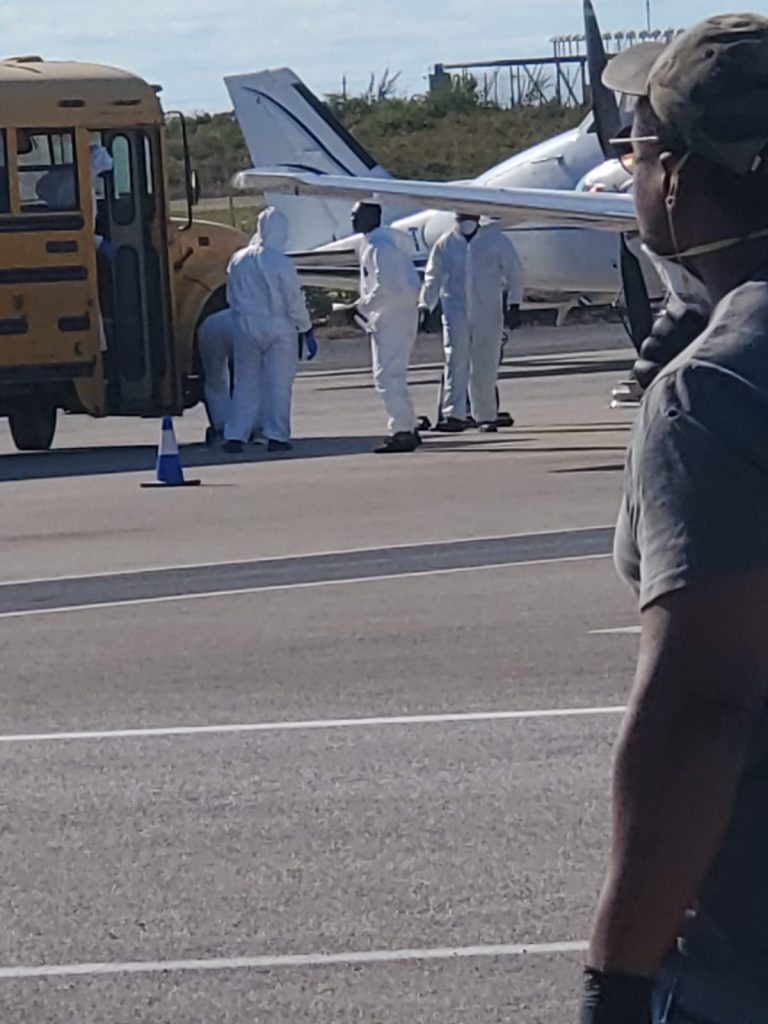
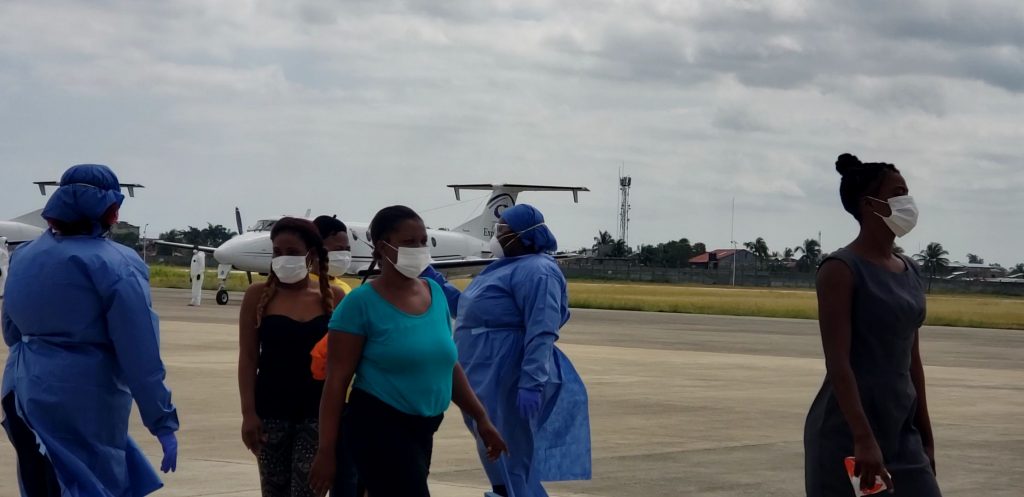
Today, Sunday, April 05th 2020 at about 9:00 a.m. all two hundred twenty-five (225) detainees began to be repatriated to Cap Haitian via charters on our two main airlines namely Caicos Express and Inter-Caribbean Airlines.
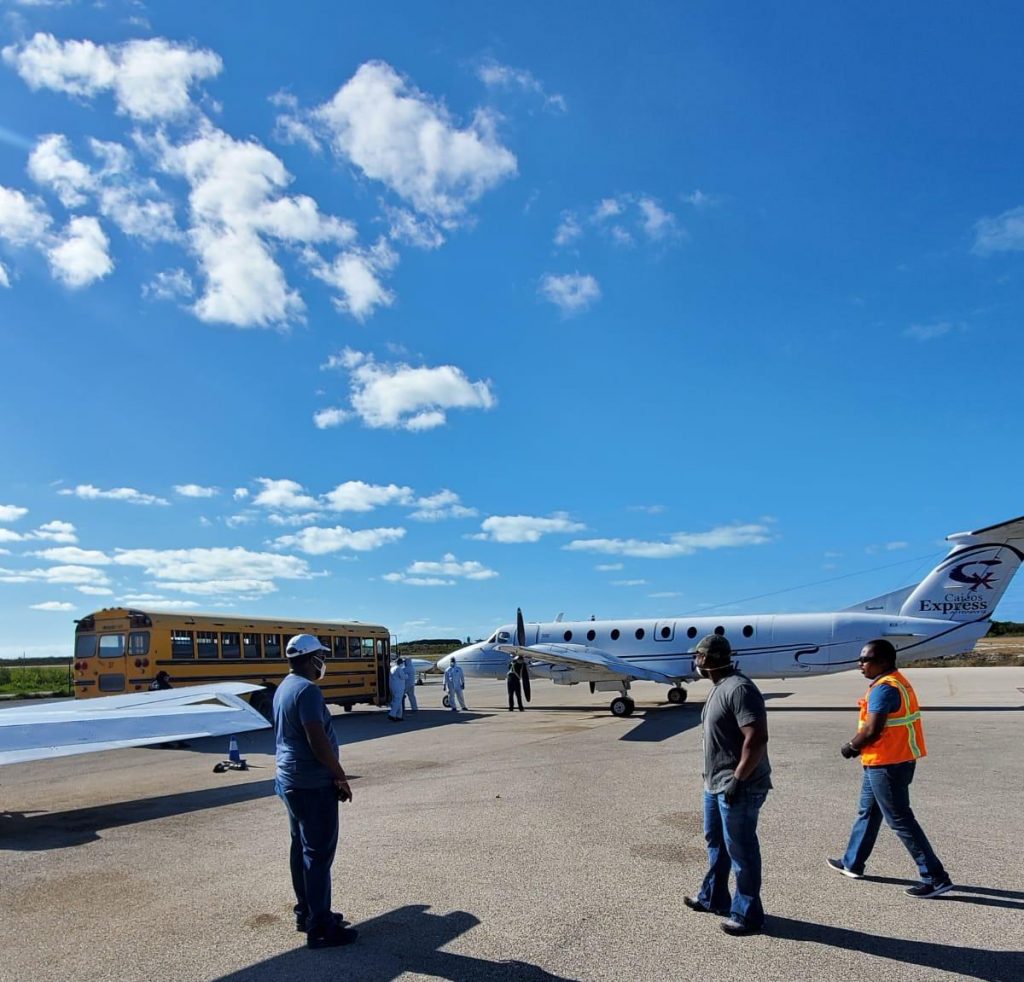
Hon. Vaden Williams, Minister of Immigration, Citizenship, Labour and Employment Services stated: “It’s my aim to have all of our illegal detainees repatriated today. This is an expensive task but one that must be taken in order to protect the lives of our people.
“Soon you will hear of measures being put into place to protect these islands and its people. Measures such as but not limited to:- time limits on work permits; the closing down of first time work permits; enforcement operations and rids crafted to rid these island of illegal migrants”. He went on to say: “The time has come when we must ask if certain Consuls are welcome here! I have had enough of this illegal problem and vessels landings and I am sure the people as well. So note if anyone found with illegal immigrants whether at their residence, personal vehicles or place of work, shall be persecuted to the fullest extent of the law and those who are on work permits or other permits, recommendations shall be made for these status to be revoked.”
Hon. Williams further stated: “I ask you the people to remain
calm and report any suspicious movement to 911. My Officers are out there and
doing a great job and I say thanks to all of them. I ask our people to support
them where you can, as we work together to clean our country and keep our
people safe and healthy”.
In addition, the Border Control Detention Centre is the main holding facility and currently is also holding twenty-eight (28) Sri Lankan Nationals and one (1) Indian National, awaiting repatriation which has been delayed due to COVID- 19 worldwide travel restrictions.
The continued illegal vessel landings and repatriation has again costs the Turks and Caicos Islands Government in excess of US$2.5 million from the Immigration Department alone during the last Financial Year 2019/2020. This does not take into consideration the human and other agencies costs aligned with illegal migration.
The Enforcement agencies of the Turks and Caicos Islands are again asking anyone with information concerning planned and landed arrival of other vessels, poachers and any suspicious movements of persons to contact the Police anonymously on 911 or Crime Stoppers anonymously on 1-800-8477. Tips can be submitted anonymously in English, French or Spanish on either www.crimestoppers.tc or on Facebook as a fan of Crime Stoppers Turks & Caicos. Crime Stoppers tips are received in the USA.
The public is also reminded that it is an offence to harbour illegal persons and that persons found guilty engaging in such activities are liable to a fine of US$20,000 or a term of imprisonment of four years, or both in accordance with the Immigration Ordinance 2018 or any law. The public is also reminded that assisting illegal entry is a criminal offence and persons found engaging in such activities will receive the full extent of the law.
Through this medium the Ministry of Immigration, Citizenship, Labour and Employment Services wishes to thank all Agencies who worked alongside them to ensure this repatriation took place. This include but not limited to the Governor’s Office; Office of the Premier and Ministry of Finance; Ministry of Health and Tourism; the Airlines; Ministry of Immigration Staff; the Haitian Government and all others including the general public.
Press Release issued Sunday April 5, 2020








Independent writer
Born Here, Raised Here, but Still Unable to Vote: Is this a Conundrum for TCI Electorate?


By Ed Forbes
The Turks and Caicos Islands faces a growing demographic and democratic question that can no longer be ignored: What happens to young people born and raised here who reach adulthood without qualifying for Turks and Caicos Islander Status, and what does this mean for our country’s future?
This is not simply an immigration issue. It concerns population growth, national identity, political representation and the future relationship between the people who call these Islands home and the system that determines who can participate in our democracy.
Consider a young person born in TCI, educated in our schools, raised in our communities and now working, paying taxes and contributing to the economy. At 18, that person may hold British Overseas Territories Citizenship (BOTC) but still lack Islander Status and, consequently, the eligibility required to register as an elector.
Section 55 of the Turks and Caicos Islands Constitution Order 2011 establishes the qualifications for voter registration, including the requirement to be a Turks and Caicos Islander. Being born here, growing up here or holding BOTC citizenship does not automatically satisfy that requirement.
Of course, birth in the Islands does not automatically confer Islander Status. The law provides different routes based on parental status, nationality, residence and other qualifying circumstances. We must respect those laws while asking whether they adequately address the realities of a population that has changed considerably over the past two decades.
The numbers make this discussion increasingly urgent.
According to Government population estimates, the TCI population grew from approximately 33,500 in 2011 to 47,674 in 2022. The Government’s 2025 projection placed it at approximately 52,299. That represents projected growth of roughly 56 per cent between 2011 and 2025.
Published demographic information has also suggested that fewer than one in four residents holds Islander Status. A separate comparison of the 2022 population estimate and the 2023 registered-elector list placed registered electors at approximately 19 per cent of the population.
These figures measure different things and come from different years. They should not be confused with the percentage of eligible voters who actually cast ballots. Nevertheless, they raise an important question: How will our electorate evolve as the population continues to grow?
We should not assume that every non-Islander resident is eligible for status, or that everyone without status was born here. Equally, we cannot ignore young people who may have spent their entire lives in these Islands yet remain outside the electorate because they cannot satisfy the existing requirements.
This situation did not begin yesterday. Children born here 15 or 20 years ago are now adults. Some may qualify under existing provisions but need assistance navigating the application process. Others may have no available route under current legislation. We need reliable figures to understand the scale of each group.
With the next general election roughly two and a half years away, the time to act is now.
The Government should not wait until an election is approaching to discover how many people may qualify to register, how many remain excluded and whether legislative changes are needed. Islander Status applications and potential legislative reforms can involve lengthy processes. Any necessary changes require legal examination, consultation and sufficient time for implementation.
I propose that the Government work with the Islander Status Commission, immigration authorities and the Elections Department to conduct a comprehensive review of TCI-born adults who do not hold Islander Status. The review should establish how many qualify under existing provisions, how many have been refused or cannot apply, and the specific legal barriers involved.
Where a lawful pathway already exists, the Government should make it clear and accessible. Where genuine gaps remain, it should consult the public on whether a defined pathway should be established for qualifying individuals born, educated and lawfully raised here, with appropriate safeguards.
This is not a call to grant status indiscriminately or disregard immigration controls. It is a call to examine the consequences of our existing framework and determine whether it serves the long-term interests of the Turks and Caicos Islands.
Let’s face it, a growing migrant population, an ageing Islander community and successive generations of young people whose electoral eligibility may be restricted present questions that deserve serious, evidence-based consideration.
We cannot change the past, but we can decide whether to confront this issue today or leave it for another generation. I strongly believe, voting eligibility is more than a right; it is a pathway to inclusion and a stake in our country’s future.
The question is no longer whether this deserves public discussion. It is whether we are prepared to begin in time to make informed decisions before the next election and beyond.
The clock is ticking. Let us establish the facts, examine the law and find a fair, lawful and sustainable way forward.
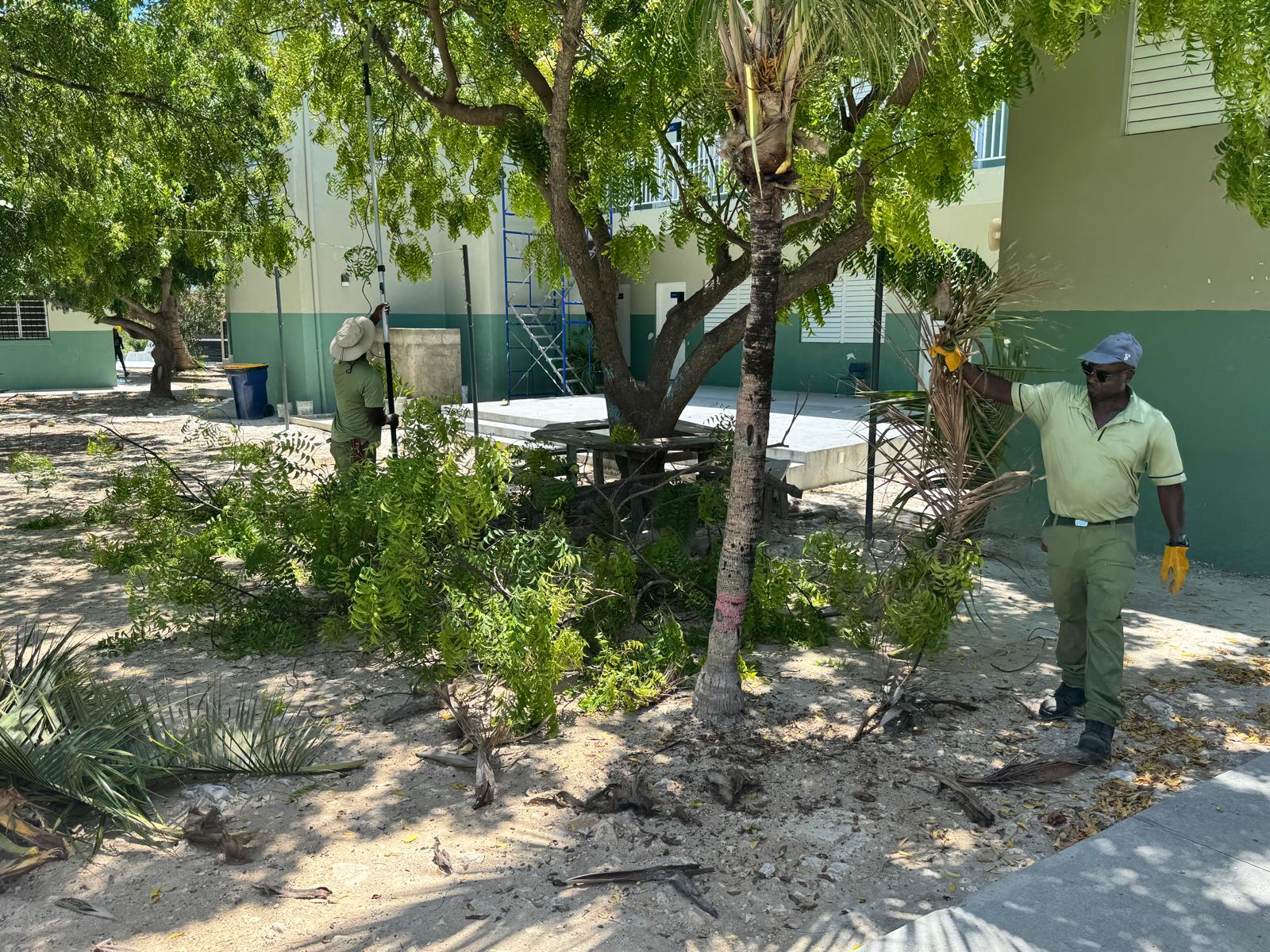
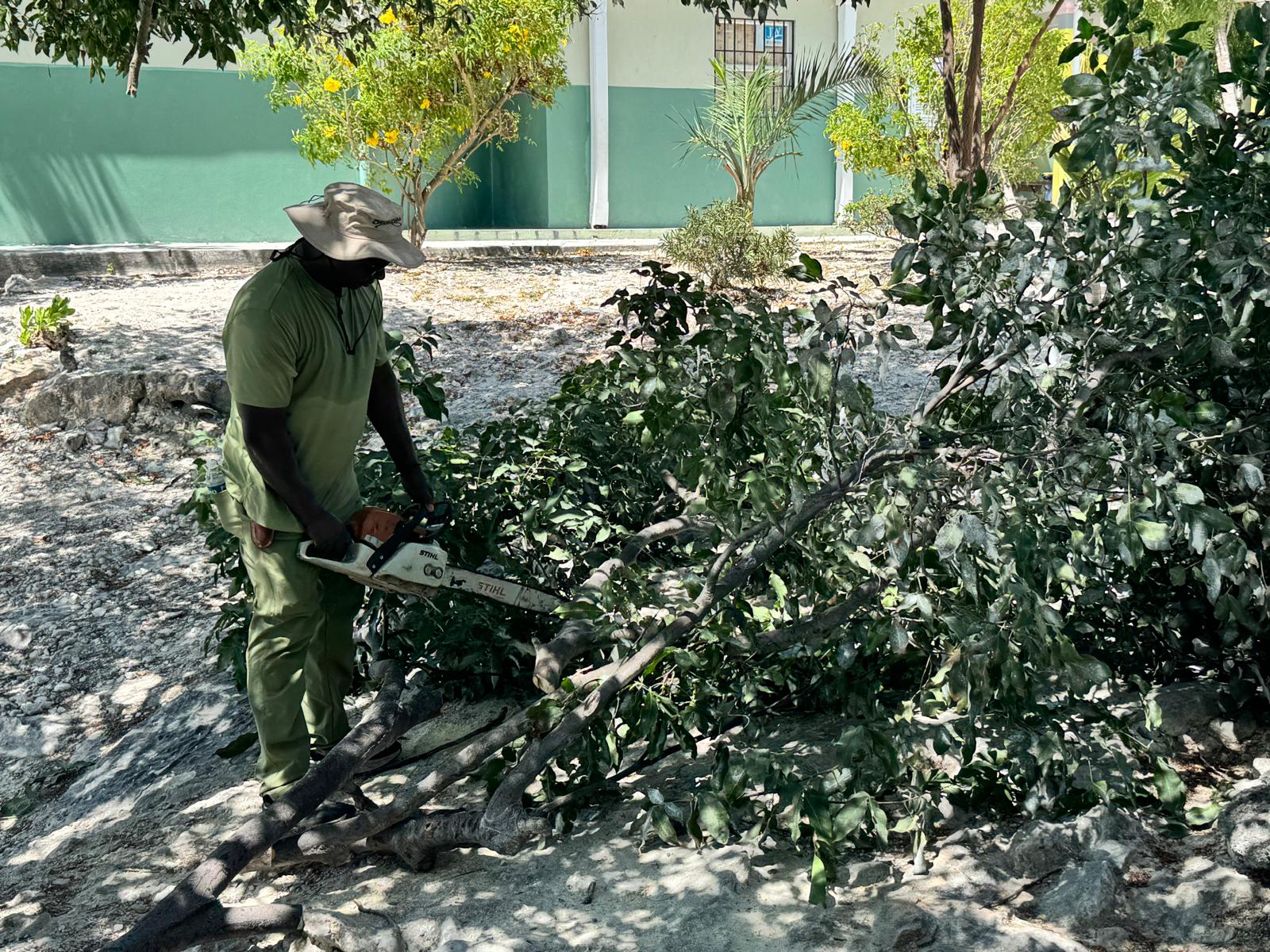
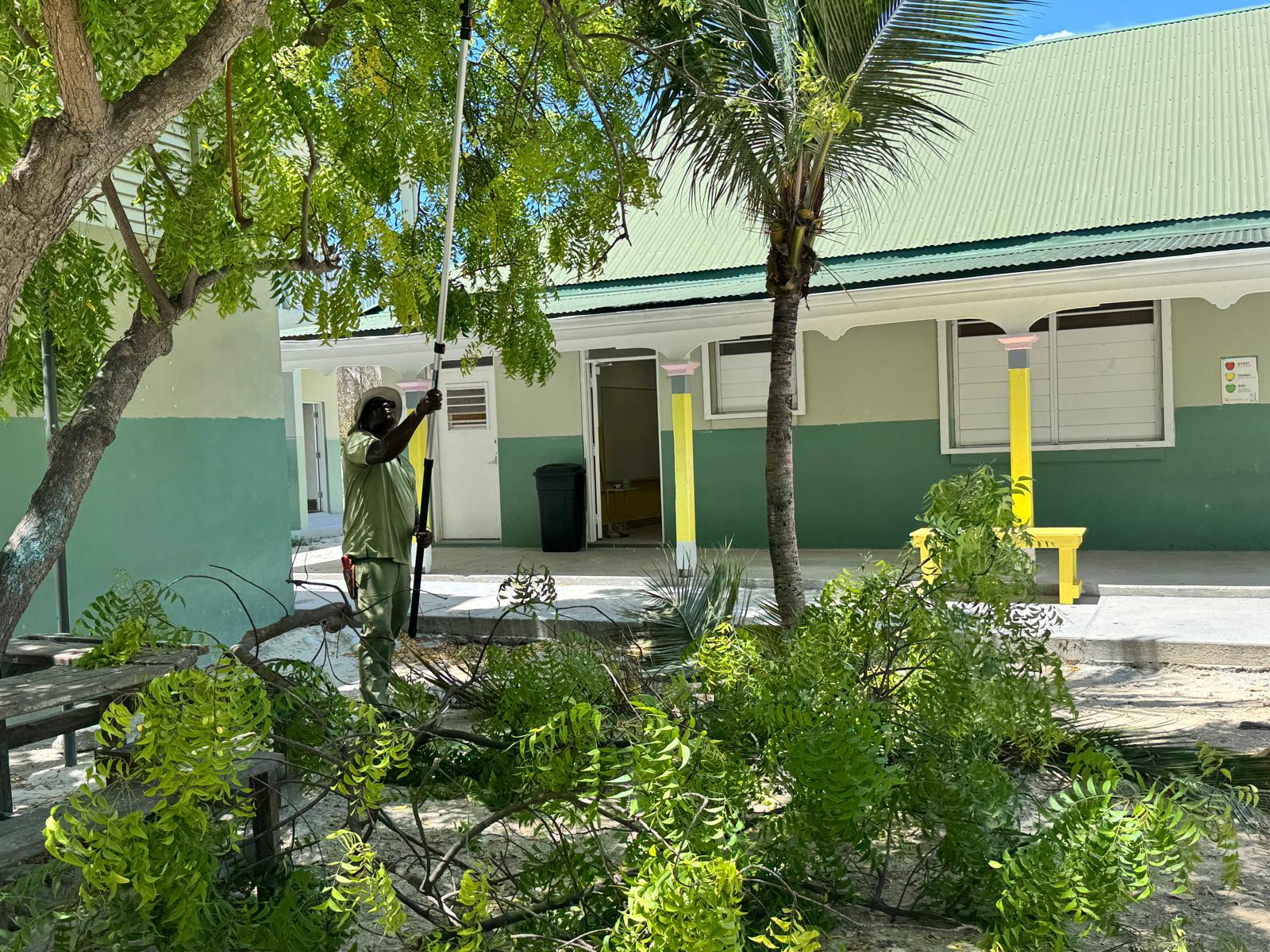
PROVIDENCIALES, Turks & Caicos Islands: — Beaches Turks and Caicos has refreshed the grounds of Enid Capron Primary School in Five Cays, Providenciales, ahead of the new school year, with a landscaping team from the resort, pruning and cutting back overgrown branches to give the campus a cleaner, safer look.
The project focused on the school’s exterior plantings, where tangled growth had begun to encroach on walkways and outdoor learning areas. The team spent time trimming hedges, thinning dense shrubs and removing deadwood to improve sightlines and airflow around the buildings.
Assistant Landscaping Manager, Kemar Jones said the work at Enid Capron is a regular priority for the department, which views community giving as a core part of its mandate. He noted that supporting local schools, particularly through hands-on environmental work, has long been a focus area for his team.
Jones, said the effort reflects the group’s wider commitment to the islands. “As a team, our goal is to give back to our communities and especially providing support for the environment and education,” Jones noted. “The team is always ready to share our skills with making the school environment more comfortable for our students and teachers.”
General Manager Deryk Meany framed the project as part of Beaches’ broader approach to working alongside the community beyond the resort gates. “At Beaches Turks and Caicos, we operate as a team not only within the confines of the resort but also with our communities,” Meany added. “Being able to share our varied skills is always our main focus. Providing a comfortable learning environment allows for a greater relationship with our educational collaborators.”
He added that the resort seeks opportunities to support range of school-based initiatives, from environmental and leadership clubs to creative programmes.
Minister of Education, Youth, Sports and Culture Hon. Rachel Taylor described the landscaping mission as a continuation of a long- standing relationship between the Ministry and Beaches Turks and Caicos. “This mission from our major private sector supporter, Beaches Turks and Caicos is a long standing activity,” Taylor said. “At Enid Capron Primary School, we are treated as family. Once we reach out to the resort, they have always responded in a positive way.”
Hon. Taylor said the support is particularly valuable in the areas of education and community development, where consistent private-sector engagement can amplify government efforts.
Nelene Swann, vice principal at Enid Capron Primary welcomed the refreshed grounds as a boost to morale before classes resume. “This is what true collaboration looks like,” she noted. “This is more than a facelift for the school. The team from Beaches Turks and Caicos has shown true commitment in adding to this learning environment for our students and teachers.”
She said the improved landscaping contributes to a more comfortable and inviting campus for all stakeholders. “This is a good way to start the new school year. This facelift will certainly make the facilities here at the school more appealing to our students, teachers and parents.
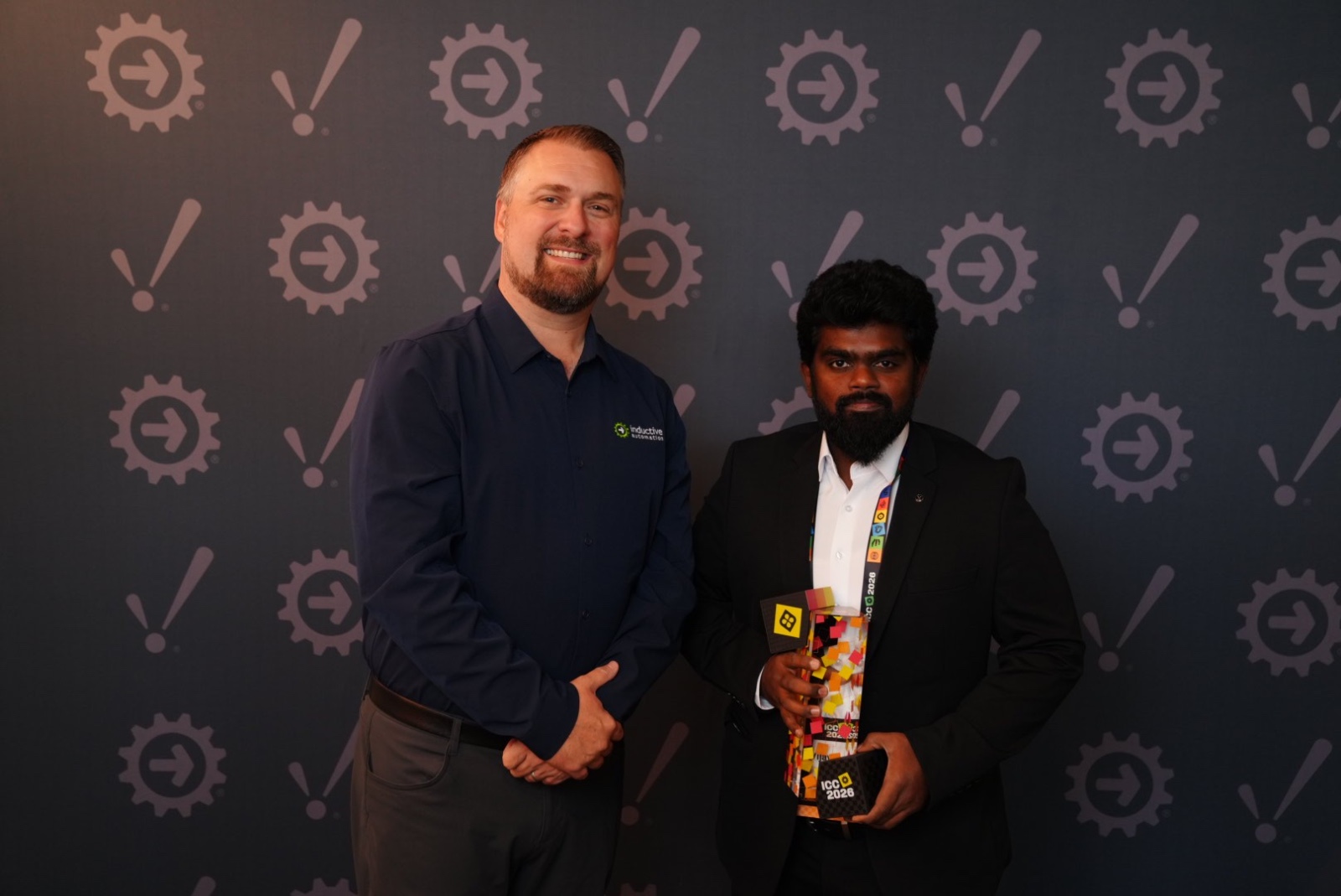
Providenciales, Turks and Caicos Islands – Friday, 9 October 2026: The Turks and Caicos Islands Community College (TCICC) has earned international recognition after receiving the 2026 Educational Engagement Firebrand Award at the Ignition Community Conference (ICC) 2026.
The College was represented by Dr. P. Vijay Daniel, Lecturer in the Faculty of Computing, Engineering and Mathematics, who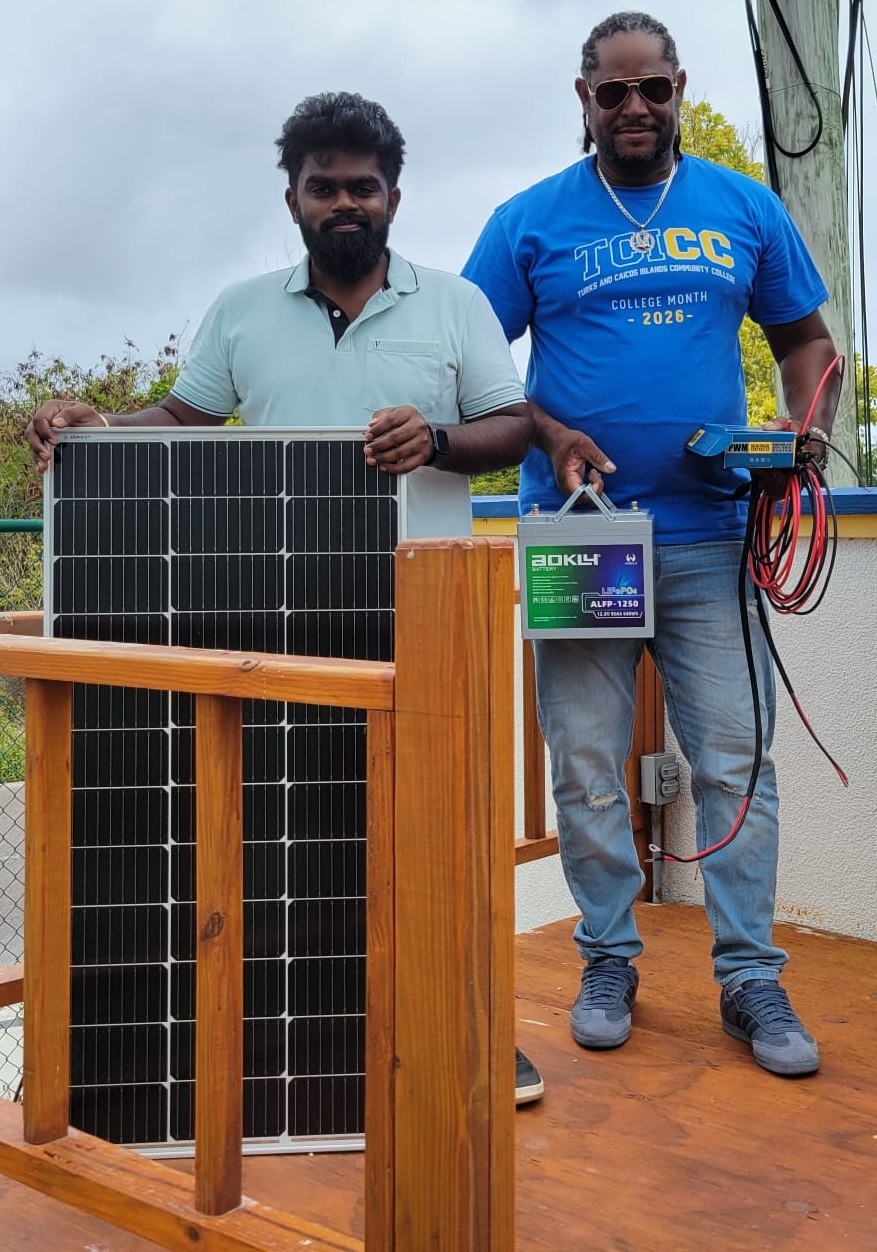 presented TCICC’s Island Smart Utility Platform project before an international audience of industry professionals, system integrators, educators, researchers and technology experts.
Organised by Inductive Automation, ICC is an international conference focused on industrial automation, technology, system integration and innovative applications developed using the Ignition platform.
TCICC’s award-winning project integrates Ignition with affordable ESP32 microcontrollers to support sustainable agriculture while providing students with hands-on experience in Internet of Things (IoT), Supervisory Control and Data Acquisition (SCADA) and automation.
The project was also featured in the conference’s Discover Gallery, providing TCICC with an opportunity to showcase its work to approximately 1,900 attendees from across the international industrial automation and technology sectors.
Speaking to the significance of the achievement for education and innovation in the Turks and Caicos Islands, the Honourable Rachel Marshall Taylor, Minister of Education, Youth, Sports and Culture, remarked:
“I congratulate Dr. P. Vijay Daniel and the Turks and Caicos Islands Community College on this outstanding achievement. Recognition on an international platform demonstrates the talent, innovation and potential that exist within our education system. Initiatives such as the Island Smart Utility Platform show how education, technology and practical learning can work together to prepare our students for the opportunities of the future.”
The recognition also reflects TCICC’s continued commitment to strengthening applied, innovative and technology-driven education while preparing students for an increasingly digital workforce.
Reflecting on what the achievement represents for the College and its students, Dr. Candice Williams, President/CEO of the Turks and Caicos Islands Community College, stated:
“This recognition is a significant achievement for TCICC and reflects our commitment to providing students with meaningful opportunities to apply what they learn in the classroom. We are extremely proud of Dr. Daniel and the work being undertaken within the Faculty of Computing, Engineering and Mathematics. This award demonstrates that innovation taking place at TCICC can achieve international recognition and contribute to the continued development of the Turks and Caicos Islands.”
For Dr. Daniel, the conference provided an important opportunity to share TCICC’s work internationally while engaging with professionals and experts from around the world.
Sharing his experience of representing the College on the international stage, Dr. Daniel said:
“Representing the Turks and Caicos Islands Community College at ICC 2026 was a proud and meaningful experience. Presenting our project in the Discover Gallery and receiving the Firebrand Award for Educational Engagement was especially rewarding because it recognised the work we have been doing with our students.
To see TCICC and the Turks and Caicos Islands represented on such a major international platform was truly special.”
Dr. Daniel also expressed appreciation to the Management of TCICC for its continued support and for providing him with the opportunity to represent the College internationally.
PHOTO CAPTION:
Insert: Dr. P. Vijay Daniel and Mr. Menelik Astwood (Chair of Faculty for Computing, Engineering and Mathematics).





-

 News1 week ago
Beaches Turks & Caicos strengthens year-round commitment with local craft vendors and transport operators
-
 News6 days ago
Beaches Turks & Caicos gives Enid Capron Primary a pre-term facelift
-

 Independent writer3 days ago
Born Here, Raised Here, but Still Unable to Vote: Is this a Conundrum for TCI Electorate?
-
 News6 days ago
Stakeholders Strengthen Collaboration on Housing and Informal Settlements at World Habitat Day Roundtable
-

 Bahamas News1 week ago
Two Months On, The Bahamas Academy of Sciences Turns Fifty Years of Research into Action
-

 Bahamas News1 day ago
Monument Supports Hands for Hunger With Paradise Plates Debut
-

 Education6 days ago
TCICC Earns International Recognition at Ignition Community Conference 2026
-

 Bahamas News2 days ago
Schweppes ‘the Art of Mixology’ Dazzles at Paradise Plates with Nemiroff Vodka