
Bahamas News
BAHAHAS: Garvin Gaskin Sworn In as Country’s First ‘Constitutionally Appointed’ Independent DPP

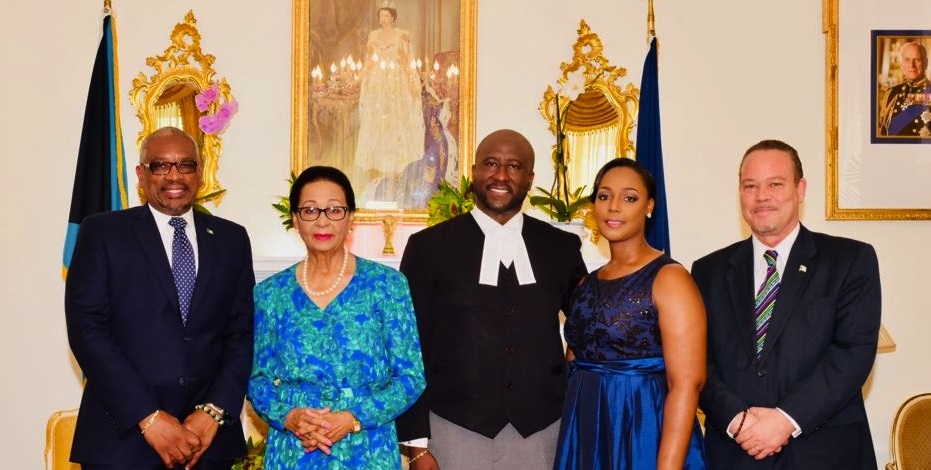
#Nassau, June 13, 2018 – Bahamas – The former Director of Public Prosecutions in the Office of the Attorney General and Ministry of Legal Affairs, Mr. Garvin E. Gaskin, was sworn in Monday (June 11, 2018) as the country’s first Constitutionally Appointed Independent Director of Public Prosecutions. The ceremony was performed by Her Excellency Dame Marguerite Pindling, DCMG, Governor General of the Commonwealth of The Bahamas, at Government House, Mount FitzWilliam.
 A graduate of the University of the West Indies (Bachelor of Laws, 1993) and the Norman Manley Law School (Certificate of Legal Education, 1995) Mr. Gaskin was admitted to the Legal Bar of the Commonwealth of The Bahamas in 1995.
The Office of an Independent Director of Public Prosecutions was established through A Bill for An Act to Amend the Constitution of The Bahamas to provide for the Establishment of the Office of the Director of Public Prosecutions and For Matters Connected Thereto (Long Title) that was tabled in the House of Assembly on Wednesday October 18, 2017. (Short Title The Bahamas Constitution (Amendment) Act, 2017.)
Article 78 A of The Bahamas’ Constitution Amendment Act, 2017, which established the Office of the Director of Public Prosecutions states in Paragraph 3 that: ”The Director of Public Prosecutions shall have power in any case in which he considers it desirable so to do, to institute and undertake criminal proceedings against any person before any court in respect of any offence against the law of The Bahamas; to take over and continue any such criminal proceedings that may have been instituted by any other person or authority; and to discontinue, at any stage before judgment is delivered, any such criminal proceedings instituted or undertaken by himself or any other person or authority.”
“The Office of the DPP’s mission is to serve the public by providing prompt, impartial and integrity-based prosecutorial services, built on the foundation of the values and principles enshrined in the Constitution of the Commonwealth of The Bahamas,” DPP Gaskin said. “The core functions of the Office of the DPP, includes the prosecution of those charged by the police and other investigative agencies with criminal offences while upholding, protecting and promoting human and constitutional rights.”
Specifically, those functions are: Undertaking public prosecution of cases forwarded by investigative agencies including cases taken over from private prosecutors; Representing the Crown in all criminal trials, criminal applications and appeals; Advising the police and other criminal investigative and prosecutorial agencies on the institution of criminal charges; Reviewing prosecutions to ensure that accused persons are prosecuted on the right charges before the appropriate court, and, in collaboration with the Office of the Attorney-General, effecting matters relating to international relations including extradition and Mutual Legal Assistance (MLA).
Other functions include advising Government Ministries, Departments and State Corporations on matters pertaining to the application and development of the criminal law; The formulation, review and dissemination of Prosecution Policy; Monitoring, training, and advising on the appointment and Gazettement of public prosecutors; Addressing parliamentary questions relating to the administration of prosecution services; Addressing complaints raised by members of the public, watchdog bodies/civil society and other institutions; Providing support for victims and witnesses of offences, and undertaking other administrative roles, as required, relating to the efficient and effective administration of the criminal law.
DPP Gaskin brings a wealth of experience to the new post. As Director of Public Prosecutions in the Office of the Attorney-General and Ministry of Legal Affairs, he was responsible for prosecuting all Criminal Matters in the Courts up to the Privy Council; overseeing and conducting prosecutorial matters relating to compliance (or lack thereof) with the Financial Legislation of December 2000, particularly the Proceeds of Crime Act (Money Laundering), Financial Transactions Reporting Act, Financial Intelligence Unit Act, and the Criminal Justice (International Cooperation) Act and also matters of Fraud, Dangerous Drugs and Extradition.
Mr. Gaskin served as the Acting Director of the Financial Intelligence Unit, during fixed periods within April through August 2004. He was a Representative Delegate of the Commonwealth of The Bahamas at the Financial Action Task Force (FATF) Plenary Meetings from 2012-2014 accompanying the Attorney General of the Commonwealth of The Bahamas at all of the said meetings as the Chief Technical Expert.
He also served as Representative Delegate of the Commonwealth of The Bahamas at the Caribbean Financial Action Task Force (CFATF)Plenary Meetings from 2008-2018, accompanying or representing the Attorney – General of the Commonwealth of The Bahamas at all of the said meetings as the Chief Technical Expert. Mr. Gaskin accompanied the Attorney General, at the Ministers of Justice or Attorneys General of the Americas (REMJA) Meeting, Washington, D.C. – April 2008; the United Nations Office on Drugs and Crime (UNODC) and Inter-American Committee on Terrorism of the Organization of American States (CICTE/OAS) – Ministerial Conference on International Cooperation Against Terrorism and Transnational Organized Crime, Santo Domingo, Dominican Republic- March 2007.
DPP Gaskin has served as a Member of the Organization of American States’ Working Group on Mutual Legal Assistance in Criminal Matters and Extradition and is an IMF/WORLD BANK/ CFATF Certified Legal Expert in Financial Action Task Force Mutual Evaluations Methodology. He was the Legal Expert and Examiner in the CFATF Mutual Evaluation of Jamaica (2005), and the Legal Expert and Examiner in the CFATF Mutual Evaluation of Cayman Islands (2007), and the Legal Expert Examiner in the CFATF Mutual Evaluation of Anguilla (2009).
Mr. Gaskin has been trained in Asset Forfeiture and related Financial Investigations by the United States of America’s Department of Justice (U.S. Justice Department) at the Federal Training Centre, South Carolina; Trained in Prevention of Environmental Crimes at the Caribbean Regional Conference, Basseterre, St. Kitts & Nevis; Trained in Money Laundering, the Challenges of Cyber Crime, Terrorism and Mutual Legal Assistance at the Changing Face of International Cooperation in Criminal Matters in the 21st Century Conference, Oxford University, United Kingdom, and Trained in Capacity Building in Combating Terrorism at the Commonwealth Secretariat Training of Specialists and Trainers Programme, in Kingston, Jamaica.
“My experiences cover every aspect of the criminal law practice from the Magistrate’s Court to the Privy Council,” Mr. Gaskin said. “I have prosecuted over one thousand matters, in one way or the other, and so I am not afraid of work; from the complex and/or high profile, to the simple and low profile.”
During his tenure as Director of Public Prosecutions, the Department experienced a “significant increase” in the number of guilty pleas – particularly during the period January, 2017, to April, 2018 during which time there were 110 guilty pleas. Mr. Gaskin was confirmed in the post of Director of Public Prosecutions in the Office of the Attorney General and Ministry of Legal Affairs in December 2016 after being appointed Acting DPP in 2015.
 “I am particularly pleased, among other things, with the significant increase in guilty pleas. In times past, guilty pleas were few and far apart,” Mr. Gaskin continued, “from January 2017 to April 2018, we have had over 110 guilty pleas. Note that there are 52 weeks in a year, and one full trial averages about 2 weeks, versus a guilty plea, which takes less than a day. Thus, we have dealt with over 2 years worth of trials, by guilty pleas, in the aforementioned period. This results to a significant boost in the effective use of judicial time, which is precious.
“In addition, our consultative relationship with the Royal Bahamas Police Force has been greatly enhanced by a system of review, before charging, of all cases destined for the Supreme Court, by the DPP or his delegates. This leads to tighter and more cogent cases; but we acknowledge that we have more heavy lifting to do.”
In addition to Mr. Gaskin as the Independent DPP, the structure of the Office of the Director of Public Prosecutions Office is expected to consist of a maximum of two Deputy Directors of Public Prosecutions, Assistant Directors of Public Prosecutions, Chief Counsel, Senior Counsel, Counsel, Assistant Counsel and Pupils.
DPP Gaskin said the facilitation of “specialized units” to combat new and emerging criminal trends and typologies will also be key.
“We need more human resources to increase and buttress our prosecutorial effectiveness. More bodies (suitably qualified) are required to facilitate specialized units to combat emerging criminal trends and typologies, such as trafficking in persons, cybercrime, money laundering, and the financing of terrorism, to name a few. In addition, generally more human resource are needed to effectively service the 10 courts sitting at the Supreme Court level, and the two panels sitting at the level of the Court of Appeal.
“The requirement of more resources is also tied to the fact that the Office of the DPP must establish a greater presence in the direct supervision of prosecutions in the Magistrate’s Courts. This is particularly critical, as the majority of cases tried in the criminal justice system of The Commonwealth of The Bahamas, are proceeded with in the Magistrate’s Court.
“We are grateful to the Government for its formal commitment to appropriately resourcing the Office of the DPP; to ensure that the Country’s law firm, on the criminal side of the administration of justice, stands pre-eminent,” DPP Gaskins added.
By: Matt Maura (BIS)
Photo Caption: Garvin E. Gaskin was sworn in Monday, June 11, 2018 as the country’s first Constitutionally Appointed Independent Director of Public Prosecutions. Pictured at the ceremony at Government House are from left: Prime Minister, Dr. the Hon. Hubert Minnis, Governor General Her Excellency Dame Marguerite Pindling, Garvin Gaskin, Mrs. Odia Gaskin, and Attorney General and Minister of Legal Affairs, the Hon. Carl Bethel, QC.
(BIS Photo/Yontalay Bowe)


The Bahamas, August 27, 2026 – The Royal Bahamas Police Force wishes to inform members of the public that several individuals are scheduled to appear before the Magistrate’s Court on Thursday, 27th August 2026, at 12:00 noon.
The individuals and charges are as follows:
An 18-year-old female is scheduled to be arraigned on the following charges:
Three (3) counts of Murder
Three (3) counts of Attempted Murder
Three (3) counts of Possession of a Firearm with Intent to Endanger Life
Three (3) counts of Possession of an Unlicensed Firearm
Two (2) counts of Possession of Ammunition
Armed Robbery
Abetment to Armed Robbery
Stealing
Receiving
The charges stem from three separate shooting incidents and an armed robbery that occurred on Friday, 21st August 2026, and Saturday, 22nd August 2026.
The first shooting occurred in the area of Soldier Road and Baillou Hill Road, resulting in the death of a 51-year-old male.
The second shooting occurred in the area of Joe Farrington Road, resulting in the death of a 52-year-old male.
The third shooting occurred in the area of Gladstone Road, resulting in the death of a 36-year-old male.
The armed robbery occurred at a business establishment in the area of Carmichael Road and Baillou Hill Road.
A 21-year-old male is scheduled to be arraigned on one charge of:
- Murder
The charge stems from a shooting incident that occurred on Tuesday, 21st July 2026, in the area of Samson Street, Nassau Village, which resulted in the death of a 28-year-old male.
A 32-year-old male is scheduled to be arraigned on the following charges:
- Murder
- Attempted Murder
These charges stem from a shooting incident that occurred on Wednesday, 24th December 2025, in the area of Graham Drive, Yellow Elder, which resulted in the death of a 25-year-old male.
RBPF, PACD
Bahamas News
Bahama Brass Band Invitation Sparks Heritage Debate Ahead of TCI Constitutional Holiday
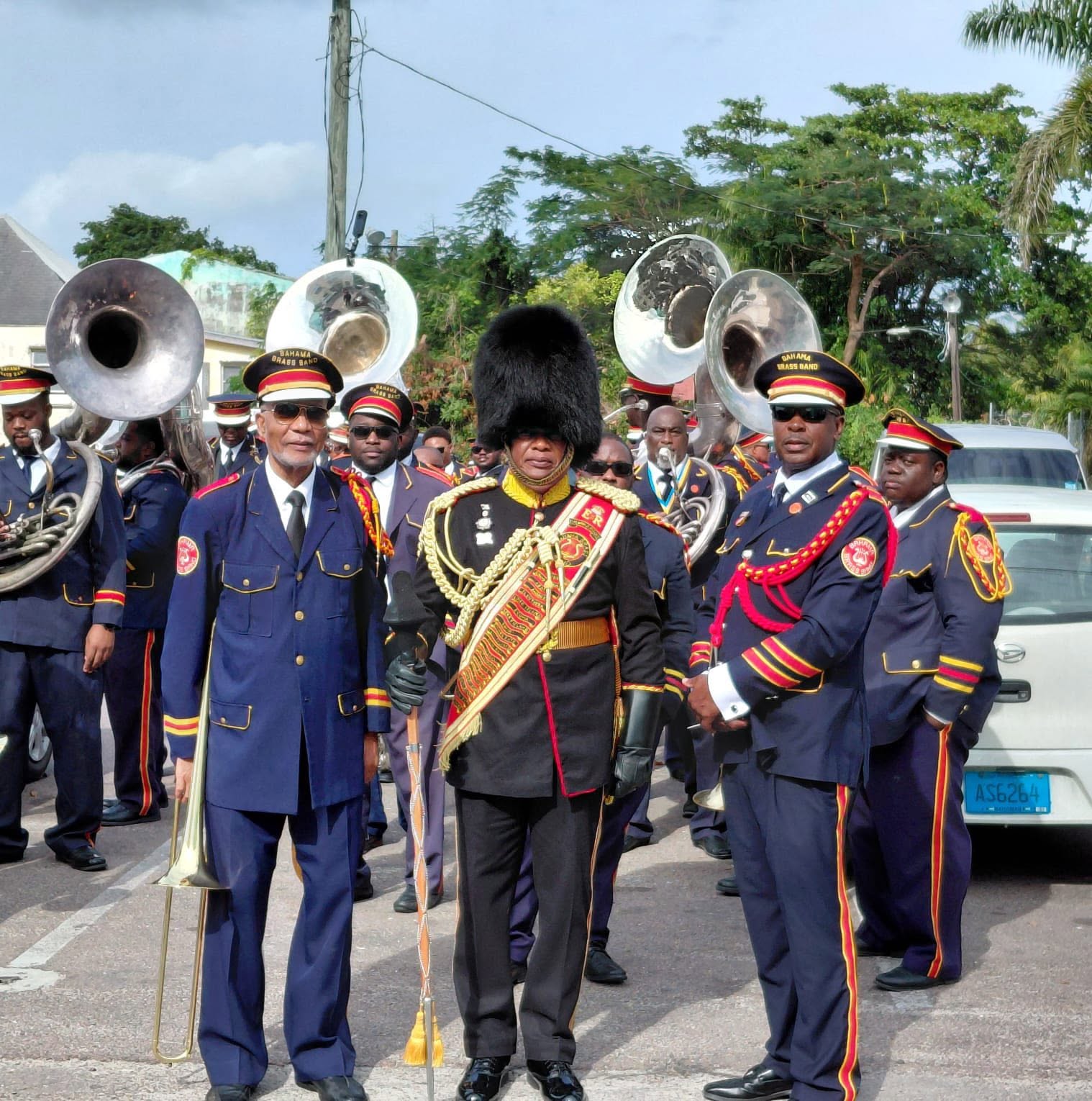
Turks and Caicos, August 20, 2026 – The planned participation of the Bahama Brass Band in the Turks and Caicos Islands’ inaugural Constitutional Holiday celebrations on August 30 has sparked public debate over culture, heritage and the historical contributions of Turks and Caicos Islanders abroad.
Organizers defended the invitation, saying the band’s inclusion is intended to highlight the deep historical ties between the two countries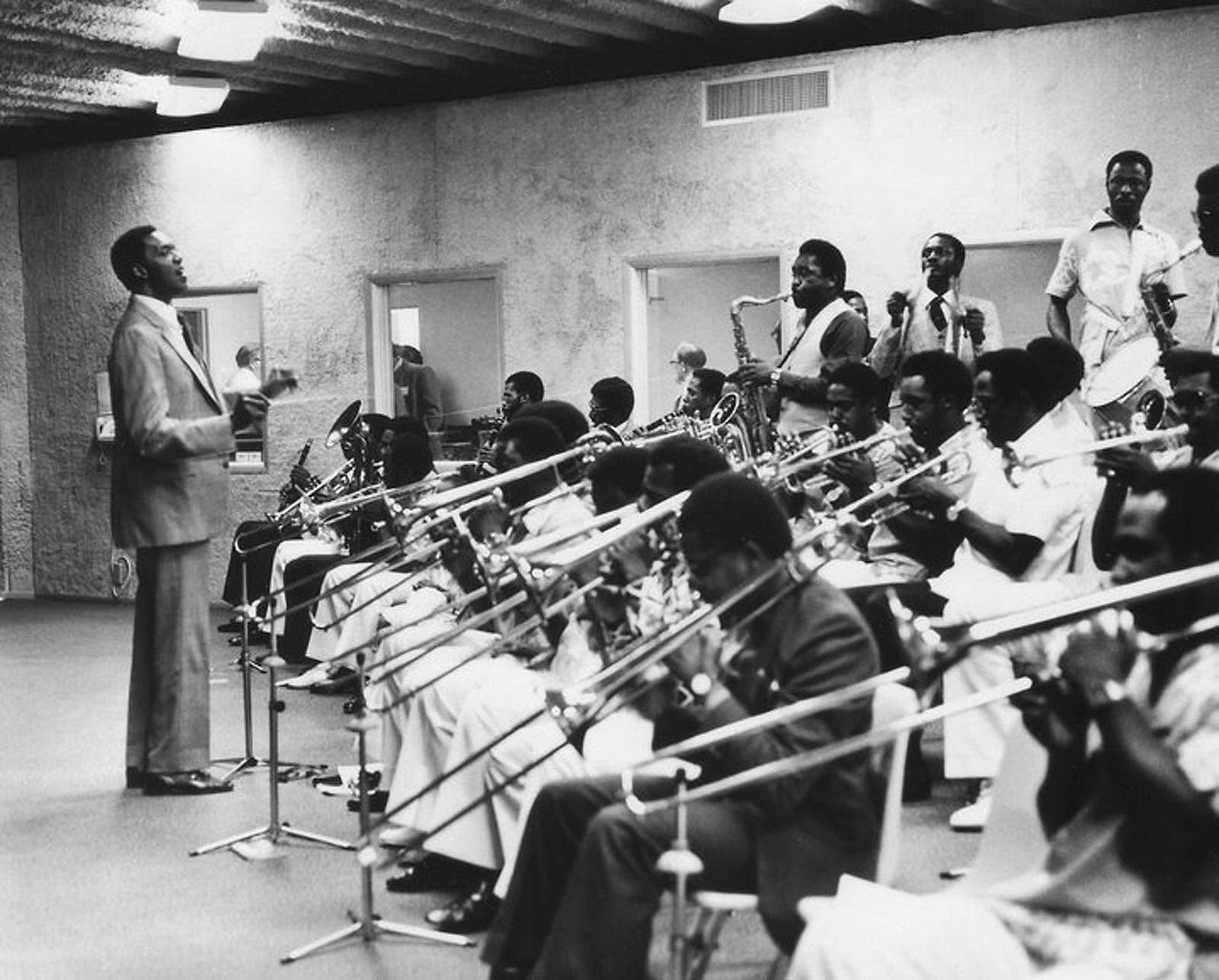 and honor Turks and Caicos men who helped establish and develop the institution in Grand Bahama.
According to the organizers, the Bahama Brass Band began in 1955 in Pine Ridge, Freeport, with Turks and Caicos Islanders, including the late Deacon Reuben Hall Sr. of Middle Caicos and Jenkins Williams and Mervin Hendfield of North Caicos, among those who helped build its foundation. The band eventually grew to more than 50 men.
The organizers also pointed to the participation of Turks and Caicos men in The Bahamas’ Independence celebrations on July 10, 1973, arguing that their contributions became part of Bahamian history while maintaining strong connections to their homeland.
Supporters say bringing the band home represents an opportunity to honor those pioneers, showcase their regional influence and expose younger generations to an important part of Turks and Caicos history.
However, concerns raised publicly described the invitation as potentially disrespectful to local culture and heritage. Organizers acknowledged those concerns, apologizing to anyone who felt overlooked or offended, while maintaining that no disrespect was intended.
The committee said the event should ultimately unite rather than divide, presenting the band’s history as evidence of the reach and resilience of Turks and Caicos heritage.
PHOTO CREDIT: Bahamas Brass Band
NASSAU, Bahamas — Caribbean Bottling Company (CBC), local producers of Dasani products, proudly sponsored the fifth annual, Caribbean Hoopfest.
The tournament brings together Bahamian high school basketball teams and visiting teams from the United States for a competitive showcase at the Kendal G. L. Isaacs Gymnasium. Following its inaugural year at the Kendal G. L. Isaacs gym and last year’s event at Loyola Hall, the tournament returned to the Kendal G. L. Isaacs gym this year.
During the weekend tournament, CBC kept athletes well hydrated with in-kind donations of Dasani Water, Powerade and Minute Maid Juices.
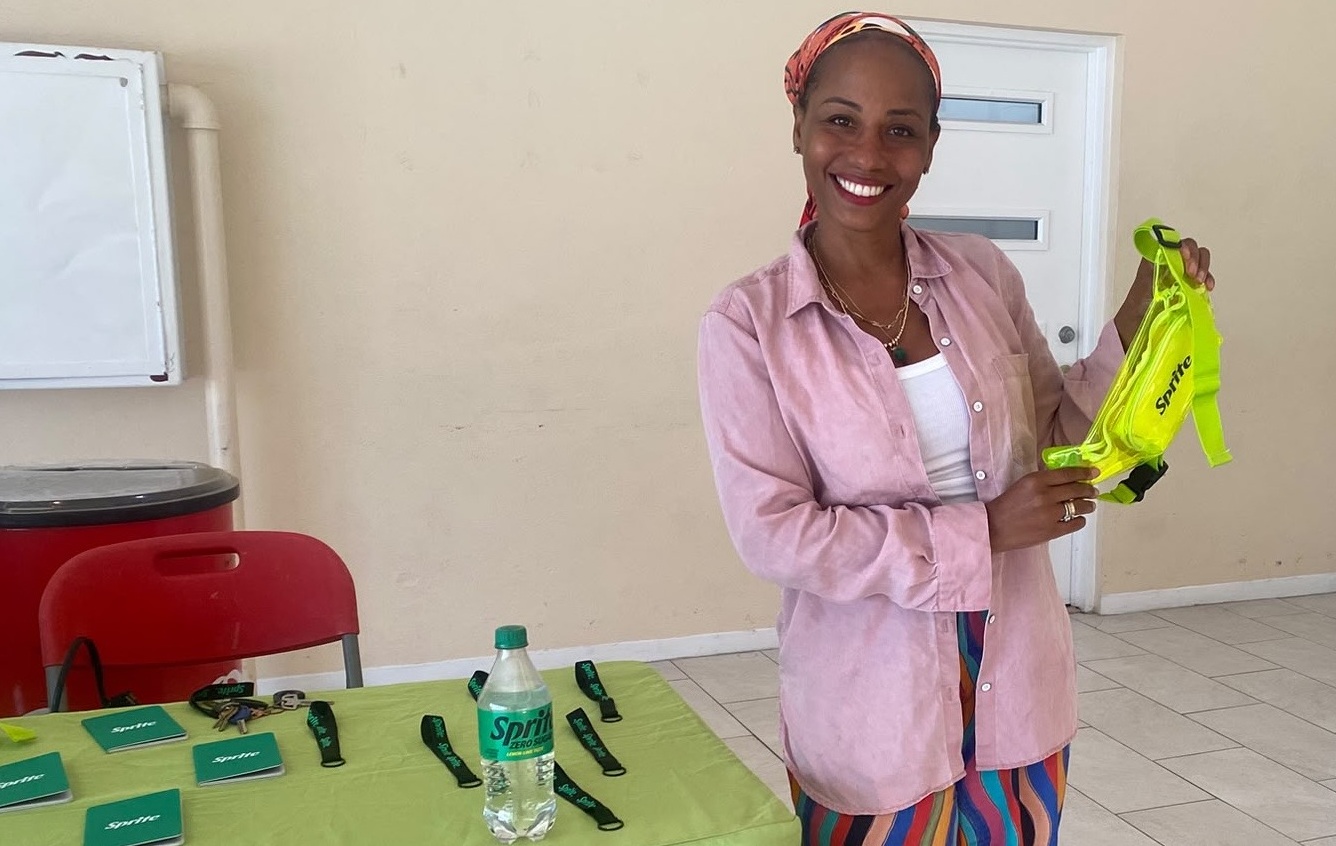
During the tournament’s final day, CBC provided additional support by offering Sprite No Sugar samples and inviting attendees to participate in its Spin the Wheel for a chance to win exciting prizes.
CBC was proud to support this incredible event, which provides young Bahamian athletes with valuable exposure to U.S. basketball scouts and coaches. This opportunity gives them the chance to earn scholarships, continue their education, and pursue their basketball careers in the United States.
Event organizer, Donald Francois shared his appreciation for CBC’s support.
“I want to express our sincere appreciation for Caribbean Bottling Company, who has been a tremendous supporter and an important part of the success of our program. Without CBC’s support, Caribbean Hoop Fest would not be able to function at the level it does today. And without Caribbean Hoop Fest, we would not have been able to provide the opportunities that have helped young Bahamian athletes gain exposure and pursue educational opportunities in the United States,” he expressed.
Since the program’s inception, several Bahamian student-athletes have been selected for scholarship opportunities, highlighting the tournament’s growing impact on the development and advancement of young basketball talent in The Bahamas.
They are: Kelvin McDowells – Guard, Wodson Antoine – Power Forward, Justin Lafleur – Guard and Sean John – Guard.
After another successful edition of the tournament, Francois shared what he hopes he and Caribbean Bottling Company can achieve in the future.
“Our vision is bigger than basketball. We want to use the platform of Caribbean Hoop Fest to educate, develop, and create opportunities for young people and their families throughout the Bahamas. With individuals and organizations committed to our mission, we believe we can continue to grow the program and make an even greater impact,” Francois said.
For more details on community support, events and new products visit Caribbean Bottling Company at www.cbcbahamas.com today.





-
 News1 week ago
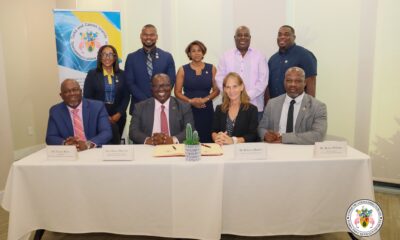
Starlink Gets 15-Year TCI Licence; Commission Reveals Fees, Future Flow and Digicel Partnerships
-

 News6 days ago
Building a Stronger Royal Turks and Caicos Islands Police Force through Change and Capacity Building
-
 Independent writer1 week ago
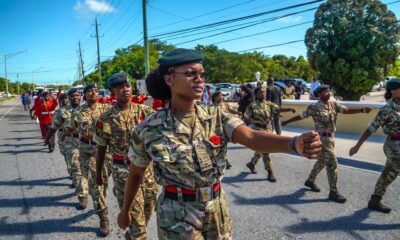
A Second Chance Through Service: Is the TCI Regiment an Untapped Tool for Rehabilitation?
-
 News1 week ago
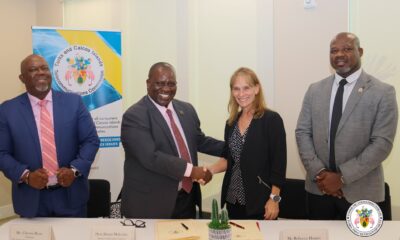
Government Restates Commitment to TCI’s Telecommunications Evolution
-
 News1 week ago
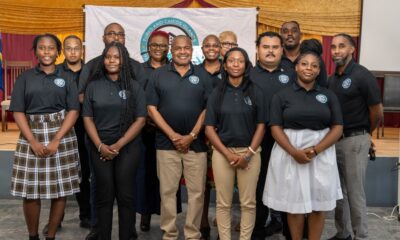
Tomorrow’s Communities Start with Today’s Young Leaders: Why Youth Engagement Matters
-

 News1 week ago
Flow Strengthens Network Leadership in TCI
-
 News1 week ago
GOLDEN MESSAGE: REMEMBER, REPENT, RETURN