
Bahamas News
BAHAMAS: Minister Ferreira Announces Initiative to Ban Single-Use Plastics By 2020

#Bahamas, April 25, 2018 – Nassau – In an effort to simultaneously address marine pollution and waste management, Minister of the Environment and Housing the Hon. Romauld S. Ferreira officially announced, on April 23, 2018, his Ministry’s initiative to ban single-use plastics – such as shopping bags, food utensils, straws and styrofoam food containers – by 2020.
“My Ministry will work to develop a phase-out plan for single-use plastics such as plastic bags collected at point-of-sale, straws, styrofoam food 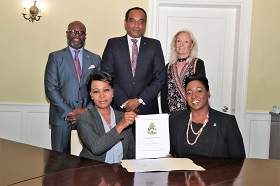 containers and plastic utensils,” Minister Ferreira said, at a press conference held at the Bahamas Chamber of Commerce and Employers Confederation (BCCEC) Head Office.
Among those present were representatives of a number of environmental groups and stakeholders, pledging their support. Among them were Ardastra Gardens, Atlantis Resort, the Bahamas National Trust, the Bahamas Reef Environment Education Foundation (BREEF), Cans for Kids, Cat Island United, Creative Nassau, Friends of the Environment (Abaco), the University of The Bahamas
“We will also move to make the release of balloons into the air illegal, as they end up in our oceans, releasing toxins and injuring marine life,” he added. “Additionally, we will become a signatory to the Clean Seas Campaign, which was launched in January 2017 by the United Nations Environment. It aims to increase global awareness of the need to reduce marine litter by engaging governments, the private sector, and the general public.”
Minister Ferreira noted that, with the assistance of a diverse group of environmental professionals, the Bahamas Chamber of Commerce and the business community at large, relevant governmental agencies and educational institutions, his Ministry will embark on a nation-wide public consultation and educational outreach campaign.
“We will visit communities and schools, hold town hall meetings and meet with businesses to gather valuable data that will assist us in developing a fair and reasonable phase-out plan by 2020 and associated legislation,” he said.
“In the coming weeks we will be reaching out to businesses that have already incorporated sustainable food products within their daily operations,” he added. “As the Minister of the Environment and Housing, I must commend your efforts to take responsibility for how your business impacts our environment. Thank you.”

According to the Ministry, the Plastic Task Force includes members such as the Ministries of the Environment and Housing, Tourism, Finance, and Health; the Customs Department; the Attorney General’s Office; the Bahamas Plastic Movement; The Nature Conservancy; Atlantis and Baha Mar Resorts; and the University of The Bahamas.
Minister Ferreira pointed out that, with the assistance of the BCCEC, his Ministry would also start meeting with restaurants, suppliers, importers and various food vendors. The Ministry and the BCCEC also signed a Memorandum of Understanding on the initiative, during the press conference that day.
“To engage students, I’m pleased to announce our logo competition for students ages 13 to 18,” Minister Ferreira said. “Logos that represent our plastic and styrofoam ban initiative are to be submitted via email by June 4th, at 4 pm. The competition flyer will be shared through the media and on our Facebook page.”
Minister Ferreira noted that The Bahamas is a “delicate”country with an extensive marine environment that is fundamental to its health and economy.
“For decades, human activities have negatively impacted the marine environment resulting in the death of coral reefs, collapse of fish populations and marine pollution,” Minister Ferreira said. “Coupled with this, we have the prevailing challenge of finding waste management solutions that must be tailored to our small size, but meets our needs within a modern economy.”
Minister Ferreira said that, like many other countries, The Bahamas has an “exacerbating” plastic problem that held significant economic and environmental costs.
He cited a study conducted by the Ellen MacArthur foundation found that at least eight million tons of plastic waste ends up in the world’s oceans 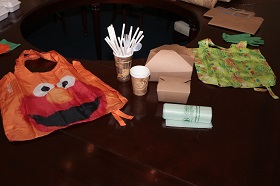 each year and will remain there for at least a century. He added that, according to the study, by 2025, it is projected that there will be one ton of plastic for every three tons of fish, with plastic trash eventually outweighing fish in the oceans.
“Like other small island developing states, our marine environment is an integral part of our island lifestyle,” Minister Ferreira said. “Due to our location, it is also expected that we will inherit unwanted marine debris as a result of ocean currents and wave patterns, adding a compounding impact to our tourism and fishing industries.
“If you didn’t know, plastic and styrofoam do not decompose,” he added. “They break down into much smaller micro-pieces which are often mistaken for food by birds, turtles, and fish. Injuring or even causing death, various marine species have been impacted by marine debris through entanglement, ingestion, chemical bio-accumulation, smothering and the altering of habitats.”
Causing adverse effects on their health, Minister Ferreira said, plastic contamination is passed up through the food chain, accumulating from prey to predator and ultimately culminating in humans.
“Now, we have come full cycle and find ourselves eating our own plastic waste,” he pointed out.
Minister Ferreira noted that, likewise, styrofoam usage is similarly disastrous. Manufactured with greenhouse gases that affects the ozone layer and petroleum, styrofoam is non-sustainable and a highly polluting product, he added.
“When used in microwaves styrofoam releases fluorocarbons into the air and several other poisonous gases are absorbed into whatever food item it contains,” Minister Ferreira stated.
“Many places have already banned the use of styrofoam, particularly in warming foods in schools and restaurants,” he added. “Additionally, ordinary heat from the food or drink releases these toxins into the contents of the styrofoam containers.

Chemical leaching from styrofoam, Minister Ferreira said, had been linked to acute health effects such as the irritation of the skin, eyes and upper respiratory tract and gastrointestinal system.
“Research has also connected the long-term exposure to styrofoam to minor effects on kidney function and menstrual cycles of women,” he noted.
Minister Ferreira also addressed the impact of plastic pollution on the Bahamian tourism sector.
“A survey done by the Ministry of Tourism found that 70% of visitors come to The Bahamas for its beaches,” Minister Ferreira noted. “However, the Bahamas Plastic Movement estimates that if the rate of plastic pollution on beaches increases, it could cause up to BSD $8.5 million in tourism losses annually for the country. Thus, the country urgently needs laws and swift action to protect its people, environment, and economy.”
Noting the negative impacts plastic and styrofoam have on health, the marine environment, and the tourism sector, the initiative mentioned earlier is part of a much bigger picture, Minister Ferreira said.
“As my Ministry works diligently to develop effective solutions for landfills and scattered dumpsites throughout The Bahamas, we must also address the type of waste we dispose of – on a daily basis,” he said. “By reducing or even eliminating harmful waste streams, we will move this country one step closer to have an efficient and sustainable waste management plan.”
Minster Ferreira stated that, along with reducing health and environmental impacts, the ban was a “great opportunity” for the creation of jobs.
“To all the artists, straw vendors and creatives amongst us, we need you to get creative,” he said. “Let’s redesign the traditional crocus-sack bags and add some Androsia and a dash of our native straw.”
Minister Ferreira appealed to the general public by stating that the country cannot achieve its goal by 2020 without their support and cooperation.
“We value your input and look forward to engaging you throughout this process,” he said.
“In an effort to lead by example, my ministry has officially banned the purchase and supply of styrofoam cups in our offices,” he added. “Instead, we encourage all employees to bring their own mug and reusable water bottles to work. we are working to expand our office sustainability plan so that it may be echoed throughout the public sector.”
Minister Ferreira said, to every Bahamian, he encouraged them to start making lifestyle changes and “live differently”.
“Perhaps, Jane Goodall – arguably the most famous anthropologist – said it best when she opined, ‘You cannot get through a single day without having an impact on the world around you. What you do makes a difference and you have to decide what kind of difference you want to make’,” he said.
“Therefore, reduce your plastic and styrofoam usage by refusing straws, invest in smart plastic and styrofoam alternatives, and carry reusable bags to the grocery store and start bringing a reusable bottle and mug to work,” he added. “Studies have shown that these small lifestyle changes has resulted in a reduction of more than 60% of plastic and styrofoam entering our environment.
“This is one of those great fights of our generation and, as Ernest Hemingway aptly said, ‘The Earth is a fine place and worth fighting for’.”
By: Eric Rose (BIS)
Photo Captions:
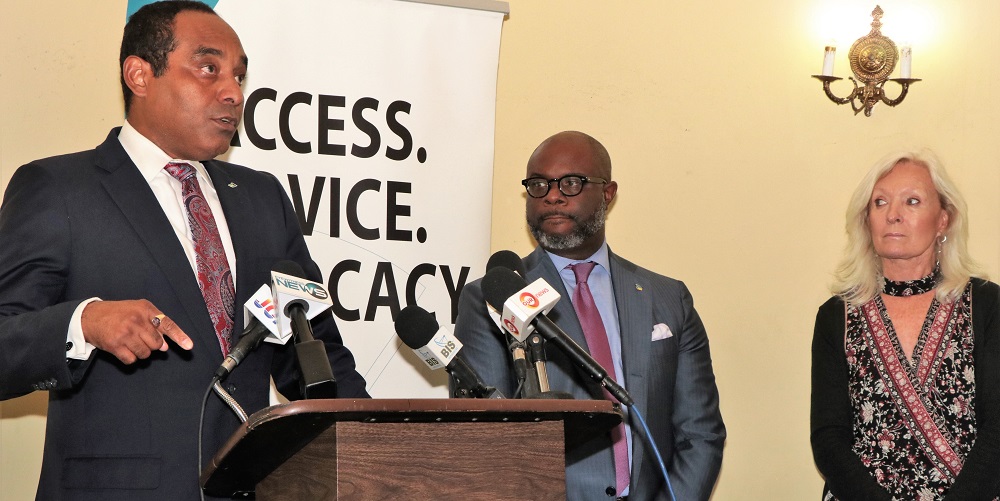
Header: Minister of the Environment and Housing the Hon. Romauld S. Ferreira (left) speaks at the Single-Use Plastics and Styrofoam Ban Press Conference, held at the Bahamas Chamber of Commerce and Employers Confederation (BCCEC) Head Office, on April 23, 2018. Also pictured are BCCEC Chief Executive Officer Edison Sumner and Chairman of BCCEC’s Energy and Environment Committee Debbie Deal.
First insert: Minister of the Environment and Housing the Hon. Romauld S. Ferreira (standing centre) pictured with signatories and stakeholders of the Memorandum of Understanding between his Ministry and the Bahamas Chamber of Commerce and Employers Confederation (BCCEC), during the Single-Use Plastics and Styrofoam Ban Press Conference, held at the BCCEC Head Office, on April 23, 2018. Pictured, seated (from left) are the document’s signees Acting Permanent Secretary Janice Miller and BCCEC Vice-Chairman Khrystal Ferguson. Pictured standing with Minister Ferreira are BCCEC Chief Executive Officer Edison Sumner and Chairman of BCCEC’s Energy and Environment Committee Debbie Deal.
Second insert: A number of bags and containers made of sustainable materials, as they were displayed at the Single-Use Plastics and Styrofoam Ban Press Conference, held at the Bahamas Chamber of Commerce and Employers Confederation (BCCEC) Head Office, on April 23, 2018.
(BIS Photos/Eric Rose)


The Bahamas, August 27, 2026 – The Royal Bahamas Police Force wishes to inform members of the public that several individuals are scheduled to appear before the Magistrate’s Court on Thursday, 27th August 2026, at 12:00 noon.
The individuals and charges are as follows:
An 18-year-old female is scheduled to be arraigned on the following charges:
Three (3) counts of Murder
Three (3) counts of Attempted Murder
Three (3) counts of Possession of a Firearm with Intent to Endanger Life
Three (3) counts of Possession of an Unlicensed Firearm
Two (2) counts of Possession of Ammunition
Armed Robbery
Abetment to Armed Robbery
Stealing
Receiving
The charges stem from three separate shooting incidents and an armed robbery that occurred on Friday, 21st August 2026, and Saturday, 22nd August 2026.
The first shooting occurred in the area of Soldier Road and Baillou Hill Road, resulting in the death of a 51-year-old male.
The second shooting occurred in the area of Joe Farrington Road, resulting in the death of a 52-year-old male.
The third shooting occurred in the area of Gladstone Road, resulting in the death of a 36-year-old male.
The armed robbery occurred at a business establishment in the area of Carmichael Road and Baillou Hill Road.
A 21-year-old male is scheduled to be arraigned on one charge of:
- Murder
The charge stems from a shooting incident that occurred on Tuesday, 21st July 2026, in the area of Samson Street, Nassau Village, which resulted in the death of a 28-year-old male.
A 32-year-old male is scheduled to be arraigned on the following charges:
- Murder
- Attempted Murder
These charges stem from a shooting incident that occurred on Wednesday, 24th December 2025, in the area of Graham Drive, Yellow Elder, which resulted in the death of a 25-year-old male.
RBPF, PACD
Bahamas News
Bahama Brass Band Invitation Sparks Heritage Debate Ahead of TCI Constitutional Holiday

Turks and Caicos, August 20, 2026 – The planned participation of the Bahama Brass Band in the Turks and Caicos Islands’ inaugural Constitutional Holiday celebrations on August 30 has sparked public debate over culture, heritage and the historical contributions of Turks and Caicos Islanders abroad.
Organizers defended the invitation, saying the band’s inclusion is intended to highlight the deep historical ties between the two countries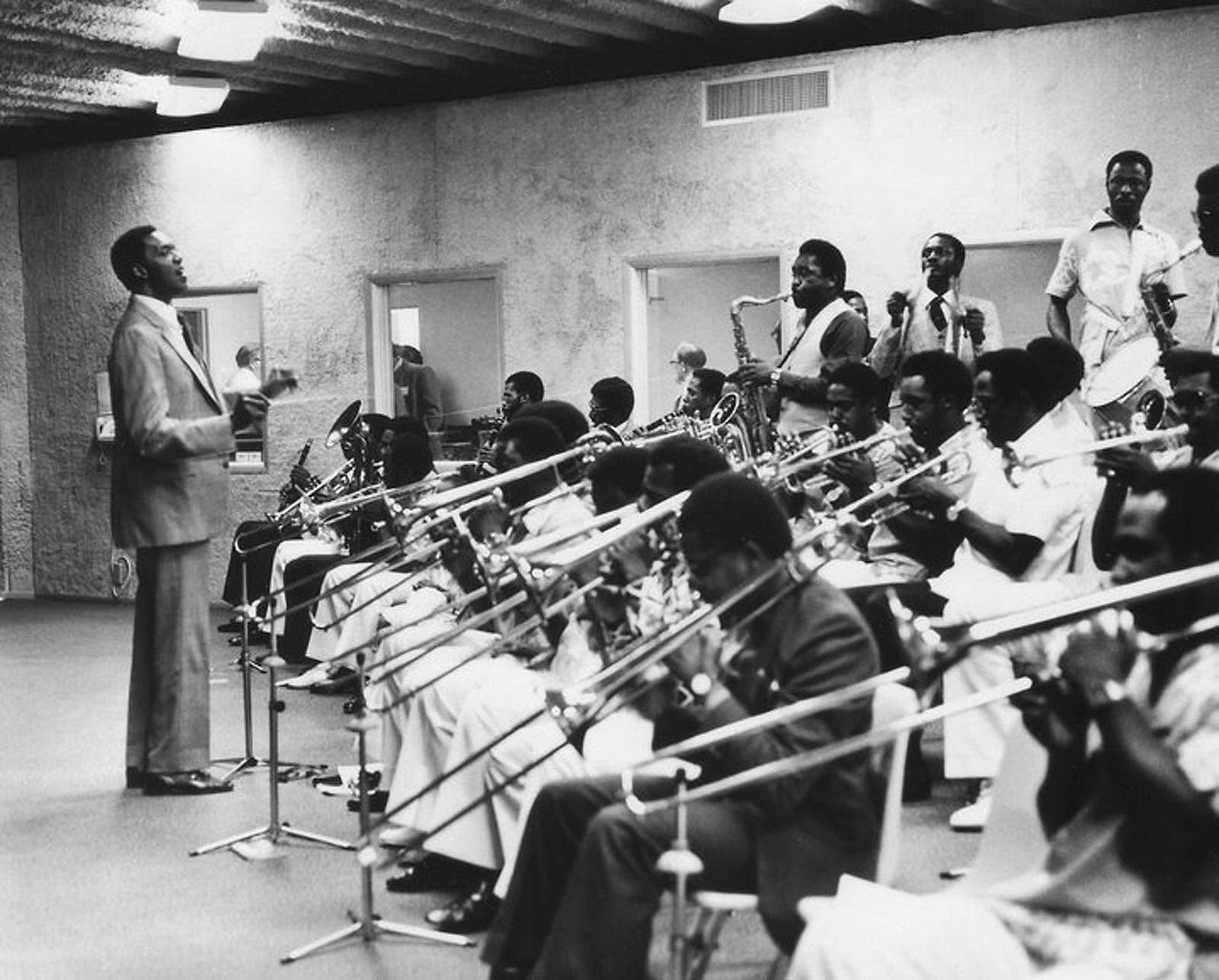 and honor Turks and Caicos men who helped establish and develop the institution in Grand Bahama.
According to the organizers, the Bahama Brass Band began in 1955 in Pine Ridge, Freeport, with Turks and Caicos Islanders, including the late Deacon Reuben Hall Sr. of Middle Caicos and Jenkins Williams and Mervin Hendfield of North Caicos, among those who helped build its foundation. The band eventually grew to more than 50 men.
The organizers also pointed to the participation of Turks and Caicos men in The Bahamas’ Independence celebrations on July 10, 1973, arguing that their contributions became part of Bahamian history while maintaining strong connections to their homeland.
Supporters say bringing the band home represents an opportunity to honor those pioneers, showcase their regional influence and expose younger generations to an important part of Turks and Caicos history.
However, concerns raised publicly described the invitation as potentially disrespectful to local culture and heritage. Organizers acknowledged those concerns, apologizing to anyone who felt overlooked or offended, while maintaining that no disrespect was intended.
The committee said the event should ultimately unite rather than divide, presenting the band’s history as evidence of the reach and resilience of Turks and Caicos heritage.
PHOTO CREDIT: Bahamas Brass Band
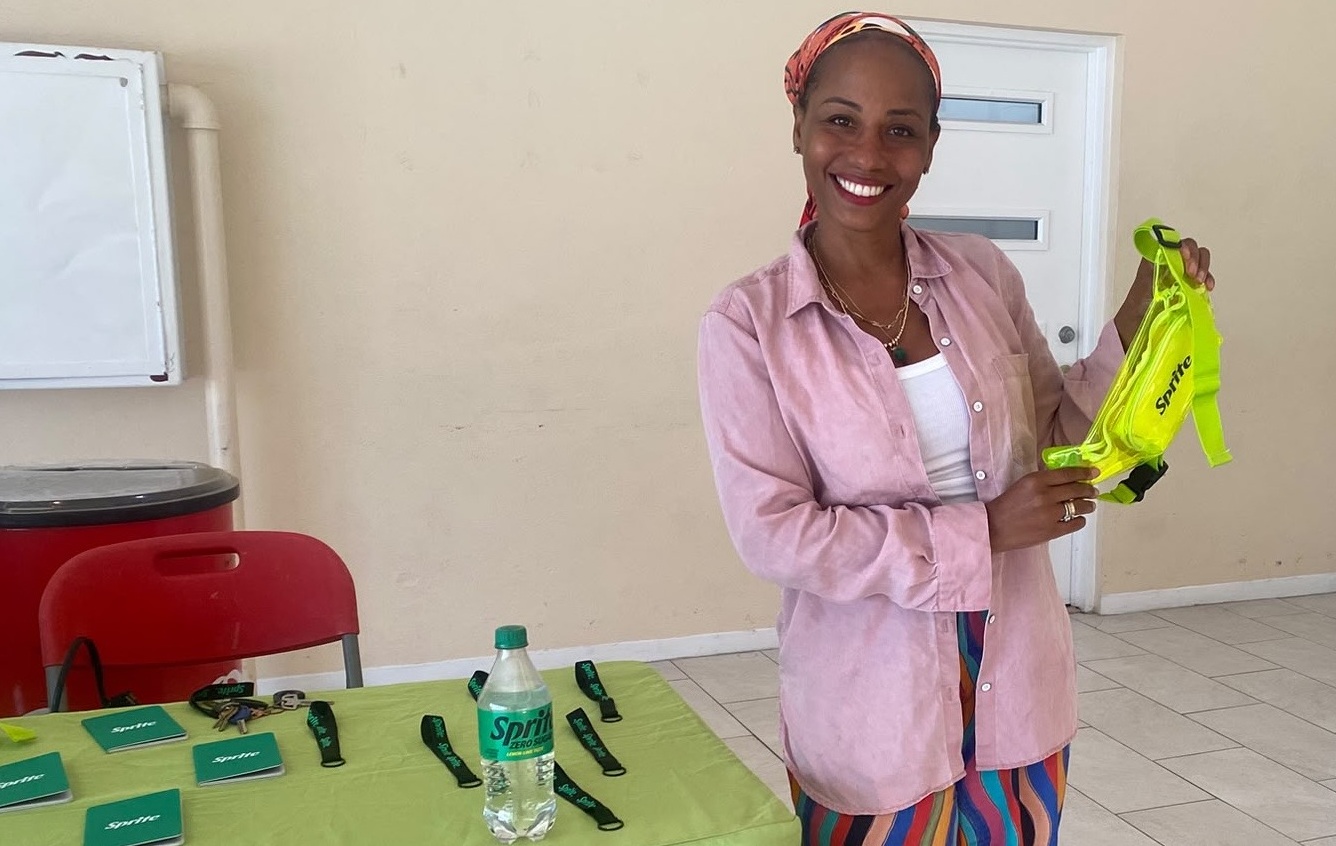
NASSAU, Bahamas — Caribbean Bottling Company (CBC), local producers of Dasani products, proudly sponsored the fifth annual, Caribbean Hoopfest.
The tournament brings together Bahamian high school basketball teams and visiting teams from the United States for a competitive showcase at the Kendal G. L. Isaacs Gymnasium. Following its inaugural year at the Kendal G. L. Isaacs gym and last year’s event at Loyola Hall, the tournament returned to the Kendal G. L. Isaacs gym this year.
During the weekend tournament, CBC kept athletes well hydrated with in-kind donations of Dasani Water, Powerade and Minute Maid Juices.
During the tournament’s final day, CBC provided additional support by offering Sprite No Sugar samples and inviting attendees to participate in its Spin the Wheel for a chance to win exciting prizes.
CBC was proud to support this incredible event, which provides young Bahamian athletes with valuable exposure to U.S. basketball scouts and coaches. This opportunity gives them the chance to earn scholarships, continue their education, and pursue their basketball careers in the United States.
Event organizer, Donald Francois shared his appreciation for CBC’s support.
“I want to express our sincere appreciation for Caribbean Bottling Company, who has been a tremendous supporter and an important part of the success of our program. Without CBC’s support, Caribbean Hoop Fest would not be able to function at the level it does today. And without Caribbean Hoop Fest, we would not have been able to provide the opportunities that have helped young Bahamian athletes gain exposure and pursue educational opportunities in the United States,” he expressed.
Since the program’s inception, several Bahamian student-athletes have been selected for scholarship opportunities, highlighting the tournament’s growing impact on the development and advancement of young basketball talent in The Bahamas.
They are: Kelvin McDowells – Guard, Wodson Antoine – Power Forward, Justin Lafleur – Guard and Sean John – Guard.
After another successful edition of the tournament, Francois shared what he hopes he and Caribbean Bottling Company can achieve in the future.
“Our vision is bigger than basketball. We want to use the platform of Caribbean Hoop Fest to educate, develop, and create opportunities for young people and their families throughout the Bahamas. With individuals and organizations committed to our mission, we believe we can continue to grow the program and make an even greater impact,” Francois said.
For more details on community support, events and new products visit Caribbean Bottling Company at www.cbcbahamas.com today.





-
 Education1 week ago
Department of Education Concludes Four-Day TCI National Standards Secondary School Curriculum Implementation Training
-
 Independent writer6 days ago
Fifty Years of Ministerial Government: Honouring Our Past, Embracing Our Present and Preparing for Our Destiny
-

 News1 week ago
UNDER 40 DAYS: COMMITTEE FORMED—BUT WHO IS ON IT?
-

 Health5 days ago
Know the Possible Warning Signs of Prostate Cancer
-

 News1 week ago
Invest TCI Brings Entrepreneurs and Bankers to the Table
-

 News3 days ago
Liberty Business launches in Turks and Caicos Islands
-
 Education3 days ago
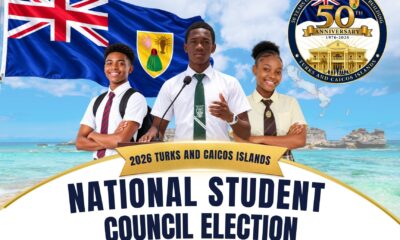
TCI Schools Invited to Participate in 2026 National Student Council Election