
Bahamas News
The Private Sector will drive the revitalization of Grand Bahama in 2018


#Bahamas, January 17, 2018 – Grand Bahama – This year the economy of Grand Bahama will be driven by a variety of private sector developments. The government is presently negotiating Heads of Agreements for major developments in Grand Bahama. Once completed, they have the potential to spur numerous construction jobs during the developmental phase and many new permanent and full time jobs upon completion.
These projects include but are not limited to, the Lucayan Strip Reopening, The Oban Energies Project and several projects in the West End area.
Additionally, the government will continue to encourage small and medium sized business development through its recently introduced GB Micro and Small Business Economic Empowerment and Entrepreneurial Incentive Program.

Phase I of the Program, consists of a two (2) week Business Readiness Training Course designed to assist start-up entrepreneurs as well as existing business owners with acquiring the fundamental skills and tools in business management best practices aimed at preparing them for the running of successful business operations.
Phase II of the Program, allows each qualifying candidate the opportunity to compete with their colleague entrepreneurs, for a chance to win an available business grant of up to $5,000.00 for start-up or expansion of their business idea. 20 persons have already been selected for grants and another group of 60 will begin phase1 next week.
This year, we envisage the creation of some 30 new businesses which will be come about as a result of our Apiary Program which is a collaborative effort between the Office of the Prime Minister Grand Bahama the Bahamas Development Bank and the Inter-American Institute for the cooperation on Agriculture to stimulate the honey production industry.
Talks with the Grand Bahama Port Authority are ongoing and once the necessary consultations have taken place with all the relevant stakeholders, we envisage the passing of a new Grand Bahama Incentives Act. We are also focused on ensuring that as New Providence and the rest of the country focuses on improving the ease of doing business, that Grand Bahama will do the same by considerably reducing the red tape for Bahamians and Foreign Direct investors alike. We are redoubling our efforts with the particular aim that, business license fees in the Port Area for small and micro business should be reduced.

We have followed up on the successful GB Technology Summit with the creation of our Grand Bahama Technical Hub Steering Committee which comprises an assemblage of some of the best that technical minds our country has to offer. We have challenged the committee to complete the Technology hub plan within this month and immediately begin to introduce recommendations to attract technology companies and create more jobs and entrepreneurial opportunities for Bahamians.
We expect that Tourism will receive another much needed boost in April of this year as a result of the new Bahamas Paradise vessel which will bring additional stop over tourists to complement the Grand Celebration.
Overall, the government will continue to focus on private sector growth over a variety of industries to further bolster Grand Bahama’s economic turnaround and the creation of more economic opportunities for Bahamians.
Release: Office of the Prime Minister – Grand Bahama


The Bahamas, March 30, 2026 – The voice of a proud mother captured the spirit of a nation Monday night, as Bendra Rolle shared heartfelt reflections on the overwhelming Bahamian support for her son, VJ Edgecombe, during the Philadelphia 76ers matchup against the Miami Heat in Miami.
“The patriotic support and scenery at my son, VJ Edgecombe’s NBA game… was overwhelming,” Rolle said in a statement issued following the game. “The arena in Miami was lit. Bimini and the Bahamas showed up and showed out.”
Her words come amid what has already been widely described as a remarkable showing of national pride, with Bahamians traveling in large numbers to South Florida to witness the young guard’s continued rise. For Rolle, however, the moment extended far beyond basketball.
“Beyond VJ’s basketball talents, I’m so moved by his magnetic personality and personal journey to inspire and excite an entire nation—our beloved Bahamas,” she said. “I thank God for VJ’s humility and for his hunger for greatness. He never forgets how far God has brought us.”
While the Sixers did not secure the win on the night, Edgecombe delivered a solid individual performance, finishing with 13 points and five assists. He made an early impact on the game, showing confidence and poise before foul trouble disrupted his rhythm, but still managed to leave his mark in meaningful minutes.
The game itself evolved into a cultural showcase, with Bahamian flags waving throughout the arena and chants ringing out in support of Edgecombe. Much of that presence was bolstered by a coordinated travel push from Bahamasair, which helped facilitate fan travel and added to the electric atmosphere in Miami.
Rolle said the emotional weight of the moment was deeply felt by her family, as they witnessed firsthand the unity and pride of the Bahamian people.
“Thanks and love for the tears and overwhelming joy on Monday, Bahamas,” she expressed. “The Bahamian flags were love, loud, and proud. On my own behalf, VJ, and the entire family, I am ever grateful for the indescribable experience.”
Her closing words underscored what many have described as the true victory of the night—not the final score, but the powerful display of national pride and support surrounding one of The Bahamas’ rising stars.

PHOTO BY SIXERS NATION
Bahamian pride is already on full display in South Florida, with fans arriving in strong numbers ahead of tonight’s highly anticipated NBA matchup featuring VJ Edgecombe and the Philadelphia 76ers.
Helping to power that movement was Bahamasair, which rolled out a strategic promotion to facilitate travel, turning the game into a full-scale national showing.
And the celebration started early.
A “Bahamas Invades Florida” pre-party over the weekend set the tone, with Bahamian fans, DJs and supporters converging in Fort Lauderdale to build momentum ahead of the game. The event, marketed as a major cultural gathering, has spilled into Miami, where a strong Bahamian presence is expected inside the arena tonight.
This is no ordinary road game.
The Sixers enter the matchup healthy and are favoured to win, adding to the anticipation surrounding what many expect to be a standout performance by the Biminite guard.
Edgecombe, the third overall pick in the 2025 NBA Draft, has been electric in his rookie season — delivering high-scoring performances and quickly establishing himself as one of the league’s most exciting young talents.
But beyond the stats, it’s the moment that matters.
With South Florida just a short flight away, Bahamians have seized the opportunity to show up in force — flags, energy and all — transforming the game into something far bigger than basketball.
A national turnout.
A rising star.
And a night where the Bahamas is expected to be felt — from tip-off to final buzzer.
Angle by Deandrea Hamilton. Built with ChatGPT (AI). Magnetic Media — CAPTURING LIFE.
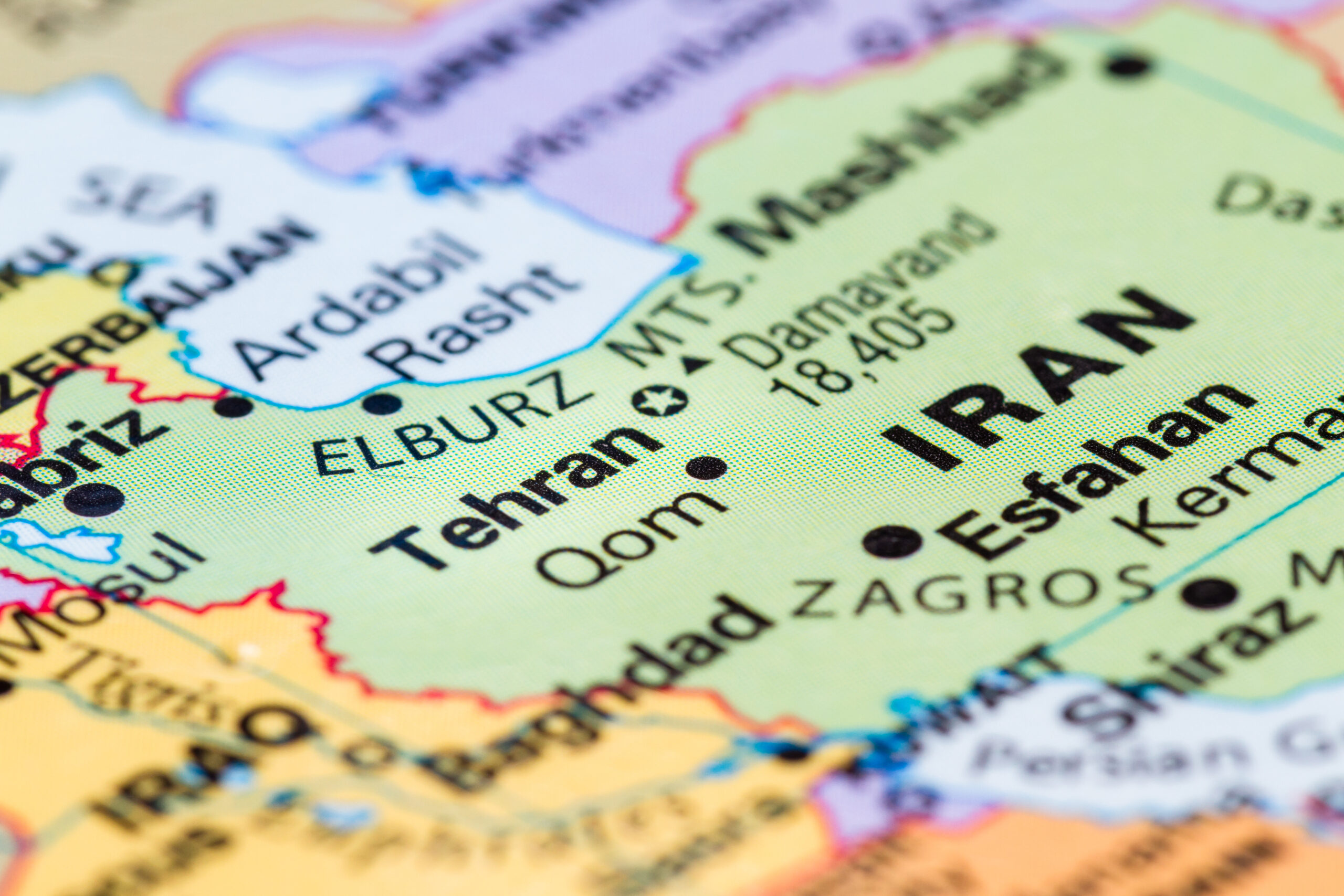
The Bahamas, March 18, 2026 – Twenty days into the latest Middle East escalation, the United Nations is warning the conflict is spreading beyond its original battlefield, as the death toll rises and governments around the world issue urgent travel advisories — including The Bahamas.
In a March 17 statement, the UN Secretary-General’s office said the war must stop and called for all Security Council resolutions to be respected, noting with concern that countries in the Gulf continue to be targeted, raising fears of a wider regional confrontation.
The current round of fighting began February 28 with strikes involving the United States, Israel and Iranian-linked forces, followed by missile and drone attacks across Iraq, Lebanon and parts of the Gulf.
International monitors report more than 1,300 people killed in Iran alone, with additional casualties reported in Lebanon, Israel and Gulf states. U.S. officials confirm at least 13 American service members have died since the escalation began, while reports indicate additional senior Iranian military leaders were killed in recent strikes.
Despite the growing violence, several NATO countries including the United Kingdom, France and Germany have not joined offensive operations, instead calling for diplomacy to prevent the conflict from widening.
The Bahamas Ministry of Foreign Affairs has also issued a travel advisory, warning Bahamian nationals to avoid travel to Israel, Palestine, Iran and Lebanon and to reconsider travel across much of the Gulf region due to the risk of sudden escalation, flight disruptions and security threats.
Officials say Bahamians already in the region should remain vigilant and be prepared for rapidly changing conditions.
Angle by Deandrea Hamilton. Built with ChatGPT (AI). Magnetic Media — CAPTURING LIFE.





-

 News4 days ago
Password to Paradise Radio Remotes at Beaches Turks & Caicos continue to highlight the TCI as the preferred Caribbean destination
-

 News5 days ago
Beaches Turks & Caicos adds four new PADI Dive Instructors to the cadre of professionals in the watersports department
-

 Health1 week ago
Turks and Caicos Islands Hospital Celebrates Patient Safety Awareness Month: “Team Up for Patient Safety”
-
 News5 days ago
Beaches Turks & Caicos shares fine dining experiences to high school students in Providenciales
-
 Health1 week ago
Turks and Caicos Islands Medical Association (TCIMA) Elects New Executive
-

 Bahamas News3 days ago
Bahamasair Backs Surge as Bahamians Flood South Florida for V.J. Edgecombe Showdown
-

 News1 week ago
Flow TCI supports ‘Stars of Tomorrow’ at Inter-Primary Track and Field Championships
-

 News1 week ago
The Turks and Caicos Islands Featured in Top Canadian Publications