Turks and Caicos, April 20, 2017 – Providenciales – Good evening Mr. Speaker, Hon Premier, the Hon Leader of the Opposition and other members of this honourable House. Listeners in the gallery and to residents and Turks and Caicos Islanders everywhere. As always a special good evening to my people of Five Cays.
Mr. Speaker, I rise to give my contribution to the debate on this historic occasion, Budget Appropriation Estimates for the financial year 2017-2018.
Mr. Speaker, it is indeed an occasion to be remembered, as I stand in salute to our Premier and the Minister of Finance, Investment and Trade, who has proven that with an earnest effort, an unwavering dedication, a profound interest in the lives of our people, and a determination to improve the state of our economy, that a Turks and Caicos Islands Government can and has, prepared a budget in less than three months after being elected to office. And Mr. Speaker, for the very first time since the return to elected governance, the Turks and Caicos Islands budget, the people’s budget, did not require UK approval. Mr. Speaker, change is here!
Mr. Speaker, as our country’s Deputy Premier and the Minister for Border Control and Employment Services, I would like to pause, in this forum, to thank the many hard working men and women of my Ministry, who have and continues to work under extreme situations, often lacking the necessary resources, but continue to push in these less than ideal circumstances. Change is coming. Mr. Speaker it was, Denis Waitley who stated “there are two choices in life: to accept conditions as they exist or accept the responsibility of changing them.”
Therefore, I have chosen to accept the responsibility of changing the Ministry of Border Control and Employment Services. You see Mr. Speaker, I want to change the way we document who resides in our country, I want to change the way we assist our people in finding gainful employment, I want to change the way we provide customer service, I want to change the way we protect our borders, and I want to change the way we as residents view breaches of our borders and illegal migration, because these issues are no longer immigration issues but national security issues.
Mr. Speaker, let us be real, we will not deny that there are many areas of concern in the Ministry that have contributed to the decline in service and morale over the years which requires our immediate attention. Your Government is committed to eradicating corruption and improving the way we conduct business. But, Mr. Speaker, where some would see these as areas of despair or irreparable, Mr. Speaker, I see them as areas of opportunity, and I am pleased to say that efforts are already underway to address these areas, to build on what works and to change what doesn’t, and Mr. Speaker, while the change will at times be painful or difficult, change, we must!
Therefore, Mr. Speaker, the 2017/18 appropriation of approximately $8.2 million dollars will be utilized for the implementation of the following programs:
Immigration and Enforcement
Mr. Speaker, one of the main contributors to the many social ills that our communities face is illegal residents. We have persons who continue to live and work amongst us who do not have the legal authorization to do so. Mr. Speaker, there is an unknown number of persons who have remained in our country beyond the time their work permits expired and those who never had a work permit; there are those amongst us who have remained beyond the time their visas have expired, and those remaining beyond their temporary work permits. Mr. Speaker, there are the many who have penetrated our borders and found entry illegally into our country by one means or another, but they all continue to live here in less than ideal circumstances. They continue to pull on the fragile resources of our health and education systems, and hold jobs that should be held by persons with the legal right to do so.
Therefore Mr. Speaker, a major focus for the Immigration and Enforcement Units will be improved compliance and prosecution. Mr. Speaker, there will be increased operations with joint law enforcement agencies to detect, apprehend, and prosecute, not only those persons who are illegally residing and illegally employed, but all the residents and employers that aid and abet them. If you stand as surety for a visa applicant, we will begin to hold you to count to make sure that person leaves the country at the expiration of that visa. We must enforce our laws without fear or favour, change Mr. Speaker is Here!
Border Control and Protection
Mr. Speaker, while these efforts are ongoing, fundamental to our success will be the prevention of more persons adding to this pool along with mitigation against other high risk and major threats that the global world now faces.
Mr. Speaker in recent times and over the past decade, there has been an increase in threats due to transnational organized crimes, trades in illicit drugs, and other commodities, such as guns, human trafficking and illegal migration. Mr. Speaker, these threats are a result of many things, from defects such as our porous borders, to the success in the growth of our tourism industry. Whatever the reason, Mr. Speaker, we continue to experience challenges at our port facilities, especially with limitations in data intelligence and manpower resources.
Therefore, Mr. Speaker, I am pleased to say that allocations for the 2017/18 operations of Border Control and Protection will see investment in the strengthening of data intelligence and the available manpower resources.
The Integrated Border Management System initiative that began in 2016/17 will become the key mechanism for the processing of Labour Clearances, Work Permits, Visas, and Permanent Residency Certificates. Budget allocation has been made for the inclusion of the registration and citizenship processes, as well as the digitizing and archiving of files. Mr. Speaker, these e-services will not only streamline processes, but will also provide greater efficiency, and shorter processing time for customer applications. This border management system, Mr. Speaker, will further provide my enforcement officers with real time data and reports on the status of individuals in our country thereby aiding in the combat against illegal migration, illegal residency, and illegal employment.
To address the threat of international security, terrorism, and the activities of transnational organized crime, we will be implementing an Advance Passenger Information System, in conjunction with the Governments of CARICOM countries, and the Government of the United States of America, for the improvement in the security of the territory from exposure to high risk individuals and commodities being transported via air and sea travel into and out of the country. This will be accomplished through the sharing of passenger information prior to arrival in and departure from our Turks and Caicos Islands.
Mr. Speaker, with this initiative and our partnership with the CARICOM Implementation Agency for Crime and Security, IMPACS, there will be ongoing collaboration, data sharing, and training in intelligence and reporting, which will assist in the capacity building of our officers and those in other law enforcement agencies. Mr. Speaker, I would also like to inform the people of the Turks and Caicos Islands that I leave the country this coming Monday, to travel to Barbados where I will be signing the agreement, on behalf of the TCI, in order to begin preparations for the implementation of this system.
Mr. Speaker, at this point I would like to commend the work of those officers who man the Radar Station for their diligence in the detection, and reporting of those vessels that come within the scope of the national radar. Mr. Speaker, the current detection rate of sloops is over 90%, and in our effort to detect all vessels, Mr. Speaker, this year some 300 thousand dollars has been ear-marked for investment in the upgrade to the software and radar equipment, as well as plans for the employment of additional officers to assist in the coverage at the radar station and at the main ports in Providenciales.
Employment Services
Mr. Speaker, another major arm of my Ministry is Employment Services, whose mandate is to support full employment among our people, and ensure the availability of required skills in the labour market to support our country’s economic growth.
Mr. Speaker, over the years there has been an unprecedented number of work permits issued to foreign nationals without any plan or analysis as to the skills that are required. This, Mr. Speaker, did little but to open the flood gates and in some cases resulted in the displacement of our people in the middle to upper management jobs, that would otherwise have been available to them. Mr. Speaker, this trend cannot continue, will not continue, and change, it must! We also recognize that with increasing developments there will be a continuing need for migrant workers, and we will facilitate businesses in obtaining the work force they need. However, Mr. Speaker, let me be clear, our people must come first and we will never apologize for this, as we see this as our greatest responsibility. Our people must be afforded every opportunity to grow and succeed in the workplace.
Therefore Mr. Speaker, this Government has undertaken the initiative to develop and present to the people of these islands, a Population Policy, that will guide the future growth in the residency within our borders, a policy that will highlight the areas of opportunity for immigrants to live and work amongst us, a policy Mr. Speaker, that will protect the citizens of these islands, and promote their gainful employment, development and prosperity for decades to come.
Mr. Speaker, this Population Policy will also be formed on the findings of the National Skills Audit, which is 80% completed and which will inform what skills and certifications are available amongst us and those that are required. Mr. Speaker, this audit is critical to the future of these islands and it is long overdue.
The National Skills Audit, in addition to being used to help form the Population Policy, it must also help form our immigration, health, and education policies, to ensure that these systems are also offering the appropriate programs and framework that would meet the needs of our current workforce, even while developing a more desirable labour pool for our developing nation.
With these guiding frameworks Mr. Speaker, it is the aim of my Ministry to reduce the timeframe for the processing of work permit applications, across the board, and enable greater scrutiny of applications, to ensure that the persons being requested are absolutely needed, and capable of fulfilling the work which they are committing to do.
Mr. Speaker, already there is significant progress in the streamlining of processes within the employment unit, which has brought greater transparency and accountability to the operation and management of the unit. These have in turn brought greater efficiency in the few short weeks that this work has begun. Change, Mr. Speaker, is here.
Mr. Speaker, we are aware that there is a need for improvement in the number of labour disputes being heard to completion, and the ministry will be undertaking a review of the legal framework and policies, as well as staff resources of the Labour Tribunal in an effort to address this. However, Mr. Speaker, one of the main reasons there are so many disputes in the work place, is the fact that many employees are not aware of their rights, and either through fear, frustration, or feelings of inadequacy, they are unable to articulate their concerns to their employers in a constructive manner. We will also be seeking to have more disputes settled by the Labour Commission therefore, lessening the number of cases reaching the tribunal.
Employment Initiatives
Mr. Speaker, in an effort to tackle the elephant in the room leftover by the PNP administration, that being unemployment. My ministry will be hosting the first annual National Career Expo during the month of May. The expo will be in two parts namely a job preparedness symposium and the largest job fair this country has ever experienced. We will be connecting people with jobs in new and exciting ways. Participants will be assisted by providing the necessary tips and guidance on how to improve on-the job performance, as well as performance in interviews. Mr. Speaker, partners in the private sector will be brought in to share particularly what it is that they value in an interview, and further offer advice on how potential employees can improve their chances of landing that job. Other initiatives will include media programs and presentations at staff meetings of corporations throughout these islands. Mr. Speaker I am also happy to report that discussions have already begun between my ministry and the Ministry of Education on the planned placement of our students graduating out of our scholarship program. We must get our young people excited again about returning home after finishing their studies.
Mr. Speaker, many of the social disturbances, crime, and delinquency are just few of the effects of unemployment. There are many young TCIs who have found themselves on the other side of the law and now being blocked from employment. You would have heard it before but I will say it again, change is here! The Premier, all of her life has demonstrated that this is an area she intends to fix through government and private sector intervention, and works have already begun.
Mr. Speaker, not only does unemployment negatively impact the tax revenues of Government, but Mr. Speaker it also negatively impacts the very institution that has brought stability to our communities, and the lives of our people throughout time, the family. Mr. Speaker, out of frustration due to the relentless search for gainful employment, many persons are turning to substance abuse, abuse of spouse, abuse of children, and overall neglect, and abandonment of the home. Mr. Speaker, needless to say, the family unit is in trouble and for too long the welfare and lives of our people have played second fiddle to the political spoils of the political wills of past Governments, but I say no more Mr. Speaker, Enough is truly Enough!
Mr. Speaker, in addressing unemployment, this budget will support and enable the fostering of a partnership with the private sector for the placement, training and advancement of Turks and Caicos Islanders as a priority in the work place, as long as they are qualified, able, and willing. My Ministry will also be exploring the idea of instituting a point system on work permits, that would track the training of our people and contribution that foreign workers are making to the development of our youth. Mentorship, lecturing, and understudy programs that are just few of the many ways that foreign workers will be able to fulfil their obligation in being granted leave to work in our beloved islands.
Additionally Mr. Speaker, during this budget year we will be developing a database for the collection and reporting of labour market statistics, based on the demographics of the population and work force. This, Mr. Speaker, along with the national skills audit and the population policy, will enhance our policy development and they will drive the amendments to our major legislations to ensure that the frameworks by which we live and work are both relevant and appropriate for the era in which we live, and for the sustainable development of our economy and our people.
Registration and Citizenship
Mr. Speaker, we intend to carry out a full review of the areas of permanent residency and citizenship status in the Turks and Caicos Islands. The granting of these statuses must be done in a strategic and deliberate manner, aimed at growing our population by a designed vision rather than the reactionary position as has historically been the case. The persons who are privileged with the honour of obtaining such status must be people who love and care about this country, as we do, and those who would be right for the long term sustainability of the core values and brand of our country.
Therefore Mr. Speaker, the review of the PRC process and criteria that will be undertaken by the Ministry and the Government, will also determine whether or not there should be an annual quota on these status. And the regulations that will govern the operation of the TCI Status Commission has already been initiated.
In addition to this Mr. Speaker, there has already been an initial review of the process to improve the efficiency and reduce the processing time for PRCs, applications for naturalization, as well as for births, deaths, and marriages certificate requests, which I am pleased to say is already gaining public approval. And Mr. Speaker, we will continue to gain public approval as we implement the plans that we have for these areas, which will ensure that the public can feel the change that is here.
Rebranding and The Way We Work
Mr. Speaker, for too long the Ministry of Border Control and Employment Services has borne the reputation of having poor work ethic and not being customer focused. While there has been a seemingly lack of focus over the years on customer service and service delivery, Mr. Speaker, I must say that contrary to perception, there are many very hard working civil servants in the Ministry of Border Control and Employment Services, who are deserving of our recognition and encouragement. As we improve the resources and performance management of the Ministry, Mr. Speaker, we are also doing much to improve the way that we work.
Effective immediately, all applications for services from Border Control and Employment will be initiated in the Customer Service Center, where staff who are trained and continue to undergo coaching and development can inform and assist in a professional and courteous manner. These staff will communicate the new delivery timelines for services as they are implemented in the coming weeks. Mr. Speaker, the departments will continue the back office support, research, and processing of the applications for delivery back to the customer service center for final communication with the customers. Mr. Speaker, there will be no more holds beyond seven days for additional submission of documents, and customers will receive either approval or denial in the target times that will be set. Mr. Speaker all calls will be routed to the telephone hotline where trained agents can further assist callers on status updates and other information required, thereby improving the Ministry’s response times to both call-in and walk-in customers.
Mr. Speaker, with this new customer centered attitude comes new facilities and new attire. This budget year will see the relocation of the Employment Services and Customer Service Center to the newly renovated Sammy Been building in the upcoming weeks, and the retrofitting of the additional buildings for the relocation of the Ministerial offices. Budget provisions has also been made Mr. Speaker, for the provision of uniforms and critical gear for all officers.
As we continue to rebrand ourselves Mr. Speaker, there will be investment in skills building and cross training of officers, so that they are exposed to all areas of the Ministry. We will be able to properly assign resources to the appropriate areas as the demand arises. And Mr. Speaker, this will include frequent familiarization sessions for officers to remain updated on the ordinances and other legal frameworks and policies of the Ministry.
Mr. Speaker, as I have outlined above, we have a lot that we working tirelessly to accomplish and many of the tasks we have already begun. No budget is perfect or complete Mr. Speaker, and so there remains other initiatives that we look forward to in future years; the construction of a new fully resourced Detention Center, an additional Coastal Radar Station and additional advancements in technology for the protection of our borders are just a few of those future initiatives, these will come in time. Mr, Speaker, and while we look forward to the future, we are grateful for the present Mr. Speaker, The Ministry of Border Control and Employment Services, my Ministry, my staff, we are committed to the plans put forth in this budget today, we are committed to improving the way that we work, we are committed to changing the way that we serve, we are excited about the Ministry that we know we can be, and we are ready to be that change that we all wish to see.
My Constituency
Mr. Speaker, at this time, I would like to direct your attention to my constituency of Five Cays, which includes Five Cays Proper, Chalk Sound, South Dock, and Old Airport Road. Mr. Speaker just when I thought that I could not be anymore surprised by the PNP, yesterday the Leader of the Opposition had the unmitigated gall to let the name of my constituency come out of his mouth. Mr. Speaker the member said that we should clean up the beach and build a hotel there. Can you believe that Mr. Speaker? When the opportunity was there, when a proven developer was ready, when the people of my constituency was longing and when in my position as the representative of Five Cays and a member of the than opposition I went to the former Premier and the current Leader of the opposition, who was the Minister of Finance at the time. Mr. Speaker I begged them to consider this hotel development, and their response to the developer was silence. The former government clearly demonstrated that the people of Five Cays was of no interest to them. Mr. Speaker, let me assure the people of Five Cays that change is here and you will get everything that I have been working on and everything I promised.
In my Five Cays Manifesto, I outlined my plans for my constituency under the heading “Operation Facelift”. Mr. Speaker, in these past three and a half months as MP for Five Cays, I can proudly announce to the residents of Five Cays that Operation Facelift is well on its way. This budget will see two roads being properly paved in my constituency. This is a big deal for my constituency Mr., Speaker, as the PNP Government had deliberately withheld budgetary funds from my constituency during the last four years. In fact Mr. Speaker the public should know that there hasn’t been any road paved in Five Cays for the past ten years. Mr. Speaker that will change this year. Change is here! I will also be reaching out to the Dwayne Wade Foundation and the Sandals Foundation to fulfill their commitment for the renovation of the basketball court that, in which no effort or interest was demonstrated by the former government to facilitate this project. I spoke about this project in the House of Assembly, this project was discussed in the local media, and the former Government showed absolutely no interest in seeing this come to fruition. Mr. Speaker, there is a lot in store for my constituency that will be unveiled during the year. If you are a resident of Five Cays and you have not seen my manifesto and the contents of Operation Facelift, I recommend that you obtain a copy so that you can tick off my commitments to my constituents as they are accomplished. Five Cays, as your representative and Deputy Premier of our Country, I can firmly state that Change is Here!
PNP Operatives Warning
Mr. Speaker there is one other matter that I must address before closing and that is the mischief of certain PNP operatives who continue to get on Facebook and create lies and spread rumors to strike fear and distrust in our people of their beloved government. Let me give them their first and only warning, Facebook while online, do exist in the real world, and that any further attempt to spread lies on me or my office will be met with a quick and harsh factual response, that will call into question their creditability and expose them to the people of this country. Mr. Speaker, they should consider themselves warned as there will be no further warnings.
Now Mr. Speaker, I end where I started, in extending thanks to the staff of the Ministry of Border Control and Employment Services for believing in the change. I would also like to acknowledge the former PS Mrs. Gardiner for her hard work, thank you to the residents of Five Cays for allowing me to serve you and the people of these islands, thanks to the members of this honourable House for your keen attention and support, and thanks to you Mr. Speaker for the time and this platform to be able to speak to our people.
I will finish this way: “God grant me the serenity to accept the things I cannot change; courage to change the things I can; and the wisdom to know the difference.”
Mr. Speaker, may God continue to bless these our Turks and Caicos Islands.




 critical information.
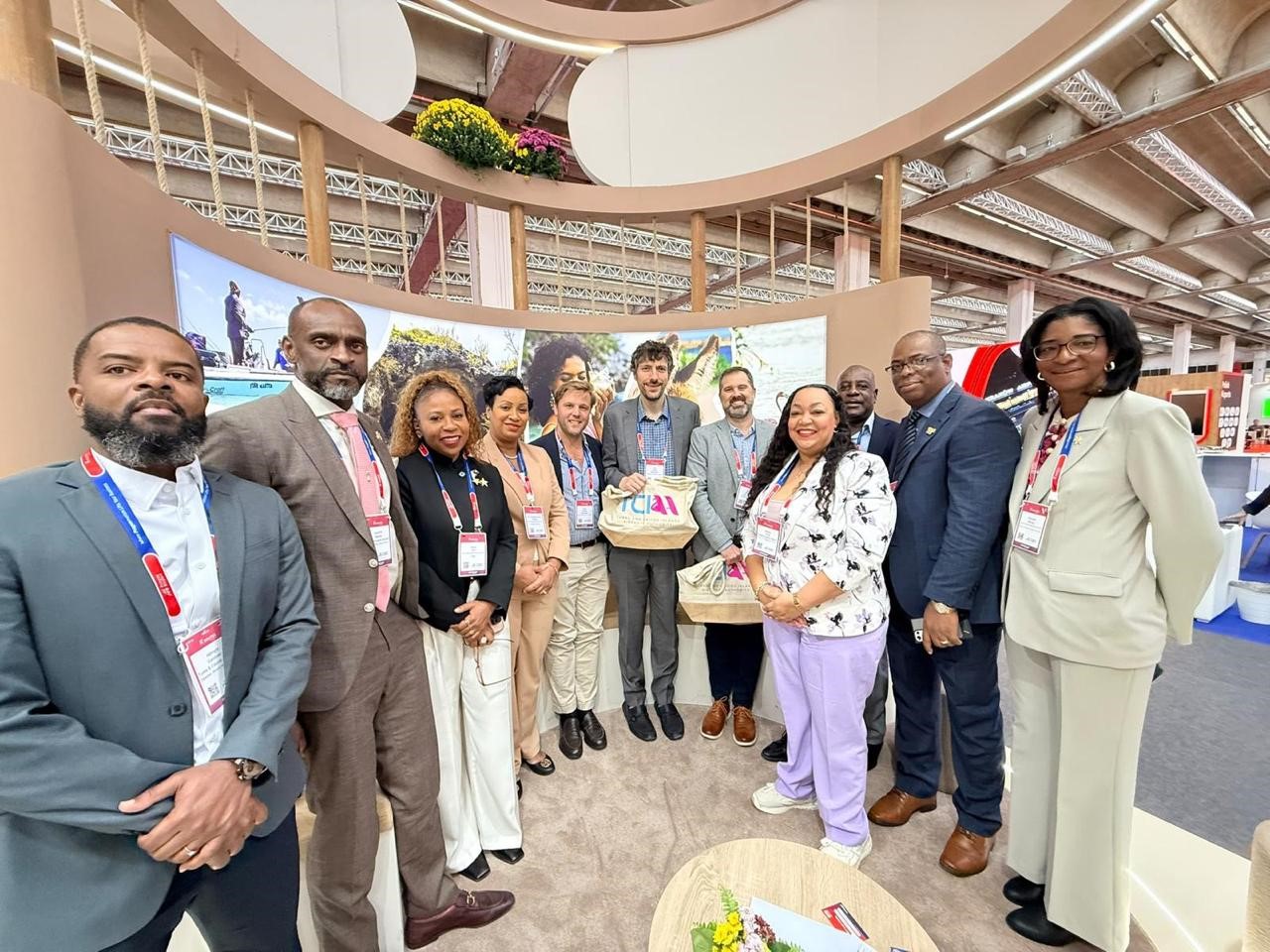

 2027 winter season. Additional connections to Providenciales are scheduled from: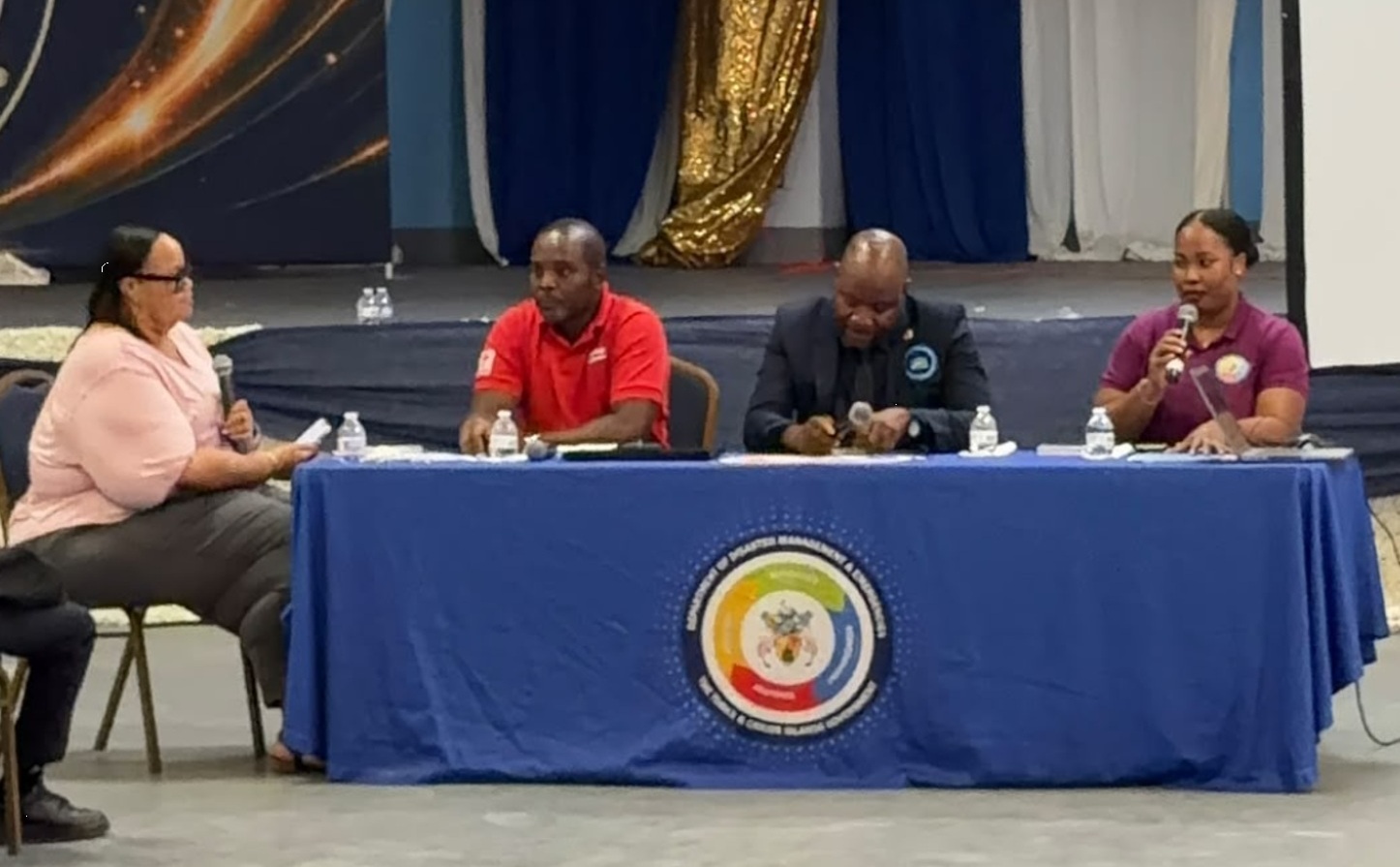
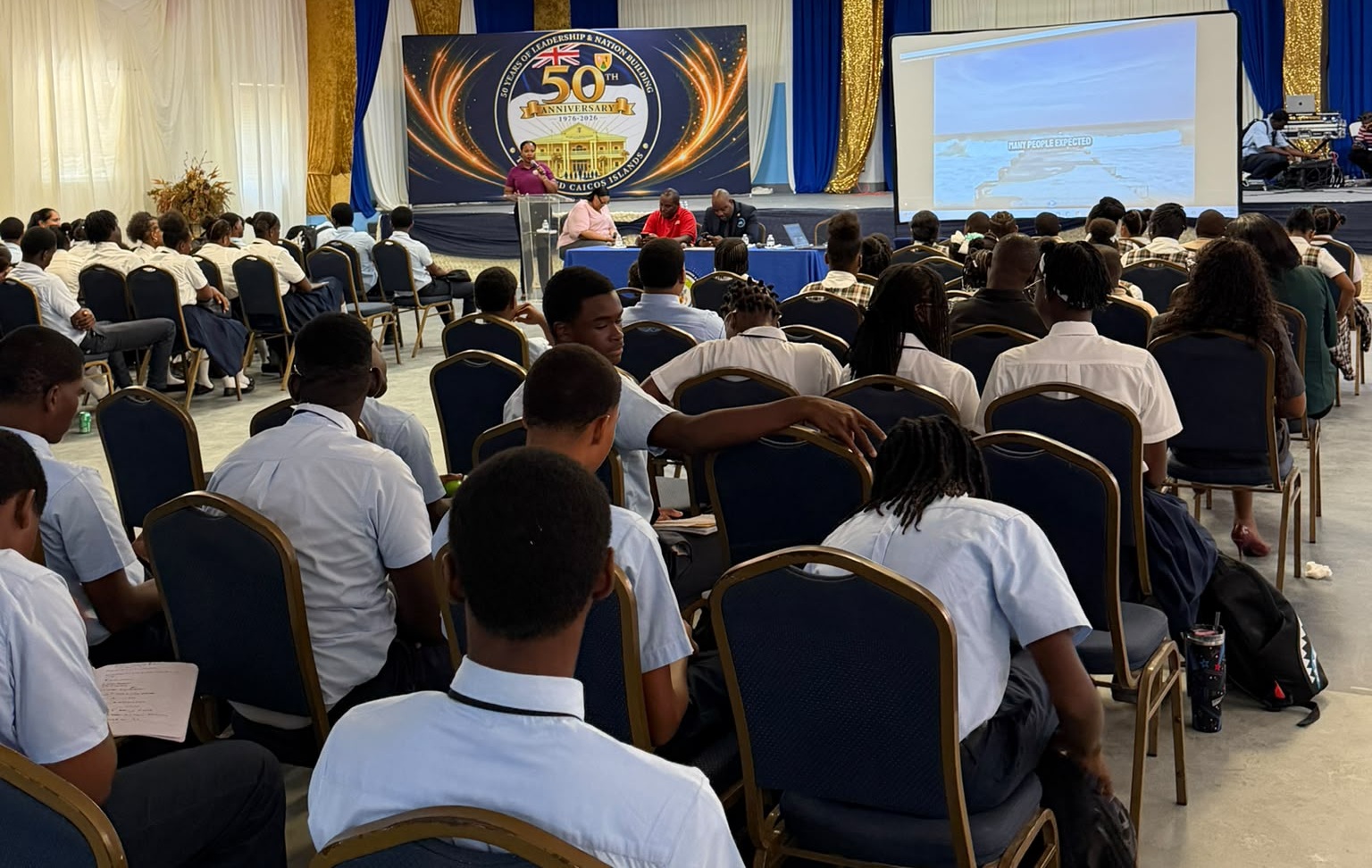 activities, school visits, essay writing and an original video submission from the Eliza Simons School in Grand Turk.
 2015-2030. Throughout the years, many initiatives have been taken through the various stages of the disaster cycle from preparedness to recovery in an effort to strengthen the resilience of the Turks and Caicos Islands. Initiatives such as the creation and consistent updating of building codes, the Reconstruction and Rehabilitation Housing Project following major hurricanes such as Ike in 2008, the creation of an early recovery framework, as well as strengthening CCRIFF insurance were all implemented to ensure that the Turks and Caicos Islands were on the path to build back stronger and better.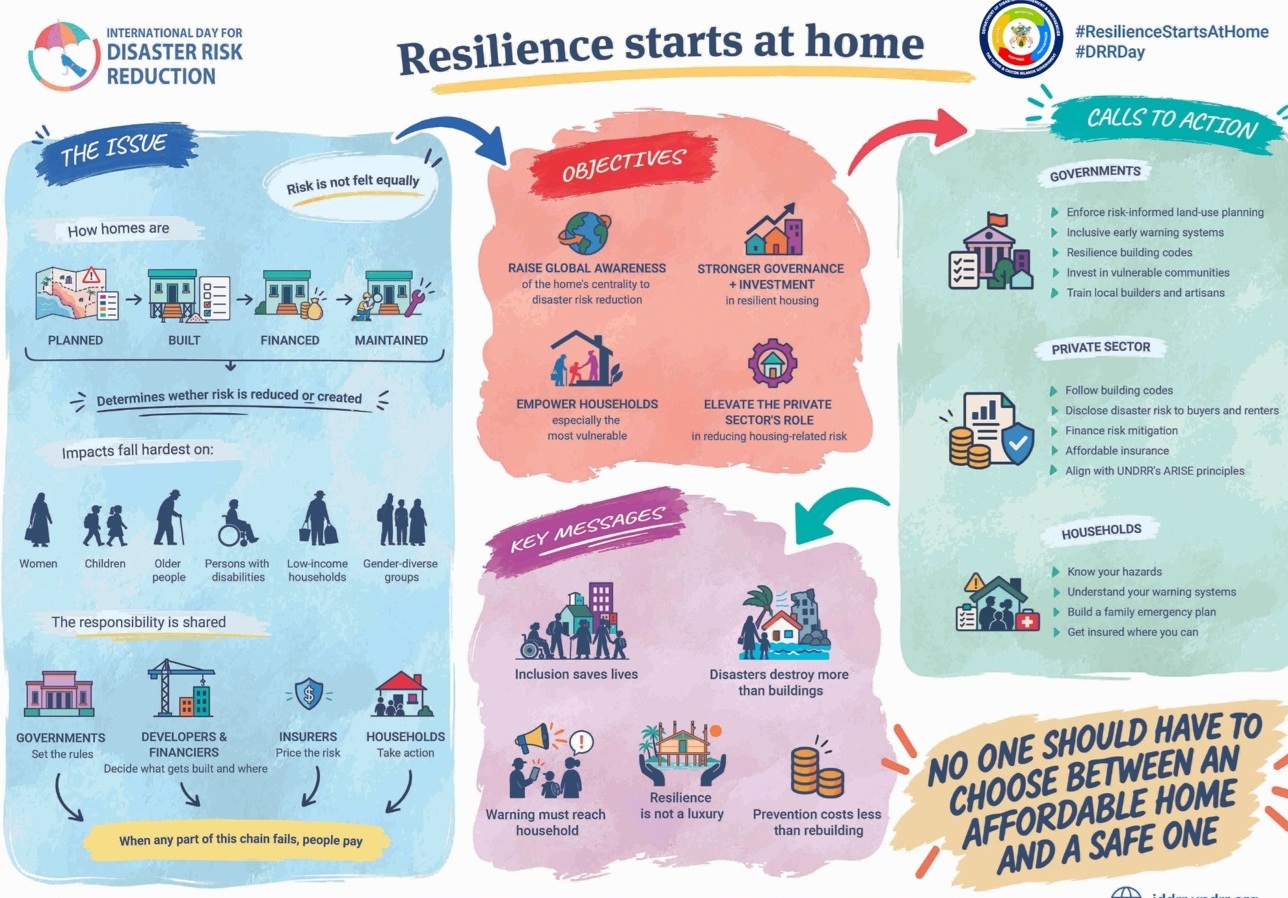






 Bahamas News6 days ago
 News5 days ago
 Bahamas News2 days ago
 Bahamas News5 days ago
 Bahamas News1 week ago
 News3 days ago
 News2 days ago
 News2 days ago