
Bahamas News
Campbell outlines measures undertaken by Social Services in light of COVID-19

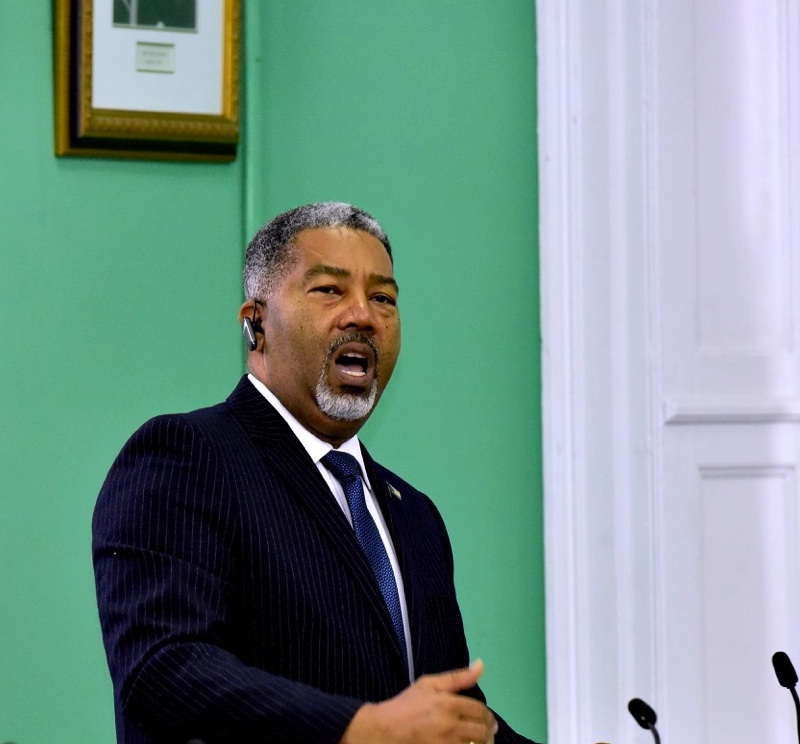
#NASSAU, The Bahamas – Minister of Social Services and Urban Development, the Hon. Frankie A. Campbell, told Parliamentarians Monday that his Ministry and its Departments and Divisions have undertaken a myriad of measures to provide assistance to those Bahamians as the country continues its fight against the COVID-19 Pandemic.
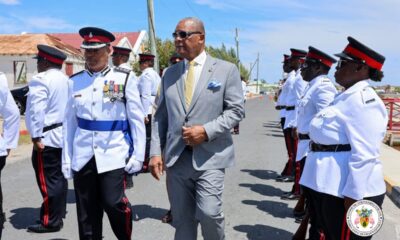
“The Department of Social Services has two National Hotline numbers and they are: 322-2763 or 422-2763. We continue to cherish our partnership with the Crisis Centre and their number is: 328-0922. The public is encouraged to use these contacts as required,” Minister Campbell added. (BIS Photo/Kemuel Stubbs)
Minister Campbell said officials have endeavored to use every avenue to remain accessible not only to their regular clients, but also to persons within the community of persons with disabilities, the elderly, those in the tourism sector who find themselves on reduced workweeks as a result of the closure of the tourism sector, and, “those who are generally in need.”
The Ministry of Social Services and Urban Development, is comprised of the Department of Social Services, the Department of Rehabilitative Welfare Services, the Department of Gender and Family Affairs and Urban Renewal, along with numerous Divisions and Units.
Minister Campbell said while the Department of Social Services is responsible for, and has been tasked with, ensuring that the requisite assistance is provided to persons in need of assistance, a “team effort” is being utilized.
Minister Campbell said the Department’s response to COVID-19 also takes into account the needs of the country’s most vulnerable groups of clients, consisting of its children, senior citizens and persons with disabilities. He said to facilitate delivery of services to the country’s senior citizens and persons with disabilities who are clients, officials have increased the number of vehicles in its fleet “to avoid [their] being exposed to the large number of clients who visit our various centres on a daily and monthly basis.” Approval was granted and vehicles were rented in New Providence, in Grand Bahama and in Abaco.
The Department also made it possible for persons from the community of persons with disabilities who are not clients of the Department to provide their information to Social Workers at the Disability Affairs Division via telephone so that they could receive emergency food assistance where necessary. They will be required to present IDs when they come to collect these coupons or when the coupons are delivered to them.
Contact numbers for the Disability Affairs Division are: 325-2251/2.
Minister Campbell also announced that persons with disabilities under the age of 16 who normally receive their services every two months, had their April assistance advanced to them in the month of March to facilitate whatever preparations they needed to make. Similar arrangements were also made for persons receiving foster care subsistence.

“I would like to take this opportunity, Mr. Speaker, to encourage the community of persons with disabilities to register online with the Ministry’s link on the Government’s website www.bahamas.gov.bs. They may also email the Disabilities Commission at disabilitiescommission@bahamas.gov.bs. The Disability Affairs Commission can be contacted on a 24-hour cell by Whatsapp at: 376-8328. We have endeavored to use every avenue to remain accessible, not only to our regular clients, but also to persons with disabilities and those who are generally in need.”
Minister Campbell told House Members that officials from the Department of Social Services have also been working — in partnership with the National Emergency Management Agency (NEMA), the Ministry of Health and various non-governmental organizations — to promote food safety and security.
“Many of these organizations are challenged with being able to get hot meals and food parcels to persons that are home bound, and to persons who frequent their establishments daily,” Minister Campbell said.
“I want to reassure our partners that as we reevaluate our positions and as we reconsider the needs of our people, we are also reviewing our assistance to them and we will do all that we can to continue to nurture and strengthen those partnerships that we value so much. I want to assure them that they will hear from us in short order.”
Minister Campbell said the Ministry and the Department has also put measures in place to ensure that the assistance normally given to the seniors home, the children’s homes, the Williemae Pratt Centre for Girls and Simpson Penn Centre for Boys continue uninterrupted at this time.

Additionally, Minister Campbell said, the Department of Social Services continues to provide assistance to persons in need by assessing them for Emergency, Temporary or Permanent Food Assistance. He said the Department also continues to assist with utilities and that financial assistance for medical procedures are ongoing.
“Additional assistance for rent, and I want to pause there, Mr. Speaker, because coming out of this I would have heard some concerns about persons who are homeless. Mr. Speaker, the Department of Social Services has always made itself available to assist persons seeking rental assistance and so I say here for the record that anyone who is out there who is serious about wanting assistance in that regard, can access that very same line item.”
Minister Campbell said many of the Department of Social Services clients who receive food assistance (at present the programme is servicing just under 10,000 persons) are armed with Bank of The Bahamas Pre-paid cards upon which funds are uploaded monthly. Minister Campbell said the most recent upload took place on March 27 (2020).
“I am aware that there are a number of persons whose cards have expired in the interim. Those concerns have been expressed and are being addressed. I want to thank the staff at the Bank of The Bahamas who are working with us to renew those cards as soon as possible.”
Minister Campbell said the Department has also been charged with providing special food assistance to those persons who – as a result of the closure of the tourism sector — found themselves on reduced workweeks.
“This for us is uncharted territory. We initially established an email address asking persons to email us so that they can get the subsistence. In light of the fact that we were — while wanting to assist found it necessary to promote physical distancing — within a week, up to Saturday past, we had more than 3,000 persons throughout The Bahamas apply to that email address. I want those persons to know that they will begin getting responses starting today and I am advised, and I know that my team is listening and will not make a liar out of me, that as early as this Wednesday, coupons will be ready and persons will be contacted and advised (a) how they can collect those coupons or (b) how the coupons may be delivered to them.”
Minister Campbell said he would have also been advised that there is some concern that some of the measures put in place to protect citizens from the COVID-19 Pandemic “may have put some persons in some environments that ought to be safe but are not necessarily safe because it is in those home environments where some persons are abused and possibly worse.”
“Mr. Speaker, I want to say to the abusers that no time is a good time to commit acts of abuse. This is a time when they should reflect on the errors of their past and try to make amends and so I trust where some mistakes would have been made in the past, those perpetrators would repent of their ways and seek to build those bridges that they would have broken down.
BIS News by Matt Maura




The Bahamas, August 27, 2026 – The Royal Bahamas Police Force wishes to inform members of the public that several individuals are scheduled to appear before the Magistrate’s Court on Thursday, 27th August 2026, at 12:00 noon.
The individuals and charges are as follows:
An 18-year-old female is scheduled to be arraigned on the following charges:
Three (3) counts of Murder
Three (3) counts of Attempted Murder
Three (3) counts of Possession of a Firearm with Intent to Endanger Life
Three (3) counts of Possession of an Unlicensed Firearm
Two (2) counts of Possession of Ammunition
Armed Robbery
Abetment to Armed Robbery
Stealing
Receiving
The charges stem from three separate shooting incidents and an armed robbery that occurred on Friday, 21st August 2026, and Saturday, 22nd August 2026.
The first shooting occurred in the area of Soldier Road and Baillou Hill Road, resulting in the death of a 51-year-old male.
The second shooting occurred in the area of Joe Farrington Road, resulting in the death of a 52-year-old male.
The third shooting occurred in the area of Gladstone Road, resulting in the death of a 36-year-old male.
The armed robbery occurred at a business establishment in the area of Carmichael Road and Baillou Hill Road.
A 21-year-old male is scheduled to be arraigned on one charge of:
- Murder
The charge stems from a shooting incident that occurred on Tuesday, 21st July 2026, in the area of Samson Street, Nassau Village, which resulted in the death of a 28-year-old male.
A 32-year-old male is scheduled to be arraigned on the following charges:
- Murder
- Attempted Murder
These charges stem from a shooting incident that occurred on Wednesday, 24th December 2025, in the area of Graham Drive, Yellow Elder, which resulted in the death of a 25-year-old male.
RBPF, PACD
Bahamas News
Bahama Brass Band Invitation Sparks Heritage Debate Ahead of TCI Constitutional Holiday


Turks and Caicos, August 20, 2026 – The planned participation of the Bahama Brass Band in the Turks and Caicos Islands’ inaugural Constitutional Holiday celebrations on August 30 has sparked public debate over culture, heritage and the historical contributions of Turks and Caicos Islanders abroad.
Organizers defended the invitation, saying the band’s inclusion is intended to highlight the deep historical ties between the two countries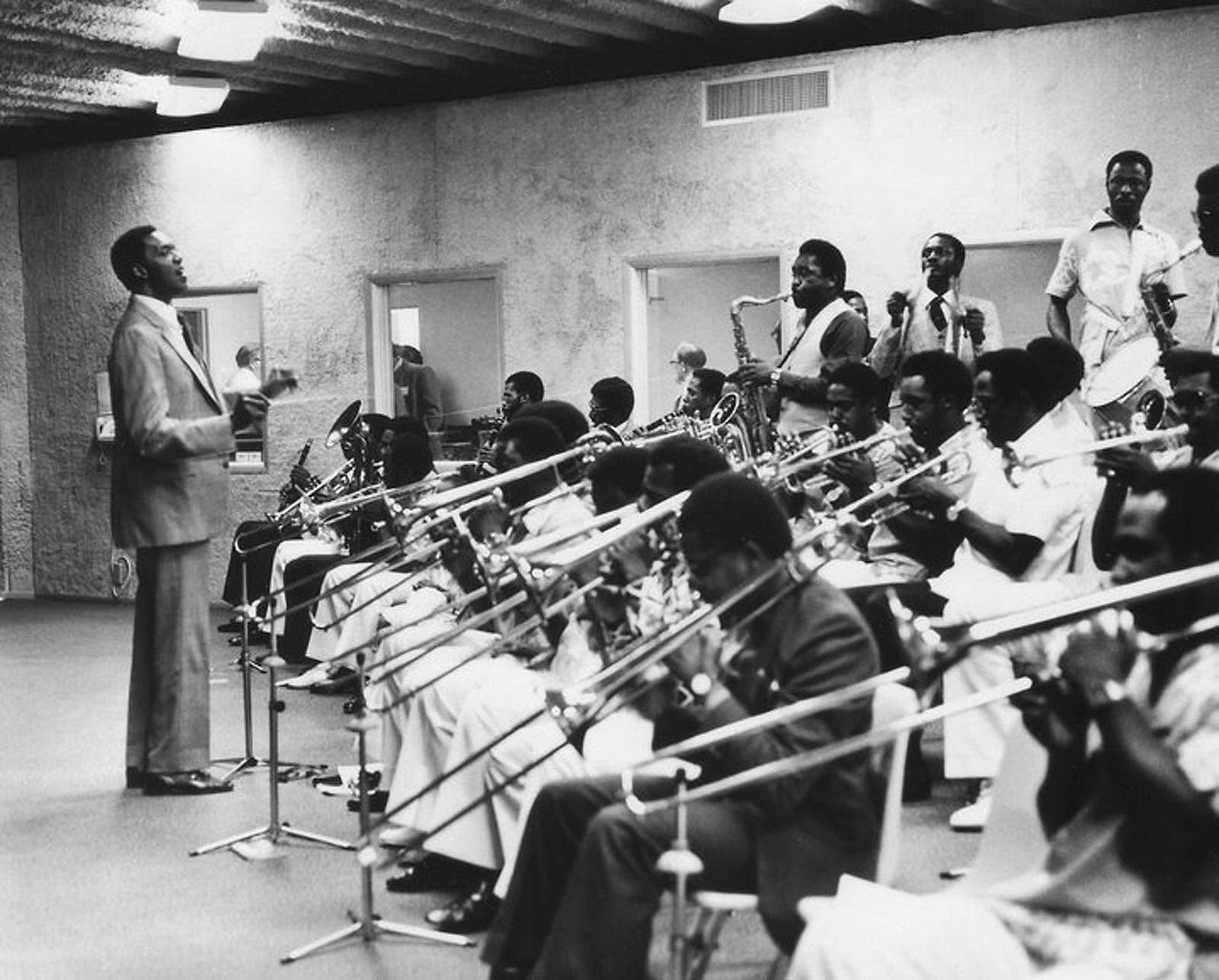 and honor Turks and Caicos men who helped establish and develop the institution in Grand Bahama.
According to the organizers, the Bahama Brass Band began in 1955 in Pine Ridge, Freeport, with Turks and Caicos Islanders, including the late Deacon Reuben Hall Sr. of Middle Caicos and Jenkins Williams and Mervin Hendfield of North Caicos, among those who helped build its foundation. The band eventually grew to more than 50 men.
The organizers also pointed to the participation of Turks and Caicos men in The Bahamas’ Independence celebrations on July 10, 1973, arguing that their contributions became part of Bahamian history while maintaining strong connections to their homeland.
Supporters say bringing the band home represents an opportunity to honor those pioneers, showcase their regional influence and expose younger generations to an important part of Turks and Caicos history.
However, concerns raised publicly described the invitation as potentially disrespectful to local culture and heritage. Organizers acknowledged those concerns, apologizing to anyone who felt overlooked or offended, while maintaining that no disrespect was intended.
The committee said the event should ultimately unite rather than divide, presenting the band’s history as evidence of the reach and resilience of Turks and Caicos heritage.
PHOTO CREDIT: Bahamas Brass Band
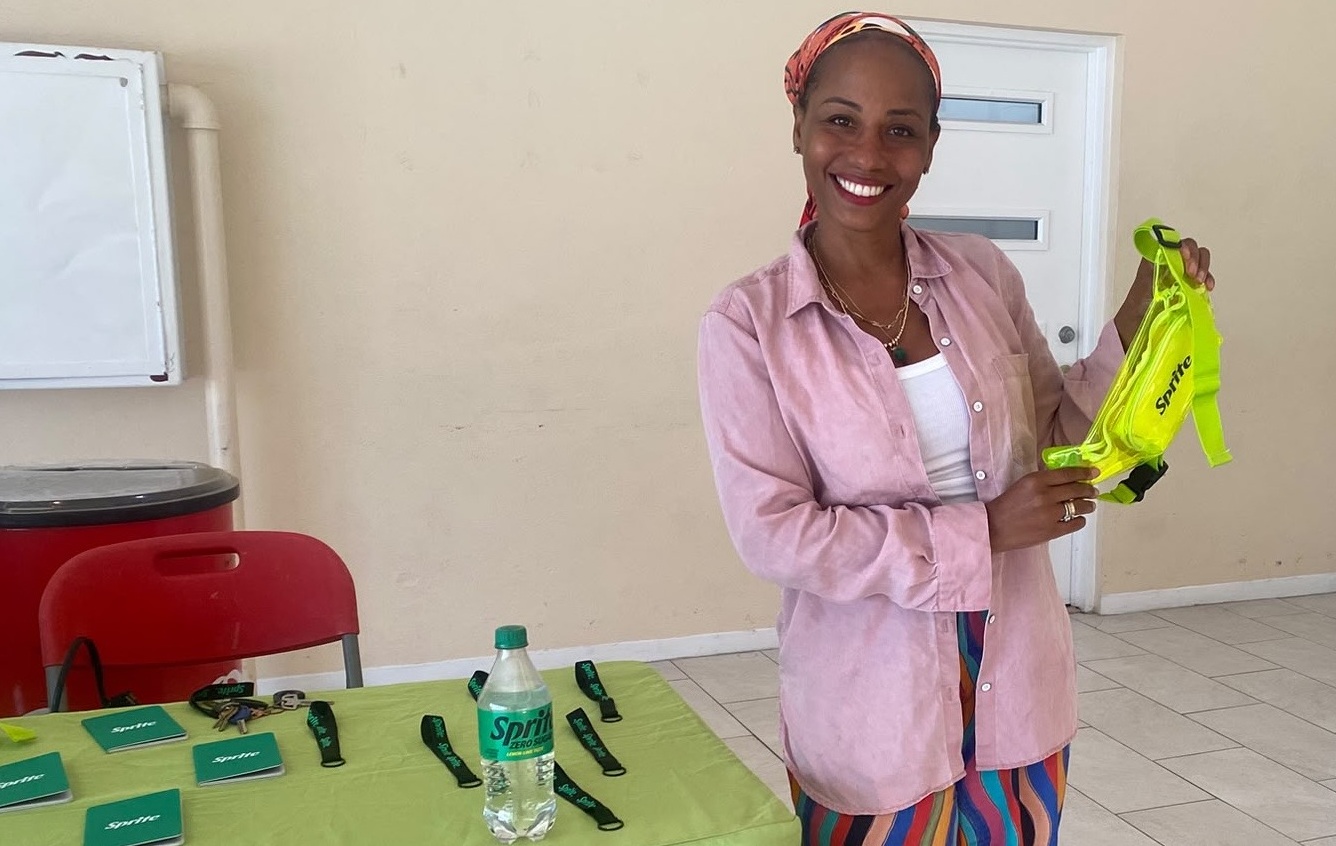
NASSAU, Bahamas — Caribbean Bottling Company (CBC), local producers of Dasani products, proudly sponsored the fifth annual, Caribbean Hoopfest.
The tournament brings together Bahamian high school basketball teams and visiting teams from the United States for a competitive showcase at the Kendal G. L. Isaacs Gymnasium. Following its inaugural year at the Kendal G. L. Isaacs gym and last year’s event at Loyola Hall, the tournament returned to the Kendal G. L. Isaacs gym this year.
During the weekend tournament, CBC kept athletes well hydrated with in-kind donations of Dasani Water, Powerade and Minute Maid Juices.
During the tournament’s final day, CBC provided additional support by offering Sprite No Sugar samples and inviting attendees to participate in its Spin the Wheel for a chance to win exciting prizes.
CBC was proud to support this incredible event, which provides young Bahamian athletes with valuable exposure to U.S. basketball scouts and coaches. This opportunity gives them the chance to earn scholarships, continue their education, and pursue their basketball careers in the United States.
Event organizer, Donald Francois shared his appreciation for CBC’s support.
“I want to express our sincere appreciation for Caribbean Bottling Company, who has been a tremendous supporter and an important part of the success of our program. Without CBC’s support, Caribbean Hoop Fest would not be able to function at the level it does today. And without Caribbean Hoop Fest, we would not have been able to provide the opportunities that have helped young Bahamian athletes gain exposure and pursue educational opportunities in the United States,” he expressed.
Since the program’s inception, several Bahamian student-athletes have been selected for scholarship opportunities, highlighting the tournament’s growing impact on the development and advancement of young basketball talent in The Bahamas.
They are: Kelvin McDowells – Guard, Wodson Antoine – Power Forward, Justin Lafleur – Guard and Sean John – Guard.
After another successful edition of the tournament, Francois shared what he hopes he and Caribbean Bottling Company can achieve in the future.
“Our vision is bigger than basketball. We want to use the platform of Caribbean Hoop Fest to educate, develop, and create opportunities for young people and their families throughout the Bahamas. With individuals and organizations committed to our mission, we believe we can continue to grow the program and make an even greater impact,” Francois said.
For more details on community support, events and new products visit Caribbean Bottling Company at www.cbcbahamas.com today.





-
 News1 week ago
Starlink Gets 15-Year TCI Licence; Commission Reveals Fees, Future Flow and Digicel Partnerships
-

 News1 week ago
Building a Stronger Royal Turks and Caicos Islands Police Force through Change and Capacity Building
-
 Independent writer1 week ago
A Second Chance Through Service: Is the TCI Regiment an Untapped Tool for Rehabilitation?
-

 News1 week ago
Flow Strengthens Network Leadership in TCI
-

 News1 week ago
GOLDEN MESSAGE: REMEMBER, REPENT, RETURN
-

 Education17 hours ago
Department of Education Concludes Four-Day TCI National Standards Secondary School Curriculum Implementation Training
-
 News18 hours ago
UNDER 40 DAYS: COMMITTEE FORMED—BUT WHO IS ON IT?