
News
Bold Theft; were Police really siding with the Crook?


By Deandrea Hamilton & Dana Malcolm
Editorial Staff
#TurksandCaicos, April 7, 2022 – The Professional Standards Team of the Royal TCI Police Force has opened an internal review of whether members of the Force carried out proper operating procedures in response to a robbery in progress report.
Police Commissioner, Trevor Botting in response to Magnetic Media questions confirmed that a complaint from a homeowner has, “raised concerns with how the matter has been handled and our professional standards team is looking into the issue.”
The matter about which the Commissioner is responding involves a homeowner in eastern Providenciales who, on CCTV camera, caught two men ripping him off; they were about to make off with all of his plywood.
His alarm system triggered the alert and brought him to the scene where he was able to block in the white flatbed truck which was without plates and appeared to be unlicensed as Police, who had already been called, were on their way.
Those CCTV cameras were installed after the man suffered a previous robbery. He could not prevent the escape of one of the suspects but the other, the truck driver, remained at the scene.
The Police arrived and the homeowner thought the incident would be wrapped up, a straight forward open and shut case, but he was sadly mistaken.
After one suspect ran off into bushes and got away, the driver who stayed behind made repeated requests that his truck be released to him.
The man, who had also issued the CCTV video to the Commissioner of Police explained to Magnetic Media that he lost confidence when the responding officers seemed to side with the ‘thieving’ driver of the truck.
Police said, according to the complainant, the man was merely the driver and should get his truck.
The CCTV video clearly shows two men brazenly loading, sheet by sheet, the plywood from a stack in the yard to the bed of the truck.
The home owner, who told us about the ordeal on Friday April 1, explained he had to remind Police about the video which clearly showed the driver was an accomplice and co-conspirator.
What would follow would be more missteps by Police including showing up late to take the homeowner’s statement at the Grace Bay police station and despite being warned, entering his homeowners property without his permission in another attempt to extract the truck
While they claimed it would make up evidence, the man demanded a court order and said he discovered that at the time, the CID was not even aware of the matter.
For the homeowner his other concerns were that the police seemed to be in league with the thief, that according to him the criminal investigation department was not more immediately alerted to the brazen theft and that officers easily ignored his right to privacy presenting no court order to remove evidence in an attempted theft caught on camera.
Additionally, at least one Police officer when asked by Pastor Pedro Williams, who was called to the troubling scene when an unauthorized wrecker was trying to pull the criminal’s truck out of the victim’s yard, was curt and disrespectful toward the well-known church leader.
“This is a story that needs to be brought to the public. Not for me but for the public because the public needs to understand their rights. We need to understand when the police are overstepping their boundaries. If it was someone else, this situation would have gone differently because people see the uniform and a badge and they run scared.”
The homeowner is also calling upon Police to initiative an information campaign to make citizens more aware of their rights; detailing how Members of the Royal TCI Police are supposed to act and what they are allowed to do when tending to a crime scene.
“I am not out to say shame the Police I just want people to understand this is your right, you have authority…”
The Commissioner, in that reply to Magnetic Media informed there has been an arrest in the case.
The Police should go another step further and make this individual known to the general public by exposing his identify upon formal arraignment.
According to the homeowner who shared his story, due to the massive increase in the cost of building materials, theft of supplies has spiked and is plaguing his Community.








News
Beaches Turks & Caicos resort hosts high school tourism clubs from Providenciales and North Caicos
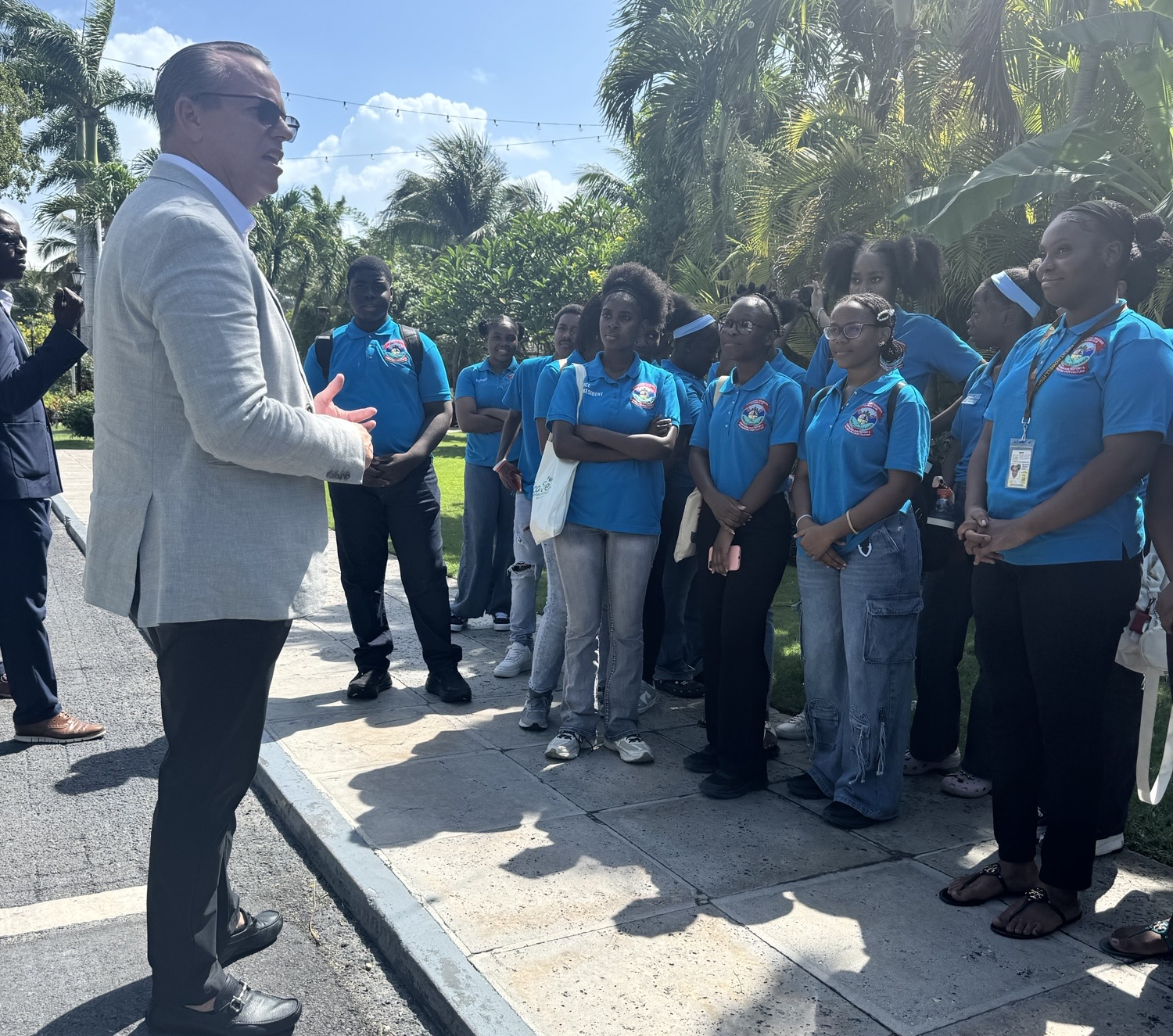
PROVIDENCIALES, Turks & Caicos Islands: Beaches Turks and Caicos Resort recently welcomed students from Clement Howell High School in Providenciales and Raymond Gardiner High School in North Caicos for an immersive educational tour designed to expose young learners to the dynamic world of hospitality and tourism.
The visit formed part of the resort’s ongoing commitment to youth development and community engagement, providing students with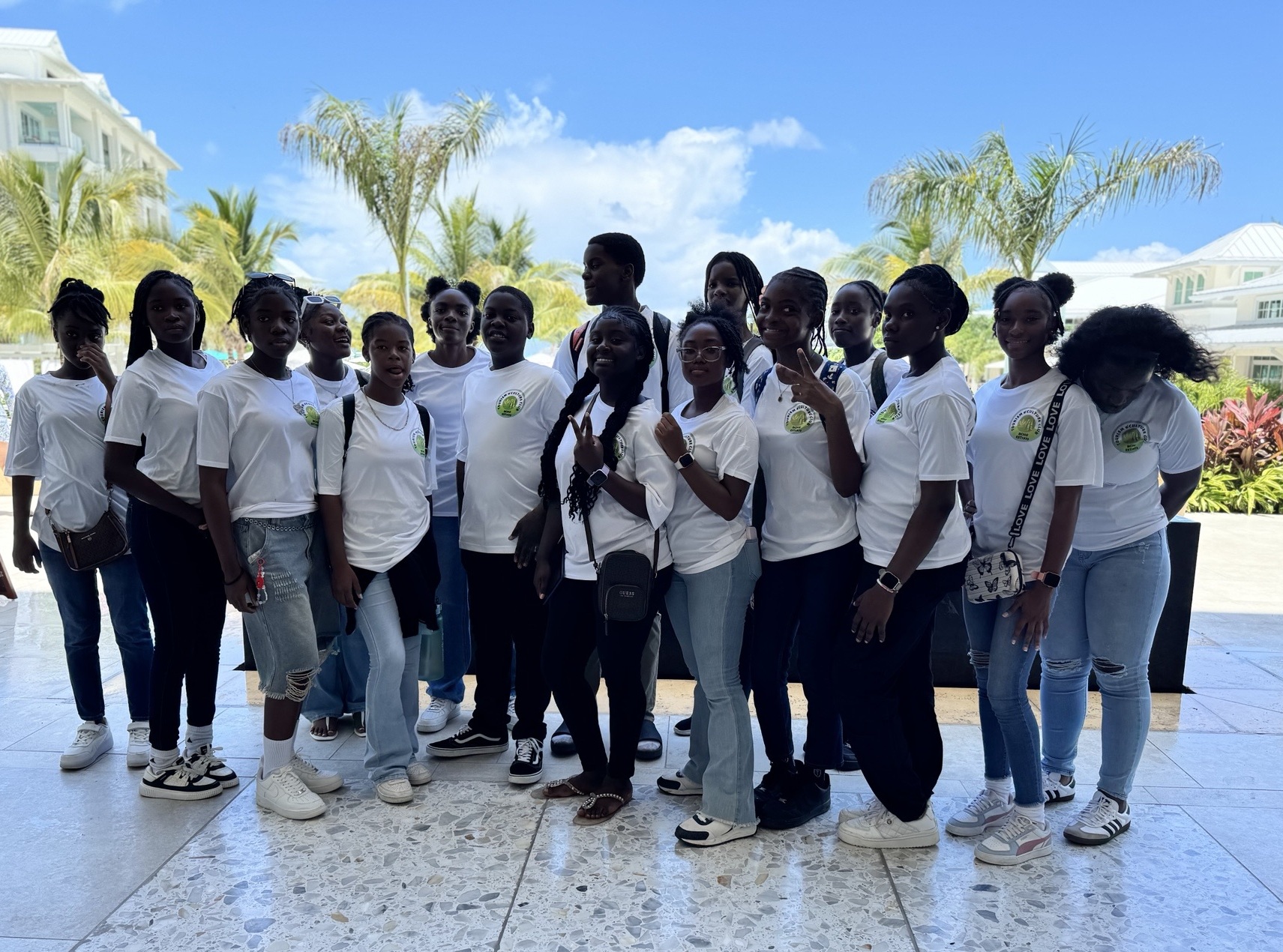 insight into the operations of the Caribbean’s leading hospitality brand. During the tour, students were introduced to various departments across the resort, gaining a deeper understanding of the wide range of career opportunities available within the industry.
General Manager Deryk Meany addressed the visiting students, encouraging them to think creatively about their future career paths and to remain open to exploring non-traditional roles within the hospitality sector.
“The hospitality industry is constantly evolving, and there is space for innovation, creativity and leadership at every level,” Meany shared. “At Beaches Turks and Caicos, we are proud to provide opportunities for young people to jumpstart their careers, while also developing the skills needed to grow into future leaders.”
The local youth engaged with team members across multiple disciplines, including guest services, food and beverage, entertainment and operations.
Kawanza Morley, Tourism Club leader at Raymond Gardiner High School, expressed appreciation for the experience, noting its value in reinforcing students’ academic learning.
“This visit allowed our students to see firsthand how what they learn in the classroom translates into the operation,” Morley said. “We are grateful to Beaches Turks and Caicos for their hospitality and for creating such a meaningful and engaging experience.”
Educators accompanying the students also highlighted the importance of continued collaboration between schools and industry leaders. Raphael Delpeche of Clement Howell High School commended the resort for its ongoing support of youth development initiatives.
“We are very pleased with the level of exposure our students received,” Delpeche stated. “This relationship continues to create valuable opportunities for our students to better understand the industry and envision their future within it.”
For many students, the tour provided inspiration and a renewed sense of possibility. Tamani Gardiner, a fourth form student from Raymond Gardiner High School, remarked on the professionalism and efficiency observed throughout the resort. “I was really impressed by how smoothly everything operates,” Gardiner said. “The level of professionalism from the staff shows what it takes to succeed in this industry.”
Similarly, Clement Howell High School student Tanika Lightbourne shared her enthusiasm for continued involvement with the resort through its internship programme.
“I’m looking forward to returning to Beaches Turks and Caicos for another year of internship,” Lightbourne said. “This experience has helped me grow and I’m excited to keep learning and developing as a young professional.”
Through initiatives like these, the resort continues to play a vital role in empowering youth across the Turks and Caicos Islands and preparing them for meaningful careers in one of the country’s most important industries.
Photo Caption (insert): Students from the Raymond Gardiner High School pause to capture a photo moment at the Treasure Beach Village overlooking the infinity pool during their recent resort tour and educational experience
Caribbean News
Sandals® and Beaches® Resorts Launch Rebranded Loyalty Program, ‘Island Insiders Club’

~All-inclusive resort company elevates rewards program, offering expanded benefits and member-only events & experiences, rooted in the spirit of the islands~
MONTEGO BAY, JAMAICA, July 2, 2026 — Sandals and Beaches Resorts unveiled today the introduction of its new Island Insiders Club, the next chapter of its refreshed loyalty program. Replacing the long-running Sandals Select Rewards program (established in 2008), the new program is designed to elevate the guest experience with a more immersive approach to awards and recognition. Effective July 1, 2026, the transition will preserve members’ current status and existing benefits, while expanding access to enhanced rewards, exclusive events and enriched experiences that bring members closer to the Caribbean.
“We are expanding how loyalty shows up across every stay to encapsulate what our loyal members already are — an inside part of the Sandals and Beaches family,” stated # SVP of Loyalty at Unique Vacations, Inc., worldwide representative of Sandals and Beaches Resorts. “We developed this program side-by-side with the guests who know the resorts, the islands, and the people best, drawing on extensive focus groups, surveys, and direct feedback. The result is a loyalty experience that goes far beyond points, and is felt in every welcome home.”
Guests can enroll in Island Insiders Club before their very first visit, and begin earning status after their first stay. The program features seven levels of loyalty, the highest being Ambassador, followed by Pearl, Diamond, Emerald, Sapphire, Coral and Shell (which replaces the former Select tier).
More Access. More Recognition. More Caribbean.
Sandals Select Rewards members will roll over to the Island Insiders Club on July 1, 2026, maintaining their status and benefits with no reset.
Island Insiders Club highlights include:
- Choice of Insider Reward: A flexible credit that lets Insiders choose the experiences that best match their vacation style, from relaxing at the Red Lane Spa to embarking on an adventure with Island Routes.
- The Insiders Shop: A private online merchandise store featuring premium collections and limited-edition drops, including handcrafted artisanal pieces, available exclusively for Island Insiders.
- Room Upgrade Hotline: Now available exclusively for members, Insiders can request a room upgrade 30 days prior to travel and receive up to 50% off their upgrade when they call a dedicated number.
- Dedicated VIP Concierge Line: A one-stop, full-service customer care team supporting Diamond, Pearl, and Ambassador members throughout their vacation journey, helping to book their flights, tours, special requests and more.
- Expanded Insider Experiences, On and Off Resort: Exclusive Insider events including specialty weeks focused on diving, autism inclusion, and culinary experiences on resort. Plus, access to a series of experiential events across the globe.
- 20% off Managers Wine List Discount: Returning members receive 20% off the Manager’s Wine List, offering another elevated touch for dinners, celebrations, and special moments on resort.
- $200 Laundry Service Credit: Ambassador members will receive a $200 laundry service credit, adding an extra layer of ease and convenience to longer stays.
- Complimentary Week Stay: A complimentary 7-night stay at any resort of choice is awarded to members after every 70 paid nights.
- New Member Incentive: Those “newly inside” who book and travel will receive 5,000 bonus points after their first stay.
As always, Insiders enjoy special access to cabanas, a complimentary photo on every trip, member discounts on everything from retail and watersports to candlelight dinners, and added savings on future stays at the loyalty lounge.
New Name, New Look and a Nod to Nostalgia
The Island Insiders Club’s refreshed visual identity is built around a simple pair of sandals, now the signature symbol of Island Insiders Club and a throwback to an Insider tradition that’s been worn for decades, from vintage gold and silver pendants in the early days to the leather necklaces shared at member events today.
The new brand look will roll out across consumer touchpoints in the months ahead, from dedicated Island Insiders Club lounges to on resort signage, marketing and sales channels, digital and more, bringing Island Insiders Club to life through a modern design and multiplatform approach.
An Exclusive Inside Scoop
In true Insider fashion, Island Insiders Club was first unveiled to the brand’s most loyal members during a special “Step Inside Our Sandals” video conference. Designed as an Insider-first briefing, the call gives top members an early look at brand news and upcoming developments. Hosted by Peter Menges, the event walked members through the highlights of the new program, what to expect, and the refreshed look and feel of Island Insiders Club, before Sandals and Beaches Resorts’ Executive Chairman Adam Stewart gave an exclusive look at what’s next and the reimagining of three iconic Sandals Resorts in Jamaica.
For more information about Island Insiders Club or to become a member, visit: www.sandals.com/islandinsidersclub.
Go behind-the-scenes of the Island Insiders Club with Peter Menges on the Sandals Palmcast and read the latest on the Sandals blog.

GEORGE TOWN, Cayman Islands – A young man who learned to play hockey on Cayman Islands’ only roller hockey rink has achieved
what once seemed impossible—becoming the first Caymanian ever selected in the National Hockey League Draft.
Eighteen-year-old Jaxon Cover was chosen 32nd overall by the Ottawa Senators, making him the final first-round selection in the 2026 NHL Draft and the first player from the Cayman Islands to hear his name called by an NHL franchise.
The achievement is remarkable not only because of where Cover comes from, but because of how recently he began playing on ice.
Growing up in Grand Cayman, Cover developed his skills playing roller and ball hockey, as the islands have no permanent ice rink. He did not lace up ice skates until he was 13 years old, yet within just five years had developed into one of the world’s top junior prospects.
Last season, the talented right winger starred for the London Knights of the Ontario Hockey League, recording 52 points on 20 goals and 32 assists in 67 games, performances that caught the attention of NHL scouts.
His mother, Nanalie Cover, described the family’s emotions as “very thankful, grateful and humbled,” adding that she hopes her son’s journey becomes “a symbol of what we can do, and what is possible for all, irrespective of where they originate.”
The Cayman Islands Government also hailed the milestone, saying Cover had “redefined the boundaries” of Caymanian sport and demonstrated the limitless potential of the nation’s young people.
Minister for Youth, Sports, Culture and Heritage Isaac Rankine called the draft selection “a proud and historic moment for the Cayman Islands,” saying Cover’s success will inspire a new generation of athletes to pursue their dreams, no matter how unconventional the path.
For a country better known for beaches than ice rinks, Jaxon Cover’s remarkable rise proves that talent, determination and opportunity can overcome even the most unlikely beginnings.
From a roller rink in the Caribbean to the bright lights of the NHL, Cayman has produced its first hockey trailblazer—and perhaps not its last.





-

 Bahamas News1 week ago
He’s Not Dusting Off Yesterday’s Plan… He’s Trying to Rebuild Government
-

 News7 days ago
Turks and Caicos Islands Expands US Reach with New United Airlines Denver Route
-

 Bahamas News4 days ago
Diamond Stubbs, 17 • Betrica Brown, 19 • Stania Webb, 19 • Fourth victim yet to be identified
-

 News7 days ago
DDME Hurricane Preparedness Expo, Huge success in The Nation’s Capital
-

 Bahamas News1 week ago
Twist of Timing Shifts Focus in Jonathan Gardiner Case
-

 Crime1 week ago
Human Trafficking Probe Revealed as Police Warn of Growing Teen Crime Concern
-

 News4 days ago
Paper Work Permit Applications End July 1 as TCI Goes Fully Digital
-

 Caribbean News3 days ago
Migration Is No Longer Just About Borders