
News
REDEMPTION: Providenciales Int’l Airport “Much Better Organised” for Travellers


By Deandrea Hamilton
Editor
#TurksandCaicos, March 29, 2022 – In its busiest weekend handling 13,000 travellers, the Providenciales International Airport (PLS) scored sky high marks for performance after a dismal rating just seven days before.
“Yes, it was much better organised. Long lines still, but better organized,” said a worker who was able to feel the island breezes swirling through the departure area of the airport; a young woman getting off for the day and seemingly happy to offer a positive analysis.
A week earlier, the congestion was so thick, no winds could fan the passengers or employees and there would be nowhere to stand and engage in friendly banter.
Last weekend the congestion was labelled “horrendous” and an “emergency.” This past weekend, there was the kind of order more befitting one of the Caribbean’s fastest-growing, luxury destinations.
“The TCIAA met with several industry stakeholders (TCIG, the Tourist Board, TCHTA, airline representatives, and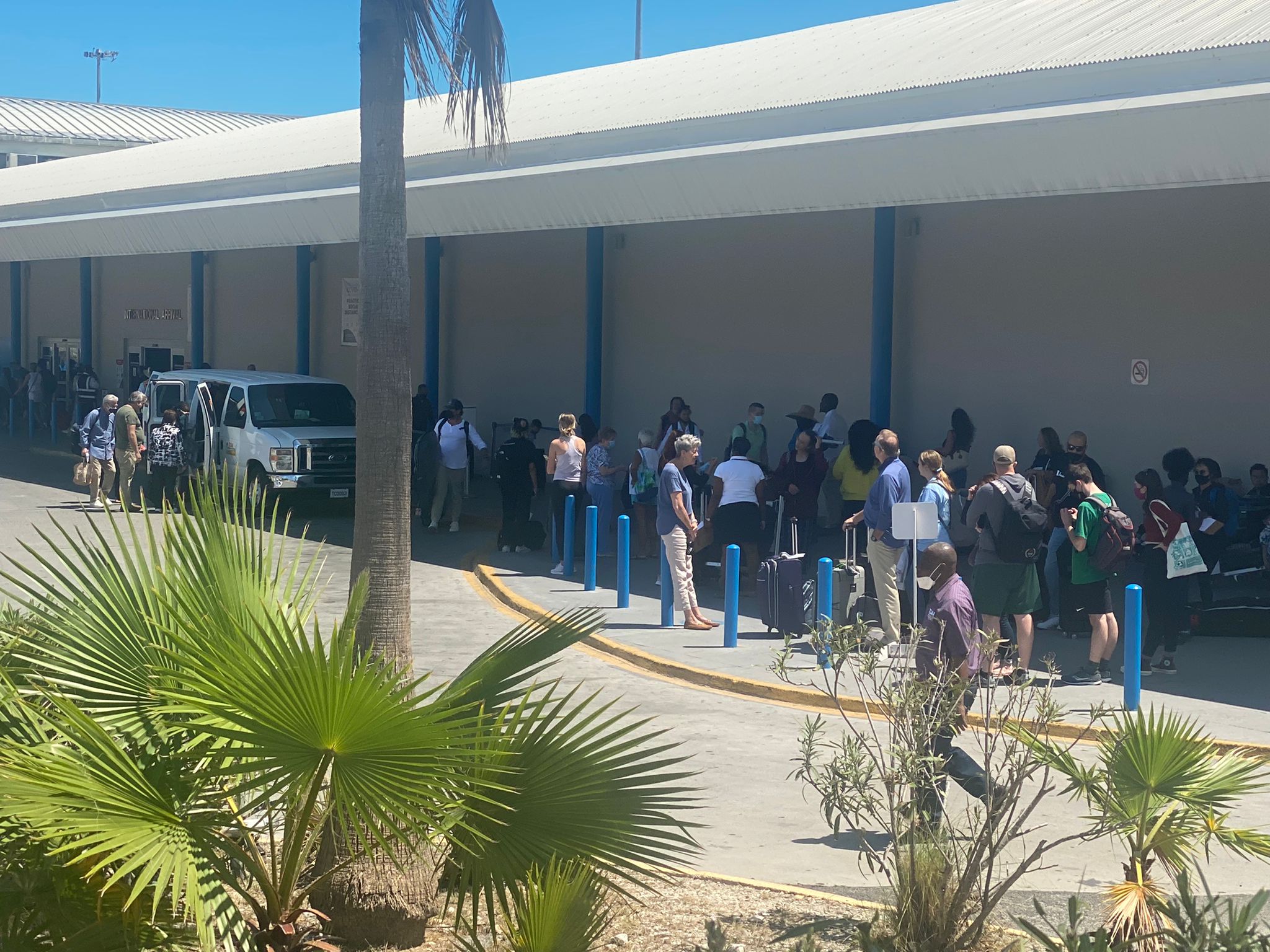 operators in a web conference on Wednesday, March 23rd, 2022.”
That meeting resulted in a collaboration which has turned lemons into lemonade.
Managers of the country’s airports, the Turks and Caicos Islands Airports Authority (TCIAA) had rolled out a needs assessment list to the general public and met with stakeholders to create a plan.
While all elements of the plan did not materialize in time for weekend buzz, the string of ideas woven together in that virtual meeting compensated well to give the passengers an overall improved experience in arrivals and departures.
A key change which enabled the relief; reducing the length of time passengers actually spent at the airport.
“Several hotels have agreed to delay check-out or transport departing guests to the airport to avoid congestion in the check-in area during peak hours. To this end, the TCIAA encourages persons traveling this weekend to arrive no earlier than two (2) hours and no later than one (1) hour before their departing flight. In addition, the TCIAA and Airlines will be working together to assist persons during check-in to ensure that no one misses their scheduled flight,” said the TCIAA in a statement issued on Friday.
Our news organisation’s observation on Sunday, included passenger queues which were clearly defined for airline check-in and security check points. More workers including volunteers who were assigned to guiding and supporting passengers were easily identified and included student interns from the Clement Howell High School Tourism Club.
There were no lines hanging out of the terminal building, no guests seated on the ground as they waited to depart the country and more regard for a healthy environment given that, officially, the Coronavirus Pandemic is not over.
Tents were erected outside the departure are in the event of an overflow.
Less crowding also meant less heat and with the open-air concept of the Providenciales International Airport departure lounge, which is not an air-conditioned space, it was vital that congestion be reduced to ensure comfort was heightened.
On Saturday, “there was live music playing” as had been the promise. It was also agreed guests would receive complimentary drinks.
An air-conditioned tent was one of the plans which fell through; it was due to be set up on the airside of the PLS.
Interim CEO of the TCIAA informed that without the tent when guests arrive, it would be another “tough weekend.”
“Our tent plan will not be in place today as expected. Our contractor was delivering a different concept to our expectation. We will work through this over the weekend,” said Godfrey Smith, TCIAA CEO.
Still, processing of arriving guests was to benefit from better co-ordination. With the assistance of the Deputy Governor’s Office and the Ministry of Border Services, a revised approach came into play.
“Border Control Services (Immigration and Customs) will schedule additional staff to assist with the processing of inbound passengers. In addition, local airline agents will liaise with their respective airlines to ensure that passengers possess the required forms for processing through Border Control before arrival in the TCI. The TCIAA will also ensure that additional forms and pens are available from within the airside holding tent to allow passengers to complete the required documents before entering Providenciales International Airport Turks and Caicos Islands Tel: 649.946.4420 Web: www.tciairports.com Email: nikeva@tciairports.com FB: www.facebook.com/tciairports Twitter: @tciaa the Immigration Hall. Health status cards for arriving passengers have been discontinued since December 1st, 2021,” was explained in the March 25, statement.
The FastTrack service offered by the PLS for a premium price fell far short however.
“There were not enough FastTrack hosts to handle the number of travellers who paid for it. They’re going to have to do something about that,” explained one woman who saw multiple FastTrackers agitated by the inability to get the service expected.
The real issue at the PLS is no secret. The airport is grossly undersized, and despite a $10 Million make-over which increased the parking apron, improved the airplane runway and doubled the size of the terminal building, the country’s #1 airport gateway is not fit for purpose.
Government has informed that it will take upwards of $350 Million to create a more ideal airport facility; but its fruition is at least four years down the road.
An immediate or interim solution has not been announced.
The TCIAA and its partners will however have other opportunities to fine tune its service at the Providenciales International Airport, as resorts have confirmed that bookings for April 2022 will top March 2022, for another record-setting month in tourism.










Education
Department of Education Concludes Four-Day TCI National Standards Secondary School Curriculum Implementation Training
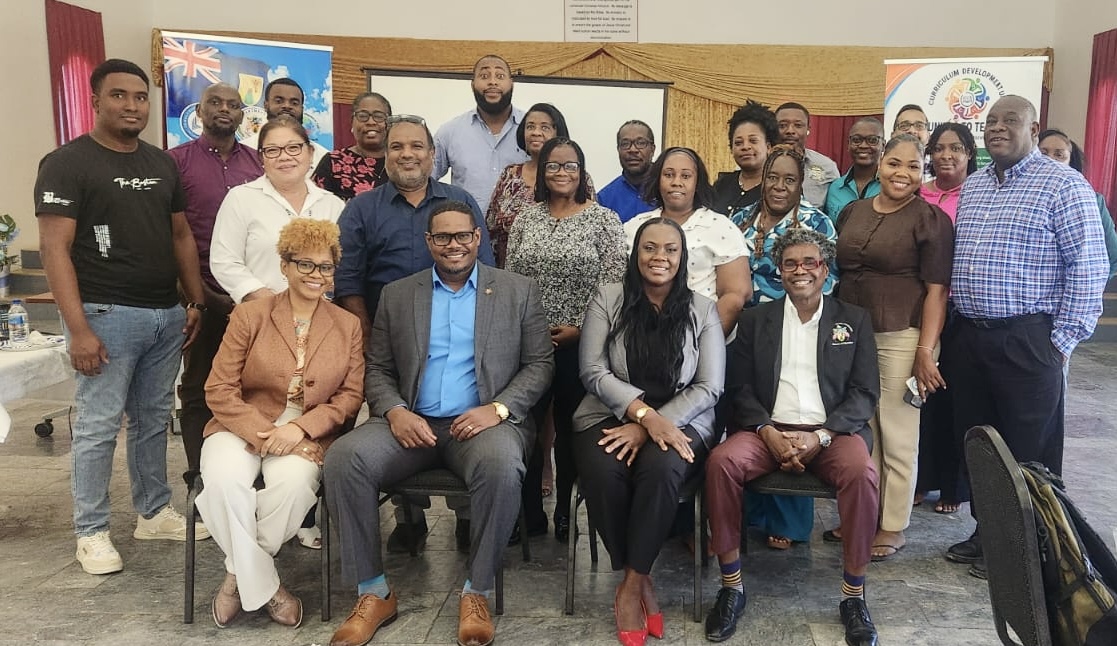
Providenciales, Turks and Caicos Islands: The Department of Education, through its Curriculum Development Unit, successfully concluded a four-day TCI National Standards Secondary School Curriculum Implementation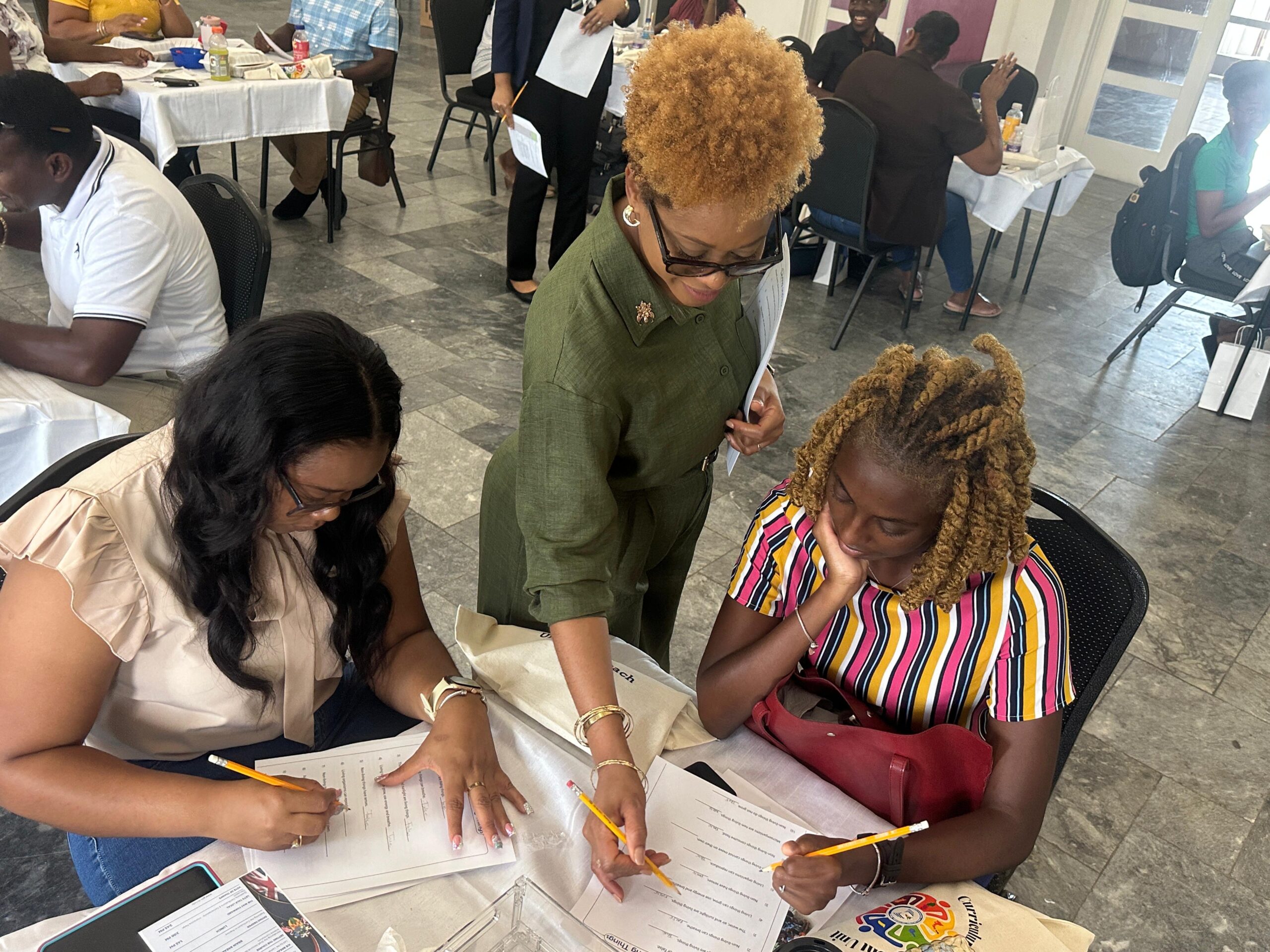 Training, bringing together secondary school teachers, curriculum officers, education officials, facilitators and key stakeholders in preparation for the piloting of the Turks and Caicos Islands’ draft national secondary curricula.
The training focused on Social Studies, Mathematics, English Language and General Science. Teachers explored the draft curricula, learning objectives, content, instructional approaches and assessment expectations, while considering how the standards can be translated into meaningful classroom practice. The curricula are grounded in research, educational data, national priorities, comparative curriculum analysis and the distinctive context of the Turks and Caicos Islands.
The Honourable Rachel Taylor, Minister of Education, Youth, Sports and Culture, commended Mrs Cleon Astwood, Head of the Curriculum Development Unit, and her team for their dedication and the significant progress made in developing the National Standards Curricula for secondary education. She also recognised the invaluable contribution of educators across the Turks and Caicos Islands, whose professional expertise, classroom experience, and feedback are essential to ensuring that the curricula are relevant, responsive, and aligned with the evolving needs of TCI learners.
“The development of our National Standards Curricula is an important investment in the future of our children and, ultimately, in the future of the Turks and Caicos Islands. Education must continue to evolve to meet the changing needs of our learners, our society, and our economy. Our teachers are at the heart of this process. Their knowledge, professional experience, and insight from the classroom are critical to ensuring that the curricula we develop are academically sound, relevant to our local context, and practical to implement. I commend our Curriculum Development Unit and our educators for the tremendous work being undertaken and for their continued commitment to strengthening the quality of education we provide to every child in the Turks and Caicos Islands.”
Educators were also addressed by Mr James Astwood, Permanent Secretary; Mr Mark Garland, Director of Education; and Ms Elisann Delancy, Deputy Director of Education, who emphasised embracing change, professional collaboration and continuous improvement.
A central focus of the training was the role teachers will play during the pilot phase. Teachers were encouraged to critically engage with the draft documents, paying attention to the clarity and appropriateness of objectives, sequencing and progression, instructional time, resources, gaps, omissions and areas requiring clarification or revision. Their classroom experiences and documented feedback will help strengthen the curricula before finalisation and national implementation.
The Social Studies session also emphasised Local Studies. A panel featuring Mrs Lisa Talbot of the Turks and Caicos National Museum, Dr Carlton Mills, Mrs Joan Astwood-Sutton and Ms Cynclair Musgrove provided historical and cultural perspectives to support accurate, culturally relevant classroom instruction.
Mrs Cleon Astwood noted: “Curriculum development cannot take place in isolation from the teachers who will ultimately bring these documents to life. As they pilot these documents, we expect them to question, test, reflect and provide meaningful feedback. Constructive professional dialogue is necessary if we are to produce strong, relevant curricula that genuinely meet the needs of our students and our education system.”
With the training concluded, participating teachers will now implement and evaluate the draft curricula in authentic classroom settings, document strengths and challenges, and submit recommendations to the Curriculum Development Unit. The Department of Education extends its appreciation to all teachers, school leaders, facilitators, historians, stakeholders and Ministry and Department officials who contributed to the successful four-day exercise.
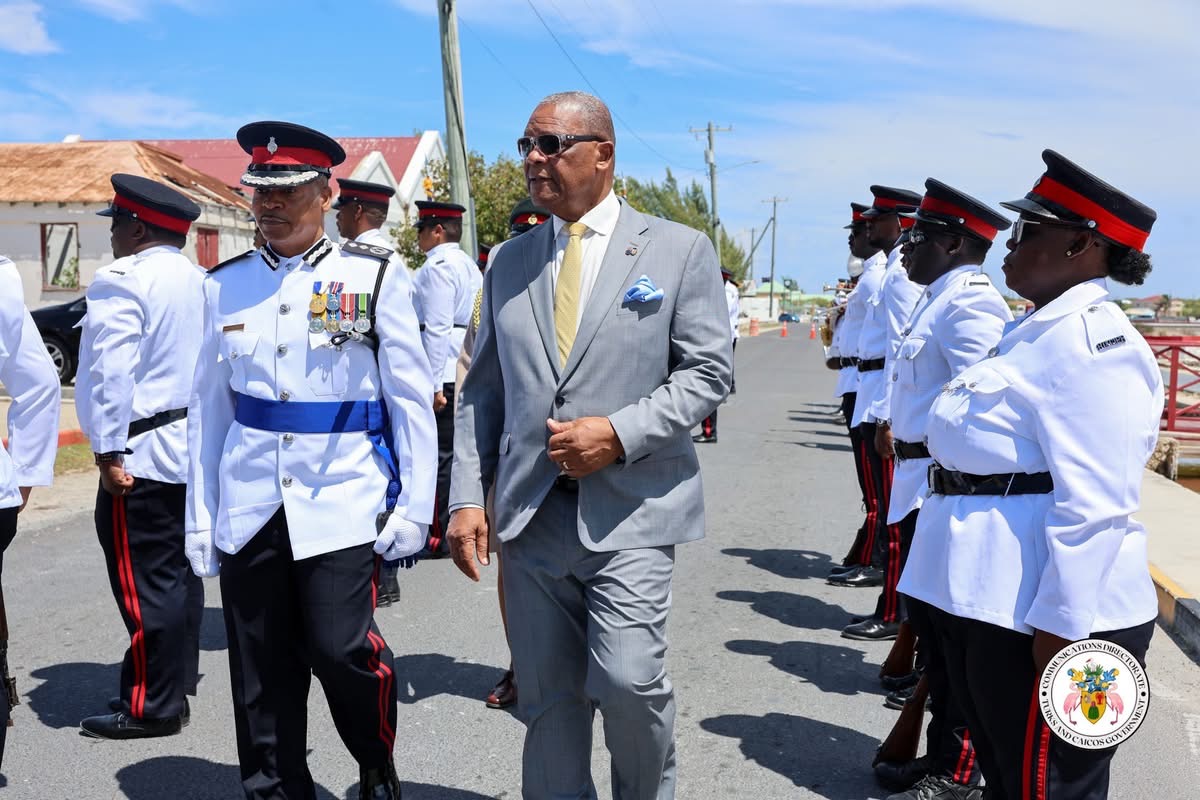
Turks and Caicos, September 11, 2026 – Fewer than 40 days may remain before InterHealth Canada’s reported 90-day handover period expires, yet the Turks and Caicos Islands Government has not publicly identified those steering the hospitals through the transition—or disclosed their mandate, deadlines and work programme.
The September 8 Speech from the Throne offered confirmation that a body exists: “A Joint Transition Committee of Government and Inter- Health has been formed to manage the handover.”
Government acknowledged the gravity of what comes next, declaring: “The immediate duty is clear. Clinical care and facilities services must continue without interruption while successor arrangements are put in place.”
It went further, promising: “Staffing, essential works, critical supplies and interim funding will be handled so that patients are protected during the transition from one contract to the next.”
Opposition Leader Douglas Parnell said the committee was expected to include six representatives from TCIG and six from InterHealth Canada. He claimed the names had been identified, but that the committee had not held its first meeting and no transition agreement had been executed. Parnell demanded publication of its membership, appointments, first meeting date and work programme.
Those claims have not been independently confirmed, but the Throne Speech did not answer them. It declared the committee formed without naming its chair or members, explaining its authority, confirming whether it has met, or setting measurable deadlines.
The distinction is critical. The hospitals are national assets; what is in question is who will deliver and manage the clinical and facilities services now contracted through InterHealth Canada when the arrangement ends.
Health Minister Kyle Knowles has insisted patient care will continue, saying: “We are working diligently to bring closure to this matter,” and maintaining that government can manage the process.
The Throne Speech itself framed the stakes plainly: “The people must be able to reach a hospital they can trust, at a price the country can sustain.”
Government also announced that “A Health Services Authority will be established to oversee primary, secondary and some tertiary level care,” but that authority is still to be established. The longer-term vision, according to the Speech, is “improved local capacity, prevention, transparent provider arrangements, responsible financial control and a workforce equal to the task.”
With the reported October 18 deadline approaching, assurances are no longer enough. The public needs to know who is managing the transition, what they must deliver, when each safeguard must be completed and what contingency exists if a successor arrangement is not ready.
A committee cannot inspire confidence while its composition and work remain invisible.
News
Building a Stronger Royal Turks and Caicos Islands Police Force through Change and Capacity Building

Turks and Caicos, September 4, 2026 – As the world continues to advance, the nature of policing continues to evolve. Criminals are becoming more sophisticated, technology is changing rapidly, and the expectations placed upon law enforcement agencies have never been greater. If we are to remain effective in protecting our communities, we must be prepared to evolve alongside these changes.
It is against this backdrop that the Royal Turks and Caicos Islands Police Force has embarked on a journey of organizational transformation and modernization. Change is not always comfortable, nor is it easy. It requires us to challenge old ways of thinking, review longstanding practices, and sometimes make difficult decisions in pursuit of a better future.
We recognize that change often brings uncertainty and resistance. However, strong institutions cannot remain static. They must continuously adapt to changing circumstances while remaining true to their core mission and values. Our responsibility as a Police Force is to build structures, systems, policies, and capabilities that will endure long after any individual officer leaves the organization.
This transformation is not simply about responding to today’s challenges. It is about building an institution that is resilient, sustainable, and capable of serving future generations.
Central to this transformation is capacity building.
For too long, discussions about organizational effectiveness in policing have focused primarily on equipment and infrastructure. While these remain critical, true organizational strength comes from knowledge, competence, leadership, and institutional capability. Our objective is not merely to fill positions but to develop professionals who possess the expertise, confidence, and leadership skills necessary to navigate increasingly complex policing environments.
The Royal Turks ans Caicos Islands Police Force have made substantial investments in training, leadership development, specialist expertise, and knowledge transfer across the Force. ACP Dr. Terrance Bent, drawing on more than 30 years of policing experience and professional knowledge, will play a pivotal role in driving this organizational transformation. These investments are intended not only to enhance individual capability and performance, but also to strengthen the institutional resilience and effectiveness of the Force. Every officer who undertakes advanced training becomes a valuable source of expertise, mentorship, and leadership, creating a lasting ripple effect that benefits colleagues, teams, and the wider organization.
In this way, capacity building becomes far more than professional development. It becomes the foundation upon which long-term organizational success is built.
Between October 2025 and August 2026, the RTCIPF delivered 63 training courses and programmes, recording 1,289 participant attendances across a broad range of professional development initiatives.
The Junior Command Programme, our flagship leadership development initiative, continues to strengthen supervisory and leadership capacity and offers certification and accreditation for further learning opportunities. Four(4) cohorts have successfully completed the programme since its reintroduction, with the fifth cohort scheduled to conclude on 11 September 2026. To date, fifteen (15) persons from the RTCIPF and the Turks and Caicos Islands Border Force have completed the programme, while six participants are currently undergoing training. An additional 32 personnel remain engaged in ongoing professional development activities.
These investments in our people are already producing measurable results. We are building stronger leaders, enhancing operational capability, improving investigative capacity, and creating a more professional and adaptable workforce. These improvements are helping us create a police service that is better equipped to meet today’s challenges while preparing for those that lie ahead.
Encouragingly, these efforts are being reflected in our operational outcomes. Over the past year, the Royal Turks and Caicos Islands Police Force has recorded a steady decline in serious reported crime, including significant reductions in violent offences and homicides. Murders have fallen from a record high of 48 in 2024 to 27 in 2025, and to just three(3) recorded murders by the end of August 2026. This represents a reduction of 43.8% in 2025 and 93.8% in 2026 when measured against the 2024 baseline. Collectively, this equates to approximately 66 fewer homicides recorded over the period compared to what would have occurred had the 2024 murder rate continued.
Serious crime has also continued on a downward trajectory, decreasing from 551 offences in 2024 to 502 in 2025, with 210 offences recorded by the end of August 2026. Based on current trends, serious crime is projected to end 2026 at approximately 315 offences, representing a reduction of 42.8% compared with 2024.
These achievements are a testament to the dedication of our officers, the support of our partners and the cooperation of the communities we serve. The results demonstrate the positive impact of sustained investment in our people, targeted enforcement initiatives, intelligence-led policing and strong community partnerships.
While we are encouraged by this progress, it would be disingenuous not to acknowledge the challenges that remain.
Our officers continue to operate under demanding circumstances. There are genuine concerns regarding facilities, technology, equipment, uniform supplies and other resources necessary to support effective policing. These are not mere inconveniences; they are operational realities that can affect our ability to deliver services at the standard both the public and our officers deserve.
We acknowledge these concerns and are committed to addressing them. To support this effort, the Force has engaged Mr. Rohan Richards as Chief Operations Officer. Drawing on his extensive expertise and operational experience, Mr. Richards will provide strategic guidance and oversight to identify areas for improvement, strengthen organizational efficiency, and help drive the changes necessary to enhance the effectiveness, resilience, and capability of the Force.
The acquisition of modern technology, fit-for-purpose workspaces, specialized equipment and adequate operational resources remains essential to achieving our modernization objectives. Budgetary constraints continue to present challenges, and we will continue to advocate strongly for the investments required to equip the Force for the future.
However, while we pursue the resources we need, we cannot allow the absence of resources to define who we are. Our identity is shaped not by the equipment we possess, but by the professionalism, dedication, and resilience of the people who serve.
Every success achieved by this Force has been made possible through the determination, commitment, and sacrifice of the men and women who serve this organization and by extension, the people of the Turks and Caicos Islands.
Too often, the public sees the uniform but not the person behind it. They do not always see the long hours, the missed family occasions, the difficult decisions, or the emotional burden that policing can impose. Yet every day, our officers continue to answer the call of duty with professionalism, courage, and unwavering commitment.
As an organization, we have a responsibility to support our people by investing in their development, recognizing their contributions and creating opportunities for growth. Morale is strengthened when individuals feel valued, respected and empowered to succeed.
That is why our modernization programme places people at its heart. Every course completed, every skill acquired, every leadership opportunity created, and every improvement in working conditions is an investment in the people who make this organization successful.
While building capability and reducing crime remain essential priorities, public trust and police legitimacy are equally important.
The appointment of an Inspector General Alison Woods reinforces our commitment to ensuring that accountability is not merely an aspiration but a reality. It provides an independent mechanism through which allegations of police misconduct can be examined fairly, impartially, and transparently. This oversight role strengthens public confidence while supporting the professionalism and integrity of the overwhelming majority of officers who serve honourably each day.
At the same time, it is important to recognize the dangers that officers continue to face in the execution of their duties. Criminals remain willing to confront law enforcement, particularly during responses to firearms-related incidents.
A recent shooting involving several underage males serves as a stark reminder of this reality. Incidents such as these highlight the complex environment in which officers must operate, balancing accountability and transparency while confronting individuals who are often armed and prepared to engage in serious criminal activity.
For this reason, our focus has increasingly shifted from short-term gains to long-term sustainability. The true measure of success is not whether crime falls during my tenure as Commissioner. Rather, it is whether the systems, structures, and capabilities we are building today are strong enough to sustain that success long after my tenure has ended.
Building institutional resilience also means investing in the next generation of police officers. While developing our existing workforce remains a priority, we continue to focus on attracting talented individuals from within our own communities. Recruitment remains an important part of this effort, and we continue to encourage suitably qualified Turks and Caicos Islanders, Permanent Residency Certificate holders and British Overseas Territories citizens to consider a career in policing.
The future of this organization depends on our ability to identify, develop and retain individuals who are committed to public service, professionalism and integrity. By bringing new talent into the organization while continuing to develop those already serving, we are creating a sustainable foundation for long-term success and ensuring that the progress we achieve today can be maintained well into the future.
My goal is clear: not simply to reduce crime today, but to create the conditions that will keep crime low, communities safe, and public confidence strong for years to come.
Change does not happen overnight. It requires patience, discipline, commitment and collective effort. It requires the support of our officers, our partners, our Government and the communities we serve.
As we prepare for the reopening of schools, the Royal Turks and Caicos Islands Police Force will maintain an increased presence on the nation’s roads to help ensure the safety of students, parents and all road users. Motorists are urged to comply with all traffic laws and exercise patience during peak travel periods. Drivers who create unnecessary congestion or are found in violation of traffic regulations may face enforcement action and prosecution where appropriate.
Together, we are building more than a modern police service. We are strengthening an institution, safeguarding our progress, creating opportunities for our young people, and laying the foundation for a safer and more secure Turks and Caicos Islands for generations to come.
The men and women of the Royal Turks and Caicos Islands Police Force are our greatest asset. They remain the driving force behind every success we achieve today and every success this organization will achieve in the future.
Stronger Together, serving the citizens, residents and visitors of these Beautiful by Nature Turks and Caicos Islands.





-

 News1 week ago
Building a Stronger Royal Turks and Caicos Islands Police Force through Change and Capacity Building
-
 Education1 day ago
Department of Education Concludes Four-Day TCI National Standards Secondary School Curriculum Implementation Training
-
 News1 day ago
UNDER 40 DAYS: COMMITTEE FORMED—BUT WHO IS ON IT?