
Bahamas News
BAHAMAS: The healthcare system faced with aged health facilities

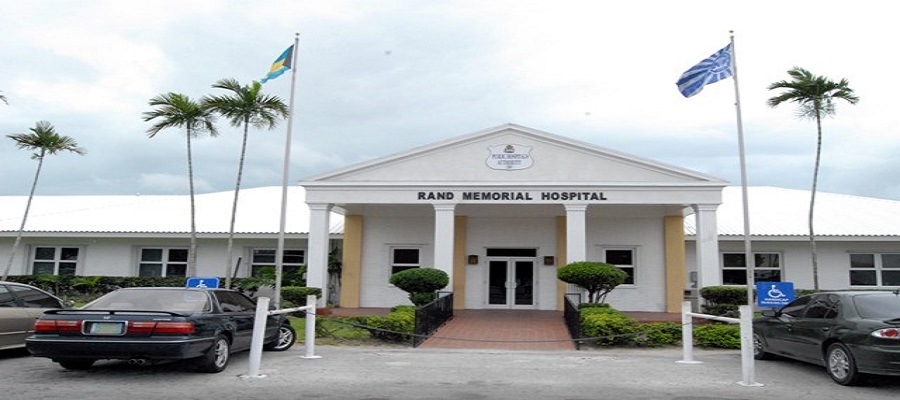
#Bahamas, March 13, 2018 – Nassau – Minister of Health the Hon. Dr. Duane Sands said the country’s healthcare system is faced with aged health facilities that were built in the 1980s and have experienced significant natural disasters, as many are close to the coast and vulnerable to environmental hazards.
“We must continually repair to maintain services at our facilities.” Dr. Sands said during his Contribution to the Mid-term Budget Debate in the House of Assembly, Monday, March 12, 2018.
He said the current outstanding projected infrastructure cost for improvement on community clinics approximates some $46,580,000.
“I am pleased to report that the West End Community Clinic opened late last year.”
Dr. Sands explained that this government administration came into office with the side opposite having promised the world in terms of repairs and refurbishment of the healthcare facilities throughout the archipelago.
“We are unable to fund the proposed infrastructure improvements in our clinics as there was no money. Hence, we have had to put many infrastructural projects on hold as the staff work assiduously to ensure our people are cared for in a safe environment.”
He said limited capital development work continues at healthcare institutions. By mid-April, the Corey Newbold Ward in the Princess Margaret Hospital (PMH) will be re-opened following a complete renovation programme to the 40-bed ward. This will reduce the protracted wait times for admissions and theatre services.
The Health Minister said that plans are also underway for the redevelopment of the East Wing block of PMH to reduce the shortages of public ward beds and renovate/upgrade relevant areas for improved access and environments of care for public patients.
Key public patient areas to be addressed are Eye Ward, Maternity Ward, Children’s Ward, and Male Surgical Wards. The consolidation, renovation and upgrade of all Private Services to one area of the hospital is also planned with a view to improving opportunities for revenue generation for the public health authority.

He said, “I am very pleased to report that my Ministry has initiated an Emergency and Urgent Care Services project.
“The overall goal of this important project is to improve my Ministry’s response to the critical needs of residents in New Providence for emergency and urgent care. This multifaceted project will, on the one end, address non-life threatening/urgent care treatment in the community clinics; and on the other end, focus on the Accident & Emergency Department to ensure true emergencies are better accommodated and managed for timely and quality care.”
The urgent care component of this project will begin at the South Beach Health Centre and the Elizabeth Estates Clinic. The project seeks to improve workflows, policies and procedures, information management, customer service, staffing, and availability of services to the population.
More specifically, the project will seek to decompress A&E Department and reduce wait times, overcrowding and upgrade the patient care environment.
Dr. Sands said the renovation and upgrading of the A&E Department at PMH is specifically targeted with emphasis on decanting planning to minimise interruptions to essential services. It is anticipated that the phased renovation will span 12-14 months once initiated.
The Health Minister said, “The Infrastructure Working Group continues to work to establish realistic timelines and budgets for each phase, inclusive of equipment and furniture needs. We are eagerly looking to fast-track the process to begin works within a three-month timeframe.”
Plans for the Rand Memorial Hospital
He noted that at the Rand Memorial Hospital, funds have been identified to execute the upgrading and expansion of much needed clinical space.
This will be achieved following the relocation of the Kitchen and Cafeteria to the property adjacent to the Rand Memorial (former Island Palm Hotel).

A connecting corridor is being constructed between the two properties that will also accommodate physician offices, on-call rooms; and relocated Security and Telephone Services. Additionally, the General Practice and CNCD Clinics are being relocated to the IAT Building (a rented facility) located opposite the Rand Hospital.
He said, “This additional clinical space affords the opportunity to extend the hours of operation for these services from 8:00 a.m. to midnight and institute a patient appointment system.
“This ultimately will improve patient access, satisfaction and reduce wait times. This move will also afford the desired result of better responding to the critical needs in the Accident & Emergency Department at this hospital.”
Plans for Sandilands Rehabilitation Centre
Dr. Sands said at Sandilands Rehabilitation Centre, renovation of the now vacant Child & Adolescent Ward to establish a new Forensic Psychiatry service is expected to meet the current and immediate future needs of this high-risk patient population.
He said, “Historically, 90 per cent of forensic psychiatry patients are referred from the courts and the remaining 10 per cent are transferred from the Bahamas Correctional Services Department.
“Presently, all patients are admitted to SRC’s New Eloise Penn Ward, resulting in severe overcrowding. In the outpatient setting, community forensic services are offered at the Community Counseling & Assessment Centre (CCAC) in a rather limited capacity.”

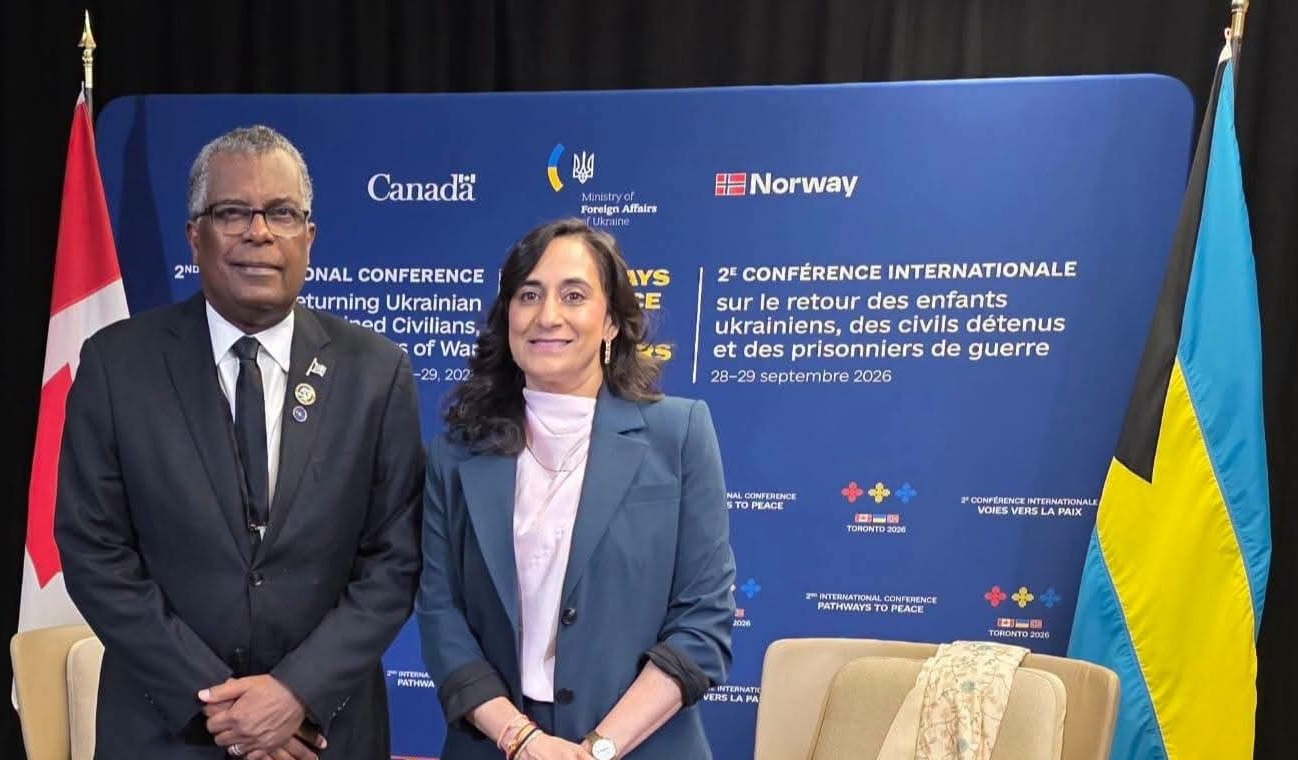
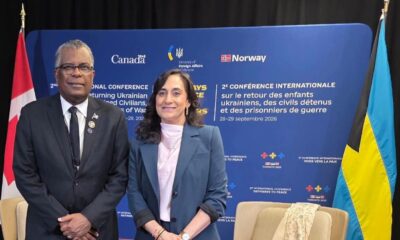
TORONTO, Canada —Minister of Foreign Affairs and Immigration Fred Mitchell has reaffirmed The Bahamas’ support for Ukraine’s territorial integrity and the international effort to secure the return of Ukrainian children, detained civilians and prisoners of war.
Speaking at the two-day Second International Conference on Returning Ukrainian Children, Detained Civilians, and Prisoners of War, held in Toronto on September 28 and 29, Minister Mitchell thanked Canada, Norway and Ukraine for convening the conference and said The Bahamas was honoured to participate.
“I first want to add my thanks to Canada, Norway and Ukraine for convening this important conference,” Minister Mitchell said. “We are honoured to have been invited and to be here.”
Minister Mitchell said The Bahamas supported the position expressed by Antigua and Barbuda from the CARICOM Region, while also drawing on remarks delivered by Prime Minister Philip Davis at them United Nations.
He said The Bahamas’ own history made it impossible for the country to remain silent when them territorial integrity of another state is under attack.
“Just a couple of days ago, our Prime Minister spoke at the United Nations about a people with a history of struggle for identity, arising out of the struggle against slavery, and how we cannot be silent in the face of the attack on the territorial integrity of another state,” Minister Mitchell said.
He noted that Canada and other countries have stood alongside Caribbean nations as they confront their own regional challenges, including the situation in Haiti and difficulties facing Cuba.
“We are a region which is far away from Ukraine, but we identify with the struggle,” he said. “In this case, we want to be sure that our voices are heard in support of the defence of the territorial integrity and the people of Ukraine.”
Minister Mitchell said the principle of territorial integrity carries lessons well beyond the current conflict and deserves particular attention from smaller states.
“We think that the question of territorial integrity is a lesson for all to inwardly digest,” he said, adding that The Bahamas particularly appreciated Canada’s approach to its role as a “middle power” in international affairs.
The minister also reflected on the broader historical context surrounding Russia and Ukraine. Referring to a recent interview with Russian President Vladimir Putin that he encountered on social media, Mitchell described the discussion as an example of historical revisionism.
He recalled the days of writings and experiences of Soviet-era dissidents including Aleksandr Solzhenitsyn and Andrei Sakharov, as well as the struggles that took place during the Soviet period and the eventual collapse of the Soviet Union.
Minister Mitchell said the historical interpretation presented in Putin’s remarks offered a markedly different account of those developments and placed responsibility for the situation in Ukraine on what Putin described as Western intellectual elites and their actions.
“That was very interesting,” he noted.
Drawing on the work of political scientist Samuel Huntington, Minister Mitchell suggested that political systems can retain characteristics of their predecessors even after major upheavals or revolutions.
“The Czar has been replaced, but what do we have today?” he asked. “A kind of pre-emptory, antidemocratic, autocratic behaviour attacking another state?”
Minister Mitchell concluded by reaffirming The Bahamas’ support for the objectives of the Toronto conference and calling for practical opportunities for the country to contribute.
“So I am, on behalf of The Bahamas, supporting the aims of this important conference,” he said. “Please assure us, or let us know, what practical ways we can help.”
He said The Bahamas’ participation itself was an important first step.
“We hope that, in this instance, the fact that we are here and that our voice has been added to this cause is at least a good start.”
Bahamas News
Carnival and LJM Maritime Academy launch free adult learn-to-swim program in New Providence
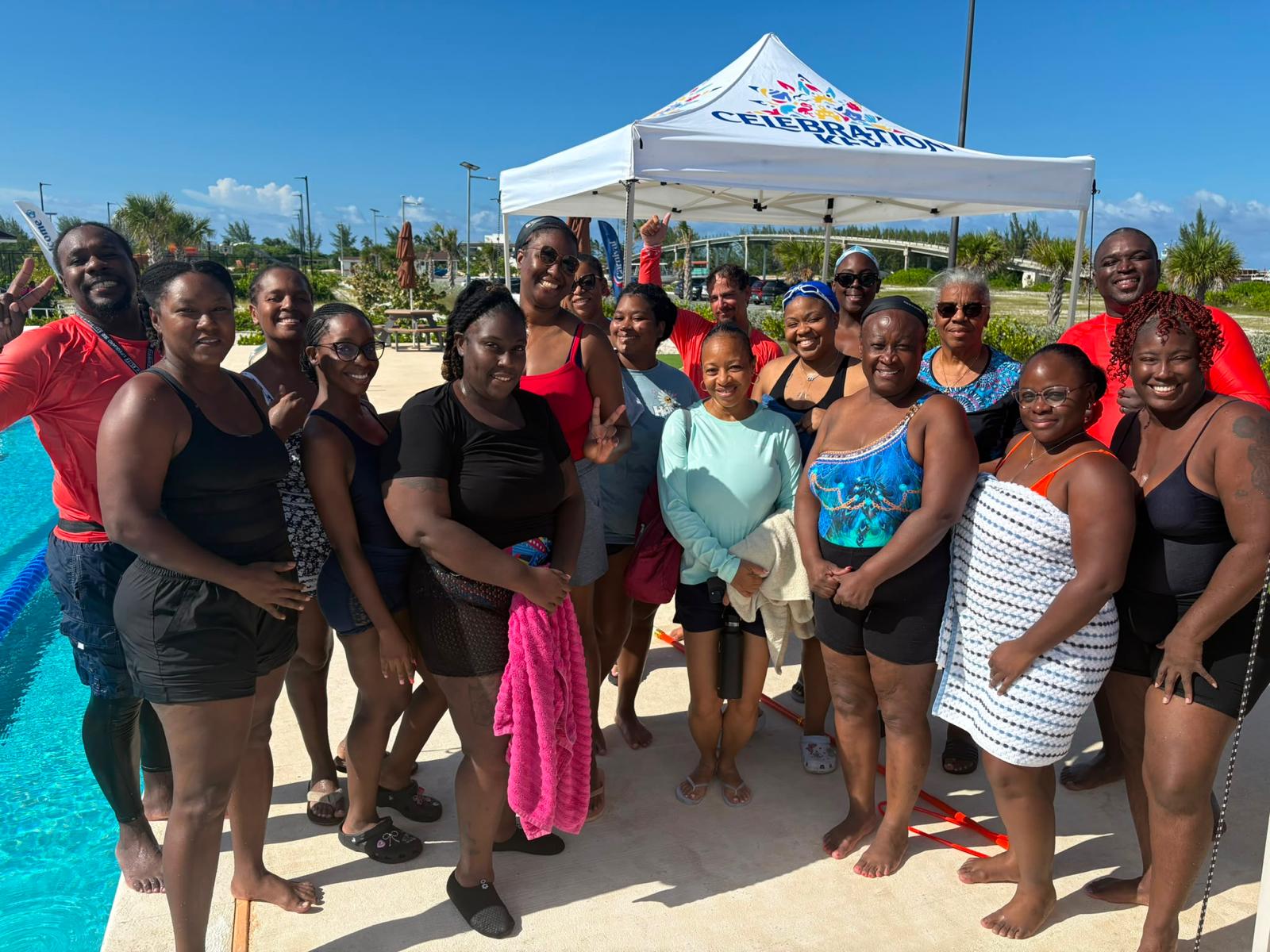
Nearly 60 participants enrolled in two-week initiative teaching essential water safety skills, taught by Celebration Key’s certified lifeguards
Sept 28, 2026 – Carnival Cruise Line, in partnership with LJM Maritime Academy, has launched a free learn-to-swim program to empower Bahamian adults with essential water safety and swimming skills.
The two-week program took place in August at the LJM Maritime Academy Pool on Maritime Cay, Nassau, with sessions held Monday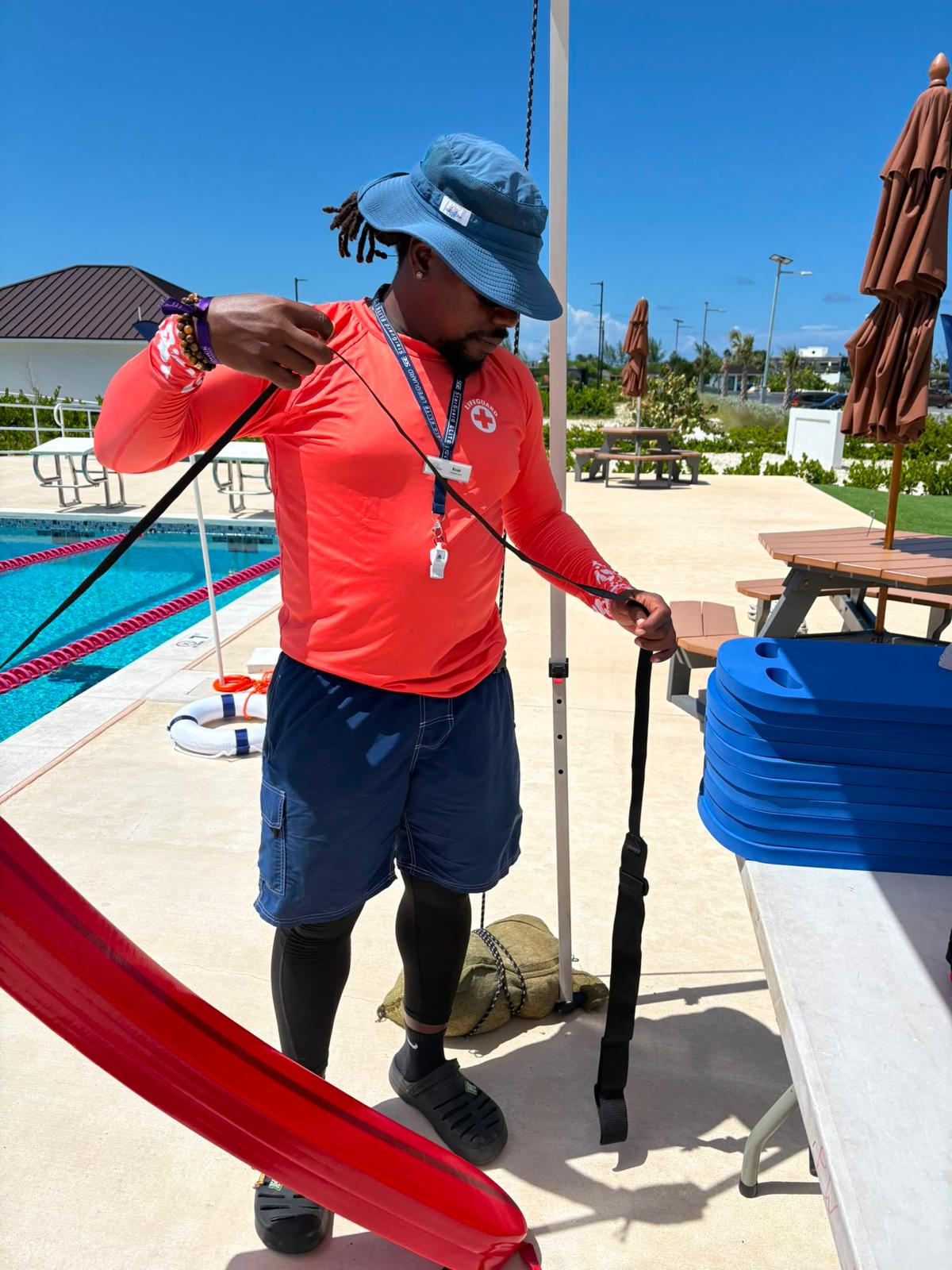 through Friday.
Carnival provided all necessary equipment, including full-protection swim goggles, backboards, kickboards, swim paddles and other training aids. Instructors were from Celebration Key’s Water Safety Team, whose lifeguards hold 5-star SGE Audit Rating Certification and bring hands-on expertise in swim education and water rescue.
The program drew a strong and enthusiastic response from the community. Following announcements on social media, nearly 60 participants enrolled to acquire skills that are crucial in an island nation.
“Water safety is not a luxury in The Bahamas – it is a necessity,” said Philcher Grant, Director of Public Affairs and Community Engagement for Carnival Cruise Line in The Bahamas and Turks and Caicos Islands. “We are surrounded by water, yet many adults haven’t had the opportunity to learn basic swimming skills. Partnering with LJM Maritime Academy allows us to change that, one participant at a time, while reinforcing Carnival’s commitment to investing in the communities where we operate through education, training and meaningful partnerships.”
“Opening our pool and facilities to adults who are embracing the opportunity to build basic swimming skills and helping them develop this life-saving ability has been deeply rewarding,” said Nameiko Miller, Registrar at LJM Maritime Academy. “We have been pleased to partner with Carnival on this important initiative and commend the Water Safety Team for its dedication and expertise. The response from the community has exceeded our expectations, confirming just how much this kind of program is appreciated.”
“It has been an absolute pleasure providing these lifesaving skills to the participants,” said Valentino Strachan, Water Safety Manager for Celebration Key. “Kent, Samuel, and I are very encouraged to keep going because of the enthusiasm, excitement and, most of all, the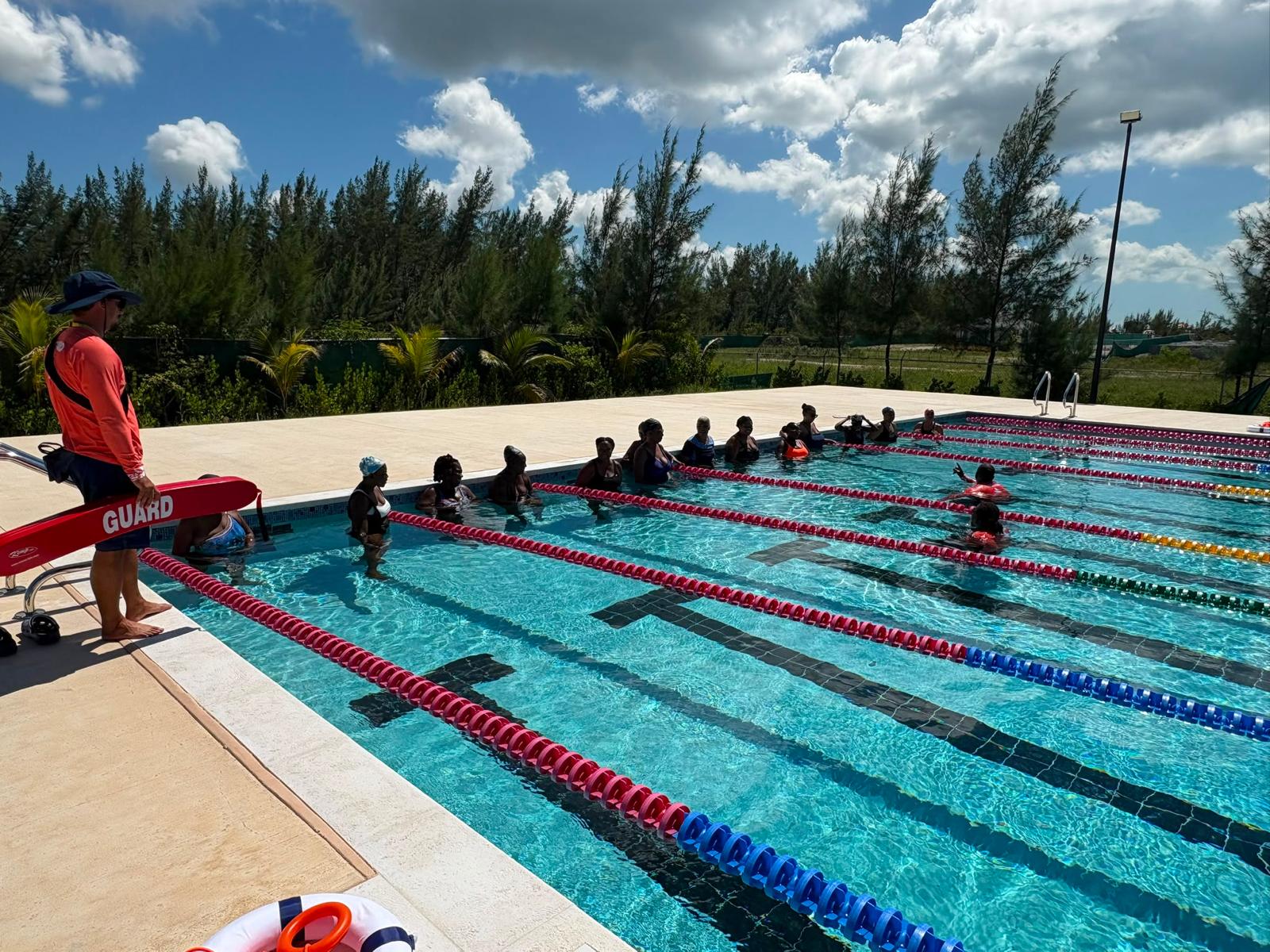 progress we’ve seen. I can say with confidence that 100% of the participants have conquered their fear of the water and are successfully mastering the fundamentals of strong swimming form.”
Participant Lucy Forbes said: “When I started, I couldn’t even push off the pool wall, now I can glide across the water. The instructors, from Sammy to Ken to Tino, were phenomenal. It’s been such a wonderful experience, and if they run this again next year, I’ll be back.”
Another participant, Karen Simeon, added: “This program teaches you to overcome your fear of the water and trust yourself. The fear doesn’t disappear completely, but with the right techniques you freak out less and make progress every time. Every instructor – Tino, Ken, Sammy – brought something different, and I learned from all of them.”
Drowning remains one of the leading causes of preventable death in The Bahamas, and public health advocates have long pointed to low swimming proficiency among adults as a contributing factor. Programs like this one aim to close that gap by removing barriers to learning.
The initiative is part of Carnival’s broader strategy of building lasting community partnerships across its destinations, with a focus on education, training and initiatives that leave a tangible, positive impact long after each session ends.
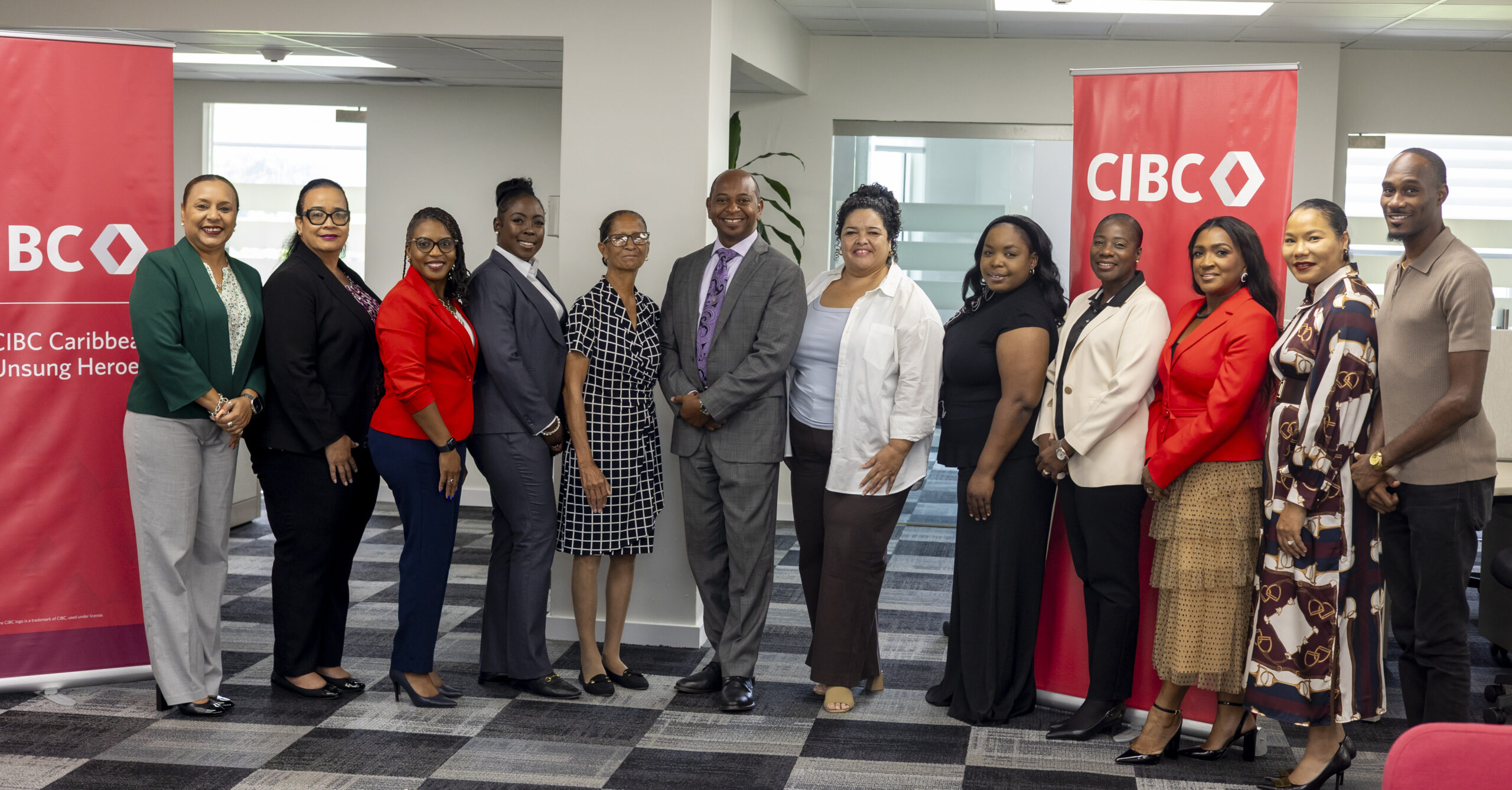
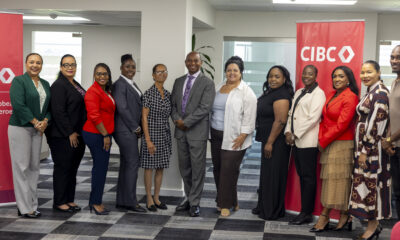
Nassau, Bahamas, 22 September 2026 – Six Bahamians whose service is making a difference in communities across the country were recently celebrated by CIBC Caribbean as the bank brought together its top 2026 Unsung Heroes finalists for a special recognition event.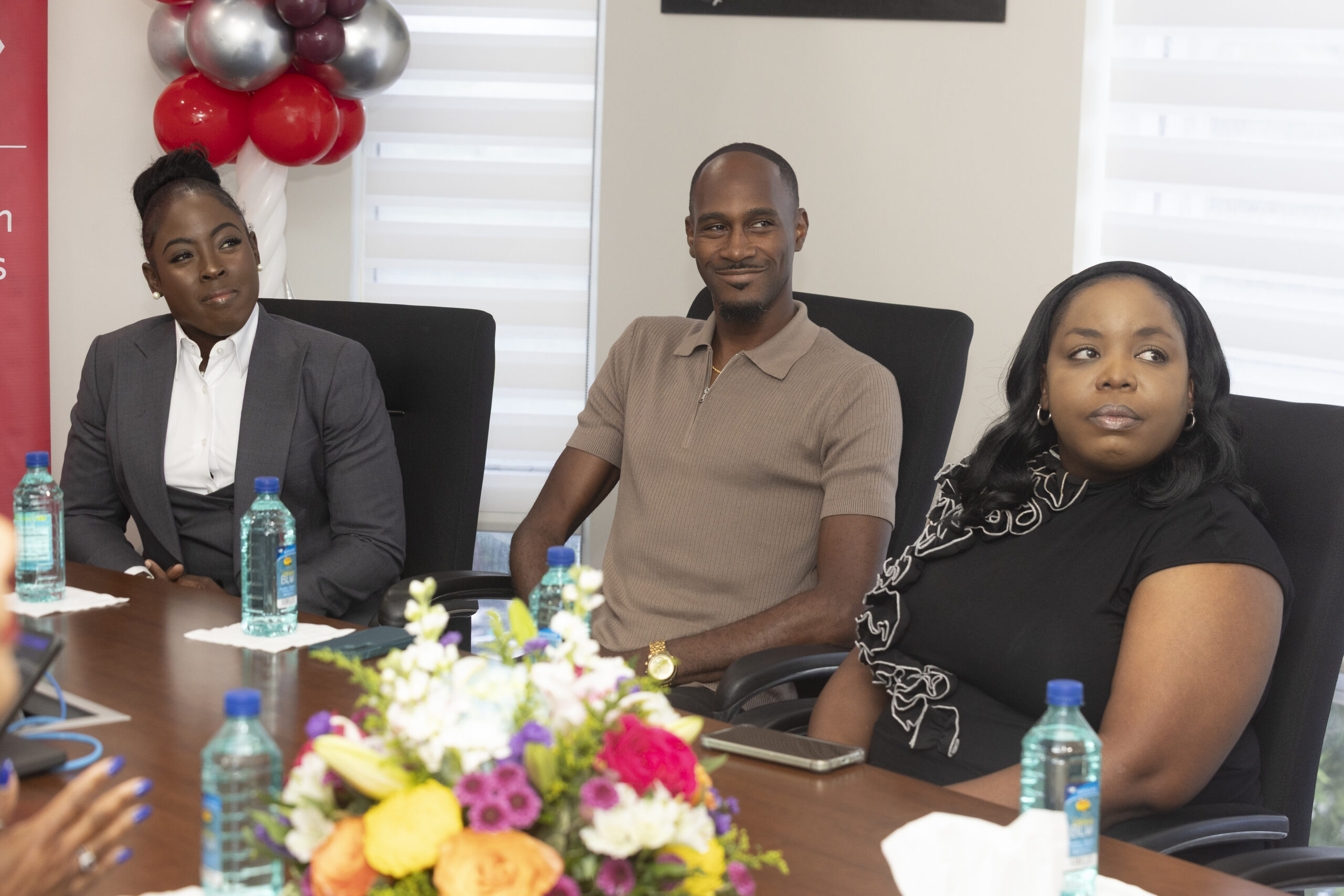
The 2026 finalists were Kristin Butler-Beneby, Dinola Williamson, Amanda Knowles, Tamara Clarke, Ruth Fawkes, and Jaquay Adderley.
During the event, CIBC Caribbean also announced Dinola Williamson as the first runner-up in this year’s program. Williamson is an educator and community activist who has spent more than two decades in education and leads the Family Better Together Kabbalistic Kids Club. Her community work has reached children in Englerston, Fox Hill, Acklins, Crooked Island, and Grand Bahama through mentorship and activities designed to support their holistic development.
CIBC Caribbean Head of Country Terrance Gibson said the gathering was intentionally focused on celebrating the collective impact of the finalists.
“Unsung Heroes is about recognizing the people who may not always receive the spotlight, but whose commitment is felt every day in the lives of the people and communities they serve,” he said.
“While Kristin emerged as our 2026 Unsung Hero, and Dinola as our runner-up, each nominee represents the spirit of this program. They saw needs in their communities and made the decision to act, to serve, and to keep showing up. CIBC Caribbean is proud to recognize them and to help bring greater attention to the work they are doing.”
The recognition event also brought together members of the judging panel who reviewed this year’s nominations and selected the program’s honorees. The panel comprised Olympic gold medalist Tonique Williams, Bahamas Red Cross President Edison Sumner, Guardian Lifestyles Editor Shavaughn Moss, and Organization for Responsible Governance Executive Director Matt Aubry.
During the event, each finalist spoke about the community work that led to their nomination. The judges were also recognized for lending their time and expertise to the selection process.
Gibson added, “Recognition is important, but we also hope that sharing these stories encourages others to look around their own communities, see where they can make a difference, and act.
“Our Unsung Heroes remind us that meaningful change often begins with an individual who simply decides to help.”





-
 Bahamas News2 days ago
The Bahamas Reaffirms Support for Ukraine at International Conference in Toronto
-

 News1 week ago
Indian Association of Turks and Caicos Islands Empowers Local Students Through Back-to-School Backpack & Supplies Drive
-
 Caribbean News1 week ago
Royal Caribbean Group and Sandals Resorts Announce Landmark Partnership to Accelerate Their Leading Vacation Experiences
-
 Bahamas News1 week ago
CIBC Caribbean Celebrates 2026 Unsung Heroes Finalists
-

 Health1 week ago
TCI Hospital Celebrates World Pharmacy Day 2026
-

 Caribbean News1 week ago
Royal Caribbean Signs US$3-Billion Deal for Half of Sandals and Beaches
-
 News4 days ago
Invest Turks and Caicos Islands Highlights Investment Growth and Workforce Opportunity at 5th Annual General Meeting
-
 News1 week ago
DDME Conducts Hurricane Preparedness Presentation to Digicel Staff