News
What has been the evolution, impact, and lessons learned from the management of avian influenza in Latin America and the Caribbean?


FAO presents a technical report that, for the first time, documents the regional impact of highly pathogenic avian influenza (H5N1) in Latin America and the Caribbean following its introduction in 2022.
Since 1997, the highly pathogenic avian influenza (HPAI) virus strain H5N1 has caused significant outbreaks in domestic and wild birds across Asia, Europe, and Africa, with serious consequences for public health, biodiversity, and local economies.
In October 2022, this strain entered Latin America for the first time, marking a turning point for the region. The rapid spread of the virus and the emergence of new outbreaks in multiple countries revealed an unprecedented scenario, with cases not only in birds but also in marine mammals, domestic animals, and even in humans who had direct contact with infected animals.
Poultry production is a key pillar in Latin America and the Caribbean, both for food security and as a source of livelihood for millions of
small- and medium-scale producers. The expansion of HPAI has posed risks not only to the regional economy but also to the availability of animal-source protein and the biodiversity of ecosystems. Against this backdrop, reinforcing regional cooperation and strengthening technical capacities to prevent and control the virus have become urgent priorities.
The report Emergency and response to highly pathogenic avian influenza H5N1 in Central America, South America, and the Caribbean: Regional technical report for the period October 2022 to September 2024, published by FAO, documents the health emergency triggered by the emergence and spread of HPAI H5N1 in countries across Central America, the Caribbean, and South America.
Detection and spread of the virus in Latin America and the Caribbean
Low pathogenicity:
The first records of avian influenza virus in South America date back to 2001, when a low pathogenicity strain was detected in wild waterfowl in Bolivia. In Colombia, the virus was first identified in broiler chickens in 2005. Between 2009 and 2012, Peru reported seven different subtypes, five of which had never been recorded elsewhere in Latin America.
In Central America, the first isolations of low pathogenicity virus in domestic poultry were reported in Guatemala and El Salvador in 2000 and 2001. In addition, several virus subtypes were identified in ducks in Guatemala between 2007 and 2013.
High pathogenicity:
One of the first major outbreaks of HPAI in South America occurred in Chile in 2002, caused by the H7N3 virus.
Since October 2022, Brazil, Chile, and Peru have reported the highest number of HPAI H5N1 cases in wild birds and animals in the Southern Cone. Among domestic birds, Argentina and Peru led in the number of outbreaks detected. In contrast, Central American and Caribbean countries reported fewer cases, which were sporadic and short-lived, both in wild and domestic birds.
These continental experiences confirmed the circulation of different virus lineages among wild birds in South America, suggesting a divergent evolution of these viruses in the hemisphere.
How to respond to an avian influenza emergency?
In response to the regional health challenge, in 2023, FAO approved a Technical Cooperation Programme and activated the Special Fund for Emergency and Rehabilitation Activities to support HPAI response efforts in 11 countries: Argentina, Bolivia, Chile, Colombia, Costa Rica, Cuba, Ecuador, Honduras, Panama, Peru, and Venezuela. In parallel, national projects with similar objectives were implemented in the Dominican Republic, Guatemala, and El Salvador.
These programmes aimed to enhance countries’ capacity to manage and respond to the emergency by strengthening veterinary services, providing essential supplies, and supporting resource mobilization.
To achieve this, FAO supported actions focused on early detection, sanitary culling of animals, strengthening biosecurity, zonification, and provided technical advice on vaccination as a complementary tool to traditional control measures. Before the emergency, most countries in the region had not implemented vaccination against avian influenza—except for countries like the Dominican Republic and Guatemala. However, in 2023, Bolivia, Ecuador, Peru, and Uruguay decided to include vaccination in their outbreak control strategies, complementing it with surveillance and biosecurity measures.
FAO recommends establishing an interdisciplinary group under the One Health approach, bringing together multiple public and private stakeholders to guide vaccination decisions. In addition, it is advised to define risk scenarios and make vaccination decisions during “peace times,” rather than in the midst of an outbreak, when risk perceptions can be altered.
The report highlights the importance of public–private collaboration in addressing the health crisis. In each country, poultry and egg producer associations (members of the Latin American Poultry Association) provided technical and operational support during the emergency. At the same time, specialized academic groups from various universities contributed to training activities, supported the design of sanitary strategies, and participated in applied research.
Lessons learned from the avian influenza crisis
The avian influenza crisis exposed the fact that some countries in the region lacked experience, appropriate protocols, and trained personnel to address a health emergency of this scale. This was reflected in the lack of harmonization or standardization of epidemiological records across the region, resulting in varying country responses, which could hinder future planning of prevention and control strategies.
Moreover, the impact on the general population was evident, as the high mortality of wild birds and mammals along coasts and wetlands caused alarm among residents and tourists, who reported these findings to authorities. In such situations, it is essential to collect samples, identify species, conduct epidemiological characterization, and manage health risks—remembering that sick or dead birds should not be handled, and any sightings must be reported immediately to the official veterinary services.
This health emergency illustrated the complex epidemiology of HPAI, characterized by its significant economic impact and threats to biodiversity and domestic animals. It also highlighted the need for greater preparedness to respond to large-scale and complex health emergencies—especially in critical areas such as the culling of caged laying hens, wildlife management, and control zone administration.
Finally, the report emphasizes the importance of public–private coordination, inter-institutional cooperation, and international collaboration. It recommends designing emergency vaccination plans, defining responsibilities in response to findings in wildlife, establishing protocols for exposed persons, and developing compensation mechanisms—especially for small-scale producers.
These experiences reaffirm the need for strong animal health systems, effective regional cooperation, and sustained strategies under the One Health approach as key pillars for addressing future zoonotic threats.
Read the publication here: https://doi.org/10.4060/cd4707es
More info:
HEADER: Grenada – A government official inspects a chicken during a visit to a beneficiary of FAO’s poultry project. © FAO/Giuseppe Bizzarri
- Mexico – Sian Ka’an Biosphere Reserve, Mexico. A brown pelican flies over the mangroves of this biodiversity refuge on the Yucatán coast. © FAO/Luis Antonio Rojas
- Guatemala – Poultry and egg producer supplying public schools that receive state funding for school feeding. © Pep Bonet/NOOR for FAO
- Bolivia – Chickens being weighed in the shed at Maleriada farm. © FAO/Sue Price
- Nicaragua – A hen and her chicks rest on a rock. © FAO/Saul Palma




The Bahamas, August 27, 2026 – The Royal Bahamas Police Force wishes to inform members of the public that several individuals are scheduled to appear before the Magistrate’s Court on Thursday, 27th August 2026, at 12:00 noon.
The individuals and charges are as follows:
An 18-year-old female is scheduled to be arraigned on the following charges:
Three (3) counts of Murder
Three (3) counts of Attempted Murder
Three (3) counts of Possession of a Firearm with Intent to Endanger Life
Three (3) counts of Possession of an Unlicensed Firearm
Two (2) counts of Possession of Ammunition
Armed Robbery
Abetment to Armed Robbery
Stealing
Receiving
The charges stem from three separate shooting incidents and an armed robbery that occurred on Friday, 21st August 2026, and Saturday, 22nd August 2026.
The first shooting occurred in the area of Soldier Road and Baillou Hill Road, resulting in the death of a 51-year-old male.
The second shooting occurred in the area of Joe Farrington Road, resulting in the death of a 52-year-old male.
The third shooting occurred in the area of Gladstone Road, resulting in the death of a 36-year-old male.
The armed robbery occurred at a business establishment in the area of Carmichael Road and Baillou Hill Road.
A 21-year-old male is scheduled to be arraigned on one charge of:
- Murder
The charge stems from a shooting incident that occurred on Tuesday, 21st July 2026, in the area of Samson Street, Nassau Village, which resulted in the death of a 28-year-old male.
A 32-year-old male is scheduled to be arraigned on the following charges:
- Murder
- Attempted Murder
These charges stem from a shooting incident that occurred on Wednesday, 24th December 2025, in the area of Graham Drive, Yellow Elder, which resulted in the death of a 25-year-old male.
RBPF, PACD
by Deandrea Hamilton | Editor
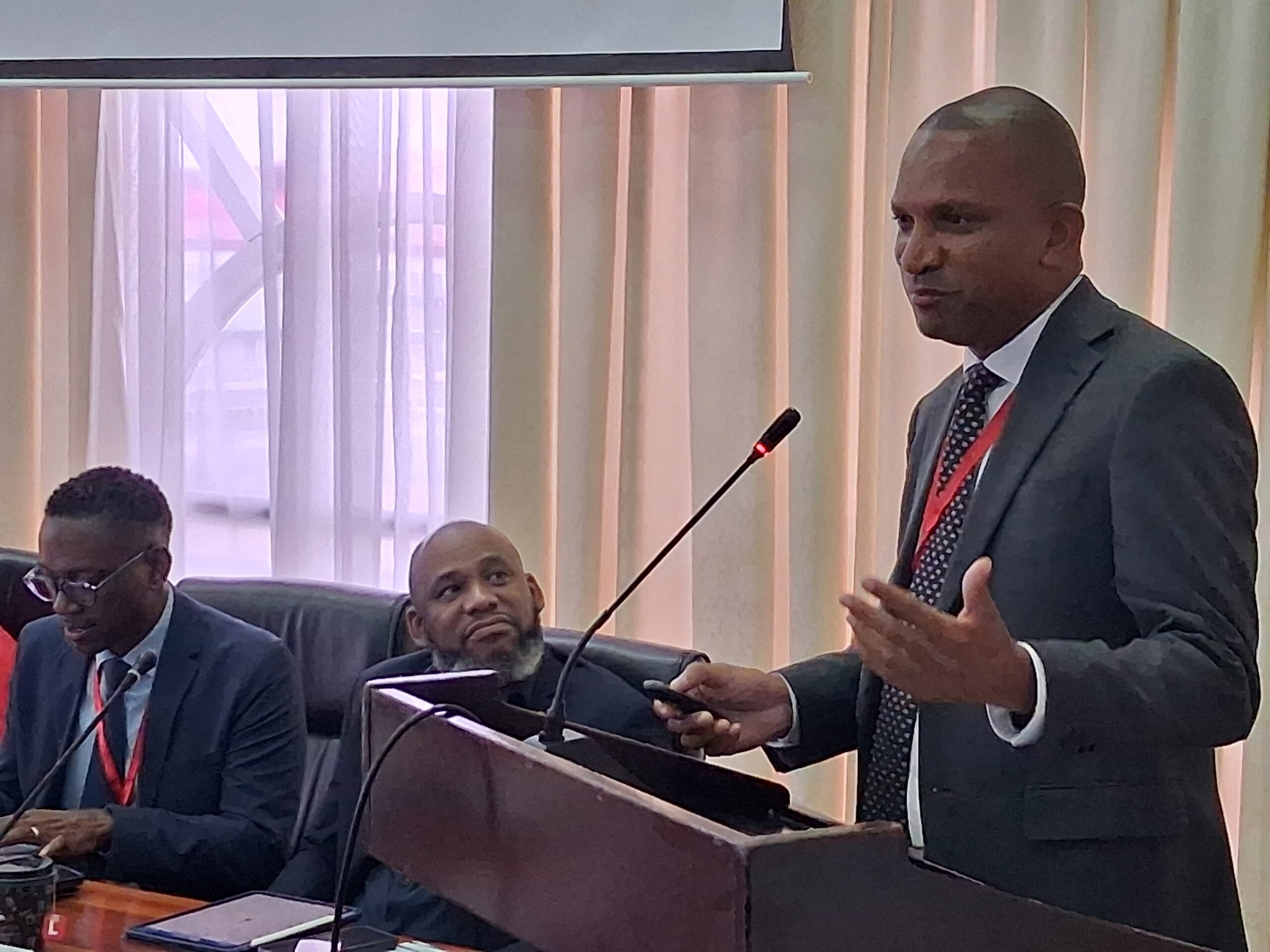
PROVIDENCIALES, TCI — In a country where government press conferences are virtually non-existent, ministers are often difficult for journalists to access and regular broadcast television news has disappeared, TCI Innovation, Technology and Energy Minister E. Jay Saunders has challenged Caribbean media to become “impossible to ignore.”
Speaking at the Caribbean Broadcasting Union gathering, Saunders argued that the Caribbean does not have a relevance problem but a “discoverability and positioning problem.”
Discoverability is precisely the issue in Saunders’ home country. Even Government’s own attempts at video news broadcasting have struggled against the realities of consistently producing a daily, weekly or even monthly newscast.
The difficulties confronting TCI media extend well beyond algorithms: limited advertising revenue, underfunding, shortages of trained professionals and insufficient human capacity leave newsrooms struggling for both staff and stamina.
Then there is the reality of operating in one of the region’s smallest societies. Politicians, journalists, advertisers, businesses and the subjects of stories often exist within the same tight economic and social circles. A controversial report that might create a ripple elsewhere can produce a tsunami in TCI, intensifying concerns among journalists about commercial and professional victimisation.
Saunders believes AI can help.
He urged Caribbean media to use the technology to transform one original story into television, radio, web, podcast, social and translated content without multiplying newsroom workload.
He also wants regional journalism structured so AI systems can find, understand and trust Caribbean sources, moving media beyond traditional SEO into Answer Engine Optimisation.
His ultimate message was emphatic: “Use AI not to make Caribbean media more artificial — but to make Caribbean voices more visible.”
For Turks and Caicos media, however, becoming visible may require more than technology. It requires an environment in which journalism can survive.
That last sentence is where I think we land the plane. It acknowledges that EJ actually has some us
Bahamas News
Bahama Brass Band Invitation Sparks Heritage Debate Ahead of TCI Constitutional Holiday

Turks and Caicos, August 20, 2026 – The planned participation of the Bahama Brass Band in the Turks and Caicos Islands’ inaugural Constitutional Holiday celebrations on August 30 has sparked public debate over culture, heritage and the historical contributions of Turks and Caicos Islanders abroad.
Organizers defended the invitation, saying the band’s inclusion is intended to highlight the deep historical ties between the two countries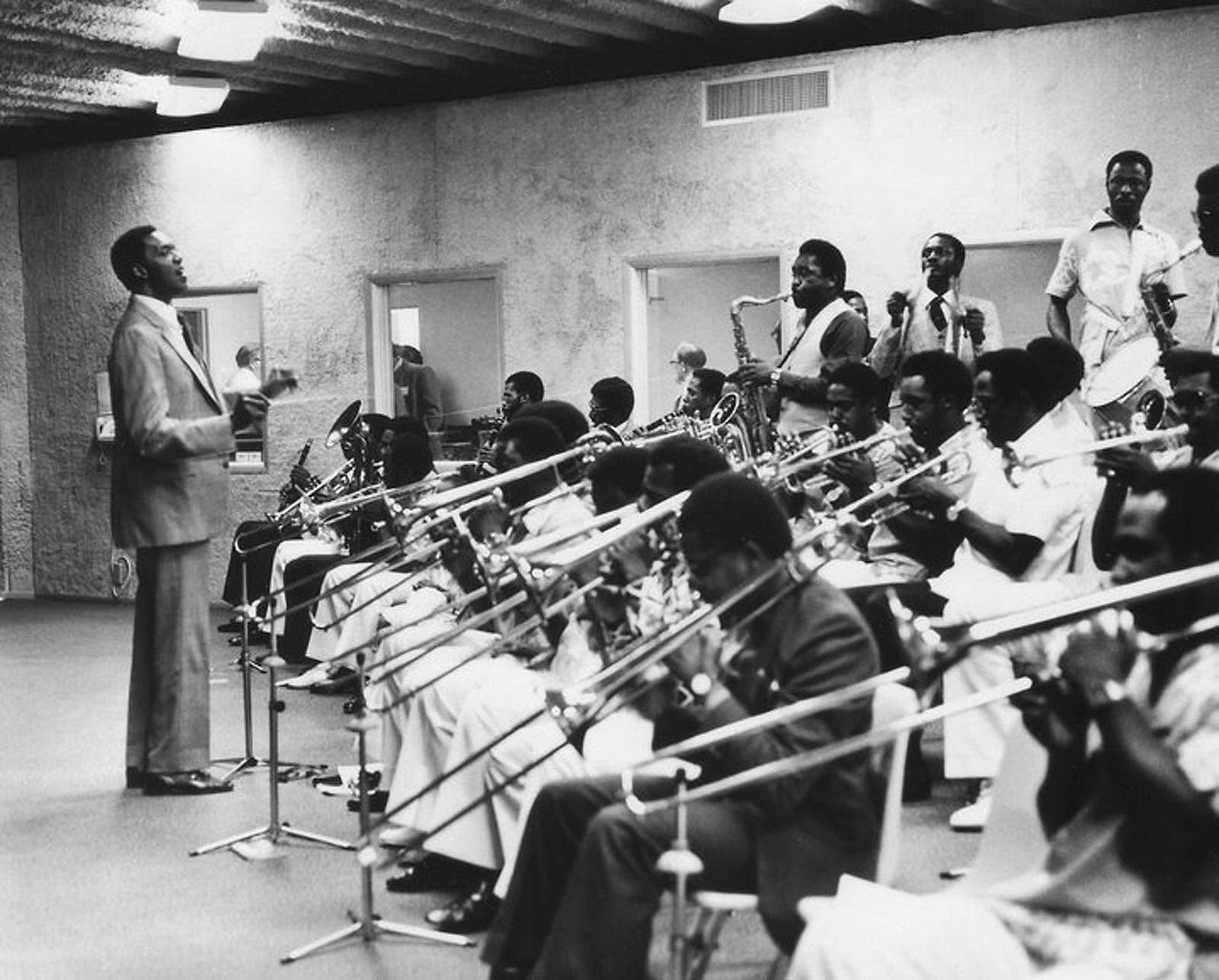 and honor Turks and Caicos men who helped establish and develop the institution in Grand Bahama.
According to the organizers, the Bahama Brass Band began in 1955 in Pine Ridge, Freeport, with Turks and Caicos Islanders, including the late Deacon Reuben Hall Sr. of Middle Caicos and Jenkins Williams and Mervin Hendfield of North Caicos, among those who helped build its foundation. The band eventually grew to more than 50 men.
The organizers also pointed to the participation of Turks and Caicos men in The Bahamas’ Independence celebrations on July 10, 1973, arguing that their contributions became part of Bahamian history while maintaining strong connections to their homeland.
Supporters say bringing the band home represents an opportunity to honor those pioneers, showcase their regional influence and expose younger generations to an important part of Turks and Caicos history.
However, concerns raised publicly described the invitation as potentially disrespectful to local culture and heritage. Organizers acknowledged those concerns, apologizing to anyone who felt overlooked or offended, while maintaining that no disrespect was intended.
The committee said the event should ultimately unite rather than divide, presenting the band’s history as evidence of the reach and resilience of Turks and Caicos heritage.
PHOTO CREDIT: Bahamas Brass Band