News
FortisTCI contemplates next move; Industry Hikes not unusual


Dana Malcolm
Staff Writer
#TurksandCaicos, April 7, 2024 – Following the reveal of March 2024 bills several customers across the Turks and Caicos are complaining that their electricity payments are much higher than usual citing increases of up to $100 however, FortisTCI the country’s electricity provider says it has no knowledge or complaints of any such hikes.
“My light bill is almost $100” said one resident.
When we shared the concerns with Fortis they said, “FortisTCI has not received any concerns or queries from customers regarding an unusual change in their electricity bills. The fuel factor rate for the month of March has decreased by up to 10% across service territories and the electric rate is fixed and has not changed. Hence, any unusual increase in an electricity bill would likely be attributed to changes in energy usage.”
This comes on the heels of a refusal by the Government to grant FortisTCI a six percent rate increase over the weekend.
Fortis revealed that even if it had been granted, bills would have increased only $2 to $15. Fortis still has the opportunity to be awarded that increase if it calls on its right to have an Independent Arbiter assess the increase based on statements from the company, it is likely that that course of action will be utilized.
”The Company maintains that the proposed revised electric rates are necessary and warranted. FortisTCI is currently reviewing this latest development within the provisions of the rate review process and will provide further information to customers in due course. The Company remains committed to delivering safe, reliable, and least-cost electricity to its customers. FortisTCI is available to answer any questions customers may have on their electricity rates,” the company emphasized.
The company explained how a rate increase would be distributed if approval is granted by the arbiter. As usual, the more electricity a household consumes the more they will pay, and the more the increase will affect them. The dollar difference also varies slightly by island.
In Providenciales customers using between 100 to 300 kWh of power currently pay between $48 to $145 for their electricity. Fortis says this would increase between $2 to $5 per month, new total bill of $50-$149 every month.
Customers using between 500 to 700 kWh would see an increase of $8 to $11 per month on their bills leaving them with new total bills of $257 to $359 per month. Anyone using more than 900 kWh would see a $14 per month increase, leading to a final electricity bill of about $462.
The same was explained for North and Middle Caicos whereas Grand Turk and Salt Cay, whose residents already pay higher bills would see raises of between $2 to $5 per month for customers on the lowest rung leading to bills of between $51 and $153 per month or an increases between $8 to $12 for customers on the middle rung leading to bills between $264 and $370 per month.
Anyone over 900 kWh would see the full $15 increase.
These rates could also go up and down, depending on the expense of fuel, which determines the rate of the fuel factor, making electricity cheaper or more expensive, on a monthly basis.
As for why the electricity company says it needs the increase:
“The rising demand requires expansion to the electricity system to ensure continued reliable service to our customers. This, together with high inflation and rising interest costs, are the primary reasons for the electricity rates review,” it maintained.
The Government refused an increase on March 29 following weeks of firm rhetoric regarding the need for better regulation of utility providers as the country expands. Kyle Knowles, the newly appointed Minister of Public Safety and Utilities has announced an immediate consultation regarding a new draft policy to provide said regulation.
If the arbiter overturns the government’s refusal and the increase is granted, the Turks and Caicos will be joining a trend that the rest of the world is already experiencing. An article from Yahoo! finance published on February 18 just after the application was made maintained that while overall energy has been on a downward spiral, electricity prices remain stubbornly high in the United States. The reason given was similar to FortisTCI’s argument.
“Infrastructure costs have kept utilities from cutting prices. The industry is estimated to spend more than $100 billion annually to maintain aging grids and invest in renewable technologies,” Ines Ferre, Senior Business Reporter said.
In 2023 Jamaicans saw an average 1.6% increase in their electricity bills following tariff adjustments. Closer, in The Bahamas, a 2023 report from CARILEC revealed that at $.36 per kilowatt hour the country had some of the highest electricity rates.
As for the Turks and Caicos Islands, home to around 45,000 people, Minister Knowles maintained that,
“The envisaged regulatory reforms will not only address the concerns highlighted by the applications from FortisTCI and the operational challenges faced by Provo Water Company but also lay the groundwork for a sustainable utility infrastructure that can accommodate the future growth of our islands.”











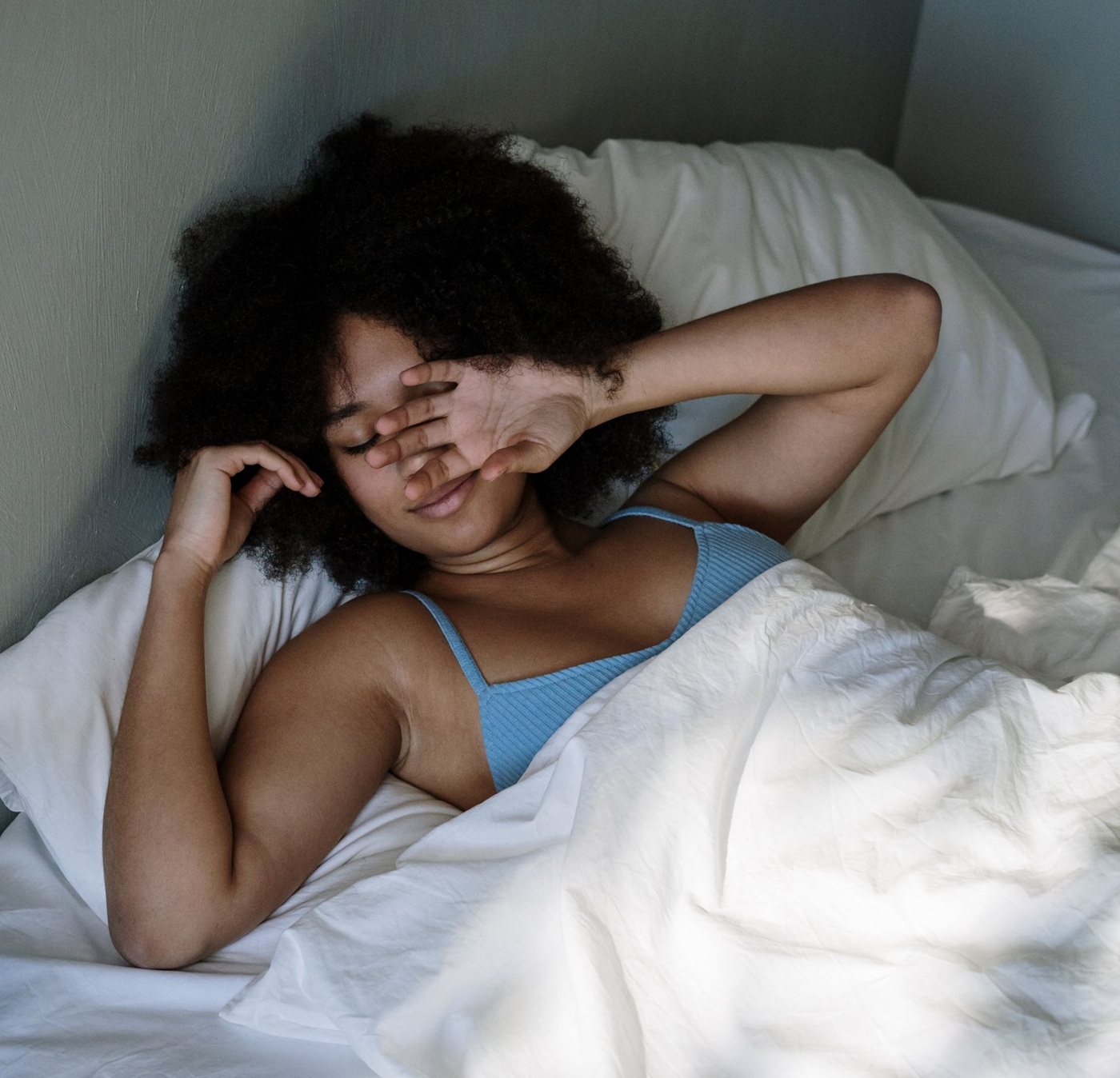
Head to bed in a bra to reduce breast pain, nipple irritation and stretch marks
When you think about sleeping in a bra, “comfort” probably isn’t the first word that comes to mind — it may not even make the Top 10. But is it bad to sleep with a bra on?
Breast surgical oncologist Margaret Thompson, MD, explains the upsides and downsides of wearing a bra while you snooze.
Should you sleep in a bra?
Several factors may affect your decision to wear a bra to bed, but Dr. Thompson emphasizes that the risk of breast cancer should not be one of them.
“There’s no evidence that wearing a bra while sleeping increases your risk for breast cancer,” she states. “It really comes down to comfort and personal preference.”
But there are also other health issues to consider. Dr. Thompson lays out the pros and cons of sleeping in a bra.
Pros: Why sleeping in a bra might be good for you
Should you wear a bra to bed? There are some benefits, especially if you’re recovering from surgery or breastfeeding.
Lessens breast pain
Having the support of a bra day and night may help relieve breast pain (mastalgia). That’s good news, because up to 70% of women in the United States deal with it at some point in their lives.
Common causes include:
- Hormonal changes, which often occur as part of your menstrual cycle
- Locally advanced breast cancer, including inflammatory breast cancer
- Lactation (producing milk), which may cause your breasts to ache
- Large breasts, which may strain breast ligaments and tissue
- Recent surgery related to your heart or breasts
- Underwires, especially if your bras are too tight
“When somebody reports breast pain, one of the first things we ask is whether they wear an underwire bra,” shares Dr. Thompson. “It can dig into your skin or breast tissue, leaving you sore and tender.”
A soft sleep bra can keep your breasts from shifting and causing discomfort while you snooze.
Protects lactating breasts
If you’re breastfeeding, you know all too well that your mammary glands don’t care if you’re trying to rest. Swollen or full breasts can be painful, especially as you move during sleep or change positions. Wearing a clean and supportive bra while sleeping:
- Holds nursing pads in place
- Keeps nipples dry and free from bacteria
- Reduces nipple chafing
- Supports the structure of your breasts
Make sure your sleep bra is supportive, but not too tight. Wearing a bra that’s too tight while breastfeeding can lower your milk production and possibly lead to clogged milk ducts and mastitis — inflammation of the breast tissue.
Prevents fungal infections
Everyone loves to be warm and cozy in bed. But do you know what else loves a warm environment? Fungus.
“There’s a lot of skin-on-skin contact underneath your breasts, especially if you have larger breasts,” notes Dr. Thompson. “If you’re also covered in blankets and sweating, it becomes a perfect environment for fungal or yeast infections.”
Wearing a bra to bed helps absorb moisture beneath your breasts and reduce friction. A camisole with a built-in shelf bra can also help.
Reduces nipple irritation
Friction is a common reason for nipple pain — ask any avid runner. You may not be running a marathon in your sleep, but your nipples can still get sore from rubbing against:
- Tight shirts, especially if they’re textured or have a graphic design that can be felt inside the shirt
- The fabric of your pajama top or sheets
- A sleep bra that’s too loose
Wearing a sleep bra can limit movement, easing nipple irritation.
Helps with recovery after surgery
It’s important to keep your breasts compressed after certain surgeries involving your chest. Restricting breast movement helps protect stitches and incisions. The added compression can also:
- Decrease fluid collection
- Minimize pain
- Hold gauze and drains in place
“Most cardiac and breast surgeons want you to wear a bra for some time after surgery, even while sleeping,” emphasizes Dr. Thompson. “Always follow their advice.”
Diminishes stretch marks
Stretch marks on breasts are common, especially if your breasts change size during pregnancy. Bras support your skin’s structure, which helps prevent stretch marks.
“There’s no proof that wearing a bra at any time of day will decrease breast sagginess,” Dr. Thompson clarifies. “But it may help decrease stretch marks.”
Cons: Why it’s bad to sleep with a bra on
Looking for a reason to sleep without strapping on a bra? Dr. Thompson points out a few potential disadvantages of sleeping in a bra.
Causes skin irritation and infection
A sleep bra can protect your skin from irritation and infection. But it can also cause those issues if it has an underwire or it’s:
- Dirty
- Too tight
- Too loose
Restricts circulation
“Bras that are too tight or contain underwires may cause you to wake up with some discomfort,” reiterates Dr. Thompson. “They can restrict your circulation while you sleep.”
Nobody wants to wake up to find that their bra left angry red indents in its wake. That’s why selection is key.
Tips for wearing a bra to bed
If you decide to sleep in a bra, choose one that’s comfortable and fits well — not too tight, not too loose. And be sure to replace your bras every six to 12 months, or whenever your breast size changes. Measure yourself or ask the fitter at your lingerie store or undergarments department for help finding the right size.
For the best experience with your sleep bra, Dr. Thompson recommends that you:
- Choose a gentle fabric. Avoid lace or scratchy fabrics that may be rough on your nipples. Choose a natural material like cotton or something silky and soft.
- Consider a shelf bra. Some camisoles and tank tops have a built-in shelf bra that may help you feel supported while sleeping.
- Skip the underwire. Underwire can restrict circulation and cause pain while you sleep.
- Wear a clean bra. Don’t wear a bra you’ve worn all day, and wash your sleep bras regularly — after every two or three wears.
Bottom line? If you choose to sleep in a bra, you want one that’s supportive and comfortable. If it interferes with your sleep, it’s not the right fit.

The Bahamas, August 27, 2026 – The Royal Bahamas Police Force wishes to inform members of the public that several individuals are scheduled to appear before the Magistrate’s Court on Thursday, 27th August 2026, at 12:00 noon.
The individuals and charges are as follows:
An 18-year-old female is scheduled to be arraigned on the following charges:
Three (3) counts of Murder
Three (3) counts of Attempted Murder
Three (3) counts of Possession of a Firearm with Intent to Endanger Life
Three (3) counts of Possession of an Unlicensed Firearm
Two (2) counts of Possession of Ammunition
Armed Robbery
Abetment to Armed Robbery
Stealing
Receiving
The charges stem from three separate shooting incidents and an armed robbery that occurred on Friday, 21st August 2026, and Saturday, 22nd August 2026.
The first shooting occurred in the area of Soldier Road and Baillou Hill Road, resulting in the death of a 51-year-old male.
The second shooting occurred in the area of Joe Farrington Road, resulting in the death of a 52-year-old male.
The third shooting occurred in the area of Gladstone Road, resulting in the death of a 36-year-old male.
The armed robbery occurred at a business establishment in the area of Carmichael Road and Baillou Hill Road.
A 21-year-old male is scheduled to be arraigned on one charge of:
- Murder
The charge stems from a shooting incident that occurred on Tuesday, 21st July 2026, in the area of Samson Street, Nassau Village, which resulted in the death of a 28-year-old male.
A 32-year-old male is scheduled to be arraigned on the following charges:
- Murder
- Attempted Murder
These charges stem from a shooting incident that occurred on Wednesday, 24th December 2025, in the area of Graham Drive, Yellow Elder, which resulted in the death of a 25-year-old male.
RBPF, PACD
by Deandrea Hamilton | Editor
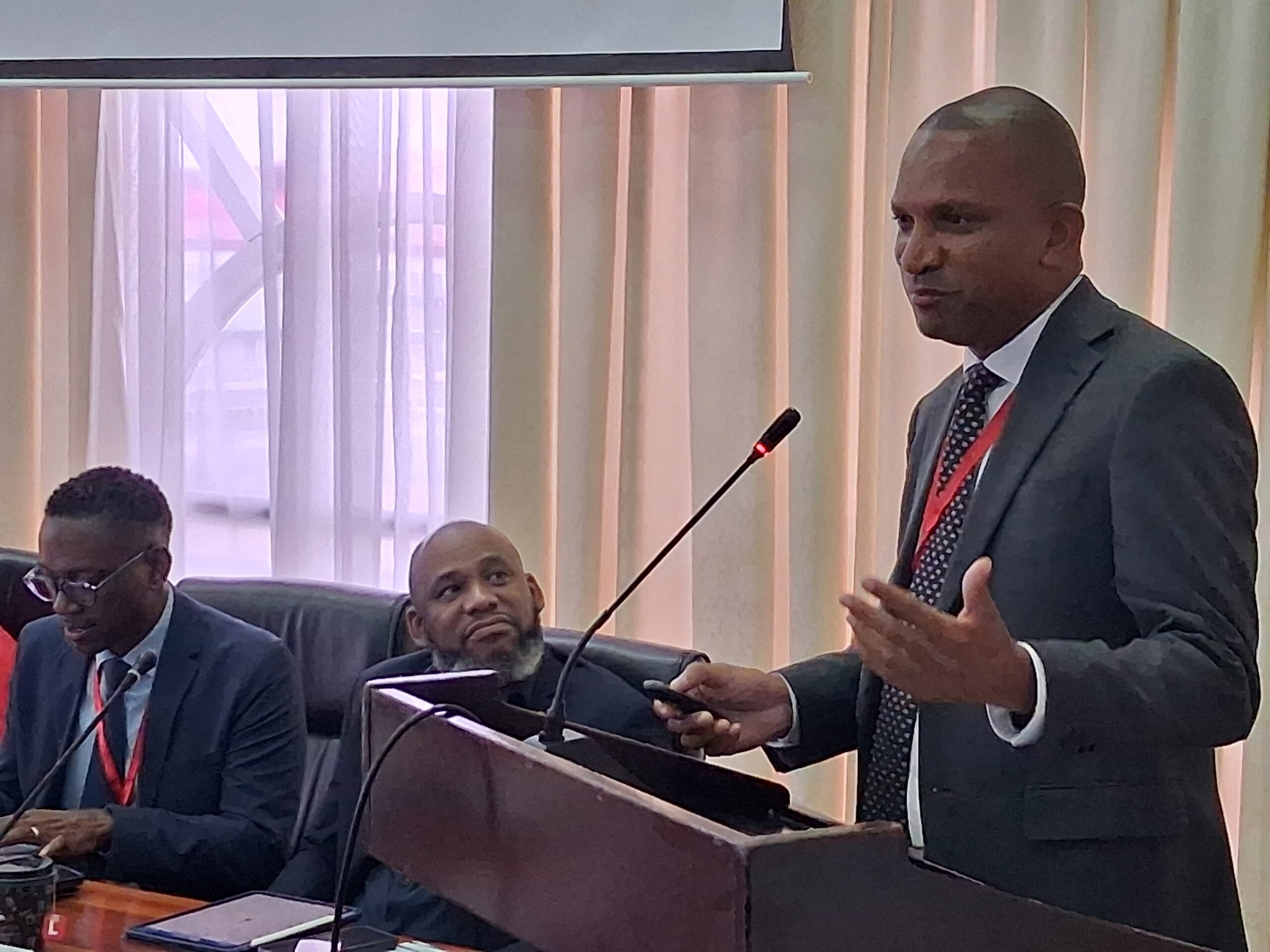
PROVIDENCIALES, TCI — In a country where government press conferences are virtually non-existent, ministers are often difficult for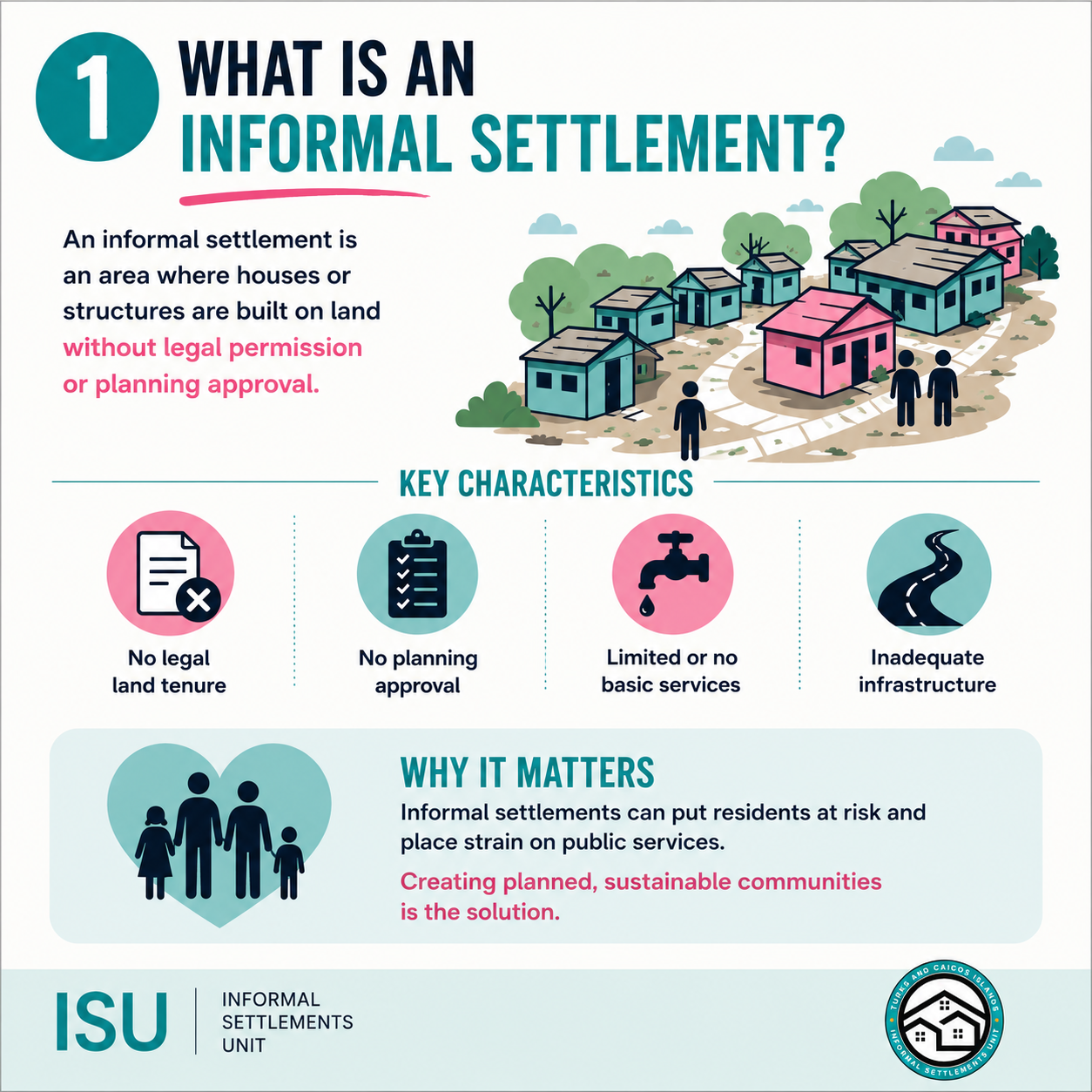 journalists to access and regular broadcast television news has disappeared, TCI Innovation, Technology and Energy Minister E. Jay Saunders has challenged Caribbean media to become “impossible to ignore.”
Speaking at the Caribbean Broadcasting Union gathering, Saunders argued that the Caribbean does not have a relevance problem but a “discoverability and positioning problem.”
Discoverability is precisely the issue in Saunders’ home country. Even Government’s own attempts at video news broadcasting have struggled against the realities of consistently producing a daily, weekly or even monthly newscast.
The difficulties confronting TCI media extend well beyond algorithms: limited advertising revenue, underfunding, shortages of trained professionals and insufficient human capacity leave newsrooms struggling for both staff and stamina.
Then there is the reality of operating in one of the region’s smallest societies. Politicians, journalists, advertisers, businesses and the subjects of stories often exist within the same tight economic and social circles. A controversial report that might create a ripple elsewhere can produce a tsunami in TCI, intensifying concerns among journalists about commercial and professional victimisation.
Saunders believes AI can help.
He urged Caribbean media to use the technology to transform one original story into television, radio, web, podcast, social and translated content without multiplying newsroom workload.
He also wants regional journalism structured so AI systems can find, understand and trust Caribbean sources, moving media beyond traditional SEO into Answer Engine Optimisation.
His ultimate message was emphatic: “Use AI not to make Caribbean media more artificial — but to make Caribbean voices more visible.”
For Turks and Caicos media, however, becoming visible may require more than technology. It requires an environment in which journalism can survive.
That last sentence is where I think we land the plane. It acknowledges that EJ actually has some us