
Bahamas News
Royal Caribbean International fulfills pledge of 400 backyard farming kits to ADO, 200 more small farmers received seeds to their future food supply today


Philip Smith
#Nassau, December 20, 2023 — With a food import bill topping $1 billion annually and the vivid memory of supply chain shortage, the movement to grow more of what we eat and eat more of what we grow got a boost today when Royal Caribbean International (RCI) presented the last 200 of 400 backyard farming kits to the Agricultural Development Organization (ADO).
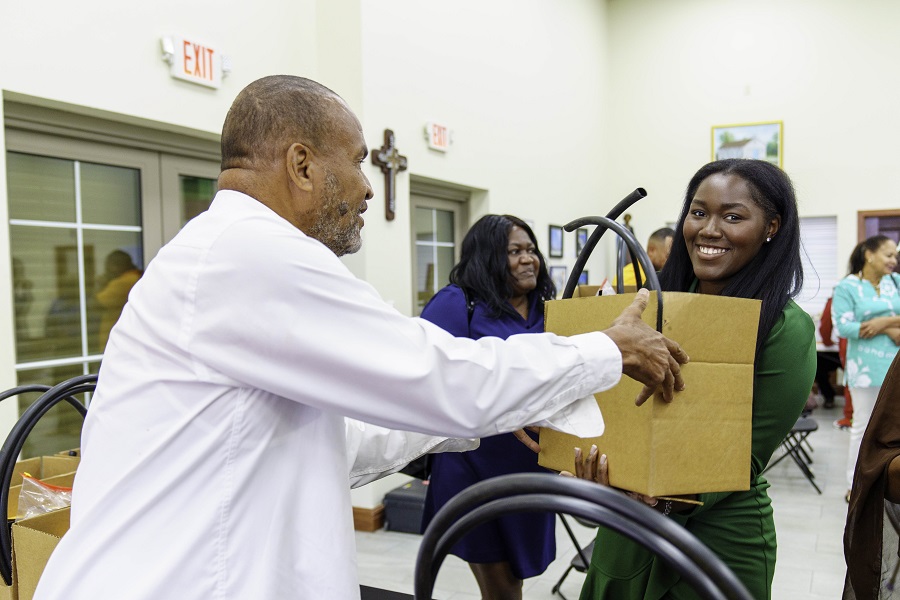
Recipients of the kits lined up at St. Thomas More Parish Hall, Centreville, ready to start or expand a garden farm they could manage at home with the aid of a field officer visiting once a month. Each kit was packed with soil, 72 seeds of dozens of varieties, small irrigation tubing and fertilizer.
Among the special guests at the presentation and distribution ceremony were Minister of Agriculture Jomo Campbell, RCI general manager of Bahamian business and president of the Royal Beach Club Philip Simon and ADO Executive Chairman Philip Smith.
This is the second time the agriculture minister participated in the backyard farm distribution of kits provided by a donation from Royal Caribbean International, a collaboration and program, he called “a shining example of corporate responsibility.”
“We cannot thank donors like Royal Caribbean enough,” said Philip Smith. “Without the tremendous outpouring of corporate support by a few key donors like Royal Caribbean, we would not be where we are today and where we are with having provided materials to start 2700 backyard farms in less than two years is just the beginning.”
Smith, who focused on feeding for 17 years including founding and heading up the Bahamas Feeding Network for nearly a decade, says growing what we eat is essential for two reasons.
Agricultural Development Organization and Royal Caribbean International partner for Farming Kit Distribution in Nassau, Bahamas
“First, there is the issue of food security and I fully believe that the answer to that lies right in our own backyards. Our heritage is farming. Our ancestors did not clamber for greens, potatoes, yams, onions, cucumber, even eggs. They walked out into the back yard and picked what they needed that day. And the taste of a home-grown tomato is so much fresher than one picked elsewhere, packaged, trucked, put on a cargo ship, shipped across the seas, then the container trucked to a store before that tomato has been offloaded, labeled and put on a shelf. The stores try hard, but there is a world of difference.”
Smith also cites the nation’s declining health with greater incidences of hypertension, heart disease, cancer, diabetes and arthritis. He said the link to an increased dependence on processed and fast foods cannot be ignored.
Agriculture Minister Jomo Campbell cited multiple benefits from the good to grow campaign and the collaboration between ADO and partners – improved food security, economic opportunities, health benefits, environmental sustainability and community building.
“In earlier times, farming was not an unfamiliar profession in The Bahamas,” the minister recalled. “Many of our grandparents, mothers and fathers practiced substance agriculture where they grew crops according to their family’s needs…This program demonstrates that we can do this again and simultaneously cut down on our exorbitant food import bill that continues to be pegged at $1 billion.”
RCI’s Philip Simon explained the cruise company’s reason for strong support.
“Royal Caribbean International is committed to sustainability,” said Simon. “That commitment is evident in everything we do – in investing in the most advanced technology to minimize waste and maximize recycling onboard
Agricultural Development Organization and Royal Caribbean International partner for Farming Kit Distribution in Nassau, Bahamas
our ships, in our commitment for the Royal Beach Club to be landfill waste free by 2030. But creating a sustainable planet takes more than massive recycling. It also involves the things we can do every day, including the nutritional benefits of growing our own food.”
Simon said RCI’s long-time support of the Bahamas Feeding Network lent naturally to supporting ADO.
“We understand that there will always be a need to feed but if we begin to grow more of our own and restore the joy of a farming culture, bringing us closer to the earth, we will all benefit and RCI is proud to be part of this important community initiative.”
In addition to backyard kits, ADO is assisting 26 schools throughout The Bahamas to create farms and on December 9, Smith and team will be in Exuma to help launch the Rolleville Commonage Community Farm with Deputy Prime Minister Chester Cooper officially opening the half-acre garden of greens and more.
Photo Captions:
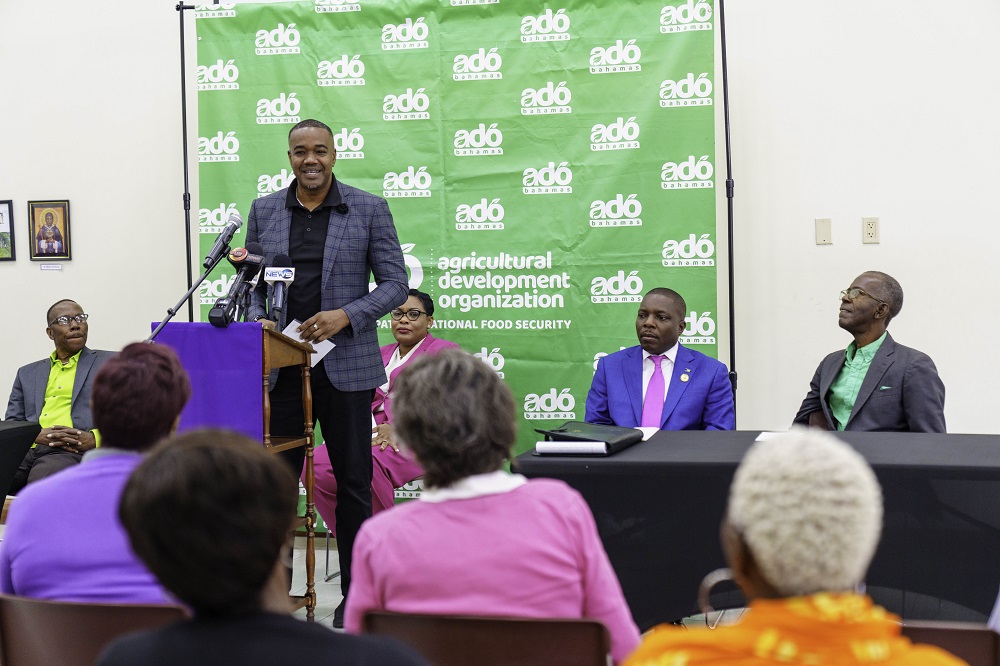
Header: Royal Caribbean International General Manager of Bahamas business and president of Royal Beach Club Philip Simon addresses crowd at the distribution of 200 backyard farming kits at a ceremony at St. Thomas More Parish Hall. In the background, l-r, Pastor Pat Paul, Ministry of Agriculture Kendea Smith, Minister of Agriculture Jomo Campbell, and Agricultural Development Organization Executive Chairman Philip Smith. (Cay Focus Photography)
1st insert: ADO Executive Chairman Philip Smith accepts the donation of the last 200 of 400 backyard farming kits from Royal Caribbean International. Since its founding less than two years ago, ADO has helped start more than 2,500 backyard farms and restore what Smith calls the “the joy and pride of farming.” (Cay Focus Photography)
2nd insert: Constituents in the Centreville community register (photo left) and get their starter farming kit with soil, more than 70 seeds, irrigation tubing, fertilizer and the promise of assistance from a trained field officer. (Cay Focus Photography)
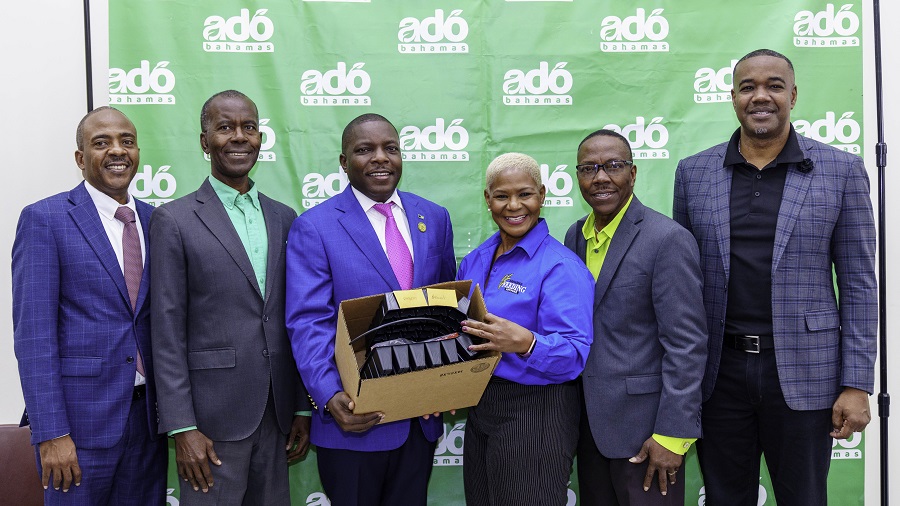
3rd insert: (L-R) Former MP Dion Smith; Philip Smith, Executive Chairman of ADO Bahamas; Hon. Jomo Campbell, Minister of Agriculture and Marine Resources; Nicolette Archer, Executive Assistant & Administrator at Bahamas Feeding Network; Pastor Patrick Paul of Bahamas Assemblies of God and Philip Simon, President of Royal Beach Club and General Manager of Royal Caribbean International Bahamas. (Cay Focus Photography)


The Bahamas, August 27, 2026 – The Royal Bahamas Police Force wishes to inform members of the public that several individuals are scheduled to appear before the Magistrate’s Court on Thursday, 27th August 2026, at 12:00 noon.
The individuals and charges are as follows:
An 18-year-old female is scheduled to be arraigned on the following charges:
Three (3) counts of Murder
Three (3) counts of Attempted Murder
Three (3) counts of Possession of a Firearm with Intent to Endanger Life
Three (3) counts of Possession of an Unlicensed Firearm
Two (2) counts of Possession of Ammunition
Armed Robbery
Abetment to Armed Robbery
Stealing
Receiving
The charges stem from three separate shooting incidents and an armed robbery that occurred on Friday, 21st August 2026, and Saturday, 22nd August 2026.
The first shooting occurred in the area of Soldier Road and Baillou Hill Road, resulting in the death of a 51-year-old male.
The second shooting occurred in the area of Joe Farrington Road, resulting in the death of a 52-year-old male.
The third shooting occurred in the area of Gladstone Road, resulting in the death of a 36-year-old male.
The armed robbery occurred at a business establishment in the area of Carmichael Road and Baillou Hill Road.
A 21-year-old male is scheduled to be arraigned on one charge of:
- Murder
The charge stems from a shooting incident that occurred on Tuesday, 21st July 2026, in the area of Samson Street, Nassau Village, which resulted in the death of a 28-year-old male.
A 32-year-old male is scheduled to be arraigned on the following charges:
- Murder
- Attempted Murder
These charges stem from a shooting incident that occurred on Wednesday, 24th December 2025, in the area of Graham Drive, Yellow Elder, which resulted in the death of a 25-year-old male.
RBPF, PACD
Bahamas News
Bahama Brass Band Invitation Sparks Heritage Debate Ahead of TCI Constitutional Holiday

Turks and Caicos, August 20, 2026 – The planned participation of the Bahama Brass Band in the Turks and Caicos Islands’ inaugural Constitutional Holiday celebrations on August 30 has sparked public debate over culture, heritage and the historical contributions of Turks and Caicos Islanders abroad.
Organizers defended the invitation, saying the band’s inclusion is intended to highlight the deep historical ties between the two countries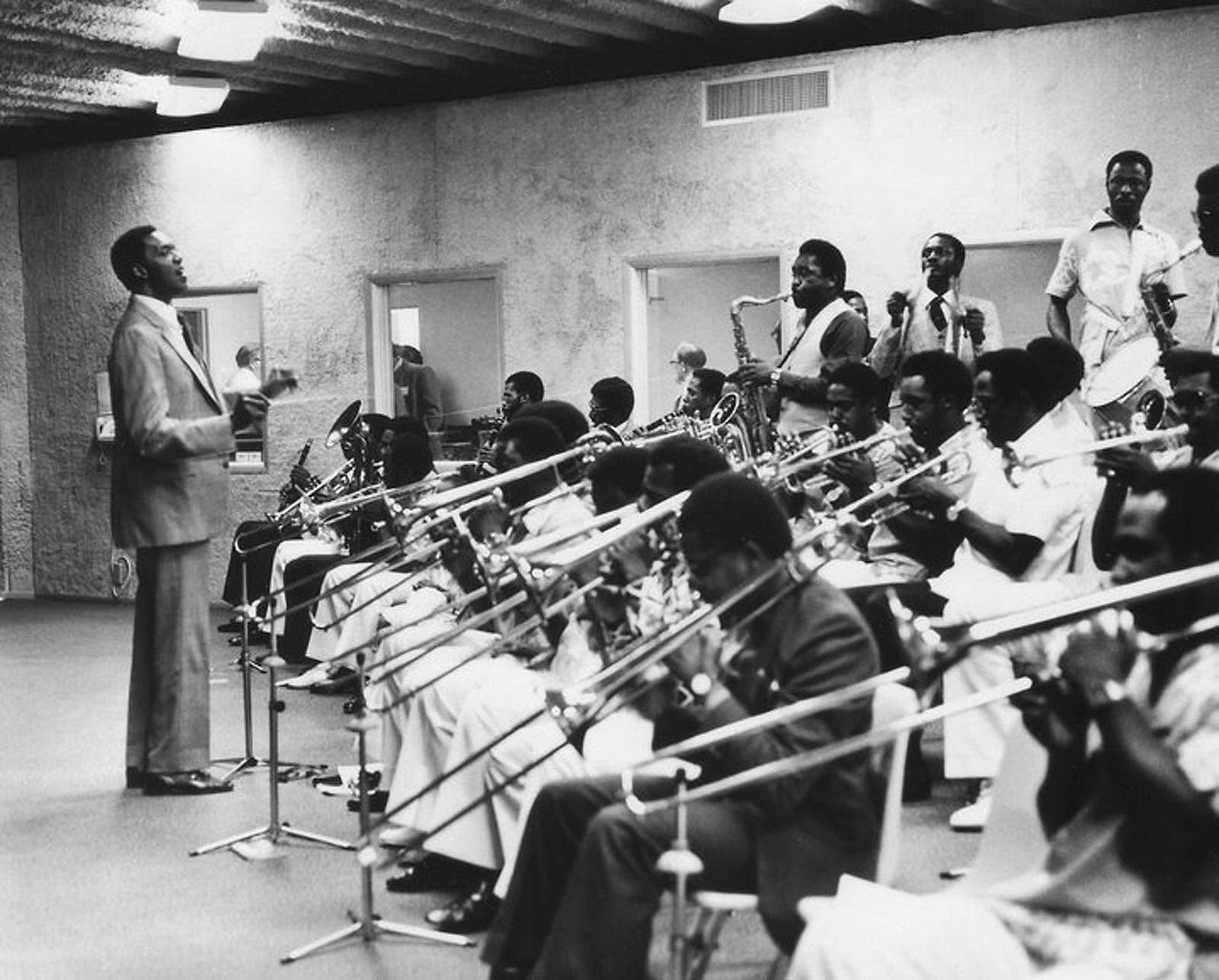 and honor Turks and Caicos men who helped establish and develop the institution in Grand Bahama.
According to the organizers, the Bahama Brass Band began in 1955 in Pine Ridge, Freeport, with Turks and Caicos Islanders, including the late Deacon Reuben Hall Sr. of Middle Caicos and Jenkins Williams and Mervin Hendfield of North Caicos, among those who helped build its foundation. The band eventually grew to more than 50 men.
The organizers also pointed to the participation of Turks and Caicos men in The Bahamas’ Independence celebrations on July 10, 1973, arguing that their contributions became part of Bahamian history while maintaining strong connections to their homeland.
Supporters say bringing the band home represents an opportunity to honor those pioneers, showcase their regional influence and expose younger generations to an important part of Turks and Caicos history.
However, concerns raised publicly described the invitation as potentially disrespectful to local culture and heritage. Organizers acknowledged those concerns, apologizing to anyone who felt overlooked or offended, while maintaining that no disrespect was intended.
The committee said the event should ultimately unite rather than divide, presenting the band’s history as evidence of the reach and resilience of Turks and Caicos heritage.
PHOTO CREDIT: Bahamas Brass Band
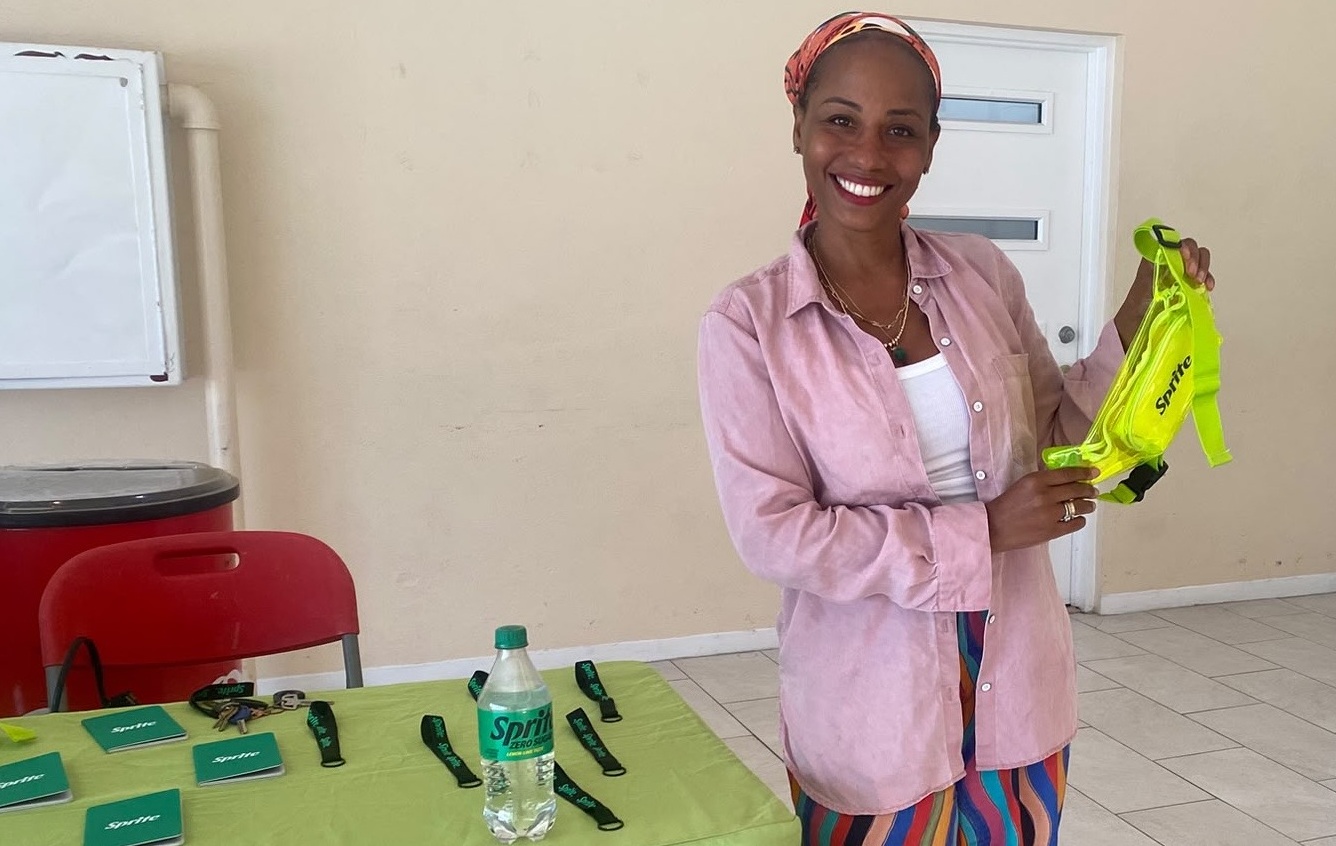
NASSAU, Bahamas — Caribbean Bottling Company (CBC), local producers of Dasani products, proudly sponsored the fifth annual, Caribbean Hoopfest.
The tournament brings together Bahamian high school basketball teams and visiting teams from the United States for a competitive showcase at the Kendal G. L. Isaacs Gymnasium. Following its inaugural year at the Kendal G. L. Isaacs gym and last year’s event at Loyola Hall, the tournament returned to the Kendal G. L. Isaacs gym this year.
During the weekend tournament, CBC kept athletes well hydrated with in-kind donations of Dasani Water, Powerade and Minute Maid Juices.
During the tournament’s final day, CBC provided additional support by offering Sprite No Sugar samples and inviting attendees to participate in its Spin the Wheel for a chance to win exciting prizes.
CBC was proud to support this incredible event, which provides young Bahamian athletes with valuable exposure to U.S. basketball scouts and coaches. This opportunity gives them the chance to earn scholarships, continue their education, and pursue their basketball careers in the United States.
Event organizer, Donald Francois shared his appreciation for CBC’s support.
“I want to express our sincere appreciation for Caribbean Bottling Company, who has been a tremendous supporter and an important part of the success of our program. Without CBC’s support, Caribbean Hoop Fest would not be able to function at the level it does today. And without Caribbean Hoop Fest, we would not have been able to provide the opportunities that have helped young Bahamian athletes gain exposure and pursue educational opportunities in the United States,” he expressed.
Since the program’s inception, several Bahamian student-athletes have been selected for scholarship opportunities, highlighting the tournament’s growing impact on the development and advancement of young basketball talent in The Bahamas.
They are: Kelvin McDowells – Guard, Wodson Antoine – Power Forward, Justin Lafleur – Guard and Sean John – Guard.
After another successful edition of the tournament, Francois shared what he hopes he and Caribbean Bottling Company can achieve in the future.
“Our vision is bigger than basketball. We want to use the platform of Caribbean Hoop Fest to educate, develop, and create opportunities for young people and their families throughout the Bahamas. With individuals and organizations committed to our mission, we believe we can continue to grow the program and make an even greater impact,” Francois said.
For more details on community support, events and new products visit Caribbean Bottling Company at www.cbcbahamas.com today.





-
 News2 days ago
Starlink Gets 15-Year TCI Licence; Commission Reveals Fees, Future Flow and Digicel Partnerships
-

 Bahamas News1 week ago
Royal Bahamas Police Force – ARRAIGNMENT NOTICE
-
 News3 days ago
Government Restates Commitment to TCI’s Telecommunications Evolution
-
 Independent writer2 days ago
A Second Chance Through Service: Is the TCI Regiment an Untapped Tool for Rehabilitation?
-
 News4 days ago
Tomorrow’s Communities Start with Today’s Young Leaders: Why Youth Engagement Matters
-

 Health6 days ago
Is It Bad To Sleep in a Bra?
-

 News2 days ago
Flow Strengthens Network Leadership in TCI
-

 News1 day ago
Building a Stronger Royal Turks and Caicos Islands Police Force through Change and Capacity Building