
Government
Two Realities, One Country: Opposition Leader Slams Government’s ‘Disconnected’ $540M Budget


Deandrea Hamilton
Editor
Grand Turk, Turks and Caicos Islands — While the Government heralds its record-breaking $540 million budget as a bold investment in Turks and Caicos’ future, Opposition Leader Hon. Edwin Astwood says the reality on the ground tells a different story — one of rising costs, stagnant wages, unfulfilled promises, and an economy that “leaves our people behind.”
“I see many of our people struggle; the Premier sees people living their best lives,” Astwood declared during his response to the 2025/26 Budget Communication.
From the floor of the House of Assembly, the Opposition Leader drew a powerful contrast between what the government claims is happening and what citizens actually experience.
“I see an underfunded healthcare sector; the Premier sees optimal access to state-of-the-art care.”
“I see crime out of control; the Premier sees a government that has a grip on crime.”
“I see people losing their homes; the Premier sees more properties to sell to foreign investors.”
With each comparison, Astwood drove home a central message: the country may be progressing on paper, but not in the lives of ordinary Turks and Caicos Islanders.
“Promises Without Strategies”
Astwood’s criticism of the budget was scathing. He accused the government of being long on ambitions but short on delivery and political will.
“This is a budget filled with bells and whistles,” he said, “but without the strategic muscle to bring transformation to fruition.”
He pointed to last year’s announced 15 projects and 20 growth measures — many of which, he claimed, have been delayed, discarded, or re-tendered.
“We see the results. No plan for crime. No plan for health. No plan for education. No urgency in getting our people into homes or onto crown land.”
He described the budget as a missed opportunity to address the island’s most pressing issues — from illegal immigration to youth development, from family island investment to healthcare sustainability.
Tourism Booms, But Who Benefits? The government has proudly shared that tourism numbers are soaring:
- 192,297 stayover visitors in Q1 of 2025 — a 2.3% year-over-year increase.
- 410,107 cruise visitors in the same period — a massive 54% jump.
- Hotel occupancy averaged 71% with ADR at $1,544.
Yet, Astwood questioned whether this tourism boom is translating into better living conditions for locals.
“Mr. Speaker, is the economy really booming for Turks and Caicos Islanders?” he asked. “Or are we just watching others get rich off our shores while we struggle to keep up with soaring prices?”
Headlines vs. Homes, Projects vs. People
The Opposition Leader accused the Government of governing through headlines and political gimmicks, while the real work of transforming lives remains undone.
He listed ongoing crises and systemic failures:
- Airport overcrowding, even as tourists vow never to return.
- NHIP on the brink, forcing patients to seek care abroad.
- Youth athletes unsupported, and scholarship funding insufficient.
- Family Islands overlooked, with all focus on Providenciales.
“The Premier sees a nation on the rise. I see people packing up for the UK because they can’t make it here at home.”
Call to Action: “We Must Demand More”
Astwood ended with a plea for unity and renewed purpose.
Quoting JFK, he reminded the House:
“Change is the law of life. And those who look only to the past or present are certain to miss the future.”
He urged MPs across party lines — PDM, PNP, PDA, and Independents — to demand a budget that truly serves the people:
“Let’s envision a Turks and Caicos where quality education, responsive healthcare, and homegrown innovation are realities for all. Our people deserve more than economic growth that only benefits the few.”
In his closing, Astwood emphasized collaboration, engagement, and accountability.
“Let’s ensure that the needs of our people are not just acknowledged but prioritized. Our best days are still ahead — let’s make them happen.”
The Turks & Caicos 2025-2026 National Budget was passed on Thursday May 22, 2025.





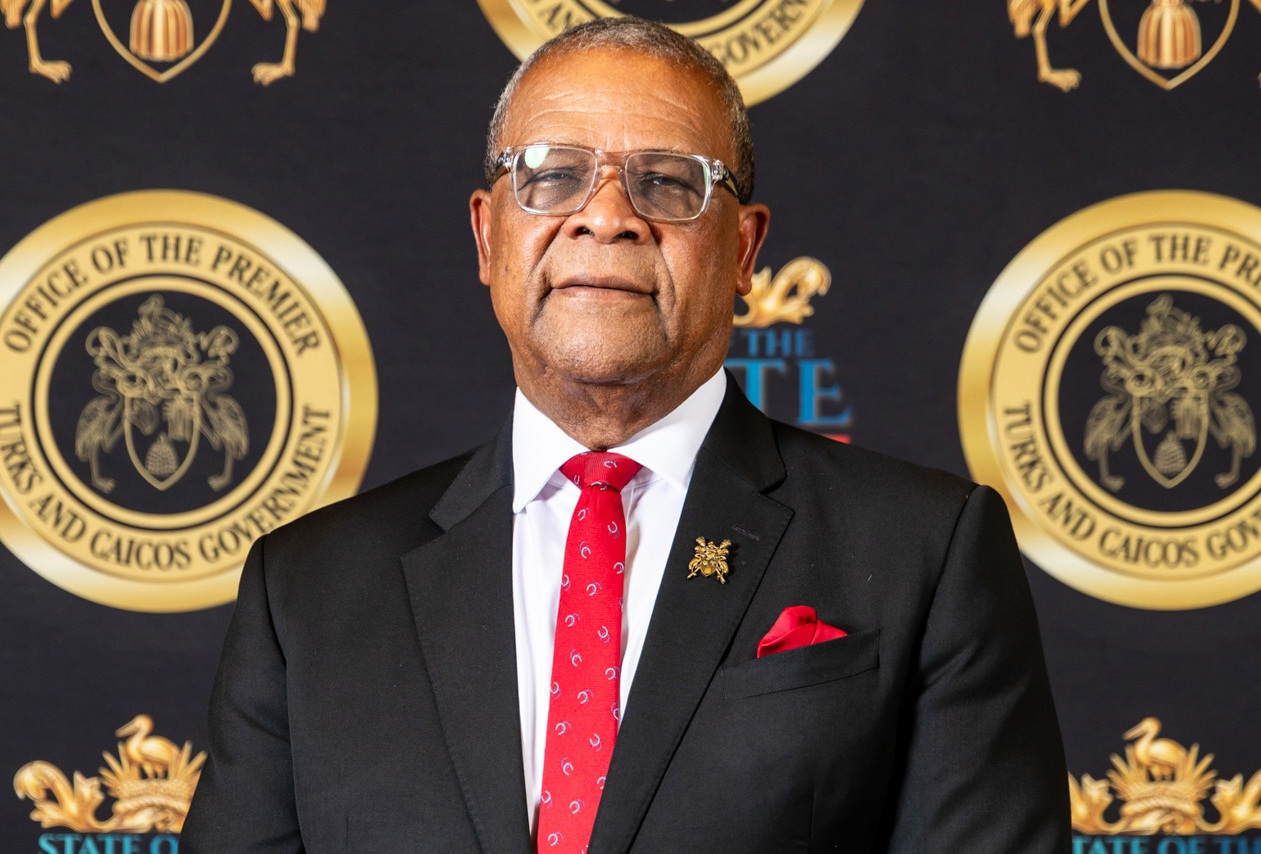
Turks and Caicos, March 18, 2026 – Despite securing significant constitutional reforms within the past year — including new powers that allow for a national referendum — Premier Charles Washington Misick made no mention of independence or any vote on the country’s political future during his 2026 State of the State Address, signalling what appears to be a continued strategy of building institutional strength before raising the question with the electorate.
The absence of any reference to a referendum stood out, particularly after the Turks and Caicos Islands successfully negotiated constitutional changes with the United Kingdom that expanded the authority of elected leaders and modernised the structure of Government.
Those reforms, which took effect last year, increased the size of Parliament, allowed for more Cabinet ministers, extended the life of a government from four to five years, and strengthened the role of elected officials in domestic affairs. The amendments also included provisions allowing for a referendum to be held on matters of national importance, a change widely viewed as giving the territory greater flexibility in determining its future political direction.
In his address, the Premier spoke of the reforms as moving the country toward “fuller self-government,” noting that the changes deliver a fully elected Parliament, widen delegated responsibility in external affairs and give elected leadership clearer authority and accountability to the people.
However, while the speech emphasised sovereignty, national security and stronger local institutions, it stopped short of any suggestion that the Government intends to call a referendum on independence or any other change in constitutional status.
Instead, the tone of the address suggested a focus on strengthening systems at home before considering further political steps.
The Premier outlined plans to expand the Police Force, strengthen the Border Force, increase the role of the Turks and Caicos Islands Regiment, modernise government through digital transformation, and improve immigration control through biometric border technology — all measures he said are necessary to secure the country’s future.
He also pointed to economic stability, infrastructure development and expanded investment as priorities, repeatedly framing the Government’s approach as one of building a stronger and more secure nation before taking on larger challenges.
The 2024 constitutional amendments, agreed between the Turks and Caicos Islands Government and the United Kingdom, formally expanded the number of elected members in the House of Assembly, increased the number of Ministers who may serve in Cabinet, extended the Parliamentary term to five years, strengthened Cabinet authority in domestic matters, and introduced provisions allowing for a referendum to be held on issues of national importance. The changes also widened delegated responsibility to local leaders in key areas of governance, marking one of the most significant steps toward greater self-government in recent decades.
The constitutional reforms achieved last year were seen by many observers as laying the groundwork for greater autonomy, and potentially future debate on independence, but the latest State of the State suggests the Government is moving cautiously.
For now, the message from the Premier appears clear: before any question of political status is put to the people, the country must first strengthen its institutions, its economy and its capacity to govern itself.
Angle by Deandrea Hamilton. Built with ChatGPT (AI). Magnetic Media — CAPTURING LIFE.
Government
$6M Digital Transformation Drive to expand E-Government, National ID and Biometric Borders
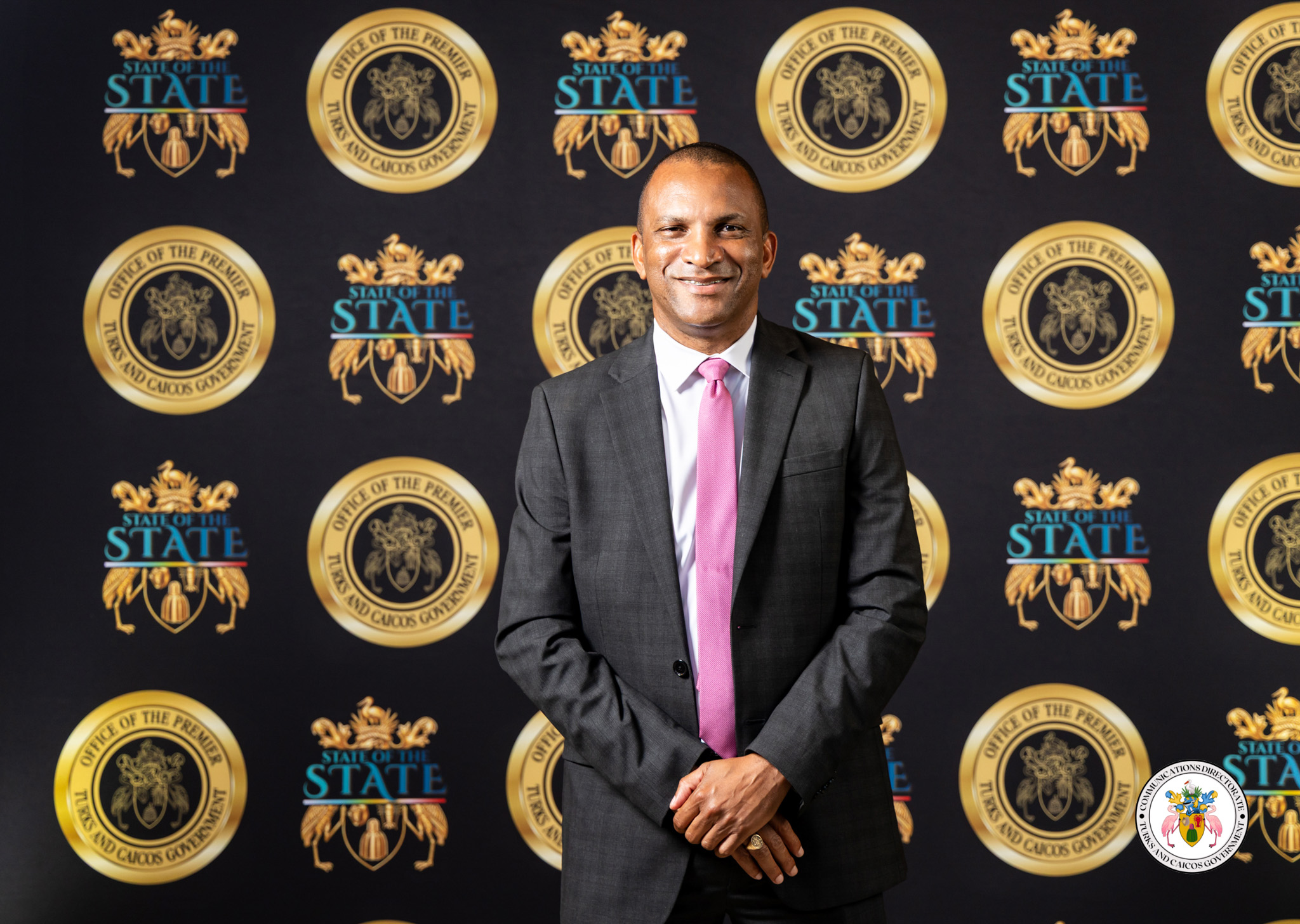
Turks and Caicos – A $6 million digital transformation programme launched after the 2024 government cyber breach is now driving a major push toward e-government in the Turks and Caicos Islands, with new systems planned for online payments, national digital identification and biometric border controls.
In his 2026 State of the State Address, Premier Charles Washington Misick said weaknesses exposed by the cyber-attack made it clear that government technology systems must be modernised to improve security, efficiency and public service delivery.
The Premier said the three-year digital agenda includes stronger network security, a redesigned government data system, new identity management tools and the creation of a National Security Operations Centre to monitor threats.
He told the country that modernising government services through digital transformation and e-governance is no longer optional but necessary for transparency, accountability and national progress.
One of the centrepieces of the plan is the National Digital ID Programme, which the Government says will modernise civil registration, establish a national population register and make it easier for residents to access public services while strengthening national security and election integrity.
The Premier also pointed to early success with the new E-Pay system, reporting that more than $1 million in government payments had already been made online within days of its launch in February, reducing long lines, paperwork and processing delays while improving transparency in public transactions.
Digital transformation is also extending to the country’s borders.
The Government confirmed that a multi-million-dollar Digital Borders Programme will introduce biometric screening and automated E-Gate technology at ports of entry, allowing citizens and low-risk travellers to move more quickly through immigration while giving authorities real-time access to identity and status information.
The move aligns with wider security standards being implemented across British Overseas Territories, where upgraded border technology is being introduced to strengthen immigration control and improve passenger processing.
Officials say the changes are part of a broader effort to create a more modern, secure and efficient public service, with additional digital systems planned across government departments over the next several years.
Angle by Deandrea Hamilton. Built with ChatGPT (AI). Magnetic Media — CAPTURING LIFE.





-

 News1 week ago
Password to Paradise Radio Remotes at Beaches Turks & Caicos continue to highlight the TCI as the preferred Caribbean destination
-

 Bahamas News1 week ago
Bahamasair Backs Surge as Bahamians Flood South Florida for V.J. Edgecombe Showdown
-

 News1 week ago
50 Years of Ministerial Government: Cabinet Moves to Mark Milestone Rooted in 1976 Constitution
-

 News1 week ago
Fuel Costs Rise Again as Pelican Energy Warns of Global Pressures
-

 News1 week ago
Government Moves to Amend Destination Management Fee Law
-

 News1 week ago
Flow TCI Empowers Local Communities with ‘Project EmpowerHER’
-

 Bahamas News1 week ago
Mother’s Pride Headlines Bahamian Takeover at Sixers-Heat Clash in Miami
-
 News1 week ago
Millions Unspent, Projects Stalled as Astwood Questions Government Efficiency