
News
Border Force Warns Travellers About Illegal Importation of Handheld Gambling Devices


Providenciales, Turks and Caicos Islands, 23rd January 2025 – The Turks and Caicos Islands Border Force recently intercepted illegal handheld gambling devices coming through Howard Hamilton International Airport. Often disguised as everyday electronic gadgets, these devices are strictly prohibited under the Casino Ordinance, which imposes severe penalties for their importation.
In the past month alone, Border Force officers intercepted 70 such devices during routine inspections of passengers’ luggage and cargo. Smugglers frequently attempt to conceal these items within personal belongings or mislabel them on cargo manifests to evade detection.
Sophisticated tactics, including hidden compartments and misleading product descriptions, are commonly employed to bypass customs controls.
Under the Casino Ordinance, importing, possessing, or distributing unlicensed gambling devices is a criminal offence. Offenders may face fines of up to $3,000, imprisonment for up to two years, or both, depending on the severity of the violation.
The Border Force hereby reminds the public that ignorance of the law is no defence and urges all travellers and businesses to comply with import regulations. Travellers are advised to ensure that any electronic devices they bring into the country comply with local laws. Importers and retailers are likewise reminded to verify the legality of their products before shipment.
It is important to note that TCI Lotto Games is the only authorised operator of lottery activities in the Turks and Caicos Islands. Any other entity or individual involved in importing or possessing unlicensed gambling devices is breaching the Casino Ordinance and will be held accountable under the law. By remaining vigilant and adhering to these regulations, travellers and businesses can help prevent illegal activities and support the integrity of the Turks and Caicos Islands’ border controls.
For all media inquiries, please contact crilightbourne@gov.tc


News
Password to Paradise Radio Remotes at Beaches Turks & Caicos continue to highlight the TCI as the preferred Caribbean destination
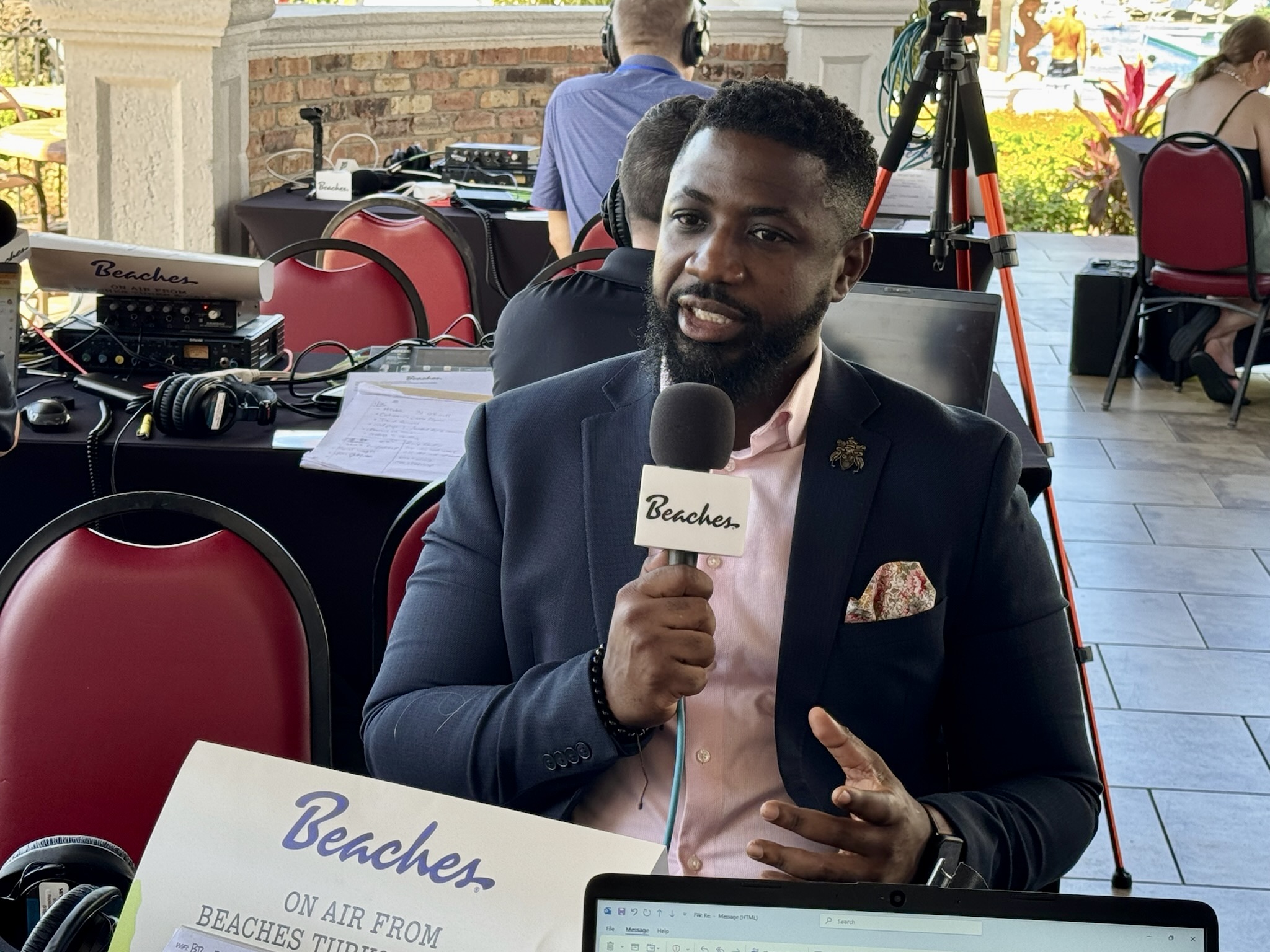
PROVIDENCIALES, Turks & Caicos Islands: — For two consecutive weeks, popular on‑air personalities set up remote studios on the sands of Grace Bay, turning Beaches Turks & Caicos into a live broadcast hub for North American listeners. Morning shows and drive‑time programmes all streamed directly from the resort, with hosts sharing first‑hand impressions of the islands’ beaches, culinary scene, and signature warm hospitality.
The broadcasts formed part of the “Password to Paradise” promotion, a multi‑station campaign that invited listeners to tune in for special on‑air codes for the chance to win all‑inclusive vacations to Beaches Turks and Caicos resort. Stations in major markets across the U.S. and Canada used the resort as their backdrop while encouraging audiences to “trade the cold for Turks and Caicos,” painting vivid pictures of turquoise waters and white‑sand shores with every break.
The “Password to Paradise” mission, already a proven radio promotion format in Canada and the U.S., took on new resonance when paired with live reports from the resort itself. Contest teasers, winner announcements, and social media reels featuring guests arriving in Turks and Caicos amplified the islands’ profile well beyond traditional print or digital advertising.
Tourism officials have welcomed the radio initiative as a timely boost to an already buoyant sector. Minister of Tourism, Agriculture, Fisheries and Environment, Hon. Zhavargo Jolly, emphasized the importance of partnerships that not only grow arrivals but also ensure that Turks and Caicos Islanders remain the primary beneficiaries of tourism’s success.
In commenting on the recent wave of live broadcasts and contests, Minister Jolly noted, “these visiting broadcasters have showcased the islands to millions of listeners across North America and underscored the “value added” to an economy that continues to expand on the strength of tourism.” He continued, “ sustained, experience‑driven campaigns like “Password to Paradise” align with the government’s broader strategy of attracting high‑value visitors while protecting the country’s natural assets and cultural heritage.”
The Turks and Caicos tourism product is widely described as a cornerstone of the national economy, as this sector continues to grow from strength to strength it will increase the number job creation for islanders.
Additionally, tourism leaders point to the long‑tail impact of being featured repeatedly across multiple radio brands, social channels and contest sites. Each on‑air mention, online clip and contest entry serves as an invitation to discover Turks and Caicos, reinforcing the islands’ reputation as a premier Caribbean destination at a time when global competition for tourists is intense.
For Beaches Turks and Caicos, the broadcasts were another opportunity to highlight its position as one of the region’s leading family‑friendly all‑inclusive resorts. DJs and hosts shared experiences from the resort’s multiple villages, expansive pools, waterpark attractions, and dining venues, giving listeners an authentic taste of the “Luxury Included” vacation concept from a guest’s point of view.
General Manager, Deryk Meany highlighted the resort’s partnership with the radio stations as he complemented a wider pattern of media collaborations that Turks and Caicos has pursued in recent years, from television features in major U.S. markets to digital campaigns showcasing the archipelago’s diverse islands. With the success of the latest “Password to Paradise” mission, industry insiders say the stage is set for more creative broadcast partnerships that leverage the power of storytelling to keep Turks and Caicos Islands firmly on the map.
News
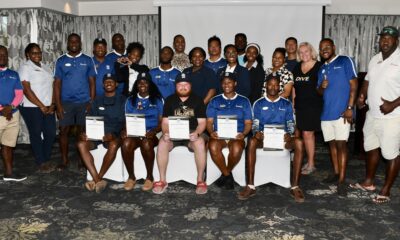
Beaches Turks & Caicos adds four new PADI Dive Instructors to the cadre of professionals in the watersports department
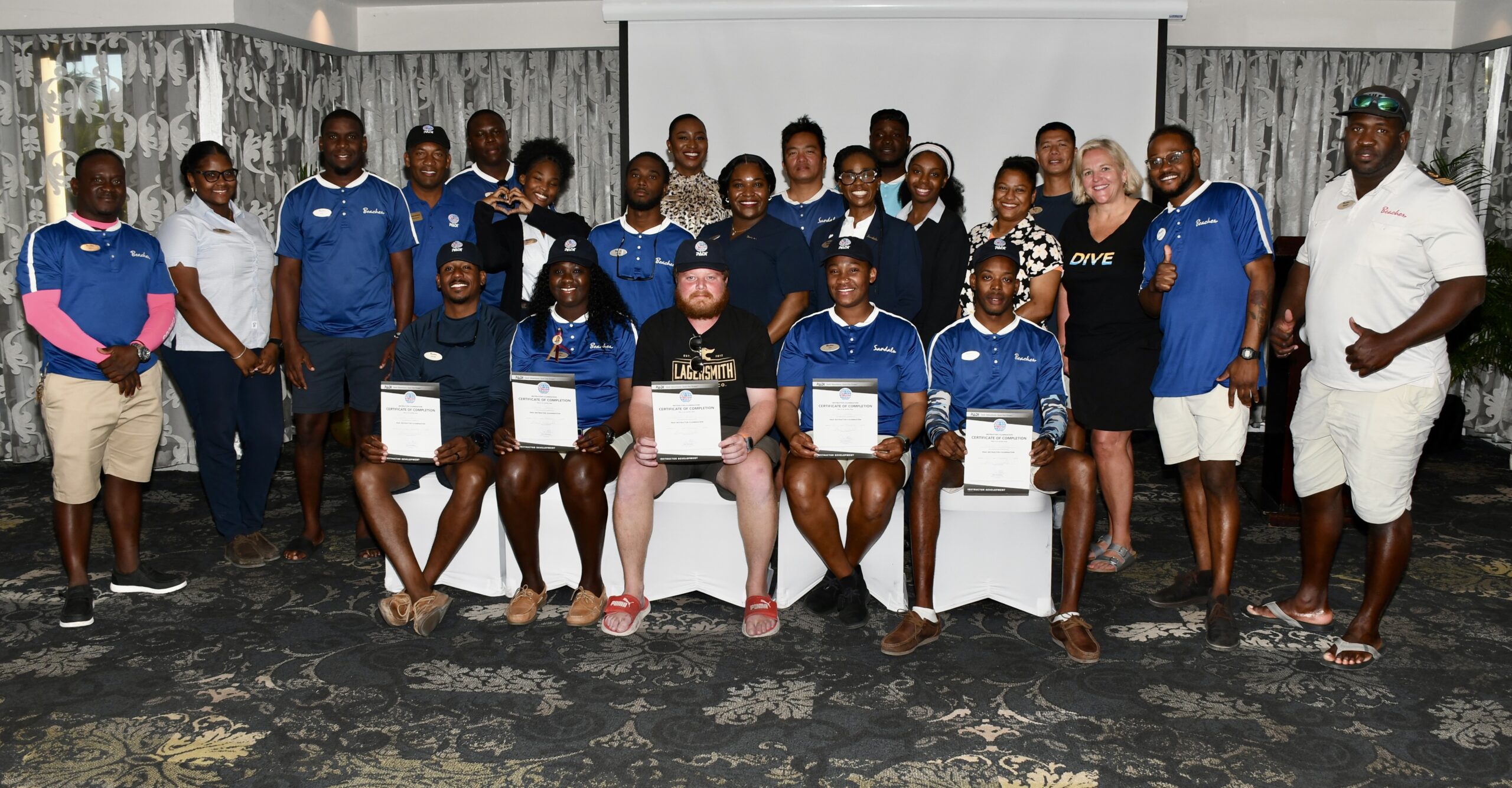
PROVIDENCIALES, Turks & Caicos Islands: — Beaches Turks & Caicos, a PADI-certified dive resort in Providenciales, continues to invest in its watersports team by training and certifying four team members to become qualified dive instructors to its operation. The resort operates one of the most comprehensive resort diving programmes in the region, offering on-site PADI courses and daily dives for guests of varying experience levels.
These latest certifications were conducted under the supervision of PADI Course Director and Dive Shop Manager Leonard Suckrajh, who is among an elite group of PADI professionals in the Caribbean. His role as course director allows the resort to deliver instructor-level training on property, further elevating the standard of safety, education and guest experience at the resort’s dive centre.
Suckrajh expressed his satisfaction with the commitment and professionalism demonstrated by the four new instructors, Almina Browne, Cicely Clarke, Andrew Dunkley and Boat Captain Tryston Sang throughout their training and assessment. “I am extremely proud of them,” he said. “They have invested significant time and effort in developing their technical competence and instructional skills and their achievement reflects a deep commitment to delivering safe, high-quality dive experiences for our guests.”
He noted that their performance reflects a strong culture of excellence within the watersports department and aligns with the resort’s long-standing emphasis on safety and training. “At Beaches Turks and Caicos, our objective is not only to train divers, but to develop highly responsible professionals who understand that every dive is grounded in safety, teamwork and respect for the marine environment,” he added. Suckrajh, whose own progression to course director spans more than two decades in watersports and diving within the Sandals and Beaches brands, said the new instructors represent “the next generation of leaders within our dive operation.”
General Manager, Deryk Meany, commended the level of collaboration required to guide four new instructors through the rigorous PADI process. “Attaining PADI instructor status is a demanding accomplishment that cannot be realized in isolation,” Meany said. “It requires the coordinated support of the dive shop, the wider watersports team, and the broader resort operation to ensure candidates have the necessary resources, time and mentorship to succeed.”
He emphasized that strengthening the cadre of certified instructors supports the resort’s commitment to excellence in guest service. “Each additional instructor enhances our capacity to offer guests a greater range of options, a higher degree of personal attention and consistently high safety standards,” Meany continued. “This milestone reinforces our position as a leading provider of family-friendly diving experiences in the Caribbean.”
Beaches Turks and Caicos is recognized for providing a wide spectrum of PADI courses on site, from Discover Scuba Diving and Open Water certification to advanced and specialty programmes. Previous training initiatives at the resort have resulted in many team members achieving PADI instructor status, significantly increasing both certification capacity and in-water safety oversight.
News
Beaches Turks & Caicos shares fine dining experiences to high school students in Providenciales
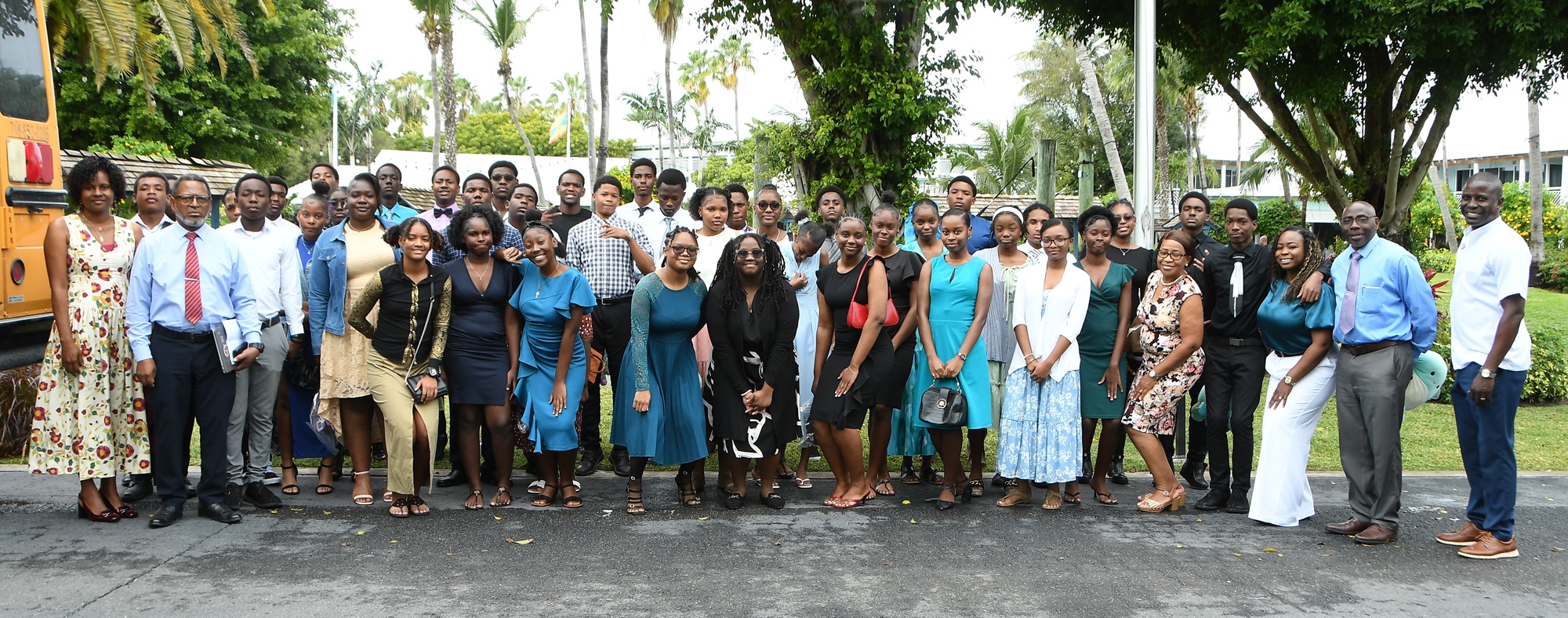
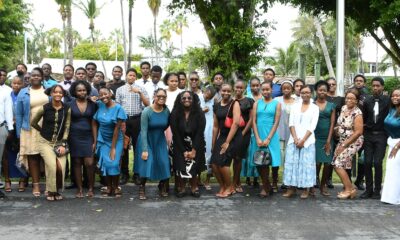
PROVIDENCIALES, Turks & Caicos Islands: — Students from the Clement Howell High School were recently welcomed to Beaches Turks and Caicos for an immersive fine dining and etiquette session at one of the resort’s signature à la carte restaurants. For the second consecutive year, the resort’s learning and development, public relations and food and beverage teams designed and delivered practical training that exposed students to the standards and expectations of a world‑class hospitality environment.
General Manager of Beaches Turks and Caicos, Deryk Meany, said the resort is committed to making the experience a fixture on the school calendar. “We are honoured to once again open our doors to the students of Clement Howell High School,” Meany added. “As one of the largest employers and training grounds in the Turks and Caicos Islands, we see it as our responsibility to help prepare the next generation with the skills, confidence and professional support they need to succeed in hospitality and beyond.”
He added that the partnership aligns with the values of both Beaches Resorts and the Sandals Foundation. “This programme is about more than a single day at the resort,” Meany continued. “It is about creating a consistent pathway for young people to see themselves in this industry, to understand the standards we uphold, and to recognise that there is a place for them at every level of the tourism sector.”
During the session, the resort’s learning and development and food and beverage professionals guided students through the full fine‑dining experience—from greeting and seating, to understanding multi‑course menus, cutlery placement, napkin etiquette and appropriate table conversation. Students also learned about body language, professional dress, and how to conduct themselves confidently in formal and semi‑formal settings such as interviews, scholarship dinners and official functions.
Learning and Development Manager Phildreka Mayham explained that the training was deliberately structured to blend technical knowledge with life skills. “Our goal is to demystify the fine dining environment for these students,” Mayham noted. “We want them not only to know which fork to use, but to understand that etiquette is really about respect for others, respect for themselves, and the ability to move comfortably in any social or professional space.”
She added that the programme is also a platform to introduce students to career possibilities. “Through this engagement, they get to interact directly with our team members, ask questions about different roles, and see first‑hand that hospitality offers diverse pathways—from culinary arts and service to training, management, and leadership,” Mayham shared.
For Clement Howell High School, the partnership with Beaches Turks and Caicos and the Sandals Foundation has become an important extension of the Health and Family Life Education (HFLE) curriculum. Guidance Counsellor Tanisha Graham said the experience supports the school’s broader focus on personal development and career readiness. “Our students are learning about self‑presentation, communication, and social responsibility in the classroom,” Graham noted. “Being able to step into a professional fine dining setting and put those lessons into practice is incredibly powerful for them.”
Graham emphasised the impact on students’ self‑confidence. “Many of our students are experiencing this kind of setting for the very first time,” she explained. “To see them sit up a little straighter, engage in conversation, and realise that they belong in these spaces—that is transformational. It reinforces the message that their potential is limitless.
Public Relations Manager, Orville Morgan added, “this initiative forms part of the resort’s ongoing investment in education and skills development across the Turks and Caicos Islands, complementing previous support to Clement Howell High, including enhancements to hospitality‑related clubs and programmes. The fine dining and etiquette training is expected to continue as an annual feature, with plans to refine and expand the experience based on feedback from students and teachers.”
As the second cohort of HFLE students completed their training, teachers expressed optimism that the collaboration will continue to grow and inspire even more young people to consider careers in hospitality. For Beaches Turks and Caicos, the hope is that today’s students will return in the years ahead as interns, team members, and leaders—bringing with them the confidence, poise and professionalism first nurtured at a carefully set table in one of the resort’s restaurants.





-

 News1 week ago
CARICOM – A Regional Club With Benefits; Turks & Caicos Wants In
-
 Health7 days ago
Turks and Caicos Islands Hospital Celebrates Patient Safety Awareness Month: “Team Up for Patient Safety”
-

 News16 hours ago
Password to Paradise Radio Remotes at Beaches Turks & Caicos continue to highlight the TCI as the preferred Caribbean destination
-
 News2 days ago
Beaches Turks & Caicos adds four new PADI Dive Instructors to the cadre of professionals in the watersports department
-
 Health7 days ago
Turks and Caicos Islands Medical Association (TCIMA) Elects New Executive
-
 News2 days ago
Beaches Turks & Caicos shares fine dining experiences to high school students in Providenciales
-

 News5 days ago
Flow TCI supports ‘Stars of Tomorrow’ at Inter-Primary Track and Field Championships
-
 News5 days ago
ISU Community Caravan Delivers Essential Services to Granny Hill North