
Government
New Boundaries, More MPs and No Appointed Members expected in Constitutional Changes says Premier

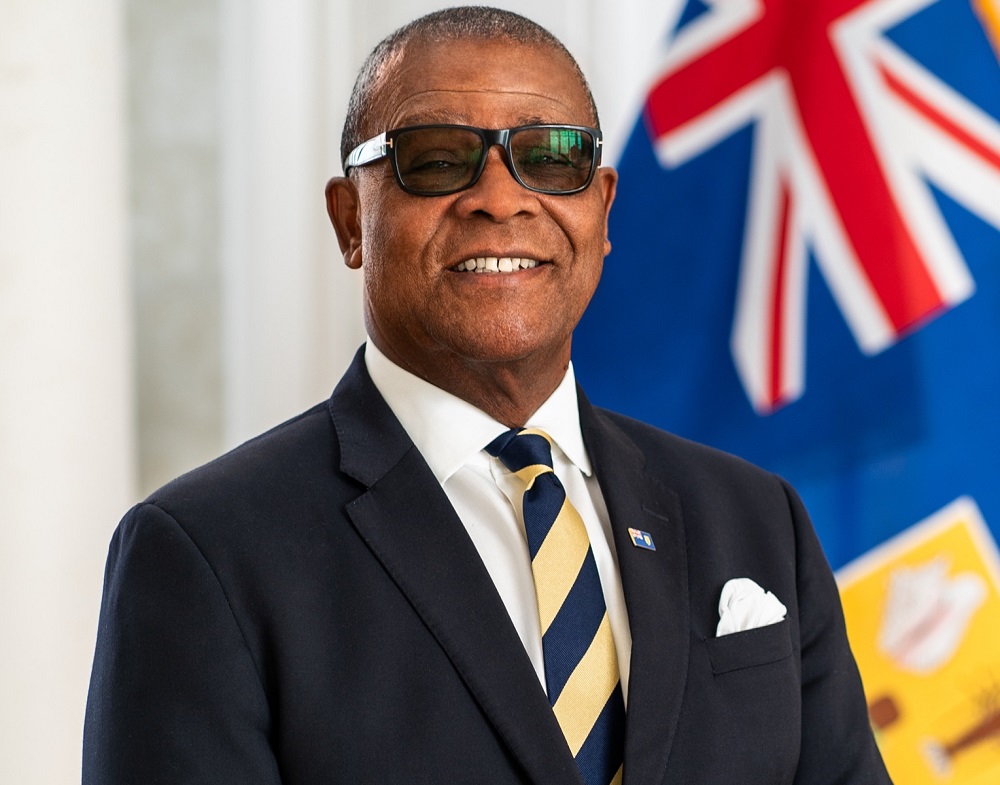
Deandrea Hamilton and Dana Malcolm
Editorial Staff
#TurksandCaicos, December 21, 2023 – The next General Election in the Turks and Caicos Islands will likely feature more candidates, more constituencies, and an elimination of the appointed members to the House of Assembly; in anticipation of the UK-approved constitutional changes, the PNP Government administration has allocated an additional $100,000 for the TCI Electoral Boundaries Commission in its most recent Budget supplementary.
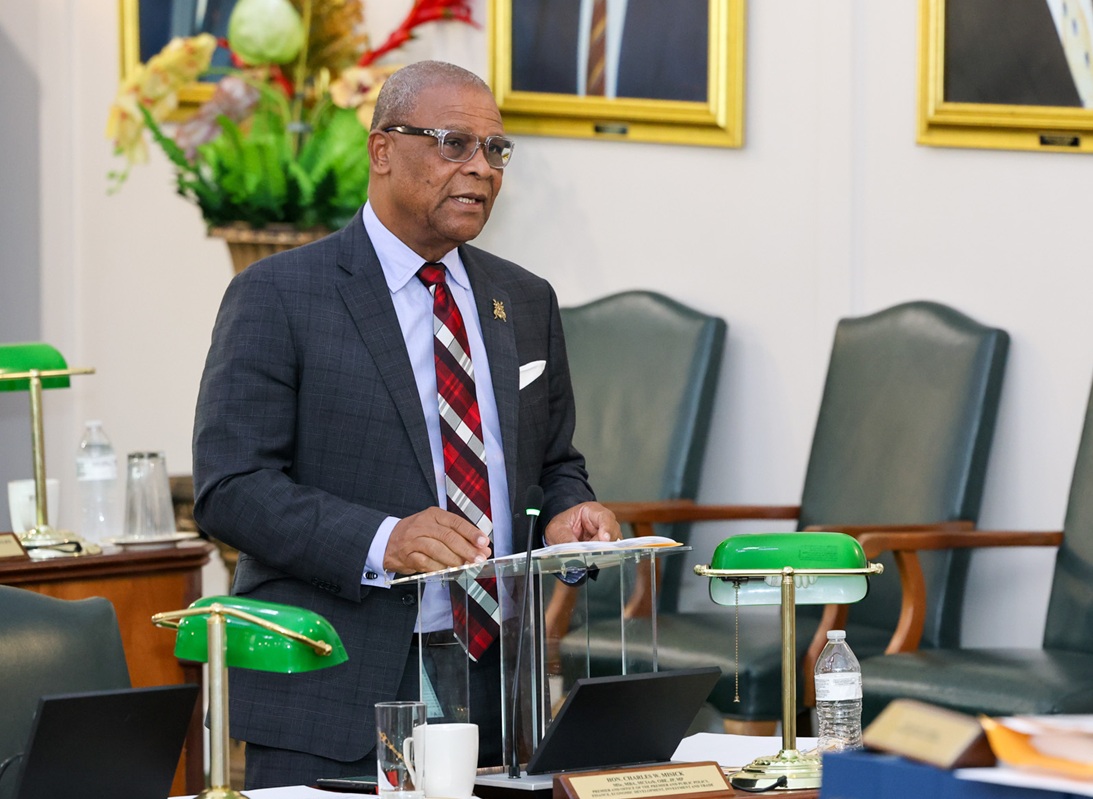
“We have had some advanced indication from the United Kingdom. It’s very clear what they will grant in terms of a constitutional amendment on four points. The rest of the proposals, we are waiting for at the moment, and I have just asked Her Excellency to put some urgency behind London so we will get that soon. Because there will be potentially– a number of amendments that will have to be made before the election, including the establishment of a boundaries commission, and the review of the boundaries; and those monies are there in anticipation of that happening,” Misick said.
David Rutley, Minister for the Foreign Commonwealth and Development Office, had agreed to fast-track three amendments to the constitution during the Joint Ministerial Council held in London in November. Namely, amendments that deal with the length of a parliamentary term, changing the name of the parliament and removing the appointed members. As Misick noted, it is anticipated that those changes will be made, but not certain. It is part of a raft of amendments the TCI Governing and Opposition parties presented to the UK after a country-wide constitutional consultation.
Currently, the Governor of the Turks and Caicos Islands appoints two members to the parliament, with the governing and opposition parties putting forth one person each for a total of four individuals.
There are still no definitive answers on whether the Turks and Caicos Islands will see the appointed members removed and the parliament renamed or if a longer parliamentary term will be approved before the next elections which are constitutionally due in 2025. But just in case, the government has furnished the process with $100,000 in order to fund the Boundaries Commission, which would undertake, the often arduous process of drawing up new constituency lines. Those constituencies will determine where votes will be cast for the new elected members of parliament who would replace the appointed members. If not, Misick said the electoral boundaries will be addressed regardless.
“We can’t presume exactly what the final decision is going to be even though we are fairly clear that the boundaries issue will be addressed. Whether it is addressed or not– we would still have to deal with the Boundaries’ Review because the Ordinance speaks to the proportionality and numbers of people and the different peculiarities of the different islands and the constituency boundaries so those funds are placed here regardless.”
He was referring to a 2021 Commonwealth Parliamentary Association report following its observations in the February 2021 General Elections. The CPA’s report cited that boundaries demanded equal numbers of constituents in each district, and that the work on balancing the districts should be completed within four years.
A Budget Supplementary presented and passed in the House on December 13 included the new allocation, announced by E. Jay Saunders, the Minister of Finance and Deputy Premier; it prompted the question from Edwin Astwood, Leader of the Opposition, regarding the legislative changes.
“I see allocations to the Boundary Commission and I will be writing to the Honorable Premier and probably the Governor seeking clarification. Are we intending [to] do the boundaries exercise and getting those four additional seats in?”
Under Washington Misick, a special constitutional attorney, Jeffery Jowell, was hired to progress a long-standing suite of amendments which despite having been ratified in the public domain since 2014 and supported by a bi-partisan Review Committee, were under threat of dying on the vine.
It was clear that more tenacious action was required and with the support of the House of Assembly, the expert mediator and litigator, having had success in the Cayman Islands was brought in to navigate a restoration of some powers to the elected government.
It has helped that there is a distinctive shift in tone from the British, expressed through successive governors that there is an appetite to acquiesce and action some of the desires of the TCI people as revealed in the constitutional consultations. Additionally, an admirable demonstration by the elected officials spanning 2012 to now in conducting country affairs in line with UK-established good governance principles meant there was no need for Mother England to continue to hold on so tightly to the reins.
Now, an eighth Cabinet minister has been added, the Turks and Caicos elected government is part of Crown Land management and the UK is open to new boundaries which will increase the share of members of parliament who are hired by the electorate through a vote, versus appointed by the British governor or the two political parties.
The Premier said the UK had been clear on what they would grant; however, the country was still awaiting decisions on the remaining areas of interest. Misick, in an effort to follow through, has made a request of the Governor, to speed up the process.
“We are expecting to have a finalized position from the UK, certainly I am hoping early in the first quarter of next year.”
Premier Washington Misick was speaking in parliament during the recent Supplementary Appropriation Bill debate on Wednesday, Dec 13.




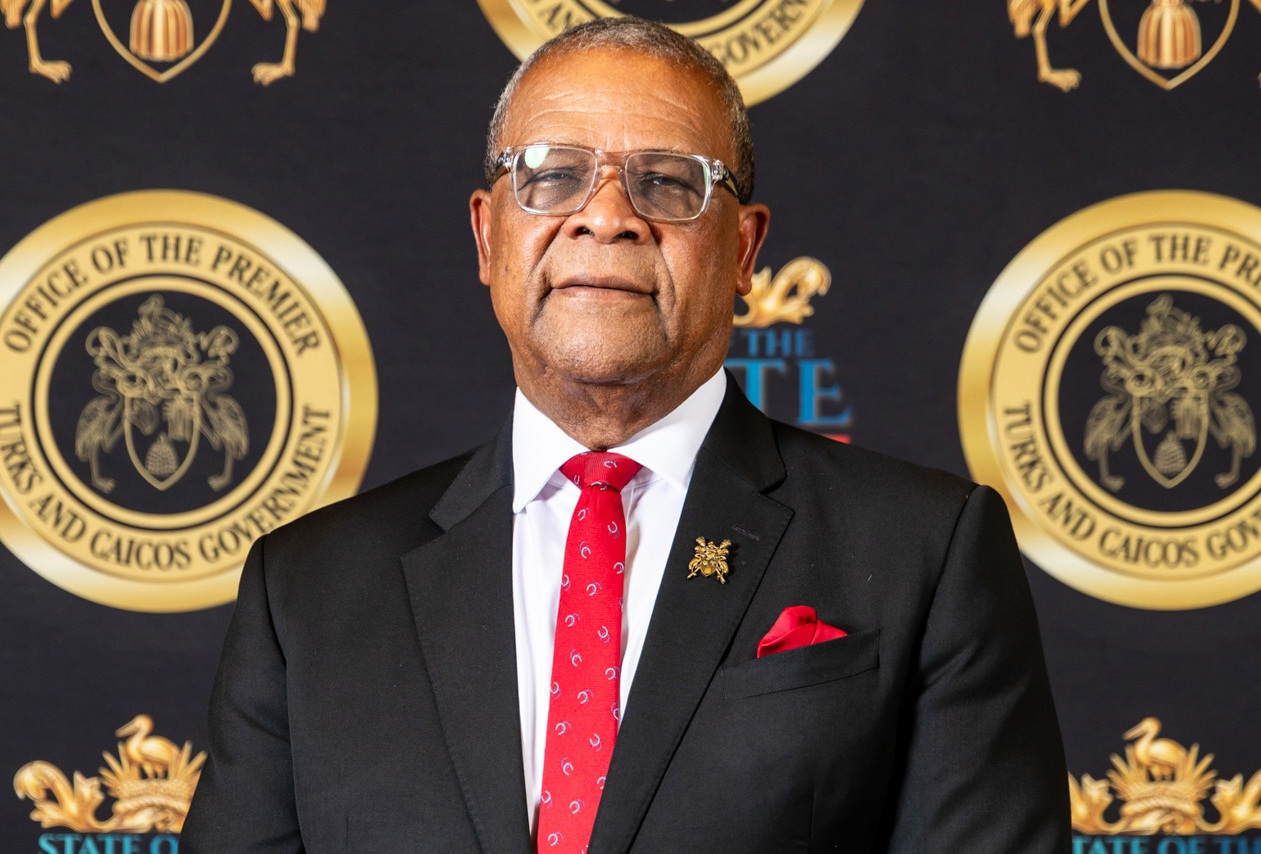
Turks and Caicos, March 18, 2026 – Despite securing significant constitutional reforms within the past year — including new powers that allow for a national referendum — Premier Charles Washington Misick made no mention of independence or any vote on the country’s political future during his 2026 State of the State Address, signalling what appears to be a continued strategy of building institutional strength before raising the question with the electorate.
The absence of any reference to a referendum stood out, particularly after the Turks and Caicos Islands successfully negotiated constitutional changes with the United Kingdom that expanded the authority of elected leaders and modernised the structure of Government.
Those reforms, which took effect last year, increased the size of Parliament, allowed for more Cabinet ministers, extended the life of a government from four to five years, and strengthened the role of elected officials in domestic affairs. The amendments also included provisions allowing for a referendum to be held on matters of national importance, a change widely viewed as giving the territory greater flexibility in determining its future political direction.
In his address, the Premier spoke of the reforms as moving the country toward “fuller self-government,” noting that the changes deliver a fully elected Parliament, widen delegated responsibility in external affairs and give elected leadership clearer authority and accountability to the people.
However, while the speech emphasised sovereignty, national security and stronger local institutions, it stopped short of any suggestion that the Government intends to call a referendum on independence or any other change in constitutional status.
Instead, the tone of the address suggested a focus on strengthening systems at home before considering further political steps.
The Premier outlined plans to expand the Police Force, strengthen the Border Force, increase the role of the Turks and Caicos Islands Regiment, modernise government through digital transformation, and improve immigration control through biometric border technology — all measures he said are necessary to secure the country’s future.
He also pointed to economic stability, infrastructure development and expanded investment as priorities, repeatedly framing the Government’s approach as one of building a stronger and more secure nation before taking on larger challenges.
The 2024 constitutional amendments, agreed between the Turks and Caicos Islands Government and the United Kingdom, formally expanded the number of elected members in the House of Assembly, increased the number of Ministers who may serve in Cabinet, extended the Parliamentary term to five years, strengthened Cabinet authority in domestic matters, and introduced provisions allowing for a referendum to be held on issues of national importance. The changes also widened delegated responsibility to local leaders in key areas of governance, marking one of the most significant steps toward greater self-government in recent decades.
The constitutional reforms achieved last year were seen by many observers as laying the groundwork for greater autonomy, and potentially future debate on independence, but the latest State of the State suggests the Government is moving cautiously.
For now, the message from the Premier appears clear: before any question of political status is put to the people, the country must first strengthen its institutions, its economy and its capacity to govern itself.
Angle by Deandrea Hamilton. Built with ChatGPT (AI). Magnetic Media — CAPTURING LIFE.
Government
$6M Digital Transformation Drive to expand E-Government, National ID and Biometric Borders
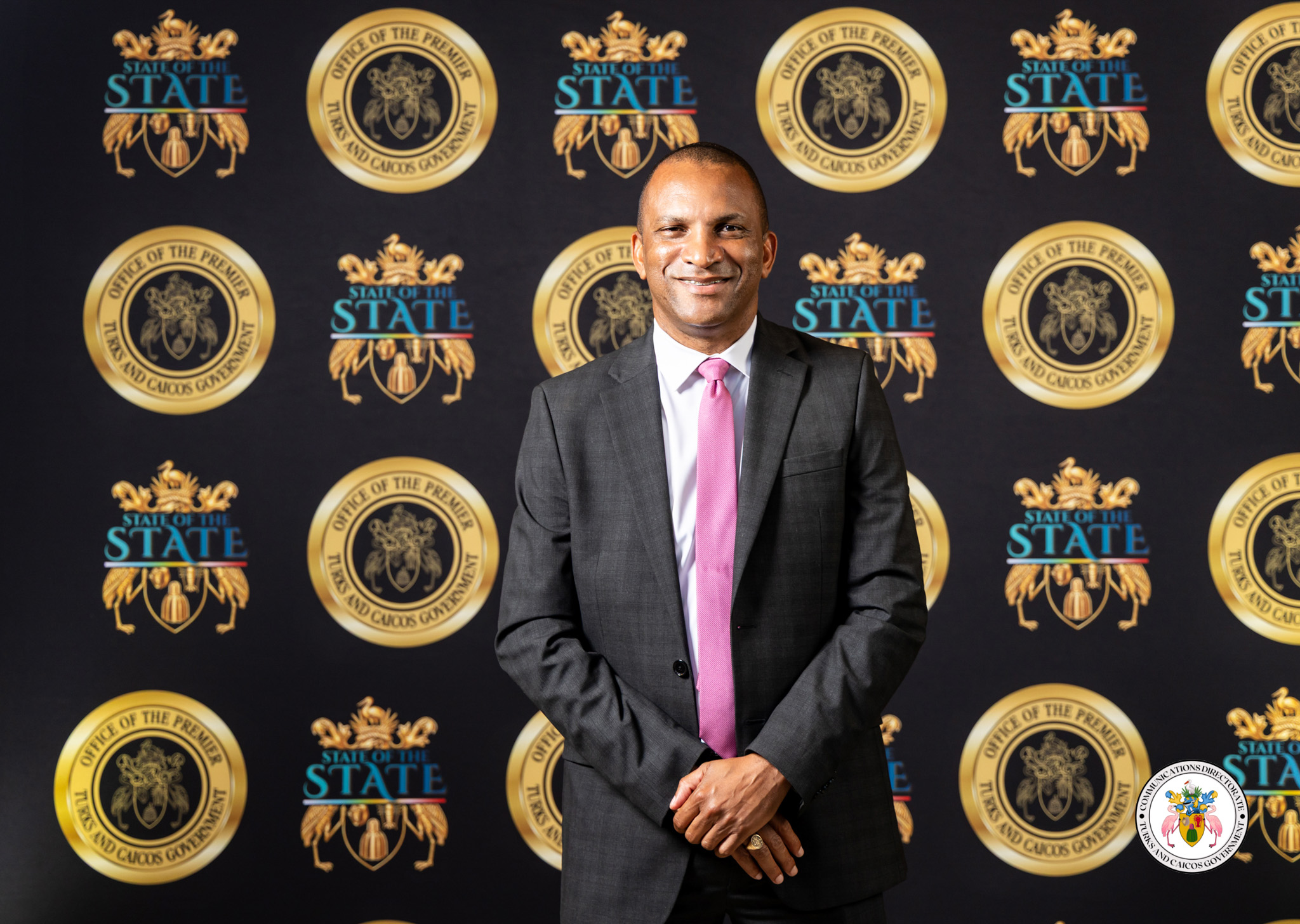
Turks and Caicos – A $6 million digital transformation programme launched after the 2024 government cyber breach is now driving a major push toward e-government in the Turks and Caicos Islands, with new systems planned for online payments, national digital identification and biometric border controls.
In his 2026 State of the State Address, Premier Charles Washington Misick said weaknesses exposed by the cyber-attack made it clear that government technology systems must be modernised to improve security, efficiency and public service delivery.
The Premier said the three-year digital agenda includes stronger network security, a redesigned government data system, new identity management tools and the creation of a National Security Operations Centre to monitor threats.
He told the country that modernising government services through digital transformation and e-governance is no longer optional but necessary for transparency, accountability and national progress.
One of the centrepieces of the plan is the National Digital ID Programme, which the Government says will modernise civil registration, establish a national population register and make it easier for residents to access public services while strengthening national security and election integrity.
The Premier also pointed to early success with the new E-Pay system, reporting that more than $1 million in government payments had already been made online within days of its launch in February, reducing long lines, paperwork and processing delays while improving transparency in public transactions.
Digital transformation is also extending to the country’s borders.
The Government confirmed that a multi-million-dollar Digital Borders Programme will introduce biometric screening and automated E-Gate technology at ports of entry, allowing citizens and low-risk travellers to move more quickly through immigration while giving authorities real-time access to identity and status information.
The move aligns with wider security standards being implemented across British Overseas Territories, where upgraded border technology is being introduced to strengthen immigration control and improve passenger processing.
Officials say the changes are part of a broader effort to create a more modern, secure and efficient public service, with additional digital systems planned across government departments over the next several years.
Angle by Deandrea Hamilton. Built with ChatGPT (AI). Magnetic Media — CAPTURING LIFE.





-

 News4 days ago
GOLD & SILVER – Hall & Guerrier Fly High for Turks and Caicos at CARIFTA 2026
-

 News4 days ago
CALL 649-338-4008 OR 649-338-2684 IF A CHILD IS AT RISK: TCI Confronts Alarming Reality During Child Abuse Prevention Month
-

 Independent writer3 days ago
The Rise of Right-Wing Populism and What It Could Mean for the Turks and Caicos Islands
-

 News5 days ago
Beaches Turks & Caicos, FIU train next generation of hospitality leaders in Providenciales
-

 Bahamas News4 days ago
Fuel Pain at The Pump: Global Tensions Drive Prices Up as Bahamians Feel the Squeeze
-

 Bahamas News4 days ago
FNM’S $200 CHILD SUPPORT PLAN SPARKS DEBATE AS PLP QUESTIONS FUNDING AND SCOPE
-

 News4 days ago
Birthright Citizenship Unchanged as U.S. Supreme Court Weighs Case, Majority of Americans Oppose Ending Policy
-

 Bahamas News4 days ago
COI UNVEILS FIRST 100 DAYS PLAN, PROMISING SWEEPING CHANGE AND BREAK FROM MAINSTREAM POLITICS