Health
Millions of Dengue Cases for the Caribbean & Americas; 4,000 dead globally

Rashaed Esson
Staff Writer
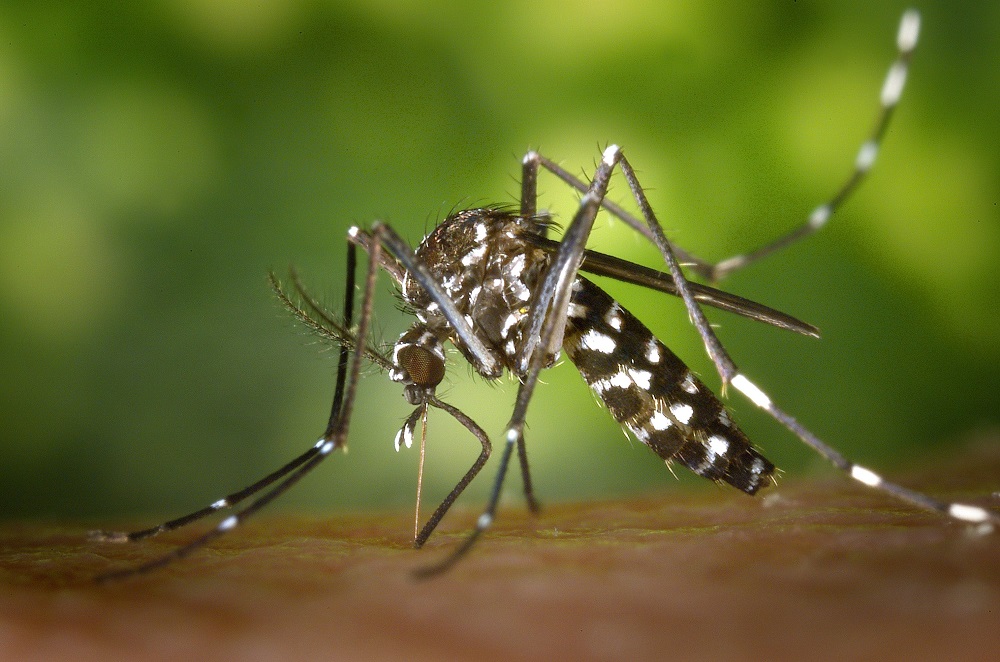
December 29, 2023 – A record breaking amount of more than 4 million cases of dengue have been reported throughout the Caribbean and Americas for 2023 and this is linked to the increase in temperatures.
The Western Hemisphere is reported experiencing high numbers of infections not seen since record keeping began, and experts are saying the rising temperatures due to climate change as well as rapid urbanization, are contributing factors, speeding up the rate of infection.
In fact, the Associated Press reports that this year’s numbers surpass a record set in 2019. Also, it said officials of The Bahamas and Brazil, are complaining of crowded clinics and new infections daily.
Also, over 2,000 deaths in the region have been recorded.
Thais dos Santos, adviser on surveillance and control of arboviral diseases with the Pan American Health Organization, speaks to the record breaking dengue outbreak saying, “This year is the year we’ve been seeing the most dengue in recorded history.”
She added that diseases like dengue, is a way of tracking the happenings regarding climate change, in this case, higher temperatures.
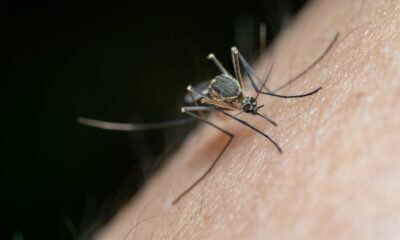
“Vector borne diseases, especially these diseases that are transmitted by mosquitoes … provide us a really good sentinel of what is happening with climate change.”
In relation to this, Dr. Gabriela Paz-Bailey, Chief of the dengue branch for the US Center for Disease Control and Prevention in Puerto Rico, informed that mosquito habitats are being extended by high temperatures and that the virus is also being developed faster in mosquitos, resulting in higher viral loads and a higher probability of transmission.
Copernicus, the European climate service, says 2023’s Northern Hemisphere summer was the hottest ever, August temperatures 1.5 degrees Celsius (2.7 degrees Fahrenheit) warmer than pre-industrial averages. This year is dubbed the second hottest on record.
Worldwide, more than 4.5 million cases of dengue had been reported as of early November, and more than 4,000 deaths reported in 80 countries.
The Caribbean reported a 15 percent increase in confirmed cases by early October compared with the same period last year, according to the Caribbean Public Health Agency (CARPHA).
Guadeloupe and Martinique declared an ongoing epidemic in August. Martinique is reporting an average of 800 cases a week on the island of some 394,000 inhabitants. Also, Jamaica and The Bahamas declared an outbreak in September followed by Barbados in October and Turks and Caicos in November.








Health
Turks and Caicos Islands Hospital Celebrates Successful Completion of 2026 Summer READY Programme
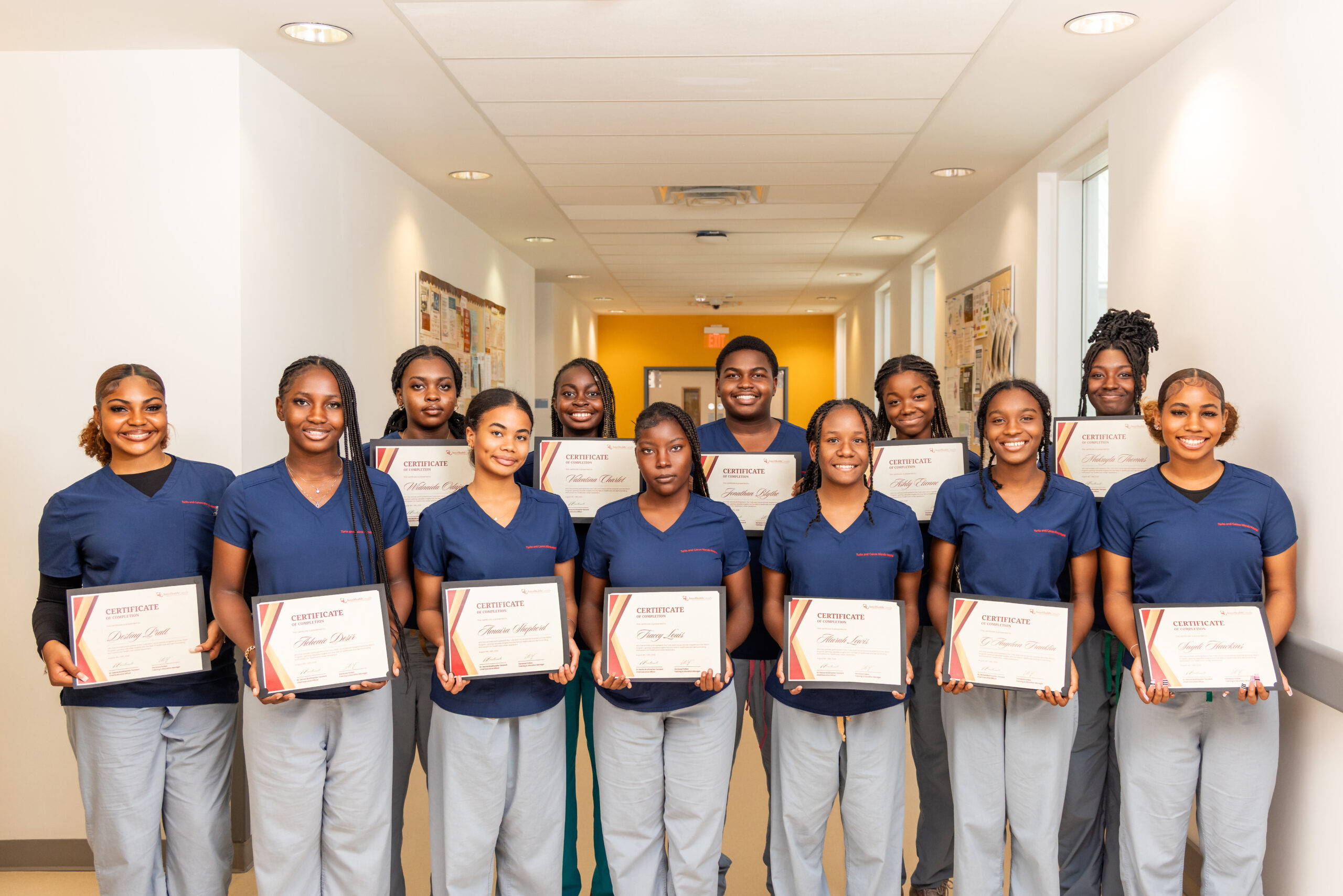
Providenciales, Turks and Caicos Islands – August 18, 2026 – Turks and Caicos Islands Hospital is pleased to announce the successful completion of its Summer READY Programme, a two-week internship initiative designed to provide high school students in Forms 3-5 with hands-on exposure to the healthcare environment and an opportunity to explore careers within the sector.
The programme, organised and hosted by the Training and Education Department, welcomed students into various clinical departments, where they gained first-hand insight into the day-to-day operations of a healthcare facility and learned directly from healthcare professionals.
Throughout the two-week internship, students were exposed to different aspects of patient care and clinical operations while developing important workplace competencies, including communication, teamwork, professionalism, punctuality and responsibility. The experience was designed to complement classroom learning while helping students make more informed decisions about their future education and career pathways.
Vernessa Forbes, Training and Education Manager, said the Summer READY Programme reflects the hospital’s commitment to developing young people and creating meaningful opportunities for them to explore the healthcare profession.
“Summer READY is about giving our young people an opportunity to experience healthcare beyond what they may have seen or learned in the classroom. Over the two weeks, our students were able to interact with healthcare professionals, observe different clinical environments and gain a better understanding of the dedication and teamwork required to care for our patients. We were impressed by their enthusiasm, curiosity and willingness to learn, and we hope this experience has inspired them to consider the many rewarding careers available in healthcare.”
By rotating through and gaining exposure to various clinical departments, students were also able to see that healthcare extends beyond the roles most commonly associated with a hospital. The programme introduced them to the range of skills, disciplines and professionals that work together to deliver safe, compassionate and high-quality patient care.
Dr. Denise Braithwaite-Tennant, Chief Executive Officer, said the hospital has an important role to play in building the human capacity needed to support the future development and sustainability of healthcare in the Turks and Caicos Islands.
“As a hospital, our responsibility extends beyond providing healthcare services today; we also have an important role in helping to develop the people who will deliver and lead healthcare tomorrow. Human capacity building is essential to the long-term sustainability of our health system, and programmes such as Summer READY allow us to introduce young people to healthcare careers early, nurture their interests and help them understand the educational and professional pathways available to them.
By opening our clinical environment to students and providing mentorship and practical exposure, we are helping to build a pipeline of future nurses, physicians, allied health professionals and other healthcare workers. We want our young people to see that there is a place for their talents within the health sector and, importantly, that they can build rewarding careers while contributing to the health and development of the Turks and Caicos Islands. We are proud to play our part in investing in the next generation and strengthening our country’s future healthcare workforce.”
The programme concluded with the presentation of certificates of completion to the students, recognizing their successful participation and commitment throughout the two-week internship.
Turks and Caicos Islands Hospital congratulates all of the students who successfully completed the Summer Ready Programme and extends its appreciation to the clinical teams, supervisors and staff members who provided mentorship, guidance and practical learning opportunities throughout the programme.
Through the Summer READY Programme and its wider education, training, internship and professional development initiatives, Turks and Caicos Islands Hospital remains committed to supporting national human capacity development. By partnering with educational institutions, government agencies and other stakeholders, and by providing mentorship and practical learning opportunities within the healthcare environment, the Hospital aims to strengthen the pipeline of skilled healthcare professionals needed to meet the evolving health needs of the Turks and Caicos Islands.
NASSAU, Bahamas — More Bahamians are accessing HIV and sexually transmitted infection-related healthcare through National Health Insurance, a trend the NHI Authority says should be viewed positively.
NHIA stressed in an August 6 statement that its 2025 figures measure healthcare utilisation, not newly diagnosed infections. They include beneficiaries screened, treated, monitored or receiving follow-up care, including people diagnosed previously.
“Increased utilisation of these services should be viewed as a positive development,” NHIA said.
The Authority pointed to “greater enrolment and use of NHI, improved access to screening and testing, continued treatment and monitoring of existing conditions, and increased willingness to seek medical care.”
The development comes amid a mixed three-year HIV picture. New diagnoses rose from 130 in 2023 to 156 in 2024, before declining to 142 in 2025.
NHIA said increased utilisation demonstrates that more beneficiaries are accessing needed healthcare and actively managing their health, reinforcing the importance of screening, early diagnosis and continued treatment.
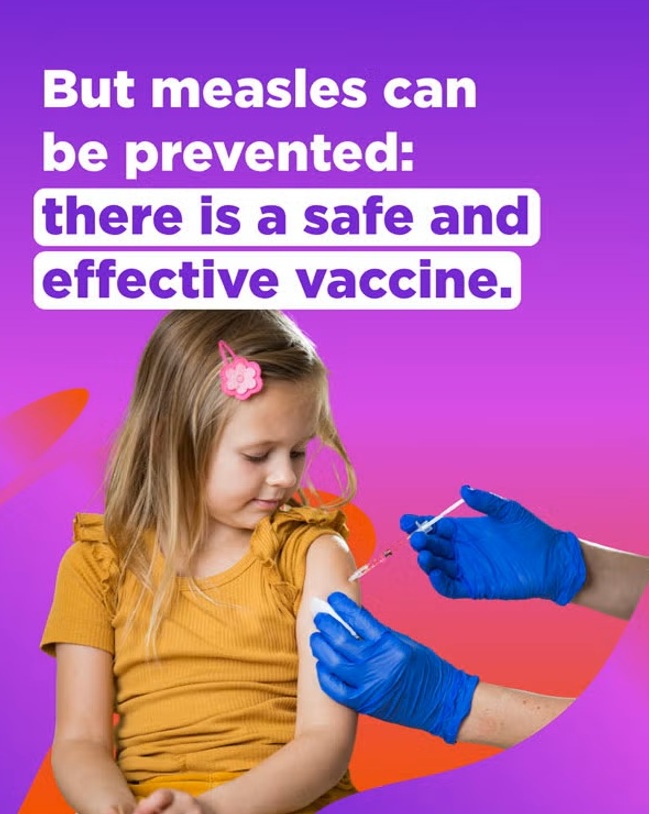
WASHINGTON, D.C. — The Americas has recorded 47,459 confirmed measles cases and 44 deaths in 2026, the region’s highest case count in 22 years, prompting the Pan American Health Organization (PAHO) to urge stronger vaccination, surveillance and rapid outbreak response.
As of July 18, cases were already more than triple the 15,011 recorded during all of 2025. Guatemala, Mexico, the United States and Peru account for 95% of confirmed cases. Guatemala leads with 30,371 cases and 26 deaths, followed by Mexico with 12,255 cases and 17 deaths.
PAHO classifies the regional public health risk as very high, citing active outbreaks, immunity gaps, international travel and populations with inadequate vaccination coverage.
The organization says prevention starts with vaccination. Countries are being urged to achieve and maintain at least 95% coverage with two doses of measles-containing vaccine, particularly protecting children and under-vaccinated communities.
Measles spreads through the air when an infected person breathes, coughs or sneezes. Symptoms can include fever, cough, runny nose, red eyes and a rash.
PAHO is urging health authorities to detect suspected cases early and respond rapidly to stop transmission. Unvaccinated and under-vaccinated people, young children and communities with limited healthcare access face increased risk of severe illness and death.