
Bahamas News
Caribbean Investment Forum Launched, Cooper speaks

Rashaed Esson
Staff Writer
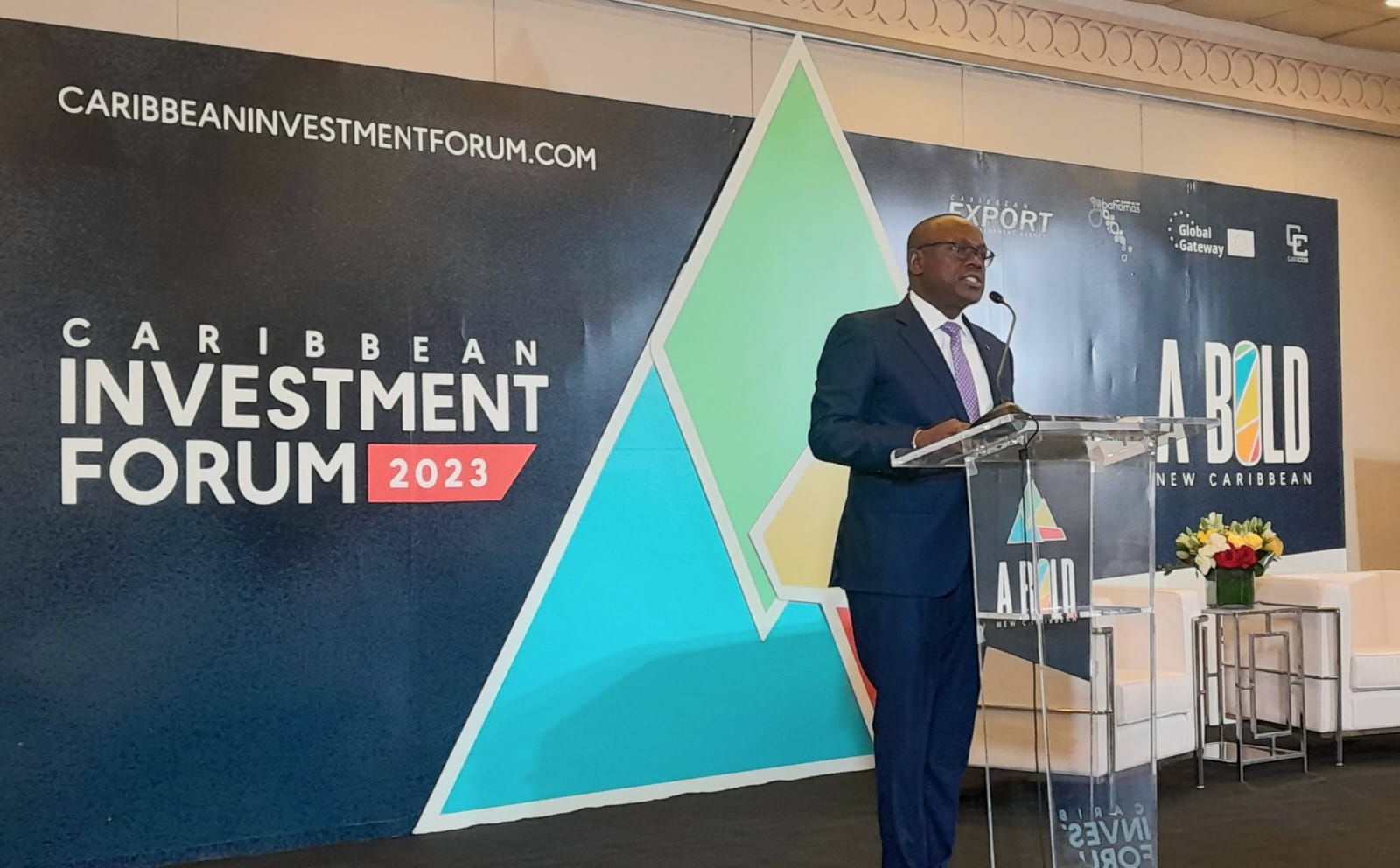
#TheBahamas, August 29, 2023 – The Bahamas launched the Caribbean Investment Forum which it will host from October 23rd to the 25th, and It is themed “A Bold New Caribbean.”
Various delegations from the region and around the world will be present, as expressed by the Honorable I Chester Cooper, M.P. Deputy Prime Minister and Minister of Tourism Investments and Aviation. He was giving his remarks at the launch on Monday August 21st.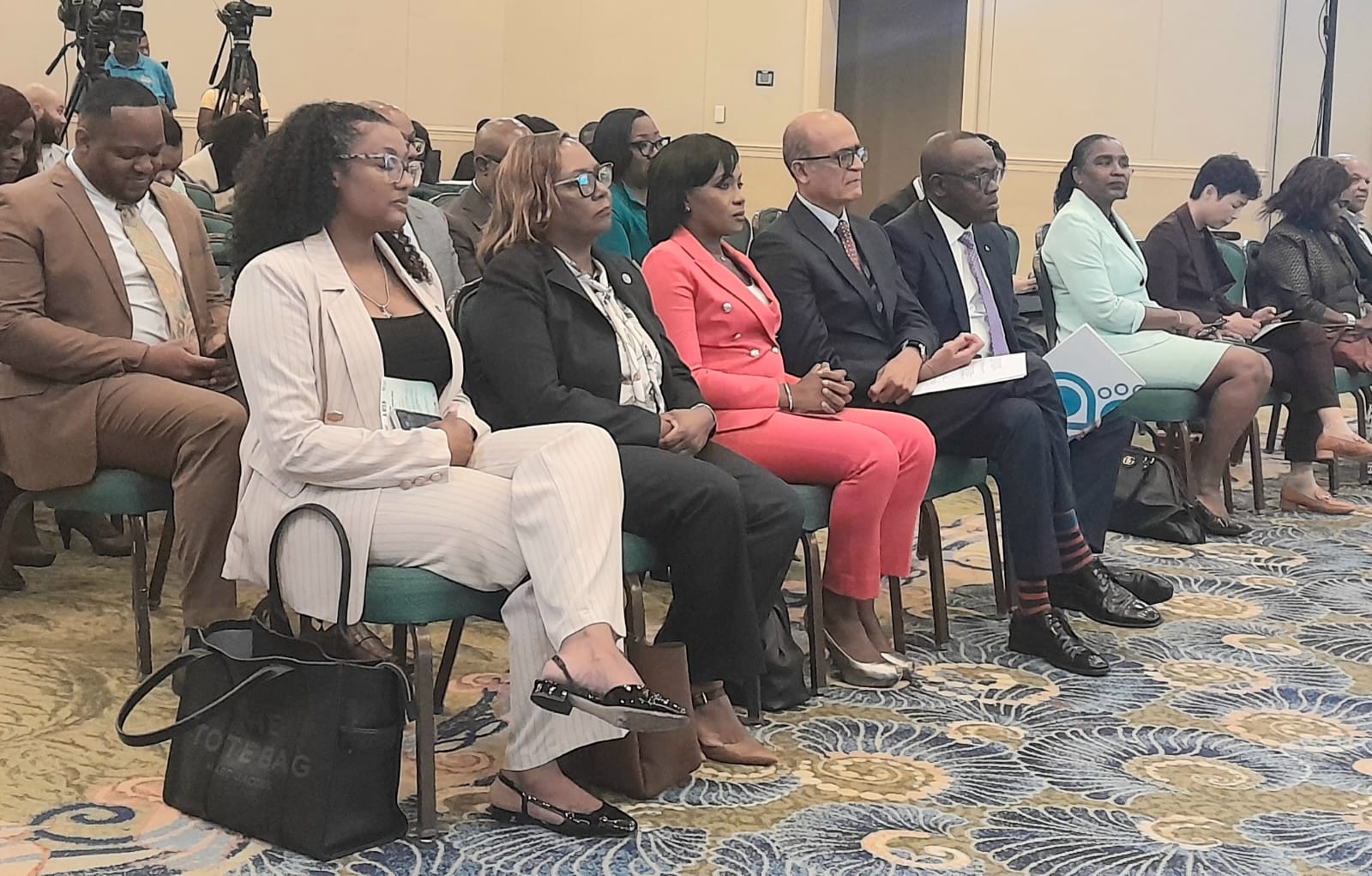
The Forum’s objective is, according to Cooper, “to accelerate the closure of the Caribbean Investment gaps and ultimately transform the region’s economy by providing jobs and opportunities for its people.”
Additionally, Cooper expressed in his remarks that the forum will bring about the “exchange of ideas across the region” as they look for ways to “to improve” the collective lives and create “worlds of future possibilities for ourselves.”
He said occasions like the forum are crucial in creating, as the theme says, “A Bold New Caribbean,” which he says will be plotted out when they reconvene for the Forum in October.
The Deputy Prime Minister further pointed to what needs to be done to make this happen.
“A Bold New Caribbean” will require us to reexamine the traditional ways of doing business and honestly assessing whether, within today’s current global competitive climate, this is sufficient to continue propelling us forward, not only in survival mode, but as trendsetters and first movers,” he stated. Further encouraging the participants are the launch to dispose of “outdated ideas – some, not all – and work toward better”.
He continued to express that accepting “disruption” despite how uncomfortable, is essential to see the dream of a bold new Caribbean come to light, as “disruptive and commercially viable solutions” are needed.
Also, he pointed out that he is confident that the forum will help find the solution needed to address issues facing the Caribbean.
He said, “the Caribbean Investment Forum’s ongoing prominence will be connected to its ability to find tangible, practical feasible solutions to the issues that confront us, and I am confident that this conference will do just that.”
Cooper then proceeded to refer to some of the issues such as food security, One of those areas is Food Security.
Maintaining that we challenge ourselves to reach CARICOM’s goal of a “25 percent reduction in imports by 2025 perhaps by aggressively deploying agri-tech.”
Another issue that he brought attention to was that of Renewable Energy, highlighting that “The Bahamas has a mandate of having 30 percent renewables on grid by 2030,” and adding that the opportunity is there to “harness the 365-day a year sunshine… address this imperative,” which he said should help start talks around energy reliability and affordability.
As he pointed to and expounded on the issues, he didn’t forget one of the most urgent, that is Climate resilient infrastructure, amid the ongoing threat of storms.












NASSAU, Bahamas — What should be a simple five-minute drive is fast becoming an expensive, hour-long ordeal, as rising fuel prices collide with worsening traffic congestion across New Providence.
As of early April 2026, gasoline prices across The Bahamas have climbed sharply, with motorists now paying an estimated $5.50 to over $6.50 per gallon, depending on the station and grade. The increases, seen at major retailers including Esso, Rubis and Shell, reflect a volatile global oil market driven by escalating geopolitical tensions.
The latest spike — in some cases jumping more than 50 cents per gallon within days — is being driven by uncertainty surrounding escalating tensions involving Iran. U.S. President Donald Trump has issued a direct ultimatum, warning that the United States could launch aggressive strikes on Iranian infrastructure, including power plants and key facilities, if demands are not met. While he has also expressed hope for a swift resolution, the threat of rapid escalation is already rattling global oil markets — and The Bahamas, heavily dependent on imported fuel, is feeling the impact almost immediately.
At the pumps, the frustration is real.
Drivers are now paying significantly more just to sit in traffic. Commutes that once took minutes are stretching into hour-long crawls, burning fuel with little movement and compounding the financial strain. For many residents, the issue isn’t just the price per gallon — it’s how quickly that gallon disappears.
Industry players are also bracing for impact. Higher diesel prices are expected to ripple across key sectors, including trucking, construction, and shipping — all of which ultimately feed into the cost of goods and services. In short, this is not just a fuel story; it’s an inflation story in the making.
Despite the surge, the Bahamas Petroleum Retailers Association has moved to calm fears, confirming that there is no fuel shortage. Supply remains stable, but consumers are being urged to adjust behavior — from maintaining proper tyre pressure to considering carpooling — small measures that could stretch every dollar a bit further.
Retailers, however, are not offering much comfort on price relief. While fluctuations are expected, insiders say the days of sudden price drops are unlikely in the immediate term. The “shock” increases may level off, but a meaningful decline hinges on global stability — something that currently feels out of reach.
For Bahamians, the reality is tightening: higher fuel costs, longer commutes, and a growing sense that relief isn’t coming anytime soon.
Angle by Deandrea Hamilton. Built with ChatGPT (AI). Magnetic Media — CAPTURING LIFE.
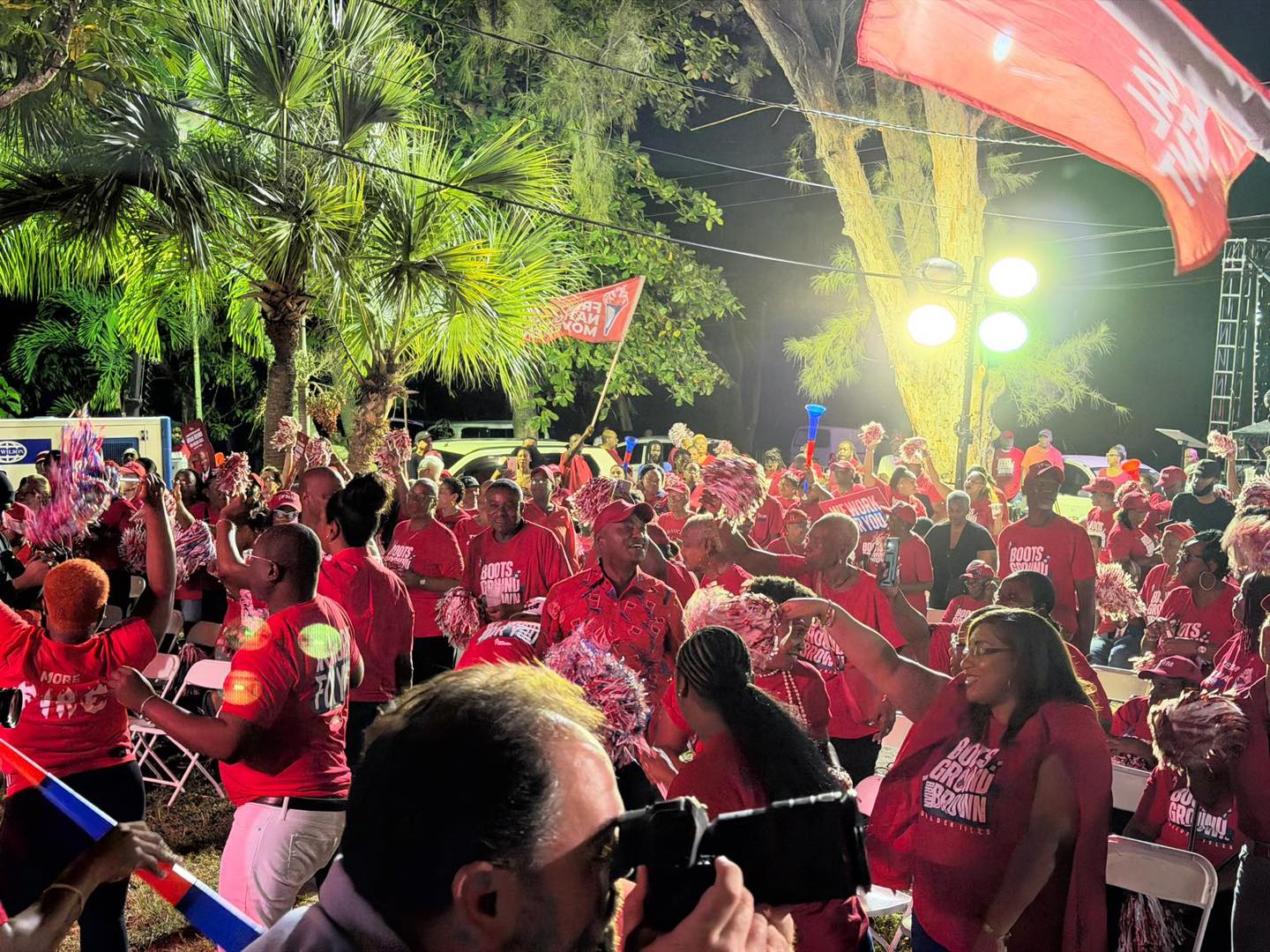
NASSAU, Bahamas — The Free National Movement has rolled out details of its proposed $200 monthly Working Parent Child Support Initiative, but the announcement has already ignited political debate and prompted clarification from the party.
Leader Michael Pintard said the initiative would provide $200 per month to qualifying caregivers during the first two years of a child’s life, as part of a broader push to ease the cost of living for Bahamian families.
The party estimates the programme would cost between $12 million and $14 million annually, with funding to come from reducing what it describes as excessive government spending — particularly consultancy contracts.
However, the proposal quickly drew scrutiny.
The governing Progressive Liberal Party has challenged the feasibility of the plan, questioning how the payments would be sustained without increasing the deficit or introducing new taxes. The response forced the FNM to further outline its funding strategy, emphasizing that a 21 percent reduction in consultancy spending could fully finance the initiative.
The exchange has highlighted a familiar election-season tension — bold proposals versus practical execution.
Beyond the child support plan, Pintard outlined a wide-ranging policy agenda, including:
- Removing VAT on select essential goods
- Constructing 5,000 affordable homes within five years
- Cutting the country’s food import bill by half
- Strengthening enforcement against illegal immigration
- Reforming the nation’s healthcare system

Pintard also took aim at the current administration, accusing it of mismanaging public funds and awarding more than $400 million in contracts without competitive bidding — claims which have further fueled political back-and-forth.
“The best way to pay for high-quality public services in the long run is to have a strong, efficient economy,” Pintard said, arguing that government spending must be redirected toward ordinary Bahamians.
While supporters have welcomed the proposals as timely relief for struggling families, critics remain cautious, pointing to unanswered questions around implementation, eligibility, and long-term sustainability.
With election momentum building, the debate surrounding the FNM’s plan underscores a broader reality — Bahamians are being presented with big promises, but increasingly demanding clear answers on how those promises will be delivered.
Angle by Deandrea Hamilton. Built with ChatGPT (AI). Magnetic Media — CAPTURING LIFE.
Bahamas News
COI UNVEILS FIRST 100 DAYS PLAN, PROMISING SWEEPING CHANGE AND BREAK FROM MAINSTREAM POLITICS

NASSAU, Bahamas — The Coalition of Independents has rolled out its First 100 Days Plan, positioning it as a roadmap for rapid national transformation and a clear break from what it describes as the failures of the country’s two dominant political parties.
Leader Lincoln Bain introduced the plan during a recent public presentation, outlining a series of early actions his party says would be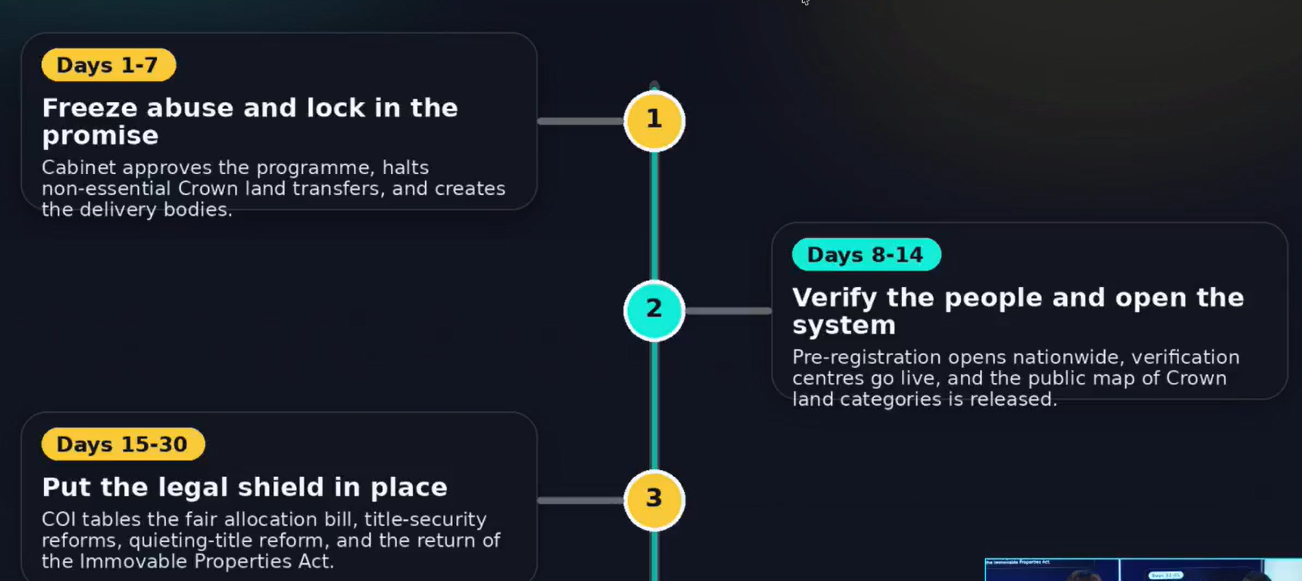 implemented immediately upon taking office.
At the heart of the proposal is a push to redistribute access to Crown land, a signature policy of the Coalition, which argues that Bahamians should have greater direct benefit from national resources. The plan also prioritizes the full implementation of Freedom of Information legislation, with Bain framing transparency as a cornerstone of restoring trust in government.
Additional focus areas include proposed reforms to the healthcare system, including improved compensation for nurses and medical professionals, and broader governance changes aimed at increasing accountability and reducing political control over national decision-making.
The Coalition has branded the plan as a historic first, describing itself as the only political group to present a structured 100-day agenda ahead of a general election.
But beyond the policy points, the messaging was unmistakable.
Bain and his team continue to urge Bahamians to move away from the traditional two-party system, arguing that both the Progressive Liberal Party and the Free National Movement have failed to deliver meaningful change despite decades of governance.
“The system is not working for the people,” has been a consistent refrain from the Coalition, which is campaigning on the idea of resetting how the country is governed.
While supporters view the 100-day plan as a bold and necessary shift, questions remain about the level of detail provided, particularly around costing, timelines, and how proposed changes would be executed within the existing structure of government.
Still, the rollout signals that the Coalition of Independents is seeking to position itself not just as an alternative voice, but as a ready governing option — one promising immediate action and systemic reform.
With election momentum building, the emergence of a defined 100-day agenda adds a new dimension to the political landscape, as Bahamians weigh competing visions for the country’s future.
Angle by Deandrea Hamilton. Built with ChatGPT (AI). Magnetic Media — CAPTURING LIFE.





-

 News7 days ago
GOLD & SILVER – Hall & Guerrier Fly High for Turks and Caicos at CARIFTA 2026
-

 News1 week ago
CALL 649-338-4008 OR 649-338-2684 IF A CHILD IS AT RISK: TCI Confronts Alarming Reality During Child Abuse Prevention Month
-

 Independent writer6 days ago
The Rise of Right-Wing Populism and What It Could Mean for the Turks and Caicos Islands
-

 News1 week ago
Beaches Turks & Caicos, FIU train next generation of hospitality leaders in Providenciales
-

 Bahamas News1 week ago
FNM’S $200 CHILD SUPPORT PLAN SPARKS DEBATE AS PLP QUESTIONS FUNDING AND SCOPE
-

 Bahamas News7 days ago
Fuel Pain at The Pump: Global Tensions Drive Prices Up as Bahamians Feel the Squeeze
-

 News1 week ago
Birthright Citizenship Unchanged as U.S. Supreme Court Weighs Case, Majority of Americans Oppose Ending Policy
-

 News7 days ago
DECLARATIONS DUE: INTEGRITY COMMISSION CALLS PUBLIC OFFICIALS TO ACCOUNT