
Government
UK Parliament approves agreements to tune of $12.3 Million


By Dana Malcolm
Staff Writer
May 30, 2023 – Two £10 million pound allotments ($12.3 million) for security and the environment were only a small part of the agreements made between the United Kingdom and the Overseas Territories recently.
The countries have revealed in detail what transpired at the Joint Ministerial Council on May 11th – 12th, and highlights include promises of cash and more freedom and beefed up security. Included in the list of 29 agreements were:
Political Partnership
- A reaffirmation of the right of self-determination for the peoples of the Territories.
- UK support for requests for the removal of the countries (who wish it) from the United Nations list of non-self- governing Territories.
Irregular Migration
- Over £10 million earmarked to support OT law enforcement and border security capability and capacity building.
- Acknowledgement of the irregular-migration challenges that some Overseas Territories are facing, including as a result of the current situation in Haiti, and a commitment to exploring options to increase support.
Economic Resilience
- A commitment to meeting the reasonable needs of Territories where financial self-sufficiency is not possible, as the Overseas Territories continue to have the first call on the aid budget.
- Discussions regarding access to concessional financing,
- A brand new ministerial-level annual dialogue focused on tackling illicit finance, to be first held in the British Virgin Islands.
The Environment
- £10 million per year until 2025 for applicants to Darwin Plus;

- Commitment to prioritise climate change actions in UK funding.
- A new joint UK Overseas Territories Biodiversity Strategy.
- Technical support for OT’s in climate change.
- A commitment to exploring ways to ensure that funding for the Overseas Territories is not cut short as a result of loss of access to EU environment funding.

Maritime and shipping
- Commitment to strengthening maritime capabilities in the territories and recognise the need for future investment by promoting defined career pathways and supporting those wishing to work in this essential industry.
- Collaboration on ensuring effective maritime security within the Territories.
Education
- Commitment to resolving problems with the process for issuance of visas for students with British Overseas Territories Citizenship to study in the UK.
In addition to that, the UK Parliament has unanimously passed a motion to defend the sovereignty and borders of Overseas Territories from foreign powers among other promises following this year’s Joint Ministerial Council Meeting.
The revelation was shared by the office of Alicia Kearns MP, Chair of the Foreign Affairs Committee on Friday May 12th. Communication passed on to the residents of the TCI by the Office of the Premier, explained that following a Backbench Business Debate on the future of the OT’s including the Turks and Caicos, UK politicians formally agreed to the following:
‘This House is committed to upholding the interests of British Overseas Territories and their citizens; recognises the special historical, cultural, and social bonds that bind the United Kingdom and Overseas Territories; and calls upon the Government to ensure that British Overseas Territories citizens’ rights as British citizens are upheld, to defend the sovereignty and borders of Overseas Territories from foreign powers, and to consider the unique circumstances of each Territory when formulating policies which affect them.’
The formal commitment solidifies the bare minimum of what the Overseas Territories have been asking of the United Kingdom for years, and now the UK must put it into practice with funding and laws. It is only immediate tangible support of this commitment, that will truly benefit residents across the OT’s and validate the UKs claim to treating them as equal British Citizens.
Kearns’ Office said the OT’s have the genuine support of Members of Parliament as MPs from across the House urged the Government to ensure that the JMC was a success, and that OTs are listened to, and their requests acted on.
Kearns herself said she was “Full of optimism for the future of British OTs,” following the meeting.

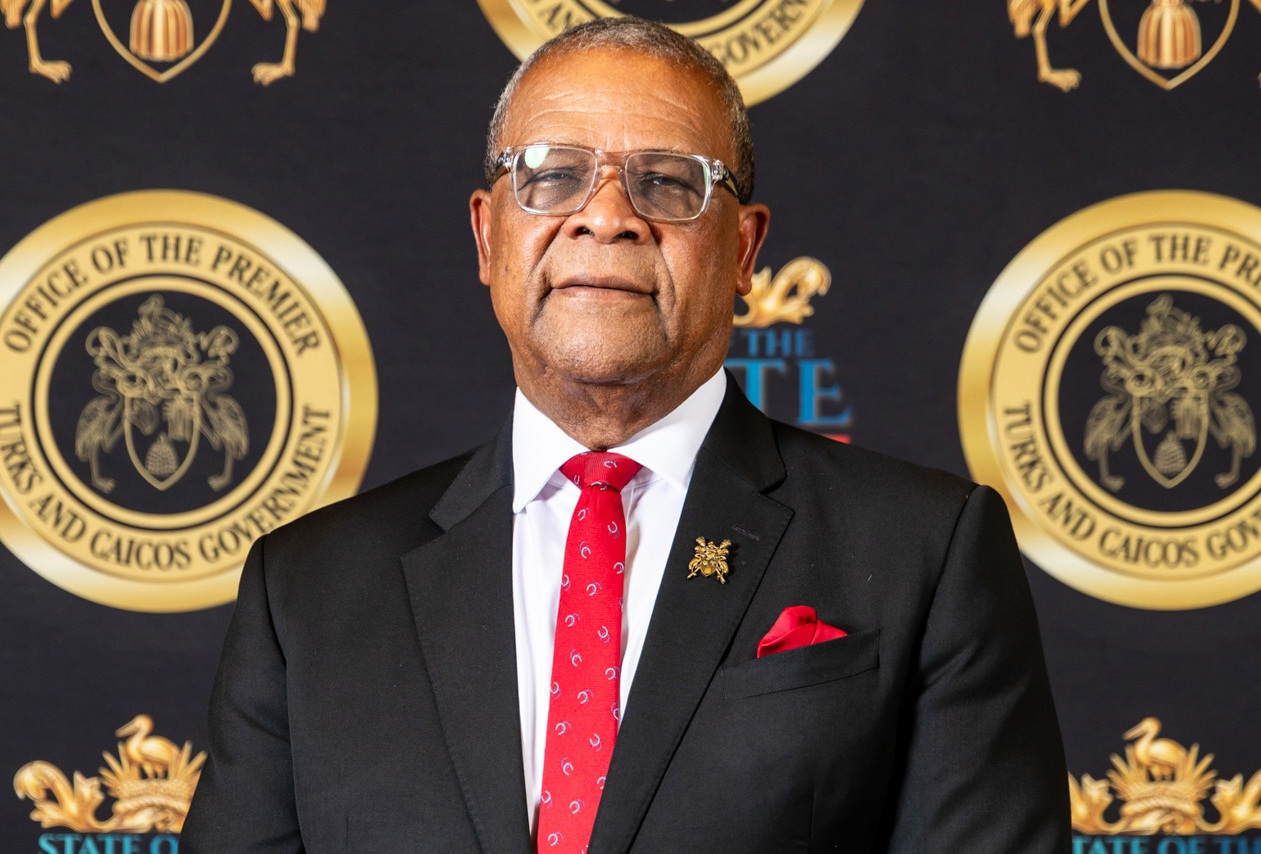
Turks and Caicos, March 18, 2026 – Despite securing significant constitutional reforms within the past year — including new powers that allow for a national referendum — Premier Charles Washington Misick made no mention of independence or any vote on the country’s political future during his 2026 State of the State Address, signalling what appears to be a continued strategy of building institutional strength before raising the question with the electorate.
The absence of any reference to a referendum stood out, particularly after the Turks and Caicos Islands successfully negotiated constitutional changes with the United Kingdom that expanded the authority of elected leaders and modernised the structure of Government.
Those reforms, which took effect last year, increased the size of Parliament, allowed for more Cabinet ministers, extended the life of a government from four to five years, and strengthened the role of elected officials in domestic affairs. The amendments also included provisions allowing for a referendum to be held on matters of national importance, a change widely viewed as giving the territory greater flexibility in determining its future political direction.
In his address, the Premier spoke of the reforms as moving the country toward “fuller self-government,” noting that the changes deliver a fully elected Parliament, widen delegated responsibility in external affairs and give elected leadership clearer authority and accountability to the people.
However, while the speech emphasised sovereignty, national security and stronger local institutions, it stopped short of any suggestion that the Government intends to call a referendum on independence or any other change in constitutional status.
Instead, the tone of the address suggested a focus on strengthening systems at home before considering further political steps.
The Premier outlined plans to expand the Police Force, strengthen the Border Force, increase the role of the Turks and Caicos Islands Regiment, modernise government through digital transformation, and improve immigration control through biometric border technology — all measures he said are necessary to secure the country’s future.
He also pointed to economic stability, infrastructure development and expanded investment as priorities, repeatedly framing the Government’s approach as one of building a stronger and more secure nation before taking on larger challenges.
The 2024 constitutional amendments, agreed between the Turks and Caicos Islands Government and the United Kingdom, formally expanded the number of elected members in the House of Assembly, increased the number of Ministers who may serve in Cabinet, extended the Parliamentary term to five years, strengthened Cabinet authority in domestic matters, and introduced provisions allowing for a referendum to be held on issues of national importance. The changes also widened delegated responsibility to local leaders in key areas of governance, marking one of the most significant steps toward greater self-government in recent decades.
The constitutional reforms achieved last year were seen by many observers as laying the groundwork for greater autonomy, and potentially future debate on independence, but the latest State of the State suggests the Government is moving cautiously.
For now, the message from the Premier appears clear: before any question of political status is put to the people, the country must first strengthen its institutions, its economy and its capacity to govern itself.
Angle by Deandrea Hamilton. Built with ChatGPT (AI). Magnetic Media — CAPTURING LIFE.
Government
$6M Digital Transformation Drive to expand E-Government, National ID and Biometric Borders
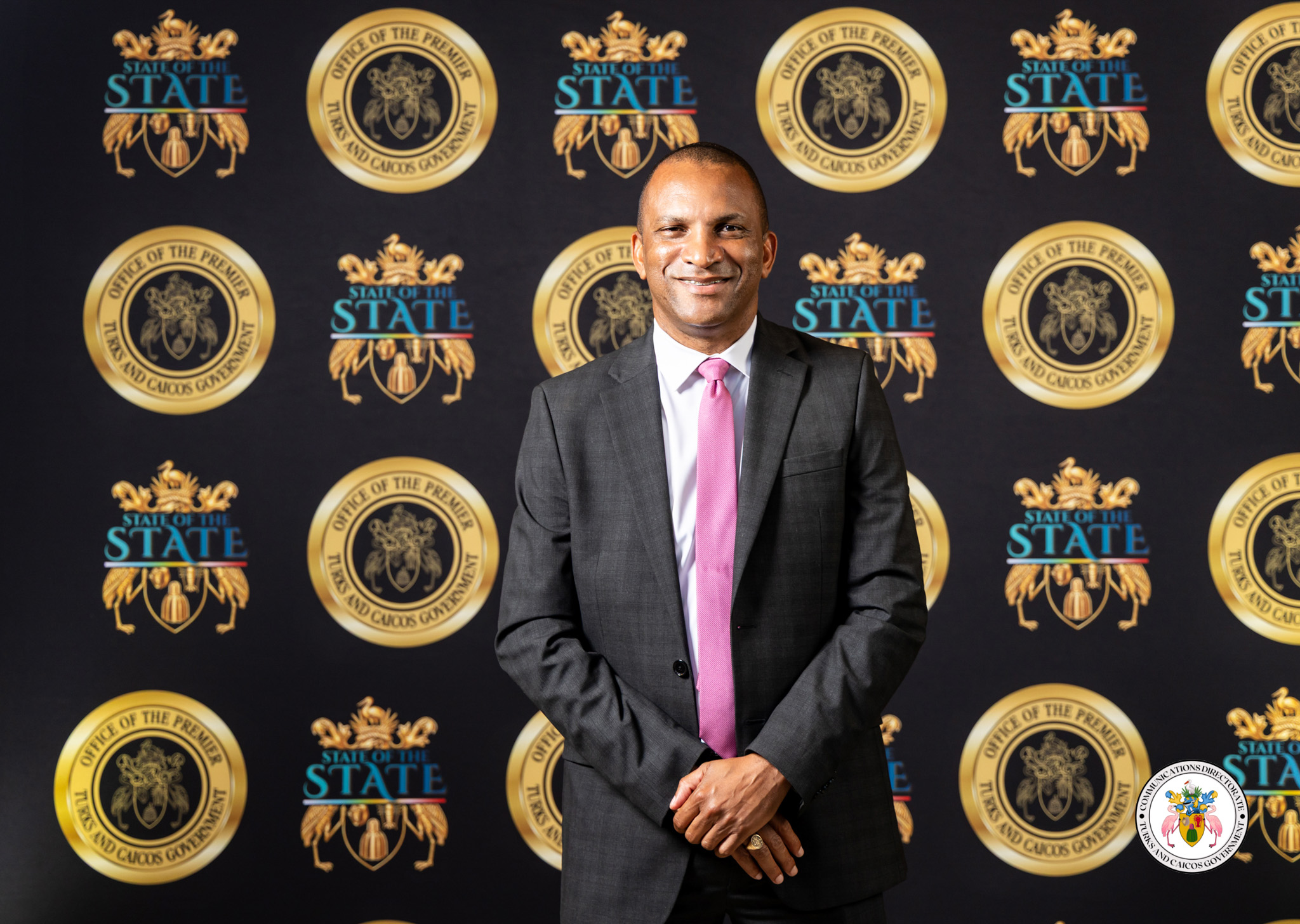
Turks and Caicos – A $6 million digital transformation programme launched after the 2024 government cyber breach is now driving a major push toward e-government in the Turks and Caicos Islands, with new systems planned for online payments, national digital identification and biometric border controls.
In his 2026 State of the State Address, Premier Charles Washington Misick said weaknesses exposed by the cyber-attack made it clear that government technology systems must be modernised to improve security, efficiency and public service delivery.
The Premier said the three-year digital agenda includes stronger network security, a redesigned government data system, new identity management tools and the creation of a National Security Operations Centre to monitor threats.
He told the country that modernising government services through digital transformation and e-governance is no longer optional but necessary for transparency, accountability and national progress.
One of the centrepieces of the plan is the National Digital ID Programme, which the Government says will modernise civil registration, establish a national population register and make it easier for residents to access public services while strengthening national security and election integrity.
The Premier also pointed to early success with the new E-Pay system, reporting that more than $1 million in government payments had already been made online within days of its launch in February, reducing long lines, paperwork and processing delays while improving transparency in public transactions.
Digital transformation is also extending to the country’s borders.
The Government confirmed that a multi-million-dollar Digital Borders Programme will introduce biometric screening and automated E-Gate technology at ports of entry, allowing citizens and low-risk travellers to move more quickly through immigration while giving authorities real-time access to identity and status information.
The move aligns with wider security standards being implemented across British Overseas Territories, where upgraded border technology is being introduced to strengthen immigration control and improve passenger processing.
Officials say the changes are part of a broader effort to create a more modern, secure and efficient public service, with additional digital systems planned across government departments over the next several years.
Angle by Deandrea Hamilton. Built with ChatGPT (AI). Magnetic Media — CAPTURING LIFE.





-

 News4 days ago
Password to Paradise Radio Remotes at Beaches Turks & Caicos continue to highlight the TCI as the preferred Caribbean destination
-

 News5 days ago
Beaches Turks & Caicos adds four new PADI Dive Instructors to the cadre of professionals in the watersports department
-
 News5 days ago
Beaches Turks & Caicos shares fine dining experiences to high school students in Providenciales
-

 Bahamas News4 days ago
Bahamasair Backs Surge as Bahamians Flood South Florida for V.J. Edgecombe Showdown
-

 Uncategorized1 week ago
ISU Future Creators Challenge Celebrates Youth Creativity and Intellect
-

 News1 week ago
Flow TCI supports ‘Stars of Tomorrow’ at Inter-Primary Track and Field Championships
-

 News1 week ago
The Turks and Caicos Islands Featured in Top Canadian Publications
-

 News4 days ago
50 Years of Ministerial Government: Cabinet Moves to Mark Milestone Rooted in 1976 Constitution