
Caribbean News
A NEW CHAPTER BEGINS: SANDALS® DUNN’S RIVER JAMAICA’S NEWEST RESORT OPENS IN OCHO RIOS

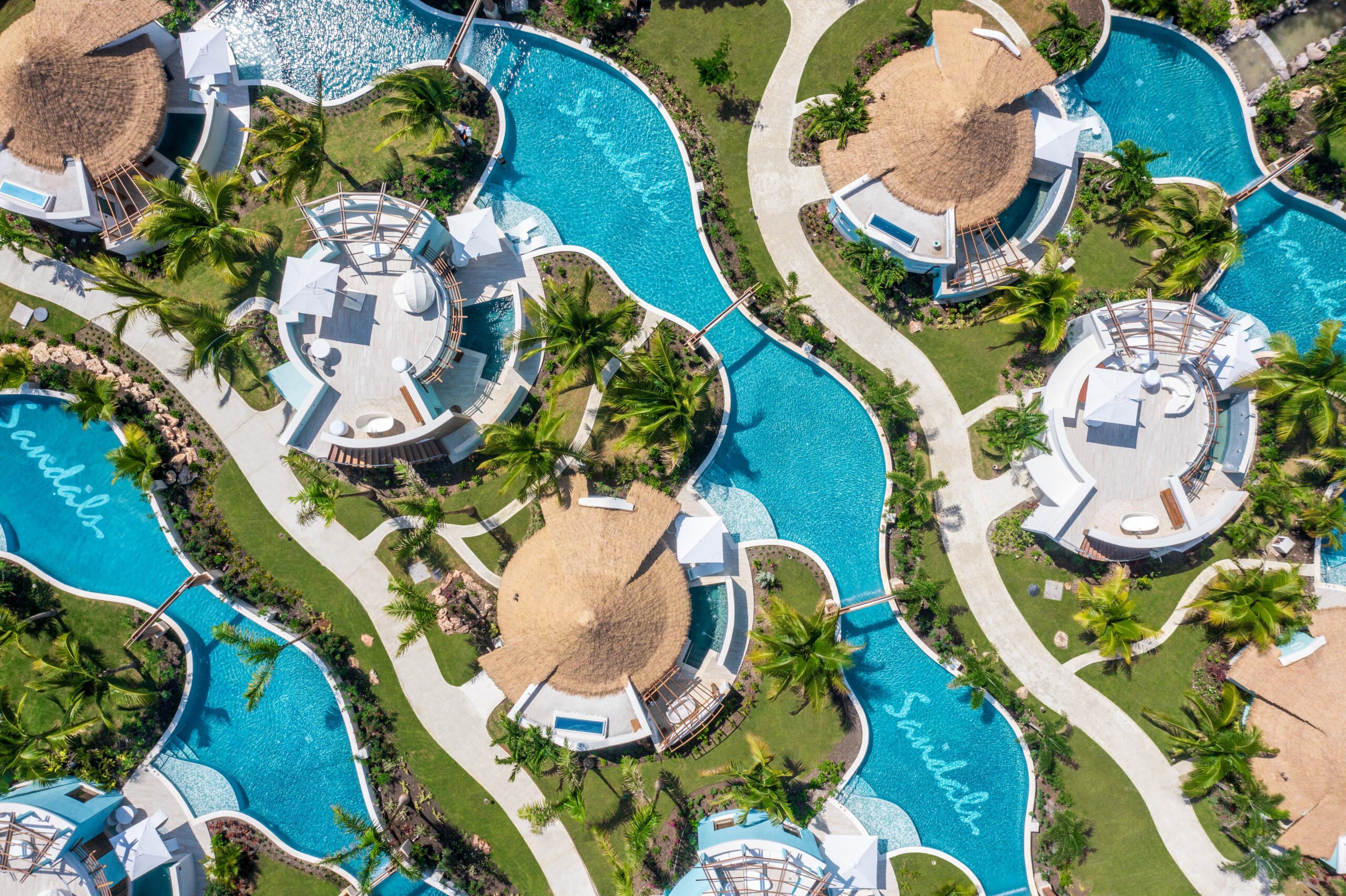
~Celebrating its Storied Past with Design Inspired by Dunn’s River Falls, A Bevy of New Culinary Concepts and the Introduction of Jamaica’s first SkyPool Suites~
OCHO RIOS, JAMAICA, May 24, 2023 – Following a momentous grand opening celebration on May 19th, the all-new Sandals Dunn’s River opens today as the 17th resort in the award-winning Sandals Resorts portfolio. Located on a stunning stretch of white sand beach – a site originally handpicked by legendary hotelier and Sandals Resorts International founder the late Gordon ‘Butch’ Stewart when the first Sandals Dunn’s River debuted over 30 years ago, today’s Sandals Dunn’s River is a completely new and utterly transformed hotel and experience. Featuring new culinary concepts and elevated suite designs, the 260-room luxury all-inclusive resort offers a deeply personal connection to its alluring setting on Jamaica’s north coast.
“Ocho Rios has been the backdrop of some of my family’s most pivotal moments, including along this very beach where my father grew up and turned a perhaps once unimaginable dream into one of the world’s most well-known hotel brands,” said Adam Stewart, Executive Chairman of Sandals Resorts International (SRI). “Today, we celebrate innovation and a commitment to excellence as we unveil the next generation of Sandals Resorts in our home country of Jamaica. I cannot think of a better way to honor his legacy and acknowledge the incredible future of our brand than to welcome our very first guests to Sandals Dunn’s River. It’s great to have you home.”
Sandals Dunn’s River infuses its Jamaican roots into every sense, designed to embrace the essence of the destination’s rivers, lush forests, and majestic banyan trees. The source of the water that flows through Sandals Dunn’s River is from the natural reserves of the Dunn’s River Falls, from the lobby waterfalls to the cascading pools of the Red Lane® Spa. Guests at Sandals Dunn’s River will also experience the debut of the brand’s first-ever signature fragrance. Designed to evoke the romance of the Caribbean and encapsulate the brilliant flora and fauna surrounding the resort, the scent is an explosion of colors – from white florals and fruits to notes of sandalwood and musk in the background – and greets guests upon arrival to the open-air lobby.
Naturally Chic Accommodations
Sandals “Firsts” on resort include Tufa Terrace SkyPool Butler Suites, a first in Jamaica with glass panel edge infinity pools spanning the length of balconies flanked by views of the Caribbean Sea. Guests checking in to Coyaba Sky Swim-up Rondoval Butler Suites with Private Pools will find Sandals’ iconic standalone circular villas have been thoughtfully reimagined with vast open-air rooftops from where to bask under the Ocho Rios sun and stars. Luxurious Mammee Bay Beachfront Butler Suites® feature expansive balconies that overlook the sea with privileged sunset views, and Travertine Beachfront Club Level Rooms are named after the well-known Dunn’s River Falls’ giant, natural limestone steps. Beautifully appointed rooms and a luxurious resort requires team members outfitted in similar style and they are, thanks to a special partnership with legendary fashion designer Stan Herman who collaborated with resort staff to develop a collection fit for the Caribbean.
Indulging in a New Era
The connection to Jamaica continues at BLŪM, one of 12 new culinary concepts. An ode to the island’s majestic Blue Mountains, the quaint coffee outpost offers a first-of-its-kind coffee drinking experience with 25-cup cold drip towers, nitro cold brew on tap and Modbar pour-over units reaping the very best out of Jamaica’s coveted bean – all best enjoyed paired with delectable pastries and treats. At Dunn’s Rum Club, guests can travel throughout the Caribbean via the region’s signature libation. Featuring the largest selection of rum on the island of Jamaica and any other Sandals Resort, Dunn’s Rum Club celebrates the quintessential spirit by merging together storytelling with curated, cleverly named rum flights. Evenings were made for lingering at the swank Lapidus Lounge, an homage to Morris Lapidus, the famed architect who designed the site’s first resort – the Arawak Hotel, and whose joyful designs epitomized 1960s Caribbean chic. This is the place to admire the bevy of architectural references and raise a toast to the visionary himself with a Morris Manhattan. Seaside, guests can sink their toes into the sand while enjoying libations at Laughing Waters Beach Bar, named after the nearby fresh water falls that bubble up and gently spill to the sea. For an authentic taste of Jamaica, the Jerk Shack is as traditional as it is delicious, offering crispy festival – fried sweet corn cakes, alongside spicy “jerked” meats and seafood infused with local allspice and scotch bonnet pepper.
In addition to the local libations and coffee creations, guests can also savor a number of new culinary feats including Hamani, an izakaya-inspired sushi restaurant that brings the elegance of traditional Japan to the Caribbean; Edessa, where the Caribbean and Aegean seas meet; an Asian-fusion menu at Banyu, which offers a blend of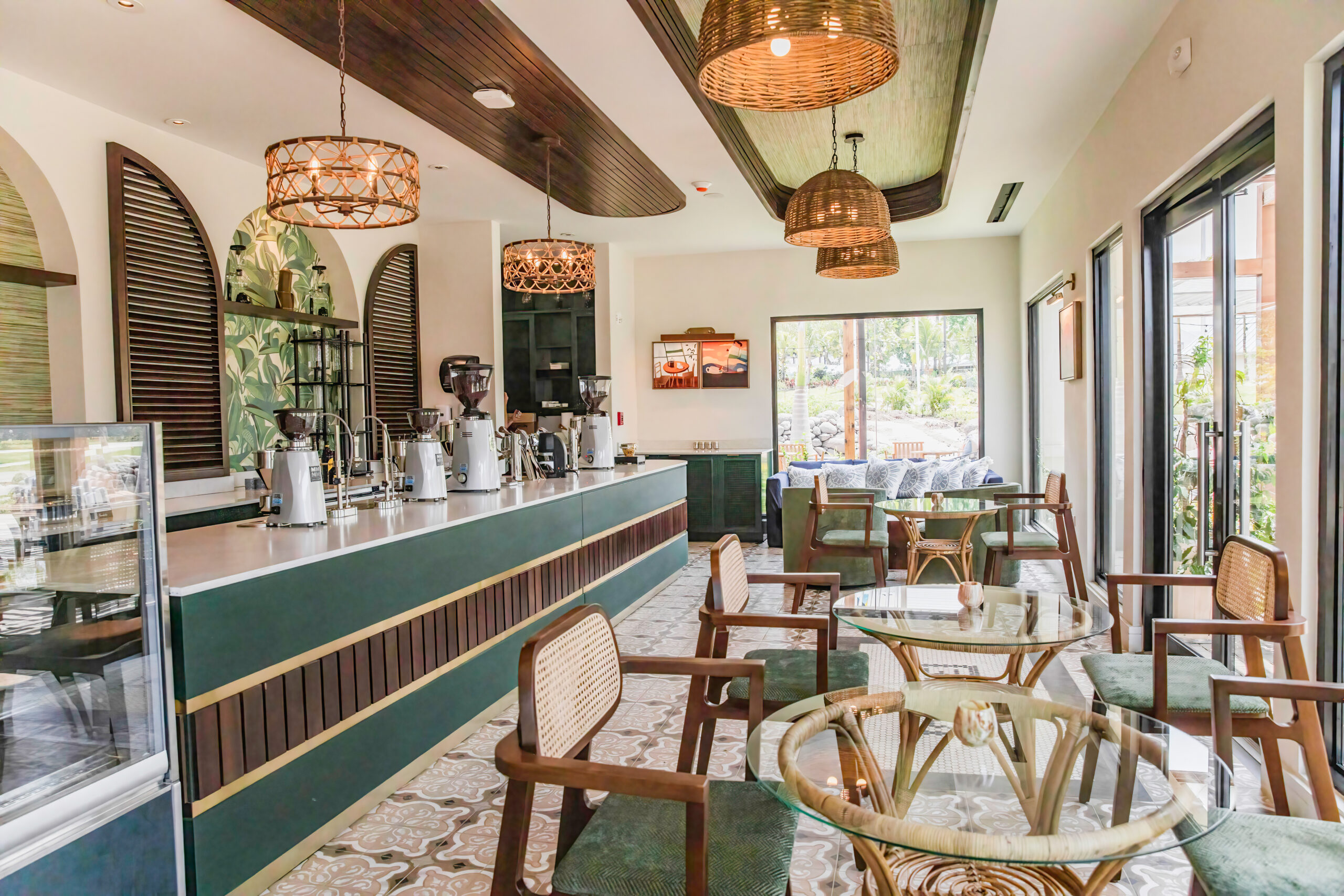 cultures all in a single dining experience; Central and South American flavors at Zuka; Italian at Cascata; a taste of France at L’Amande; grilled delights and island staples at Galene; or the eatery Saltaire, offering live-action breakfast and lunch selections.
Immersing Guests in the Soul of Ocho Rios
From teeing off with complimentary green fees at the nearby and newly refurbished Sandals Upton Estate Golf & Country Club and diving the depths of the ocean and exploring marine sanctuaries with world-class partners at PADI to rafting the Martha Brae River on a 30-foot, artisan-crafted bamboo raft, Sandals Dunn’s River puts Ocho Rios’ natural treasures at guests’ fingertips with its quintessential Luxury Included® offerings.
“Building extraordinary resorts that make it easy for our guests to authentically experience our home countries and the people that bring these incredible places to life, is the work of Sandals Resorts. The Caribbean is wide and diverse and brimming with flavor, and fun. There is so much to discover here and we want to bring our guests closer to it all,” said Stewart.
Tune in to SRI Executive Chairman Adam Stewart on the Sandals Palmcast as he introduces Sandals Dunn’s River and welcomes the Caribbean’s newest dream destination to the Sandals portfolio here. For more information and to reserve your stay, visit: https://www.sandals.com/dunns-river/.

By Deandrea Hamilton | Editor
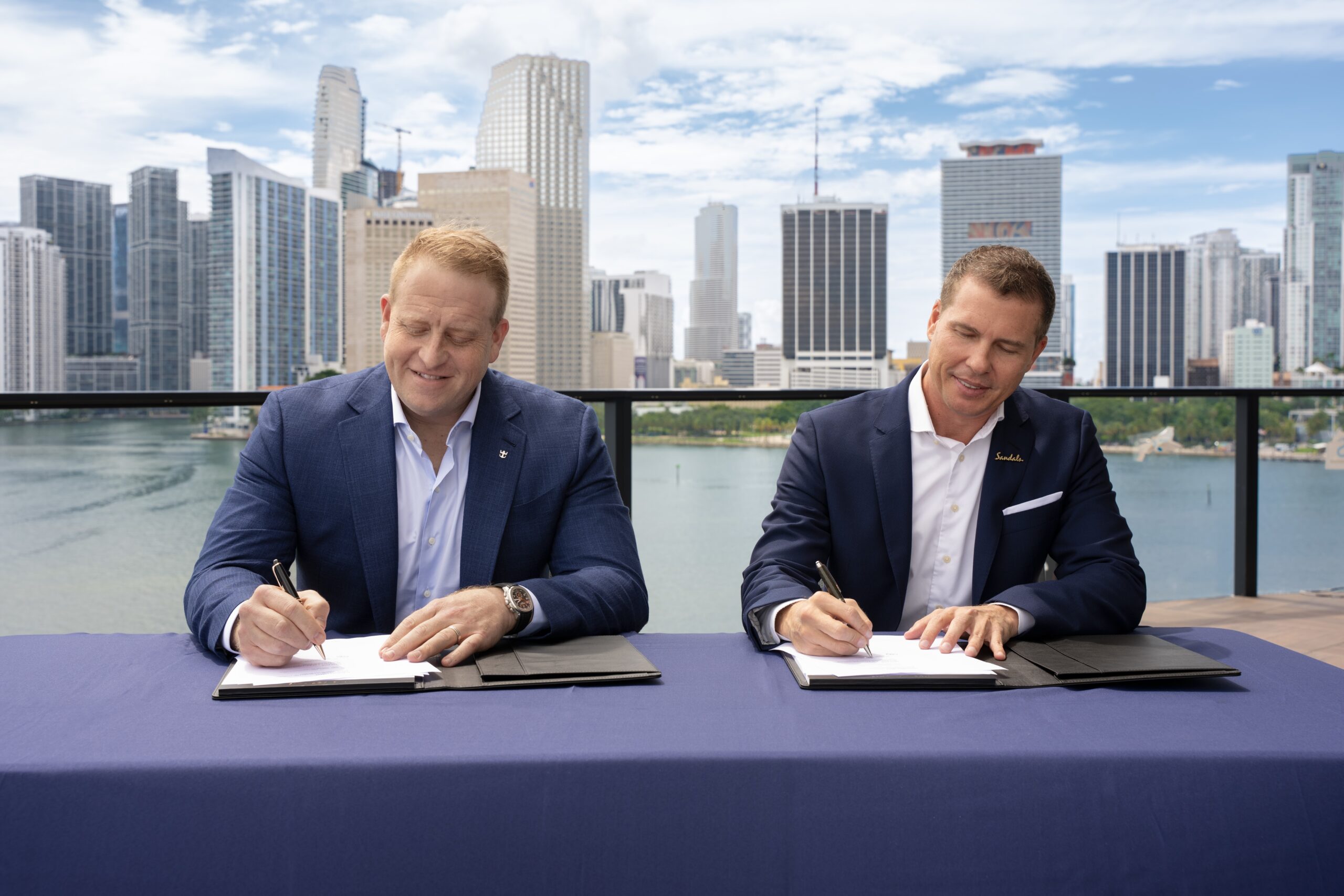
September 28, 2026 – Wall Street initially flinched at the $3-billion handshake. But in a matter of days, it was smoother sailing.
Perhaps the bigger Caribbean business story is not what Sandals Resorts International is getting from the deal. It is who is writing the cheque — and what that says about what Gordon “Butch” Stewart built.
As reports of Royal Caribbean Group’s Sandals deal circulated Tuesday, RCL shares plunged 6.14 percent from Monday’s $250.25 close to $234.89, on sharply elevated trading.
When the agreement became official Wednesday — approximately $3 billion for a 50 percent equity interest in Sandals and Beaches Resorts — shares slipped another 1.95 percent to $230.30 and touched $222.22 intraday. Investors were digesting both the size of the investment and committed debt financing secured through Morgan Stanley.
But by Thursday, RCL rebounded 3.77 percent, with shares continuing their recovery Friday to finish the week around $243. Analysts were also looking ahead: JPMorgan reportedly raised its RCL price target from $345 to $394, while Citi placed the company on a 90-day positive catalyst watch.
And just who is RCL?
Royal Caribbean Group is a global vacation giant, publicly traded on the New York Stock Exchange with a market value of roughly $65 billion. Its portfolio includes Royal Caribbean International, Celebrity Cruises and Silversea, alongside private destinations and an expanding vacation platform.
So when a company of that scale commits $3 billion for only half of Sandals and Beaches Resorts, the transaction puts a striking financial marker on one of the Caribbean’s greatest home-grown hospitality success stories.
The deal, expected to close in early 2027, creates a 50-50 partnership with the Stewart family and takes Royal Caribbean deeper into the all-inclusive resort business.
Butch Stewart started Sandals in Jamaica in 1981 believing a Caribbean company could compete with the world’s best.
Forty-five years later, one of the world’s biggest vacation companies is prepared to pay $3 billion just to own half of what he built.
Now that’s the handshake that does more than seal a deal — it cements a legacy.
Caribbean News
Royal Caribbean Group and Sandals Resorts Announce Landmark Partnership to Accelerate Their Leading Vacation Experiences
Royal Caribbean Group Investment to Advance Sandals and Beaches’ Growth and Broaden the Group’s Vacation Portfolio
Montego Bay, Jamaica and Miami, September 24, 2026 – Royal Caribbean Group (NYSE: RCL) and Sandals Resorts today announced the signing of an agreement to form a partnership in the all-inclusive resort space with a 50% investment from Royal Caribbean Group. Building on Sandals and Beaches Resorts’ more than four decades of leadership in Caribbean hospitality, the joint venture will create new opportunities for continued resort growth while broadening the experiences across Royal Caribbean Group’s vacation platform.
The partnership brings together two of the travel industry’s most celebrated vacation companies, pairing Sandals and Beaches’ all-inclusive resort expertise with Royal Caribbean Group’s vacation platform, including industry-leading brands – Royal Caribbean, Celebrity Cruises and Silversea – a portfolio of private destinations, new river cruising offering, and an industry-first loyalty program. United in a shared history in the Caribbean and connected by a love for their communities, the companies will offer travelers an unparalleled collection of cruise, private destination and resort experiences, serving guests across more vacation occasions and establishing their undisputed leadership in Caribbean vacations.
The joint venture expands Royal Caribbean Group into an adjacent vacation category, growing its participation in the approximately $2 trillion global vacation market, and meets the growing global demand for Sandals and Beaches Resorts by accelerating their expansion. The partnership will include Sandals and Beaches’ collection of premier all-inclusive properties across the Caribbean, and the companies will explore opportunities to broaden distribution, deepen guest engagement, and make it easier for travelers to discover vacation experiences offered across both portfolios.
“For nearly 60 years, we’ve reimagined what a vacation can be, constantly expanding the ways we inspire our guests to explore, connect and create lifelong memories,” said Jason Liberty, Chairman and CEO, Royal Caribbean Group. “We have been building a vacation platform that brings joy to millions of people around the world and creates meaningful relationships that last with our guests. Our partnership with Sandals and Beaches Resorts is an important next step on that journey – bringing together two iconic leading vacation companies to further strengthen and grow one of the most admired resort portfolios in the world. The Stewart family has created powerful and beloved brands, and we are honored to build on that legacy. Together, we see tremendous opportunity to expand the reach of Sandals and Beaches Resorts and continue turning the vacation of a lifetime into a lifetime of vacations.”
“My father, Gordon ‘Butch’ Stewart, founded Sandals Resorts with the belief that a company built in the Caribbean could stand on the world stage alongside the most respected names in hospitality. Today is proof of how far that vision can go,” said Adam Stewart, Executive Chairman of Sandals Resorts and Beaches Resorts. “This partnership is the natural next step in building on that conviction. It gives us the ability to grow faster with a partner that shares our values of exceptional hospitality, long-term investment, and the power of enduring brands. Together, we will introduce more guests to Sandals and Beaches Resorts while creating even more extraordinary experiences for those who have made our resorts part of their lives for decades.” Stewart added, “As we continue to grow, we will remain true to what has always defined us: delivering authentic vacations that exceed expectations while creating opportunities for our team members, travel advisor partners and the communities we call home. The future has never been brighter, and I know this moment would make my father incredibly proud.”
The joint venture will be governed by a board under the shared leadership of Stewart and Liberty. Stewart will maintain a leadership role in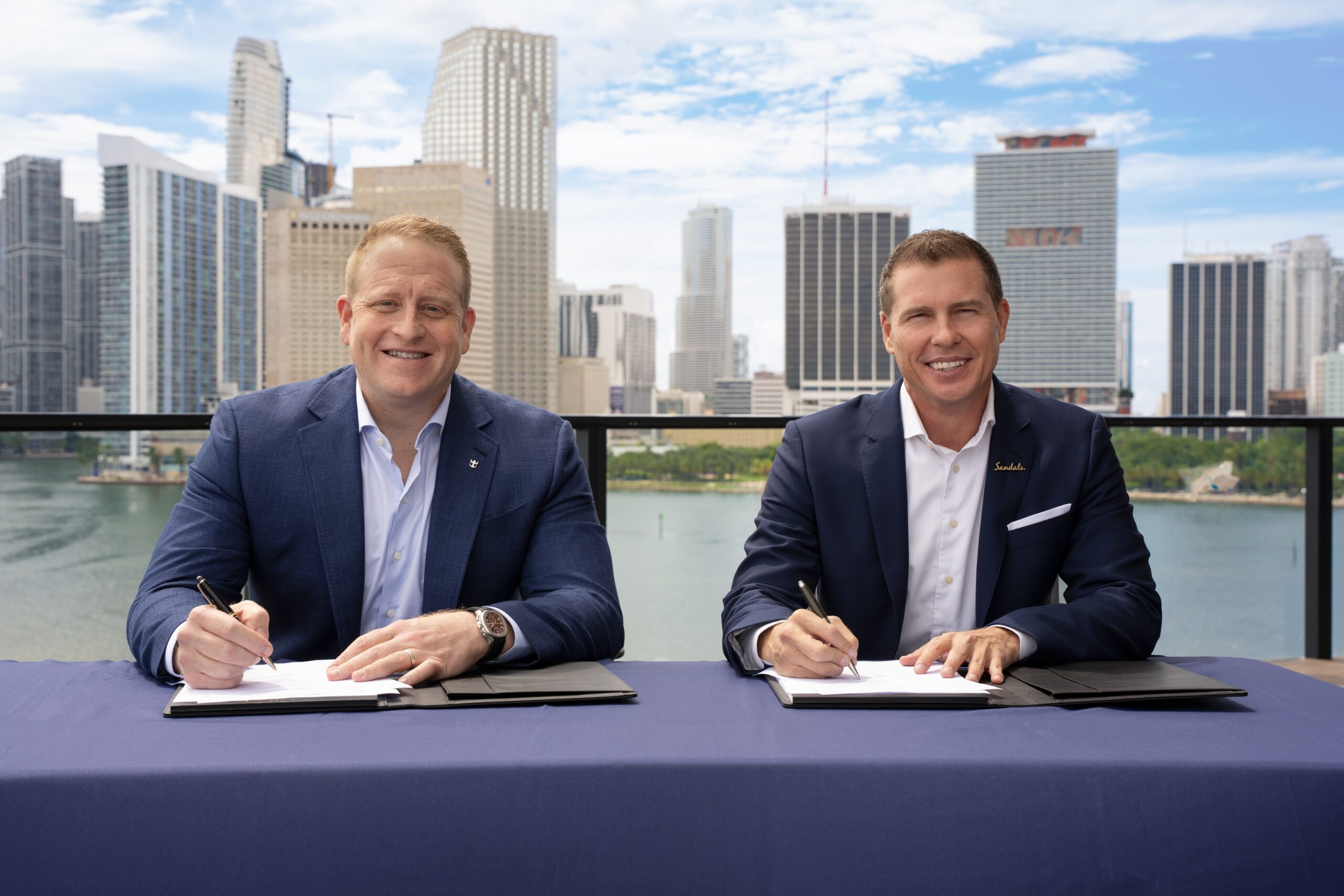 guiding the company’s long-term strategic growth as Executive Chairman of Sandals and Beaches Resorts. Existing reservations, loyalty programs, resort operations and cruise operations will continue as usual, with the partnership bringing additional resources to support future opportunities.
Under the terms of the agreement, Royal Caribbean Group will acquire a 50% equity interest in Sandals and Beaches Resorts for approximately $3 billion, representing a forward EBITDA multiple of approximately 10x. Royal Caribbean Group has secured committed debt financing from Morgan Stanley to fund the investment. The transaction is expected to close in early 2027, subject to customary approvals and closing conditions, and is expected to be accretive to earnings next year.
BofA Securities and PJT Partners acted as financial advisors, and Latham & Watkins and Jones Day acted as legal advisors to the Sandals Group. Perella Weinberg Partners and Morgan Stanley acted as financial advisors and Kirkland & Ellis LLP acted as legal advisor to Royal Caribbean Group.
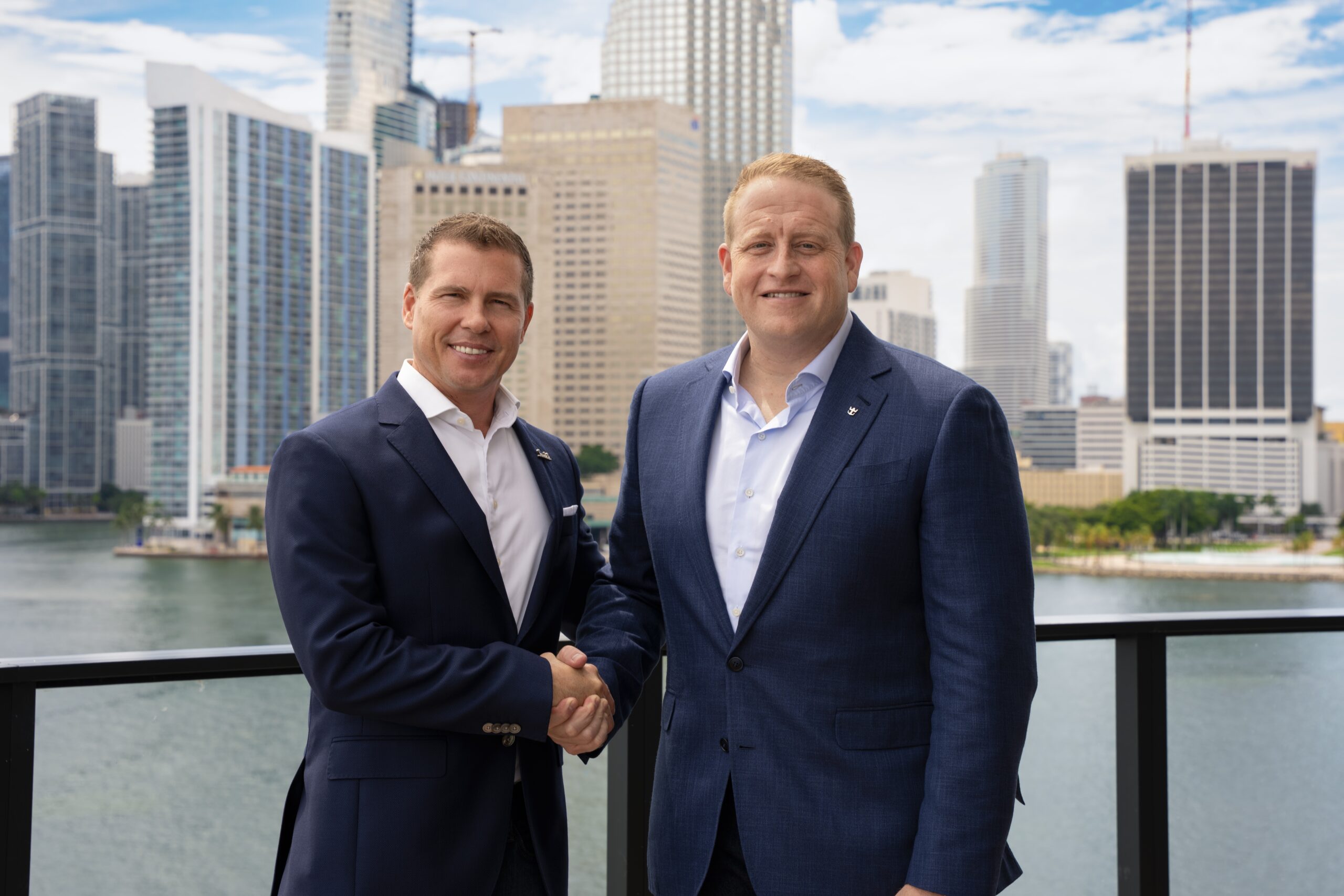
PHOTO CAPTION: Jason Liberty, Chairman and CEO of Royal Caribbean Group, and Adam Stewart, Executive Chairman of Sandals Resorts, mark the signing of an agreement to form a landmark partnership that expands Royal Caribbean Group into the all-inclusive resort space and supports the future growth of Sandals and Beaches Resorts. The signing took place at Royal Caribbean Group’s new headquarters in Miami, with the city’s skyline in the background.
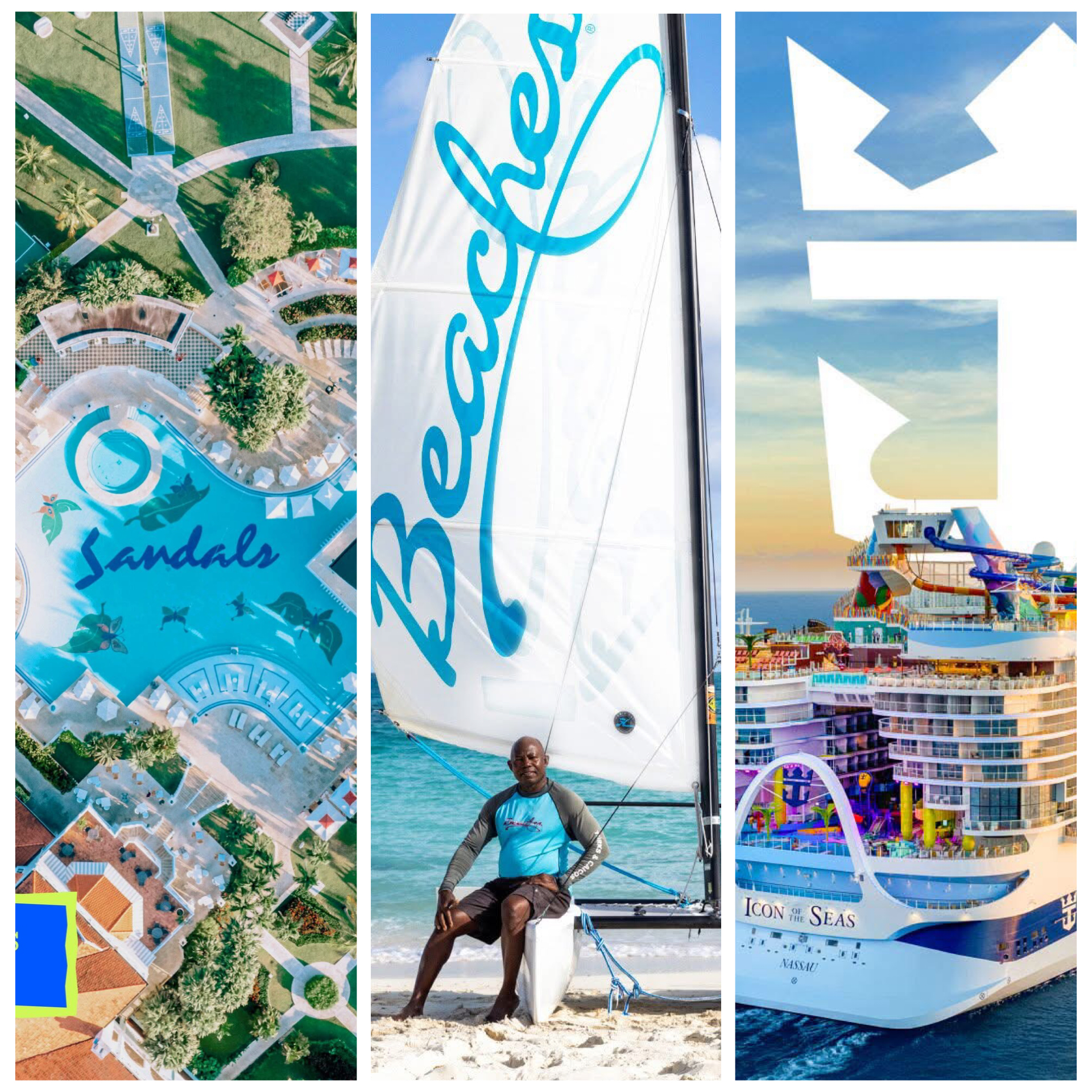
The Caribbean tourism deal first reported as a possibility on Tuesday is now a signed agreement. Royal Caribbean Group plans to pay approximately US$3 billion for a 50% stake in Sandals and Beaches Resorts, putting the value of the business at about US$6 billion. The purchase is expected to close in early 2027, subject to approvals.
Founded in Jamaica by the late Gordon “Butch” Stewart in 1981, the resort business has a presence across nine Caribbean destinations, including Jamaica, The Bahamas and Turks and Caicos. Sandals has described its workforce as nearly 20,000 people, most of them Caribbean nationals.
“My father, Gordon ‘Butch’ Stewart, founded Sandals Resorts with the belief that a company built in the Caribbean could stand on the world stage alongside the most respected names in hospitality,” said Adam Stewart in the announcement carried by PR Newswire. He will remain executive chairman, while the Stewart family retains a stake. The companies say existing reservations and resort operations will continue as usual.





-

 News5 days ago
Imagine Turks & Caicos Represented in UK Parliament; New Report Favours It
-

 News1 week ago
Invest TCI Strengthens Regional Investment Connections at Caribbean Investment Forum 2026 in Barbados
-

 Bahamas News5 days ago
Bahamas Issues Cybersecurity Alert Over Akira Ransomware Threat
-
 Bahamas News1 week ago
Rosewood Exuma: A precedent-setting case for environmental law and future development in The Bahamas
-

 Bahamas News1 week ago
Energy Minister Delivers Electrifying Keynote Opening Address at CAREC 2026
-

 News5 days ago
BermudAir Launches Service to the Turks and Caicos Islands on October 26th, Expanding Air Connectivity Ahead of Winter Season
-

 News6 days ago
Crown Land Unit Leads Multi-Agency Enforcement Exercise in Five Cays
-
 News2 days ago
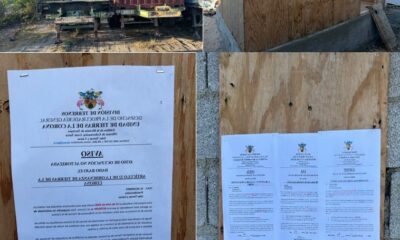
Multi-Agency Enforcement Exercise Targets Illegal Occupation of Crown Land in Five Cays