
Bahamas News
NEMA Director applauds FI teams’ efforts as example of Comprehensive Disaster Management

By: Matt Maura
Bahamas Information Services
#TheBahamas, June 9, 2022 – The Director of the National Emergency Management Agency (NEMA), Captain Stephen Russell, (Sunday, June 5), applauded the “all-around” efforts of Family Island Administrators, local government practitioners, residents, individual Family Island Disaster Consultative Committees and non-governmental organizations in the northwest Bahamas, for their collaborative efforts before, during, and after the passage of Potential Tropical Cyclone One.
Captain Russell said the collaborative responses by the local communities to the effects of Potential Tropical Cyclone One, is an indication of how the country’s use of a Comprehensive Disaster Management Strategy can help to minimize some of the potential impacts of disasters and/or emergencies.
“Comprehensive Disaster Management is a shared responsibility between NEMA, its Emergency Support Functions (ESFs), Family Island Administrators, Local Government Practitioners, Heads of Government Departments, and the Family Island Disaster Consultative Committees,” Captain Russell said. “From what I have heard and seen through our various communication platforms, I was pretty pleased to see how the various communities and the Island Disaster Consultative Committees came together to prepare for the system, and during the event, how they executed the various mitigation measures to minimize impacts in some communities.
“We are a unique country and we must rely on the community efforts of our Administrators, Local Government Council Members, as well as all of the NGOs who are in these areas to assist their communities in preparing for, and responding to any emergencies that may occur (and not necessarily hurricanes) which we saw happen as, while we were preparing for, and dealing with Potential Tropical Cyclone One, we had another incident occurring somewhere else and the teams had to respond. These are the types of communities we are trying to develop throughout The Bahamas, whereby they can respond to whatever may come their way until external assistance can arrive,” Captain Russell added.
Potential Tropical Cyclone One, which later became the 2022 Atlantic Hurricane Season’s first named storm (Tropical Storm Alex) after it passed The Bahamas, brought heavy rains with it over the northwest Bahamas including the islands of Bimini, Grand Bahama, Abaco, and the Berry Islands. Tropical Storm Warnings for the northwest Bahamas were discontinued and the All Clear given by The Bahamas Department of Meteorology on Sunday, June 5 at 12midnight.
The Potential Tropical Cyclone was responsible for extensive flooding in low-lying areas in portions of the northwest Bahamas. Mr. Jeffrey Simmons, Acting Director, The Bahamas Department of Meteorology, said the majority of the rainfall took place in Grand Bahama where the measurement for rainfall for a 48-hour period – 8am Friday (June 3) to 8am Saturday – was 10.69 inches of rain. Acting Director Simmons said a measurement of rainfall between the hours of 8am Friday through Saturday evening, was 8.6 inches.
Mrs. Terrece Bootle-Bethel, the Department of Local Government, also praised the efforts.
“From the alerts were issued, Family Island Administrators were monitoring the system and they were engaged very early with their Consultative Committees,” Mrs. Bootle-Bethel said. “We have seen some of the impacts, in particular the Grand Bahama area and North Abaco in the forms of photographs. We have seen photographs coming in with the Administrators and the Chief Councillor (North Abaco) clearing out drains (as a result of debris that would have clogged those drains during the passage of Potential Tropical Cyclone One) and that is what Family Island Administrators do. Get on the ground with their consultative committees and conduct thorough assessments on behalf of NEM and report their findings.”
Captain Russell also responded to a question from the media regarding the state of readiness of shelters in the impacted areas, particularly Grand Bahama and Abaco. Captain Russell said monies have been spent to repair shelters in the aftermath of Hurricane Dorian – particularly in Grand Bahama and Abaco – based on what was requested, even while plans are underway to construct a multi-purpose shelter/community centre in Abaco and a proposal has been received for the construction of a multi-purpose shelter n Grand Bahama.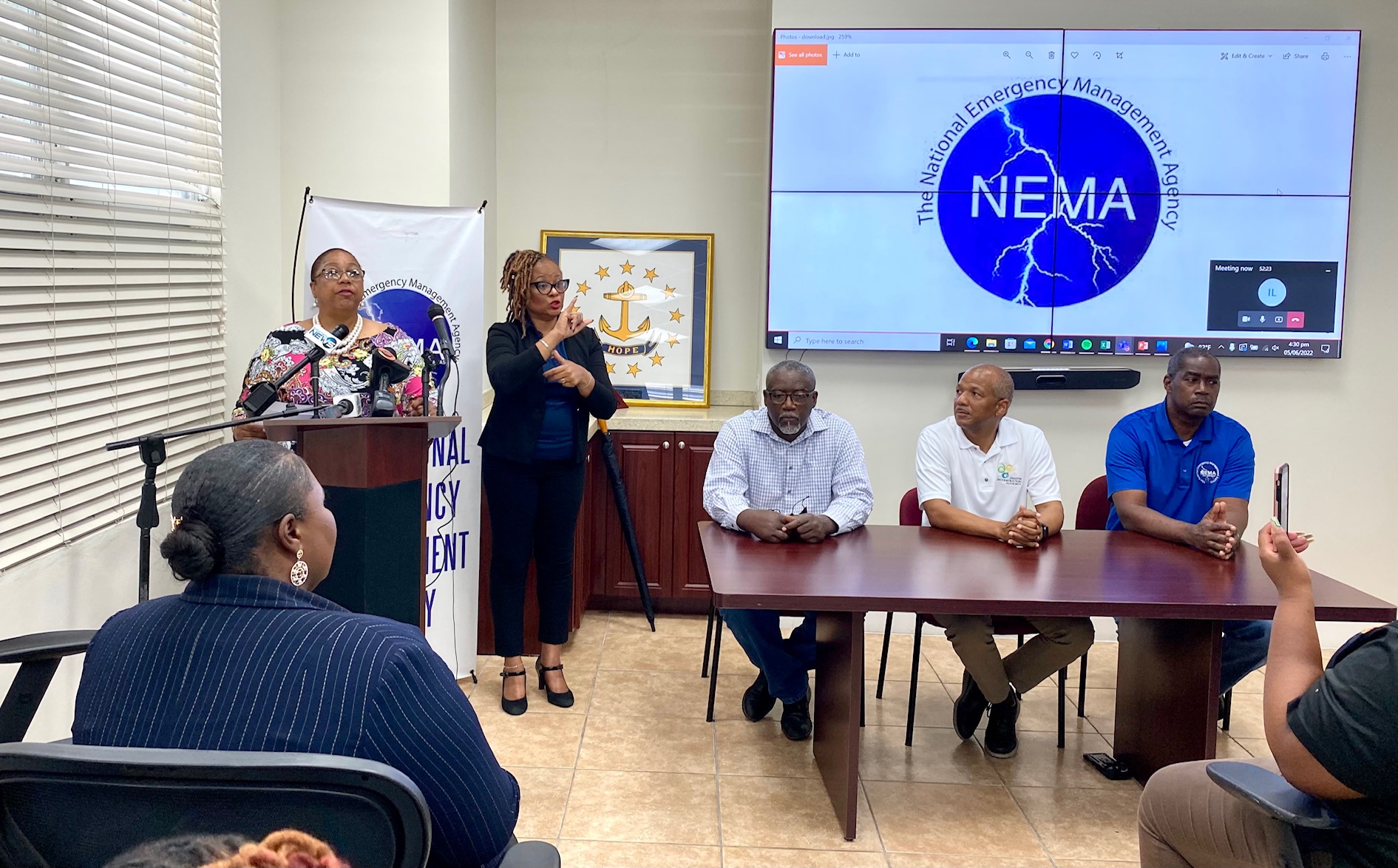
“Coming out of Hurricane Dorian in 2019, we got ourselves busy to see how we could assist in bringing the shelters that were impacted on stream. Through one of our donors, the United Sates Northern Command (USNORTHCOM), they pledged $15,000 for every shelter that needed assistance. USNORTHCOM gave $15,000 and the Government of The Bahamas gave $20,000. Based on what they requested, we prepared those shelters. They were all inspected and they were happy and so we had 11 shelters that were repaired in Grand Bahama and there were 2 shelters that were repaired in Abaco based on their requests. Technically we had 14-15 shelters that were ready to go in Grand Bahama if necessary.
“We met with teams from the U.N. and other partners just last week in Abaco to finalize a Plan of Action to get that structure out of the ground. We are looking at that particular shelter as a prototype for shelters we would like to build in strategic locations throughout the Commonwealth of The Bahamas in the not too distant future. The Links Chapter and The Bahamas Red Cross have put forth a proposal to construct a shelter in Grand Bahama. The same plan for the Abaco model has been shared with them to see how they can modify it or if it suits their purpose. We continue to liaison with The Red Cross and the Links Chapter to see how they can advance that structure for us,” Captain Russell added.
Photo Captions:
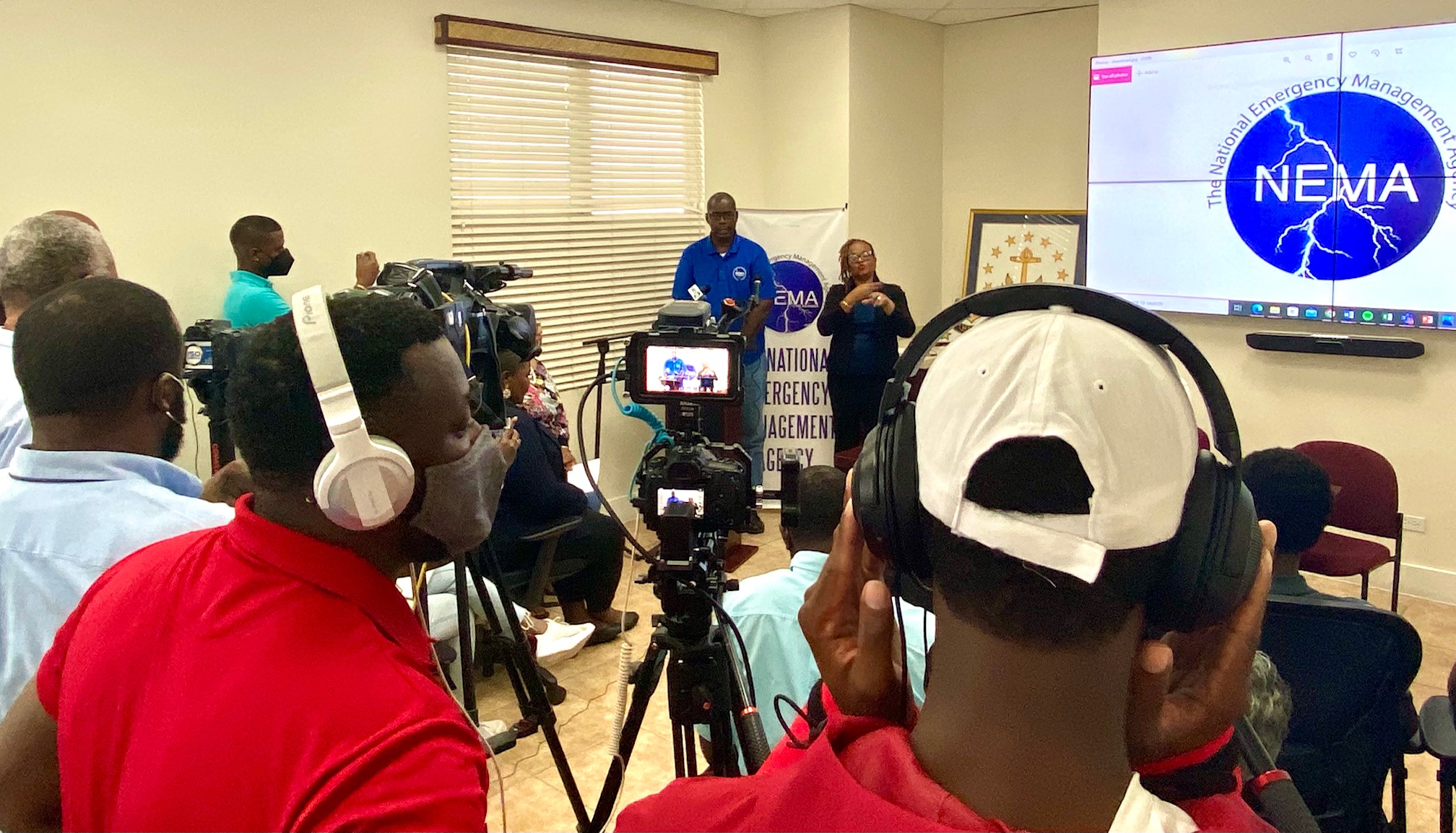
Header: NEMA Director, Captain Stephen Russell, at podium addressing Sunday’s Press Conference held at NEMA’s Headquarters, Gladstone Road. Also pictured to Captain Russell’s right is Mrs. Annette Lunn, Sign Language Interpreter, National Commission for Persons with Disabilities, Ministry of Social Services and Urban Development.
Insert: Minister of State in the Office of the Prime Minister with responsibility for Disaster Preparedness and Emergency Response, the Hon. Myles LaRoda (seated centre) addressed Sunday’s Press Conference, informing media personnel and the general public that disaster management officials based in New Providence will inspect those areas of the northwest Bahamas that were affected by the passage of Potential Tropical Cyclone One, “once our pilots are comfortable that the lingering effects of the system would have moved out and they deem it safe for travel.” State-Minister LaRoda said in the interim: “I would have spoken to all of the Members of Parliament out of Grand Bahama (including the Minister for West End, Bimini and the Berry Islands), and in Abaco to get their assessments and concerns as it relates to the passage of Potential Tropical Cyclone One. I also spoke with a few of the Local Government officials in the affected areas and pledged the government’s assistance and complete cooperation in the aftermath. Also pictured (from left beginning at podium) are: Mrs. Gayle Outten-Moncur, Deputy-Director, NEMA; Mrs. Annette Lunn, Sign Language Interpreter, National Commission for Persons with Disabilities, Ministry of Social Services and Urban Development; Mr. Jeffrey Simmons, Acting-Director, The Bahamas Department of Meteorology, and Captain Stephen Russell, Director, NEMA. Seated in foreground is Mrs. Terrece Bootle-Bethel, Department of Local Government.
(BIS Photos/Kristaan Ingraham


The Bahamas, August 27, 2026 – The Royal Bahamas Police Force wishes to inform members of the public that several individuals are scheduled to appear before the Magistrate’s Court on Thursday, 27th August 2026, at 12:00 noon.
The individuals and charges are as follows:
An 18-year-old female is scheduled to be arraigned on the following charges:
Three (3) counts of Murder
Three (3) counts of Attempted Murder
Three (3) counts of Possession of a Firearm with Intent to Endanger Life
Three (3) counts of Possession of an Unlicensed Firearm
Two (2) counts of Possession of Ammunition
Armed Robbery
Abetment to Armed Robbery
Stealing
Receiving
The charges stem from three separate shooting incidents and an armed robbery that occurred on Friday, 21st August 2026, and Saturday, 22nd August 2026.
The first shooting occurred in the area of Soldier Road and Baillou Hill Road, resulting in the death of a 51-year-old male.
The second shooting occurred in the area of Joe Farrington Road, resulting in the death of a 52-year-old male.
The third shooting occurred in the area of Gladstone Road, resulting in the death of a 36-year-old male.
The armed robbery occurred at a business establishment in the area of Carmichael Road and Baillou Hill Road.
A 21-year-old male is scheduled to be arraigned on one charge of:
- Murder
The charge stems from a shooting incident that occurred on Tuesday, 21st July 2026, in the area of Samson Street, Nassau Village, which resulted in the death of a 28-year-old male.
A 32-year-old male is scheduled to be arraigned on the following charges:
- Murder
- Attempted Murder
These charges stem from a shooting incident that occurred on Wednesday, 24th December 2025, in the area of Graham Drive, Yellow Elder, which resulted in the death of a 25-year-old male.
RBPF, PACD
Bahamas News
Bahama Brass Band Invitation Sparks Heritage Debate Ahead of TCI Constitutional Holiday
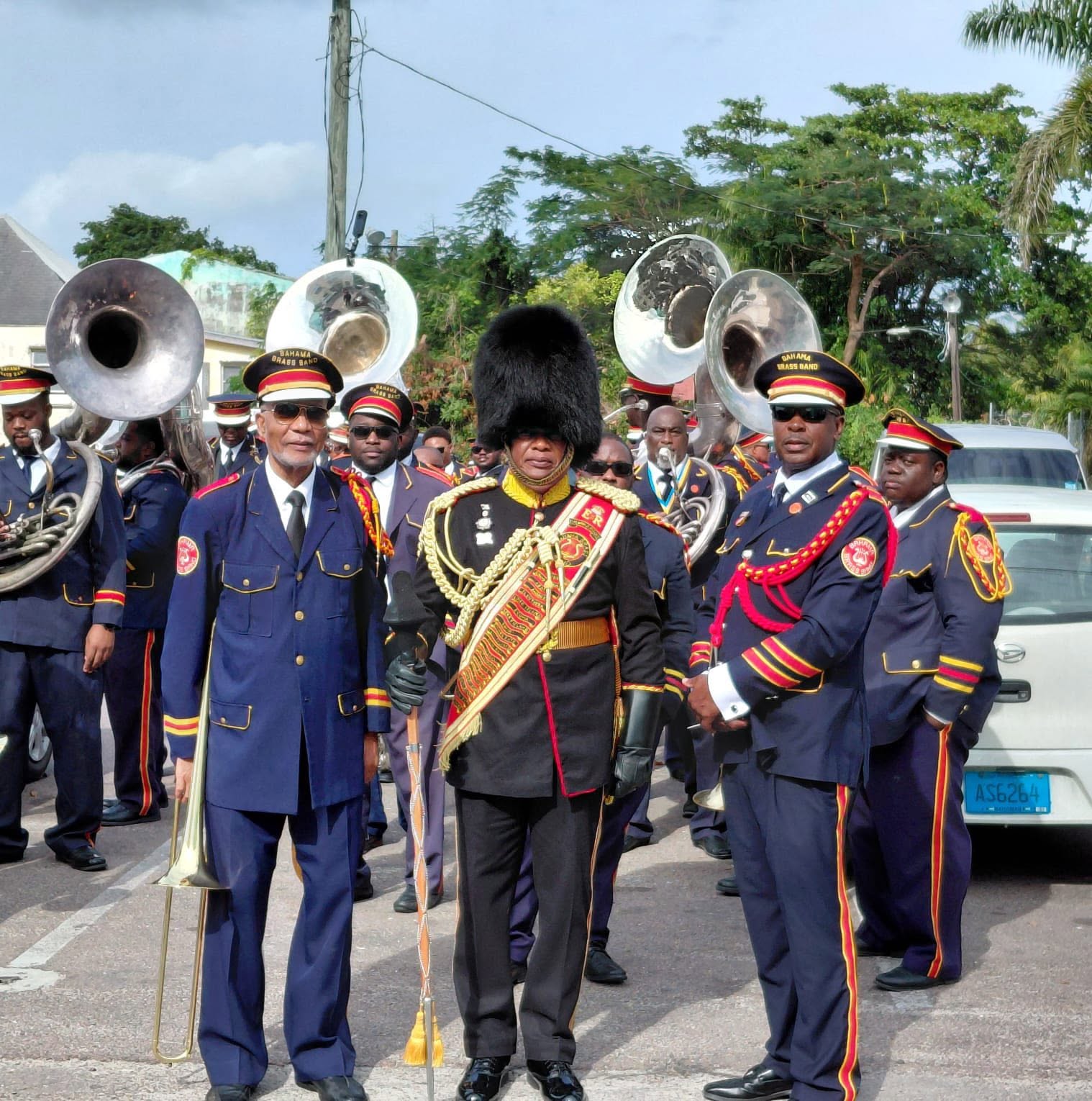
Turks and Caicos, August 20, 2026 – The planned participation of the Bahama Brass Band in the Turks and Caicos Islands’ inaugural Constitutional Holiday celebrations on August 30 has sparked public debate over culture, heritage and the historical contributions of Turks and Caicos Islanders abroad.
Organizers defended the invitation, saying the band’s inclusion is intended to highlight the deep historical ties between the two countries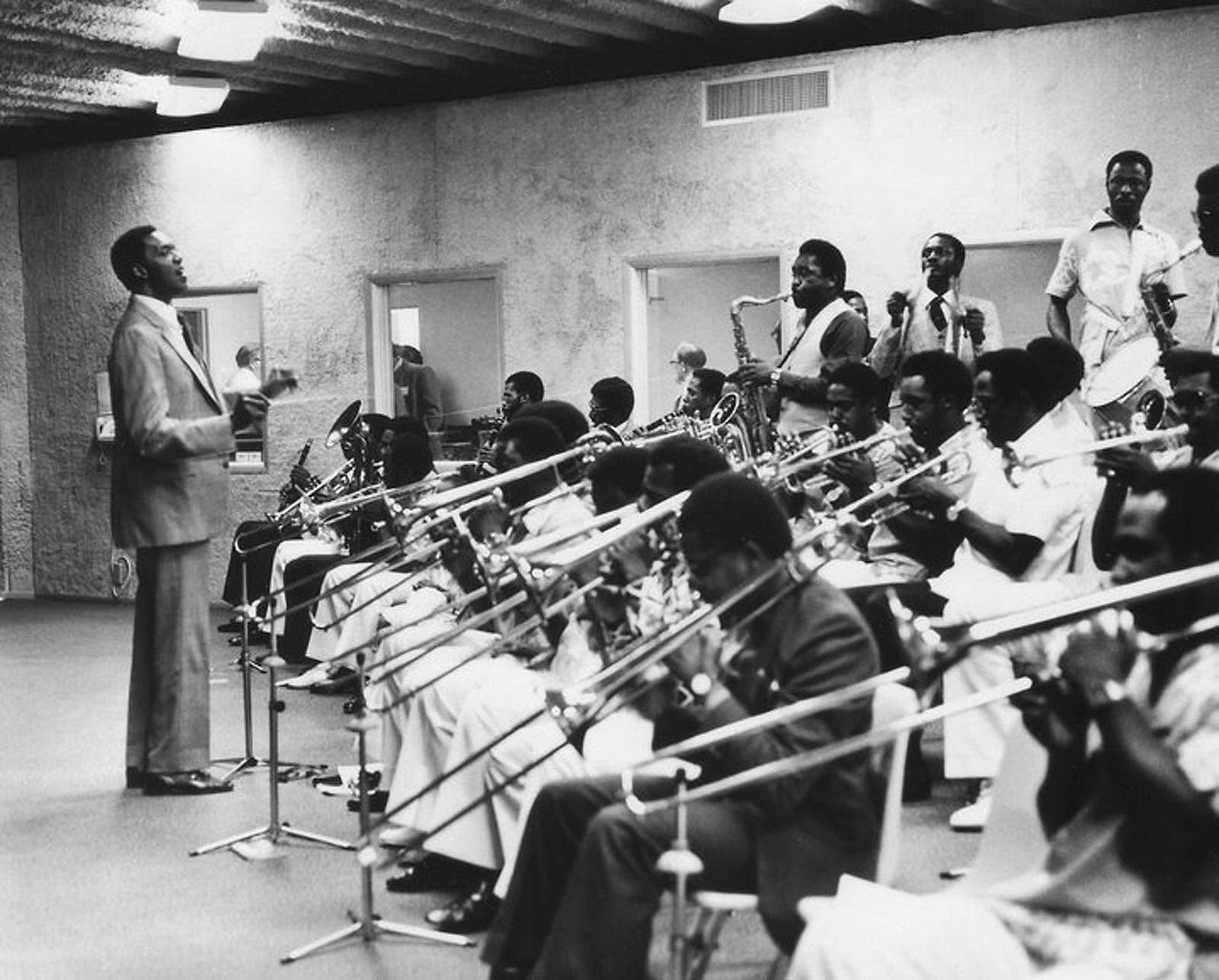 and honor Turks and Caicos men who helped establish and develop the institution in Grand Bahama.
According to the organizers, the Bahama Brass Band began in 1955 in Pine Ridge, Freeport, with Turks and Caicos Islanders, including the late Deacon Reuben Hall Sr. of Middle Caicos and Jenkins Williams and Mervin Hendfield of North Caicos, among those who helped build its foundation. The band eventually grew to more than 50 men.
The organizers also pointed to the participation of Turks and Caicos men in The Bahamas’ Independence celebrations on July 10, 1973, arguing that their contributions became part of Bahamian history while maintaining strong connections to their homeland.
Supporters say bringing the band home represents an opportunity to honor those pioneers, showcase their regional influence and expose younger generations to an important part of Turks and Caicos history.
However, concerns raised publicly described the invitation as potentially disrespectful to local culture and heritage. Organizers acknowledged those concerns, apologizing to anyone who felt overlooked or offended, while maintaining that no disrespect was intended.
The committee said the event should ultimately unite rather than divide, presenting the band’s history as evidence of the reach and resilience of Turks and Caicos heritage.
PHOTO CREDIT: Bahamas Brass Band
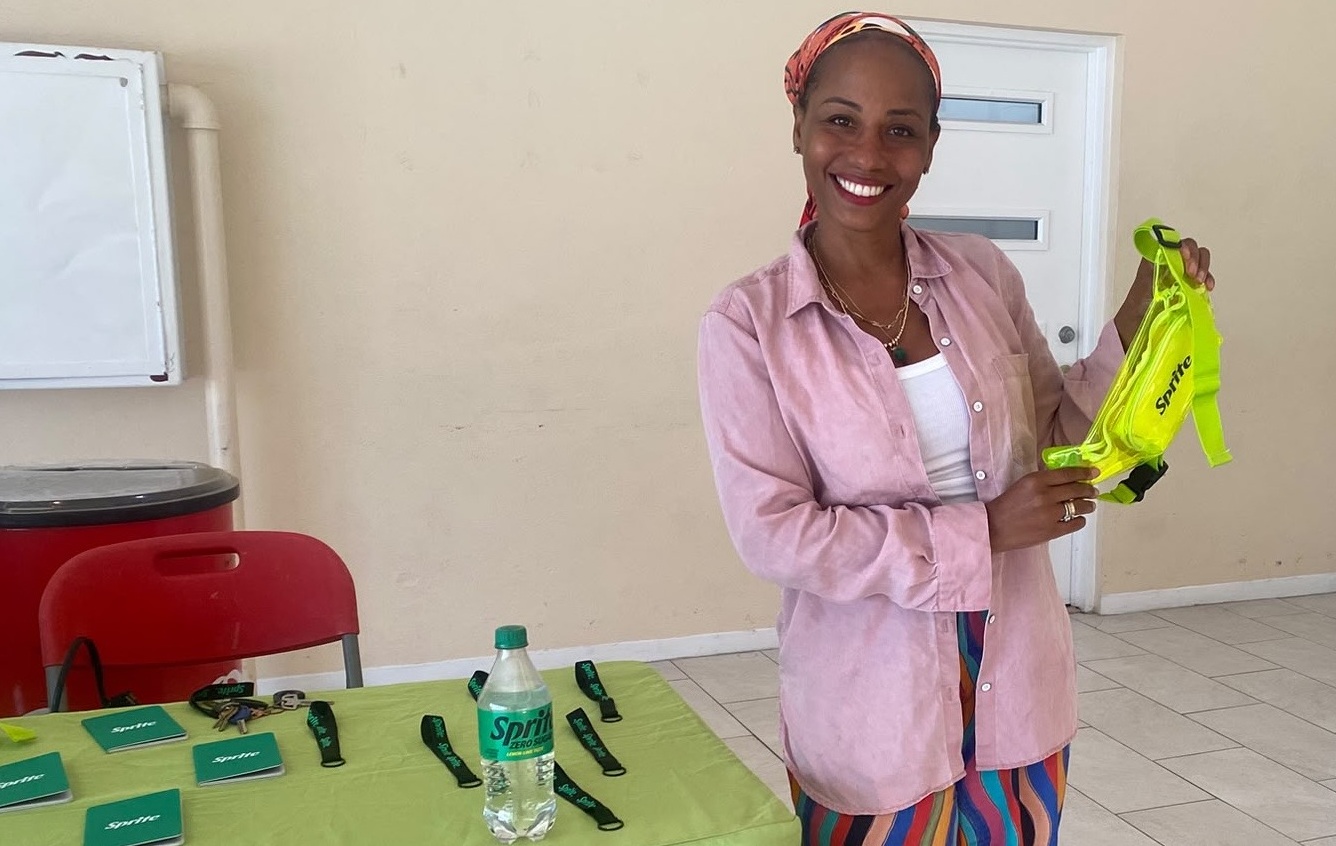
NASSAU, Bahamas — Caribbean Bottling Company (CBC), local producers of Dasani products, proudly sponsored the fifth annual, Caribbean Hoopfest.
The tournament brings together Bahamian high school basketball teams and visiting teams from the United States for a competitive showcase at the Kendal G. L. Isaacs Gymnasium. Following its inaugural year at the Kendal G. L. Isaacs gym and last year’s event at Loyola Hall, the tournament returned to the Kendal G. L. Isaacs gym this year.
During the weekend tournament, CBC kept athletes well hydrated with in-kind donations of Dasani Water, Powerade and Minute Maid Juices.
During the tournament’s final day, CBC provided additional support by offering Sprite No Sugar samples and inviting attendees to participate in its Spin the Wheel for a chance to win exciting prizes.
CBC was proud to support this incredible event, which provides young Bahamian athletes with valuable exposure to U.S. basketball scouts and coaches. This opportunity gives them the chance to earn scholarships, continue their education, and pursue their basketball careers in the United States.
Event organizer, Donald Francois shared his appreciation for CBC’s support.
“I want to express our sincere appreciation for Caribbean Bottling Company, who has been a tremendous supporter and an important part of the success of our program. Without CBC’s support, Caribbean Hoop Fest would not be able to function at the level it does today. And without Caribbean Hoop Fest, we would not have been able to provide the opportunities that have helped young Bahamian athletes gain exposure and pursue educational opportunities in the United States,” he expressed.
Since the program’s inception, several Bahamian student-athletes have been selected for scholarship opportunities, highlighting the tournament’s growing impact on the development and advancement of young basketball talent in The Bahamas.
They are: Kelvin McDowells – Guard, Wodson Antoine – Power Forward, Justin Lafleur – Guard and Sean John – Guard.
After another successful edition of the tournament, Francois shared what he hopes he and Caribbean Bottling Company can achieve in the future.
“Our vision is bigger than basketball. We want to use the platform of Caribbean Hoop Fest to educate, develop, and create opportunities for young people and their families throughout the Bahamas. With individuals and organizations committed to our mission, we believe we can continue to grow the program and make an even greater impact,” Francois said.
For more details on community support, events and new products visit Caribbean Bottling Company at www.cbcbahamas.com today.





-
 News2 days ago
Starlink Gets 15-Year TCI Licence; Commission Reveals Fees, Future Flow and Digicel Partnerships
-

 Bahamas News1 week ago
Royal Bahamas Police Force – ARRAIGNMENT NOTICE
-
 News3 days ago
Government Restates Commitment to TCI’s Telecommunications Evolution
-
 Independent writer2 days ago
A Second Chance Through Service: Is the TCI Regiment an Untapped Tool for Rehabilitation?
-
 News3 days ago
Tomorrow’s Communities Start with Today’s Young Leaders: Why Youth Engagement Matters
-

 Health6 days ago
Is It Bad To Sleep in a Bra?
-

 News2 days ago
Flow Strengthens Network Leadership in TCI