
Bahamas News
Commander Defence Force attends UK-Second Caribbean Chiefs of Defence Conference, Antigua


#Bahamas, September 13, 2021 – In keeping with the Global Security Collaborative Framework and Commander Defence Force, Commodore Dr. Raymond King’s strategic intent in strengthening joint relationships with its regional and international partnerships, Commodore King attended the UK- Chief of Defence Staff (CHoDs’) in Antigua from 1- 3 September, 2021 to share best practices and to discuss matters of mutual interest. 
Accompanied by his Aide, Sub Lieutenant Delroy Dennis, the sessions also included General Sir Nick Carter; Gen Chief of Defence Staff, United Kingdom of Great Britain, and Northern Ireland; Major General C S Collins, General Officer Commanding 1st UK Division; Lieutenant Colonel Simon Westlake Royal Marines United Kingdom’s Defence Attaché to the Caribbean; and Commander Brian Trim MBE RN Commander task Group.
Also in attendance were countries with various Chiefs of Defence Staff, in particular; Antigua and Barbuda, The Bahamas, Belize, Dominican Republic, Guyana, Jamaica, Trinidad and Tobago, and defence and security partners across the region, who took part virtually, and shared their views on global security and joint partnerships. They all agreed on several initiatives with training and education designed to improve collective capacity to deal with the diverse security challenges that confront the region.
The inaugural conference convened virtually in November 2020, with each of the regional Chiefs of Defence. This second conference focused on building on the success of the virtual event in strengthening the UK-Caribbean relationships, and developing concepts for UK engagement with its Caribbean partners on issues of mutual interest.
The three-day conference commenced with an ice-breaker reception and concert at Blizzard Camp, hosted by Antigua and Barbuda (ATG) – Chief of Defence Staff Colonel Telbert Benjamin, and joined by the Governor General, Sir Rodney Williams. The core conference which took place on September 2nd, began with an opening ceremony, supported by the Prime Minister of ATG, Sir Gaston Browne.
In the first core session, UK- Chief of Defence Staff (CDS), United Kingdom of Great Britain and Northern Ireland General Sir Nick Carter set out the UK perspective on the strategic context, informed by the recently concluded Integrated Review (IR) and Defence Command Plan (DCP). The three individual sessions covered issues of serious organized crime threats; regional initiatives and the implications for UK Defence engagement; and natural threats.
The UK- CDS expressed his ambition to use the conference as a vehicle for institutional capacity building, military capability development, training and education, doctrine, and concepts. These are ways to maximize collective security development with focused UK engagement while better constructing an approach that matches the region’s aspirations and requirements. 
The final session of the three-day conference was held aboard HMS MEDWAY, River Class Offshore Patrol Vessel built on the Clyde. This permanent Caribbean patrol ship was deployed to the Caribbean to support disaster relief and conduct counter-trafficking operations as an alternative setting for a maritime security focused discussion. It served as a setting to discuss regional maritime security, which included talks around preparedness for Humanitarian Aid and Disaster Response (HADR), and UK involvement in regional partnerships.
Photo Captions:
Header: Participants at the UK- second Caribbean Chief of Defence Staff (CHoDs’) in Antigua, 1- 3 September, 2021.
1st insert: Commodore Raymond King, the Commander Defence Force, presenting his country’s brief on board HMS MEDWAY, during the second Caribbean Chiefs of Defence Staff conference in Antigua.
2nd insert: Commodore Raymond King, Commander of the Royal Bahamas Defence Force; Brigadier General Steven Andrew Ortega, Commander Belize Defence Force; Lieutenant General Rocky R Meade, Chief of Defence Staff, Jamaica Defence Force; Brigadier Godfrey Bess Chief of Staff, Guyana Defence Force; Air Vice Marshal Darryl Daniel Chief of Defence Staff, Trinidad and Tobago Defence Forces: In the front row; Colonel Telbert Benjamin, Commander of Antigua and Barbuda Defence Force and General Sir Nick Carter, General Chief of Defence Staff, United Kingdom of Great Britain, and Northern Ireland.
3rd insert: Commodore Raymond King, the Commander Royal Bahamas Defence Force; Brigadier General Steven Andrew Ortega, Commander Belize Defence Force; General de Brigada Angel A Camacho Ubiera Inspector General of the Dominican Republic Army; Antigua and Barbuda – Colonel Telbert Benjamin, Commander of Antigua and Barbuda Defence Force; Major General C S Collins, General Officer Commanding 1st UK Division; Lieutenant General Rocky R Meade, Chief of Defence Staff, Jamaica Defence Force; Brigadier Godfrey Bess Chief of Staff, Guyana Defence Force; Air Vice Marshal Darryl Daniel Chief of Defence Staff, Trinidad and Tobago Defence Forces Trinidad and Tobago; and Air Vice Marshal Darryl Daniel Chief of Defence Staff, Trinidad and Tobago Defence Forces.
(Photos courtesy Mr. Wayne Mariette)
(For further information please contact the RBDF Public Relations Department or visit our website: www.rbdf.gov.bs, follow us on Facebook, Twitter and view our Youtube channel)
-rbdf-
#GuardOurHeritage
#MarlinSpike
#OperationConservation

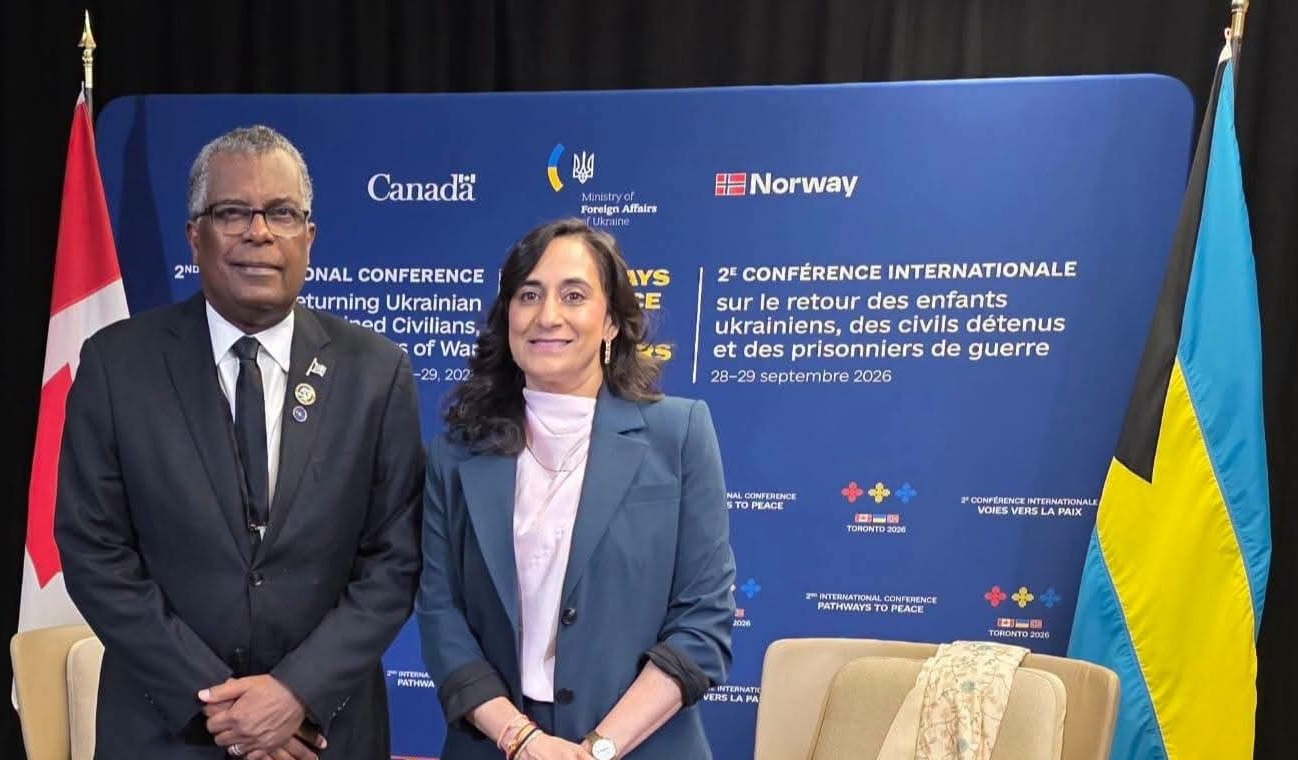
TORONTO, Canada —Minister of Foreign Affairs and Immigration Fred Mitchell has reaffirmed The Bahamas’ support for Ukraine’s territorial integrity and the international effort to secure the return of Ukrainian children, detained civilians and prisoners of war.
Speaking at the two-day Second International Conference on Returning Ukrainian Children, Detained Civilians, and Prisoners of War, held in Toronto on September 28 and 29, Minister Mitchell thanked Canada, Norway and Ukraine for convening the conference and said The Bahamas was honoured to participate.
“I first want to add my thanks to Canada, Norway and Ukraine for convening this important conference,” Minister Mitchell said. “We are honoured to have been invited and to be here.”
Minister Mitchell said The Bahamas supported the position expressed by Antigua and Barbuda from the CARICOM Region, while also drawing on remarks delivered by Prime Minister Philip Davis at them United Nations.
He said The Bahamas’ own history made it impossible for the country to remain silent when them territorial integrity of another state is under attack.
“Just a couple of days ago, our Prime Minister spoke at the United Nations about a people with a history of struggle for identity, arising out of the struggle against slavery, and how we cannot be silent in the face of the attack on the territorial integrity of another state,” Minister Mitchell said.
He noted that Canada and other countries have stood alongside Caribbean nations as they confront their own regional challenges, including the situation in Haiti and difficulties facing Cuba.
“We are a region which is far away from Ukraine, but we identify with the struggle,” he said. “In this case, we want to be sure that our voices are heard in support of the defence of the territorial integrity and the people of Ukraine.”
Minister Mitchell said the principle of territorial integrity carries lessons well beyond the current conflict and deserves particular attention from smaller states.
“We think that the question of territorial integrity is a lesson for all to inwardly digest,” he said, adding that The Bahamas particularly appreciated Canada’s approach to its role as a “middle power” in international affairs.
The minister also reflected on the broader historical context surrounding Russia and Ukraine. Referring to a recent interview with Russian President Vladimir Putin that he encountered on social media, Mitchell described the discussion as an example of historical revisionism.
He recalled the days of writings and experiences of Soviet-era dissidents including Aleksandr Solzhenitsyn and Andrei Sakharov, as well as the struggles that took place during the Soviet period and the eventual collapse of the Soviet Union.
Minister Mitchell said the historical interpretation presented in Putin’s remarks offered a markedly different account of those developments and placed responsibility for the situation in Ukraine on what Putin described as Western intellectual elites and their actions.
“That was very interesting,” he noted.
Drawing on the work of political scientist Samuel Huntington, Minister Mitchell suggested that political systems can retain characteristics of their predecessors even after major upheavals or revolutions.
“The Czar has been replaced, but what do we have today?” he asked. “A kind of pre-emptory, antidemocratic, autocratic behaviour attacking another state?”
Minister Mitchell concluded by reaffirming The Bahamas’ support for the objectives of the Toronto conference and calling for practical opportunities for the country to contribute.
“So I am, on behalf of The Bahamas, supporting the aims of this important conference,” he said. “Please assure us, or let us know, what practical ways we can help.”
He said The Bahamas’ participation itself was an important first step.
“We hope that, in this instance, the fact that we are here and that our voice has been added to this cause is at least a good start.”
Bahamas News
Carnival and LJM Maritime Academy launch free adult learn-to-swim program in New Providence
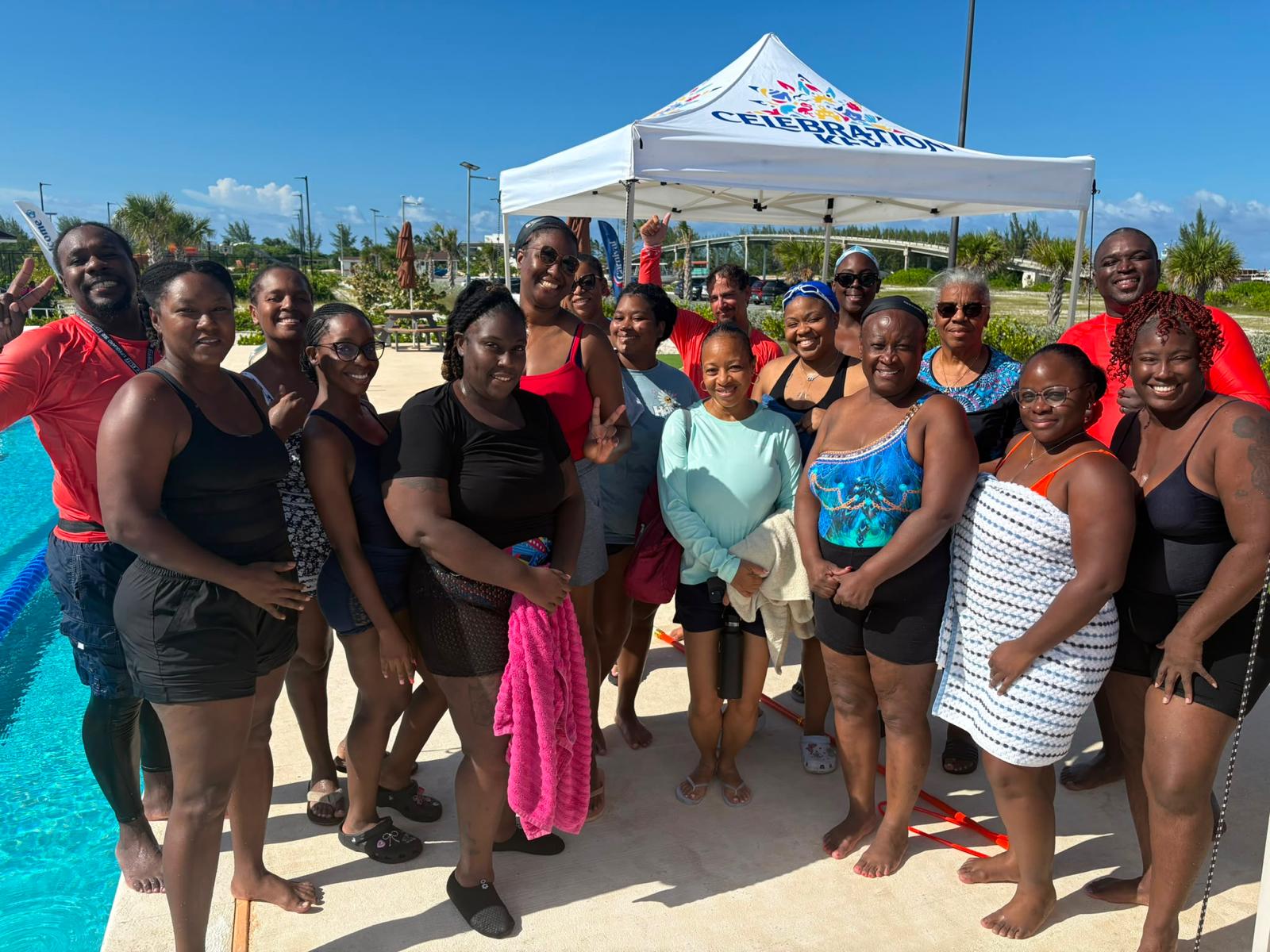
Nearly 60 participants enrolled in two-week initiative teaching essential water safety skills, taught by Celebration Key’s certified lifeguards
Sept 28, 2026 – Carnival Cruise Line, in partnership with LJM Maritime Academy, has launched a free learn-to-swim program to empower Bahamian adults with essential water safety and swimming skills.
The two-week program took place in August at the LJM Maritime Academy Pool on Maritime Cay, Nassau, with sessions held Monday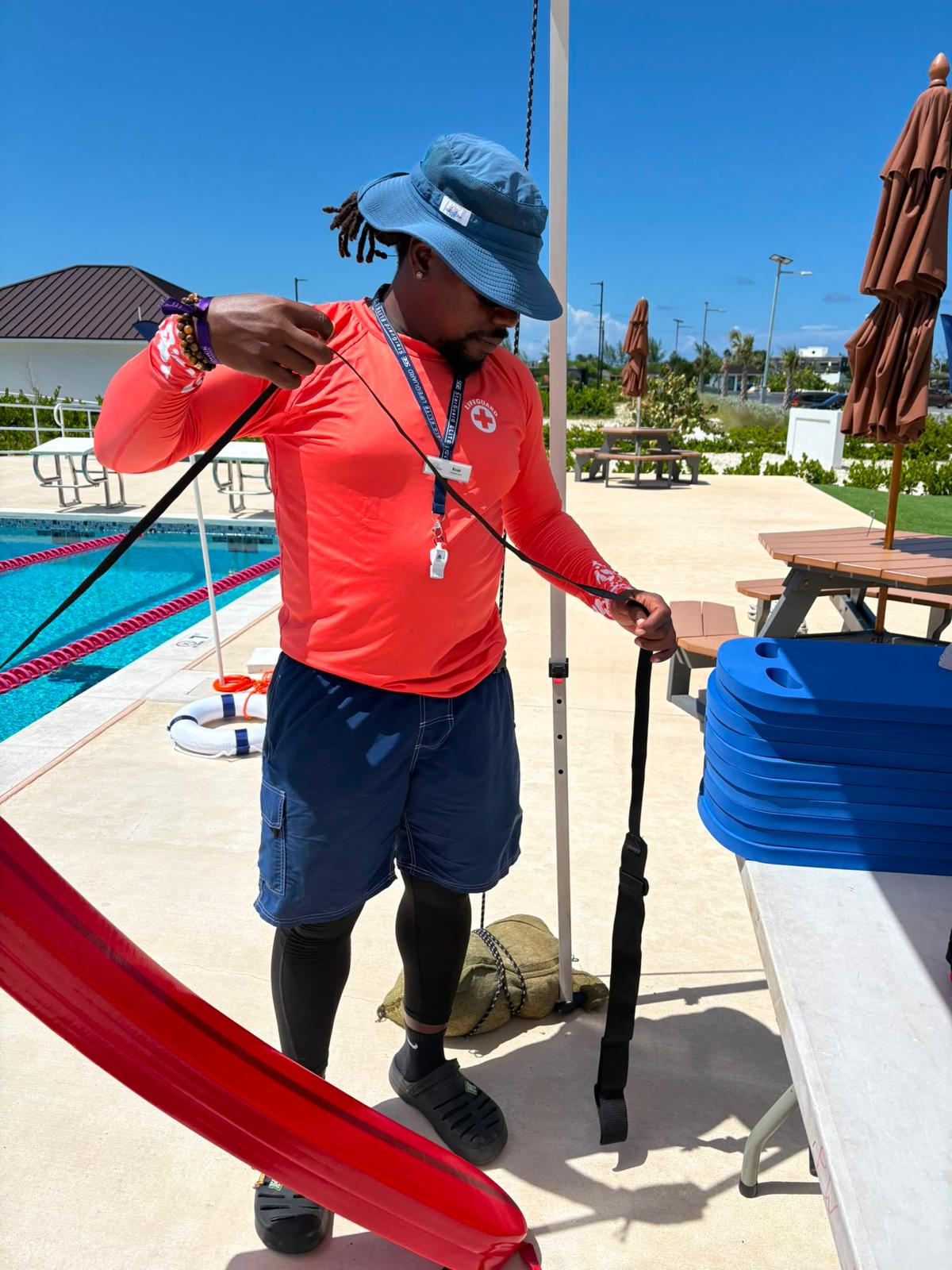 through Friday.
Carnival provided all necessary equipment, including full-protection swim goggles, backboards, kickboards, swim paddles and other training aids. Instructors were from Celebration Key’s Water Safety Team, whose lifeguards hold 5-star SGE Audit Rating Certification and bring hands-on expertise in swim education and water rescue.
The program drew a strong and enthusiastic response from the community. Following announcements on social media, nearly 60 participants enrolled to acquire skills that are crucial in an island nation.
“Water safety is not a luxury in The Bahamas – it is a necessity,” said Philcher Grant, Director of Public Affairs and Community Engagement for Carnival Cruise Line in The Bahamas and Turks and Caicos Islands. “We are surrounded by water, yet many adults haven’t had the opportunity to learn basic swimming skills. Partnering with LJM Maritime Academy allows us to change that, one participant at a time, while reinforcing Carnival’s commitment to investing in the communities where we operate through education, training and meaningful partnerships.”
“Opening our pool and facilities to adults who are embracing the opportunity to build basic swimming skills and helping them develop this life-saving ability has been deeply rewarding,” said Nameiko Miller, Registrar at LJM Maritime Academy. “We have been pleased to partner with Carnival on this important initiative and commend the Water Safety Team for its dedication and expertise. The response from the community has exceeded our expectations, confirming just how much this kind of program is appreciated.”
“It has been an absolute pleasure providing these lifesaving skills to the participants,” said Valentino Strachan, Water Safety Manager for Celebration Key. “Kent, Samuel, and I are very encouraged to keep going because of the enthusiasm, excitement and, most of all, the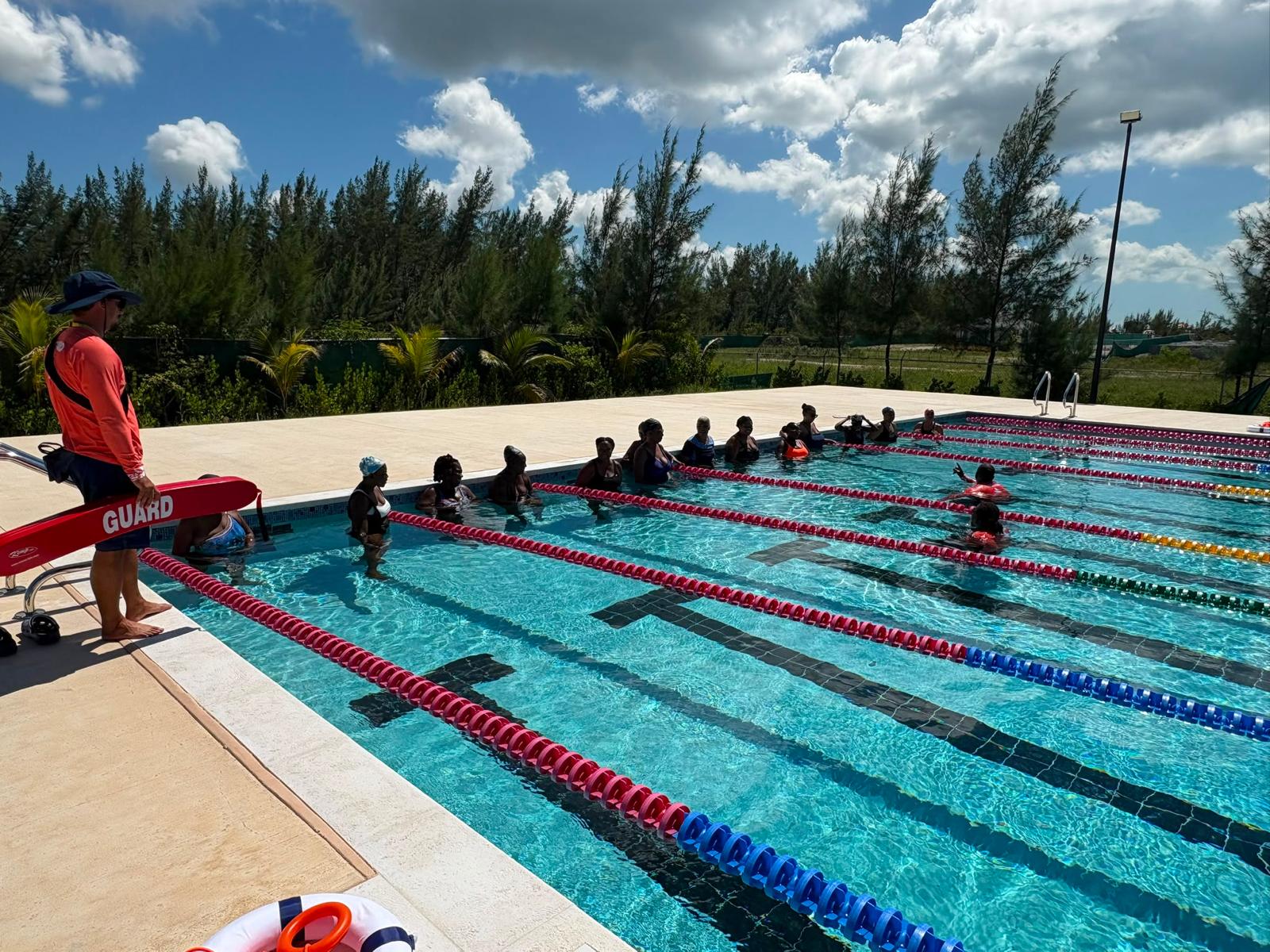 progress we’ve seen. I can say with confidence that 100% of the participants have conquered their fear of the water and are successfully mastering the fundamentals of strong swimming form.”
Participant Lucy Forbes said: “When I started, I couldn’t even push off the pool wall, now I can glide across the water. The instructors, from Sammy to Ken to Tino, were phenomenal. It’s been such a wonderful experience, and if they run this again next year, I’ll be back.”
Another participant, Karen Simeon, added: “This program teaches you to overcome your fear of the water and trust yourself. The fear doesn’t disappear completely, but with the right techniques you freak out less and make progress every time. Every instructor – Tino, Ken, Sammy – brought something different, and I learned from all of them.”
Drowning remains one of the leading causes of preventable death in The Bahamas, and public health advocates have long pointed to low swimming proficiency among adults as a contributing factor. Programs like this one aim to close that gap by removing barriers to learning.
The initiative is part of Carnival’s broader strategy of building lasting community partnerships across its destinations, with a focus on education, training and initiatives that leave a tangible, positive impact long after each session ends.
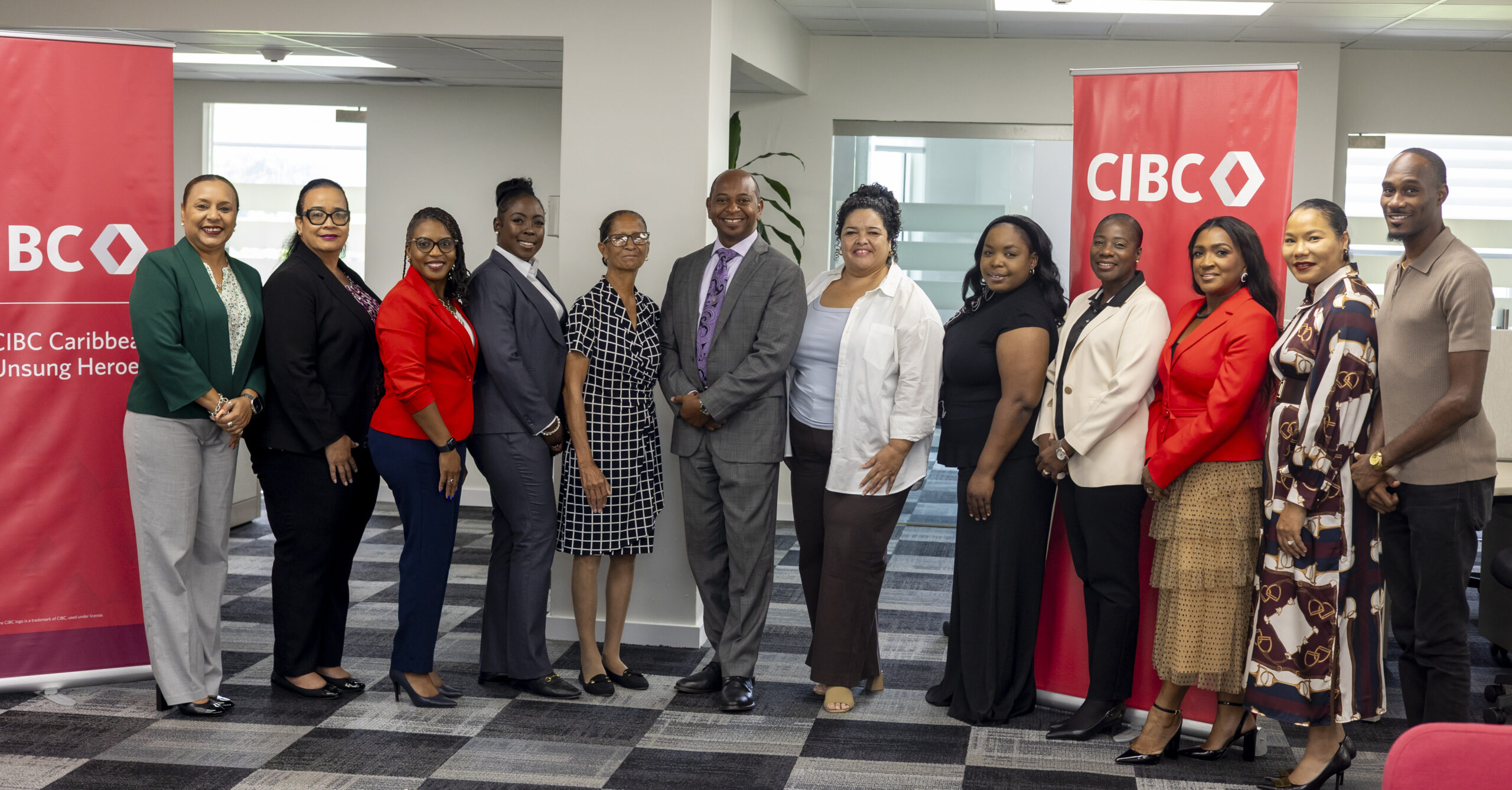
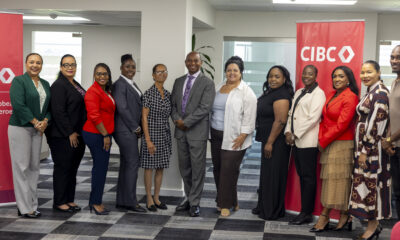
Nassau, Bahamas, 22 September 2026 – Six Bahamians whose service is making a difference in communities across the country were recently celebrated by CIBC Caribbean as the bank brought together its top 2026 Unsung Heroes finalists for a special recognition event.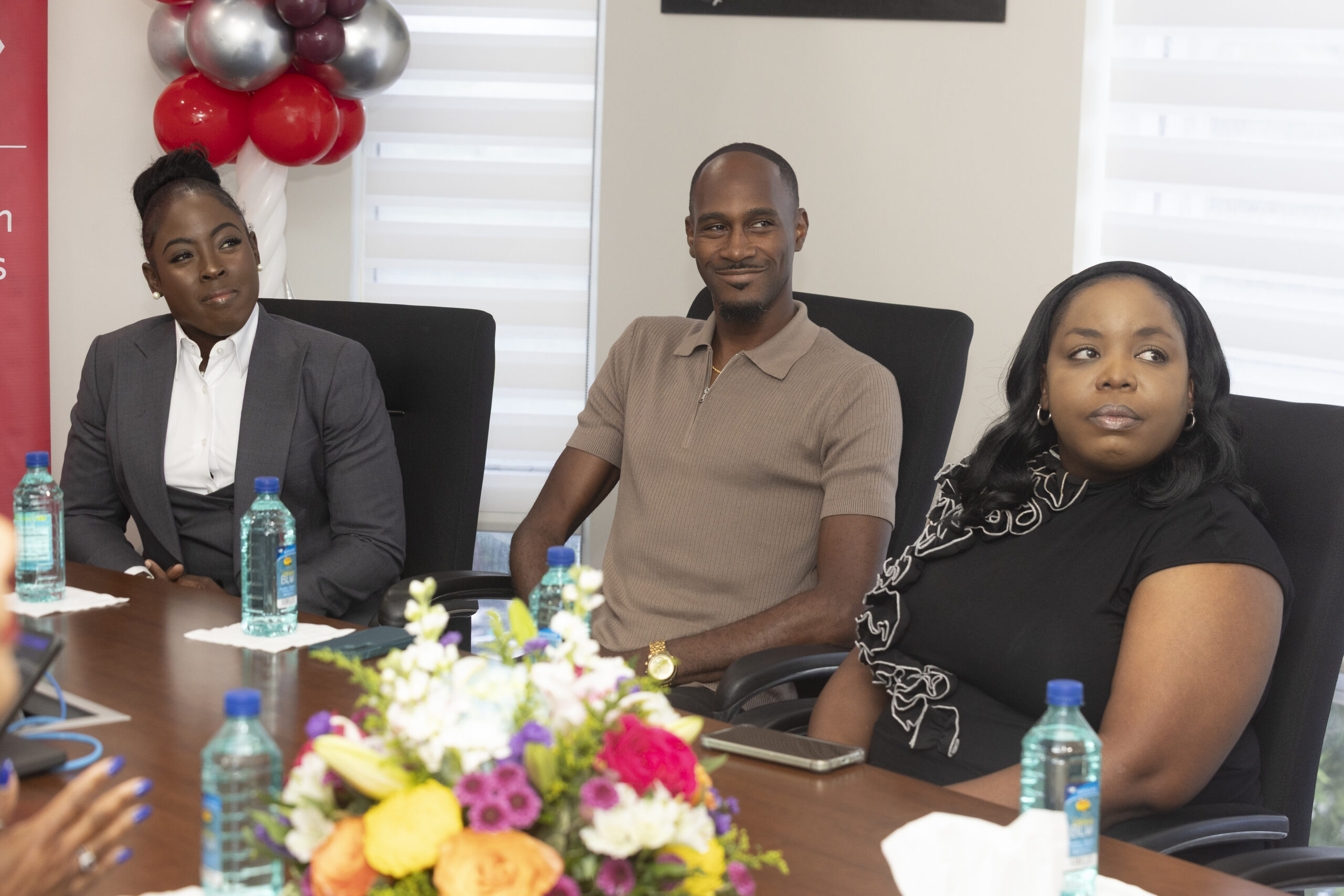
The 2026 finalists were Kristin Butler-Beneby, Dinola Williamson, Amanda Knowles, Tamara Clarke, Ruth Fawkes, and Jaquay Adderley.
During the event, CIBC Caribbean also announced Dinola Williamson as the first runner-up in this year’s program. Williamson is an educator and community activist who has spent more than two decades in education and leads the Family Better Together Kabbalistic Kids Club. Her community work has reached children in Englerston, Fox Hill, Acklins, Crooked Island, and Grand Bahama through mentorship and activities designed to support their holistic development.
CIBC Caribbean Head of Country Terrance Gibson said the gathering was intentionally focused on celebrating the collective impact of the finalists.
“Unsung Heroes is about recognizing the people who may not always receive the spotlight, but whose commitment is felt every day in the lives of the people and communities they serve,” he said.
“While Kristin emerged as our 2026 Unsung Hero, and Dinola as our runner-up, each nominee represents the spirit of this program. They saw needs in their communities and made the decision to act, to serve, and to keep showing up. CIBC Caribbean is proud to recognize them and to help bring greater attention to the work they are doing.”
The recognition event also brought together members of the judging panel who reviewed this year’s nominations and selected the program’s honorees. The panel comprised Olympic gold medalist Tonique Williams, Bahamas Red Cross President Edison Sumner, Guardian Lifestyles Editor Shavaughn Moss, and Organization for Responsible Governance Executive Director Matt Aubry.
During the event, each finalist spoke about the community work that led to their nomination. The judges were also recognized for lending their time and expertise to the selection process.
Gibson added, “Recognition is important, but we also hope that sharing these stories encourages others to look around their own communities, see where they can make a difference, and act.
“Our Unsung Heroes remind us that meaningful change often begins with an individual who simply decides to help.”





-
 News1 week ago
Indian Association of Turks and Caicos Islands Empowers Local Students Through Back-to-School Backpack & Supplies Drive
-
 Caribbean News6 days ago
Royal Caribbean Group and Sandals Resorts Announce Landmark Partnership to Accelerate Their Leading Vacation Experiences
-
 Bahamas News1 week ago
CIBC Caribbean Celebrates 2026 Unsung Heroes Finalists
-

 Health1 week ago
TCI Hospital Celebrates World Pharmacy Day 2026
-
 Bahamas News1 week ago
Romer Receives Regional Leadership Award
-
 Caribbean News1 week ago
Royal Caribbean Signs US$3-Billion Deal for Half of Sandals and Beaches
-
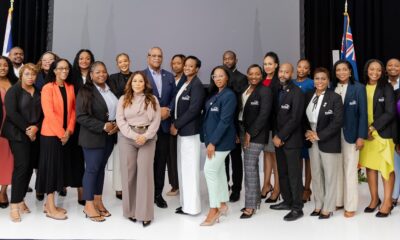
 News2 days ago
Invest Turks and Caicos Islands Highlights Investment Growth and Workforce Opportunity at 5th Annual General Meeting
-

 Health1 week ago
Urgent Care vs. the ER: How To Choose Where To Go