
Caribbean News
Caribbean not taking full advantage of tourism’s benefits, says CHTA CEO

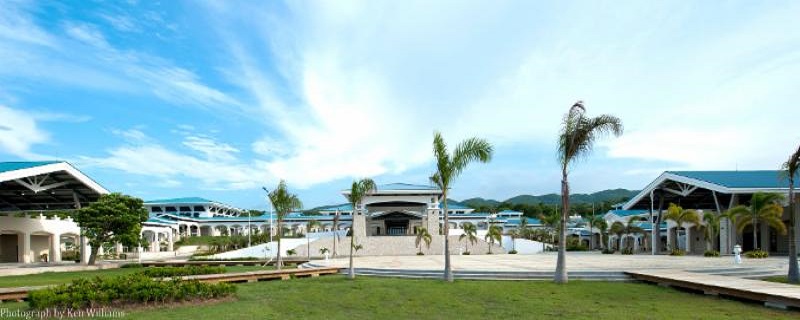
#Montego Bay, November 5, 2108 – Jamaica – Empty hotel rooms are costing the Caribbean billions of dollars in economic opportunity each year, warned Frank Comito, CEO and Director General of the Caribbean Hotel and Tourism Association (CHTA).
 With an estimated 84,000 hotel rooms vacant each night, filling just 10 percent of them would inject nearly US$2 billion into the region each year. “We have the room capacity across most of our destinations to further increase the economic impact of tourism. Focused efforts by the public and private sectors to fill the large amount of unused room inventory will yield considerable results,” said Comito, whose team is currently preparing for Caribbean Travel Marketplace, the Caribbean’s largest tourism marketing event, to be held in Montego Bay, Jamaica from January 29 to 31, 2019.
He explained the importance and value to stakeholders of attending the 37th edition of Caribbean Travel Marketplace, which will attract hotel and destination representatives from high-level executives to key decision makers; wholesalers and tour operators; online travel agencies; Meetings, Incentives, Conventions and Exhibitions (MICE) planners; and members of the media for several days of business meetings, including a busy program of thousands of pre-scheduled appointments to expand their businesses.
Citing both STR and CHTA research on tourism performance, Comito contended that an additional 10 percent in visitor expenditures would generate $628 million more in room revenue each year, plus two-thirds of added spend per visitor on food and beverage, attractions, taxis and ground transportation, retail purchases and local services. “Filling hotel rooms generates the highest spinoff impact on tax revenues, employment and economic activity compared with all other important categories of visitors, including cruise passengers, renters and yachters,” said Comito.
Online registration for CHTA’s annual signature event is open and participants can take advantage of the special rates which are available until November 6, 2018. “If you’re looking for business opportunity to expand and grow in the region you should be attending Caribbean Travel Marketplace,” he said.
Comito added that CHTA and its regional partner the Caribbean Tourism Organization recently launched “The Rhythm Never Stops”, a marketing campaign which illuminates the Caribbean’s diverse cultures, vibrancies, unmatched natural beauty, and countless attractions and activities all complemented by the incredible hospitality of its people: “As more people discover all that the Caribbean offers, we’re confident that the region’s popularity will continue to grow.”
 Caribbean Travel Marketplace 2019 is produced by CHTA in collaboration with co-hosts Jamaica Hotel & Tourist Association, the Jamaica Tourist Board and the Jamaica Ministry of Tourism. It is the leading event in the Caribbean tourism industry where more than 1,000 delegates from 26 Caribbean countries meet with buyers from over 20 markets.
This year’s host sponsors are Interval International, JetBlue Vacations and MasterCard, while Platinum sponsors include Adara, AMResorts, Figment Design, OBMI, Sojern, STR, Travelzoo and Marketplace Excellence. Gold sponsors are Best Western International, Flip.to, Jack Rabbit Systems, Northstar Media, Rainmaker, Simpleview, The New York Times,Travalliance Media, Travel Relations, and TravPRO Mobile.
The 2019 event is expected to have an increase in the number of buyers and suppliers and exciting new activities that will strengthen the connectivity between industry stakeholders.
To register, visit http://bit.ly/2AbQ9jQ
Press Release: Caribbean Hotel and Tourism Association (CHTA)
About the Caribbean Hotel and Tourism Association (CHTA)
The Caribbean Hotel and Tourism Association (CHTA) is the Caribbean’s leading association representing the interests of national hotel and tourism associations. For more than 50 years, CHTA has been the backbone of the Caribbean hospitality industry. Working with some 1,000 hotel and allied members, and 32 National Hotel Associations, CHTA is shaping the Caribbean’s future and helping members to grow their businesses. Whether navigating new worlds like social media, sustainability, legislative issues, emerging technologies, climate change, data and intelligence or, looking for avenues and ideas to better market and manage businesses, CHTA is helping members on issues which matter most.
For further information, visit www.caribbeanhotelandtourism.com.

How Venezuelan farmers are learning to grow and live with a devastating plant disease
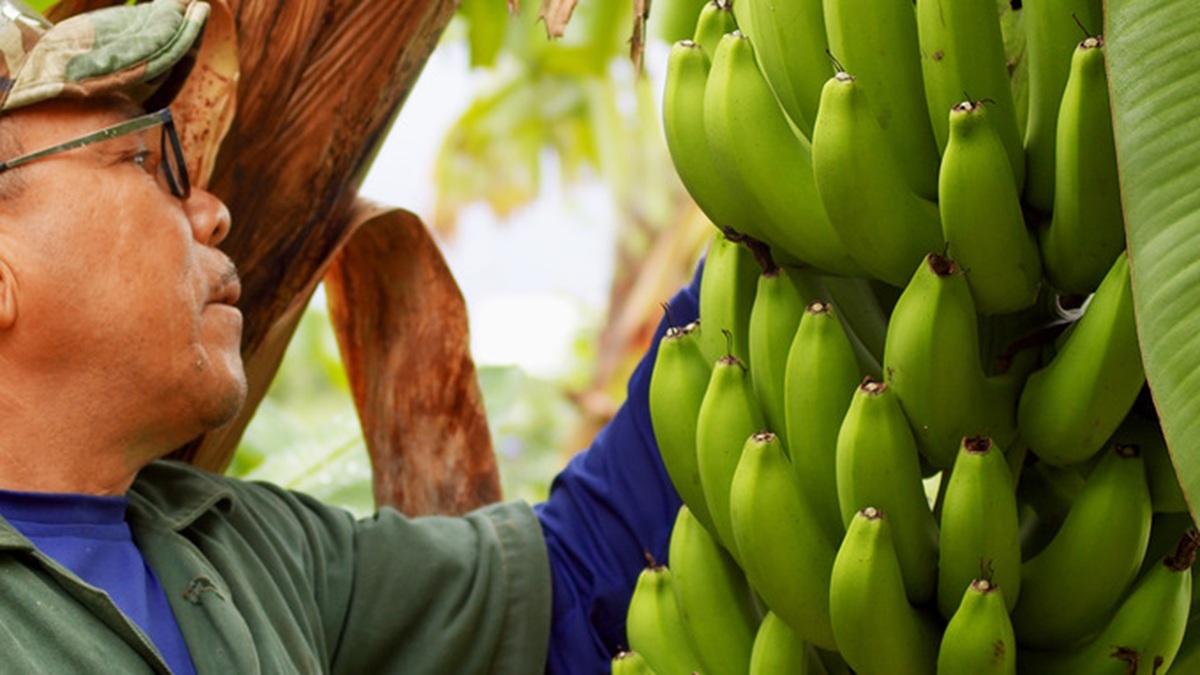
In the fields of Venezuela, where the banana has been for generations a symbol of sustenance and tradition, a shadow fell across the land. In 2023, Venezuela’s National Institute of Integral Agricultural Health (INSAI) declared a phytosanitary emergency: the fungus Fusarium Tropical Race 4 (TR4) (Fusarium oxysporum f. sp. cubense tropical race 4; syn. Fusarium odoratissimum) had arrived in producing areas in the states of Aragua, Carabobo and Cojedes.
This fungus, considered a devastating disease of banana and plantain (Musaceae) trees, can remain in the soil for more than two decades, threatening production and the lives of those who depend on it.
In the state of Aragua in the north of the country, the Renacer community had been growing bananas and plantains on 20 hectares since 2018. Then Fusarium arrived.
“When the disease hit, the entire plantation began to deteriorate. We refused to ‘die’ with the trees because that was our livelihood. The visits of INSAI confirmed that we had to chop down the banana trees. I cried a lot because I had worked with my banana trees for years,” recalls woman farmer, Lesbia Margarita García, with a broken voice.
In response, INSAI implemented measures to eliminate the affected plantations and improve the soil health by changing to other crops that allow agricultural production to recover. The Food and Agriculture Organization of the United Nations (FAO) offered assistance by providing corn seeds, tools, biosecurity inputs and training, with teams of experts helping farmers to start again.
“Planting corn, thanks to the INSAI-FAO programme, gave us a harvest that benefited everyone. We have been improving the soil,” says Lesbia Margarita with a smile. “Now we rotate crops, observe soil health and have learned how to use natural fertilizers. Expert assistance has been key.”
The pilot project works directly with affected producers in high-risk areas, promoting alternative crops such as cereals and vegetables, delivering inputs and tools to mitigate damage and applying biosecurity measures for safe and effective containment.
“Beyond the corn received, we have already planted cassava, chili peppers, beans and pumpkin. We hope that by the end of the year [2025] we will be diversified and that each season we will have something to sell. These lands do not give up,” says Lesbia Margarita with conviction.
The Renacer community is beginning to see fruits. Their products are reaching local markets, generating income and rebuilding their livelihoods.
Key actions to manage Fusarium TR4 are ongoing, including regular monitoring, continuous training, inter‑institutional coordination, updates to the national plan, information campaigns and producer impact assessments. INSAI is sustaining regulatory, surveillance measures and training —with FAO support—as part of a comprehensive long‑term strategy.
At the global level, FAO supports awareness raising, capacity building and international collaboration in the fight against Fusarium TR4 by facilitating the World Banana Forum and its Global Network on TR4.
“The objective is for countries to strengthen their operational and technical capacity, articulating actions between the public sector, the private sector and family farmers,” says Raixa Llauger, FAO Agriculture Officer in Mesoamerica. “FAO and local partners have promoted this approach in Venezuela.”
As an essential part of the activities, a comprehensive training programme was developed with activities that taught farmers how to identify the disease contain it and protect crops. In addition, FAO has distributed laboratory equipment, biosecurity tools and a multispectral drone to INSAI. Drones are an efficient and cost‑effective tool for phytosanitary surveillance, offering rapid, high‑resolution monitoring and early detection of plant pests and diseases.
Overall, the project strengthened biosecurity measures against the Fusarium fungus through the adoption of the National Action Plan and the establishment of partnerships with national and international institutions. In addition, the pilot initiative supporting smallholder farmers in key production areas and a nationwide awareness campaign with broad outreach improved surveillance, diagnosis and phytosanitary response capacities across the country.
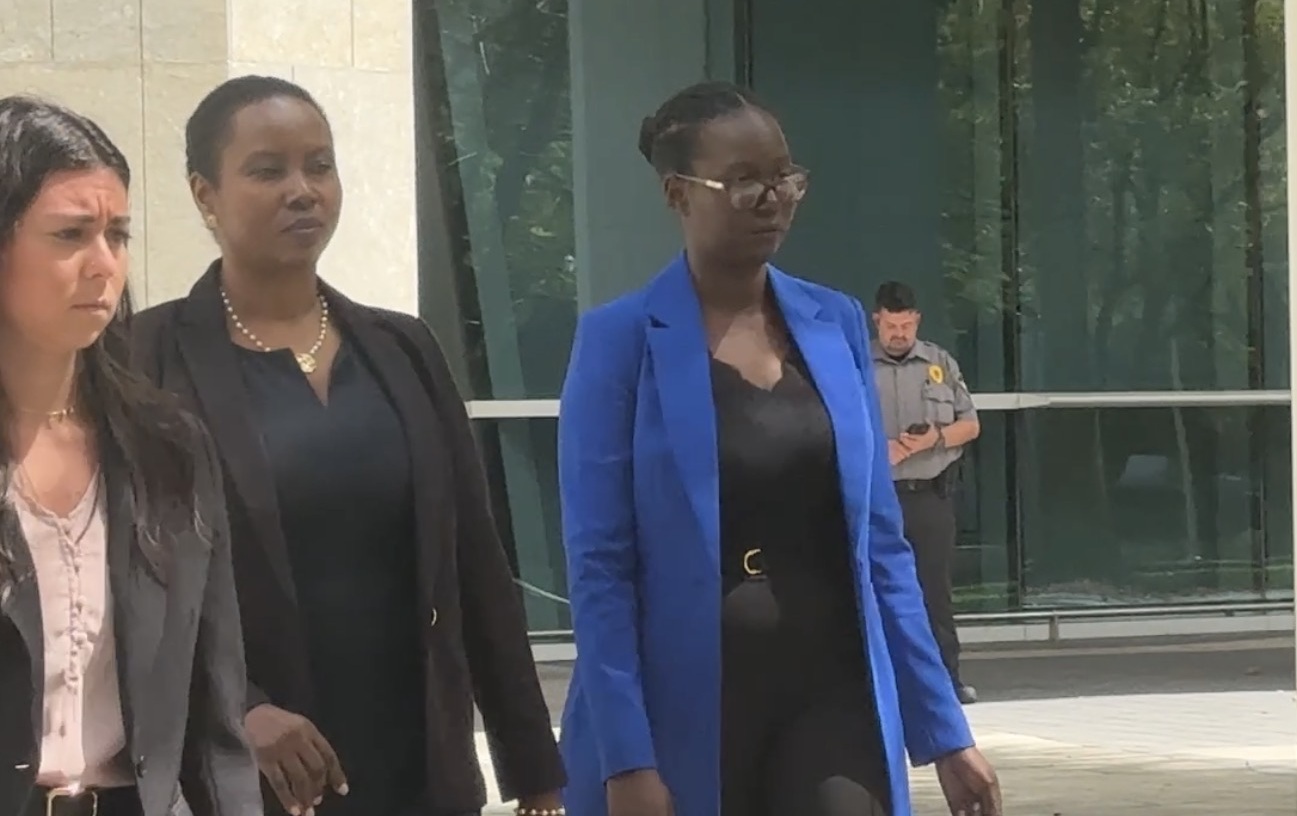
MIAMI, Florida — Emotional testimony from Martine Moïse, the widow of assassinated Haitian President Jovenel Moïse, has given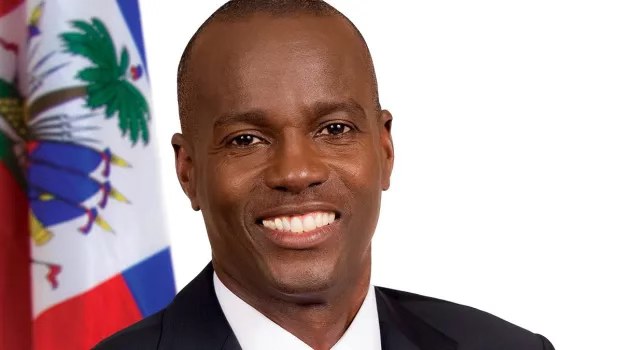 jurors in a U.S. federal courtroom a chilling account of the night gunmen stormed the presidential residence and killed the country’s leader.
Martine Moïse took the stand this week in Miami as part of the ongoing trial of several men accused of helping plan and finance the July 7, 2021 assassination, a crime that plunged Haiti into political crisis and remains only partially solved.
She told the court that armed men forced their way into the president’s private home in the hills above Port-au-Prince during the early morning hours, firing multiple shots at her husband while she lay beside him. She testified that she was also wounded in the attack and survived by pretending to be dead until the gunmen left the room.
According to prosecutors, the plot involved a group of foreign mercenaries, including former Colombian soldiers, along with Haitian and Haitian-American suspects. Investigators say some of the men believed the mission was to detain the president, but the operation turned into an assassination.
The Miami trial is focusing on the alleged role of South Florida businessmen and others accused of organizing or financing the plan, part of a wider international investigation that has stretched across several countries.
More than four years after the killing, the question of who ultimately ordered the assassination remains unanswered, with suspects still in custody in both Haiti and the United States as the case continues to unfold.
Angle by Deandrea Hamilton. Built with ChatGPT (AI). Magnetic Media — CAPTURING LIFE.

CARIBBEAN — Jamaica has become the 13th CARICOM member state to accede to the African Export-Import Bank Establishment Agreement, further strengthening economic ties between Africa and the Caribbean.
The development was confirmed during the 50th CARICOM Heads of Government Meeting, where an Afreximbank delegation led by George Elombi and Kanayo Awani met with Jamaica’s Prime Minister Andrew Holness to advance cooperation.
Prime Minister Holness thanked the bank for its support following Jamaica’s recent hurricane, noting that Afreximbank financing helped restore critical infrastructure including water, electricity, sewage systems and roads, while also assisting reconstruction efforts aimed at building stronger resilience to future disasters.
The meeting also focused on broader development opportunities tied to Jamaica’s membership in the agreement. Discussions included rebuilding and modernising infrastructure such as railways, hospitals and other public facilities, while strengthening regional transportation and trade networks to improve the movement of people and goods across the Caribbean.
Afreximbank has been expanding its presence in the Caribbean as part of its strategy to connect Africa with the region often referred to as “Global Africa.” The bank has already committed billions of dollars in financing and trade support to Caribbean economies in recent years, including funding for infrastructure, trade facilitation and private sector investment.
By joining the agreement, Jamaica gains expanded access to Afreximbank’s financial instruments, technical support and trade networks designed to promote commerce between Africa and CARICOM states.
Regional leaders say the growing partnership could unlock new opportunities in areas such as trade, logistics, tourism, manufacturing and cultural exchange, strengthening economic cooperation between the two regions with deep historical and diaspora ties.
Angle by Deandrea Hamilton. Built with ChatGPT (AI). Magnetic Media — CAPTURING LIFE.





-

 News1 week ago
Password to Paradise Radio Remotes at Beaches Turks & Caicos continue to highlight the TCI as the preferred Caribbean destination
-

 News1 week ago
Beaches Turks & Caicos adds four new PADI Dive Instructors to the cadre of professionals in the watersports department
-
 News1 week ago
Beaches Turks & Caicos shares fine dining experiences to high school students in Providenciales
-

 Bahamas News1 week ago
Bahamasair Backs Surge as Bahamians Flood South Florida for V.J. Edgecombe Showdown
-
 News7 days ago
50 Years of Ministerial Government: Cabinet Moves to Mark Milestone Rooted in 1976 Constitution
-

 News1 week ago
Fuel Costs Rise Again as Pelican Energy Warns of Global Pressures
-
 News1 week ago
Government Moves to Amend Destination Management Fee Law
-
 News1 week ago
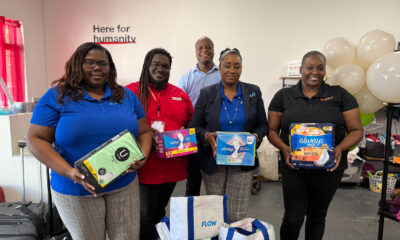
Flow TCI Empowers Local Communities with ‘Project EmpowerHER’